
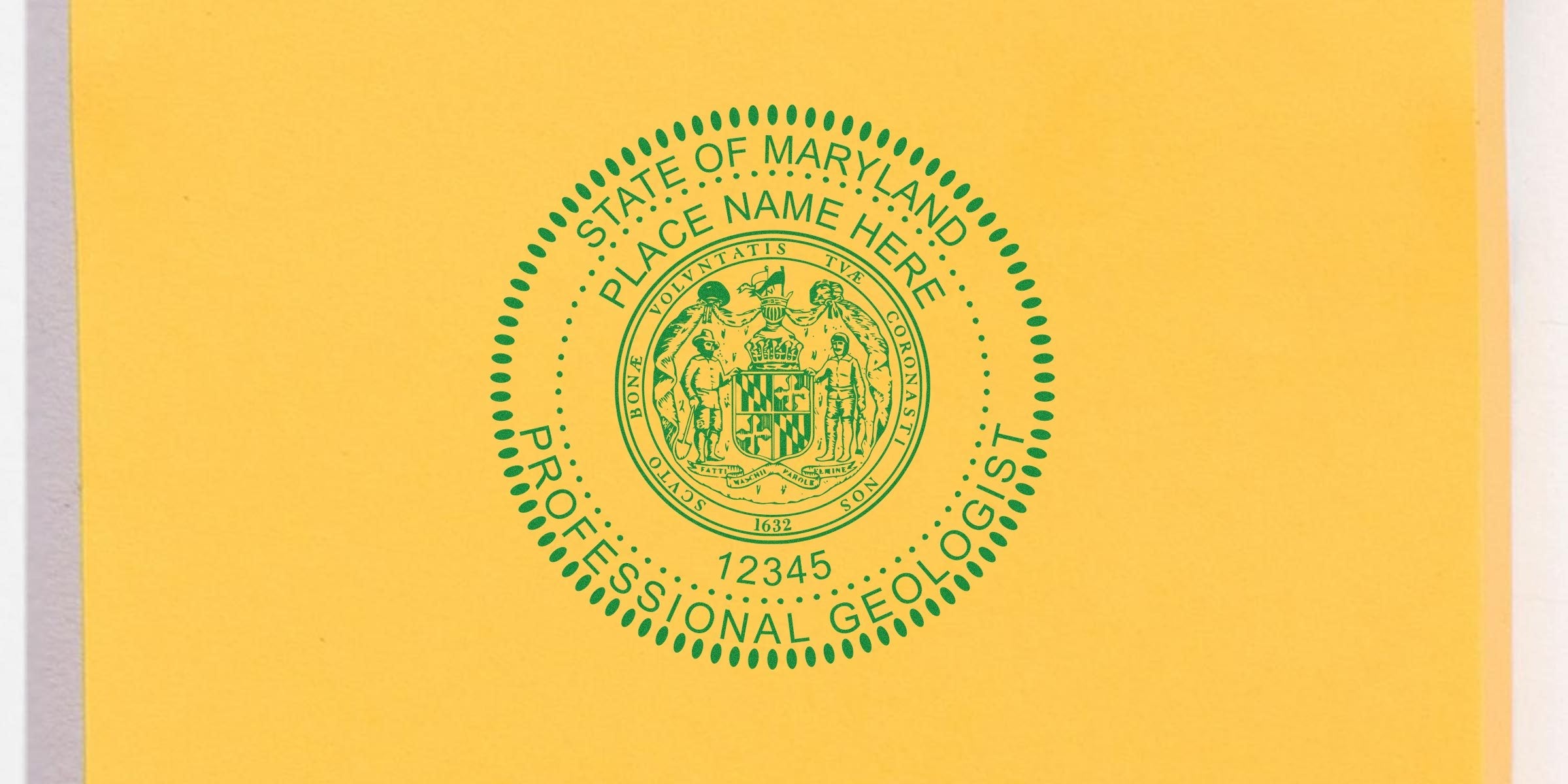
Are you gearing up to finalize your Maryland geologist stamp application? Maybe you have passed all your geology exams, or you are simply ready to shore up the final piece of your professional credentials. No matter where you stand, this process can feel a bit intimidating. Luckily, you do not have to figure it out all on your own. In this guide, we will walk through each key step, from checking that you meet the prerequisites to picking out the right stamp and seal. By the end, you will feel confident about your next steps and prepared to make your mark as a certified geologist in Maryland.
Understand The Application
Before diving into paperwork, it is helpful to get a lay of the land. The official application for Maryland geologists usually involves demonstrating your education and professional experience, plus passing appropriate exams. Although it might look like a pile of documents, every item, from your transcripts to proof of your qualifying coursework, helps the state confirm you can practice geology responsibly.
Let’s be honest. Tracking each form, gathering references, and verifying deadlines can feel like juggling a bunch of rocks. To save time, skim through the application requirements carefully, and make a quick checklist of what you already have vs. what you still need. Pay special attention to any mention of the professional seal or stamp requirement. While these steps might slow you down a bit, they also protect the profession’s integrity and set you up for success.
Key Items You Will Likely Need
- Official transcripts or proof of relevant degrees.
- Evidence of passing a professional geology exam if required by the state.
- A completed application form with correct fees.
- Additional documents like references and work experience summaries.
These elements confirm that you meet the standards for geologists practicing in Maryland. Once the state board reviews and accepts your materials, you are on your way to obtaining your license and eventually using your stamp or seal on official documents.
Verify Your Eligibility
Even the best application in the world will not go far if you do not meet Maryland’s eligibility criteria. Requirements may vary slightly year to year, so make sure to visit the relevant state board or licensing authority website to see the latest rules. However, most guidelines revolve around three main areas: academics, experience, and ethics.
1. Academic Background
If you are eyeing a state board approval, you typically need at least a bachelor’s degree in geology or a closely related field. The board may ask to see what specific courses you took, focusing on core geology subjects. Some states allow alternate paths if your degree does not align perfectly but you can prove relevant coursework. If you switched majors once or twice—like many of us have—just be sure you have enough geology credits to pass muster.
2. Professional Experience
Raw classroom learning needs to be paired with on-the-ground experience. If you can show practical job stints or internships under a licensed professional, you will strengthen your application considerably. Industry experts or academic supervisors who can vouch for your day-to-day geology skills will give that final nudge to the board. Keep a simple log of work done, references collected, and any significant projects you handled so you do not scramble at the last minute.
3. Moral Character And Ethics
Though it may sound formal, verifying strong moral character is the board’s way of ensuring you will handle your duties with integrity. This might require references from mentors, or it could simply mean attesting that you have not faced disciplinary actions in other jurisdictions. Be honest and transparent about your professional history, because any red flags that pop up later can delay your license.
Complete The Forms
Now comes the paperwork—a step that can make even the most organized person feel a little overwhelmed. The key is to give yourself enough time to go through each form methodically. This is also where your thorough prep in the previous sections starts to pay off.
Filling Out Application Details
- Read the instructions twice. Seriously. A quick glance can lead to small errors, and those can cause frustrating delays.
- Write legibly if you are filling out paper forms or ensure you do not skip any required fields if the application is online.
- Provide consistent information across all submitted documents. If you list your name with a middle initial on one form, do the same on every other document.
Tips For Supplemental Documents
- Label your documents: If you are sending multiple attachments (transcripts, references, etc.), label each one clearly with your name and application number (if available).
- Use a simple binder or folder: Keep everything together so nothing goes missing in transit—or in that messy desk drawer.
- Retain copies: Make full copies or scans of everything you submit. If a glitch happens, you will at least have a backup to reference or resend.
The final section of your application will often reference how to obtain or use an official geologist stamp in Maryland. That is your cue to start thinking about ordering a stamp or seal well in advance of final licensing approval. Nothing is worse than a last-minute scramble when you are trying to begin your first big project as a licensed geologist.
Submit Fees And Papers
No surprise here: the next step is to actually file your documents and pay any required fees. Keep a careful eye on the payment instructions—some boards accept online credit card payments, while others require checks or money orders.
What To Expect At Submission
- Application Review: Once your forms and payments are in the board’s hands, they will conduct a thorough review. Depending on their workload, you might have to wait several weeks or even a couple of months for a response.
- Additional Requests: The board may contact you for clarifications or additional materials. Respond as quickly and accurately as you can.
- Approval Or Denial: If all goes well, you will receive a notice that you are approved for licensure or will be approved once your exam results are verified. If denied, do not panic. Figure out which elements need fixing, and reapply when you are ready.
At this point, you are probably itching to finally wield your new seal or Maryland geologist stamp. But first, you need to choose one that meets Maryland’s specifications—and you need a reliable provider who can deliver a top-notch product.
Choose A Trusted Supplier
Here is where many budding geologists pause and think, “Which stamp is right for me?” In Maryland, you might see references to both a stamp and a seal. Typically, they perform the same essential function, certifying your professional work on official materials—but you also want a product that looks professional and lasts for years.
Why Use Acorn Sales?
Acorn Sales has been in the stamping and sealing business since 1964, helping professionals like you make their marks with confidence. If you need a robust, clearly engraved Maryland geologist seal, they are a trusted supplier with decades of experience. Even better, they provide a free digital seal so you can incorporate your credential into reports, documents, or electronic submissions without skipping a beat.
Stamp vs. Seal: What Is The Difference?
The terms are often used interchangeably. However, here is a quick comparison table:
| Feature | Stamp | Embossing Seal |
|---|---|---|
| Appearance | Ink impression (usually black or blue). | Raised imprint pressed into paper. |
| Usage | Quick to apply, good on most surfaces. | Creates an official, tactile impression for higher authenticity. |
| Maintenance | Replace ink pads periodically. | Maintain handle alignment, ensure plates remain sharp. |
| Professional Feel | Common tool for official docs, easy to replicate electronically. | Classic, formal look often used for certified copies or diplomas. |
In many cases, you can own both and pick whichever is appropriate for the task at hand. For instance, you may use an ink stamp for everyday reports, then switch to an embosser if you want a truly stand-out mark for certain legal or client-facing documents.
Dodge Common Pitfalls
Getting your official geologist license can be an exciting milestone, but a few pitfalls could trip you up if you are not careful. Here are some common missteps to watch for—and how to avoid them.
-
Missing Deadlines.
Coordinate your schedule with any board cutoffs or exam windows. If you are not paying attention to timelines, you might blow past critical deadlines, which means a delay of weeks or months. -
Incomplete References.
If the application says you need two or three references, do not just send in one. Double-check the exact requirement, and follow it precisely. Also, give your references a heads-up so they expect the board’s communication. -
Typos Or Inconsistent Names.
It sounds small, but a mismatched name between your transcripts and your application can create confusion. Make sure every form accurately reflects your current name and professional details. -
Not Having A Compliant Stamp Or Seal.
Each state has rules about the exact layout and wording for professional stamps. Confirm your supplier adheres to Maryland’s format and state regulations for geologist identifications. -
Procrastinating The Stamp Purchase.
You may assume it is best to wait until everything else is done. But ordering your stamp early ensures you have it ready the moment you receive official approval. If you push it off too long, you risk a last-minute panic when you need to stamp or emboss a new report or official letter.
Wrap Up The Process
Submitting your Maryland geologist stamp application might feel like scaling a small mountain. But if you step through each requirement carefully—verifying your education, gathering references, and keeping an eye on deadlines—you can streamline the journey. Once the state board grants approval, your stamp or seal becomes your professional signature on the world of geology. Whether you habitually work in the field collecting soil samples or in an office finalizing environmental reports, you will need that authorized mark to legitimize your expertise.
Do not forget to line things up with a reliable stamp supplier like Acorn Sales, especially if you want both a physical geologist seal and a free digital seal for your electronic documents. Having served professionals since 1964, they know how to keep you compliant with Maryland standards, so you can move right along without surprises or hiccups.
At this point, you have every reason to feel confident. Just remember: do not underestimate the power of slow, steady preparation. The better you plan, the fewer hurdles you will have to jump over later. Tackle the application forms as soon as possible, bear in mind any special instructions from the board, and keep track of your due dates so nothing slips through the cracks. Once you check off these items, you will be well on your way to stamping your professional authority across Maryland’s geologic landscape. Good luck and congratulations on taking this big step forward in your geology career!
Frequently Asked Questions
Do I need a special design for my Maryland geologist seal?
In most cases, Maryland specifies a standard layout that includes your name, your license number, and the state designation. Always check state guidelines for any unique elements or text you must display.
When should I order my stamp or seal?
Ideally, order your stamp or seal after you have confirmed the state board’s format requirements but before your license approval arrives. This way, you have it on hand and are ready to go once you receive the green light.
What if my application is denied the first time?
Sometimes an application is returned due to incomplete paperwork or insufficient references. Do not worry. Correct whatever issues are flagged, gather the missing items, and reapply. Patience and precision are key here.
How important is a digital seal?
As more reports are filed online, a digital seal (provided free by Acorn Sales) is highly practical. It lets you certify electronic documents in a way that is recognized and respected, mirroring what you would do on paper.
Is there a renewal process for the license or stamp?
Most professional licenses in Maryland have a renewal cycle—often every two years or so. You do not always replace the physical stamp, but you must keep your license active. Check the board’s website for specific renewal deadlines and fees.








