
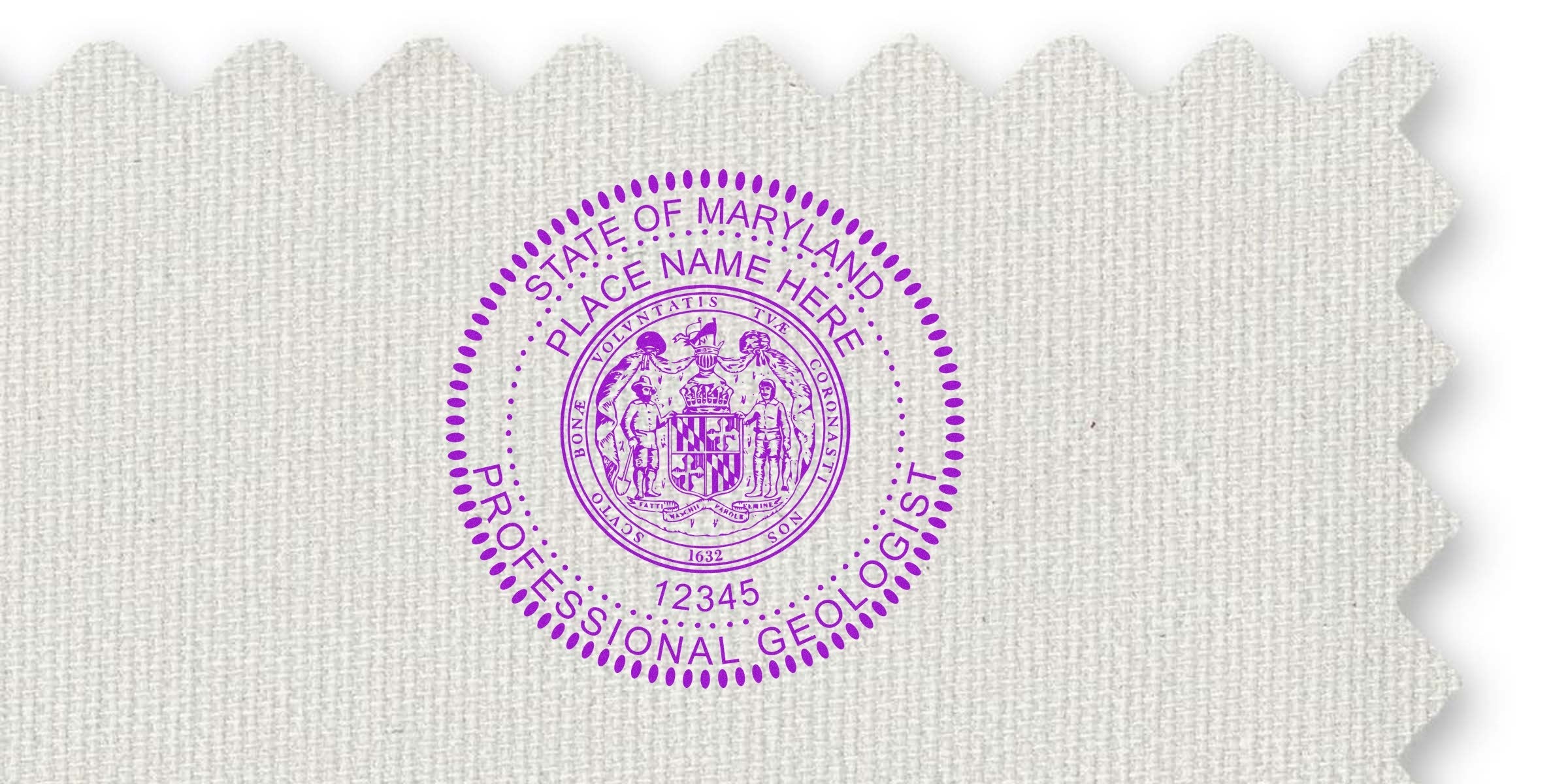
If you’re getting ready to meet geologist stamp Maryland requirements, you might feel a bit overwhelmed. After all, confirming your professional credentials in Maryland involves more than just printing out a document. You need a proper stamp or seal that aligns with specific state guidelines, plus you have to ensure every mark you make is both official and compliant. In this article, you’ll discover what you need to stay on track, from the core licensing process to picking the right seal design. Grab a notebook, and let’s walk through these essentials together.
Understand Maryland Licensing
Before diving into the details of stamps and seals, it’s useful to grasp how Maryland regulates geologists. The state’s licensing board holds professional geologists to a high standard, which helps protect public safety and the environment. When you’re licensed in Maryland, people trust your findings and recommendations—whether it’s for groundwater surveys, mineral site evaluations, or broader geological assessments.
Licensing in Maryland typically requires the right mix of formal education and relevant activities, such as supervised professional experience in the field. Each step matters. If you want your license to stay in good standing, you need to follow every guideline the state lays out, including the requirement to use a proper seal or stamp on certain documents.
Fulfill Educational And Experience Points
Maryland has clear expectations for professional geologists when it comes to education and experience. You usually need a degree in geology or a closely related field from an accredited institution. This foundational knowledge ensures you can conduct accurate research and interpret data responsibly. In addition, you’ll be asked to demonstrate a specific number of years spent gaining hands-on work experience. This could mean working under the supervision of a seasoned geologist, mapping bedrock strata in the field, or conducting lab examinations.
- Complete a bachelor’s degree in geology or a similar subject.
- Accumulate professional experience under a licensed geologist or approved supervisor.
- Keep thorough documentation of the projects you’ve contributed to.
By checking off these background milestones, you prove to the state board that you understand geology’s real-world challenges. Once you’ve satisfied these criteria, you’ll be eligible to apply for your license—and then the countdown to ordering your official stamp begins.
Grasp Design And Format Requirements
Knowing how your seal or stamp should look is a critical piece of meeting Maryland’s guidelines. You can’t just create a random design and call it a day. Maryland typically specifies details like the outer ring, wording, and the placement of your name and license number. Although naming conventions can vary, you’ll often see phrases such as “Licensed Professional Geologist” prominently featured. The state also insists on clear, legible typeface so that any official document you stamp can be traced back to you.
Key Elements To Include
- Your name, exactly as it appears on your license
- The term “Licensed Professional Geologist” or a similar approved designation
- Your license number, typically centered for easy visibility
- Maryland references (for example, the phrase “State of Maryland”)
Take care to follow the layout instructions closely. If you deviate from the guidelines—maybe by changing the positioning of text or the overall diameter—your stamp might be deemed invalid. Before you purchase anything, double-check the official regs and any template the Maryland Board for Professional Geologists may provide. If you want a quick peek at a recommended design, you can always check out the maryland geologist stamp options to see what a compliant style might look like.
Obtain Your Stamp Or Seal
Once you’ve locked down the proper design, it’s time to get the physical seal or stamp. This step is more than a formality. Your seal or stamp is the tool you’ll use to authenticate reports, drawings, and any official documents you prepare or review. Think of it like a signature that carries the weight of your professional license.
Most geologists in Maryland opt for either an embosser (which presses a raised impression into paper) or a rubber ink stamp. There’s no one-size-fits-all preference—what matters is whether the end result is crisp, permanent, and easily recognizable as your mark. An embosser often looks more formal, while an ink stamp is convenient: you can just press and go.
Factors To Consider
- Durability: Will you carry your stamp into the field or mainly use it in an office?
- Legibility: Ink stamps need to produce clear text, and embossers must generate a neat impression.
- Compliance: Ensure the manufacturer understands Maryland’s specs.
Plenty of suppliers offer customizable stamps for professional geologists, but it’s smart to go with a company experienced in state-by-state requirements. If you ever wonder about cost differences, weigh the convenience factor and how often you think you’ll use the stamp.
Use And Maintain Your Seal Properly
Now that you have your official mark, it’s time to apply it correctly. Maryland law typically requires that you stamp or seal final documents, such as signed reports or certified drawings. Some geologists go the extra mile and keep a record or log of which documents they seal, just to have a handy reference if any disputes arise. Maintaining security is also crucial—don’t leave your stamp lying around where someone else could misuse it.
- Apply the stamp to the final version of documents, not drafts.
- Keep a record of documents stamped or sealed.
- Make sure the stamp remains secure at all times.
In certain cases, you may need to initial or sign near the seal to confirm it’s genuinely authorized by you. It’s also wise to keep track of ink levels if you’re using a rubber stamp—the last thing you want is an important paper with a fuzzy impression that no one can read.
Avoid Common Pitfalls
Mistakes can happen, especially if you’re new to the process. One common misstep is forgetting to include your signature or date in tandem with the seal. Another slip-up involves stamping documents that are not final or that haven’t actually been prepared under your supervision.
Pay careful attention to the following missteps:
- Stamping Preliminary Drafts. Make sure documents are final.
- Omitting Your Signature. Often, the board requires a signature alongside the seal.
- Using A Non-Compliant Design. Double-check that your seal’s format aligns with Maryland guidelines.
- Letting Others Use Your Stamp. Never loan your seal, even to a colleague.
- Failing To Renew Your License On Time. An expired license invalidates your seal.
Steering clear of these pitfalls helps you maintain a strong professional reputation. It also prevents any disciplinary action from the state board, which could lead to fines or even suspension of your license.
Choose A Trusted Supplier
Ensuring your seal meets every part of the Maryland rulebook can be daunting. That’s why many geologists look for a supplier who specializes in official stamps and embossers. At Acorn Sales, we’ve been helping professionals like you since 1964, offering a wide range of geologist stamps and seals tailored to Maryland’s requirements. What’s more, we provide a free digital seal option, in case you need an electronic copy for PDF documents or digital submissions.
Many of our customers appreciate that we’re experienced in the specifics of each state’s design. With us, you can rest easy knowing your stamp or seal will display all the right labels, numbers, and formatting details. You simply fill out the required information, and we’ll do the rest.
If you’re curious to see how our Maryland stamps compare to what you have in mind, jump over to maryland geologist stamp. You can explore styles, compare materials, and confirm sizing details. Once you find the model you like, we’ll craft it to fit your license credentials so you can start using it right away.
Maintain Compliance Over Time
You’ll want to do more than just grab your seal once and call it good. Long-term compliance means staying up to date with any changes to Maryland’s regulations. Rules for professional geologists can shift over time, sometimes adding new steps for continuing education or clarifying how stamps are used on electronic documents. By staying in the loop, you avoid unpleasant surprises.
Tips For Ongoing Compliance
- Check for any continuing education requirements or license renewal intervals.
- Follow schedule updates from the Maryland Board (subscribe to any official newsletter if available).
- Confirm your stamp’s condition; worn or smudged impressions can be seen as noncompliant.
- Keep a backup stamp if you rely heavily on physical impressions in your day-to-day projects.
If you suspect that the state’s laws have changed, it never hurts to reach out to the licensing board directly. They can clarify any new protocols you need to follow, whether that involves a new seal size or an updated line of text.
Summary And Next Steps
Securing your geologist stamp in Maryland isn’t just checking a box—it’s a cornerstone of your professional identity. You’ve earned the right to stamp documents with your official seal, and using it properly boosts your credibility in the eyes of clients and regulators alike. By ordering a compliant stamp, following correct usage guidelines, and keeping an eye on changing regulations, you’ll stay on track with all your document work.
If you’re ready to move forward, gather your license details, check out a reputable supplier like Acorn Sales, and be sure to keep that stamp in good shape. Before you know it, you’ll be smoothly sealing everything from geological site reports to lab data submissions, all with the confidence that you’re meeting every Maryland standard.
Feel free to check out your stamp options at maryland geologist stamp or reach out if you have any lingering questions. Good luck with your licensing journey, and here’s to many successful geological projects in Maryland!
Frequently Asked Questions
Do I Need A Specific Size For My Maryland Geologist Stamp Or Seal?
Most states set sizing parameters to ensure legibility. Maryland typically provides a recommended diameter or dimension. Always verify the latest state guidelines for the exact measurements.
Can I Use A Digital Seal Instead Of A Physical Stamp?
Maryland usually expects a physical seal on official documents, but a digital seal can be acceptable for electronic submissions if it meets the board’s criteria. Acorn Sales offers a free digital seal when you purchase a physical one.
What If My License Number Changes After I Order My Stamp?
Usually, license numbers don’t change often. But if yours does, you’ll need a new seal reflecting the updated number. Reach out to your supplier to see if they offer a discount for replacements.
Are Embossers Better Than Ink Stamps?
Neither is inherently better—they just serve different preferences. An embosser creates a raised impression, giving documents a more traditional feel. An ink stamp is faster, so it often comes down to personal taste and how you’ll use it.
How Do I Keep My Stamp Secure?
Consider locking it in a drawer or safe, especially if you share an office space. This ensures no one else can use your stamp without your permission, which helps prevent unauthorized or fraudulent use of your license.








