
Written by Acorn Sales Company, manufacturing stamps and seals since 1964 · Reviewed by Holly R, VP of Sales and Marketing at Acorn Sales, against Real Estate Appraiser Program, Department of Commerce and Consumer Affairs on 22 September 2026 · Updated 22 September 2026
Hawaii does not require a real estate appraiser to seal a report, and it is one of the few states that wants the expiration date of your credential printed on one. The appraiser rules are Haw. Admin. R. chapter 16-114 and the statute behind them is HRS chapter 466K. The whole chapter was read for this page, all nineteen subchapters, and neither the word seal nor the word stamp appears in it once. What the chapter does carry is a report rule, Haw. Admin. R. 16-114-89, which fixes both the content and the position of the block that follows your signature.
For a device that means two things. Everything an appraiser here normally puts on a stamp is discretionary, so no diameter, shape or legend is fixed and nothing is filed with the program. And because Hawaii wants the expiration date on the report, a die with that date cut into it stops being accurate at your next renewal. That is a real downside, and it decides how most Hawaii appraisers lay the block out: the fixed part on the die, the date written or typed beside it.
Hawaii real estate appraiser seal requirements at a glance
| Requirement | Hawaii rule | Source |
|---|---|---|
| Seal required | No. Neither “seal” nor “stamp” appears anywhere in the appraiser rules chapter or in the appraiser statute | Haw. Admin. R. ch. 16-114, read in full; HRS ch. 466K |
| Required elements | Your signature, and immediately following it: the credential words “state licensed appraiser”, “state certified general appraiser” or “state certified residential appraiser”, the license or certificate number, and the expiration date of that license or certificate | Haw. Admin. R. 16-114-89(a) and (b) |
| Size and shape | None prescribed. No diameter, dimension or shape language appears in the appraiser rules chapter or the appraiser statute, because no seal is called for at all | Haw. Admin. R. ch. 16-114, read in full |
| Device allowed | The rule governs what the report must state and where the statement sits. It names no method, so the block may be typed, printed with the report or applied with a stamp; none of the three is prescribed and none is prohibited | Haw. Admin. R. 16-114-89 |
| Signature and date | The rule is built on the signature: the credential words, number and expiration date go “immediately following the signature on the report”. The date the rule asks for is the credential’s expiration date, not the date you sign | Haw. Admin. R. 16-114-89(a) |
| What must be sealed | Nothing. No Hawaii document requires an appraiser’s seal. Appraisal reports carry a signature block instead, and report content otherwise runs on USPAP | Haw. Admin. R. ch. 16-114, read in full; HRS 466K-4 |
| Electronic seal | Not addressed. The words “electronic” and “digital” do not appear in the appraiser rules chapter, and the appraiser statute has no electronic signature or electronic seal provision | Haw. Admin. R. ch. 16-114, read in full |
| Renewal and lapse | This is where Hawaii bites. The expiration date on the report moves at each renewal, so any fixed wording carrying that date goes stale on the renewal day | Haw. Admin. R. 16-114-89(a) and (b) |
| Firm requirements | No firm seal and no firm registration provision appears in the appraiser rules chapter. The one adjacent duty is on supervision: reports prepared by appraiser assistants must be approved and signed by a certified appraiser | Haw. Admin. R. 16-114-89(d) |
| Regulator | Real Estate Appraiser Program within the Department of Commerce and Consumer Affairs, administered by the Director of Commerce and Consumer Affairs through the Professional and Vocational Licensing Division. Hawaii has no separate appraiser board | HRS 466K-2 |

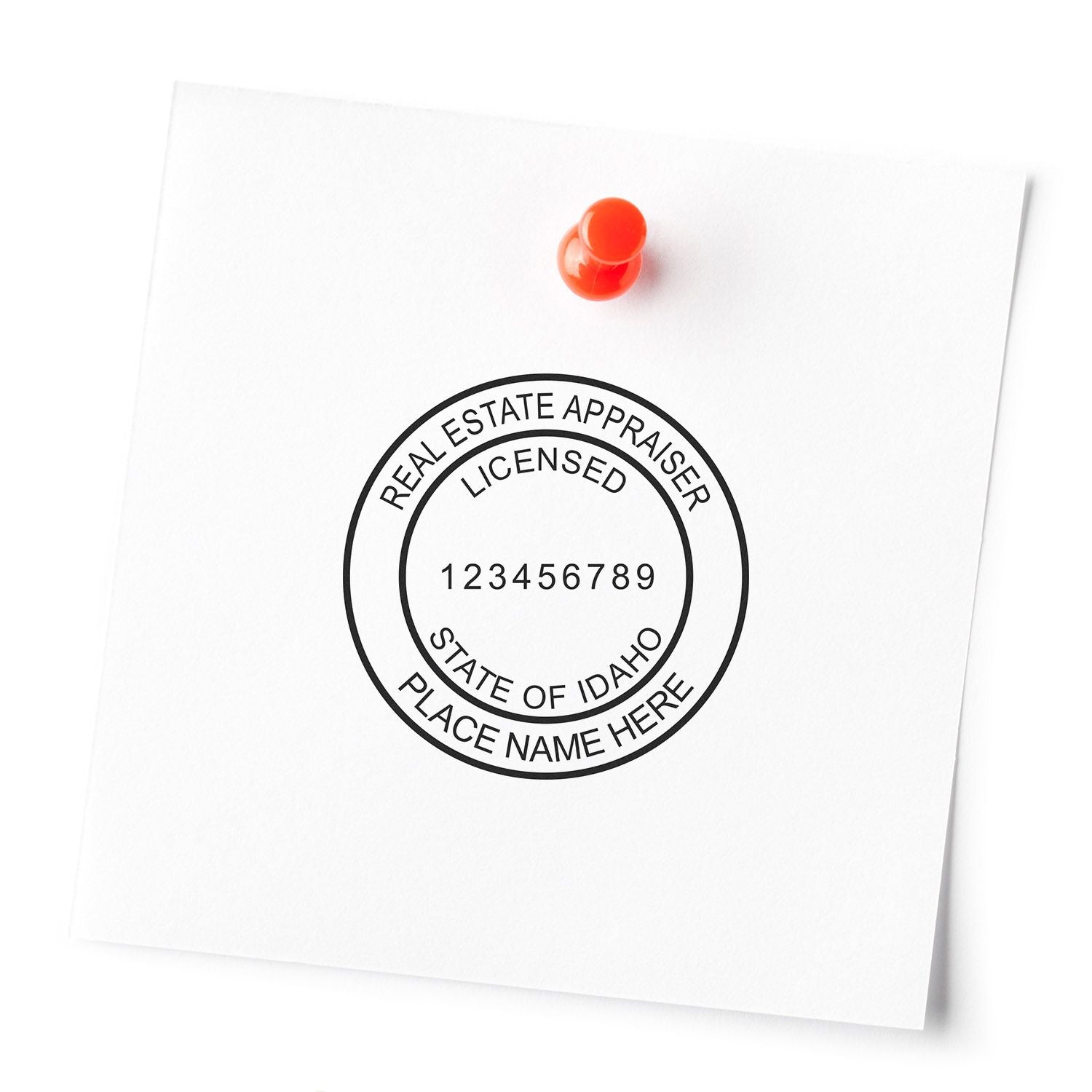
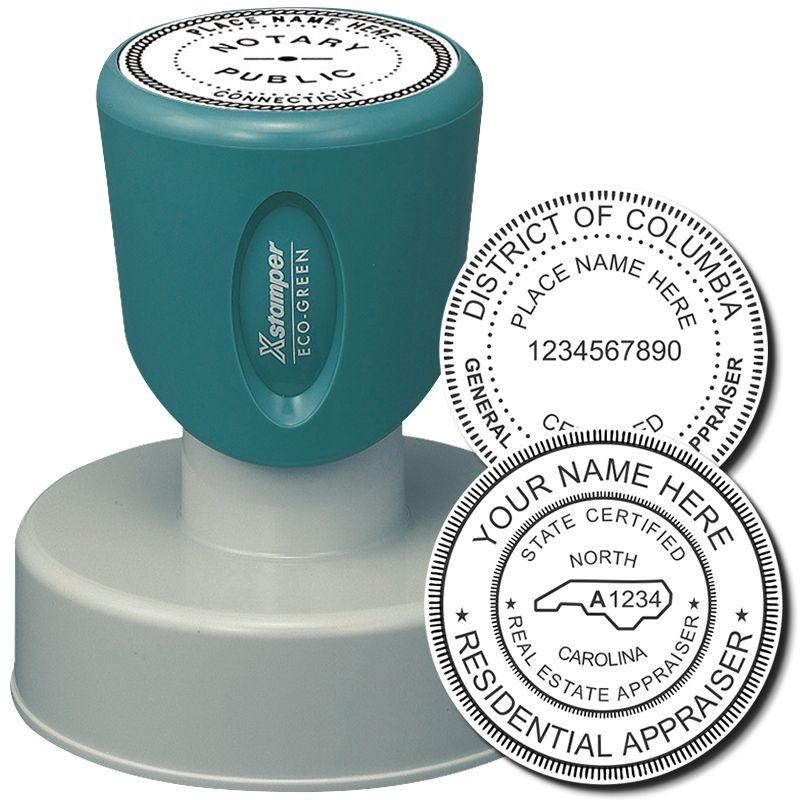
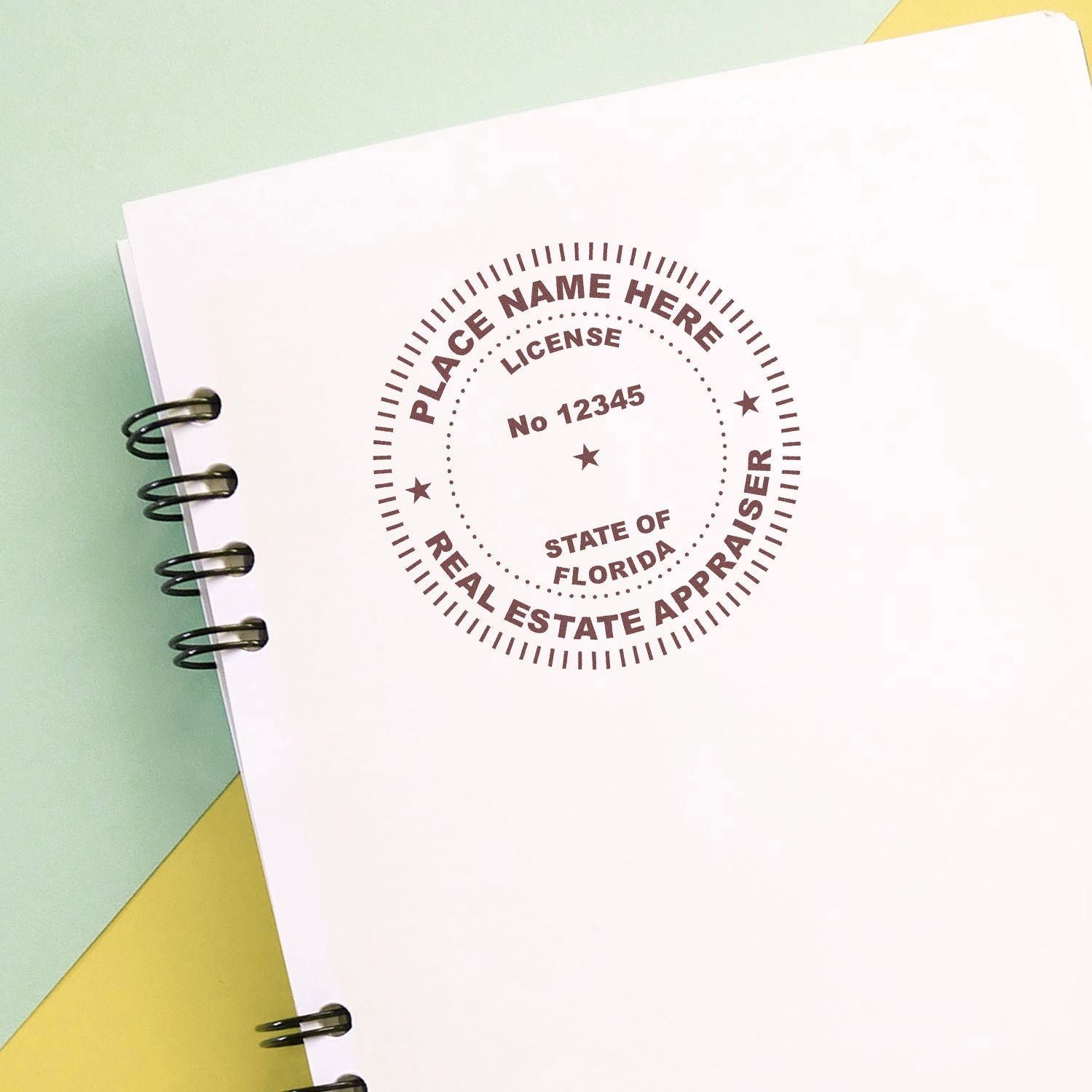
Does Hawaii require an appraiser’s seal?
No. Hawaii runs its appraiser program out of the Department of Commerce and Consumer Affairs rather than a standalone board, and the program’s rules are Haw. Admin. R. chapter 16-114. That chapter was read end to end for this page, all nineteen subchapters, sections 16-114-1 through 16-114-140, from the department’s own posted chapter PDF. The words seal and stamp appear in it zero times. HRS chapter 466K, the statute, has only six sections, 466K-1 through 466K-6, and none of them is a seal section either. HRS 466K-4 requires compliance with the Uniform Standards of Professional Appraisal Practice; HRS 466K-3 sets out the director’s powers and duties and says nothing about a seal. Hawaii does not even have the usual distractor of a board’s own authenticating seal, because the program is run by the director with an advisory committee rather than by a board that would need one to certify its records.
What the report rule actually says
The operative provision is Haw. Admin. R. 16-114-89, headed “Signature on appraisal reports”, and it has four subsections. Subsection (a): if an appraisal report is prepared and signed by a state licensed appraiser, the report shall state, immediately following the signature on the report, “state licensed appraiser” and the appraiser’s license number and expiration date. Subsection (b) does the same for a state certified appraiser, with the words “state certified general appraiser” or “state certified residential appraiser”, as the case may be, and the certificate number and expiration date. Two things are worth pulling out of that text. The credential words are prescribed exactly, so the wording on a die should match them rather than paraphrase them. And the position is prescribed too: immediately following the signature, not at the head of the report and not in a footer.
The expiration date is the Hawaii difference
Most states that ask for anything ask for the credential words and the number. Hawaii adds the expiration date, and that single word changes what a stamp is worth here. A die that carries your name, your credential words, your number and a date reading, say, 31 December 2026 is accurate until that date and wrong afterwards. There is no way around it in the engraving: the date is a fact that changes on a schedule the state sets. Two layouts deal with it. The first leaves the date off the die entirely and puts a short blank line labelled for it, so the date is filled in by hand or typed into the report beside the impression. The second cuts the date into the die and treats the device as consumable, replaced at each renewal cycle. The first is what most people choose; the second is worth considering only if you sign a very high volume and want zero handwriting on the block.
If your credential is recognized temporarily from another state
Subsection (c) covers the appraiser licensed or certified elsewhere whose credential has been temporarily recognized by the director. Such a report must state, immediately following the signature, “licensed appraiser”, “certified general appraiser” or “certified residential appraiser”, as applicable, the license or certificate number, its expiration date, and the jurisdiction in which the appraiser is licensed or certified. Note what is different in that list: the word “state” drops out of the credential phrase, and the issuing jurisdiction is added. An out-of-state appraiser working temporarily in Hawaii therefore needs a different block from a Hawaii credential holder, not the same one. If you carry a home-state device and expect to work here under temporary recognition, that device will not carry the Hawaii-facing line.

Reports prepared by appraiser assistants
Subsection (d) is short and firm: appraisal reports prepared by appraiser assistants shall be approved and signed by a certified appraiser. There is no assistant-grade device to order here, because the block the rule describes is hung on the credential of the appraiser who signs, and that appraiser is certified. If you supervise assistants, the device you want is your own, and the useful question at the order stage is whether you sign enough of their reports to want a second impression tool on the desk rather than carrying one between offices.
The chapter next door is for engineers and architects
This is the trap in Hawaii, and it is easy to fall into. The same department publishes Haw. Admin. R. chapter 16-115, which governs professional engineers, architects, surveyors and landscape architects. Those professions do seal their work, and their chapter PDF sits directly beside the appraiser one on the department’s rules index. A search for a Hawaii seal requirement that lands on the engineering and architecture chapter and reads it as appraiser law produces a confident and wrong answer. Chapter 16-115 is a different credential under the same agency and it does not reach appraisers. Its contents were not read for this page and nothing here is asserted about them; the point is only that they are not yours.
What to engrave, and where the block goes
Start from the rule and work outward. The fixed, repeating part of the block is your name as you sign it, the exact credential phrase from Haw. Admin. R. 16-114-89, and your license or certificate number. That is what belongs on a die, because it is what does not change between reports. The expiration date is the moving part; leave it as a labelled blank unless you have decided to replace the die each cycle. Position matters as much as content: the rule says immediately following the signature, so the impression goes under or beside the signature line, not on a cover sheet. If you also hold credentials in another state, keep that state’s wording on its own device. A single die carrying two credential phrases misstates both, and Hawaii’s phrasing is specific enough that a generic one will not match it.
Embosser, ink stamp, or the eSeal image
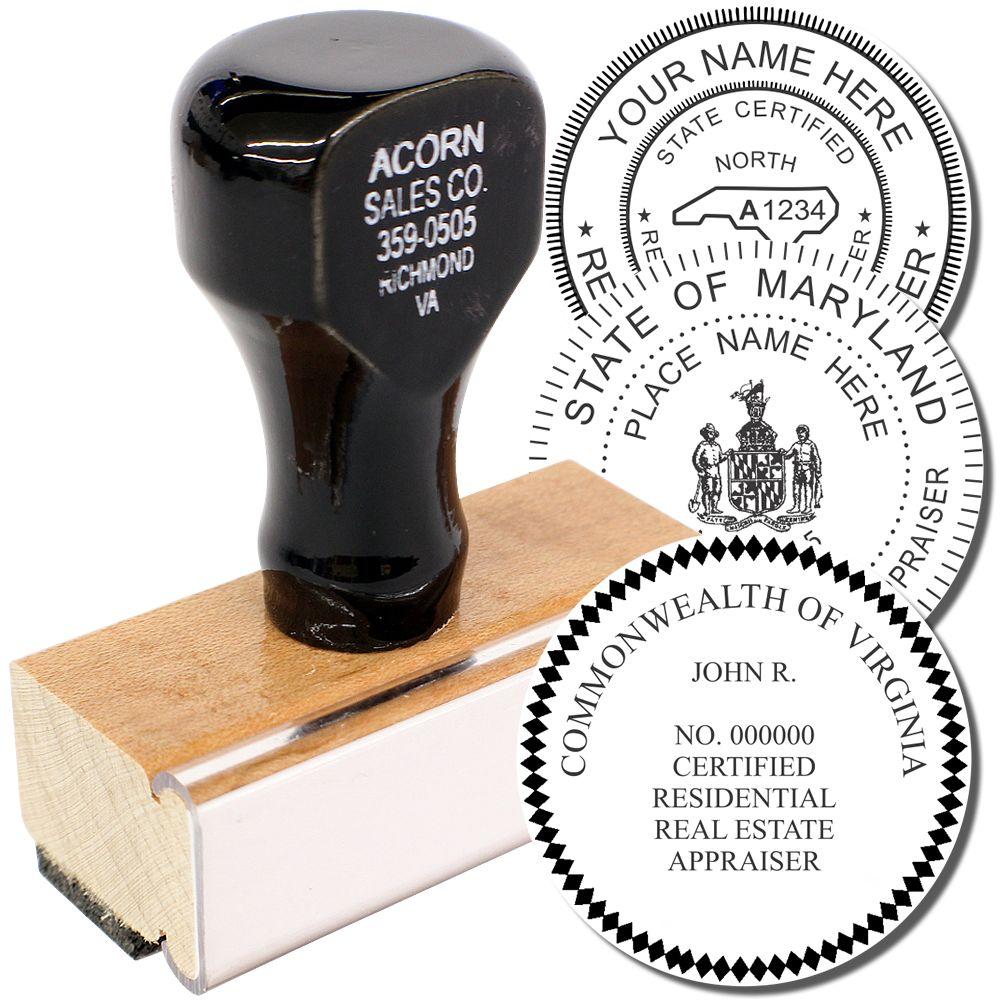
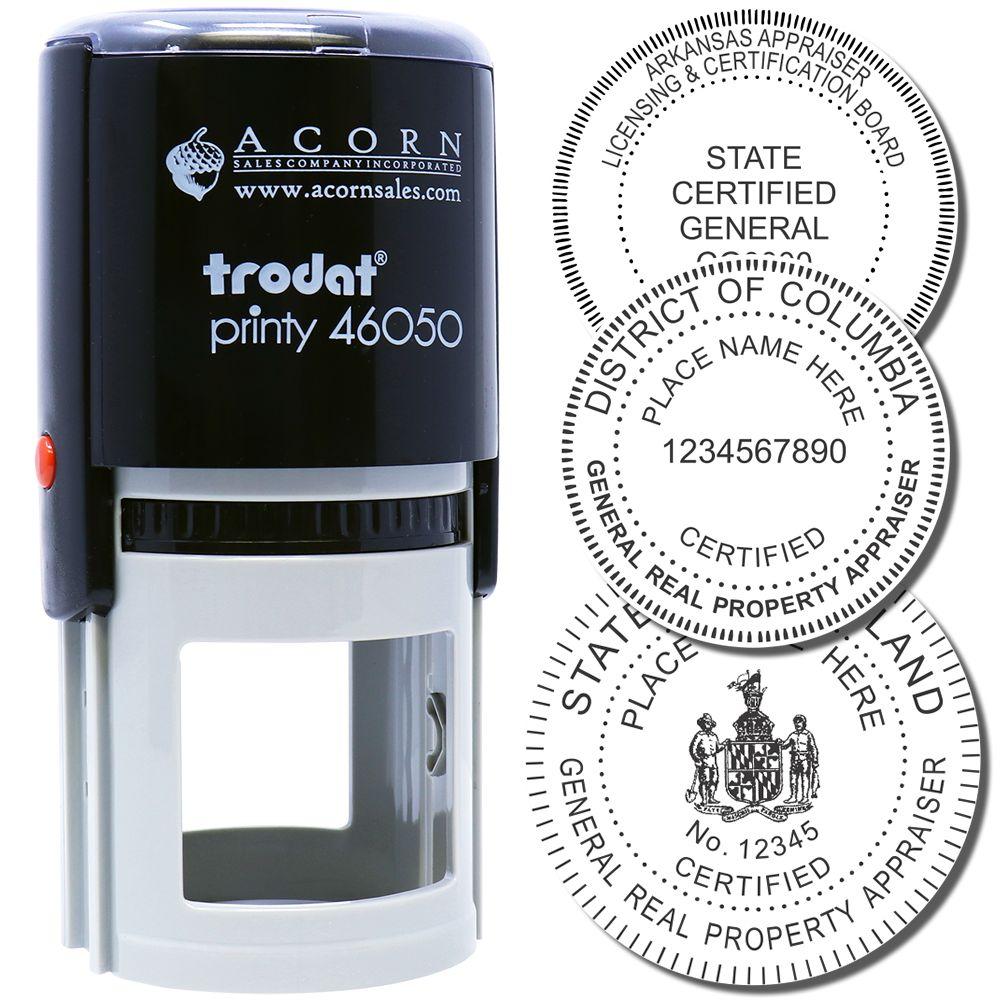
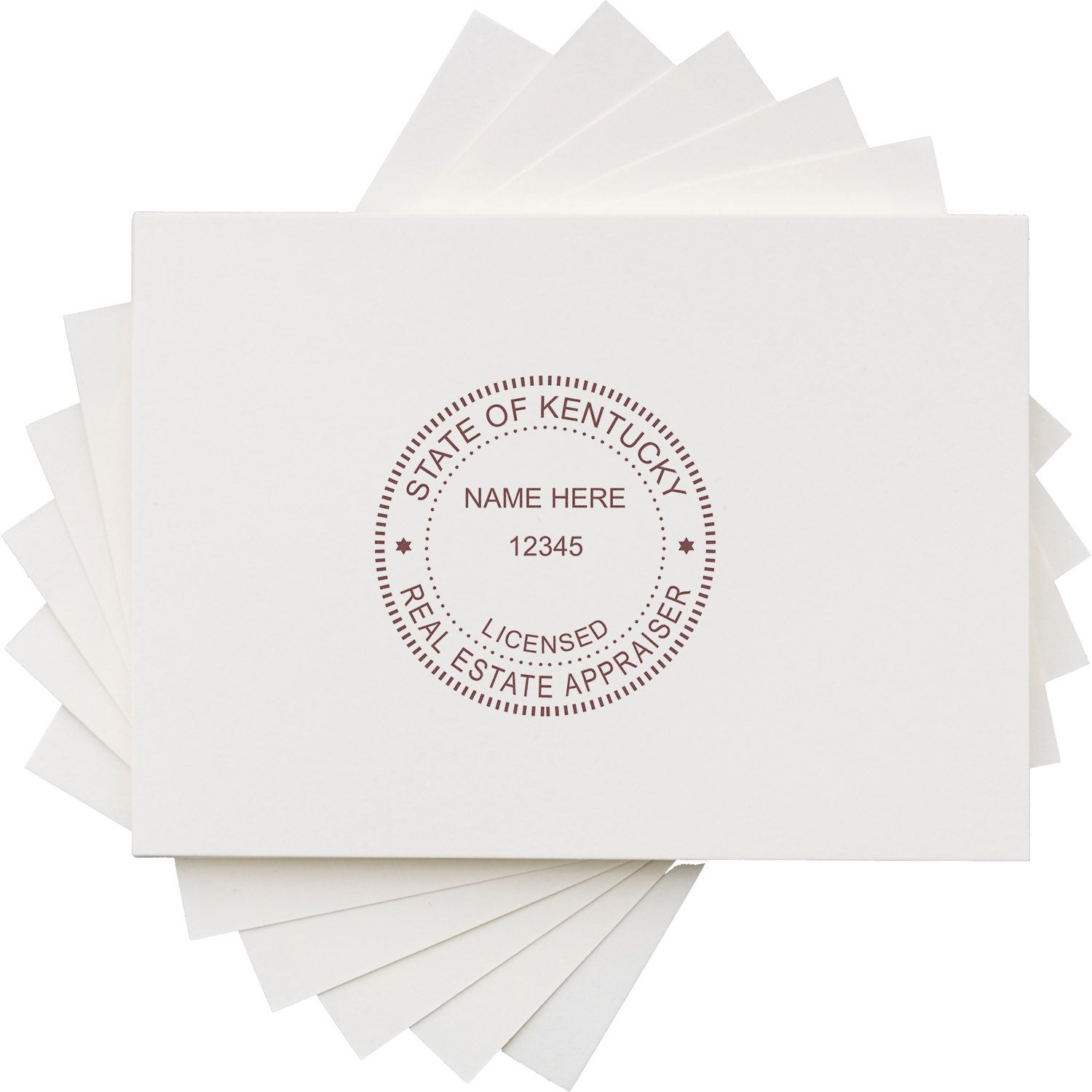
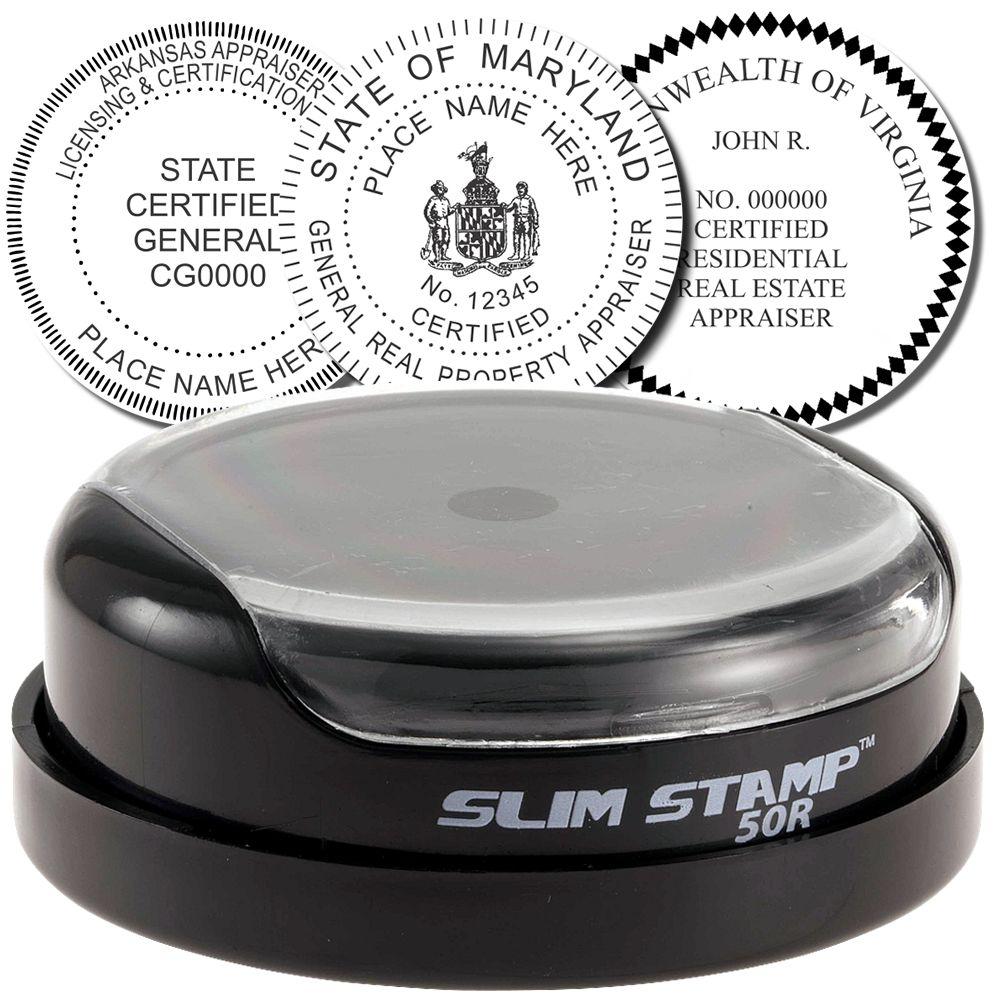
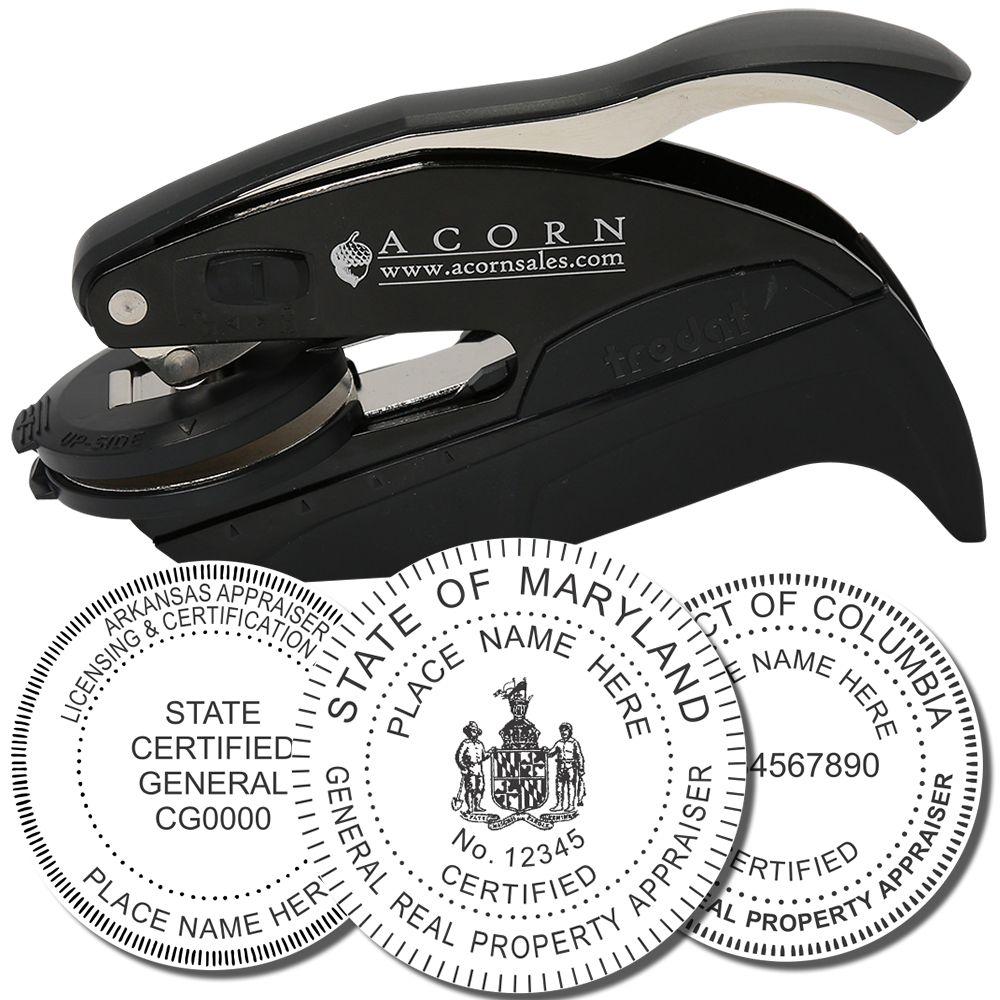
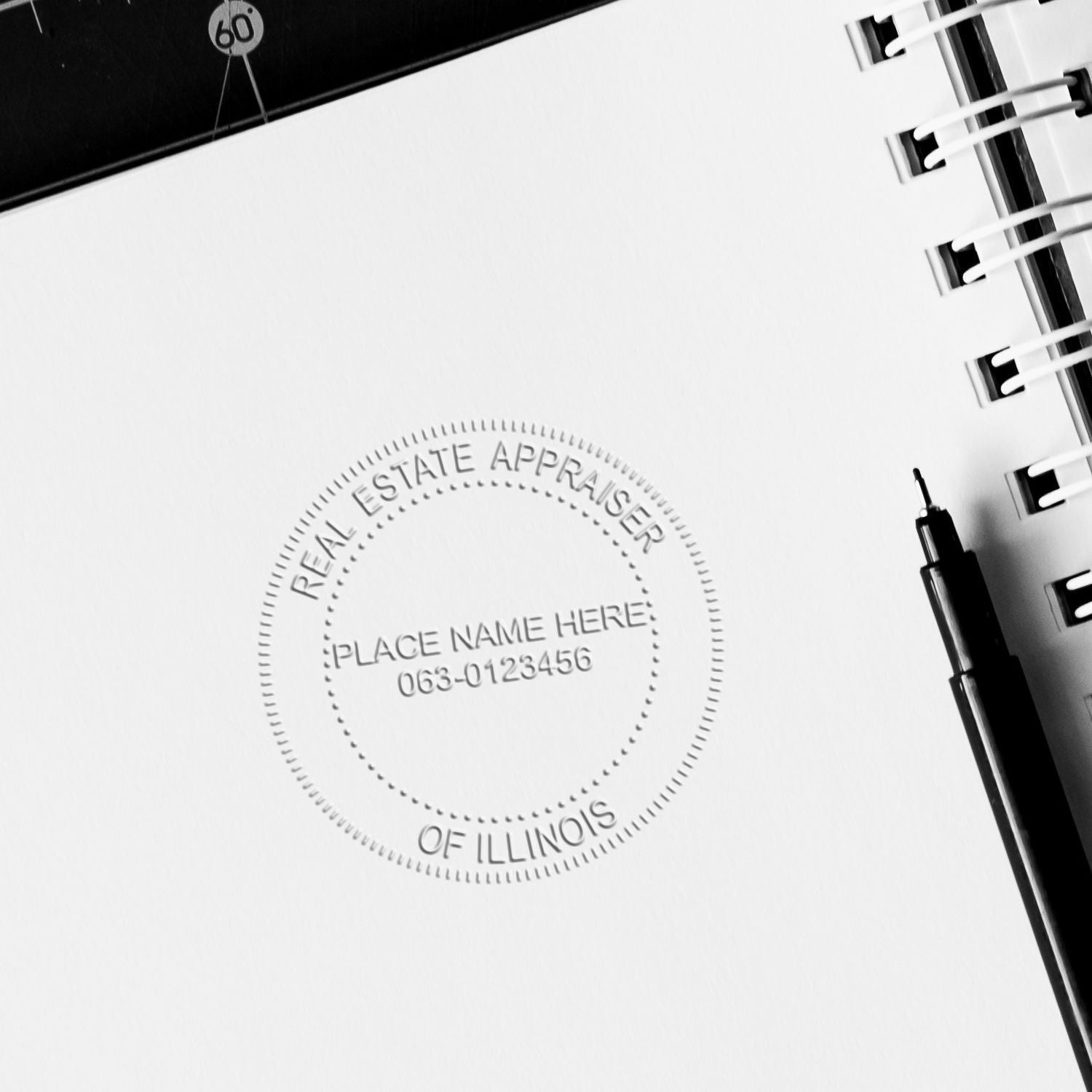
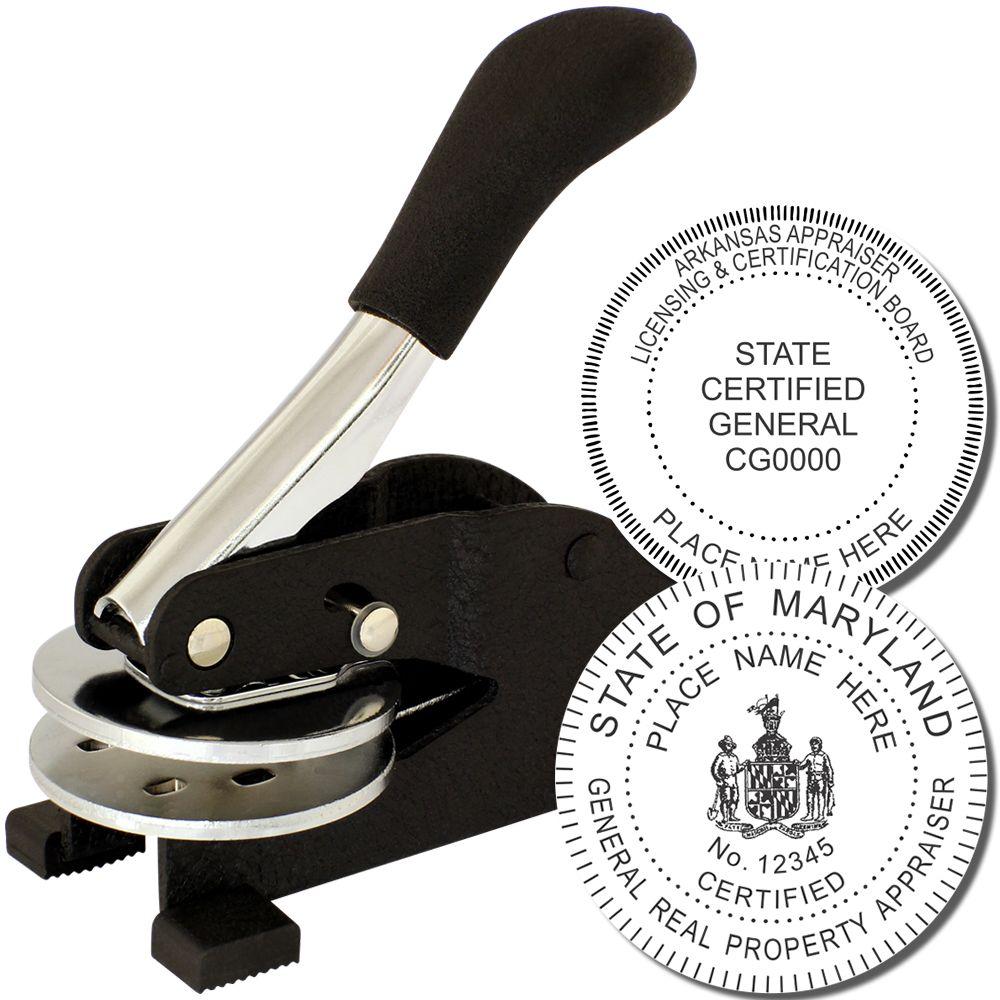
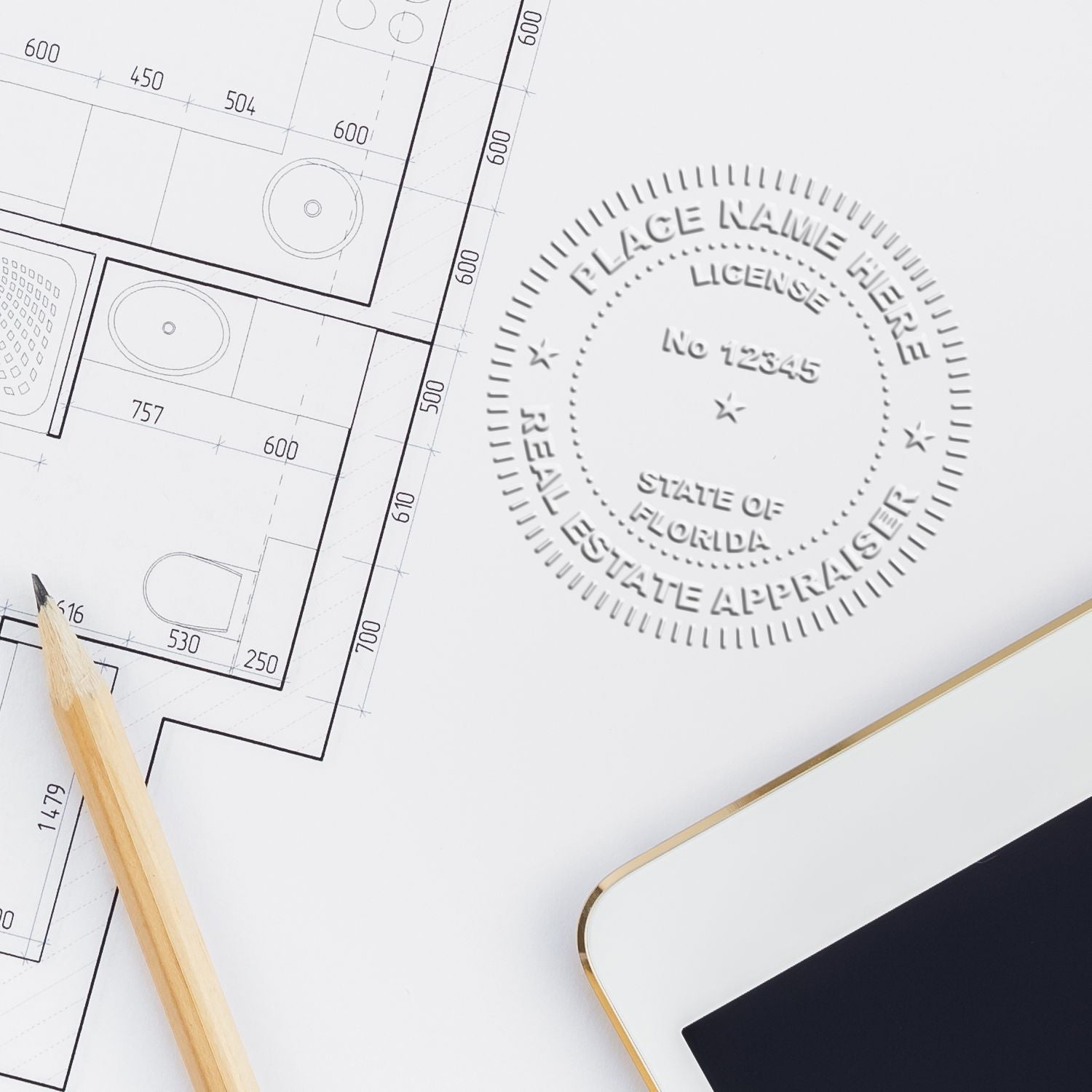
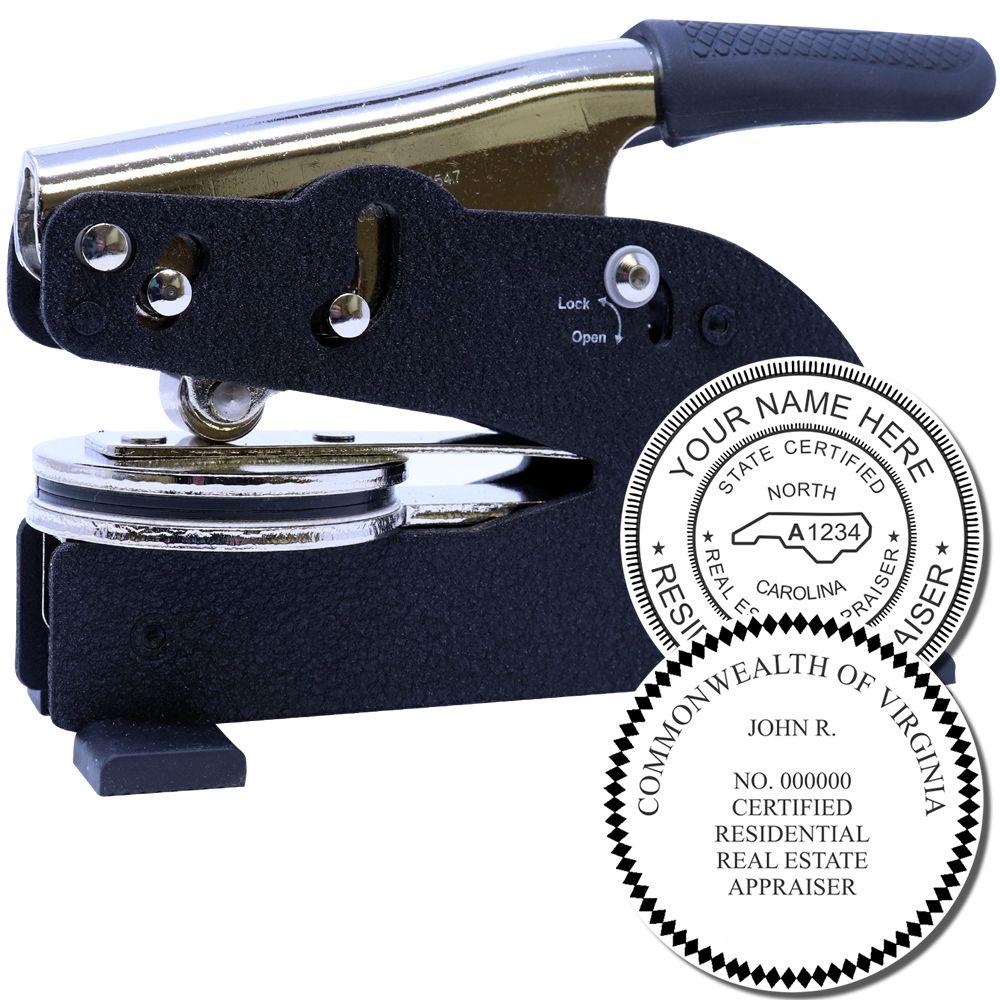
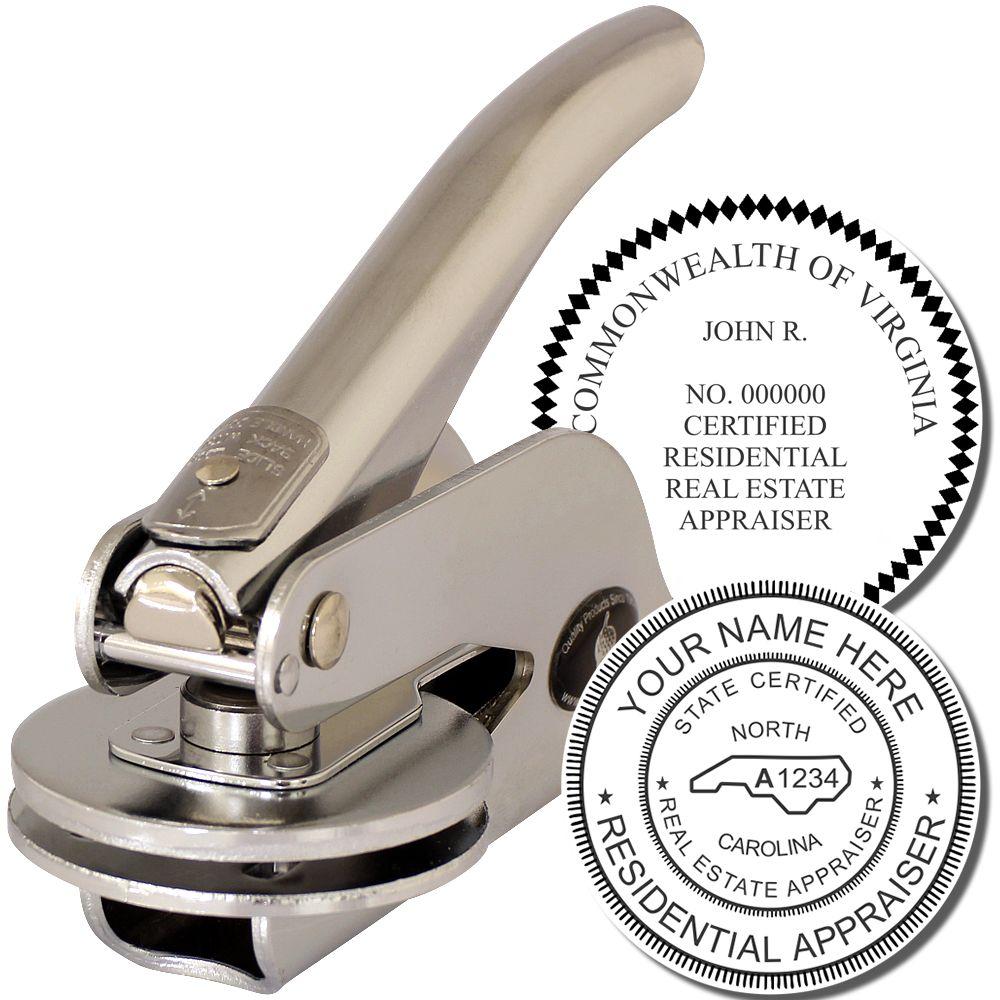
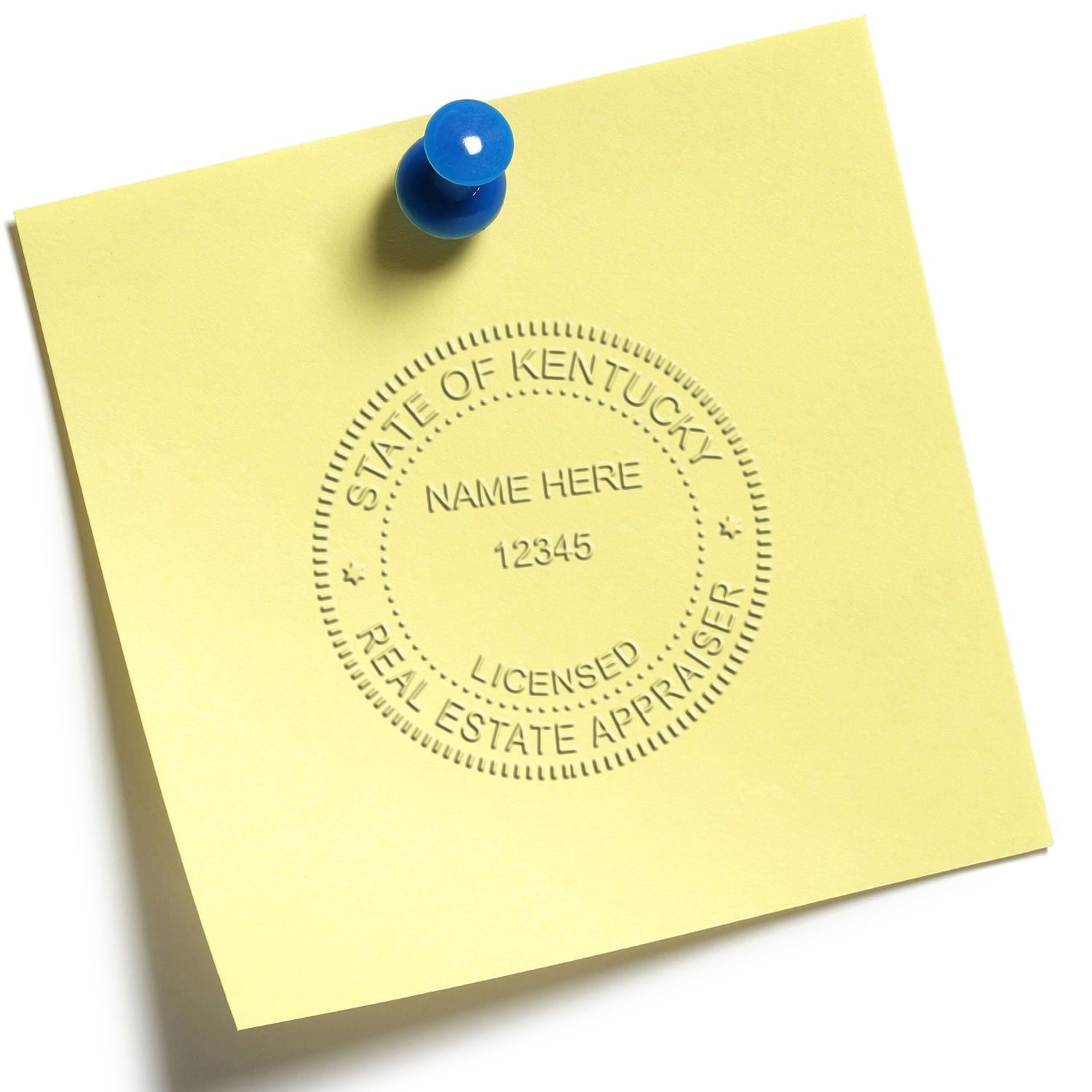
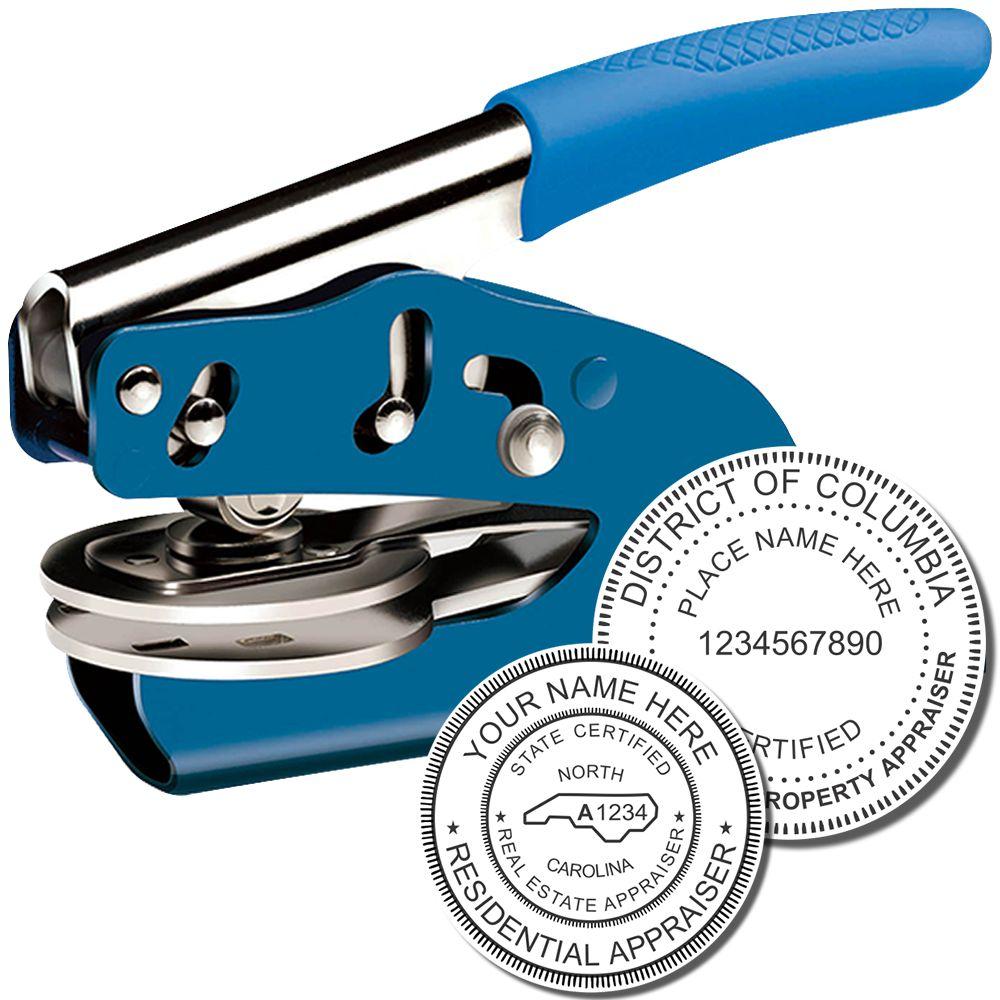
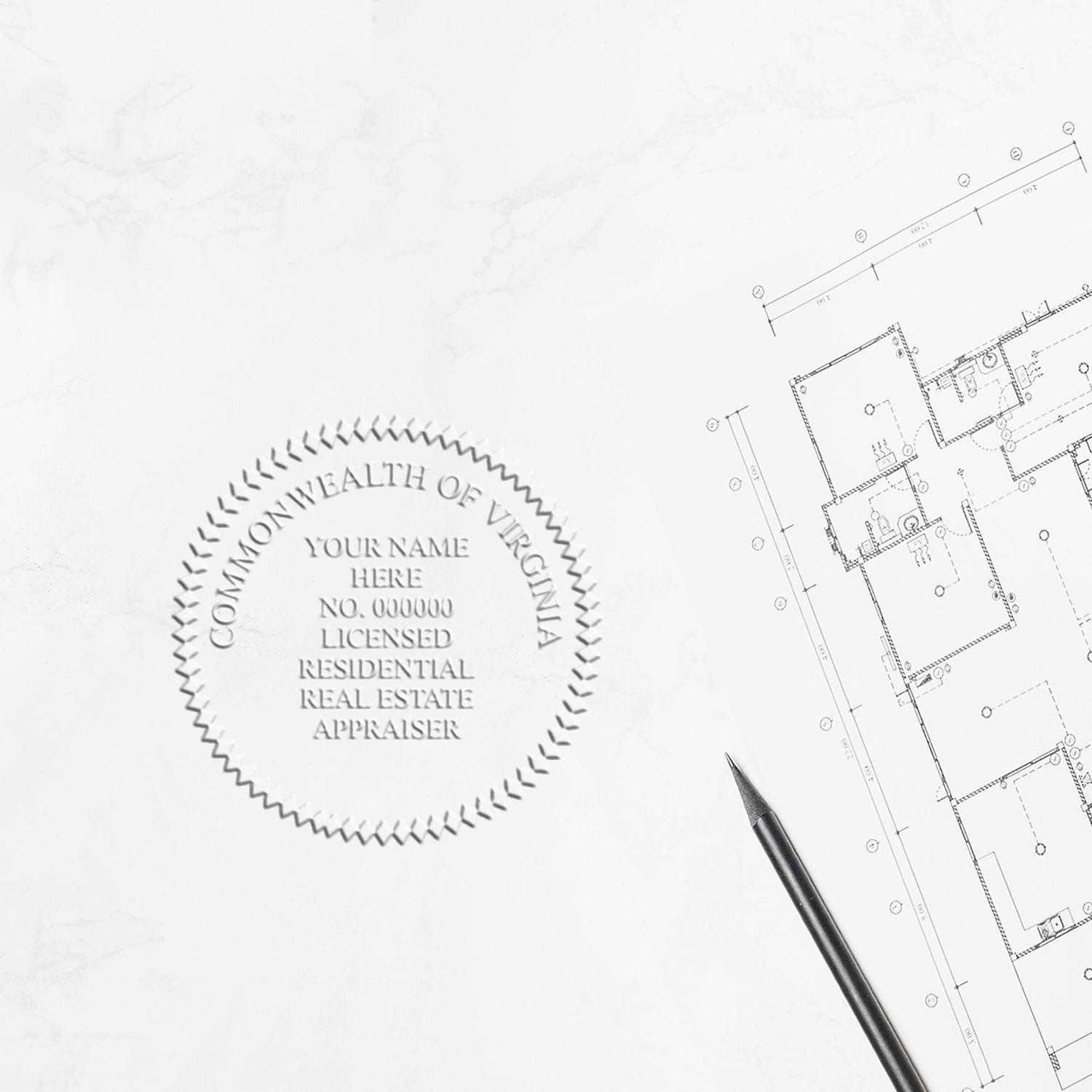
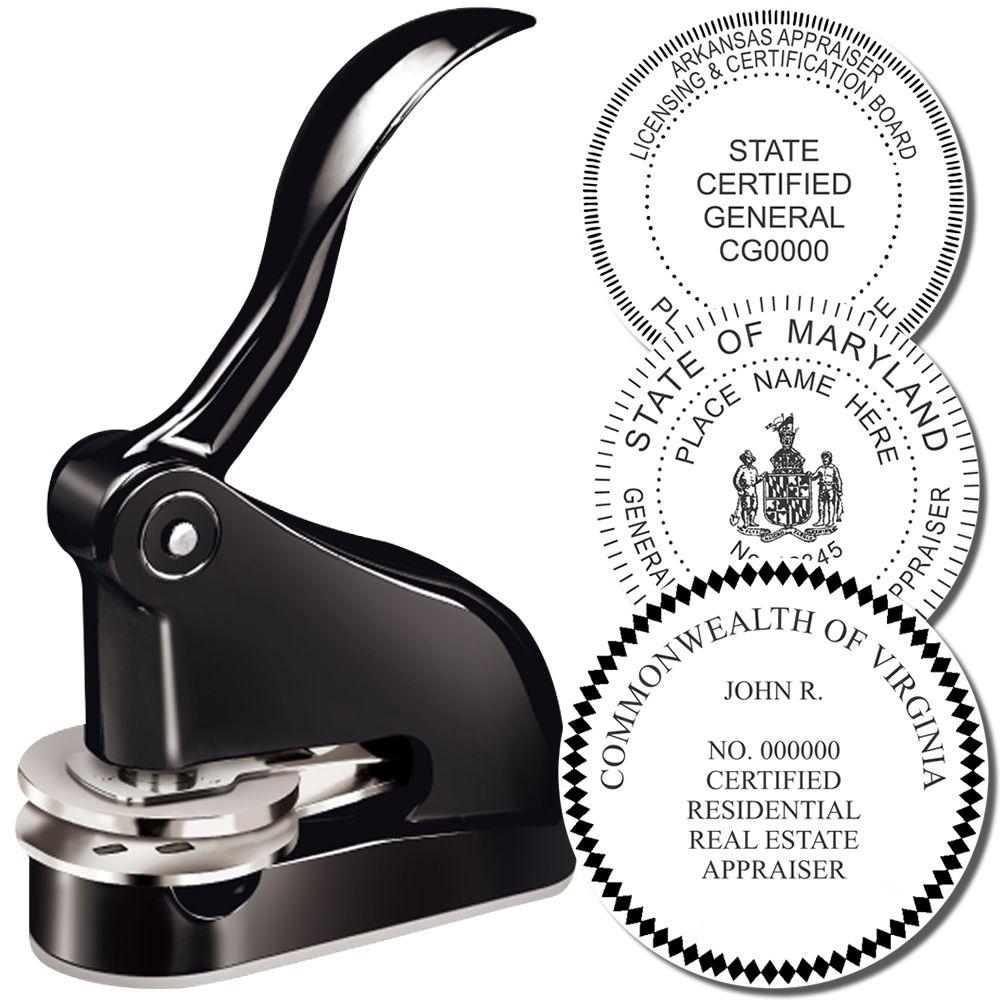
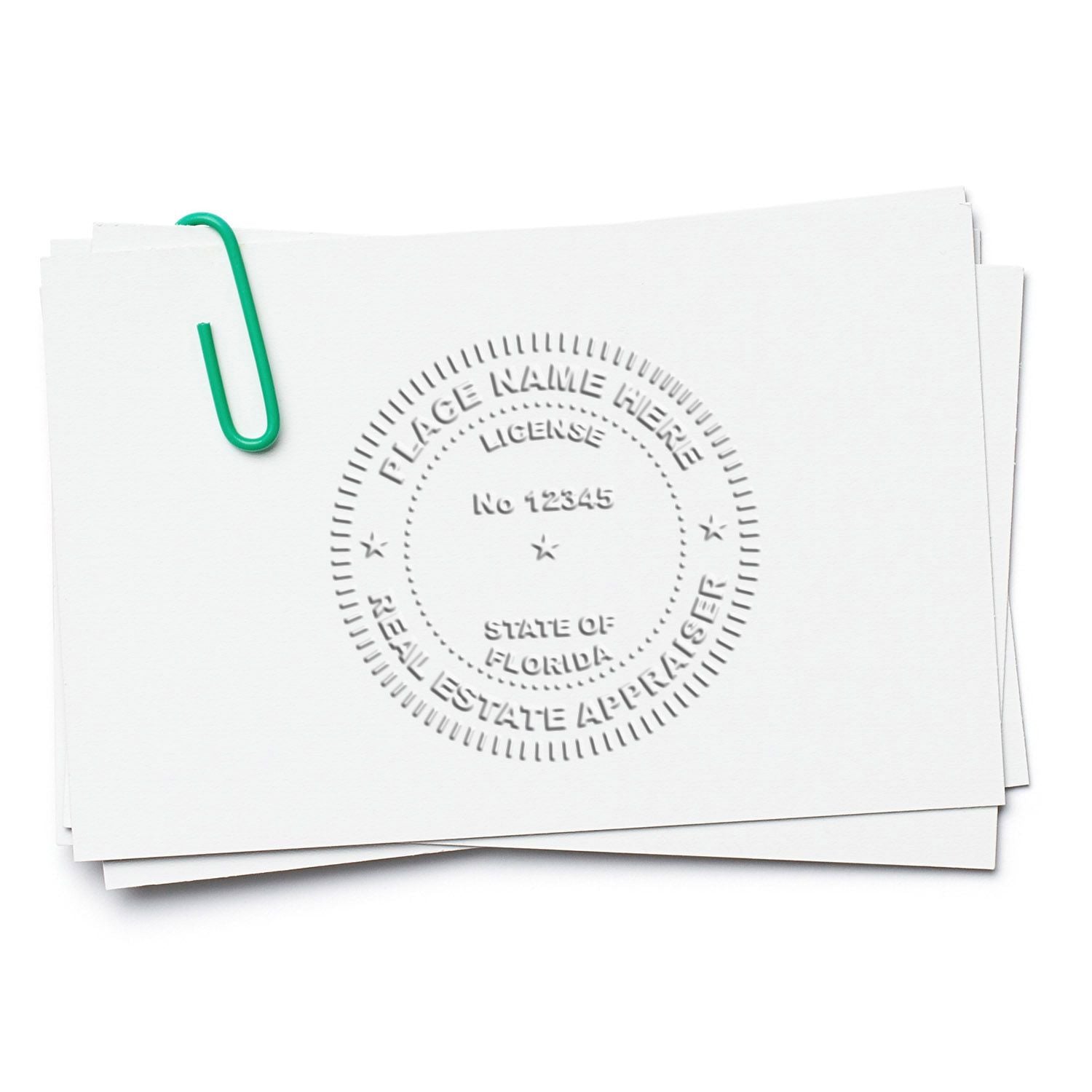
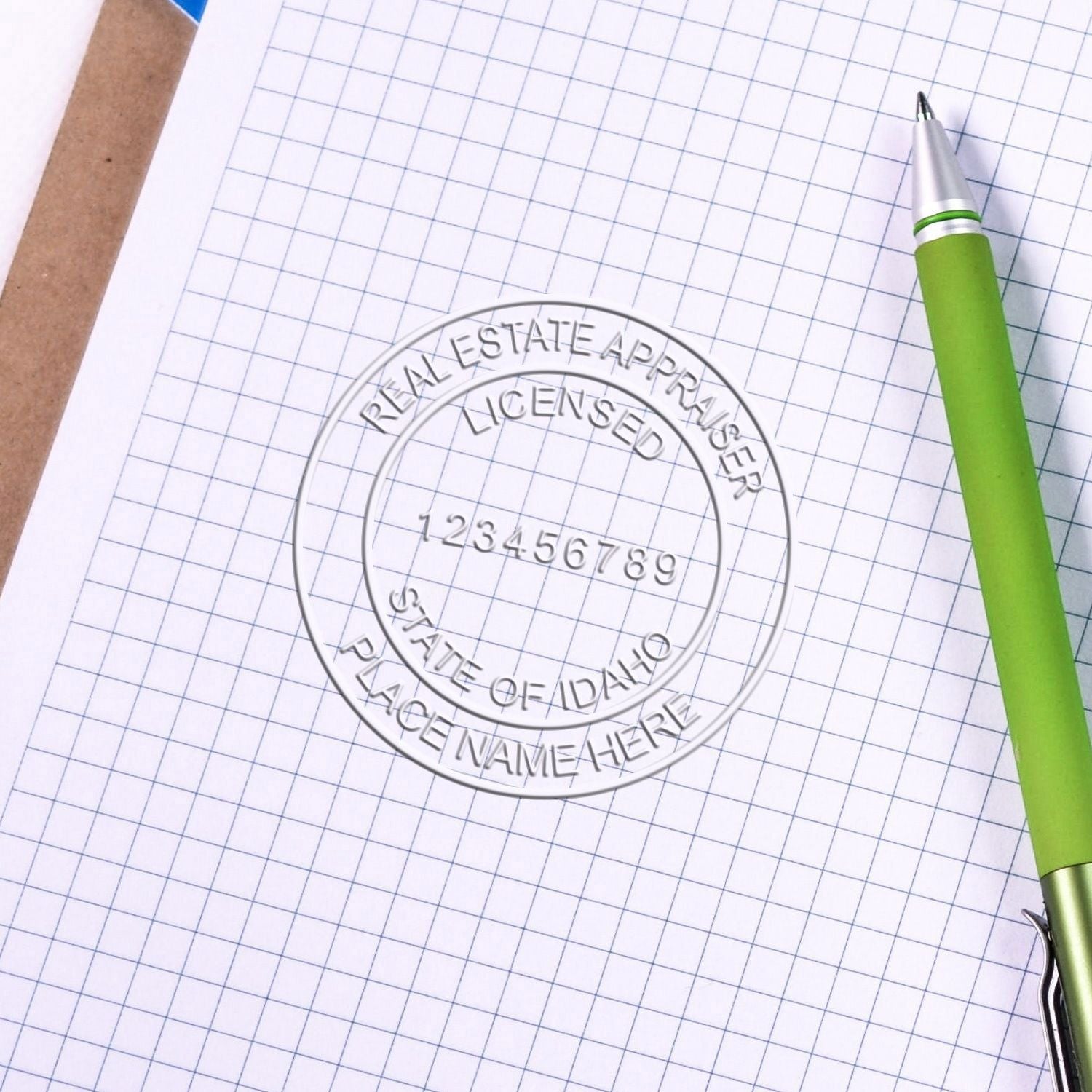
Three device types, and in Hawaii the choice is entirely practical because no instrument is prescribed. An embosser raises the paper and leaves nothing behind in a scan, which matters because most reports here are delivered as PDFs; the Hybrid Seal Embosser at $42.95 and the Desk Seal Embosser at $44.95 are the common starting points, and the Long Reach Desk Seal Embosser at $129.95 exists for impressions that must land away from the paper edge. An ink stamp reproduces cleanly on a scan, which is why it is the more common choice for a signature block: the Regular Rubber Stamp of Seal is $34.95, the Self Inking Rubber Stamp of Seal is $39.95 and the Slim Pre Inked Rubber Stamp of Seal is $46.95. The third option is the eSeal Electronic Image Stamp of Seal at $20.00, which is an image file rather than a tool and drops into a PDF. None of the three carries authority in Hawaii, because Hawaii grants none to any of them.



Sizing and layout
Nothing in the appraiser rules fixes a size, so the size question is a legibility question. The block has four things to hold if you cut the date in and three if you do not, and the practical limit is line length: the certified general and certified residential phrases are long, and squeezing them onto a small die makes them thin. Give the credential phrase its own line rather than running it against the number, and keep the number on the line beneath it so a reader can take both in at a glance. If the block has to sit tight under a signature line in a fixed template, measure the space in the template before deciding on the die, not afterwards. Send us the exact text, line by line, in the order you want it read, and we will set it to fit the space you have.
Ordering
Send four things: your name exactly as you sign it, the credential phrase copied from Haw. Admin. R. 16-114-89 rather than paraphrased, your license or certificate number, and a decision on the expiration date, either a labelled blank or the date itself. If you are working under temporary recognition rather than a Hawaii credential, say so, because the wording in subsection (c) differs and adds your issuing jurisdiction. If your firm uses a fixed report template, send a sample page showing the signature area. Everything is cut to the text you supply, so the text is the part to get right. For anything the order form does not cover, contact us.
Care, and what happens at renewal
An embosser wants nothing but a dry place and an occasional check that the plates still meet square; the impression fades when the paper is glossy or heavy, not because the tool has worn. An ink stamp wants its pad kept damp and the die face wiped clean when the lettering starts to fill. The Hawaii-specific piece of care is not mechanical: it is the calendar. Put your expiration date somewhere you will see it, and decide well before it arrives whether the device needs re-cutting. If you have left the date as a blank on the die, nothing needs doing. If you cut the date in, order the replacement text a few weeks ahead so the new device is on the desk when the old date passes. This page is a research summary and not legal advice.
Frequently asked questions
Does Hawaii require a real estate appraiser to seal a report?
No. The appraiser rules chapter, Haw. Admin. R. ch. 16-114, was read in full and the words seal and stamp do not appear in it once, and HRS ch. 466K has no seal section either. What Hawaii requires on a report is a signature followed immediately by your credential words, your number and your expiration date.
What exactly has to follow my signature?
Under Haw. Admin. R. 16-114-89, a state licensed appraiser states “state licensed appraiser” plus the license number and expiration date; a state certified appraiser states “state certified general appraiser” or “state certified residential appraiser”, as the case may be, plus the certificate number and expiration date. The rule says immediately following the signature on the report.
Why does the expiration date matter for a stamp?
Because it changes. A die with a fixed date cut into it is accurate only until that date passes, so it needs re-cutting at each renewal cycle. Most Hawaii appraisers leave the date off the die and use a labelled blank instead, which keeps the device good indefinitely.
I am licensed in another state and working here temporarily. Is my block different?
Yes. Haw. Admin. R. 16-114-89(c) drops the word “state” from the credential phrase and adds the jurisdiction in which you are licensed or certified, alongside the number and its expiration date. A home-state device will not carry that line, so it needs its own wording.
Does Hawaii say anything about an electronic seal?
No. The words electronic and digital do not appear anywhere in the appraiser rules chapter, and the statute has no electronic signature or electronic seal provision. An image of your signature block in a PDF is governed by your own practice and by USPAP, not by a Hawaii seal rule.
I found a Hawaii seal rule with dimensions in it. What is that?
Almost certainly Haw. Admin. R. ch. 16-115, which the same department publishes for professional engineers, architects, surveyors and landscape architects. Those are different credentials that do seal their work. That chapter does not reach appraisers.
Who signs an appraiser assistant’s report?
A certified appraiser. Haw. Admin. R. 16-114-89(d) requires appraisal reports prepared by appraiser assistants to be approved and signed by a certified appraiser, and the block that follows the signature is that appraiser’s.








