
Written by Acorn Sales Company, manufacturing stamps and seals since 1964 · Reviewed by Holly R, VP of Sales and Marketing at Acorn Sales, against New Hampshire Real Estate Appraiser Board, within the Office of Professional Licensure and Certification on 22 September 2026 · Updated 22 September 2026
New Hampshire does not require a real estate appraiser to seal anything, and the words “seal” and “stamp” do not appear anywhere in the chapter that governs you. RSA 310-B was read end to end and searched for both words with no hit, and so were the Board’s rules at Rab 100 through Rab 500. What the state asks for instead is one line. RSA 310-B:16, II directs each licensed or certified real estate appraiser to place the license or certificate number “adjacent to or immediately below the appraiser’s signature” whenever that signature is used in an appraisal report, a contract, or any other instrument used in conducting real estate appraisal activities.
That is a short rule with a wide reach, and it is the reason New Hampshire appraisers buy a stamp. Nothing here calls for a device, and nothing here describes one. The device exists because the number has to appear beside your signature on every report and every engagement contract you sign, and writing it out by hand a few hundred times a year is the part that wastes an afternoon.
New Hampshire real estate appraiser seal requirements at a glance
| Requirement | New Hampshire rule | Source |
|---|---|---|
| Seal required | No. Neither “seal” nor “stamp” occurs anywhere in RSA chapter 310-B or in the Board’s Rab rules. A signature and the credential number stand in its place. | RSA 310-B (full chapter searched); N.H. Code Admin. R. Rab 100-500 |
| Required elements | The appraiser’s signature and the license or certificate number, placed adjacent to or immediately below that signature. No credential title, no state name and no expiration date is called for. | RSA 310-B:16, II |
| Size and shape | None prescribed. Because no seal or stamp is required at all, no diameter, dimensions or shape appear anywhere in the chapter. | RSA 310-B (searched in full; no seal or stamp provision) |
| Device allowed | Nothing is prescribed and nothing is prohibited. A rubber stamp, a pre inked stamp, an embosser or a graphic file are all ordinary ways to produce the signature and number block. | RSA 310-B (full chapter searched); N.H. Code Admin. R. Rab 100-500 |
| Signature and date | The signature is what triggers the duty: the number attaches wherever the signature is used. No dating direction appears in RSA 310-B. Rab 501.03 adopts USPAP, so report dating runs through USPAP rather than through state rule. | RSA 310-B:16, II; Rab 501.03 |
| What must be sealed | Nothing has to be sealed. The number duty reaches further than a seal rule would: an appraisal report, a contract, or any other instrument used by the holder in conducting real estate appraisal activities. | RSA 310-B:16, II |
| Electronic seal | Not found. No provision in RSA 310-B or the Rab chapters addresses an electronic seal or a digital signature on a transmitted report. USPAP governs by reference through Rab 501.03. | RSA 310-B (no provision found); N.H. Code Admin. R. Rab 501.03 |
| Renewal and lapse | No expiration date is among the elements, so a fixed block does not go stale at renewal. What does date a die is a change in the number itself or in the name you sign with. | RSA 310-B:16, II |
| Firm requirements | None located. RSA 310-B:16, II is written as a personal duty on the individual license or certificate holder, and no firm level marking rule was found in the chapter or the Rab rules. | RSA 310-B (full chapter searched); N.H. Code Admin. R. Rab 100-500 |
| Regulator | New Hampshire Real Estate Appraiser Board, established within the Office of Professional Licensure and Certification. | RSA 310-B:4, I; rules at N.H. Code Admin. R. Rab 100-500 |

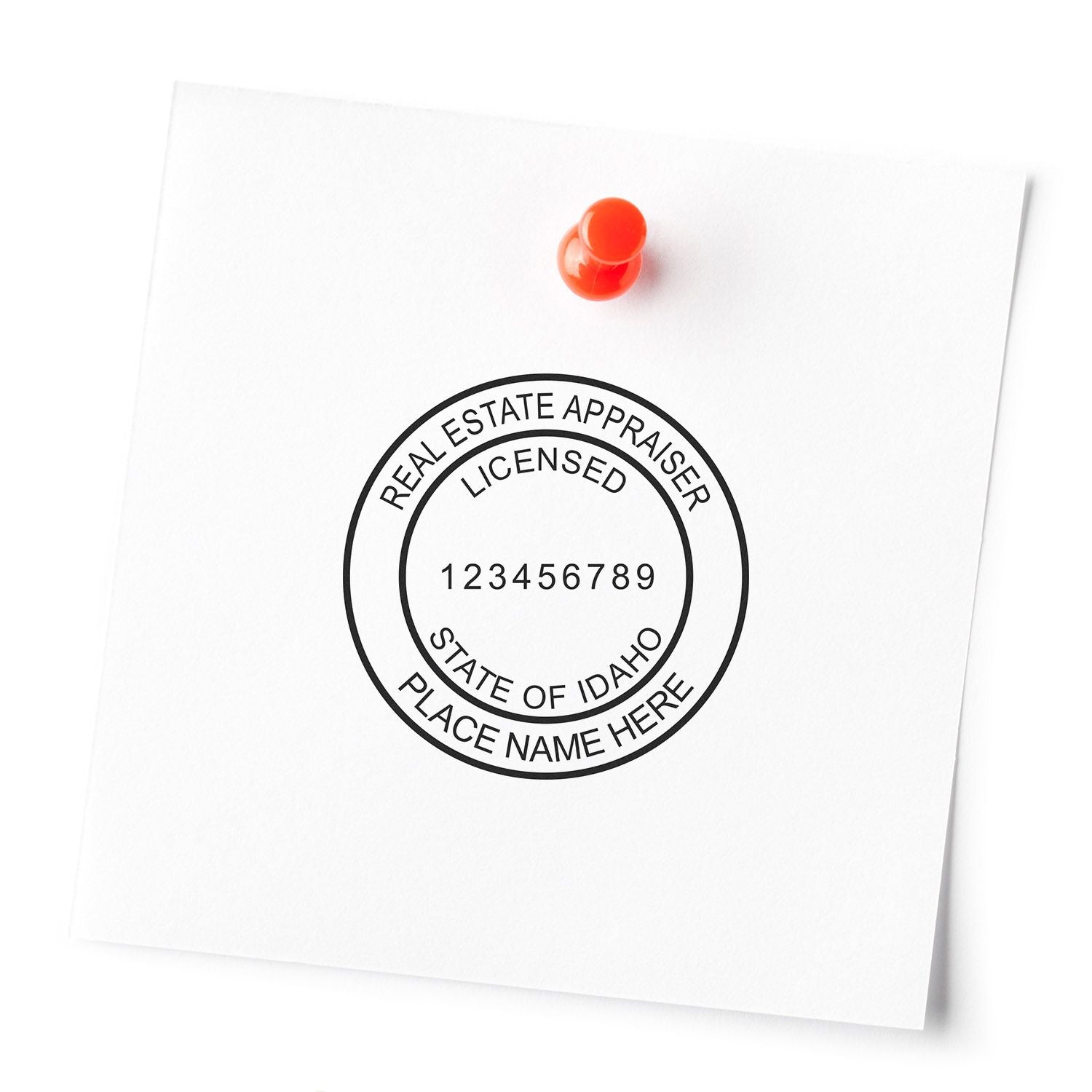
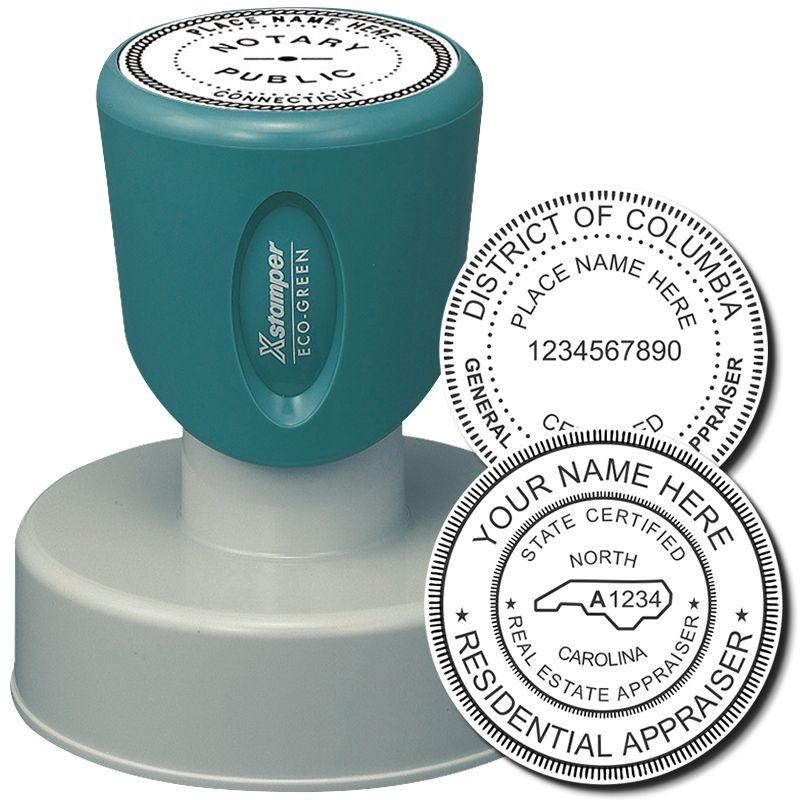
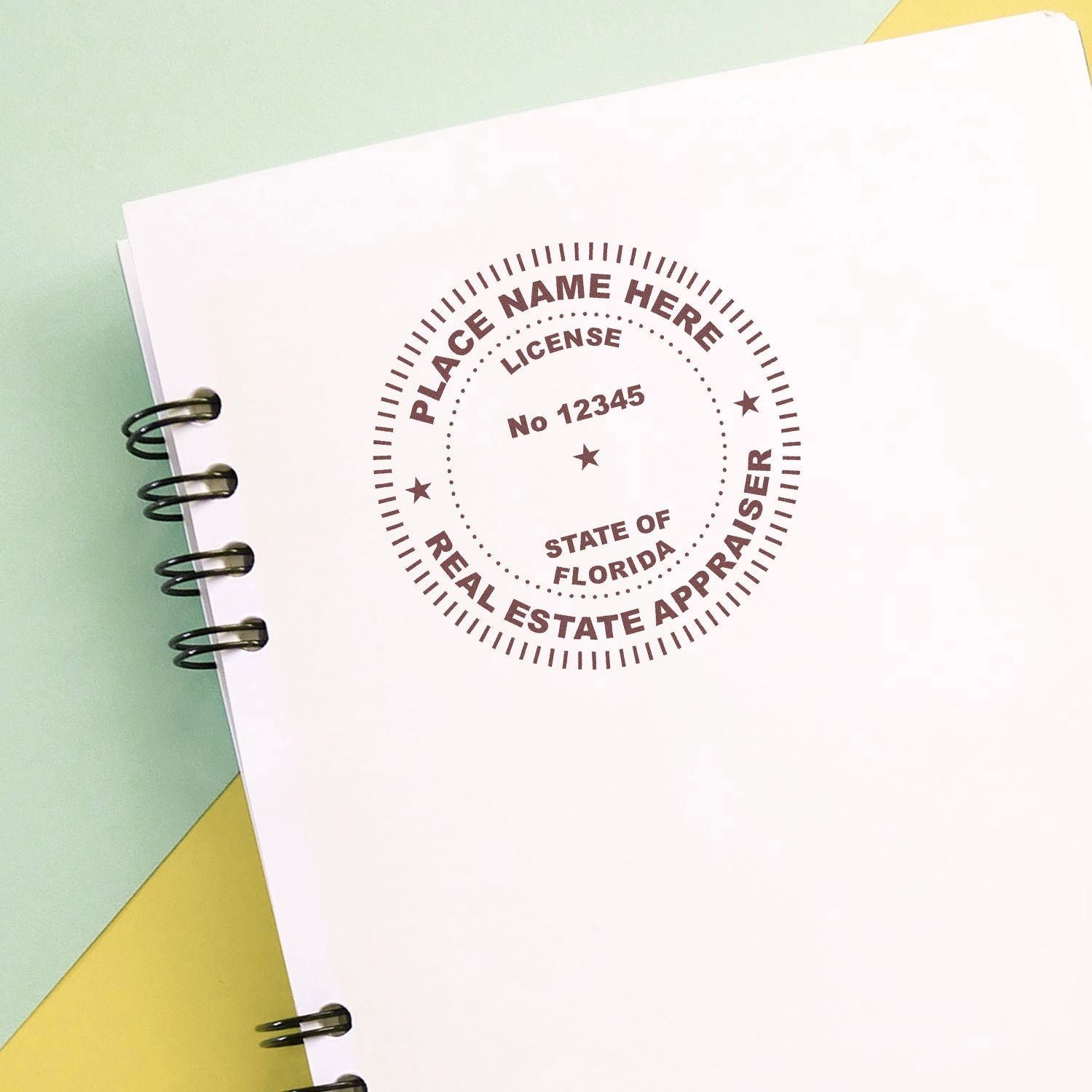
Does New Hampshire require an appraiser to have a seal?
No. The check that answers this is a word search rather than an argument. RSA chapter 310-B, State Licensed or Certified Real Estate Appraisers, was read as a single merged chapter on the New Hampshire General Court’s own site and searched for “seal” and for “stamp”. Neither word occurs. The Board’s rules run Rab 100 organizational rules, Rab 200 rules of practice and procedure, Rab 300 apprentice classification and license requirements, Rab 400 continued status and Rab 500 ethical standards, and no seal or stamp rule appears in any of them.
That is a clean negative rather than a gap. New Hampshire did not leave a seal rule out by accident; it wrote a different rule, and that rule is about a number beside a signature.
What RSA 310-B:16, II actually says
The operative sentence reads that each licensed or certified real estate appraiser “shall place such appraiser’s license or certificate number adjacent to or immediately below the appraiser’s signature whenever the appraiser’s signature is used in an appraisal report or in a contract or other instrument used by the license or certificate holder in conducting real estate appraisal activities”.
Read the trigger carefully. It is not “on every appraisal report”. It is whenever the signature is used, in a report or in a contract or in any other instrument used in conducting appraisal activities. An engagement letter you sign is inside that description. So is a certification page, and so is a letter of transmittal.
Where the number goes
Two positions, and only two: adjacent to the signature, or immediately below it. That is the whole placement rule, and it is what makes a stamp practical here. A block that sets the number directly under the signature line satisfies the second option without anyone having to think about it again.
What the statute does not do is fix a format for the number. There is no required prefix and no required label. Appraisers commonly set it as the number with a short label such as NH License No. or NH Certificate No. so a reader in another state knows what they are looking at. That is a readability choice, not a rule, and the bare number placed correctly answers the statute.
New Hampshire does not ask for the credential words
This is where New Hampshire differs from several states nearby. New York fixes three exact credential titles and hangs the number off the title. New Jersey requires the designation and the number wherever the signature appears. North Dakota requires the permit number and the permit type. New Hampshire requires the number and nothing else.
You may put your credential on the block anyway, and most appraisers do, because a report read by an out of state client is easier to follow when it says what the number is. Just be accurate about it. A block that names a credential you do not hold is a problem of its own making, entirely separate from RSA 310-B:16, II.

Where the number itself comes from
RSA 310-B:16, I is the companion provision and it is short: a license or certificate issued under the chapter bears a license or certificate number assigned by the office. So the number on your die is the one on the credential the Office of Professional Licensure and Certification issued you, not a registry number from somewhere else and not a firm identifier.
Take it from the credential document itself when you order, rather than from memory or from an old report template. Transcription is the most common ordering error we see, and a number typed wrong in an email becomes a number cut wrong in rubber.
What the 2023 consolidation changed, and what it did not
New Hampshire moved a large number of occupational boards into the Office of Professional Licensure and Certification, and RSA 310-B lost several sections to that consolidation effective 1 September 2023, including 310-B:10, :12, :13, :18, :19, :20 and :21. It is a real change and it is why older references to this chapter can send you to sections that no longer exist.
RSA 310-B:16 was not among the repealed sections. It survives, and its substance is unchanged, so the number beside the signature is still the current New Hampshire rule. The Board itself is established within the Office by RSA 310-B:4, I.
USPAP does the rest
The Board’s ethical standards rule, Rab 501.03, adopts the Uniform Standards of Professional Appraisal Practice as the code of ethics: an appraiser remains informed of and abides by the USPAP ethical and professional conduct standards in effect at the time of the assignment. Rab 501.01 and 501.02 cover purpose and the obligation to obey, and neither mentions a seal.
That matters for the device. Whatever USPAP says about signing, certification and report content reaches you through that rule, and it is the place to look for how a signature works on an electronic report, because New Hampshire itself is silent on the point. What USPAP does not do is introduce a New Hampshire seal, because there is none to introduce.
Embosser, ink stamp or a digital image
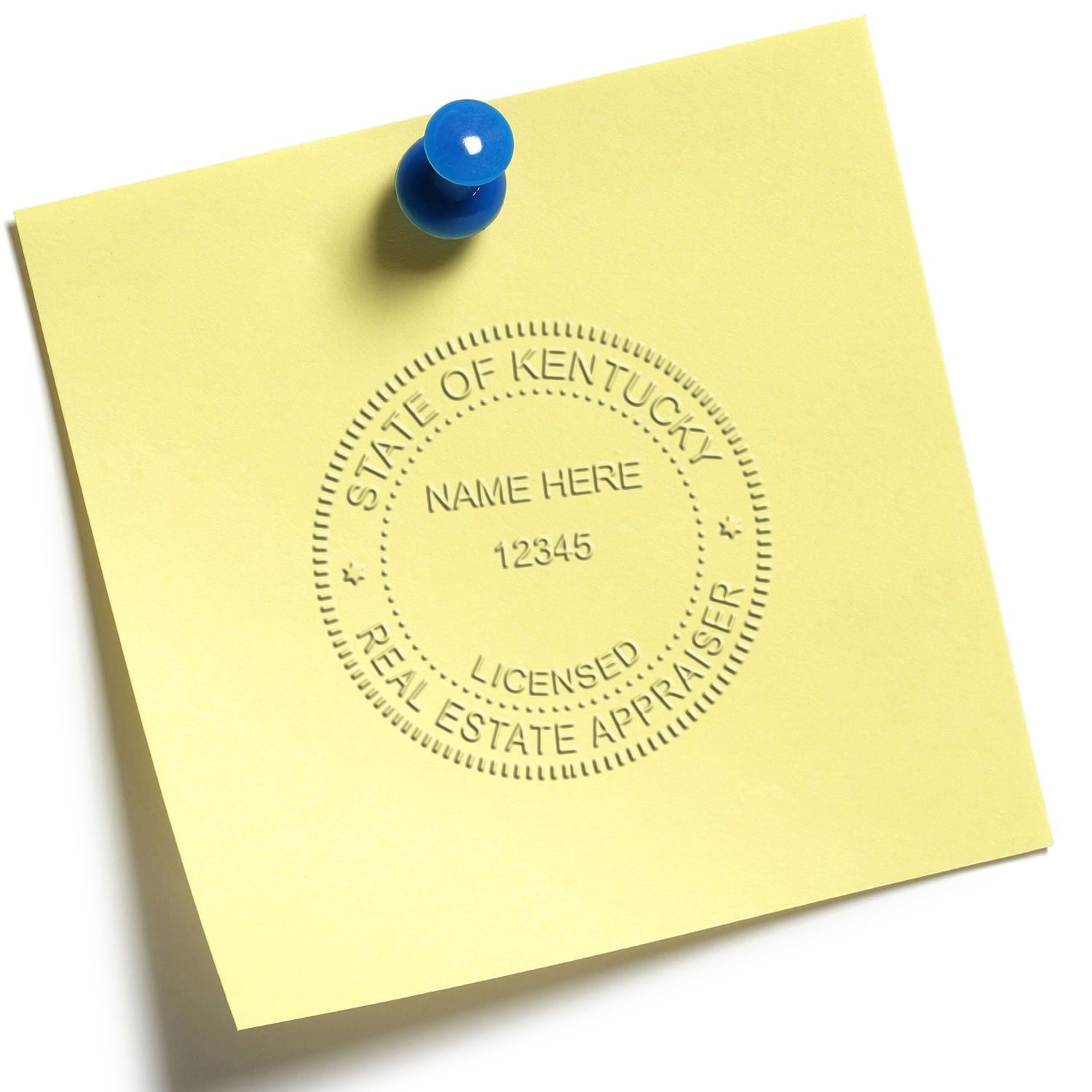
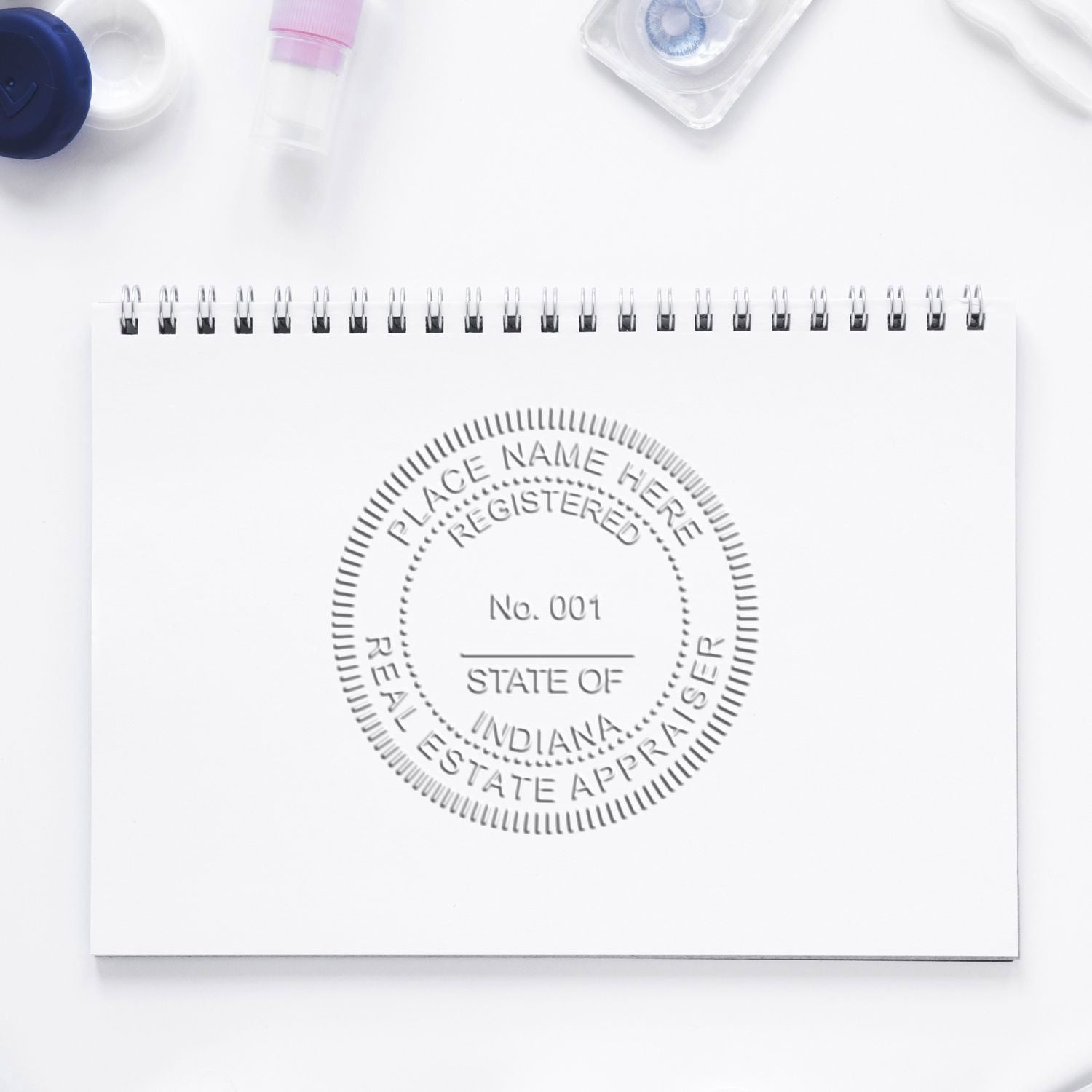
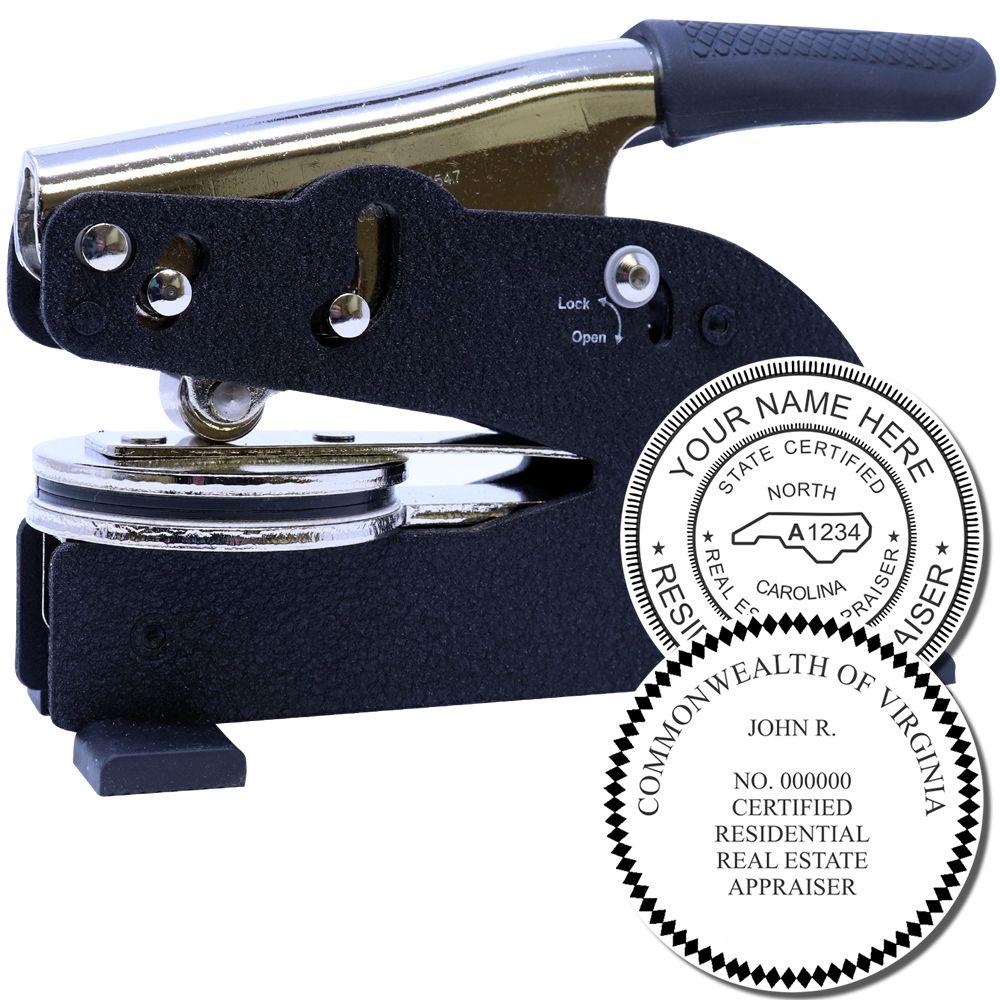
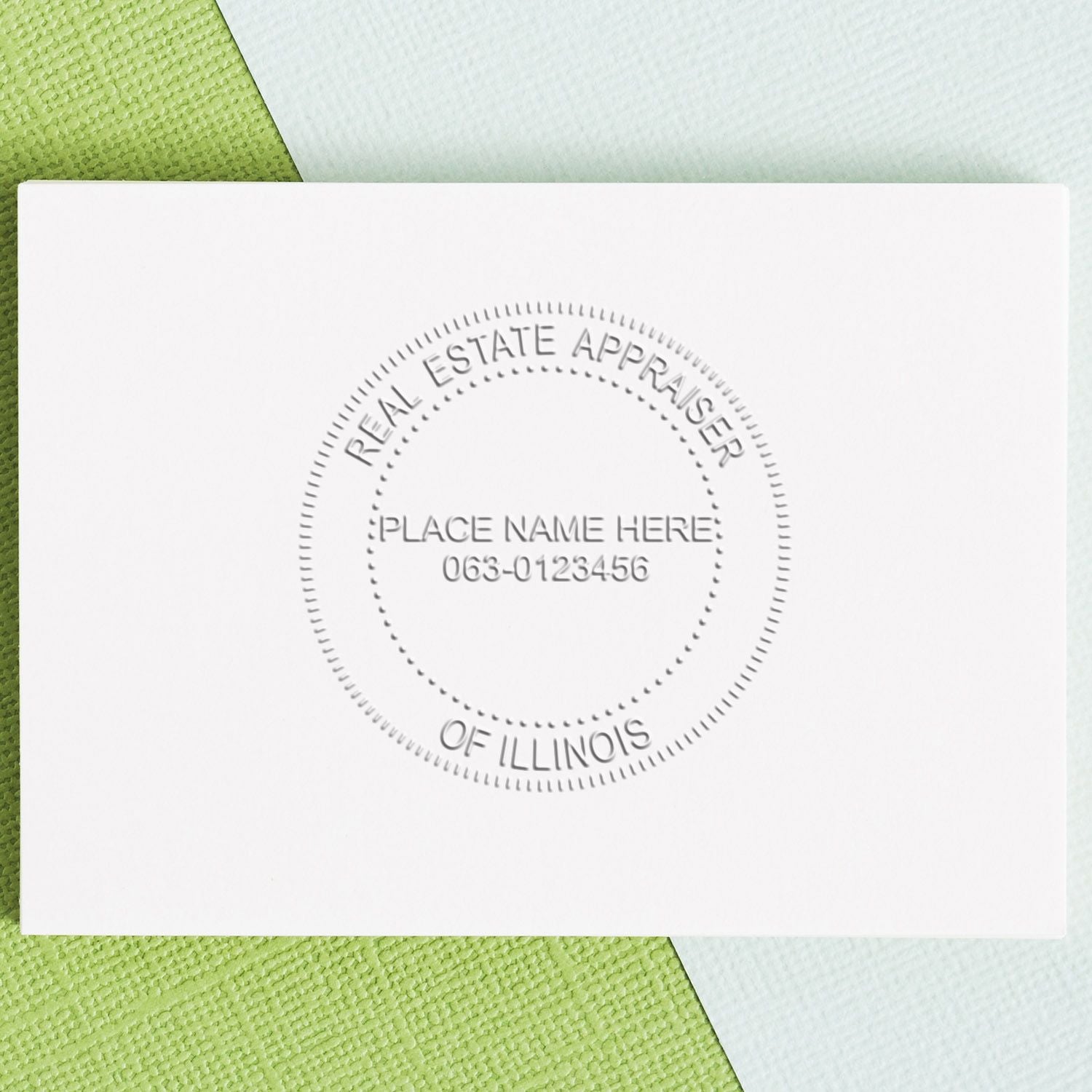
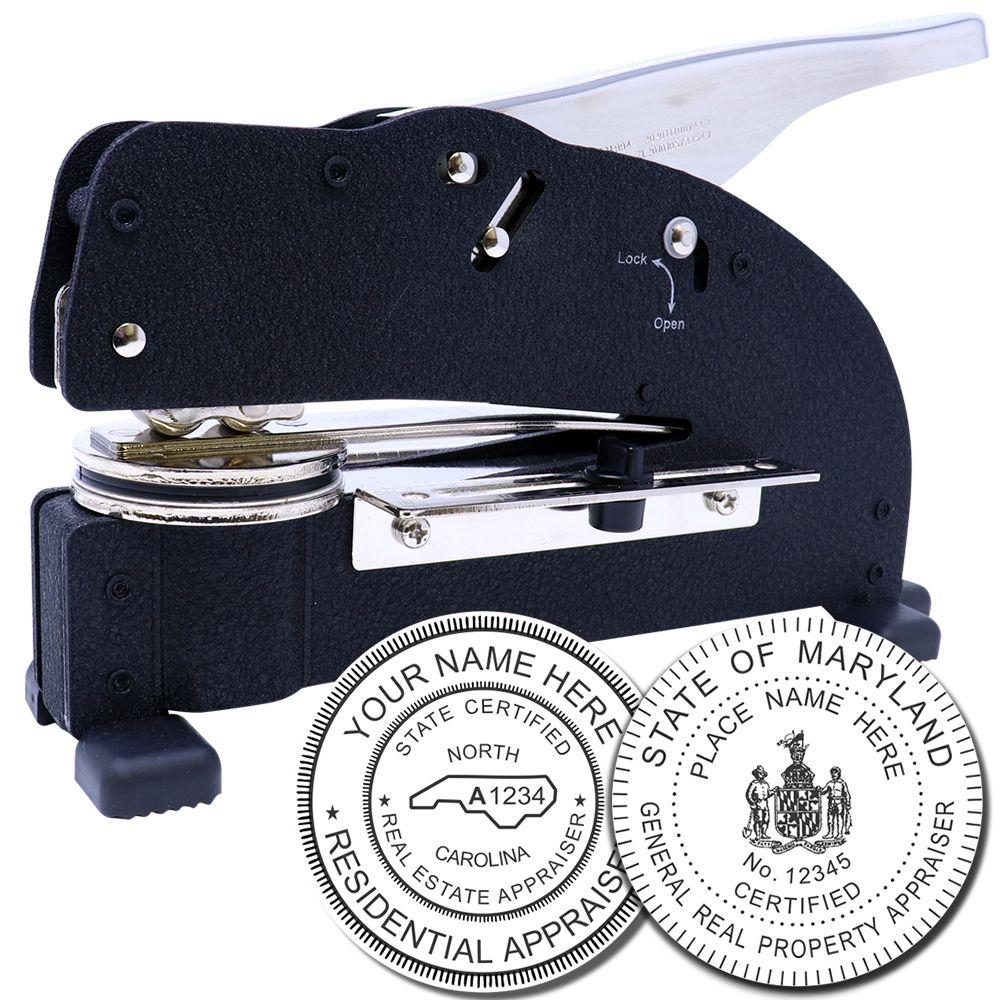
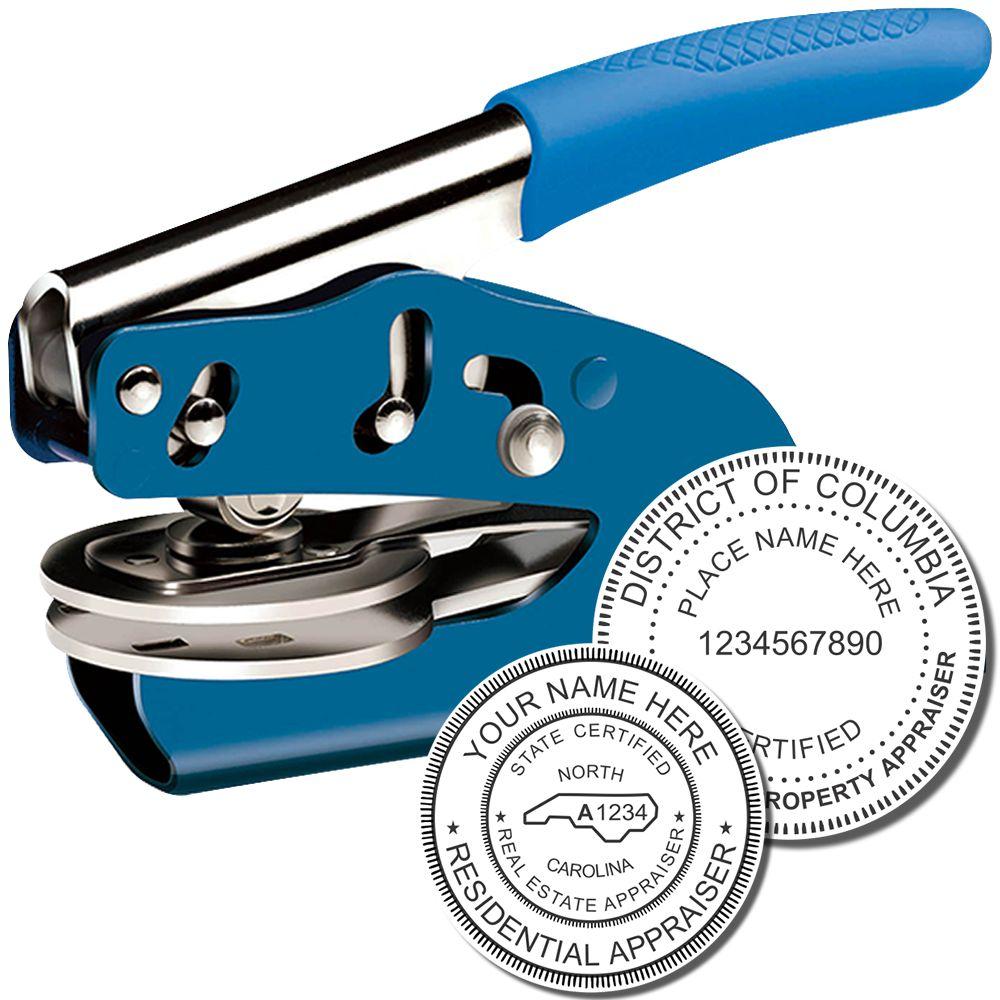
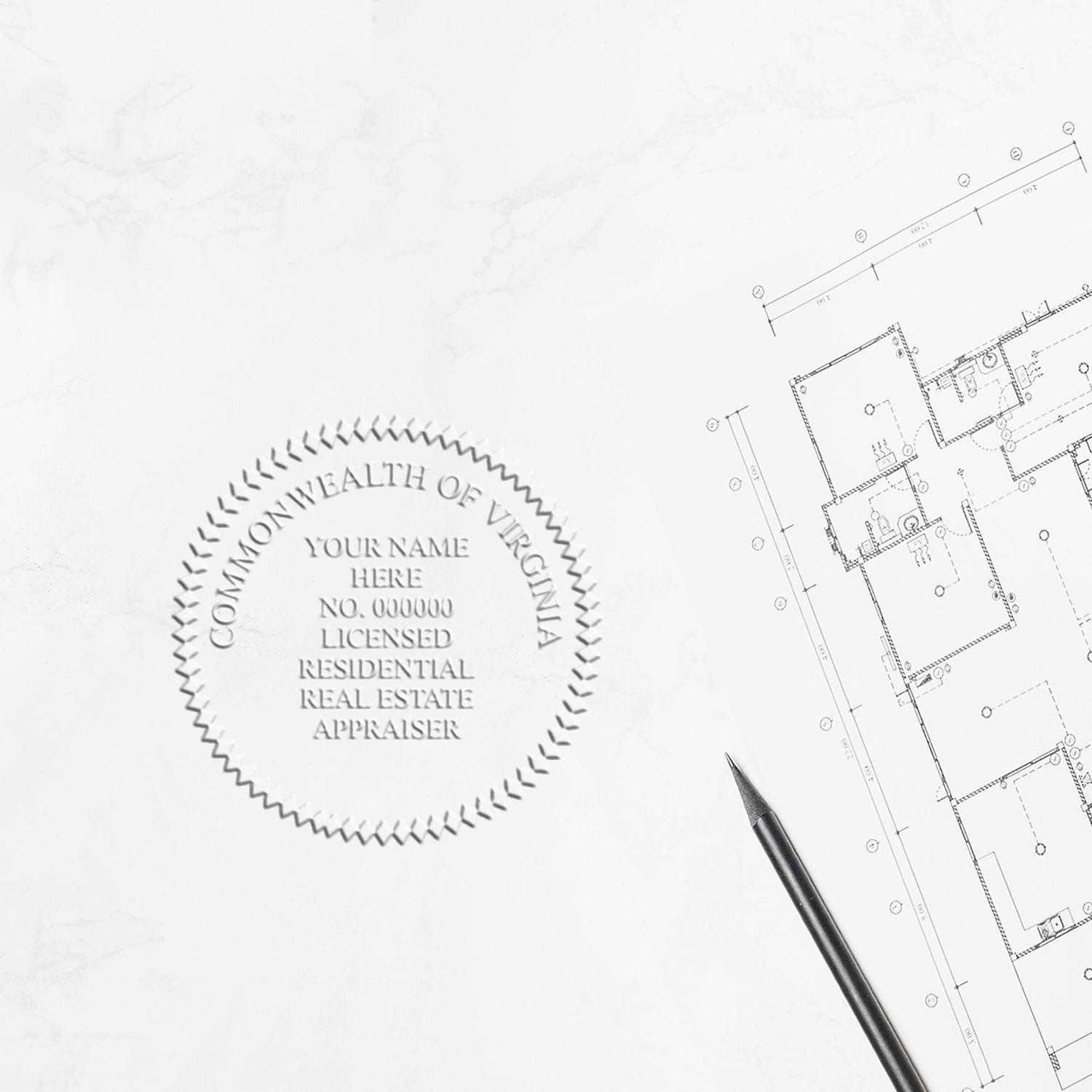
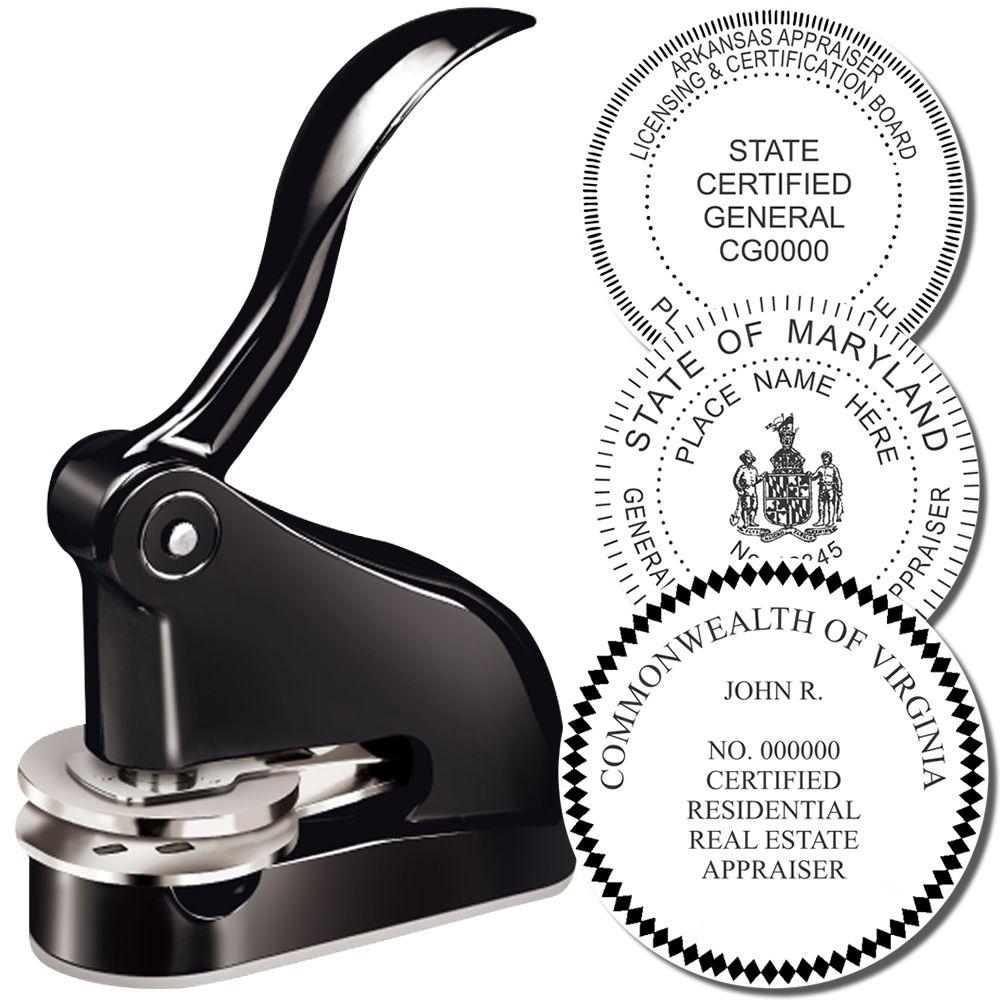
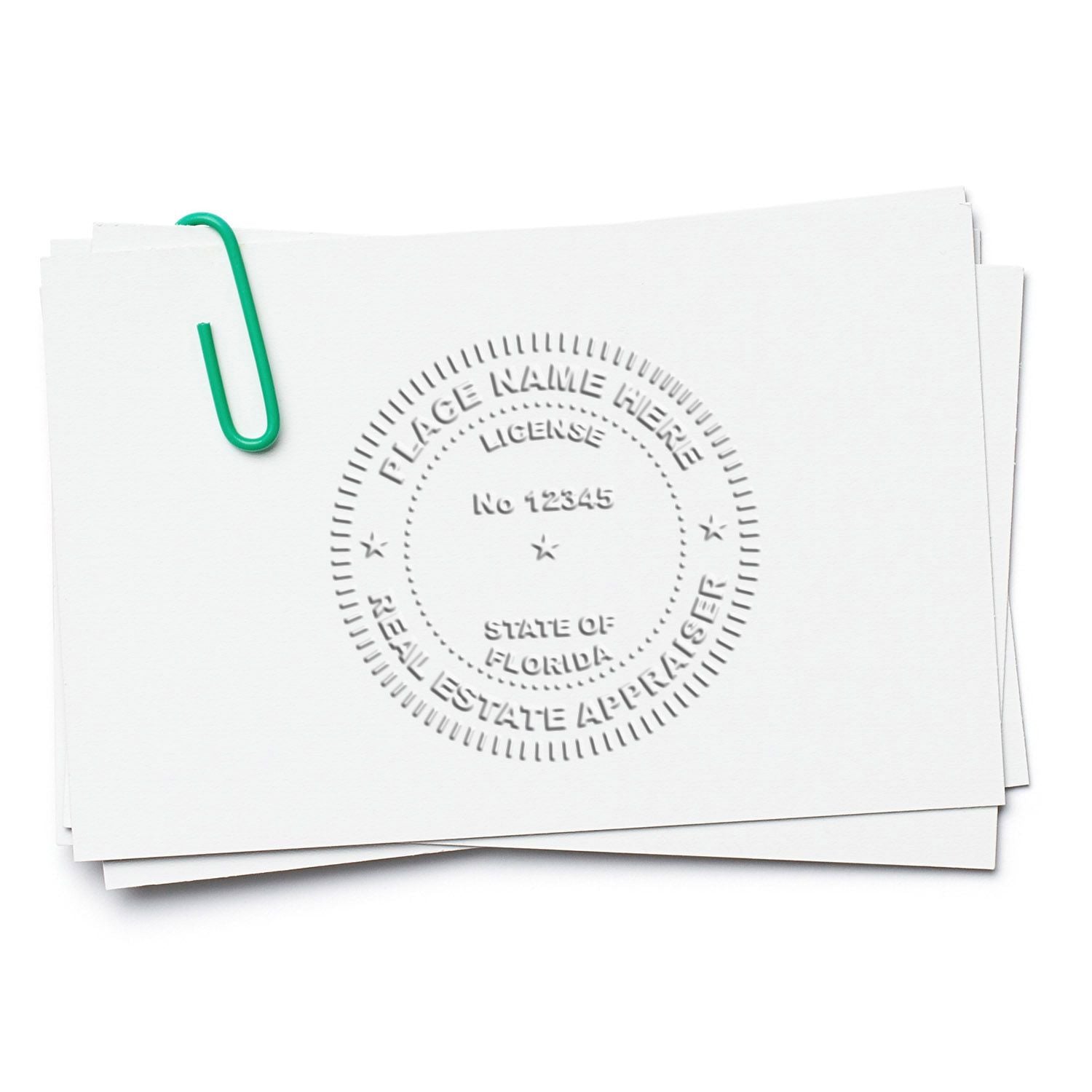
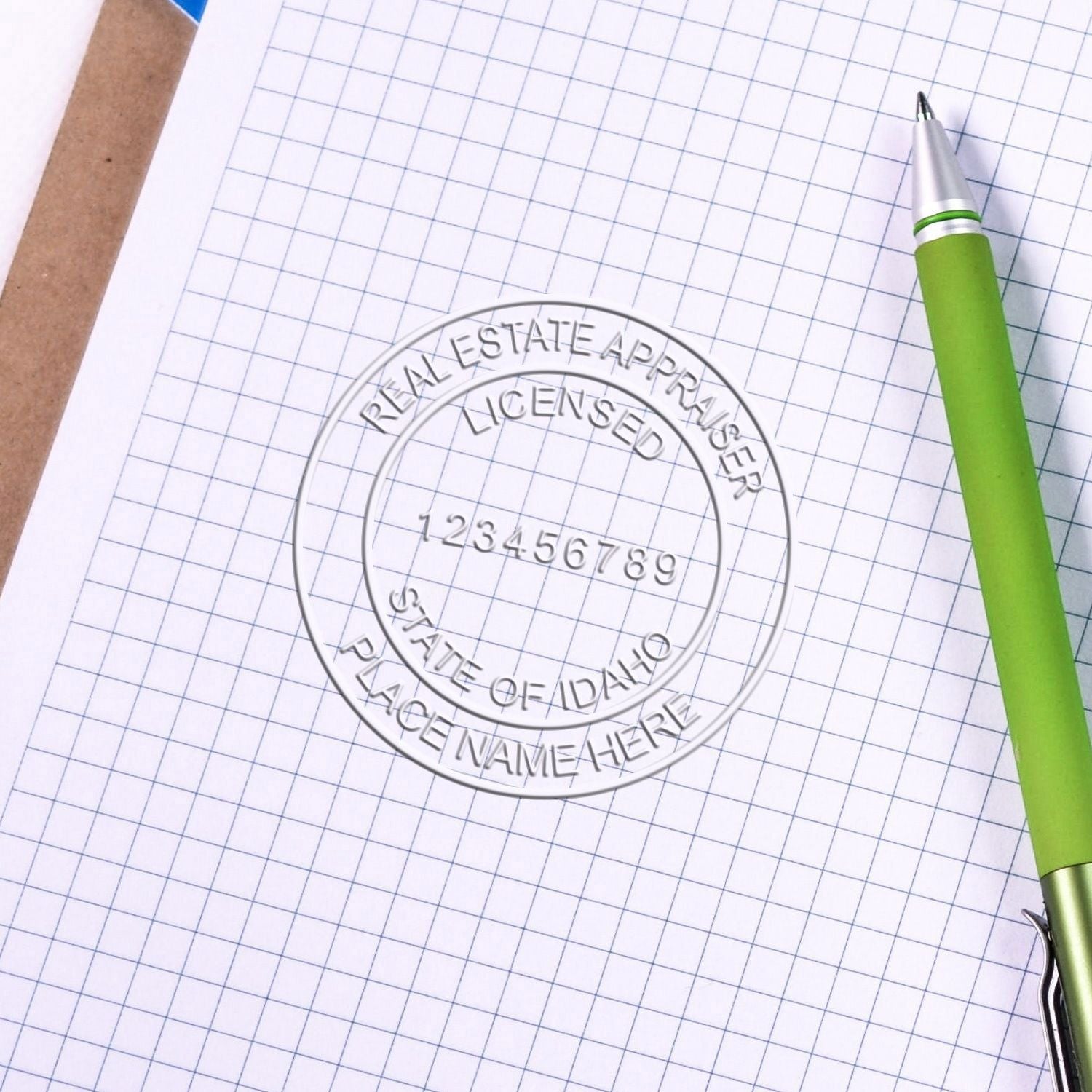
With no prescribed device, this is a question about how your reports travel rather than about compliance. An embosser makes a raised impression on paper and scans poorly, which is a hard fit for a signature and number block whose entire job is to be read on the copy the client receives. It is a fine choice for a paper original or for a certification page you keep in the file.
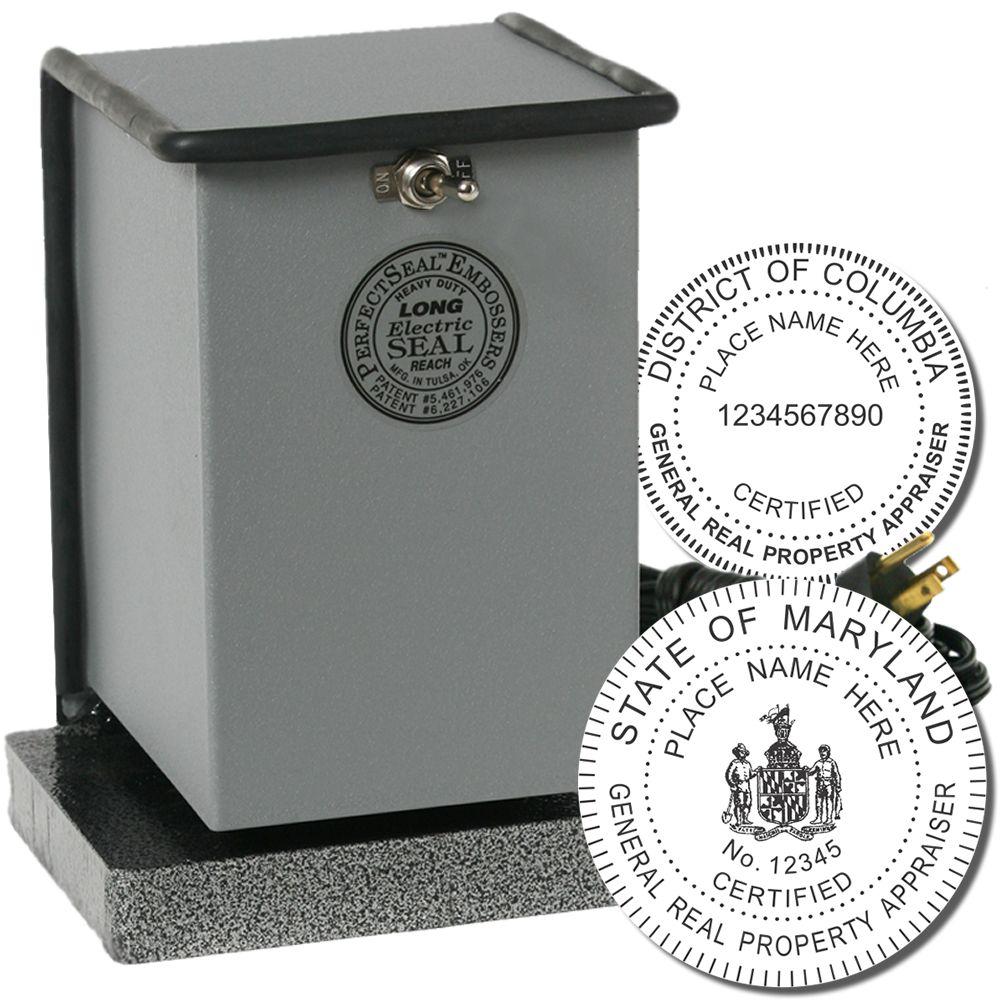
An ink stamp is the usual answer for anything wet signed, because it photocopies and scans without argument. A digital seal image is the answer for a report you assemble and transmit as a PDF, and it drops beneath the signature in the same position the statute names. Plenty of New Hampshire appraisers keep one of each, drawn from the same artwork.



Laying out the block
No dimensions are set, so size the block to be read, not to fill a space. Two lines is the common shape: the name you sign with on the first, the credential number on the second, sitting directly under the signature line. If you add a credential line, three is still comfortable.
Keep the number the largest thing on the die. It is the element the statute names, and it is the element a reviewer looks for. Fine print around it is decoration. We proof the layout at actual size before cutting so you can see whether the digits hold up at the size you picked.
Ordering a New Hampshire appraiser stamp
Send your name as you sign it, your license or certificate number copied from the credential, and any credential wording you want included. That is all New Hampshire needs you to decide.
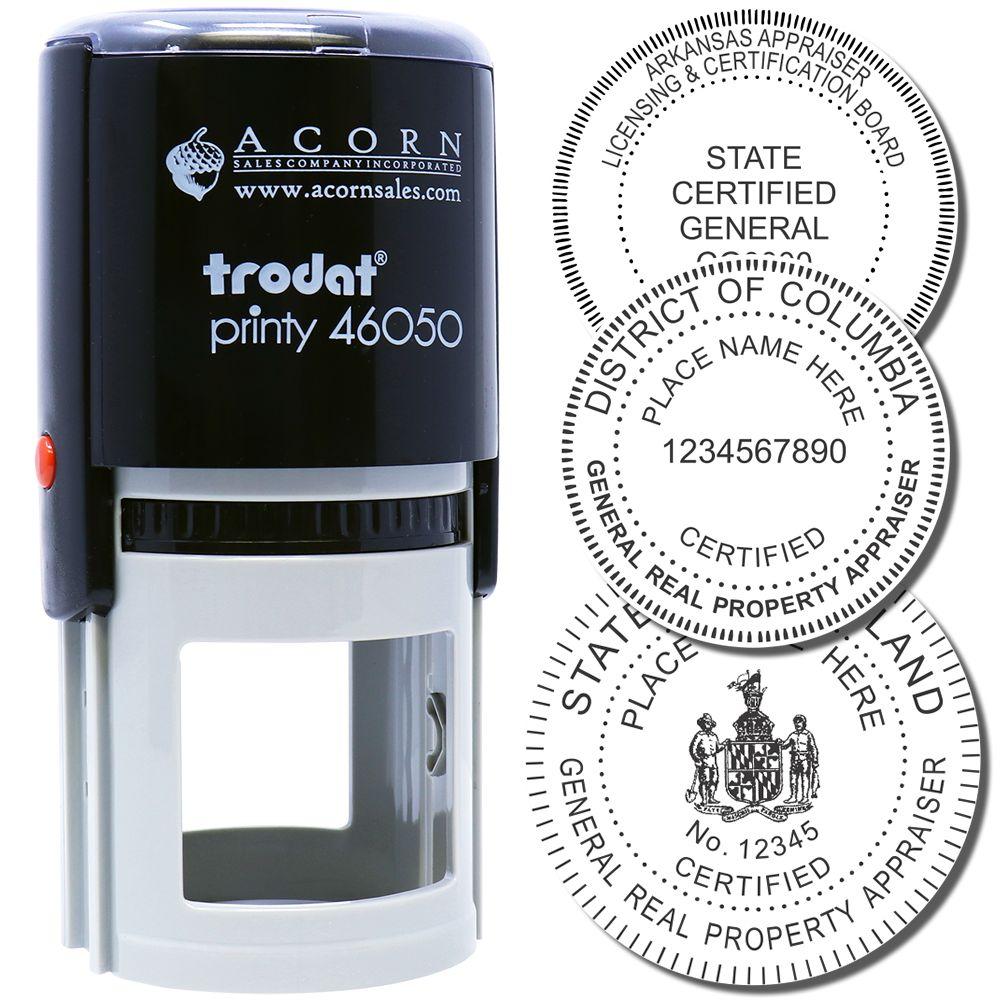
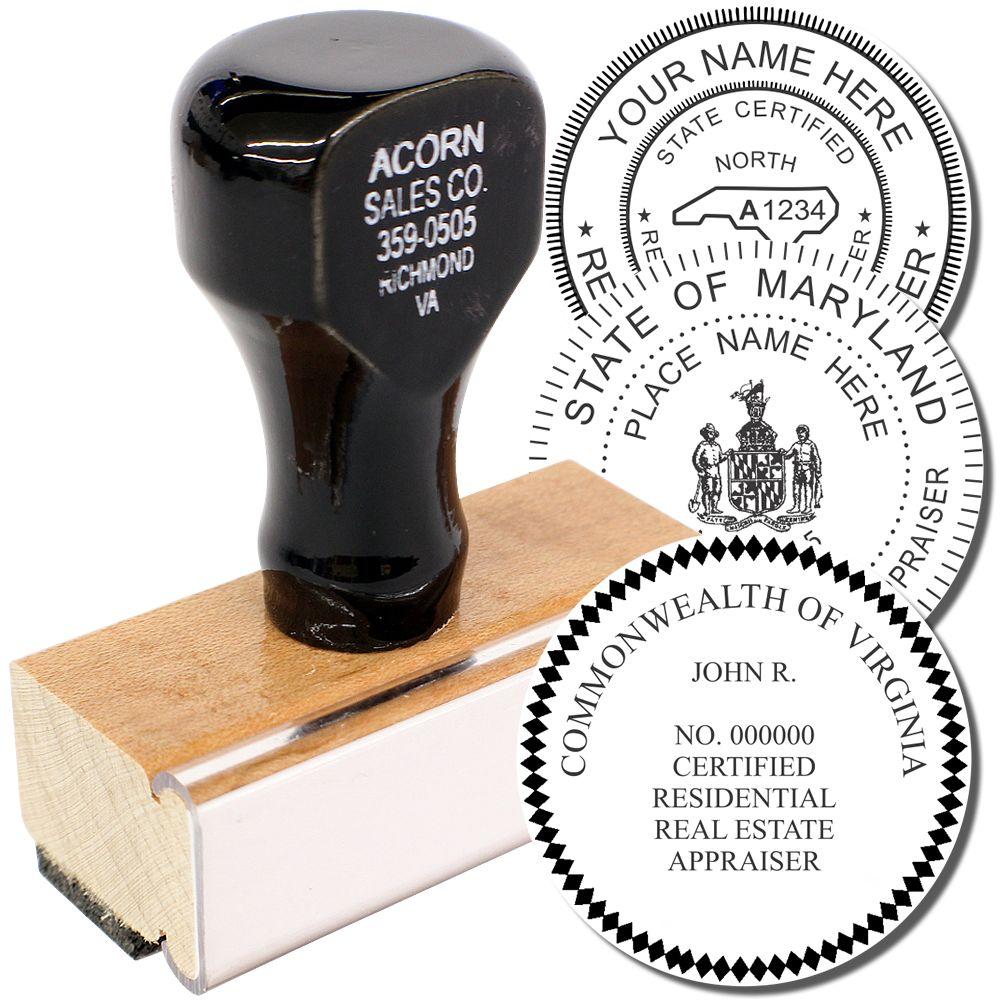
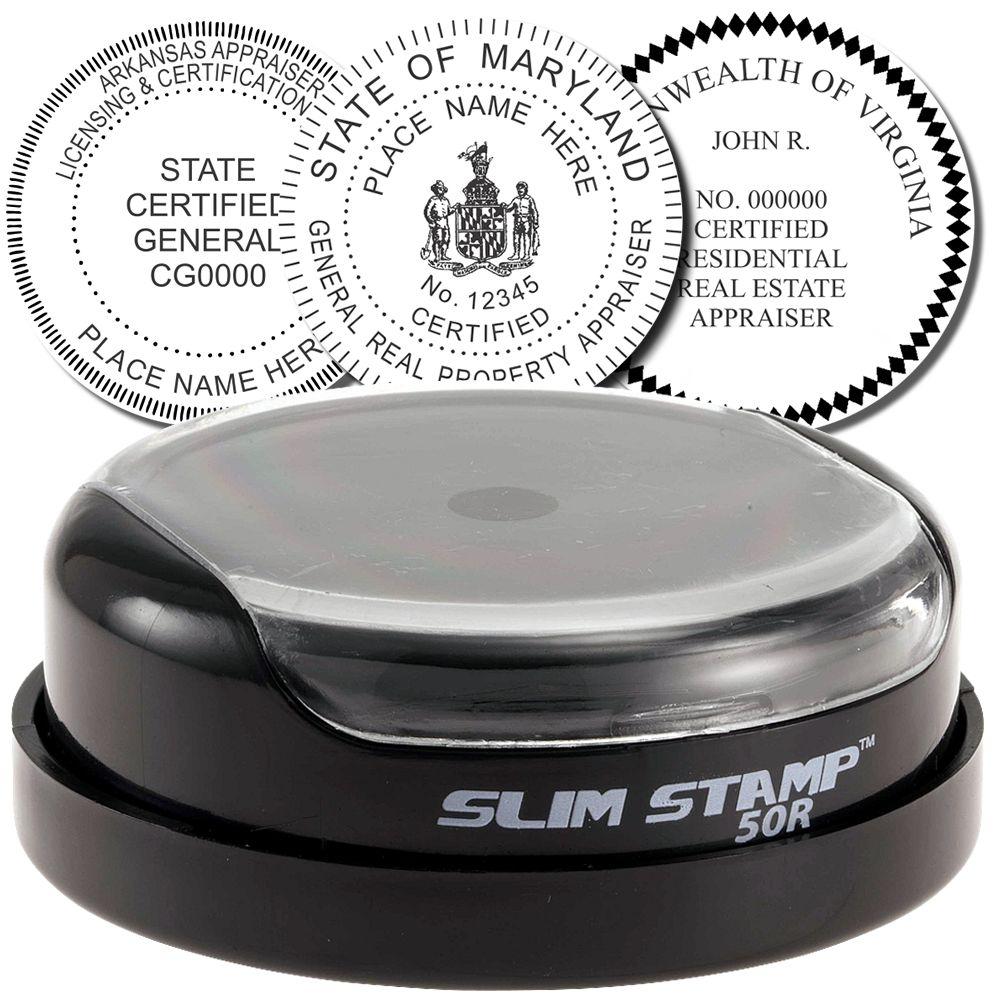
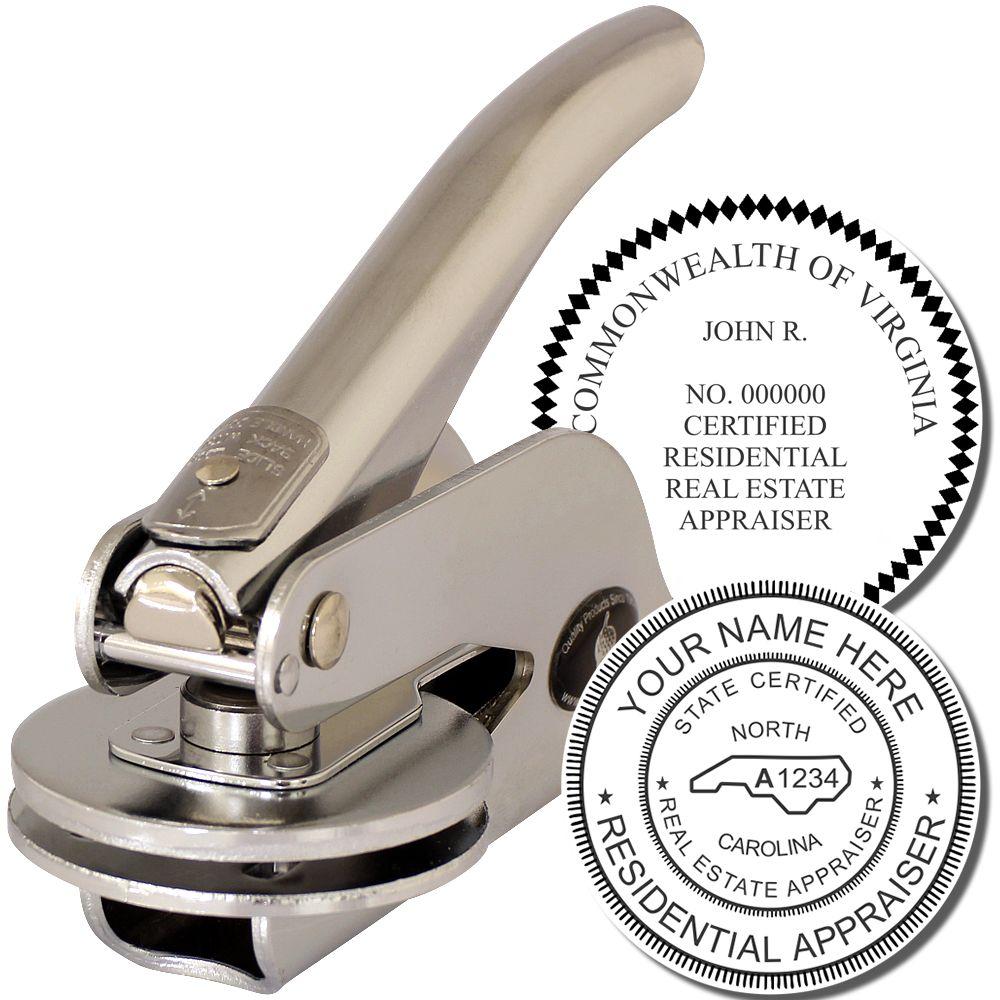
From the appraiser range, the Real Estate Appraiser Self Inking Rubber Stamp of Seal is $39.95 and the Regular Rubber Stamp of Seal is $34.95. The Slim Pre Inked Rubber Stamp of Seal at $46.95 holds fine digits crisply. For PDF delivery the eSeal Electronic Image Stamp of Seal is $20.00. If you want an embossed impression for paper originals, the Handheld Seal Embosser is $46.95. Browse the real estate appraiser stamps and seals collection, or contact us with your wording.
Care, and the one thing that dates a die
Re ink a self inking stamp at the first sign of graying rather than waiting for a gap in a digit, because a smudged number is worse than no stamp. Keep pre inked stamps capped and away from heat. Wipe an embosser die if grit gets into it and otherwise leave it alone.
New Hampshire asks for no expiration date, so renewal alone does not age the block. The two events that do are a change in the number on your credential and a change in the name you sign with. Either one makes the die wrong rather than merely out of date, and it is worth replacing rather than annotating. This page is a research summary and not legal advice.
- Real Estate Appraiser Stamps and Seals
- Real estate appraiser stamps and seals
- North Carolina Appraiser Seal: 1 Inch Minimum
- New York Appraiser Seal: Number Under the Title
Frequently asked questions
Does New Hampshire require a real estate appraiser to have a seal?
No. The words “seal” and “stamp” do not appear anywhere in RSA chapter 310-B or in the Board’s Rab 100 to Rab 500 rules. RSA 310-B:16, II asks for your license or certificate number adjacent to or immediately below your signature instead.
What exactly has to appear beside my signature?
Your license or certificate number, in one of two positions: adjacent to the signature or immediately below it. Nothing else is called for. No credential title, no state name and no expiration date appears in the statute.
Does the rule apply only to appraisal reports?
No, and this is the part worth reading twice. The duty attaches whenever your signature is used in an appraisal report or in a contract or other instrument used in conducting real estate appraisal activities. An engagement contract you sign falls inside that description.
Can I put my credential title on the stamp anyway?
Yes, as long as it is accurate. New Hampshire does not ask for it, but a block that names the credential is easier for an out of state client to read. State only the credential you actually hold.
Is there a required size for a New Hampshire appraiser stamp?
No. Because no seal or stamp is required at all, no diameter, dimensions or shape are prescribed anywhere in RSA 310-B. Size the block so the number is legible on the copy the client receives.
Does New Hampshire address electronic seals or digital signatures?
No provision on the point was found in RSA 310-B or the Rab chapters. Rab 501.03 adopts USPAP as the code of ethics, so USPAP’s own signature and certification provisions govern electronic reports by reference.
Did the 2023 changes to RSA 310-B remove this rule?
No. Several sections of RSA 310-B were repealed effective 1 September 2023 in the Office of Professional Licensure and Certification consolidation, including 310-B:10, :12, :13, :18, :19, :20 and :21. Section 310-B:16 was not among them and survives unchanged in substance.
Where do I get the number to put on the die?
From the credential itself. RSA 310-B:16, I provides that a license or certificate issued under the chapter bears a number assigned by the office, so copy it from the document rather than from an old report template.








