
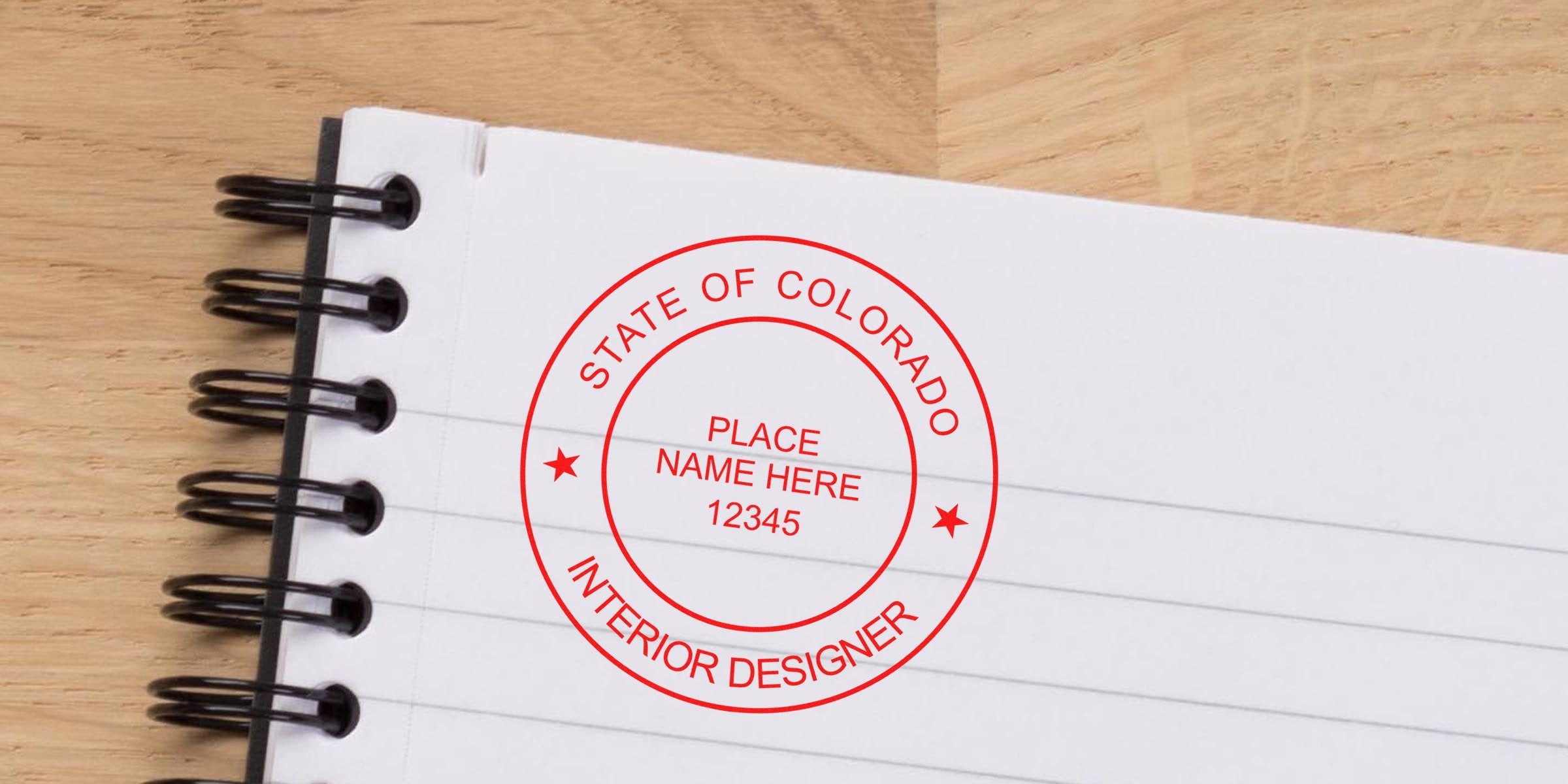
Discover Colorado Interior Design Stamps
If you’re practicing interior design in the state of Colorado, you’ve likely heard of the need for an official stamp or seal. Maybe you’ve wondered, “Is it really that important?” Short answer? Yes. An official stamp not only represents your professional identity, but it also helps confirm that your work meets specific guidelines. And when we talk about the essentials, the Colorado interior designer stamp embosser is often at the top of the list. It leaves a crisp, raised impression that immediately signals authenticity.
But there’s more to it than just pressing a seal onto your plans. In this article, you’ll discover why these stamps matter, how to select the right one, and how to use and maintain it so that it lasts. Plus, we’ll explore the regulations involved in stamping your final designs in Colorado and share tips to help you save time and effort. Ready to dig in?
Understand Licensing Requirements
Before you begin stamping away, you want to understand the rules that apply to Colorado interior designers. Although exact regulations can evolve, you’ll generally need to become licensed or registered in line with state guidelines. If you haven’t already flipped through the official statutes or checked the latest updates, now’s a good time to do so.
For more detailed information, be sure to visit the colorado interior designer stamp requirements. That page covers crucial details, such as when and where a stamp is required, and which documents typically need sealing. In Colorado, an interior designer certificate or license means you’re recognized as having the necessary education and skill set. Much like a notary or professional engineer, you’ll use your stamp to demonstrate professional accountability.
Why Licensing Matters
- Legitimacy: Shows you’ve met state standards for education and practice.
- Client Confidence: Ensures clients trust that you know the necessary codes and guidelines.
- Professional Integrity: Stamping your documents declares you stand by your work.
When you’re licensed, your stamp carries weight. Think of it as a thumbs-up from Colorado saying, “We trust you know your stuff.”
Different Types Of Stamps
Not every designer wants the same style of stamper. Perhaps you prefer an ink-based stamp for quick use, or maybe you like the embossed effect for that slightly fancy, professional touch. Understanding the main categories helps you decide which one aligns best with your workflow.
Hand-Embosser
A hand-embosser is perfect if you love the tactile nature of pressing a seal. It lacks the mess of ink and gives a raised imprint that feels classic. Because it’s compact, it’s easy to take along on-site. The downside? Your hand might tire if you’re creating a lot of stamps in one sitting, especially on thick paper.
Desk-Embosser
The desk-embosser is just a sturdier version of a hand-embosser that sits on a flat surface. You typically pull a handle or press down to create the impression. This style is excellent if your stamp volume is moderate to high, because it distributes pressure more effectively, and you won’t wear yourself out as easily.
Self-Inking Stamp
Looking for speed? A self-inking stamp is your friend. It comes loaded with ink, so you just press and move on. While the impressions aren’t raised like an embosser, they’re super readable, which is perfect for plan approvals or official forms that need a clear mark. Keep in mind, you do have to refill or replace ink pads eventually.
Pre-Inked Stamp
Pre-inked stamps produce sharp, detailed designs thanks to the laser-engraved die and embedded ink. Each impression often looks more precise than a typical self-inking unit. They’re handy for a designer who wants crisp details but doesn’t want to hassle with manual inking or thumb pressure.
Quick Comparison Table
| Stamp Type | Impression Type? | Pros | Cons |
|---|---|---|---|
| Hand-Embosser | Raised (no ink) | Portable, classic look | Can strain your hand for large volumes |
| Desk-Embosser | Raised (no ink) | Great for higher volume, stable | Less portable than hand-embosser |
| Self-Inking Stamp | Ink-based, flat print | Fast, convenient | Ink pads need replacement |
| Pre-Inked Stamp | Ink-based, crisp print | Very sharp details | More expensive upfront |
Ultimately, the choice depends on how often you stamp, your design aesthetic, and how mobile you need to be on the job.
Use And Care Tips
After you invest in a reliable stamp or embosser, you’ll want to treat it well so that it continues making clear impressions for years to come. Maintenance doesn’t have to be complicated. Consider the following practical steps.
Store Your Stamp Correctly
- Keep It Dry: Moisture can warp plastic parts or spoil the ink.
- Avoid Extreme Heat: High temperatures may degrade rubber or plastic components.
- Label the Box: If you have multiple stamps for different licenses, label them or store them in separate containers.
Test Before The Final Print
Nothing is more frustrating than stamping a final draft only to realize the impression is crooked or faint. Always do a quick test on scrap paper. If the ink looks weak, replace or re-ink the pad. If you’re embossing, make sure the paper thickness is appropriate for a crisp result.
Cleaning Guidelines
- Ink-Based Stamps: Gently wipe away excess ink with a cloth to avoid buildup.
- Embossers: Clear out any tiny paper bits that might get stuck in the raised design.
Don’t forget to check the alignment of your stamp occasionally. Parts can shift over time, especially for handheld units, so realign if needed.
Comply With Standards
In Colorado, design standards exist to keep buildings safe and functional. Your stamp is both a symbol of your compliance with these standards and a quick reference for anyone looking at your plans. When that seal appears on official documents, you affirm that your design meets local building codes, safety regulations, and ethical guidelines.
Common Documentation Requirements
- Renovation and Construction Plans
- Electrical or Plumbing Layouts (if part of your interior scope)
- Final Presentations for Permit Approvals
Remember, stamping typically happens after you’ve finalized your design details. You’re making a formal declaration that you’ve done your homework. Improper or premature use of your stamp can lead to headaches, including possible legal or professional repercussions.
Why Choose Acorn Sales
When searching for a stamp or embosser, you want to buy from a reputable source. That’s where Acorn Sales comes into play. We’ve been in business since 1964, and we specialize in providing top-quality stamps and seals for professionals nationwide. One of our missions is to offer dependable products that let you authenticate your work with ease.
We’re also proud to include a free electronic stamp with every order. That means you get a digital version of your seal at no extra cost, allowing you to stay efficient in today’s digital design environment. It’s a convenient perk, especially if you work with electronic documents before printing final plans. And with decades of experience under our belt, we understand the nuanced needs of Colorado interior designers better than many newcomers to the market.
What Makes Acorn Sales Different?
- Long-Standing Expertise: Over 50 years in the business, so you can trust our know-how.
- Quality Craftsmanship: Each stamp or embosser is designed for longevity.
- Free Electronic Stamp: Helps you adapt to modern technology without extra cost.
- Friendly Support: Our team is here to answer questions about customization, maintenance, and state requirements.
The best part? We can guide you toward the product that fits your stamping needs, whether that’s a traditional embosser, a self-inking stamp, or something else. Think of us as a trusted partner for all your stamp-related questions.
Summary And Next Steps
Your Colorado interior designer stamp is more than a decorative tool. It’s a mark of professionalism, a reassurance to clients, and a sign of upholding local regulations. Whether you choose a hand-embosser for that classic look or a self-inking stamp for speedy approvals, the ultimate goal is to make sure your documents are properly sealed and recognized.
As you decide on your stamping tool:
- Confirm your licensing or registration details.
- Check the latest guidelines on professional stamping, especially if you need to seal official design plans or calculations.
- Choose a stamp type that complements your workflow (hand-embosser, self-inking, or pre-inked).
- Maintain your stamp or embosser to keep impressions clean, consistent, and professional.
Once you have your stamp sorted, you’ll be ready to finalize your creative projects with confidence. If you need additional guidance, you can count on Acorn Sales for quality products, a free electronic stamp with your purchase, and friendly customer support. Let’s be honest, investing in the right stamp is an immediate, hassle-free way to elevate your credibility.
As you move forward, remember that a well-chosen stamp or embosser is part of your professional toolkit. You’ll symbolize your expertise, uphold standards, and streamline your workflow every time you press that design onto paper. If you have further questions, feel free to reach out for personalized support. We’re here to make stamping simple, so you can focus on designing beautiful, functional spaces that elevate daily life.
Frequently Asked Questions
Is a stamp mandatory for every design I create?
Not every sketch or concept requires an official seal. Typically, once your designs move toward permit plans or official floor plans, that’s when you need to apply your seal. Always check current regulations to be certain you’re stamping the required documents.
Does a hand-embosser work on thicker materials, like cardstock?
Yes, but how well it works depends on the style and quality of your embosser. Hand-embossers usually handle standard paper or light cardstock without a problem. For thicker materials, you might need a sturdier desk-embosser or a higher-leverage mechanism.
Can I update the information on my stamp if my license number changes?
Yes. If you move to a new state, change your name, or your license number adjusts, you’ll want a fresh die or a new stamp. Reach out to Acorn Sales to discuss updating or replacing your seal. It’s important to keep your stamp details current and valid.
What if I need both an embossed seal and a digital version for electronic documents?
That’s no problem. With each Acorn Sales order, you get a free electronic stamp that you can insert into digital drawings or PDFs. This saves time and allows you to maintain consistency whether you’re working on paper or online.
How soon will my stamp be ready after I order?
Production times vary, but Acorn Sales aims to prepare and ship your stamp efficiently, often within days. Because we’ve been in business since 1964, our production process is fine-tuned to ensure high quality on a reasonable timeline.








