
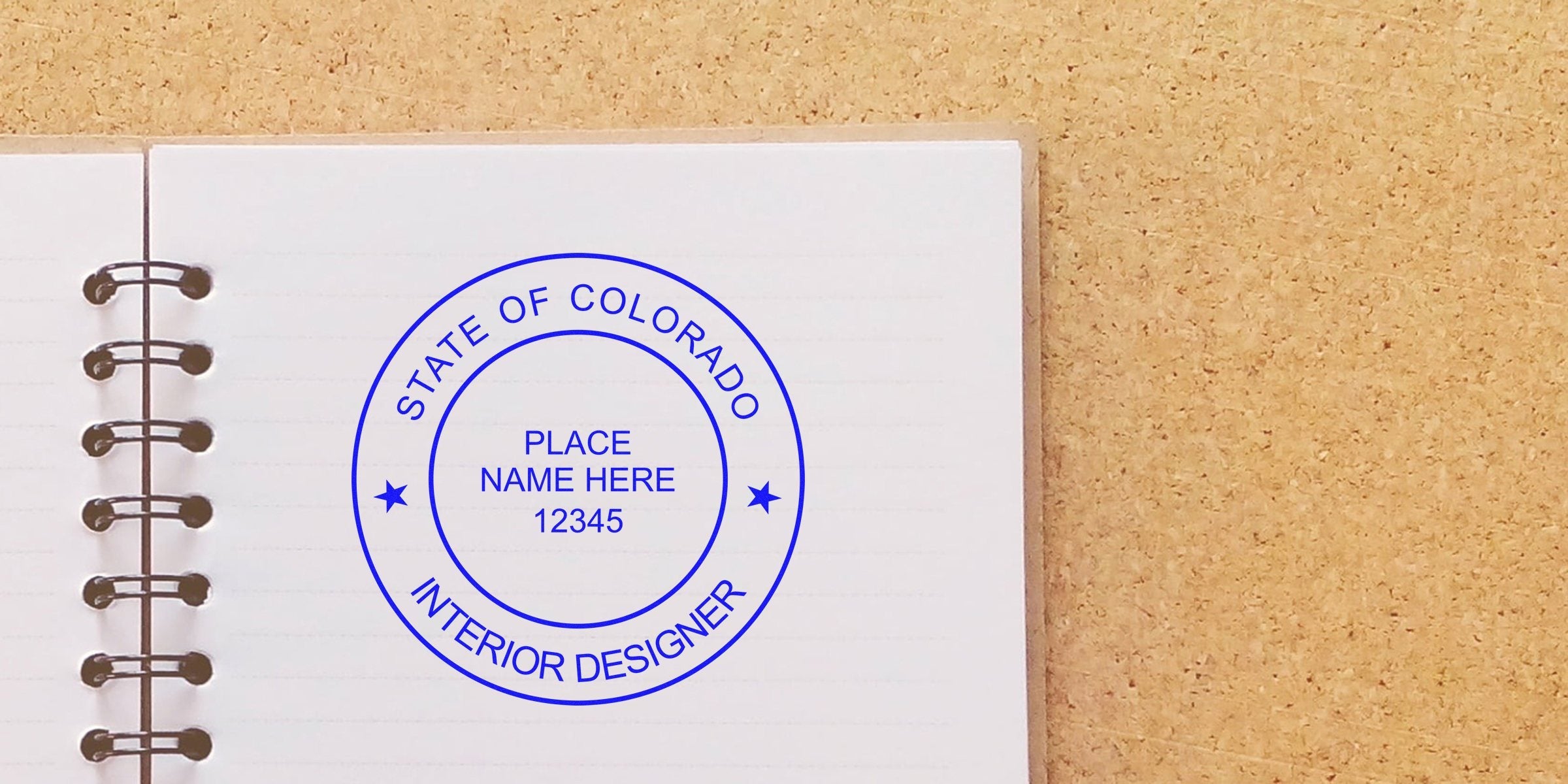
Colorado interior designer seal specifications might look overwhelming at first glance, but with the right guidance, you can master them quickly. Whether you’re launching a new design practice or simply updating your existing credentials, understanding how your official seal works is crucial. In Colorado, this seal serves as your professional signature and needs to meet specific requirements to be valid.
In this guide, you’ll find clear details on the rules surrounding interior designer stamps in Colorado, tips on layout and design, and a step-by-step approach to staying compliant. By the end, you’ll feel fully prepared to order the perfect seal and avoid common pitfalls. So let’s jump in.
Understand Colorado Seal Rules
Colorado’s laws and professional design boards hold interior designers to high standards. These guidelines are in place to protect both you and your clients. They specify what must appear on your seal and how you’ll use it in official documents.
Who Oversees the Standards
In Colorado, oversight often comes from the state’s occupational licensing authority. They coordinate with design associations, maintain rules about educational requisites, and outline the stamping procedure to make sure your work is both safe and professional. Although rules can vary year to year, the core idea remains the same: your seal is a clear indicator of your design qualifications.
Why You Need a Proper Seal
A properly formatted stamp goes beyond just looking official. It also expedites the permit process, helps you sign off on construction drawings, and confirms that you’re a licensed or registered professional. Essentially, it’s your visual cue of credibility. When an inspector or client sees your seal, they know they’re dealing with someone who has met Colorado’s regulations and is prepared to back their design.
Identify Key Specifications
Once you know why having a seal matters, focusing on the technical details is your next priority. While the exact specs can vary slightly, there are common elements that Colorado interior designers should watch for.
Size, Shape, and Format
Official seals can come in round or rectangular formats. Most commonly, states favor circles because they look consistent with other professional stamps, like those used by architects or engineers. In Colorado, many interior designers opt for a two-inch or one-and-five-eighths-inch diameter. This size is large enough to display all required information without flooding your document.
For clarity, here’s how size, shape, and format typically break down:
- Shape: Round seal (occasionally square or rectangular, but verify state preference).
- Diameter: Usually 1⅝ inches or 2 inches, depending on your board’s recommendation.
- Border: A double outer ring is standard, ensuring the text is easy to read.
Digital vs Physical Seals
Technology has changed the stamping world. While traditional rubber stamps are still popular, many designers use digital versions to stamp PDFs or other e-documents. Both options can be valid in Colorado, so long as you meet the official guidelines regarding size and wording. Here’s a quick comparison:
| Feature | Physical Seal | Digital Seal |
|---|---|---|
| Usage | Pressed onto paper | Inserted in electronic files |
| Convenience | Requires ink pad or self-inking feature | Instantly placed via design or editing software |
| Consistency | Uniform imprint, can fade over time | Crisp resolution, can be resized if guidelines allow |
| Storage | Keep stamp in a secure spot | Store digital file in a password-protected folder |
Regardless of which you prefer, always double-check that your seal meets Colorado’s shape, size, and content requirements. If you want more details on how your stamp design should look, you can explore additional tips at colorado interior designer stamp requirements.
Clarify Stamp Layout Requirements
Obtaining the right seal isn’t just about having a fancy design. Placement of text and official references is often spelled out in state guidelines. Overlooking a single word can cause delays in project approvals, and that’s the last thing you need when you’re balancing multiple client requests.
Approved Text Placement
Most seals include your name, the words “Registered Interior Designer” (or similar state-approved title), and your license or registration number. Typically, your name appears in the top semicircle, with the professional title in the bottom semicircle. The registration number often goes straight across the middle.
If you create a custom design, keep it simple. Don’t add decorative fonts or complex graphics that could make your credentials difficult to read. Simple text in a legible font ensures your seal stands out. After all, inspectors and clients should be able to verify your information at a glance.
Essential Colorado References
Some states want specific references—like “State of Colorado” or “Licensed Interior Designer”—clearly on the seal. Figure out whether Colorado requires phrases like “State of Colorado” or a symbol (such as the state outline) to appear around your name. If you’re not 100% sure, confirm with your state licensing board. You’d be surprised how often minor wording changes are introduced each year.
Ensure Compliance Steps
Now that you understand where each piece of text belongs, it’s time to finalize your design and go through a quick compliance checklist. Doing so helps you avoid last-minute headaches.
Follow Colorado Guidelines
Review the official state publication for interior designers or the relevant statutes that cover stamp usage. These documents or websites often outline the type of ink you can use for physical seals (many times black ink is preferred), margin requirements for stamped construction drawings, and any statements you must include under your seal. If your board puts out memos or updates, sign up for their newsletter or email alerts so you don’t miss important announcements.
Validate with Official Resources
If you ever feel uncertain, pick up the phone or shoot an email to the Colorado licensing board. They usually respond to questions about seal use and are happy to clarify any new rules. Referencing official resources ensures you’re not trusting outdated guidelines you found in an old forum or random PDF from years ago.
Once you’ve verified everything, send your proposed design for official review if your board permits it. A short official confirmation of your seal is far better than discovering a crucial text element is missing five minutes before a deadline.
Pick a Trusted Supplier
One of the easiest ways to get a compliant seal is to order from a reputable company. Not all stamp makers are equally versed in Colorado’s guidelines, so doing a bit of homework on suppliers can make a big difference.
Why Acorn Sales Stands Out
At Acorn Sales, you’ll find a dedicated team that’s been around since 1964, crafting professional stamps and seals for all sorts of industries and states. Our expertise means you’ll get a seal that aligns perfectly with Colorado’s requirements. Plus, each order includes a free electronic stamp, so you can handle both paper-based and digital documents seamlessly.
We understand how important your seal is in solidifying your professional reputation. That’s why we offer quick turnaround times and a user-friendly ordering process. You can spend less time worrying about stamp logistics and more time skillfully designing interior spaces for your clients.
Tips for Comparing Providers
If you do some comparison shopping before settling on a supplier, here are a few things you might watch for:
- Warranty Policies: Does the company stand behind their products with a quality guarantee?
- Customization Options: Are you able to tweak the layout or is it a one-size-fits-all design? Some states have very specific design standards, so your supplier should be flexible enough.
- Industry Experience: A vendor who’s new on the scene might not realize how often design requirements change. Consider a business with proven longevity, so you can trust they’ll keep up with the latest rules.
- Customer Support: When you email or call, do you get prompt, helpful responses? A good supplier should simplify this process, not complicate it.
Recognize Common Pitfalls
Even experienced interior designers run into occasional hiccups relating to stamps and seals. Staying alert to these pitfalls can spare you a lot of hassle, especially mid-project when time is tight.
Unreadable Designs
One of the biggest errors is adding too much flair. If a seal looks fancy but is hard to read, it may not pass muster with your local building department. Avoid intricate logos, complicated borders, or overly elaborate typography. When in doubt, stick with basic fonts.
Missing Vital Details
Neglecting to include your registration number or the mandated “State of Colorado” text can trigger immediate rejections. Always reference your latest design board guidelines or state code to confirm you have every required piece of text. A second or third set of eyes can catch something you might overlook.
Summarize and Conclude
Colorado interior designer seal specifications are simpler to handle once you break them down. Focus on the correct size, shape, and wording, and confirm with official resources if anything seems unclear. Remember, your seal is both a legal and professional statement, so accuracy is paramount.
When you’re ready to order, consider a reputable supplier like Acorn Sales. Our team has dealt with Colorado regulations for decades, and we include a free electronic stamp with every purchase so that you’re covered whether you prefer paper or digital. By taking small, careful steps, you’ll breeze through any official checks and concentrate on what you love most: designing remarkable spaces.
Feel free to reach out if you have specific questions about your seal or if you’d like additional guidance on fulfilling Colorado’s stamping requirements. A well-crafted, compliant seal proves you’re serious about your profession and ready to serve your clients in the best way possible. Happy designing!
Frequently Asked Questions
Do I Need to Reapply for a Seal if I Move?
Typically, yes. If you relocate and need licensure in another state, you’ll need to check that state’s requirements. Each region has slightly different guidelines, so it’s best to order a new seal that complies with the new location.
Can I Use a Pre-Designed Template from Someone Else?
You can, but verify that it meets current Colorado rules. Templates are a handy starting point, yet they might not include updated wording. Always check with your licensing board or a trusted supplier to confirm details.
What Ink Color Should I Use for Physical Stamps?
Black ink is commonly preferred because it scans well. However, some building departments allow other colors. If you’re unsure, stick with black to ensure clarity and consistency on documents.
Is a Digital Seal Legally Recognized?
Yes, as long as it meets your state’s guidelines. Colorado usually honors digital versions if they mirror the essential aspects of traditional seals, such as proper size and wording. Always store your digital seal in a secure location, and be prepared to show that it can’t be tampered with.
Why Should I Choose Acorn Sales for My Seal?
Acorn Sales has been in business since 1964, providing high-quality stamps and seals that align with Colorado regulations. Every order also includes a free electronic stamp, making it easy for you to manage both paper and digital documents without extra cost.








