
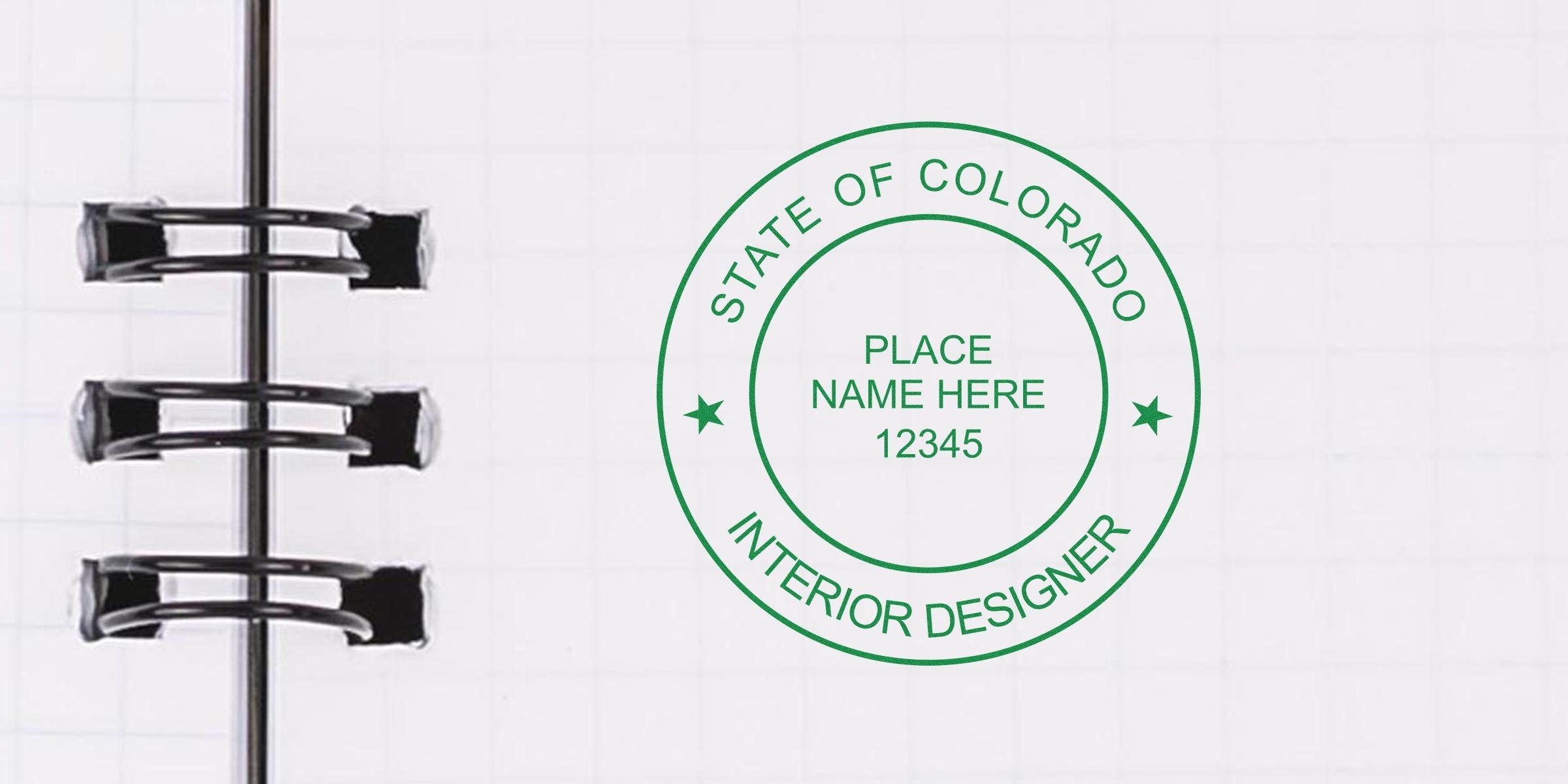
You’ve probably heard the buzz about Colorado interior designer stamp requirements, but you might still feel a bit unsure about how they actually work. Don’t worry, you’re in good company. Whether you’re a seasoned interior design pro or just starting out in the field, navigating the rules around official stamps and seals can be confusing. But here’s the good news: once you understand the basics, meeting these requirements is easier than you think.
When you use a well-designed, compliant stamp, you’re not just playing by the rules. You’re also showcasing your professionalism. In Colorado, interior designers often need an official seal to validate drawings, plans, and other design documents, ensuring that every project meets the local codes and standards. By the end of this guide, you’ll have a clear path to choosing and using the right stamp, the know-how to stay in compliance, and the insider tips that will keep you from tripping over any red tape.
Understand The Importance
A professional stamp or seal might sound like a small detail, but it carries a lot of weight in the world of design. In Colorado, clients, contractors, and even municipal officials look to your stamp as a sign of credibility. It’s like a personal signature that says, “Yes, you really can trust my expertise.”
- It’s A Credibility Boost: Your stamp certifies that you meet the legal and professional standards required for an interior designer.
- It’s A Mark Of Accountability: Because the seal holds legal significance, you promise responsibility for the design documents you approve.
- It’s A Competitive Edge: Many firms and major clients prefer working with professionals who demonstrate compliance. It makes everyone’s life easier.
Stamped documents help protect property owners, architects, and local authorities by confirming that each plan follows proper safety guidelines. So if you ever wondered why a simple stamp is such a big deal, that’s why. Its presence on your plans offers clarity about who designed, reviewed, and approved them.
Meet The Requirements
You might hear the phrase “colorado interior designer stamp requirements” tossed around, but what are they, exactly? Depending on the scope of your practice, state rules often outline specific design fields that need a stamp, such as commercial or residential projects. These requirements can vary by local jurisdiction, so it’s essential to double-check if your city or county imposes additional regulations.
Here’s a snapshot of what you typically need to know:
- Education And Licensing: Make sure your credentials align with Colorado’s guidelines for interior designers. This usually means completing an accredited design program and passing relevant exams, like the NCIDQ (National Council for Interior Design Qualification) or any other state-recognized certification.
- Official Stamp Or Seal: Each state, including Colorado, has rules on what your seal should look like. Some states allow digital seals, while others require physical embossers. Colorado typically permits both, but you’ll want to confirm exactly which format is accepted in your local area.
- Proper Placement: Always place your stamp willingly and accurately on project documents that require your sign-off. Plans, drawings, and design specs often demand a seal to show you’re confirming their accuracy.
Because these rules can shift, you’ll want to keep track of any changes published by Colorado’s regulatory board or relevant associations. An official update might mean a slight tweak in your responsibilities.
Check Key Regulations
Regulations around stamps and seals aren’t just about aesthetics. They also ensure the credibility of your final deliverables. You’ll find that guidelines can address everything from the size of your seal to how you sign your name beside it. Again, you’ll want to confirm local rules, as cities and counties may apply slightly different interpretations.
For instance, if you’re submitting a drawing for a new office space layout, you might need to review the Colorado interior designer seal regulations to confirm where the seal belongs on each sheet. Or if you plan to emboss your documents, you’ll want to follow best practices laid out in the Colorado interior designer seal embossing guidelines to ensure clear readability.
Specific items in the regulatory checklist typically include:
- Seal Specifications: Shape, diameter, legibility, and text layout. You can find more details in Colorado interior designer seal specifications.
- Authentication Standards: Some places require notary-like processes, so verify if colorado interior designer seal authentication steps apply.
- Customization Options: Designs, fonts, or brand-specific touches might be allowed. If so, look into colorado interior designer seal customization for tips.
- Renewals And Validity: Certain seals expire after a set period, so you may need to renew or update your credentials to keep everything valid.
By checking off each item, you’ll ensure your final plans receive that much-needed stamp of approval without delays or rejections.
Obtain Proper Documentation
Your seal is only as good as the documentation behind it. Before you rush out to buy a stamp, remember that official approvals come from the right paperwork. Think of it like going on a trip: you wouldn’t board an international flight without a valid passport. Likewise, you won’t want to apply a seal if you’re missing critical licenses or letters of authorization.
Here’s how you can stay on track:
- Confirm Education Records: Have an up-to-date transcript or proof of degree from an accredited program.
- Verify Exam Results: If you took the NCIDQ or a state-specific test, keep your results handy in case you’re asked to prove your qualifications.
- Gather Any Additional Permits: Some localities might require specialized permits for large commercial projects or certain categories of interior design.
No matter how straightforward the guidelines look, it’s all about staying organized. If you ever face a review or random audit, having your documentation in order makes it simple to back up your stamp’s authenticity.
Choose Your Stamp Or Seal
Maybe the biggest question on your mind is, “How do I pick the right stamp?” The Colorado market offers a variety of stamps, including pre-inked stamps, self-inking stamps, and embossers. Each has pros and cons, so it’s wise to think about your day-to-day workflow.
- Pre-Inked Stamp: Provides sharp, clear impressions. Ideal for high-volume stamping since you won’t need to re-ink frequently.
- Self-Inking Stamp: More portable and convenient, though sometimes the ink pad may wear out if you’re stamping many documents in one go.
- Embosser: Leaves a raised impression for a professional look. Good for official documents that require extra security or physical proof of authenticity. For more details, check out the colorado interior designer stamp embosser guidelines.
If you need help estimating total costs, the colorado interior designer stamp cost resource can give you an idea of typical pricing ranges. This resource also breaks down how different stamp types might affect your overall budget, from initial purchase to ongoing ink refills.
Weighing Features And Requirements
When narrowing down your stamp or embosser choices, keep these factors in mind:
- Frequency Of Use: If you stamp or emboss documents daily, aim for a durable, high-quality product that will remain crisp.
- Design Complexity: Some stamps accommodate extra text, like your full name, license number, or even a small logo.
- Ink Strength And Color: Check whether local offices or code enforcement agencies have rules about ink color. Usually black or blue ink is safest.
- Storage And Security: Because your seal is an official mark, store it in a secure place. This helps protect you from unauthorized usage.
Partner With Acorn Sales
You’ll find multiple vendors selling stamps and seals, but one name stands out for Colorado interior designers: Acorn Sales. We’ve been in business since 1964, which is a testament to our long-standing commitment to quality and service. We also want you to have a hassle-free experience, so every purchase comes with a free electronic stamp that you can use for digital documents.
Why else might you want to consider Acorn Sales?
- Trusted Supplier For Colorado Interior Designers: Our stamps and seals consistently meet local guidelines.
- Customization Made Simple: We offer plenty of design elements so you get exactly what you need without breaking any rules.
- Fast And Friendly Support: Not sure which stamp to pick? Our team is happy to guide you.
- Competitive Pricing: We know budgets can be tight, which is why we offer quality solutions without outrageous costs.
If you have more questions about official stamping for your design projects, the colorado interior designer stamp information overview can provide extra guidance. This is also a great place to start if you’re completely new to the process and need step-by-step insights.
Finalize Your Steps
When you’re confident that you have the right documentation, the right stamp, and a solid understanding of local guidelines, you’re pretty much set. The last piece of the puzzle is ensuring everything lines up perfectly on your project’s official documents. That means:
- Double-Check Layout: Before stamping, verify that important elements of the page aren’t covered or obscured.
- Confirm Ink Quality: A faint or smudged impression might be rejected during the review process.
- Keep Records: Snap a quick photo or scan the final document to have proof of the sealed version on file.
- Remain Up To Date: Regulations can shift, so bookmark the colorado interior designer seal notary rules if you ever need notarization or additional verification.
Beyond meeting the base requirements, it’s wise to set a routine for checking on your stamp or seal’s condition. If your embosser loses its crispness, or your self-inking pad starts fading, a quick replacement ensures your documents remain professional.
Conclusion
Navigating Colorado’s requirements for interior designer stamps isn’t as complicated as it first seems. You just need a little clarity on the rules, some solid documentation, and a quality seal that meets official standards. Once you have those pieces in place, stamping your professional mark on each project becomes second nature. More importantly, it showcases your credibility in a field where thoughtful design matters so much.
If you’re looking for top-notch stamps or seals, consider Acorn Sales. We’ve been around since 1964, so we know what it takes to keep Colorado designers in compliance. Our free electronic stamp included with every order makes it even easier to handle digital submissions. Tackle your next project with confidence, knowing you have the right stamp and a thorough understanding of the rules. You’ve got this, and we’re here to help you every step of the way.
Frequently Asked Questions
Do I Really Need A Stamp If My Projects Are Small?
Yes. Even if you’re only taking on smaller residential work, local jurisdictions may still require a seal to confirm your professional qualifications. It’s best to verify rules in your specific county or city.
Can I Customize The Look Of My Seal?
Within reason, yes. Colorado typically allows some degree of customization as long as you adhere to the basic size and text guidelines. If you’d like to explore personalization, colorado interior designer seal customization can walk you through the steps.
What If I Prefer An Electronic-Only Approach?
Many places accept digital seals if they follow certain security protocols. With Acorn Sales, you receive a free electronic stamp, making it easy to sign off on projects electronically. Just confirm that your local building authority permits e-signatures.
Are There Specific Notary Requirements For Interior Designer Seals?
Sometimes, yes. In some complex projects or public contracts, you might need a notary stamp in addition to your designer seal. Guidance on that can be found at colorado interior designer seal notary.
How Often Should I Update My Seal?
Your seal may remain valid as long as your professional license is active. Still, it’s a good practice to revisit the colorado interior designer seal regulations every couple of years, just in case the state revises guidelines or introduces new security features.








