
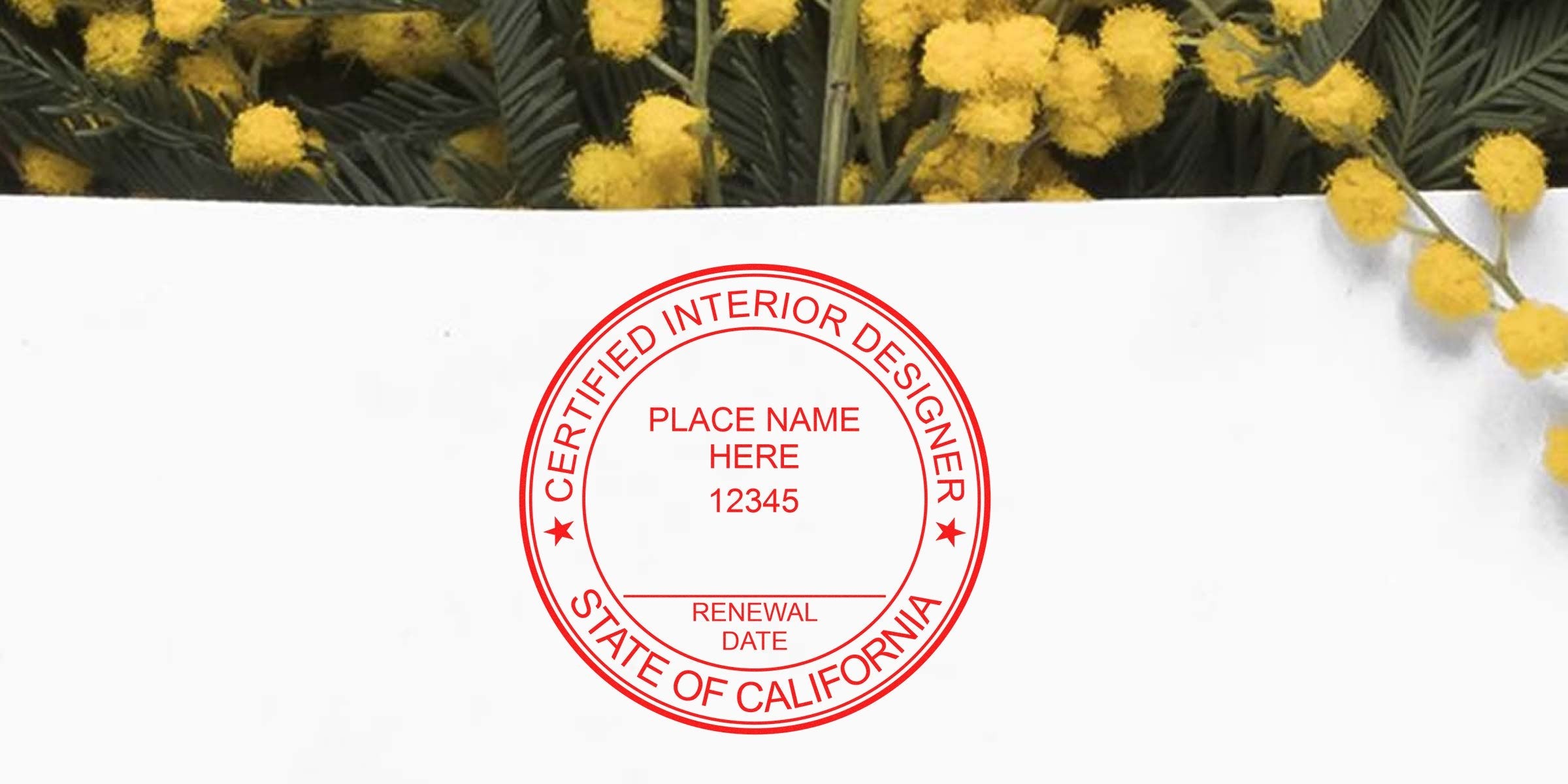
If you have ever scratched your head over California interior designer stamp requirements and wondered how to follow them correctly, you are not alone. Many designers juggle creative aspirations, client demands, and strict regulations all at once. Understanding the ins and outs of these official guidelines is key to staying compliant and ensuring your projects sail through without a hitch. In this post, we will explore what goes into a legitimate stamp or seal, how to apply it securely, and ways to renew or update it when needed. You will also pick up a few pointers on finding a reliable supplier who has your best interests—and your timeline—at heart.
Understand Official Requirements
California’s regulations for interior designers might appear daunting at first glance, but they are there to protect both you and the public. A stamp or seal provides a mark of professional accountability. It signals to clients, state boards, and anyone reviewing your projects that you adhere to recognized standards of quality and safety. Let’s break down the major components you need to know.
Why the Stamp or Seal Matters
Any official project documentation you prepare, such as construction drawings or project specifications, often requires a stamped signature. State agencies and local permitting offices use this stamp to confirm the documents meet the required code. By stamping, you assert that you, as the licensed interior designer, stand behind your plans and have complied with relevant guidelines. This is not just a rubber-stamp formalism—it’s your professional pledge.
The Legal Framework
To follow these rules, you must be a licensed or certified interior designer in the state of California. If you are in the process of earning your license, you will want to look into the most recent state regulations that specifically address sealing standards. California statutes can change over time, so ensure you stay informed, even if you have been practicing for years. For deeper specifics on seal practices, you might find it helpful to consult california interior designer seal regulations and california interior designer seal guidelines.
Common Misconceptions
One widespread assumption is that you can skip using a seal for smaller projects. However, certain building and safety codes require an official seal for everything from modest residential renovations to expansive commercial spaces. Another assumption is that electronic seals are automatically valid. While many jurisdictions do accept digital versions, you still need to ensure the seal meets format regulations, includes correct wording, and is securely created.
Distinguish Stamps from Seals
In many cases, the terms “stamp” and “seal” are used interchangeably in everyday conversation, but there can be slight differences when looking at official California standards.
Traditional Versus Digital Formats
You will typically find two physical options: a self-inking device or a traditional rubber stamp paired with an ink pad. Both are perfectly acceptable, provided they produce a clear imprint. Some professionals, however, rely on embossed seals that press into the paper, creating a raised impression. If your workflow relies on electronic documents, you can also consider a digital seal or stamp, which must include the same details as its physical counterpart. Familiarize yourself with how these formats apply by checking out a california interior designer seal embosser for physical impressions or exploring an electronic approach through a california interior designer stamp information reference.
When Each Is Necessary
Not all documents require an embossed seal; sometimes a simple stamp is enough. If you are working with digital project files for a client or or an agency, you might prefer an electronic version. In these scenarios, the California board often wants to see precise naming, registration numbers, and the correct shape or border around your stamp’s text. Always consult your local municipality or state board for a definitive answer on which format is acceptable.
Choose the Right Stamp Design
Every California interior designer stamp carries certain mandatory elements. Getting these details right from the start saves you from rework and helps you avoid compliance issues.
Required Components
Your stamp will typically include:
- Your full name, as it appears on your license
- Your California interior design license or registration number
- The words “Licensed Interior Designer” or a similar mandated descriptor
- The state name (California)
- An appropriate bordering line or circular frame
The layout details can vary based on updated codes, so if you are just starting out, or making modifications, check the california interior designer seal design guidelines to see what is current.
Common Mistakes to Avoid
One frequent error is omitting key wording, such as “Licensed Interior Designer,” or including an outdated license number. Another is using the wrong font size, which can make the seal hard to read if you reduce it for smaller documents. Also, ensure that your digital seal is locked so it cannot be edited or manipulated by unauthorized parties. If you are not confident in your design, consider engaging a professional specialized in stamp creation to advise you.
Follow Proper Usage Rules
Having a well-constructed seal or stamp is only half the battle. You also need to use it correctly on project documents, from small-scale room remodels to big commercial builds.
Placement on Documents
Typically, your stamp is placed near your signature panel or title block. Ensure it is legible and does not interfere with any major design elements. Consistency is key—highlight your seal in the same relative spot on all pages to help reviewers quickly locate and verify your credentials.
Storage and Handling
If you go with a physical stamp, keep it in a secure area that is accessible only to you or trusted colleagues. For an electronic seal, protect the file or signature certificate with secure passwords. You want to prevent someone else from stamping documents without your knowledge or approval.
Keep Requirements Up to Date
Regulations are not unwavering. As the industry grows, California’s boards occasionally update guidelines. Keeping pace ensures you maintain compliance and do not land in a sticky situation mid-project.
Periodic Renewals
Most stamps—electronic or physical—stay valid as long as your license remains in good standing. However, new laws or board guidelines can prompt a stamp update. If your license expires or you recertify, you might need to replace or renew your stamp as well. For more information, check california interior designer stamp renewal.
Revisiting Your Stamp’s Accuracy
Has your name changed or your license number been updated? Maybe the regulatory board decided to change the precise wording required on official stamps. Whenever these things happen, you need to adjust your stamp. Keeping an eye on california interior designer licensing stamp resources helps you spot any critical changes.
Factor In Associated Costs
You may assume a professional stamp or seal will cost a fortune, but the reality is often much more budget-friendly than you might think.
One-Time or Ongoing Expenses
Upfront costs might include the design of the stamp, the device itself (if you go physical), or the purchase of a digital certificate (if you opt for an e-seal). Ongoing costs generally come into play when you need additional ink or maintenance for physical stamps, or if you are renewing a digital certificate. If you are curious about pricing specifics, browse california interior designer stamp cost for a ballpark figure.
Budgeting Tips
Prioritize durability. A cheaper stamp might save you a few dollars today, but if the impression fades or the mechanism breaks quickly, you will pay more in the long run. Similarly, if you invest in a digital option, ensure it is from a reputable provider offering secure encryption and a user-friendly renewal process.
Protect Yourself from Unauthorized Use
Stamps and seals are legally binding tools. Unapproved usage could jeopardize your career, expose you to legal issues, and unravel trust with clients.
Set Clear Internal Policies
If you employ junior designers or work within a firm, establish explicit guidelines about who has access to your stamp. Make sure staff understand that only licensed individuals—and no one else—should apply the seal to official drawings.
Spot-check Documents
Whether you handle everything yourself or delegate partial responsibilities, it helps to audit your documents periodically. Make sure stamps are used on the correct pages and that your name and license number match what is on file with the state. Regular spot-checking is a simple way to confirm compliance.
Partner with a Trusted Supplier
Selecting a reputable vendor to create your stamp removes a lot of guesswork. If you are unsure about the technicalities, a good supplier will guide you through the process.
Why Choose Acorn Sales
Acorn Sales has been in business since 1964, providing top-quality stamps and seals that meet California’s specific guidelines. When you purchase from Acorn Sales:
- You can count on experienced professionals who understand your unique needs.
- You receive a Free Electronic Stamp along with your physical stamp or seal.
- You benefit from a long-standing reputation for durability and clarity.
Tips for a Smooth Buying Experience
When you are ready to order, gather your licensing details, including your full name and registration number, so you can supply the information accurately. Double-check that the design is current. If you have any licensing updates coming up soon, consider timing your purchase to coincide with them to avoid unnecessary reorders.
Prepare for the Stamp Exam (If Required)
In some instances, you might find that local jurisdictions or professional organizations require additional credentialing. Keep an eye out for any mandated stamp or seal exams that go beyond California’s basic licensing exams.
Checking Requirements
Before you finalize everything, see if an exam is on the horizon for you. This is more common for professionals moving in from out of state or those seeking oversight from specific interior design associations. You can explore potential testing details at california interior designer stamp exam.
Getting Exam-Ready
Familiarize yourself with the guidelines you might be tested on—things like state regulations, code references, or the typical content of a stamp design. Studying these subjects not only gets you exam-ready but also proves helpful when applying the stamp in real projects.
Summarize Key Takeaways
Navigating the world of official stamps can be straightforward once you understand the basics. Make sure you meet current guidelines, use your seal consistently, and renew it whenever your license or the state’s regulations shift. Staying vigilant protects your professional credibility and streamlines your workflow. Remember, each stamping action is essentially your personal signature on the line.
Finally, if you want hassle-free ordering and the confidence that your stamp meets every requirement, consider partnering with a supplier like Acorn Sales. Their wealth of experience since 1964 and free electronic stamp offering make them a go-to resource for California interior designers.
Make sure to keep these frequently asked questions, tips, and best practices in mind. Once you have the right stamp or seal in your toolkit, you can focus on what you do best—bringing inspiring and functional spaces to life. With the peace of mind that comes from being compliant, you are free to let your creativity flourish. Enjoy the process of stamping your professional work and rest assured that your documentation will pass muster with both clients and regulators.
Frequently Asked Questions
Do I need a physical stamp, or is an electronic seal sufficient?
It depends on how your local and state regulations handle electronic documents. Check whether an e-seal is legally approved for your specific county or city. Some designers prefer having both a physical stamp and an e-seal to cover all bases.
How do I ensure the seal is tamper-proof?
For physical stamps, keep the device in a locked drawer or cabinet. For digital seals, guard the file with a strong password and secure certificates. Also, audit usage periodically to confirm no one else has applied the seal without authorization.
What happens if my license number changes?
You will need to update your stamp accordingly. Continuing to use an old seal with outdated info can create confusion and may violate California’s regulations. It is best to order a new stamp whenever license details change.
Where can I find more specific guidelines on California interior designer seal requirements?
Consult official board recommendations, local building authorities, or additional resources like california interior designer seal guidelines. Staying in touch with professional organizations also helps you stay aware of alterations in the law.








