
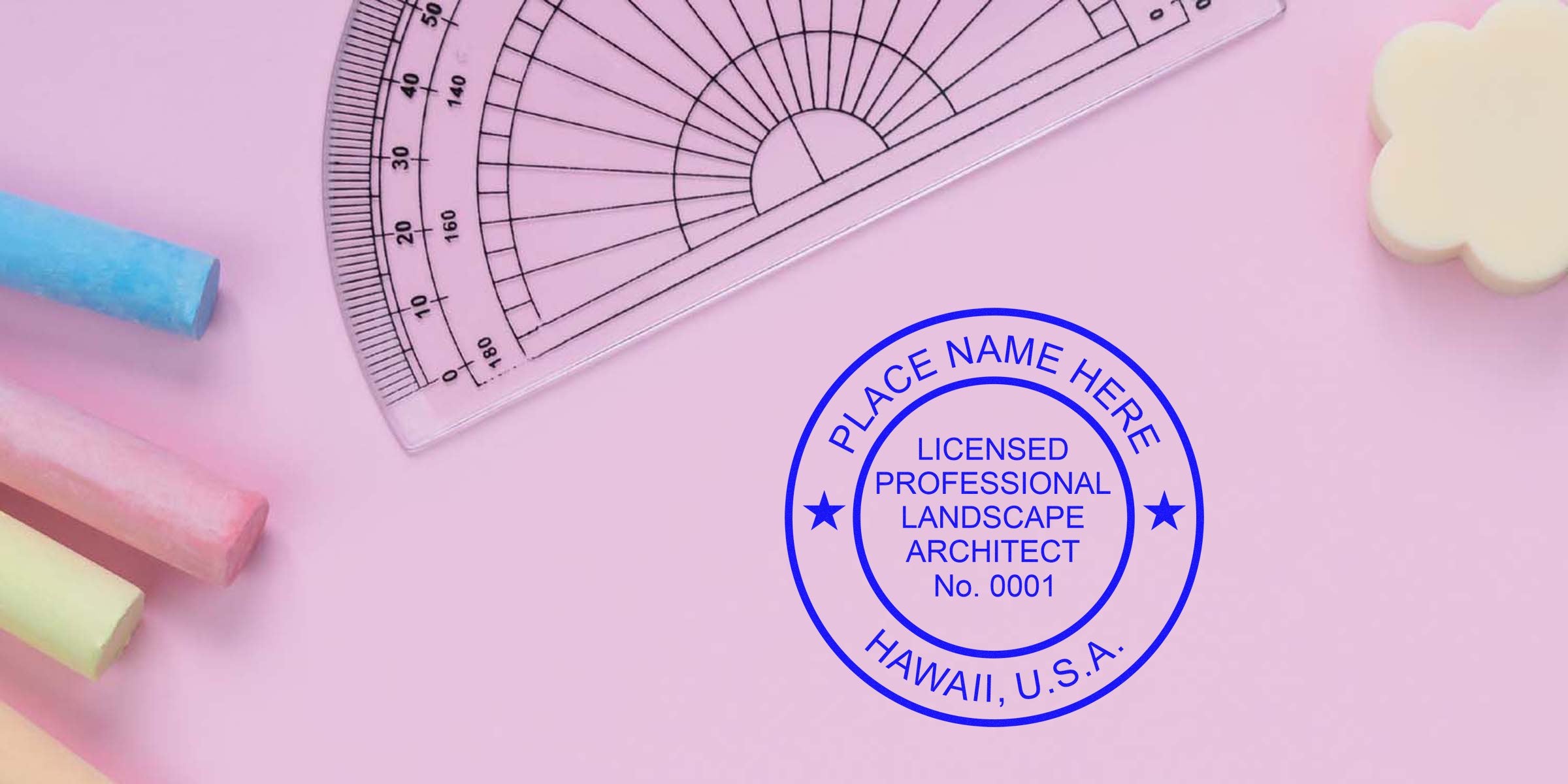
Whether you’re new to landscape architecture or you’ve been designing green spaces for years, tackling Hawaii landscape architect stamp specifications can feel like a puzzle at first. You might wonder how to keep track of size requirements, official design elements, and all the finer details so you stay fully compliant. Luckily, once you understand these core guidelines, the process becomes much smoother.
In this article, you’ll find easy-to-follow explanations for each major specification. We’ll cover how to recognize the right stamp format, confirm all regulatory requirements, and choose a trusted supplier that meets your professional needs. By the end, you’ll be more confident about ordering and using your Hawaii Landscape Architect Stamp or Seal. Let’s dig into these essentials so you can move forward with a stamp that is both accurate and hassle-free.
Recognize Hawaii Stamp Specifications
The first big step is recognizing what sets Hawaii’s stamp rules apart from those of other states. Every jurisdiction has its own guidelines, but Hawaii is known for clear, consistent standards that focus on legibility and uniformity. As a licensed landscape architect in the state, your stamp needs to reflect the professional credibility you bring to each project, as well as the unique requirements outlined by Hawaii’s governing board.
A typical Hawaii Landscape Architect Stamp includes your name, your license number, and an official statement or border referencing your professional status. Because these seals or stamps often appear on construction documents or landscape plans, they act as a visual confirmation of your qualifications. If your stamp is unclear or missing details, you risk delays in project approvals. Here are a few key points to keep in mind:
- Make sure your name is accurate and matches official records.
- Check that your license number is included precisely as assigned, with all digits.
- Confirm that all text is clearly legible in the specified font size.
Even the smallest deviation, such as abbreviations, can cause confusion. With the right knowledge and a reliable supplier, ordering a correct stamp becomes a whole lot simpler.
Confirm All Regulatory Requirements
Hawaii’s Board of Professional Engineers, Architects, Surveyors and Landscape Architects sets forth these guidelines, ensuring public safety and consistent professional standards. Before you finalize your order, it’s smart to double-check the specifics so you don’t end up with a stamp that falls short of the official regulations. If you’re seeking detailed coverage of state rules on design, wording, or usage, you can explore Hawaii Landscape Architect Stamp Requirements. This resource walks you through the fundamental aspects your stamp must meet.
Beyond the design itself, think about how you plan to use the stamp in your day-to-day practice. For instance, landscape architecture often involves multiple submission stages: conceptual drawings, final construction documents, and post-construction verifications. Where does your stamp fit in each phase? Here are a few areas to keep on your radar:
- Official Drawings: Stamping final drawings and important revisions helps clients, builders, and inspectors verify your official involvement.
- Digital Submissions: Some projects require digital files, so confirm that an acceptable digital seal is also recognized by Hawaii’s authority.
- Renewals: If your license is up for renewal, check whether you’ll need to update your stamp or if your existing seal remains valid.
When you confirm these details early, you’re less likely to encounter last-minute hurdles. Plus, having the correct stamp or seal on hand ensures smoother communication with agencies and clients.
Choose A Trusted Supplier
You want your Hawaii Landscape Architect Stamp to look professional, hold up under frequent use, and meet every state specification. That’s where your supplier choice matters. At Acorn Sales, we specialize in stamps and seals designed to meet Hawaii’s exact specifications, and we’ve been a trusted supplier for landscape architects since 1964. Whether you need a self-inking model or a traditional handle with separate ink pad, you’ll find that perfect match.
On top of that, you’ll often receive a Free Digital Seal with your stamp purchase. This can be a major time-saver when you have to submit projects electronically. The digital seal is formatted to match state guidelines, so you don’t have to worry about guesswork when you’re signing or sealing PDF documents. Here’s why selecting a reputable provider pays off in the long run:
- Quality Construction: Durable materials let you use the stamp repeatedly without smudging or fading.
- Accuracy Assured: Established suppliers know local regulations inside and out, reducing the chance of design errors.
- Consistent Support: If you have any questions about your order or you need guidance on how to position your seal, reliable customer service can help.
Working with a well-respected company that caters to Hawaii’s needs means you spend less time worrying, double-checking, and reordering. Instead, you can focus on designing functional, beautiful landscapes.
Check Stamp Materials And Format
Once you confirm who will produce your stamp, the next step is deciding which kind of stamp or seal works best for your practice. Hawaii’s guidelines often specify a circular or rectangular design carrying specific phrases, but there’s still a bit of flexibility around format. For example, an ink-based self-inking stamp can be very convenient if you frequently switch between job sites. Meanwhile, a traditional rubber stamp with a handle might fit your preferences if you only stamp official documents in a set office location.
Additionally, pay attention to the color and clarity of your stamp impression. You don’t want smudging or overlapping lines to obscure crucial details like your license number. Hawaii’s requirements prioritize legibility, so choose an ink color that stands out clearly on your documents. Here are a few tips to keep your stamp impressions tidy and professional-looking:
- Go for a darker ink (black or blue) that always prints cleanly.
- Press firmly but evenly, ensuring consistent contact with the paper.
- Periodically re-ink or clean your stamp to avoid partial impressions.
If you’re considering an embosser, remember that some agencies prefer inked stamps to ensure clarity in scanned or photocopied documents. However, embossers can still be a great option when you want a tactile seal that’s hard to forge or replicate. As always, check with your local or statewide requirements before you commit to a particular format.
Follow Proper Usage Guidelines
Once your Hawaii Landscape Architect Stamp is ready, the next challenge is using it correctly. Improper stamp usage can lead to compliance issues or cause confusion during project approvals. Beyond simply applying the stamp to your documents, you typically need to sign and date your work in close proximity to the seal. This confirms that you, as the licensed professional, have approved the attached information.
In many cases, you’ll also need to apply the stamp in the correct orientation and location on each sheet, based on agency guidelines. Some boards require the stamp near the title block, while others are more flexible. Make it a habit to keep consistent placement across all the documents you submit. Consider these additional steps to manage stamp usage effectively:
- Store your stamp in a safe, temperature-controlled area to maintain ink quality.
- Keep digital copies of any stamped documents in one organized folder.
- Use your free digital seal (if available) for electronic plan submissions that require authenticity and professional verification.
By mastering these usage guidelines, you’ll maintain a reliable paper trail that showcases your role in each project. Whether you’re stamping design plans, final specs, or maintenance documents, clarity is the ultimate goal.
Avoid Common Pitfalls
Even experienced professionals can slip up on small details that become major headaches. One of the most frequent oversights is forgetting to update the stamp after a name change (marriage, for instance) or a license renewal. If your official information has changed, it’s important to order a new stamp or seal that reflects your current legal signature and license status.
Another common error is using your stamp on documents that aren’t final or that haven’t been thoroughly reviewed. You might stamp an early draft to show ownership, only to realize the plans aren’t ready for official submission. This can create confusion among clients, contractors, and enforcement boards. Here are a few ways to dodge these pitfalls:
- Double-check printouts before stamping.
- Keep an eye on your license expiration date.
- Communicate protocol to your team so they understand when a stamp is required.
When you align clear processes with consistent usage, you reduce the risk of complications down the road. Nothing slows a project more than a regulatory snag, so it’s best to keep everything updated.
Thanks to decades of experience, Acorn Sales can steer you toward the right product while making sure you stay on top of these frequently changing rules.
By now, you’ve got a strong grasp on how to navigate the official parameters for Hawaii’s landscape architect stamps. Whether you’re purchasing for the first time, replacing a worn-out seal, or simply checking that your documents stay above board, clarity can save you a world of extra steps. With the right supplier, a thorough understanding of the guidelines, and a bit of daily diligence, you’re set for a smooth stamping process on all your future projects. Feel free to share your experiences or tips with fellow professionals, and remember that a well-prepared stamp can lend real authority to your hard work.
Happy stamping! And whenever you need assistance, keep in mind that Acorn Sales is here to support your journey with a trusted, high-quality solution—both offline and on.
Frequently Asked Questions
Do I need to reorder my stamp if my license number changes or I move to a new firm?
Yes, you’ll want to ensure your stamp reflects your most current credentials. If you change firms, check to see if your new position has any additional requirements or if you remain consistent as a sole license holder.
Can I use my Hawaii stamp on out-of-state projects?
Generally, no. Your Hawaii-issued stamp is tied to your license within the state. If you’re practicing out of state, you’ll need to secure the appropriate stamp for that jurisdiction. Always confirm the local rules to avoid noncompliance.
Is an electronic seal always acceptable for digital documents?
Most agencies do accept digital seals, especially when you have a Free Digital Seal that matches the state-approved layout. However, always confirm with the receiving party first. Some agencies may still request an original inked or embossed copy.
What if my stamp’s impression starts fading?
Re-ink your stamp or replace the pad to keep it crisp. If you continue to have issues, it’s possible that the stamp faces have worn down. In that case, a quick call to Acorn Sales can help you discuss your replacement options, ensuring your impression remains meets all Hawaii landscape architect stamp specifications.
Will I need to renew my stamp or seal after a certain period?
While the stamp itself doesn’t expire, your license renewal could require updated information. Make sure you track your renewal schedule so your stamp remains accurate. If you need a new stamp due to changed details, plan enough lead time to order before your next big project.








