
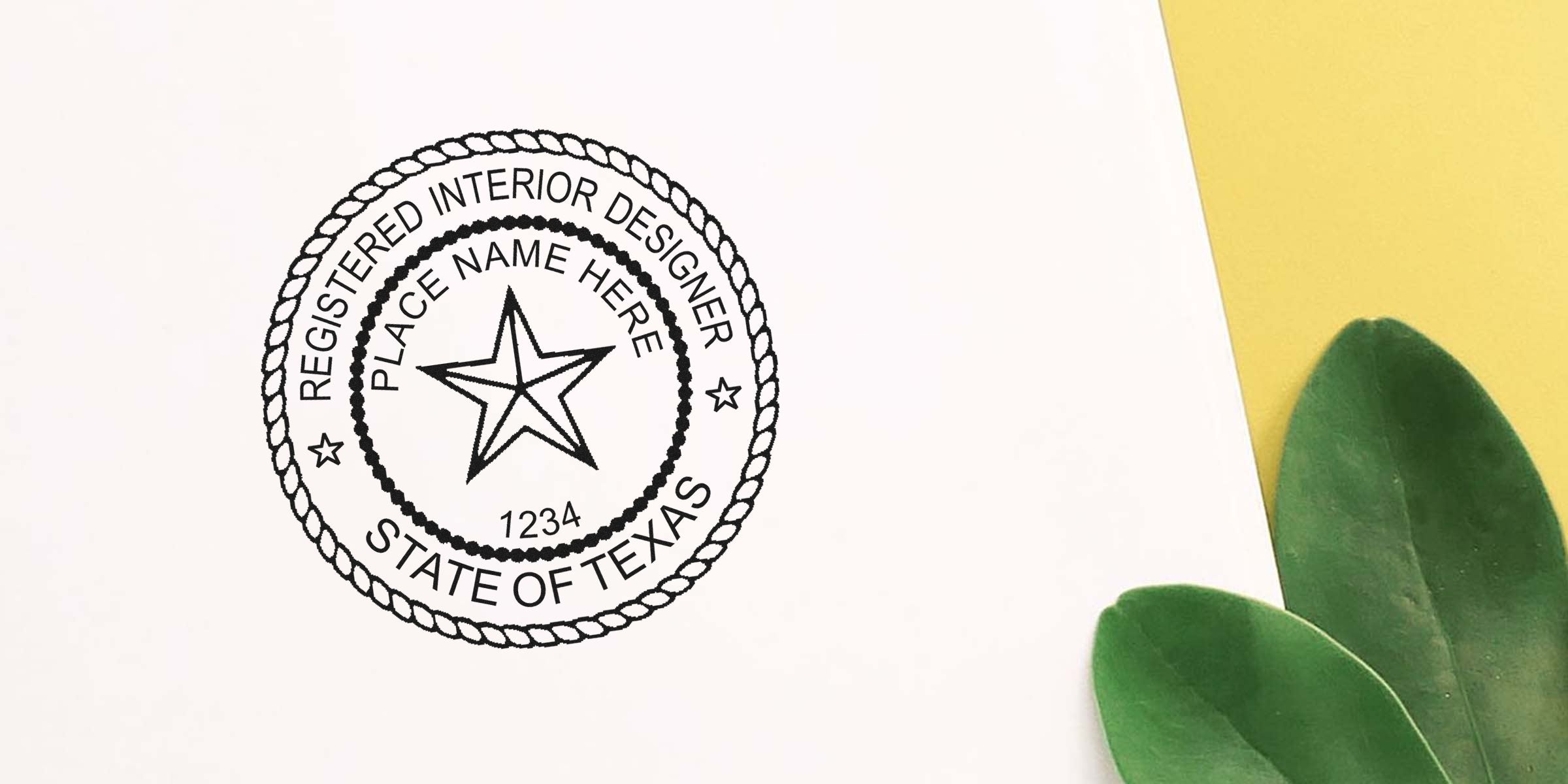
Understand Texas Interior Designer Stamp Requirements
If you’re an interior designer in the Lone Star State, you’ve likely heard of Texas interior designer stamp requirements. Getting your stamp or seal sorted is more than a bureaucratic box to check. It’s an essential step to show clients and local authorities that your designs meet professional standards. Let’s start by unpacking why this requirement exists and how you can navigate it without breaking a sweat.
What This Requirement Means for You
Stamp requirements in Texas help ensure that your professional work is both verifiable and compliant with state regulations. When you certify your designs with an official stamp or seal, you indicate that you’ve met the necessary qualifications, followed the applicable building codes, and maintained ethical standards set by the state.
- Legitimacy: Your stamp assures others that you’re qualified to practice interior design in Texas.
- Accountability: It ties your name and license to the drawings or documents you sign.
- Consistency: Uniform stamps and seals reflect a regulated profession, which boosts confidence among clients and colleagues.
By fulfilling these requirements, you’re also helping the broader community of interior designers maintain a reputation for quality. Think of the stamp as your professional signature, ensuring everyone knows exactly who created those design plans.
Explore the Key Regulations
Beyond the basic need for a stamp, there are specific rules set by the state. While Texas interior designer stamp requirements might feel intimidating, you’ll find the guidelines straightforward once you break them down.
Where to Find Official Rules
To see the full scope of regulations, you might want to visit the Texas Interior Designer Seal Official Website or go through comprehensive documents from the relevant licensing board. Keep in mind that rules can be updated over time, so make a habit of checking for any new requirements that pop up.
Major Regulations to Note
- Licensing Status: You typically must hold an active interior design license in Texas.
- Proper Format: The stamp or seal design must meet certain dimensional and style guidelines, often outlined in Texas Interior Designer Seal Design Guidelines.
- Stamp Usage: You’ll need to place your stamp on official documents where required.
- Clarity of Imprint: Keep your stamp neat and legible. Smudges or unclear imprints can cause confusion.
When in doubt, verify details with local authorities. It’s better to confirm a small detail now than waste time (and money) redoing documents later.
Obtain a Compliant Stamp or Seal
Once you have a handle on the regulations, the next question is: How do you actually get the stamp? The good news is that Texas has a straightforward path to apply and obtain your official stamp.
Application Process
First, you’ll want to go through the Texas Interior Designer Stamp Application Process. This involves confirming your license status and filling out forms that link your name to your intended stamp design.
- Double-check the forms before submitting.
- Include any required documents, like proof of eligibility.
- Follow up if you don’t hear back in a reasonable timeframe.
Everything in Texas is bigger, but that doesn’t mean the application process has to be complicated. Just gather your paperwork, submit it properly, and track your application so you know when it’s approved.
Stamp vs. Seal: Which One is Right?
If you’re new to this, you might be wondering about the difference between a stamp and a seal. They serve largely the same purpose, which is to certify your official documents. However, a seal might be embossed (raised imprint), while a stamp generally uses ink.
For a closer look at how each is used, check out Texas Interior Designer Stamp vs Seal. In many cases, you can use either option or even both, as long as you follow state rules.
Follow Best Practices
There’s more to Texas interior designer stamp requirements than simply getting the design and applying for it. Consistency and best practices keep you in line with regulations and ensure smooth daily operations.
Size and Placement
Many professionals underestimate how important size and placement are. An overly large stamp can overpower your drawing, while a tiny one could fade into the background.
- Refer to Texas Interior Designer Stamp Size Specifications for exact dimensions.
- Place your stamp where it’s easily visible, yet not obstructing critical design details.
Embossing and Legibility
If you’re leaning toward an embossed seal, be sure each impression is crisp. Your seal must be readable if scanned or photocopied. Check Texas Interior Designer Seal Embossing Requirements for helpful tips on achieving a clean imprint.
Cost and Budget Planning
Investing in a professional seal shouldn’t derail your budget. However, you do need to factor in costs that might come with the material, design, and shipping of your stamp.
If you’re not entirely sure how expenses add up, browse Texas Interior Designer Stamp Cost for detailed pricing information. Don’t forget to consider optional extras like a free electronic seal, which some suppliers (including us at Acorn Sales) gladly provide.
Collaborate With Trusted Suppliers
A high-quality stamp can make a big difference in how your documents look and feel. Have you ever seen a faint or uneven imprint? It doesn’t inspire confidence. Working with a reputable supplier ensures you get a durable, reliable stamp that matches regulations.
Why Choose Acorn Sales
For decades, we at Acorn Sales have been a trusted supplier for Texas interior designer stamps and seals. We’ve been in business since 1964, proudly serving design professionals, architects, and engineers across the country. Our goal is simple: offer you the products you need, whether it’s a traditional ink stamp or an embossed seal, and make sure you’re fully satisfied before we consider our job done.
- Free Electronic Seal: When you purchase a physical stamp from us, you can get a digital version at no extra charge. This is super handy if you submit electronic documents.
- Customization: Need a specific style or size? We’ve got options that comply with all current standards.
- History and Reliability: With over half a century of experience, we’ve refined our process to make sure you get exactly what you need every time.
Ensuring Compliance and Quality
Your supplier should be well-versed in official guidelines. At Acorn Sales, we keep up with Texas Interior Designer Seal Regulations so you don’t have to worry. If something changes in state laws, we’ll update our products to match, keeping you on the right side of compliance.
Plan for Renewals and Updates
Even after you’ve gone through the process of applying for and using your stamp, you’re not quite finished. Requirements in Texas may evolve, and your license or seal will need renewing eventually.
Why Renewals Matter
Much like any professional license, your seal or stamp can lose its validity if you don’t renew it on time. Renewals help confirm that you’re still practicing, remain in good standing, and that your skills meet the current standards of the industry.
How to Handle the Renewal Process
- Mark your calendar. Keep track of your renewal date, so you don’t miss it.
- Check the Texas Interior Designer Seal Renewal Process for the specific steps you need to take.
- Update your digital files. If you have a free electronic seal, make sure it’s up to date after you renew.
If all of this seems like a lot to remember, think of it as part of your professional workflow. Once you’re used to scheduling and performing renewals, it’ll feel like second nature.
By staying aware of the rules, following best practices, and choosing a dependable partner like Acorn Sales, you’ll have no trouble meeting Texas interior designer stamp requirements. Whether you’re submitting plans for a remodel or designing a brand-new commercial space, your official stamp or seal is a badge of trust that shows you’re a licensed, conscientious professional.
Feel free to reach out if you have more questions about stamps, seals, or the overall application process. You’ll find that once you have your stamp in hand and your paperwork in order, you can focus on what truly matters: delivering creative, functional interior designs that delight your clients.
Frequently Asked Questions
Do I need both a stamp and a seal?
Not necessarily, unless the state board specifically requires both for your situation. Often, a single stamp or seal is sufficient, but some designers prefer having both to handle different document types.
Can I design my own stamp?
You can, but it must follow the official guidelines. Check the Texas Interior Designer Seal Design Guidelines for any design constraints, including typography or border styles.
How often should I renew my stamp or seal?
It depends on your license cycle, but typically every few years. Review the Texas Interior Designer Seal Renewal Process for the most current timeline.
What if I change my name or license number?
You’ll need to update your stamp or seal to reflect the new information. That often means going through the Texas Interior Designer Stamp Application Process again for the revised details.
Is an electronic seal acceptable for official submissions?
Many jurisdictions, including Texas, allow electronic seals for digital submissions. Just be sure the e-seal matches the specs required by the state. Acorn Sales provides a free electronic seal when you purchase a physical version, so you can handle both paper and digital documents seamlessly.








