
Are you excited to transform ordinary interiors into welcoming, beautifully designed spaces? If so, you’ve probably looked into the Delaware Interior Designer Licensing Process already. This process can feel intricate at first glance. But no worries, we’re about to break it down step by step, so you can cruise through the paperwork and focus on your creative passion.
Before we begin, remember that earning the official license isn’t just about checking off a list of state requirements. It also helps you stand out in a competitive market. So let’s take a closer look at what you need to do to become a licensed interior designer in Delaware, including how to get that essential Delaware Interior Designer Stamp and Seal.
Understand The Licensing Basics
To get started, it’s helpful to first understand the basics of interior design licensure in Delaware. The state wants to make sure that every licensed interior designer meets certain standards of professionalism and expertise. You’ll be working with clients’ homes, offices, and possibly even major public venues, so there’s a genuine need to confirm you have the right skills and knowledge.
Why Licensing Matters
Licensing ensures you’re meeting consistent quality benchmarks. In some industries, you can get by without state recognition, but interior design in Delaware requires you to abide by rules that defend public safety and well-being. For instance, you might be working on projects that involve building codes, ADA considerations (Americans with Disabilities Act), or other structural guidelines. Having a license officially proves you understand those responsibilities.
Meet Delaware’s Eligibility Criteria
Meeting the eligibility criteria is the first official hurdle on your journey. These criteria confirm you’ve put in the required training, education, or testing, giving clients confidence that you know your stuff.
- Education: Most applicants have completed an interior design program from an accredited college or university. Depending on your level of education, you’ll likely need a certain minimum number of credit hours dedicated to interior design techniques, history, and professional standards.
- Experience: Hands-on experience is essential, since it gives you practical skills for world-class design solutions. Typically, you need to show you’ve clocked a set length of internships or work under a licensed professional’s supervision.
- Examination: Many states align with the NCIDQ Exam (National Council for Interior Design Qualification). Passing this exam is a big step toward licensure, demonstrating you’re able to handle complex design and safety considerations.
Think of these criteria like a security checkpoint, ensuring that everyone providing interior design services carries the right toolkit. The more prepared you are going in, the smoother the process will be.
Prepare Your Application Materials
Once you’re feeling confident you meet the eligibility criteria, it’s time to gather your documents. The trick here is to be as organized as possible. After all, nobody wants to slow down their application because they missed a transcript or forgot a key signature.
- Official Transcripts: Request certified transcripts from the schools you attended that detail your interior design coursework. Make sure you leave plenty of time for processing and mailing.
- Proof of Experience: Gather letters from employers or supervisors who can verify your work experience and list the tasks you performed.
- Exam Documentation: Have your NCIDQ or other relevant exam details accessible. States often require direct confirmation of your exam scores from the testing body.
- Application Form: Complete the state’s official application form. Double-check if you need to have it notarized or accompanied by additional attestations.
- Application Fee: Budget for the state’s fee and verify which forms of payment are acceptable. Keep a record of your payment for reference.
A helpful tip is to create a simple checklist for each item. That way, as you make your copies or receive your official documents, you can tick them off and confirm they’re ready to go.
Submit Your Application Packet
After assembling your materials, you’ll send them to the Delaware Board that handles interior design licensure. Check the state’s official website to confirm the exact department and mailing address. If you can submit or partially complete your application online, do so, because it often speeds up the process.
A few final touches to remember before you finalize your application packet:
- Proofread the forms: Any typos or missing data can create delays.
- Staple or clip your application neatly: Organization makes a good impression and helps the reviewers process your documents faster.
- Follow up: If the state provides an online portal to track your application, log in occasionally to see if the status changes. Otherwise, you can email or call for updates after a reasonable waiting period.
Remember, this entire exercise is a short-term inconvenience that sets you up for a long-term gain. Once your application is approved, you’ll be a step closer to legally marketing your services as a fully licensed interior designer in Delaware.
Secure Your Delaware Stamp And Seal
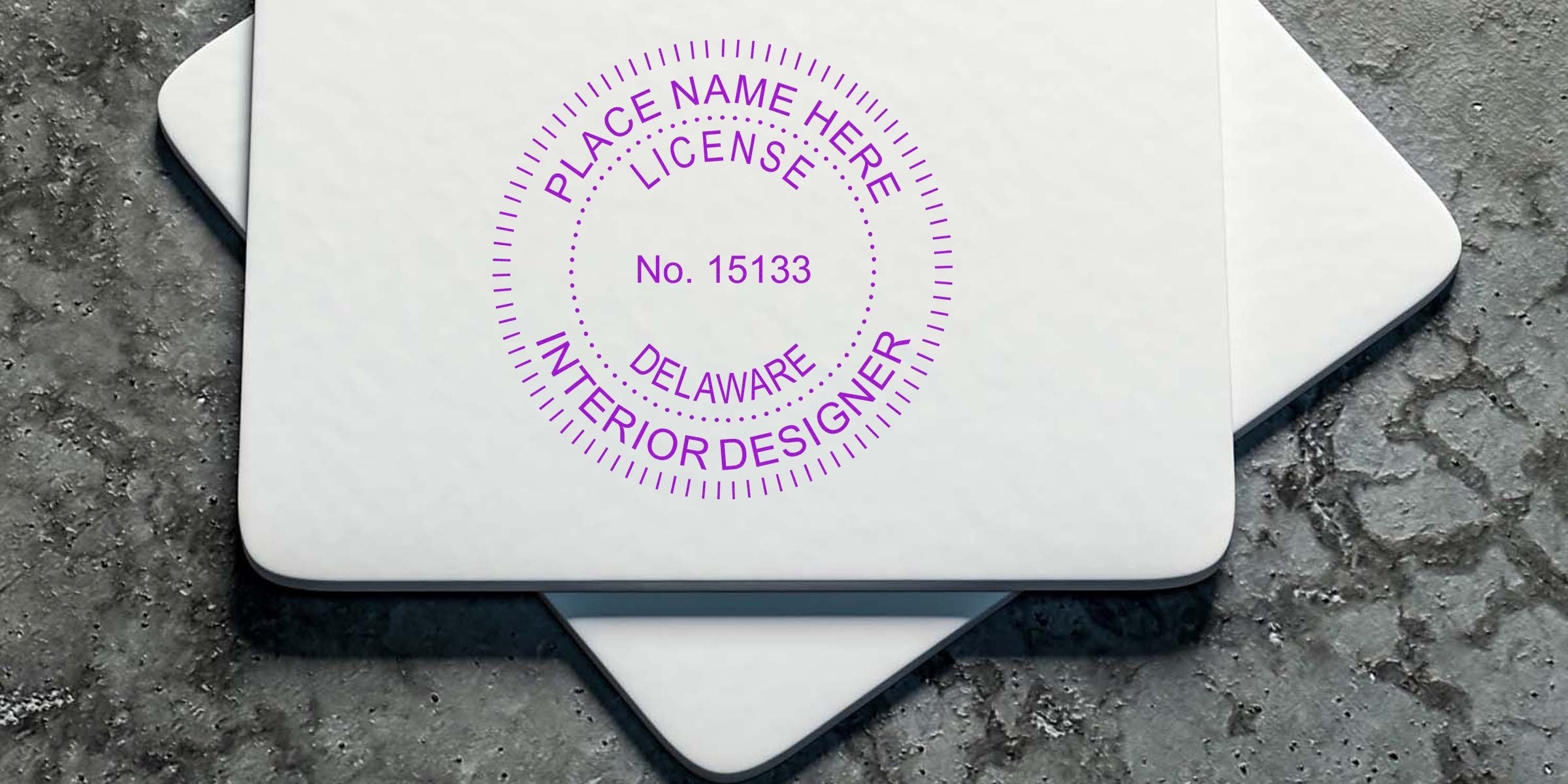
After your licensure is confirmed, you’ll receive statewide recognition of your credentials. And with recognition often comes a state-specific stamp or seal, which is used to authenticate official designs, drawings, or plans you create. In Delaware, having the correct stamp and seal is crucial whenever you submit proposals to building authorities or other regulatory bodies.
Acorn Sales, a trusted supplier of professional stamps and seals, has been making stamps for over 60 years. They know how critical it is to provide a top-quality seal that meets all of Delaware’s guidelines. Plus, you even get a free digital seal included with your physical seal purchase, which is a fantastic bonus if you frequently handle electronic documents.
If you need more detailed insights into the specific design of your seal, or if you’re curious about best practices for your stamping process, you can check out the delaware interior designer stamp requirements. It covers everything from the required layout of the seal to recommended ink colors.
Why The Right Seal Matters
- Legal Compliance: Using the correct seal is required by law for certain official documents.
- Professional Credibility: Seals are a straightforward way to demonstrate you’re operating within the legal and ethical framework the state has approved.
- Document Security: Your seal helps distinguish genuine documents from unauthorized copies.
So whether you’re whipping up a new design for a high-profile hotel lobby or presenting your renovation plan for a local community center, an officially recognized seal empowers you to do it with confidence.
Maintain Your License Long-Term
Getting licensed is only half the story, of course. You also need to keep your license in good standing. Delaware, just like most other states, has renewal procedures and continuing education requirements to ensure your knowledge stays fresh.
- Renewal Deadlines: Mark your calendar with the renewal date so you can submit any required forms and fees in a timely manner.
- Continuing Education (CE) Credits: Many states expect you to complete a set number of CE hours. These might include seminars, online courses, or industry conferences that broaden your design perspective.
- Staying Informed: Rules and regulations can change. Keep an ear out for any modifications to Delaware law or updates from professional bodies like the American Society of Interior Designers (ASID).
It might seem tedious at times, but consider it an investment in your ongoing growth. When you stay engaged with the licensing board’s requirements, you’re more likely to stay on top of emerging design trends, code changes, and best practices that help drive your career forward.
Wrap Up Your Licensing Journey
Navigating the licensing journey might initially feel like an uphill climb, but once you’ve tackled the application, met the eligibility criteria, and secured your Delaware Interior Designer Stamp and Seal, you’re well on your way to shaping dream spaces across the state. This license isn’t just a piece of paper. It’s a badge of trust that tells clients you have both creative flair and the professional rigor to execute every step effectively.
If you ever need to double-check specifics, refer to official resources, connect with fellow licensed designers, or reach out to suppliers like Acorn Sales for the right stamp products. By staying organized and proactive, you’ll turn the Delaware interior designer licensing process into a rewarding rite of passage that elevates your career, boosts client confidence, and keeps your creativity flowing for years to come.
Good luck, and congratulations on taking the next step in your interior design journey. Now it’s time to put those new credentials to work and create magical transformations for clients all across Delaware!
Frequently Asked Questions
Do I Need A License To Work On Small Residential Projects?
Yes. Although some minor decorative updates might not require a license, most in-depth interior design or renovation work does. Securing your license lets you handle a broader range of projects and ensures your legal compliance.
What Is The Cost To Get Licensed?
Costs vary but generally include your application fee, any NCIDQ exam fees, transcripts, and possibly continuing education expenses. You can expect to pay a few hundred dollars up front. Remember to set aside funds for your Delaware Interior Designer Stamp and Seal, too.
How Long Does The Entire Process Take?
Timing depends on factors like when you submit your application, how quickly you pass the required exams, and whether your paperwork is complete. In many cases, you can expect several weeks to a few months. Monitor your application status so you can respond to any issues quickly.
Can I Transfer My License From Another State?
Delaware may permit license reciprocity if you’re already licensed elsewhere. You’ll typically need to provide evidence of your credentials being on par with Delaware’s standards. Check directly with the Board to confirm the latest reciprocity guidelines.
Where Can I Get An Approved Seal?
Acorn Sales is a go-to supplier for professional stamps and seals in Delaware. They’ve been around for more than 60 years and include a free digital seal with each order, saving you money and time. Make sure that whichever vendor you choose conforms to the state’s specifications, so your seal is legally valid.








