
Written by Acorn Sales Company, manufacturing stamps and seals since 1964 · Reviewed by Holly R, VP of Sales and Marketing at Acorn Sales, against Nebraska Real Property Appraiser Board on 22 September 2026 · Updated 25 September 2026
Nebraska is one of the few states that names cosigned reports directly, and its report marking duty is triggered by identifying yourself as an appraiser at all rather than by signing a report. Neb. Rev. Stat. 76-2236.01 is headed Use of titles; restrictions, and subsection (2) requires a real property appraiser to state whether he or she is a licensed residential, certified residential, certified general, or trainee real property appraiser, and to include the board-issued credential number, whenever the appraiser identifies as a real property appraiser, including on all reports which are signed individually or as cosigner. Neither the word seal nor the word stamp appears in that section, and none was found anywhere in the Real Property Appraiser Act.
So the Nebraska device is not a seal. It is a two-part identification block that has to travel with your name every time you use it professionally, on a report you sign alone and on a report you cosign. Nebraska calls the credential a real property appraiser credential rather than a real estate appraiser license, and the statute uses that phrasing for all four classes, which is the wording to put on the die.
Nebraska real estate appraiser seal requirements at a glance
| Requirement | Nebraska rule | Source |
|---|---|---|
| Seal required | No. Neb. Rev. Stat. 76-2236.01 was read in full and contains neither seal nor stamp, and no seal chapter exists in Title 298 NAC | Real Property Appraiser Act, Neb. Rev. Stat. 76-2201 to 76-2250; Title 298 NAC |
| Required elements | A statement of your credential class, licensed residential, certified residential, certified general or trainee real property appraiser, plus the board-issued credential number | Neb. Rev. Stat. 76-2236.01(2) |
| Size and shape | Not prescribed. No diameter, dimension or shape appears in the Act or in Title 298 NAC, because no seal or stamp is prescribed at all | Real Property Appraiser Act, Neb. Rev. Stat. 76-2201 to 76-2250; Title 298 NAC |
| Device allowed | Not restricted. Nebraska names no instrument, so the class and number may be typed, stamped, embossed or supplied as an image | Neb. Rev. Stat. 76-2236.01(2) |
| Signature and date | Not prescribed by Nebraska. The Act defines Signature at 76-2217.03, but that definition is not a seal provision and its text was not read for this page. The signed certification comes from USPAP | Neb. Rev. Stat. 76-2217.03 (definition not read in full) |
| What must be sealed | Nothing. The duty attaches whenever you identify as a real property appraiser, expressly including all reports signed individually or as cosigner | Neb. Rev. Stat. 76-2236.01(2) |
| Electronic seal | Not addressed. The Act contains no provision on an electronic seal or on a digital signature applied to a transmitted appraisal report | Real Property Appraiser Act, Neb. Rev. Stat. 76-2201 to 76-2250; Title 298 NAC |
| Renewal and lapse | No expiry date is required on the report, so a Nebraska die survives renewals. It retires when the credential class or the credential number changes | Neb. Rev. Stat. 76-2236.01(2) |
| Firm requirements | No firm seal. Neb. Rev. Stat. 76-2236.01(3) permits signing on behalf of an entity provided the individual’s credential is clearly identified | Neb. Rev. Stat. 76-2236.01(3) |
| Regulator | Nebraska Real Property Appraiser Board | Real Property Appraiser Act, Neb. Rev. Stat. 76-2201 to 76-2250; rules at Title 298 NAC |



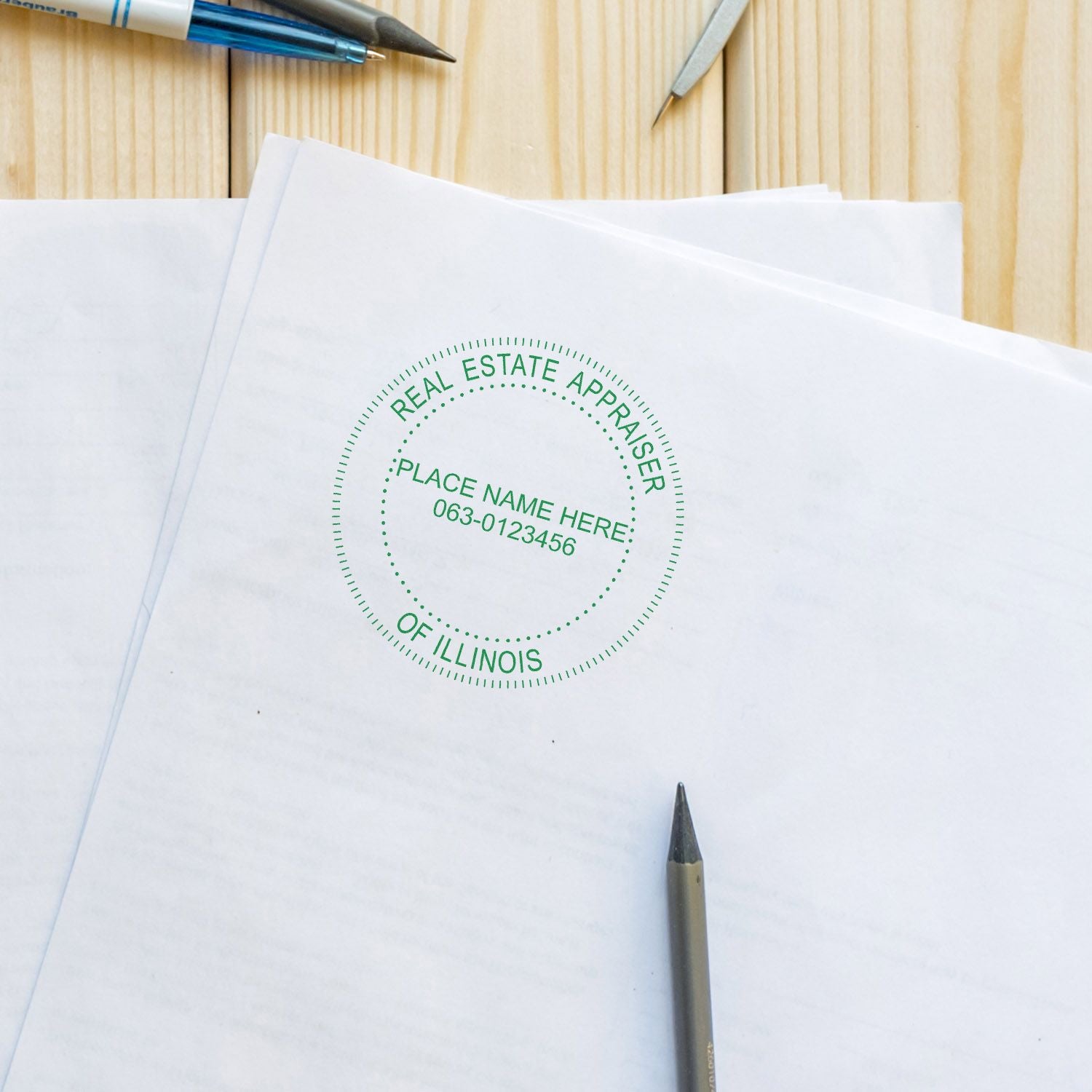
Does Nebraska require an appraiser to seal a report?
No. Neb. Rev. Stat. 76-2236.01, the section that governs what an appraiser must put beside a professional identification, was read in full on the Nebraska Legislature’s own site and contains neither the word seal nor the word stamp in any of its three subsections. No seal provision was found elsewhere in the Real Property Appraiser Act at Neb. Rev. Stat. 76-2201 to 76-2250. The Board’s rules at Title 298 NAC run to eight chapters: general provisions, the real property appraiser credential, reciprocity and temporary credentials, renewal, inactive status, education activities, appraisal management company registration, and investigations and disciplinary proceedings. None of them is a report format chapter or a seal chapter, and no chapter has been added.
What 76-2236.01(2) actually says
The sentence is longer than most states manage and every clause earns its place. A real property appraiser shall state whether he or she is a licensed residential real property appraiser, certified residential real property appraiser, certified general real property appraiser, or trainee real property appraiser, and include his or her board-issued credential number, whenever he or she identifies himself or herself as a real property appraiser, including on all reports which are signed individually or as cosigner. Three features matter for artwork. The class is stated in full words, not implied by a number. The number is the board-issued credential number. And the trigger is the act of identifying as an appraiser, which sweeps in engagement paperwork and correspondence as well as reports.
Cosigners, trainees and signing for a firm
Nebraska is unusually explicit about cosigned work. The duty applies on all reports which are signed individually or as cosigner, so a supervising appraiser and a trainee who both sign a report each carry their own class and their own credential number. One device cannot serve both, because the class differs and the numbers differ. Trainee real property appraiser is itself one of the four classes the statute names, so a trainee is not exempt from the block and not free to borrow a supervisor’s. Subsection (3) then permits signing on behalf of an entity provided the individual’s credential is clearly identified, which is the provision to satisfy if your firm name sits on the same device.
The credentialing card is not a seal
One provision gets misread here. Neb. Rev. Stat. 76-2242 governs the Board issuing proof of credentials and an optional credentialing card. That is a wallet document confirming what you hold, issued by the Board to you. It is not a device, nothing is applied with it, and it has no relationship to an appraisal report. Nebraska is cleaner on this point than most states in this research: it has no clause giving the Board a seal of its own for authenticating records, so unlike Nevada or Missouri there is not even an agency seal in the statute to be mistaken for an appraiser duty.
What to engrave, and where the block goes
The die carries three things: your name as it appears on the credential, the class in the statute’s own words, and the board-issued credential number. A working layout runs your name on the first line, Certified Residential Real Property Appraiser on the second and the credential number on the third. Use the statute’s phrasing rather than a shortened industry form; Nebraska says real property appraiser throughout, not real estate appraiser, and matching that wording removes any argument about whether the class was stated. On a report the block belongs with the certification and signature. On anything else where you name yourself as an appraiser it belongs beside your name.
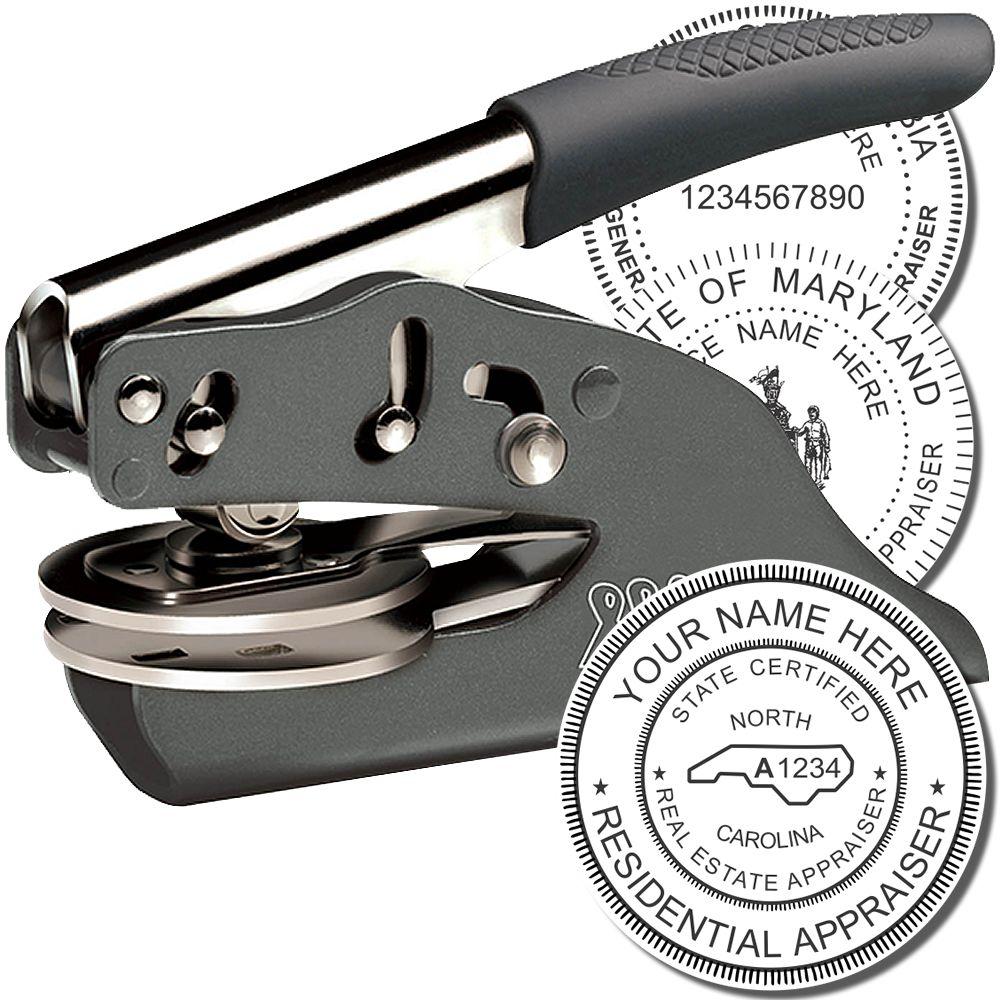

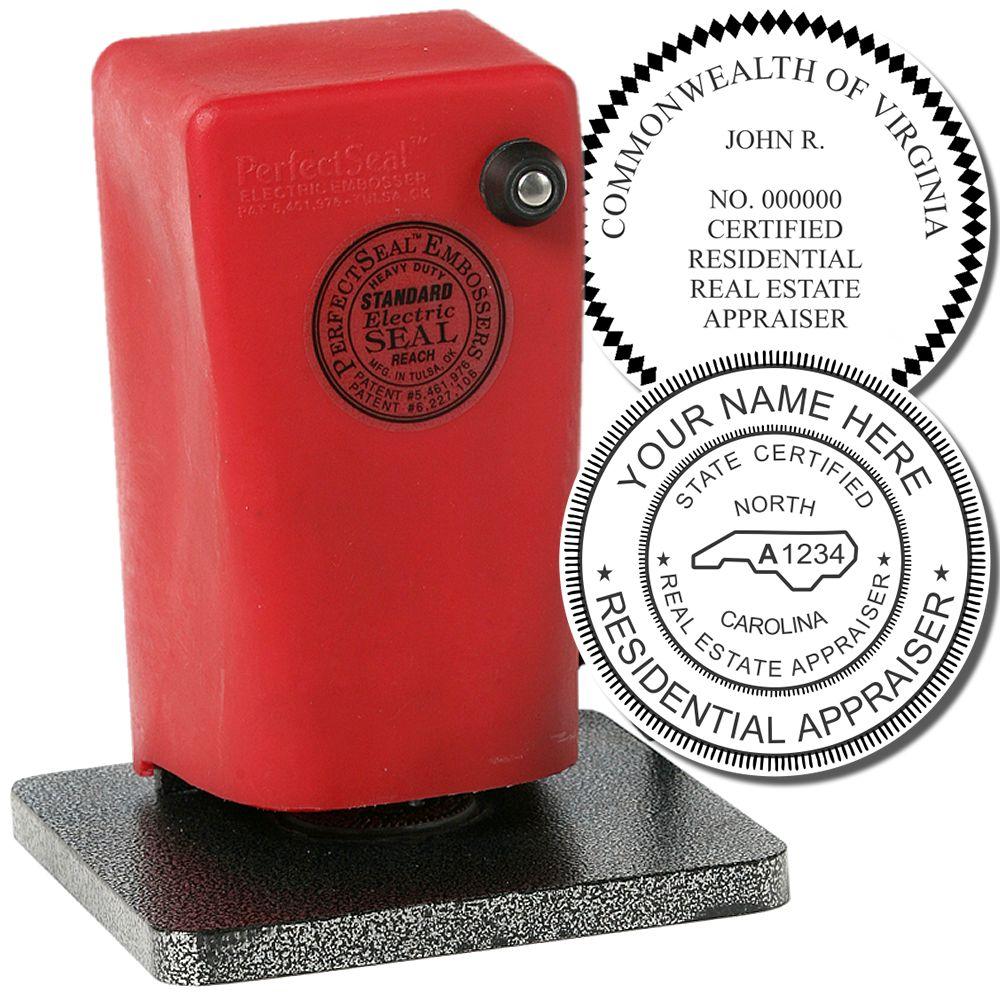

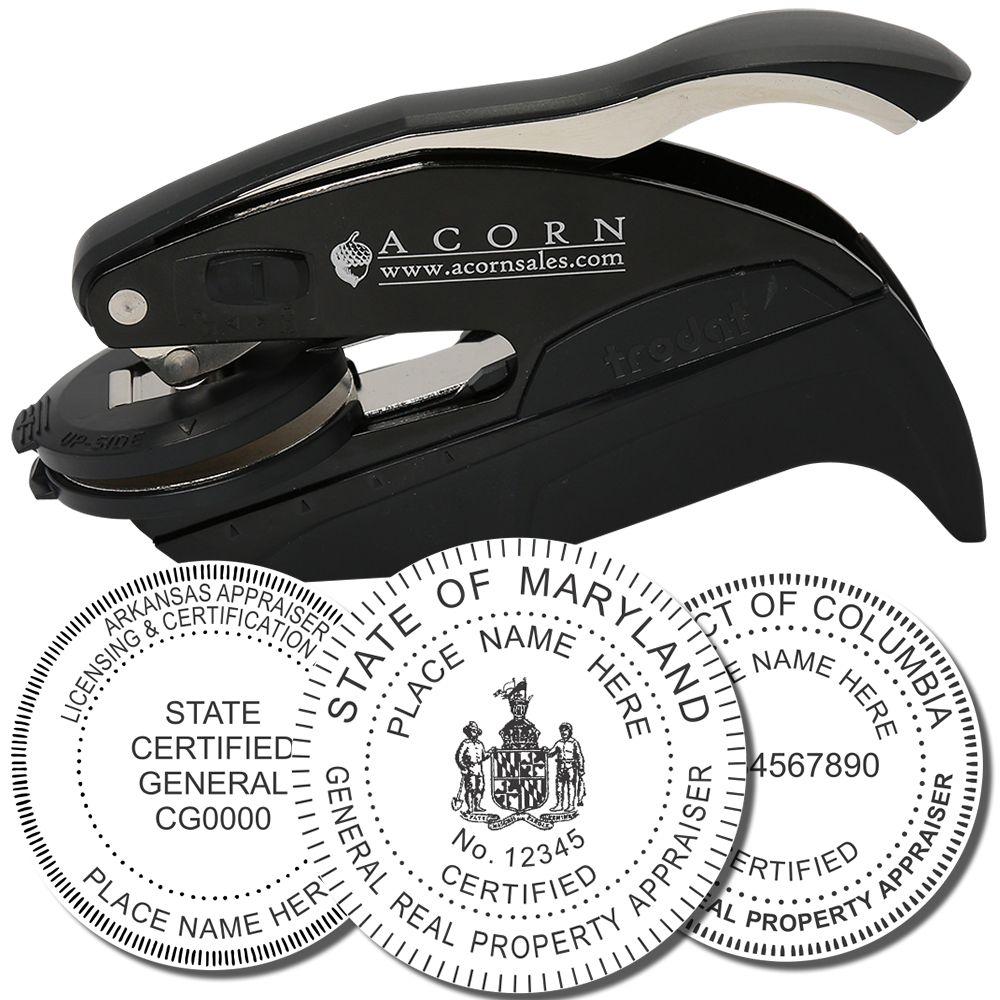


Embosser, ink stamp or eSeal image
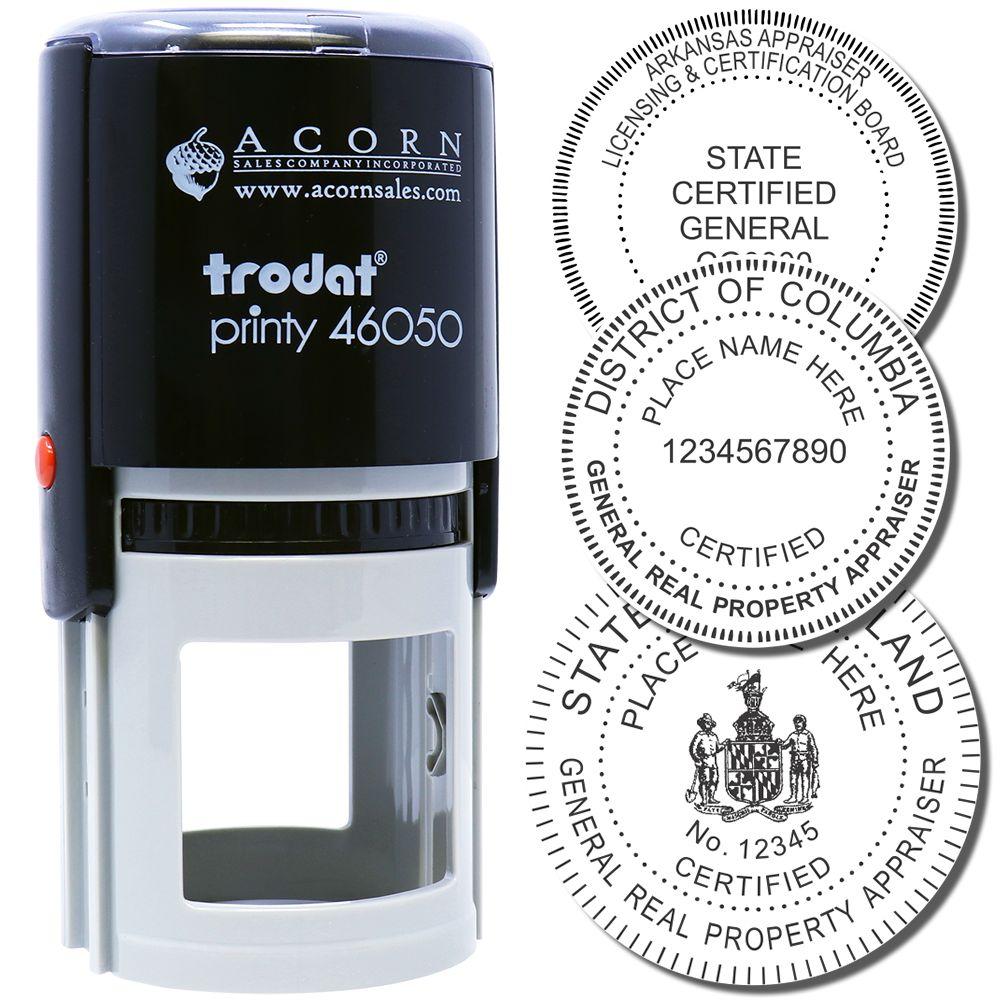
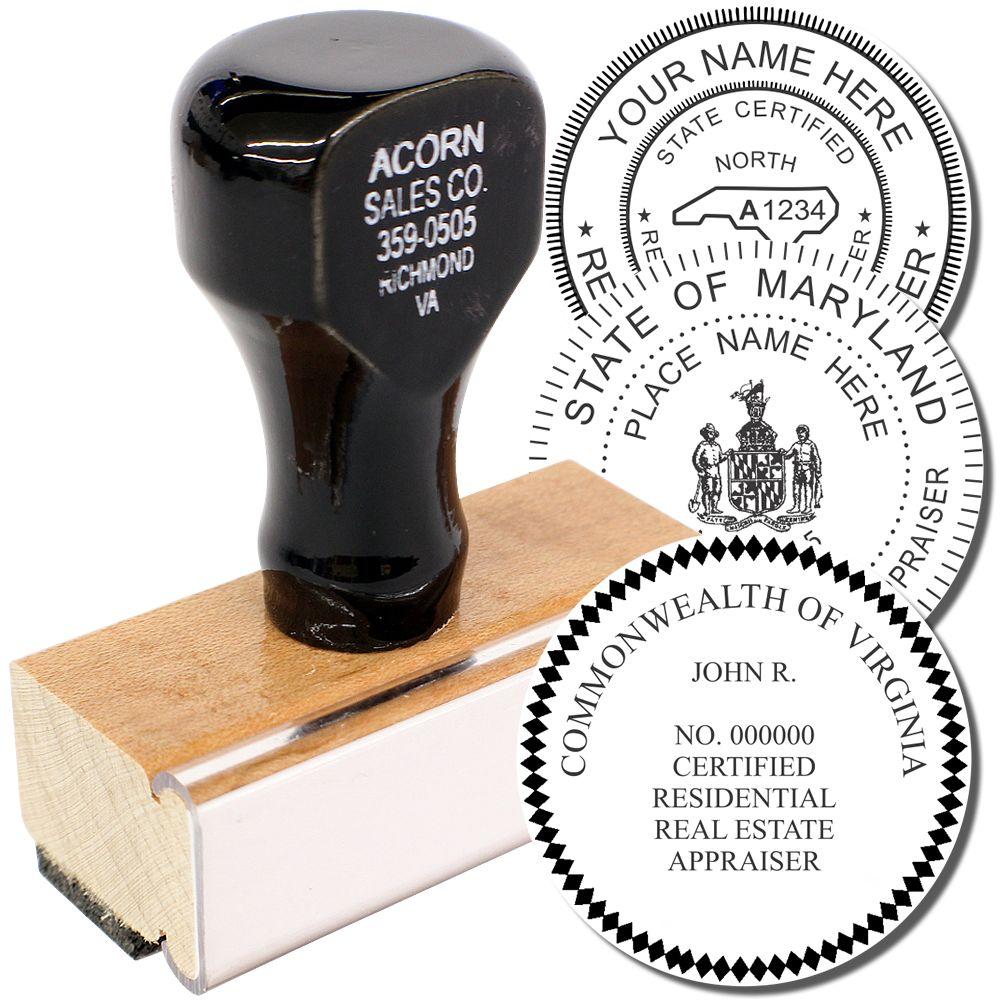
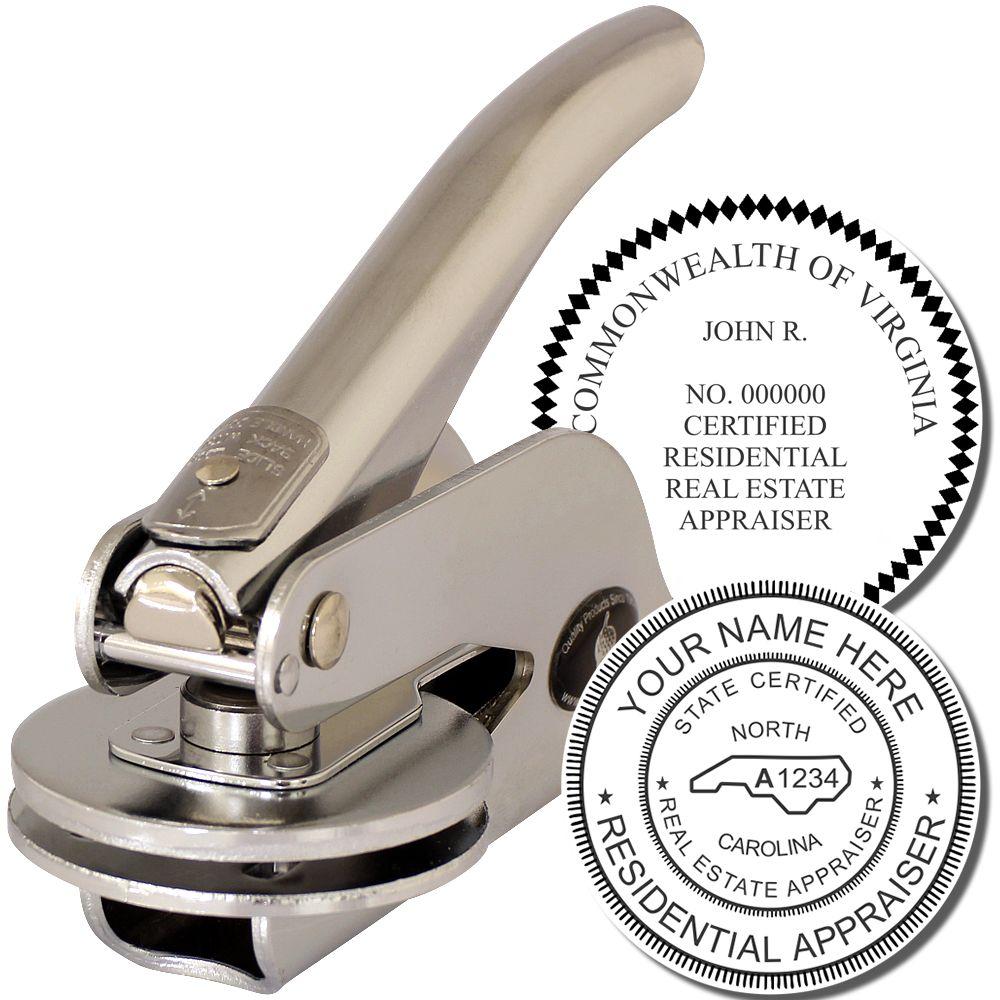
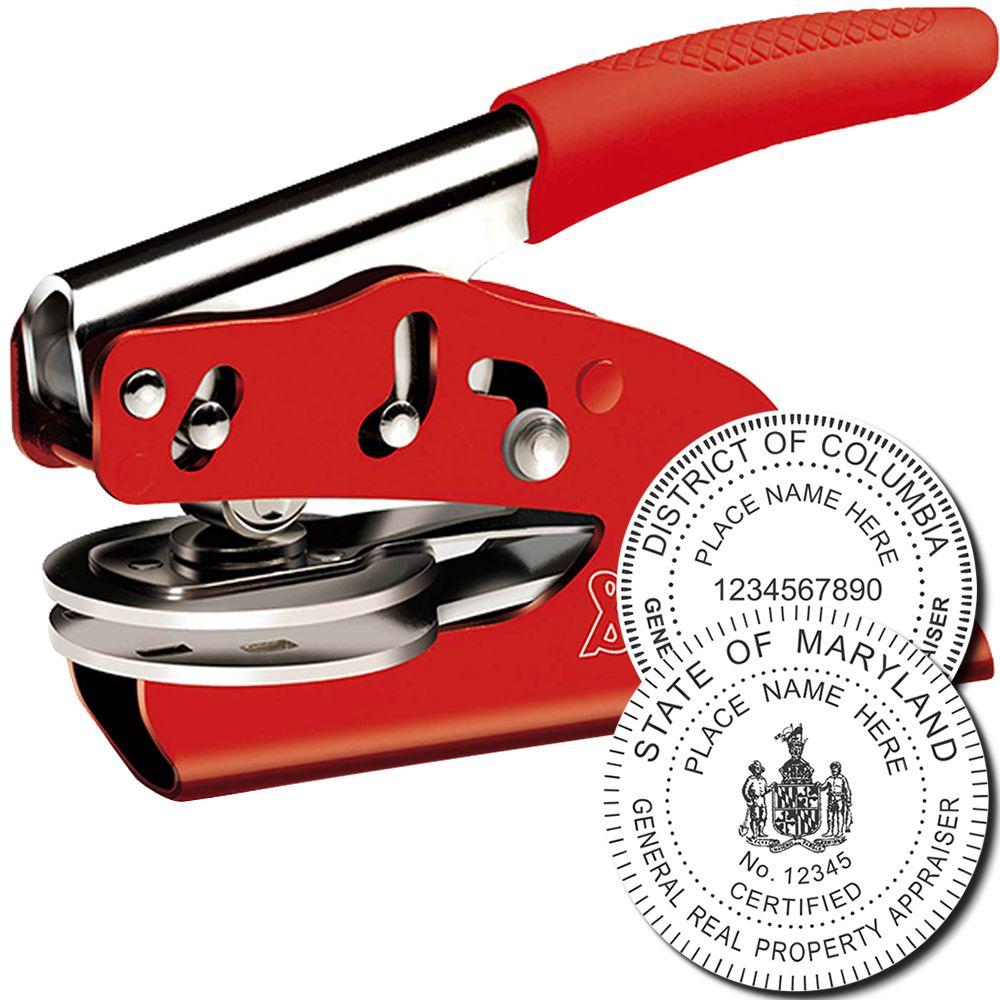
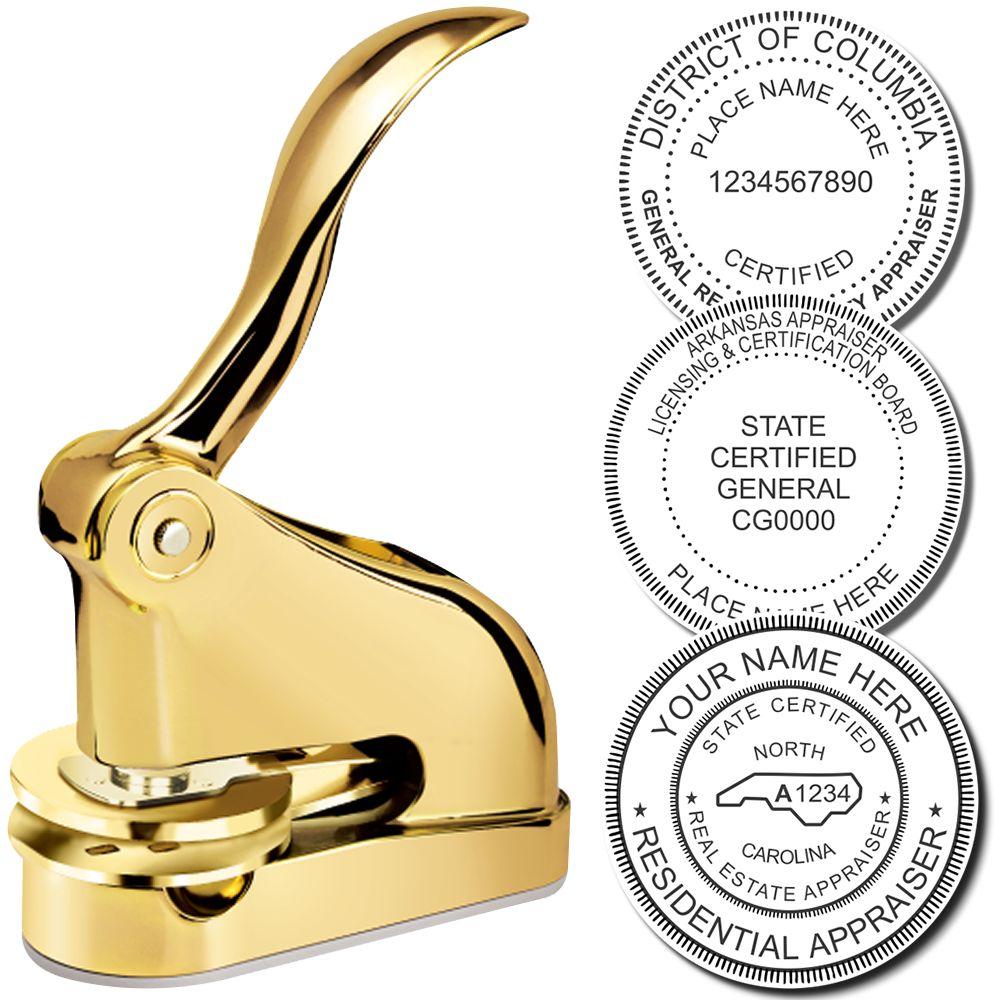
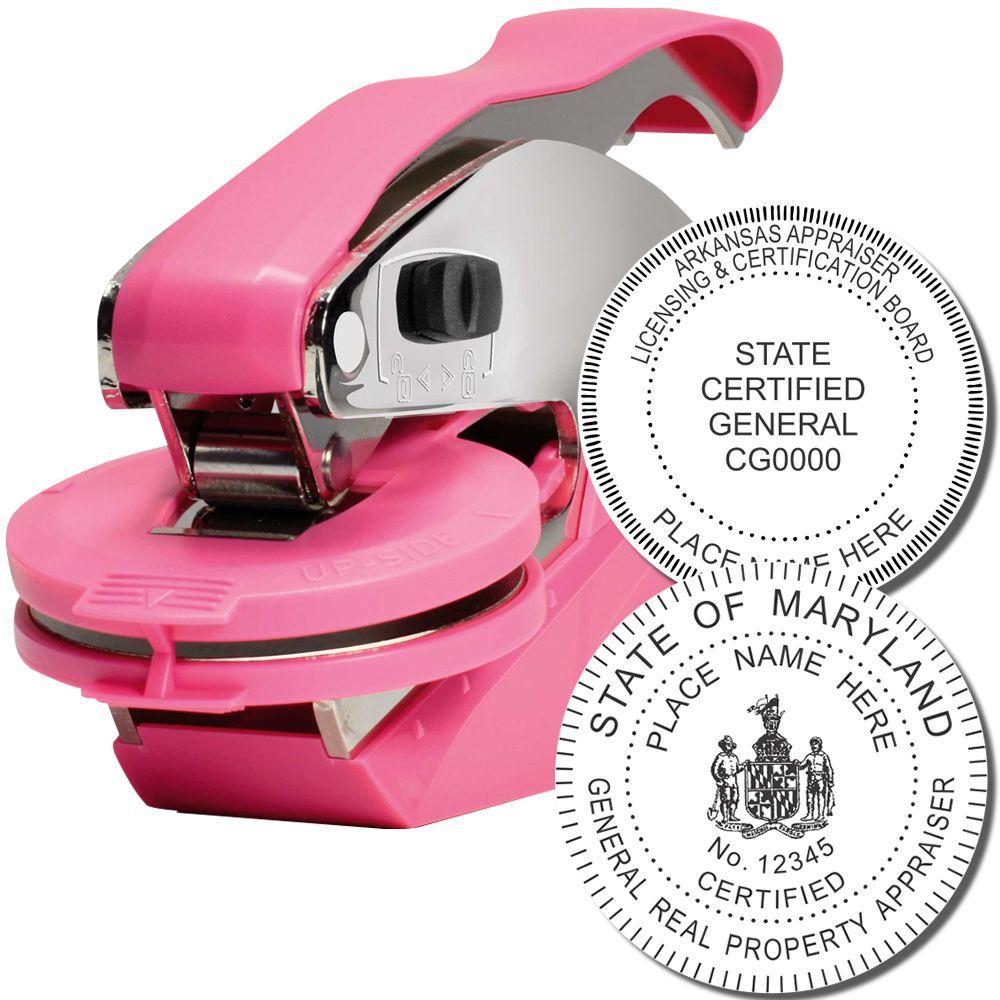
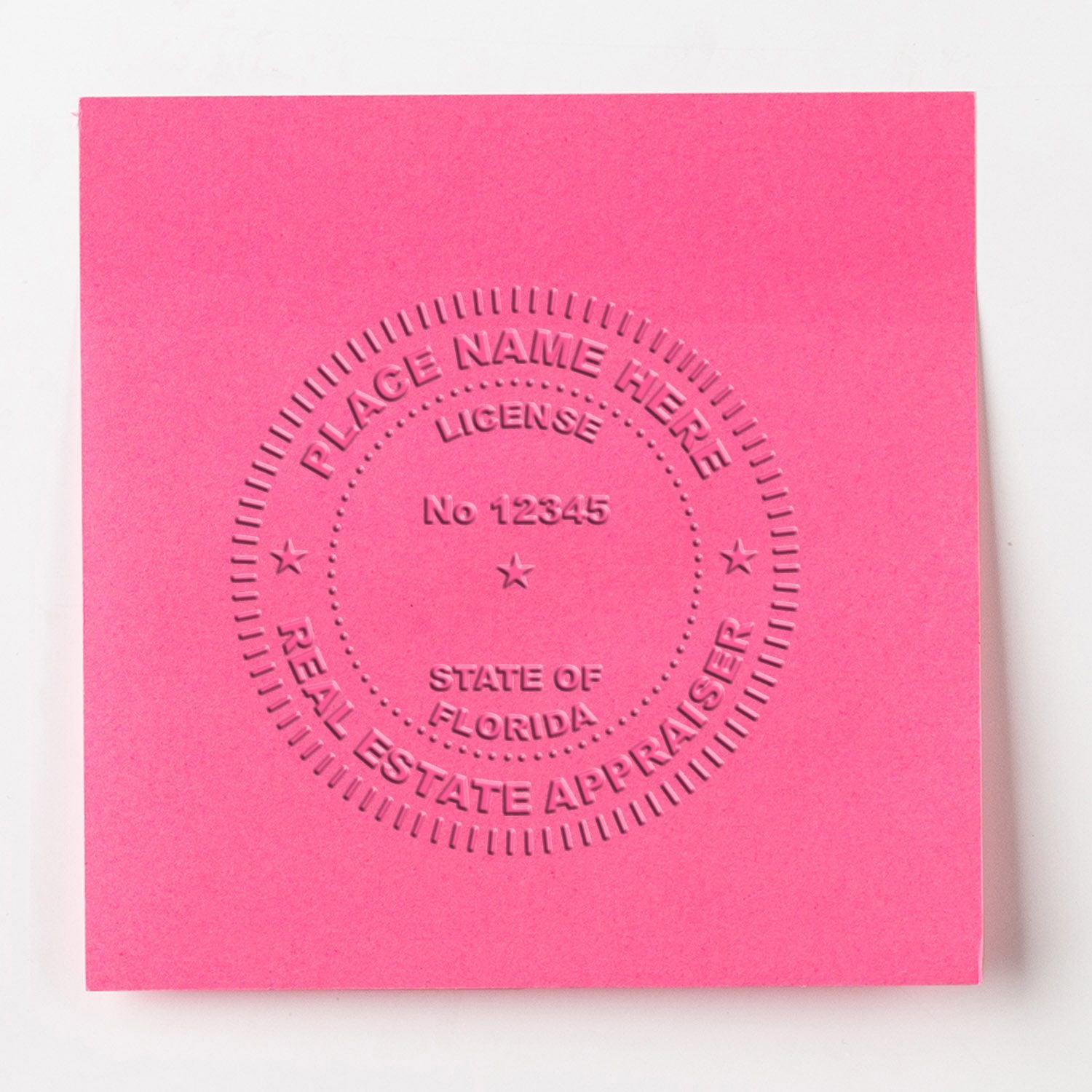
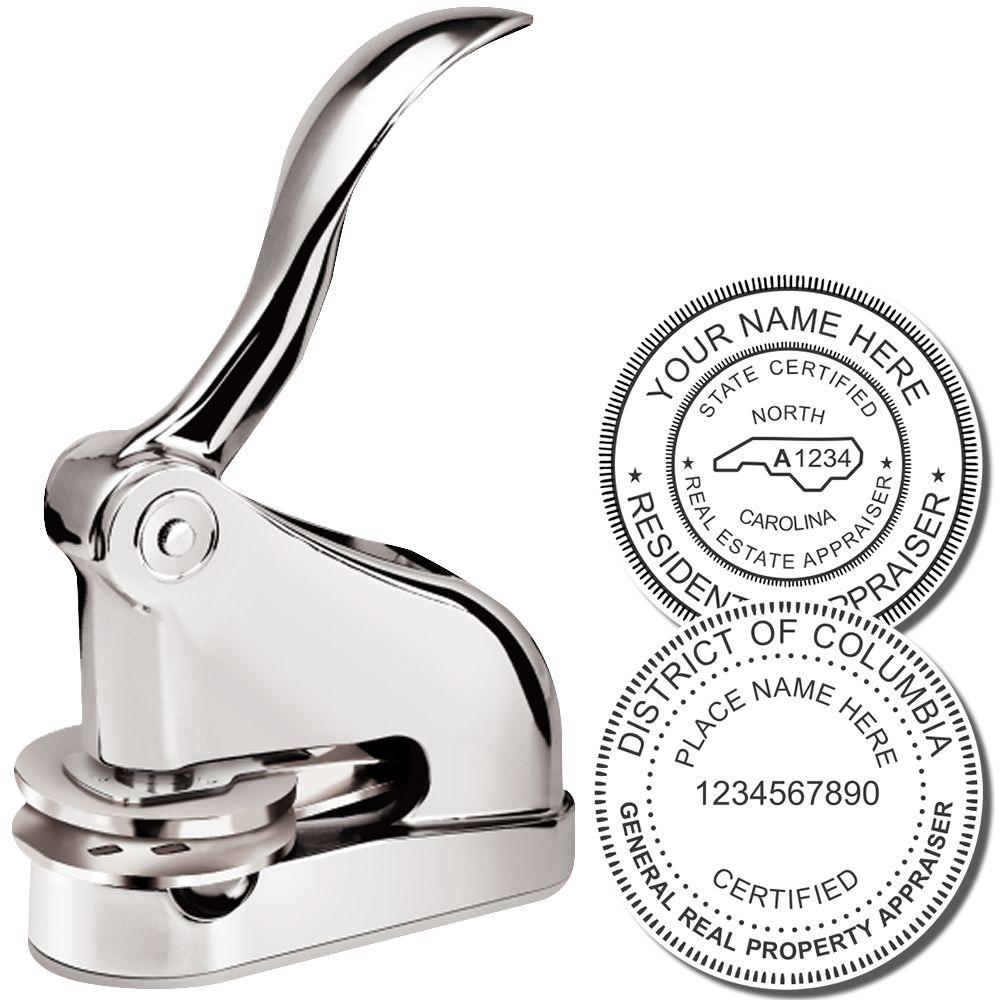
Nebraska prescribes no instrument, so the choice is about delivery. An embosser produces a raised impression that reads well on a paper original and reproduces poorly in a scan or a photocopy, which limits it in a practice delivering PDFs. An ink stamp gives a clean, scannable block and handles the long class wording well. A graphic file suits the delivered PDF. Because the Nebraska duty reaches more than the report, many appraisers here find a self-inking stamp pays for itself quickly on engagement letters and correspondence, where a report template footer does not reach.
Sizing and layout
No diameter is fixed, so size follows the wording. Certified General Real Property Appraiser is a long line and sets better across a rectangular die than around the curve of a round one, which shrinks the text to make the bend. If you want a round embosser, center your name, curve the class above and curve the credential number below, and expect the class line to run small. The credential number is the element that has to survive a scan, so give it room rather than reducing it to fit a border. Send us the exact lines and we will set them at the largest legible size the die allows.
Electronic delivery, and one thing not confirmed
The Act contains no provision on an electronic seal or a digital signature applied to a transmitted report, so electronic delivery in Nebraska is governed by USPAP and by your client rather than by a state device standard. One honest gap: the Act does define Signature at Neb. Rev. Stat. 76-2217.03, and that definition was not read in full for this page. It is a definitional section rather than a seal provision, and nothing in it changes the conclusion that Nebraska prescribes no seal, but if your question is specifically whether an electronic signature counts as a signature under Nebraska law, read that section before relying on this page. The Real Estate Appraiser eSeal Electronic Image Stamp of Seal is $20.00 as an image file.
Renewal, class changes and when a die goes stale
Nebraska asks for the class and the number, not for an expiration date, so a die stays accurate through renewals on the same credential. What retires it is a change in either engraved element. A trainee who becomes a licensed residential or certified residential appraiser has a new class and usually a new credential number, and the old die then misstates the credential in a section headed Use of titles. Going inactive is worth a pause as well: Title 298 NAC has an inactive status chapter, and an inactive credential holder should not be identifying as a practicing appraiser on new work.



What could not be read from the official rules host
This page states its own limits. The statutory conclusion was read directly on nebraskalegislature.gov, which is primary, and it is firm. For the rules, the state’s official rules portal at rules.nebraska.gov could not be reached through this environment; the fetch failed at robots.txt with an SSL certificate verification error on two attempts. Title 298 was therefore checked in the Board’s own published full text of the title on appraiser.ne.gov, in which neither seal nor stamp appears, together with the Board’s official index of the title’s eight chapters and guidance documents. Both are the Board’s own publications rather than the state rules host, and that substitution is worth knowing about before you rely on it.
Ordering, and what it costs
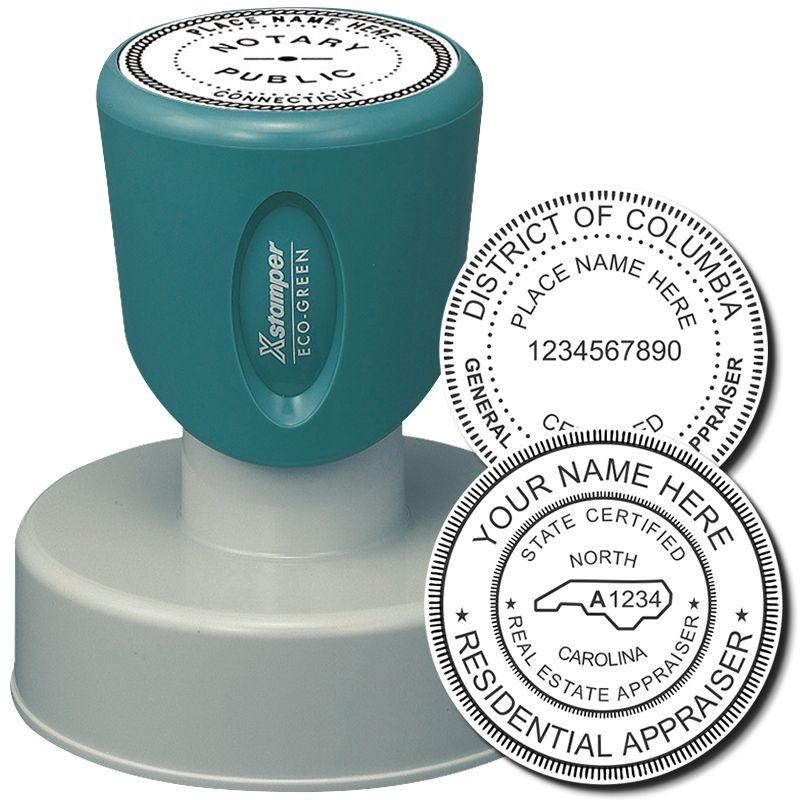
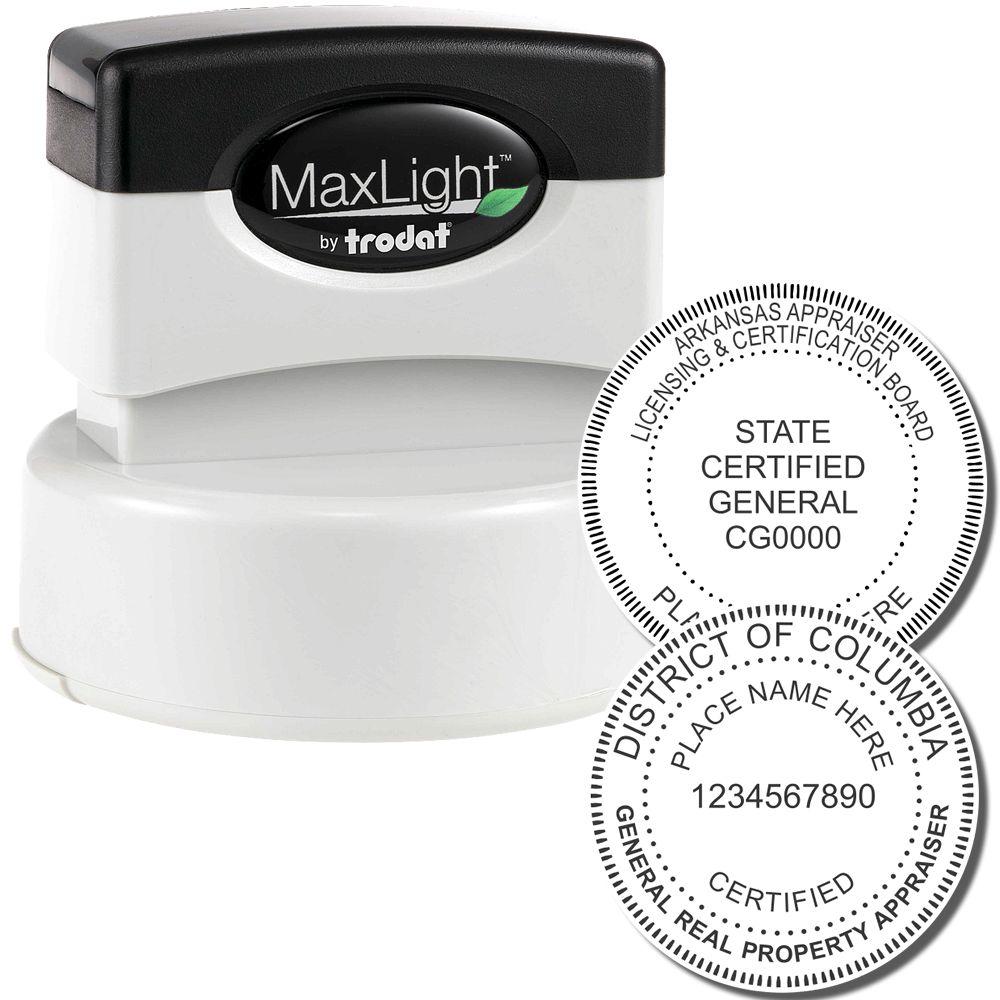
Send us the lines exactly as you want them read, using the statutory class wording and the board-issued credential number as it appears on your credential. We set the artwork, send a proof and cut nothing until you approve it. For ink, the Real Estate Appraiser Self Inking Rubber Stamp of Seal is $39.95, the Real Estate Appraiser Regular Rubber Stamp of Seal is $34.95 and the Xstamper Real Estate Appraiser Pre Inked Rubber Stamp of Seal is $64.95. For a raised impression the Real Estate Appraiser Soft Seal Embosser is $44.95.
Care, and what this page is
Brush lint out of the lettering of a self-inking stamp if impressions start to fill in. An embosser needs only a dry drawer and a straight downward press. Keep either out of direct sun, which hardens rubber and warps a die plate over time. This page is a research summary of the Real Property Appraiser Act and Title 298 NAC as they read on 22 September 2026, and it is not legal advice. Browse real estate appraiser stamps and seals, or contact us with your wording.
Frequently asked questions
Does Nebraska require a real property appraiser to have a seal?
No. Neb. Rev. Stat. 76-2236.01 was read in full and contains neither seal nor stamp, no seal provision was found elsewhere in the Real Property Appraiser Act, and none of the eight chapters of Title 298 NAC is a seal chapter.
What does Nebraska require on my report?
Neb. Rev. Stat. 76-2236.01(2) requires you to state your credential class, licensed residential, certified residential, certified general or trainee real property appraiser, and to include your board-issued credential number, on all reports signed individually or as cosigner.
Does a trainee need the block as well?
Yes. Trainee real property appraiser is one of the four classes the statute names, so a trainee states that class and includes the trainee’s own board-issued credential number rather than relying on a supervisor’s.
If two of us sign a report, can we share one stamp?
No. The statute applies on all reports signed individually or as cosigner, and each signer has a different class or a different credential number, so each carries their own block.
Can I sign on behalf of my company?
Yes. Neb. Rev. Stat. 76-2236.01(3) permits signing on behalf of an entity provided the individual’s credential is clearly identified, so keep your class and number distinct from the firm name on the device.
Does the credentialing card have anything to do with a seal?
No. Neb. Rev. Stat. 76-2242 governs the Board issuing proof of credentials and an optional credentialing card. That is a document issued to you, not a device you apply to anything.
Does Nebraska require an expiration date on the report?
No. The statute asks for the class and the credential number and nothing more, so a Nebraska die survives renewals and only needs replacing when the class or the number changes.
How solid is this answer?
The statute was read on the Nebraska Legislature’s own site, which is primary. The rules were read from the Board’s own published full text of Title 298 because the state rules portal could not be reached, so that one step rests on the Board’s publication rather than the official rules host.








