
Written by Acorn Sales Company, manufacturing stamps and seals since 1964 · Reviewed by Holly R, VP of Sales and Marketing at Acorn Sales, against Louisiana Real Estate Appraisers Board on 22 September 2026 · Updated 25 September 2026
Louisiana requires no appraiser seal, and its report-marking duty is unusually wide: it reaches contracts and other instruments, not only appraisal reports. La. R.S. 37:3406(B) is the operative sentence. “Each licensed real estate appraiser shall include his classification and license number in all appraisal reports, contracts, or other instruments used by the licensee in conducting real property appraisal activities.” Two elements, classification and number, on every document in the file that the appraiser actually uses to do the work. The word “seal” appears exactly once in the whole appraiser law, at R.S. 37:3395(8), and it is the board’s own seal for authenticating its proceedings. The word “stamp” does not appear at all.
That is why Louisiana appraisers buy a stamp, and it is not because the state told them to. The same two elements have to go on an engagement letter, a report, a revision and anything else used in the assignment, which is a lot of retyping over a year. A die sets the classification and the number once and presses them where they are needed. No diameter, shape or layout is prescribed, so the only real design constraint is that both prescribed elements appear and read cleanly.
Louisiana real estate appraiser seal requirements at a glance
| Requirement | Louisiana rule | Source |
|---|---|---|
| Seal required | No. Neither the Louisiana Real Estate Appraisers Law nor the board’s APR Rules contains a seal or stamp provision for an appraiser. | La. R.S. 37:3391 to 37:3413; LAC 46:LXVII Subpart 2 (APR Rules) |
| Required elements | License classification and license number, included in all appraisal reports, contracts or other instruments used in conducting real property appraisal activities. | La. R.S. 37:3406(B) |
| Size and shape | None prescribed. No size, diameter or shape appears anywhere in the appraiser law or the APR Rules. | La. R.S. 37:3391 to 37:3413; LAC 46:LXVII Subpart 2 (APR Rules) |
| Device allowed | Not addressed, and not restricted. The statute says the classification and number must be “included”; it does not say typed, printed, stamped or embossed, so the means is yours to choose. | La. R.S. 37:3406(B) |
| Signature and date | No signature or date provision appears in the appraiser law or the APR Rules; the signed certification is governed by USPAP. One adjacent duty is easy to miss: R.S. 37:3410(B) requires the appraisal fee to be stated within the body of the appraisal report. | La. R.S. 37:3410(B) |
| What must be sealed | Nothing is sealed. What must carry the classification and number is every appraisal report, contract or other instrument the licensee uses in conducting appraisal activities. | La. R.S. 37:3406(B) |
| Electronic seal | Not addressed. Neither the statute nor the APR Rules mentions an electronic seal or a digital signature on a transmitted report. | La. R.S. 37:3391 to 37:3413; LAC 46:LXVII Subpart 2 (APR Rules) |
| Renewal and lapse | No expiry date is among the prescribed elements, so a die carrying your classification and number does not go stale at renewal. Moving from licensed to certified residential, or to certified general, changes the classification line and needs new artwork. | La. R.S. 37:3406(B) |
| Firm requirements | No firm seal exists. The appraisal management company chapter permits rather than requires: LAC 46:LXVII-10701(B) allows an appraiser to include the management company’s license number in appraisal reports. | LAC 46:LXVII-10701(B) |
| Regulator | Louisiana Real Estate Appraisers Board | La. R.S. 37:3391 et seq.; rules at LAC Title 46, Part LXVII, Subpart 2, Sections 10101 et seq. |




What the Louisiana rule actually says
One sentence carries the whole duty. La. R.S. 37:3406(B), inside the section headed “Issuance of licenses; display; use of term”, reads: “Each licensed real estate appraiser shall include his classification and license number in all appraisal reports, contracts, or other instruments used by the licensee in conducting real property appraisal activities.” Note what it does not do. It does not name a seal, a stamp or an impression. It does not prescribe a position on the page. It does not ask for the appraiser’s name, for the word Louisiana, or for an expiration date. And it does not stop at the report. The phrase “contracts, or other instruments used by the licensee in conducting real property appraisal activities” pulls in the paperwork that surrounds the assignment, which is the part most appraisers moving here from another state underestimate.
Classification is a word, not a number
The first prescribed element is the classification, meaning the level of credential the board issued you rather than a code. Louisiana law describes the classification as something separate from the number throughout: R.S. 37:3406(A) says the license document itself bears the license number assigned by the board, and R.S. 37:3406(D), the advertising provision, requires the license number to sit “adjacent to or immediately below their license classification”. That phrase is worth borrowing for a die even though the report provision does not require it, because it is the board’s own idea of how the two elements relate. Set the classification on one line and the number directly beneath it, and the block reads the way the state reads it in the one place it did bother to say.
The advertising rule is a different rule
R.S. 37:3406(D) covers advertising. Where a license is used in connection with logos, stationery or business cards, the license number goes adjacent to or immediately below the license classification. That is a separate duty with a separate position rule, and it is worth knowing because the same block of text often ends up on both. An appraiser who orders one die for reports and uses it on stationery is fine on both counts as long as the two elements are there and the number sits beside or under the classification. An appraiser who orders a stationery block that drops the number to a footer has satisfied nothing in particular. Keep the two elements together and both provisions are met by the same artwork.
The trap: the board’s own seal
Search the Louisiana appraiser law for the word seal and you get exactly one hit, R.S. 37:3395(8), a grant of power to the board “to adopt a seal by which it shall authenticate its proceedings”. That is the regulator’s emblem for its own records and orders. It is not an appraiser requirement, it is not available to licensees, and it is the single most common reason someone concludes Louisiana has an appraiser seal. A second near miss sits at R.S. 37:3406(A): the license document itself bears the signatures or facsimile signatures of the chairperson and secretary of the board and the assigned license number. That is the credential authenticating itself, and it is signatures rather than a seal. Neither provision reaches a report.




What the APR Rules add, which is nothing on seals
The board’s own posted APR Rules, LAC Title 46 Part LXVII Subpart 2, were read in full: Chapter 101 on authority, Chapter 103 on license requirements, Chapter 104 on education providers and course approval, Chapter 105 on investigations and adjudicatory proceedings, and Chapter 107 on appraisal management companies. Neither “seal” nor “stamp” appears in any of them. That inventory was then checked against the official Louisiana Administrative Code structure for the same subpart, so the board’s posted copy is not an abridgement with a chapter missing. The entire Louisiana report-marking regime is the one sentence in R.S. 37:3406(B), plus USPAP.
The fee disclosure nobody expects
While the classification and number are the elements that go on a die, one more Louisiana duty belongs on the same checklist because it lives in the same part of the statute. R.S. 37:3410(B) requires the appraiser to state the appraisal fee within the body of the appraisal report. That is not a stamp item, since the figure changes by assignment, but it is a report-marking obligation peculiar enough to Louisiana that an appraiser building a template here should place it deliberately rather than discover it later. Nothing in the statute says where in the body it goes.
What to engrave and where it goes
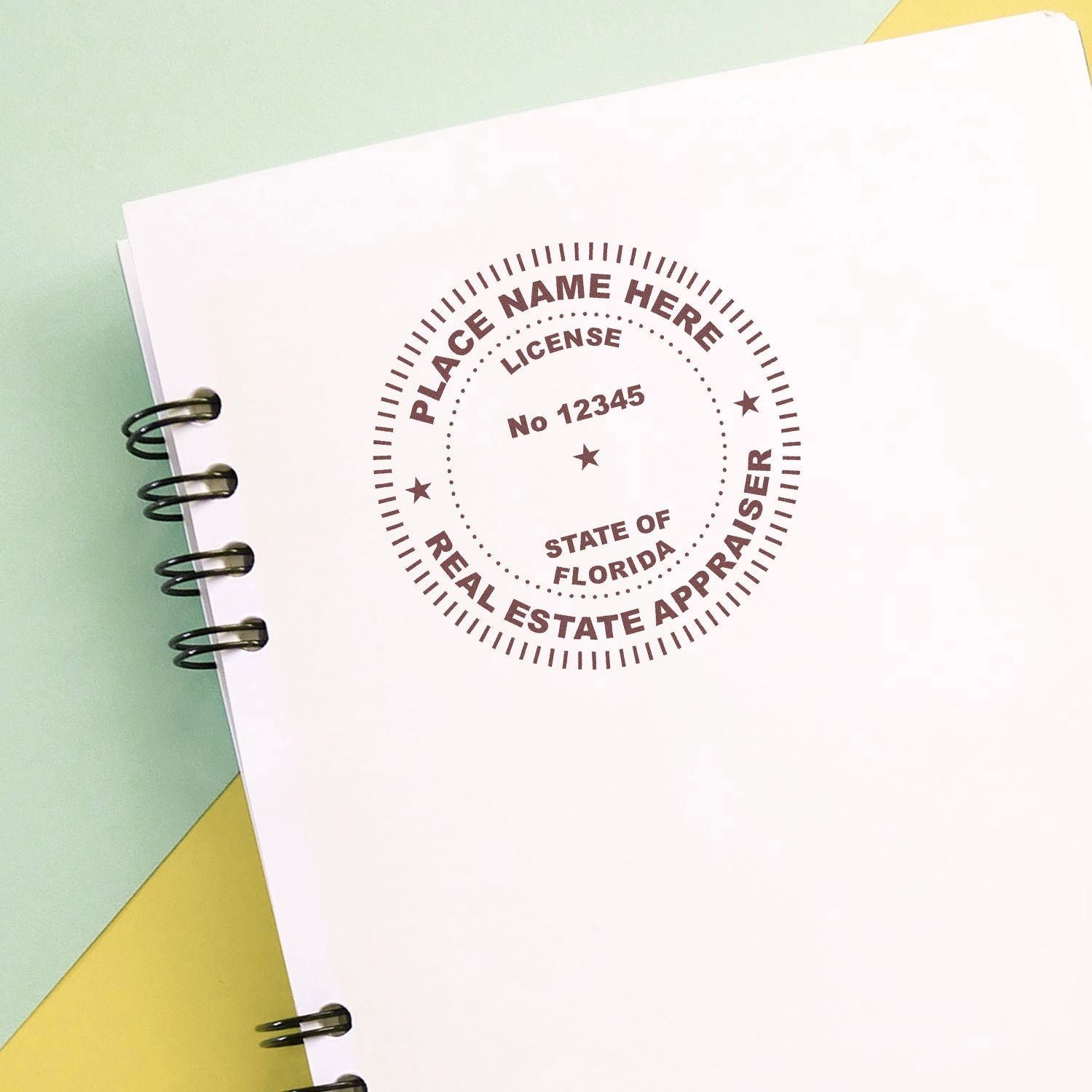
Two elements are prescribed and the rest is yours. A practical Louisiana block runs: your name as it appears on the credential, the classification spelled out in full, and the license number directly beneath the classification. Adding Louisiana is not required by R.S. 37:3406(B) and is useful when the report travels out of state. Adding an expiration date is not required and is the one addition that will eventually make your die wrong, so leave it off. On position, the statute is silent, which means the certification page beside the signature is the natural home, and the same die presses onto an engagement letter or a contract without any change. Because the duty reaches instruments as well as reports, a self inking stamp is the tool that earns its money here; an embosser on a contract is awkward.
Embosser, ink stamp or the eSeal image
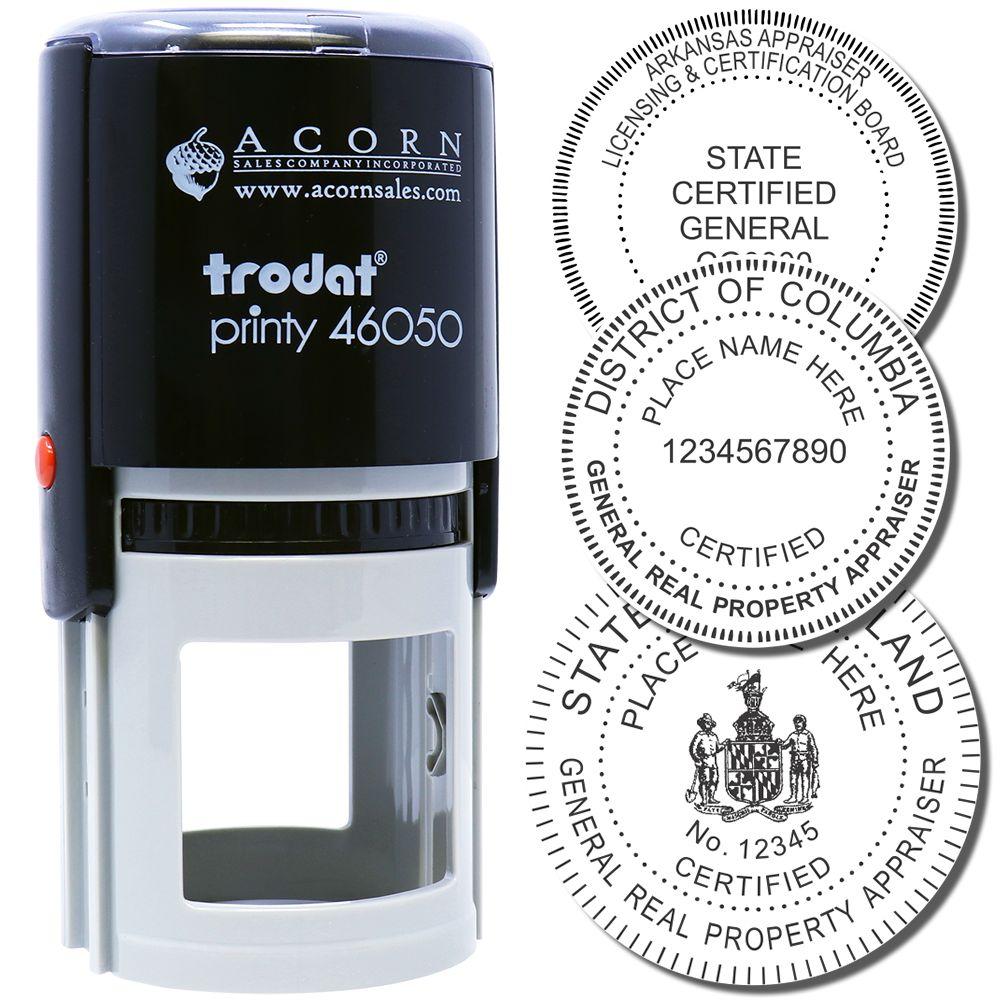
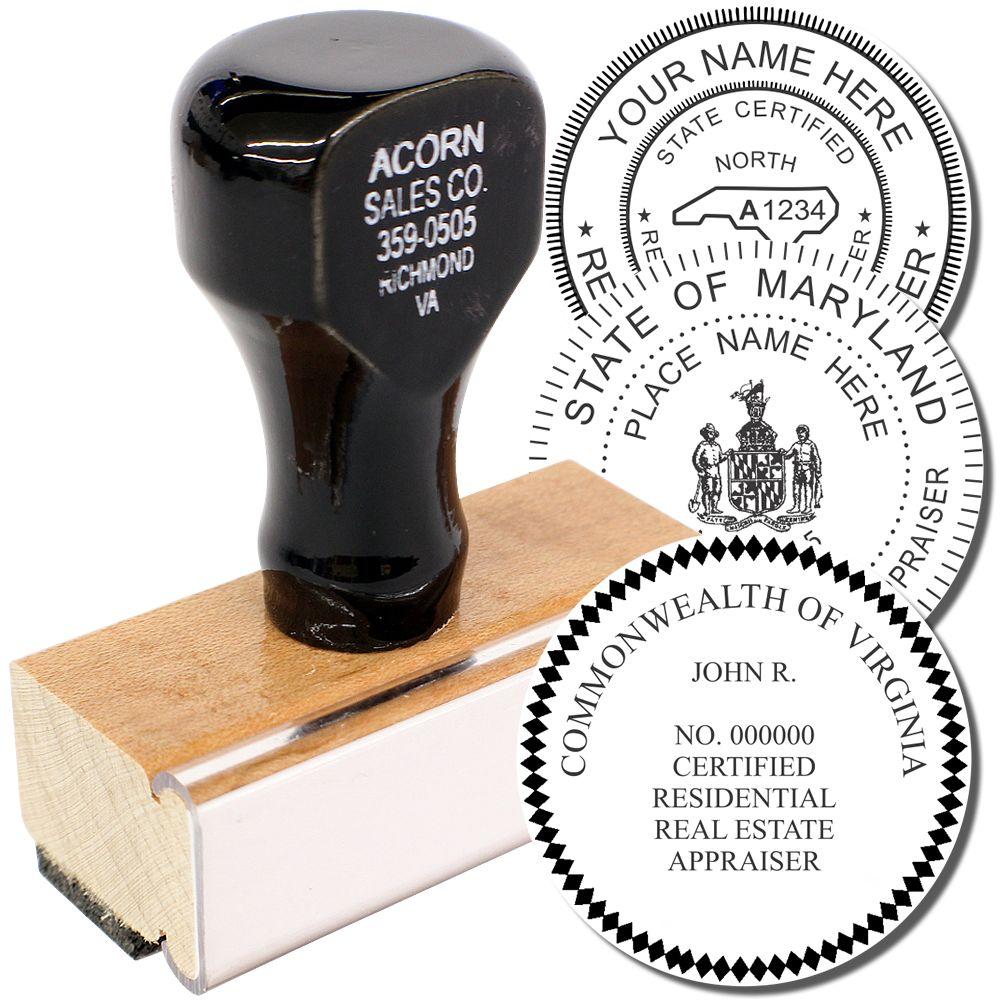
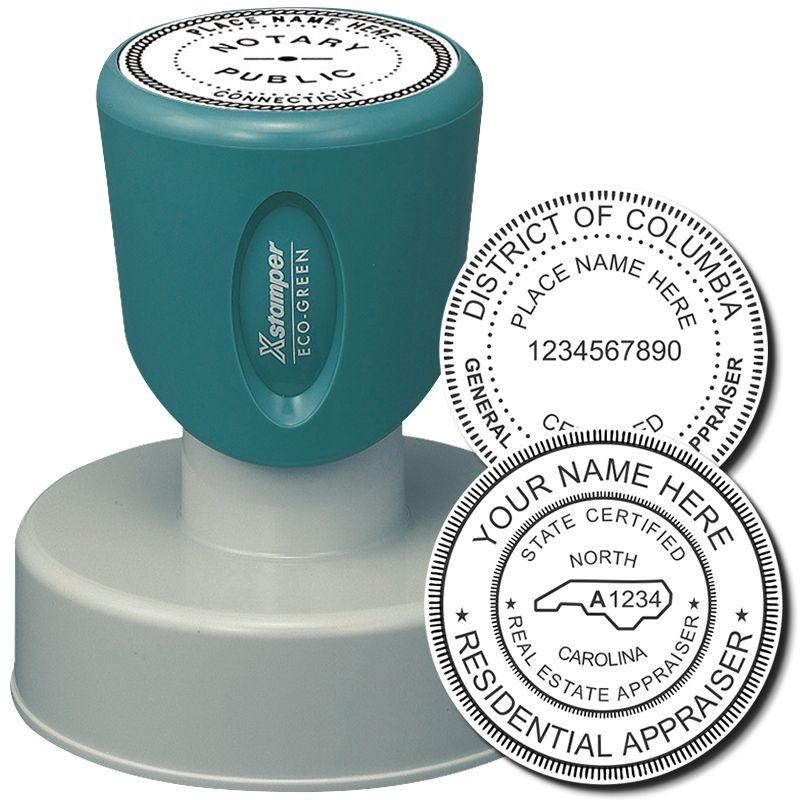
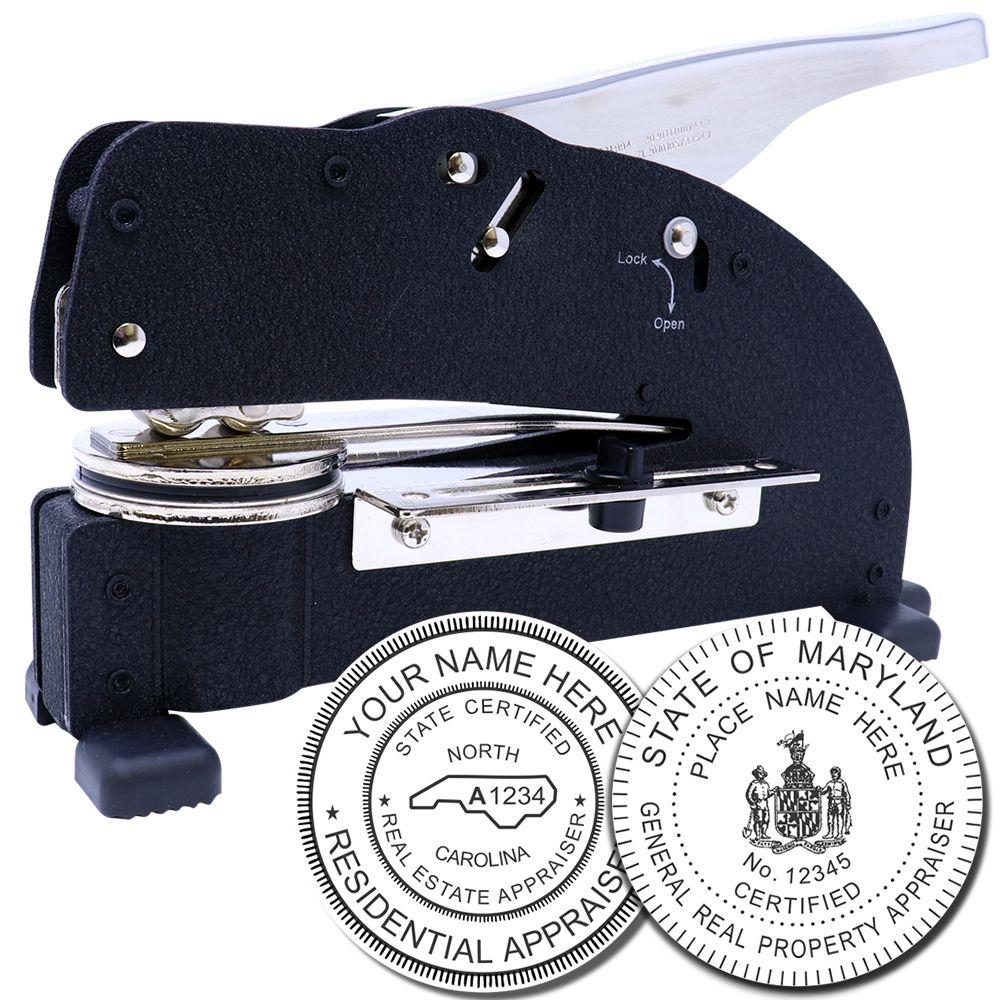
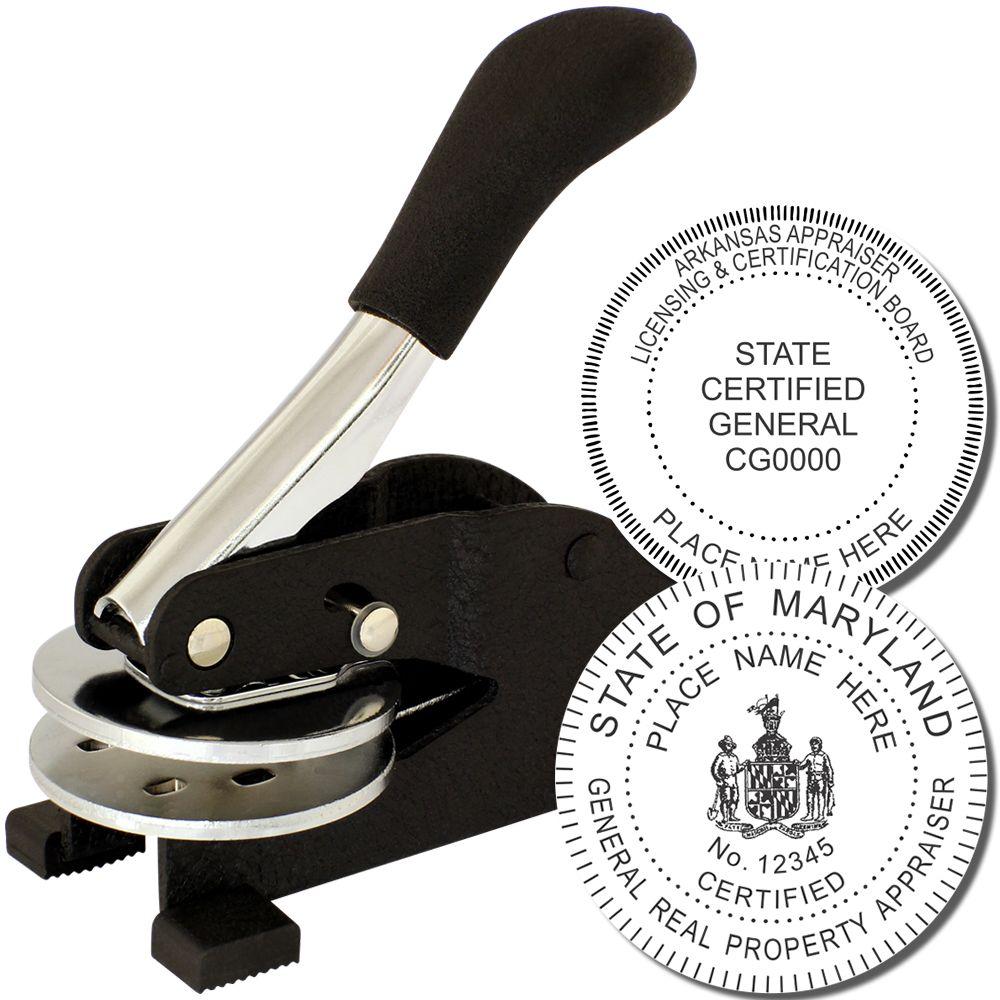
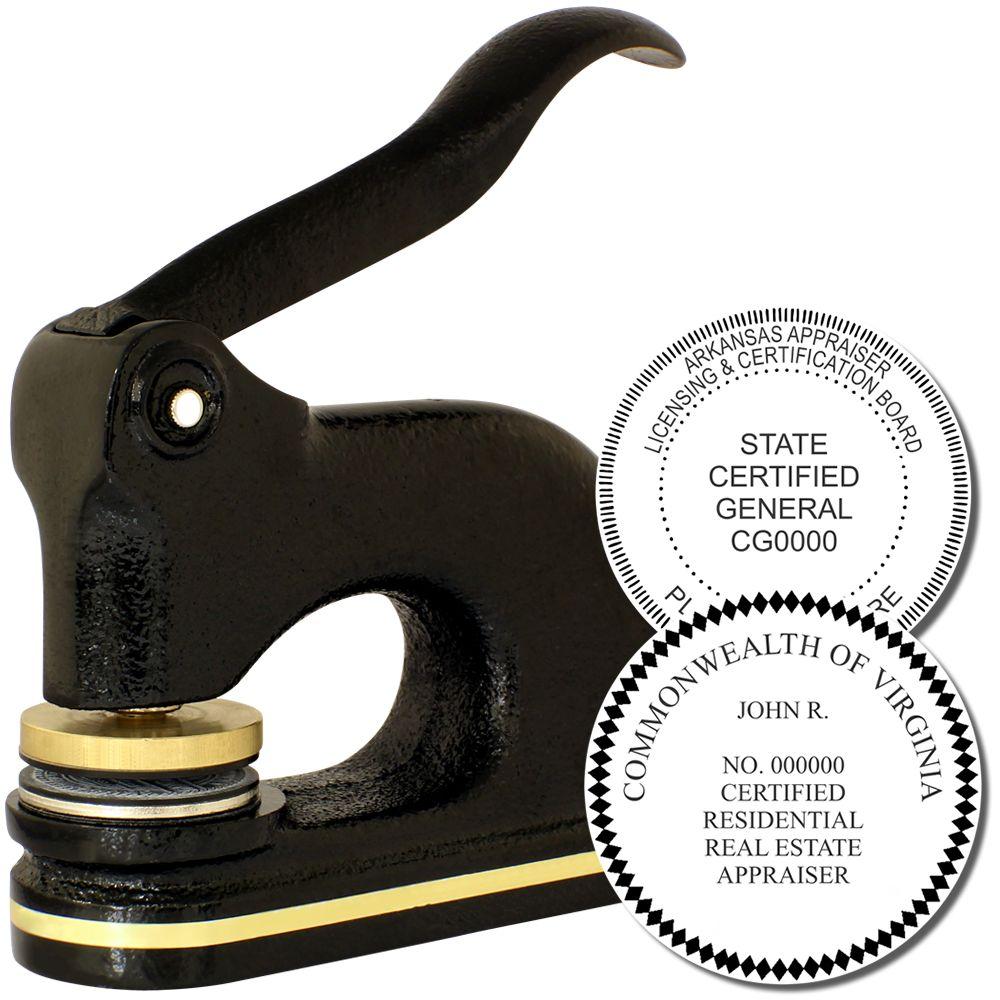
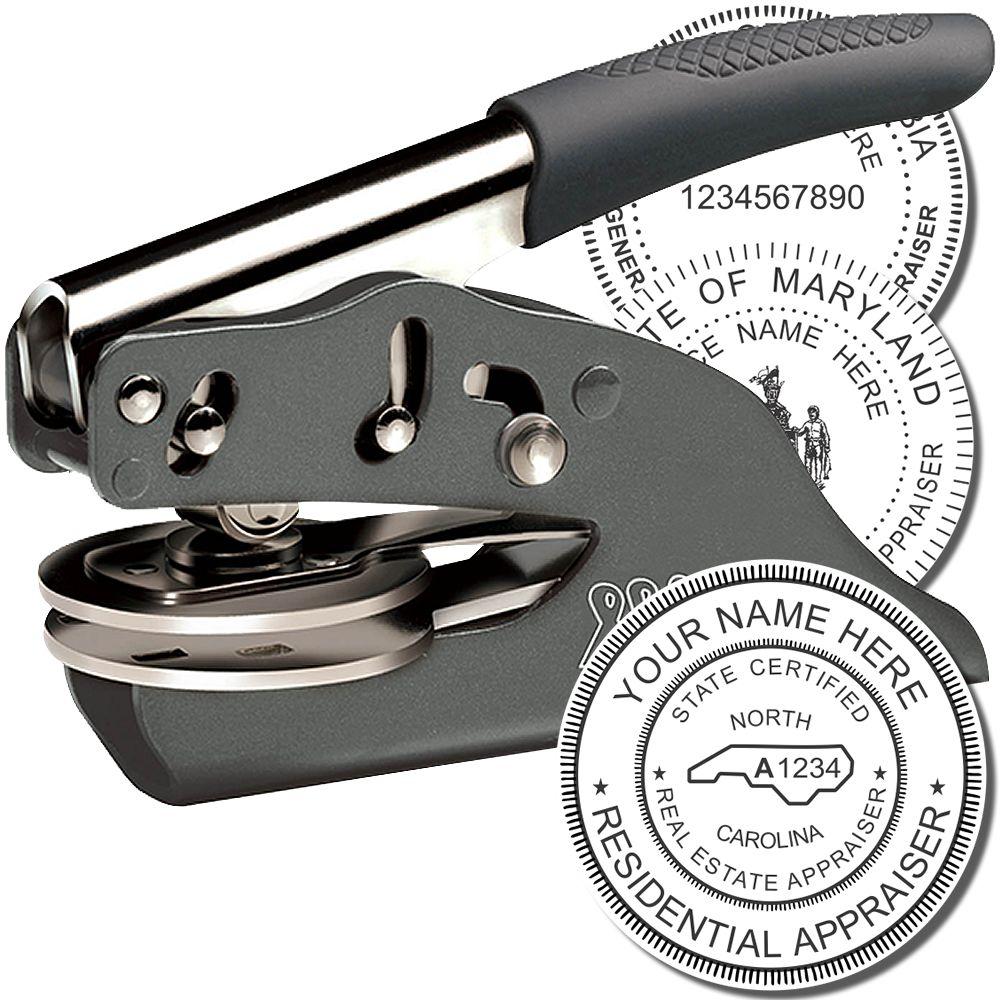
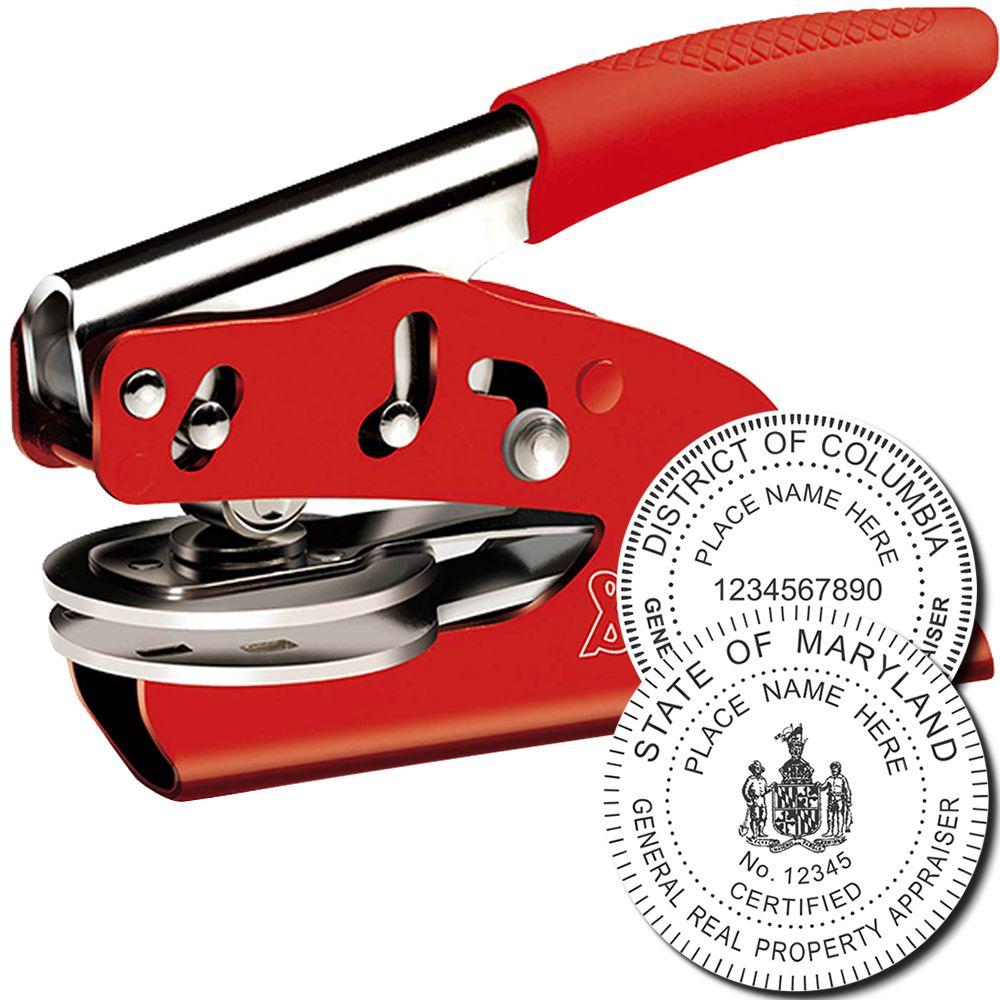
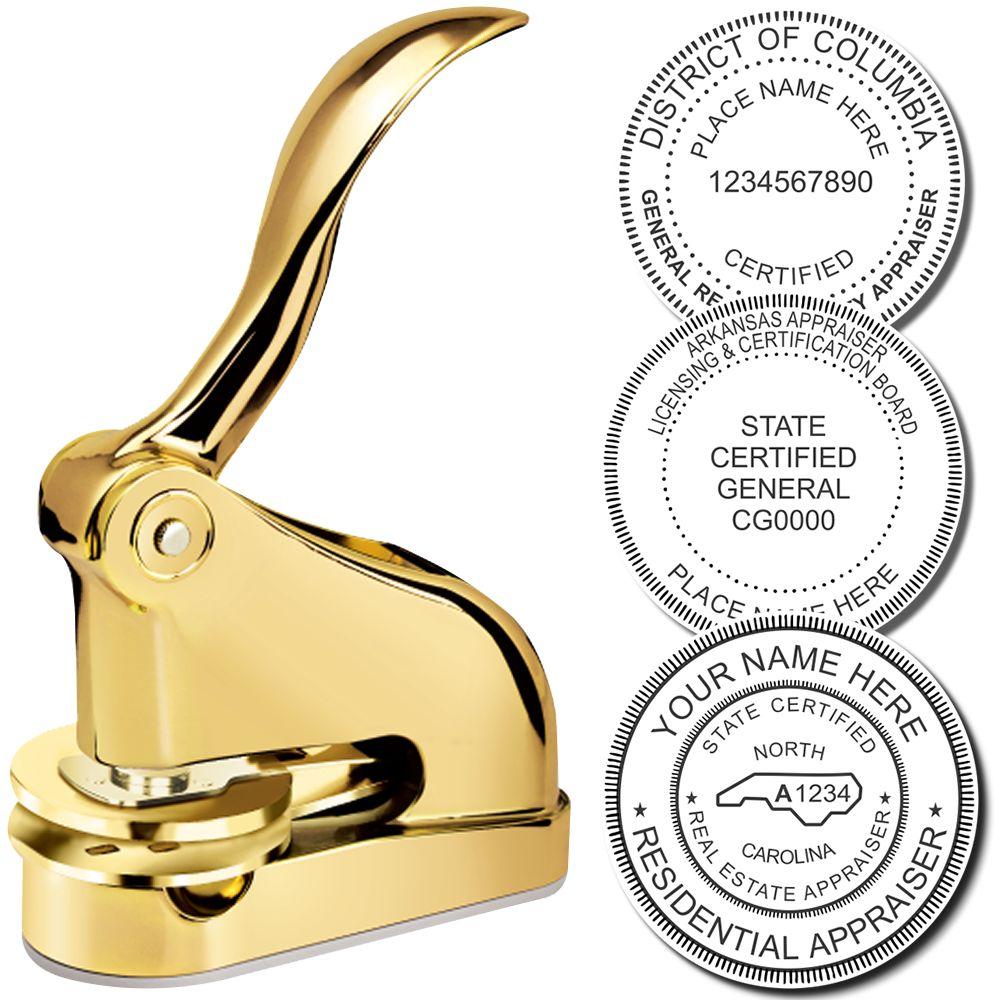
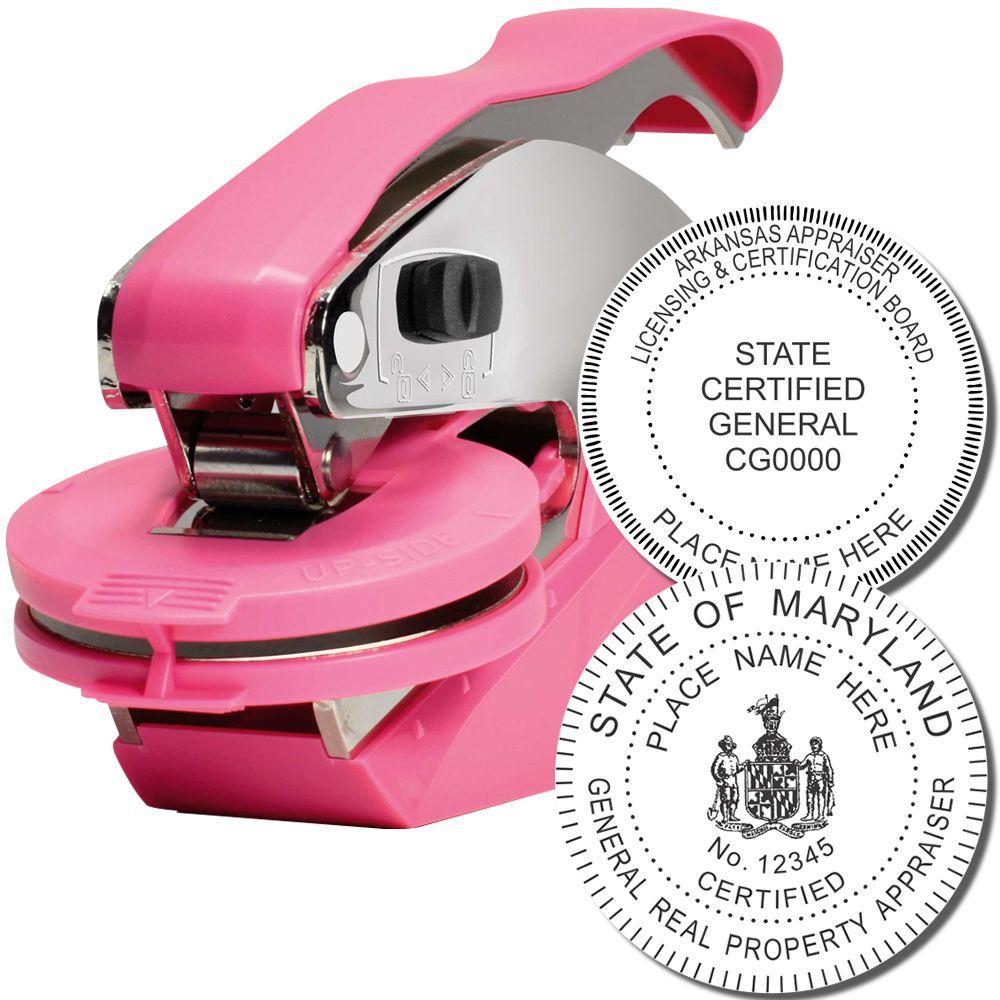
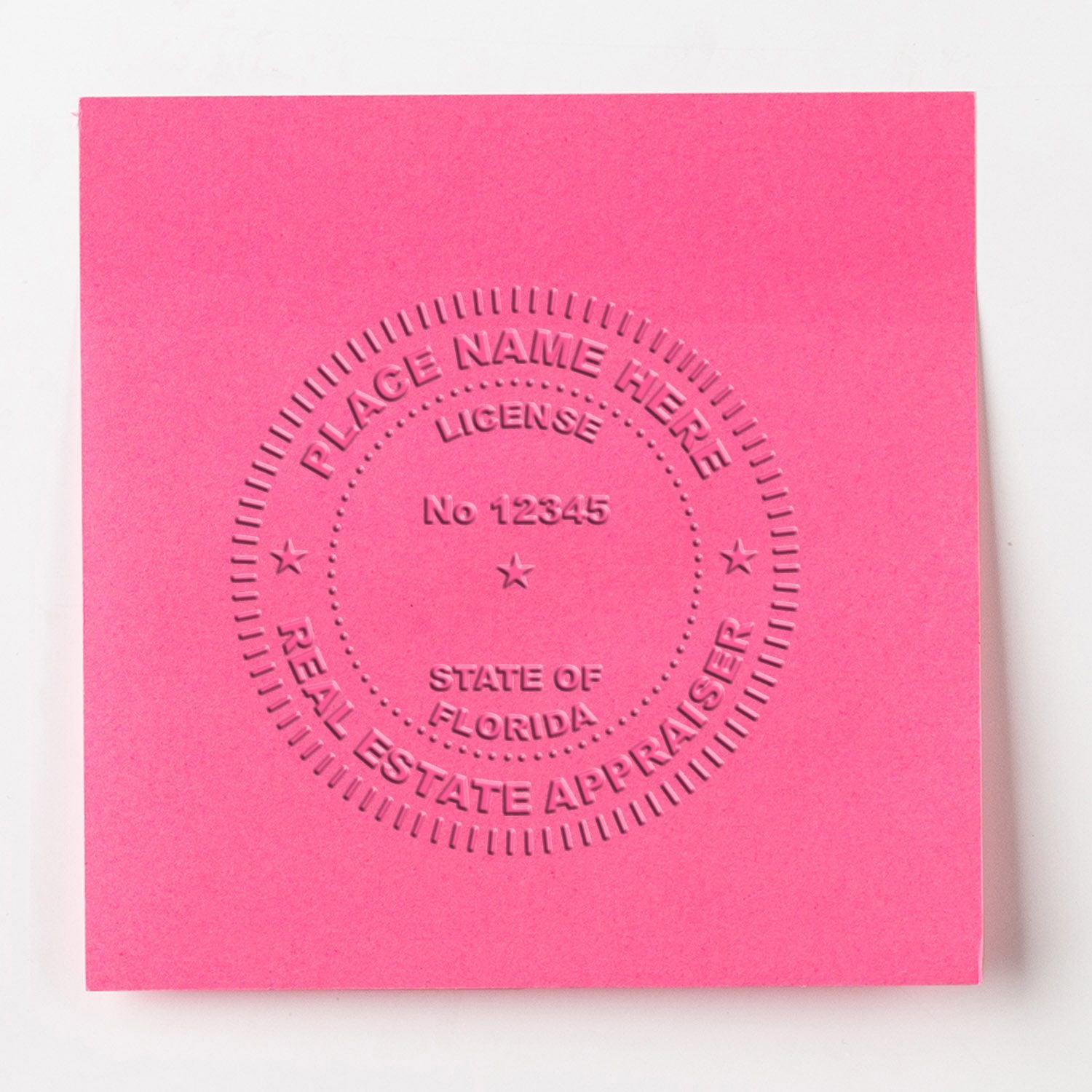
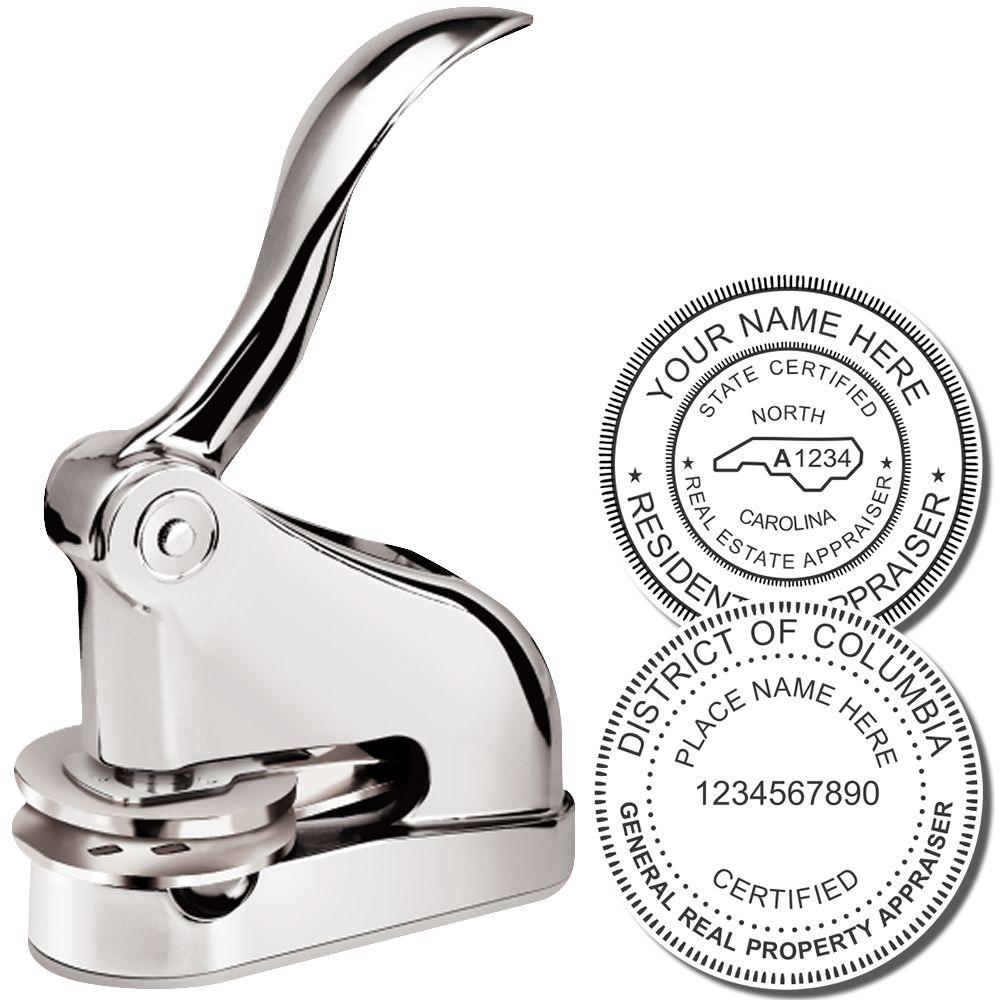
Louisiana ranks none of the three, so the decision is practical. An ink stamp reproduces in a scan, a photocopy and a fax, which suits a duty that follows the paperwork rather than just the bound report. The Regular Rubber Stamp of Seal is $34.95 and takes a separate pad, the Self Inking Rubber Stamp of Seal is $39.95, and the pre inked models sit at $46.95 for the Slim and the MaxLight and $64.95 for the Xstamper. An embosser raises the paper and reads as a credential object; the Hybrid Seal Embosser is $42.95, the Desk Seal Embosser and the Soft Seal Embosser are $44.95 each and the Handheld Seal Embosser is $46.95. A raised impression scans poorly, so appraisers delivering PDFs usually pair it with the eSeal Electronic Image Stamp of Seal at $20.00, which is a file rather than a tool.



Sizing and layout
No size is prescribed. Louisiana fixes no diameter and no shape, so the die is cut to fit the wording. The layout decision that matters is how many lines the classification takes. Certified General Real Estate Appraiser is long enough to want its own line, and pushing it onto two lines shrinks the type for everything else on the same die. If the number has to survive a photocopy of a scan, keep the block to three lines and leave the firm name, the address and the office details for stationery. Send the exact wording with the order, line by line, because there is no state diagram for us to work from.
Trainees and supervising appraisers
R.S. 37:3406(B) speaks of “each licensed real estate appraiser” and its two elements follow the credential, so the block a trainee uses carries the trainee classification and the trainee number rather than the supervisor’s. Where a supervising appraiser signs, that appraiser’s own classification and number go with the signature. Two people on a report means two blocks, which in practice means two dies rather than one shared one. That is also the reason to treat a signature die, if you use one, as personal property kept under your own control: a device that prints someone else’s classification and number is a problem waiting to happen.
Ordering and care
Send the classification exactly as the board spells it on your credential, your license number, and your name as you sign it. There is no board specification to match, so the wording you supply is the specification. Embossers want the sliding lock engaged when idle and the jaws kept free of grit so die and counter die meet cleanly. A pre inked model with a dust cover keeps the cover on between uses. Dies are cut to the wording supplied and are not refitted afterwards, so an upgrade from licensed to certified residential, or to certified general, means new artwork. This page is a research summary and not legal advice. Browse real estate appraiser stamps and seals, or contact us with your wording.
- Real Estate Appraiser Stamps and Seals
- Real estate appraiser stamps and seals
- Kentucky Appraiser Seal: Not Required, Nothing Prescribed
- Maine Appraiser Seal: Signature and Prefixed Number
Frequently asked questions
Does Louisiana require an appraiser to seal a report?
No. The word seal appears once in the Louisiana Real Estate Appraisers Law, at R.S. 37:3395(8), and it is the board’s own seal for authenticating its proceedings. The word stamp does not appear at all, and neither word appears in the board’s APR Rules.
What does Louisiana require on an appraisal report?
Your classification and your license number. R.S. 37:3406(B) requires each licensed real estate appraiser to include his classification and license number in all appraisal reports, contracts, or other instruments used by the licensee in conducting real property appraisal activities.
Does that reach documents other than the report?
Yes, and this is the Louisiana peculiarity. The provision covers contracts and other instruments used in conducting appraisal activities, not only the finished report, so the same two elements belong on the engagement paperwork as well.
Where on the page do the classification and number go?
R.S. 37:3406(B) does not say. The board did say for advertising: R.S. 37:3406(D) puts the license number adjacent to or immediately below the license classification on logos, stationery and business cards. Setting a die that way satisfies both provisions with one block.
Can I put an expiration date on my Louisiana appraiser stamp?
You can, and it is a poor idea. No Louisiana provision asks for one, and a date is the one element that makes a die wrong at the next renewal. Classification and number are stable between credential changes; a date is not.
Is an electronic appraiser seal recognized in Louisiana?
Nothing in the statute or the APR Rules addresses an electronic seal or a digital signature, so there is no state standard and no state permission. An image of your own classification and number block in a PDF satisfies R.S. 37:3406(B) in the same way typed text would, because the statute prescribes content rather than method.
Do I have to state my fee in the report?
Yes. R.S. 37:3410(B) requires the appraisal fee to be stated within the body of the appraisal report. It is not a stamp item, since the figure changes by assignment, but it is a Louisiana report duty worth building into the template.
Can a trainee use the supervising appraiser’s block?
No. The two elements follow the credential, so a trainee’s block carries the trainee classification and the trainee number, and a supervising appraiser who signs carries their own. Two credentials on a report means two blocks.








