
Written by Acorn Sales Company, manufacturing stamps and seals since 1964 · Reviewed by Holly R, VP of Sales and Marketing at Acorn Sales, against Maine Board of Real Estate Appraisers, Office of Professional and Occupational Regulation, Department of Professional and Financial Regulation on 22 September 2026 · Updated 25 September 2026
Maine requires no appraiser seal, and the detail that makes its rule different is two letters. 02-298 C.M.R. ch. 240, s. 2, headed Use of License Number and effective 9 January 2024, reads: “Any person licensed by the Board must display that person’s signature and license number on the certification of any appraisal performed in this State. The license number shall include the two (2) letter prefix identifying the type of license held.” The number alone is not the number. The prefix that identifies your license type travels with it, which means the credential level is carried by the number itself rather than by a separate title line. A full text scan of 32 M.R.S. ch. 124 returns zero occurrences of “seal” and zero of “stamp”.
For the device that settles two things at once. What goes on a Maine die is the prefixed license number, and where it goes is the certification page, not the cover and not the letter of transmittal. The signature beside it is the appraiser’s own act. Nothing prescribes a diameter, a shape or a layout, so the die is cut to fit the wording, and the wording is short enough that legibility is easy to get right here.
Maine real estate appraiser seal requirements at a glance
| Requirement | Maine rule | Source |
|---|---|---|
| Seal required | No. Neither “seal” nor “stamp” appears anywhere in 32 M.R.S. ch. 124, and no seal provision exists in any of the five in-force chapters of 02-298 C.M.R. | 32 M.R.S. ch. 124; 02-298 C.M.R. chs. 150, 220, 230, 240, 250 |
| Required elements | The licensee’s signature and the license number, and the number must include the two letter prefix identifying the type of license held. | 02-298 C.M.R. ch. 240, s. 2 |
| Size and shape | None prescribed. No size, diameter or shape appears in 32 M.R.S. ch. 124 or in chapter 240. | 32 M.R.S. ch. 124; 02-298 C.M.R. ch. 240 |
| Device allowed | Not addressed. Chapter 240 says the signature and number must be displayed; it names no instrument, so an embosser, an ink stamp, an image or typed text all satisfy the wording. | 02-298 C.M.R. ch. 240, s. 2 |
| Signature and date | The signature is expressly required and sits with the number on the certification. No date element is prescribed by chapter 240; dating the certification is governed by USPAP, which chapter 240 adopts. | 02-298 C.M.R. ch. 240, s. 2 |
| What must be sealed | Nothing is sealed. What must carry the signature and the prefixed number is the certification of any appraisal performed in this State. | 02-298 C.M.R. ch. 240, s. 2 |
| Electronic seal | Not addressed. Neither 32 M.R.S. ch. 124 nor chapter 240 speaks to an electronic seal or a digital signature. | 32 M.R.S. ch. 124; 02-298 C.M.R. ch. 240 |
| Renewal and lapse | No expiry date is among the prescribed elements, so a die carrying your prefixed number stays accurate through renewal. A change of license type changes the prefix, which means new artwork. | 02-298 C.M.R. ch. 240, s. 2 |
| Firm requirements | No firm seal exists. The in-force chapters for agency 02-298 are 150 (advisory rulings), 220 (educational course requirements), 230 (supervising appraiser duties), 240 (standards of professional practice) and 250 (denial appeals and member communications). None creates a firm device. | Maine Secretary of State, Title 02 agency rules index, agency 02-298 |
| Regulator | Maine Board of Real Estate Appraisers, Office of Professional and Occupational Regulation, Department of Professional and Financial Regulation | 32 M.R.S. ch. 124; board rules at 02-298 C.M.R. |





What the Maine rule actually says
Maine puts its report-marking duty in one short section. 02-298 C.M.R. ch. 240, s. 2, Use of License Number: “Any person licensed by the Board must display that person’s signature and license number on the certification of any appraisal performed in this State. The license number shall include the two (2) letter prefix identifying the type of license held.” Three things follow. The duty attaches to any appraisal performed in Maine, not to appraisals by Maine licensees anywhere. The position is fixed, and it is the certification rather than the cover page or the transmittal letter. And the number is defined to include its prefix, so a die that prints the digits alone has printed half the element.
The two letter prefix is the whole trick
Most states ask for a credential title spelled out and a number beside it. Maine folds the credential level into the number by requiring the two letter prefix that identifies the type of license held. That is a different design problem from the usual one. The classification line that a Louisiana or a Maryland appraiser needs is, in Maine, already inside the number, which is why Maine dies are shorter than most and why the number has to be reproduced exactly. A transposed or dropped prefix is not a cosmetic error here; it is the part of the element that says which credential signed the report. Copy the prefix and the digits from the credential itself when you place the order rather than from memory or from an old report template.
Where the block goes
The certification, and the word matters. In a USPAP report the certification is the signed statement of the appraiser’s disinterest, scope and compliance, and it is where the signature lives. Chapter 240 attaches both elements to that page. An appraiser who stamps the cover sheet and leaves the certification bare has put the block in the wrong place under the rule as written, even if the client never notices. The practical upshot for a stamp is that it only needs to press once per report, on one known page, which makes a small ink die the obvious tool and makes reach on an embosser a non-issue.
Chapter 240 also adopts USPAP
The same chapter that carries the number rule carries the standards rule: licensees shall comply with generally accepted standards of professional practice as established by the Uniform Standards of Professional Appraisal Practice, 2024 Edition. That is where the signature obligation on the certification comes from in substance, and it is where dating, scope of work and disclosure duties come from. Maine’s own contribution on the face of the report is the prefixed number. Everything else about what the certification says is USPAP.
Trainees and supervising appraisers
Chapter 230 covers supervising appraiser duties and adds a related identification rule worth knowing before you order: a trainee must be identified in the appraisal certification and scope of work for reports the trainee did not sign in order to be eligible for experience credit. That is an identification duty rather than a signature duty, and it means the certification page in a supervised assignment can carry a signed block, a prefixed number and a named trainee who signed nothing. Order the dies to the credentials that actually sign. A trainee who does sign carries the trainee prefix and the trainee number, not the supervisor’s.




The traps in Maine
Two. The first is the agency number. Maine identifies rule chapters by agency, and the Board of Real Estate Appraisers is agency 02-298. Agency 02-039 is the Real Estate Commission, a different body regulating brokerage. Rules pulled from 02-039 do not govern appraisers, and the similarity of the two names is the usual cause. The second is the assumption that a missing rule means an unread rule. The Maine Secretary of State’s official Title 02 index lists exactly five chapters in force for agency 02-298: 150, 220, 230, 240 and 250. There is no seal chapter and no gap in the numbering suggesting one was repealed, which is the check that matters, because a separate seal chapter hiding outside the practice rules is precisely how this question gets answered wrongly in other states.
The disclaimer rule that is not about you
32 M.R.S. s. 14004 is a report-marking provision in Maine law, and it is the one that turns up in searches and misleads. It requires specific disclaimer language on an opinion or appraisal prepared by a person who is not licensed, along the lines that the document was not prepared by a licensed or certified appraiser and may not comply with appraisal standards. It applies to the unlicensed, it involves no seal, and it has nothing to say about what a Maine licensee puts on a certification. If you hold a Maine credential, the section that governs your report marking is chapter 240, section 2.
What to engrave
The two prescribed elements are the signature, which is yours to make, and the prefixed license number. A working Maine block is usually three short lines: your name as it appears on the credential, the license type written out if you want it readable at a glance, and the license number with its two letter prefix. Only the number is prescribed, so the other lines are a convenience rather than a duty, and the temptation to add more should be resisted for a reason peculiar to Maine: the prefixed number is the element a reviewer checks, and it reads best when it is not competing with a firm name, an address and a telephone line on the same die. Leave off any expiration date; nothing asks for one and it is the element that will date your die.
Embosser, ink stamp or the eSeal image
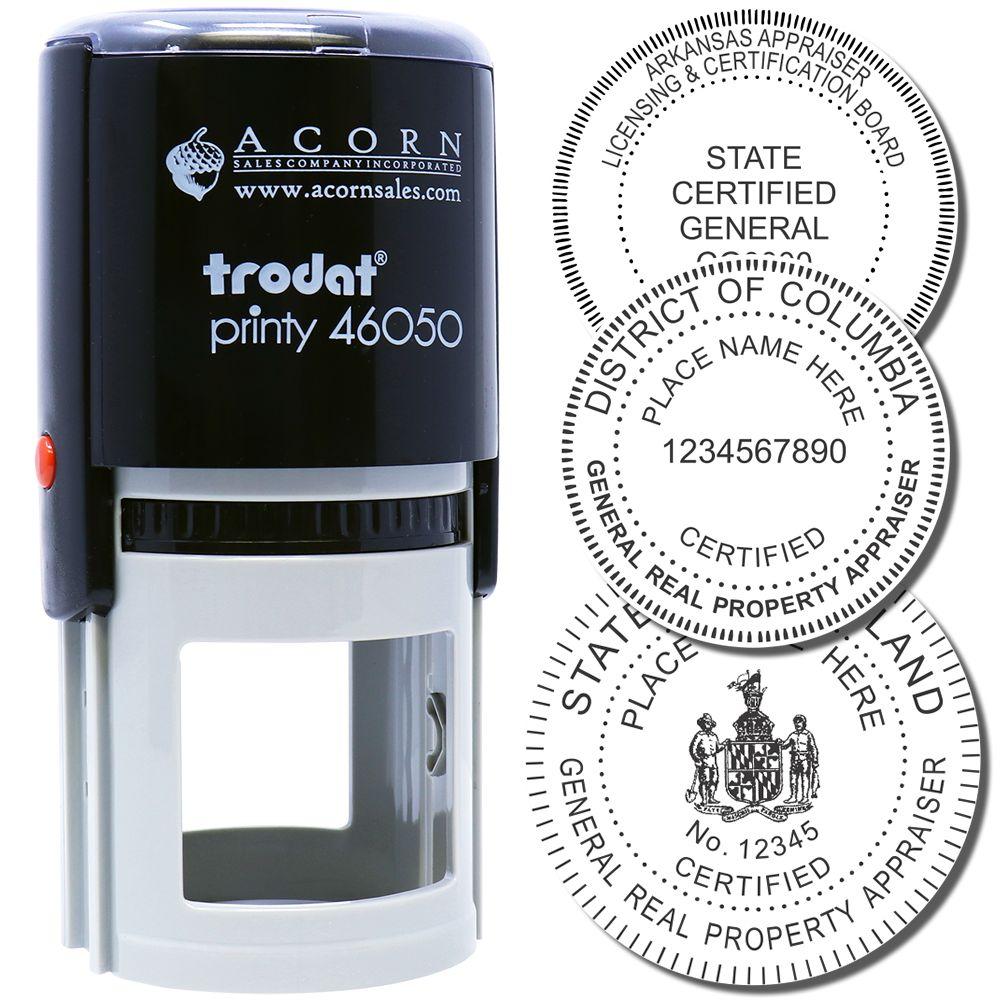
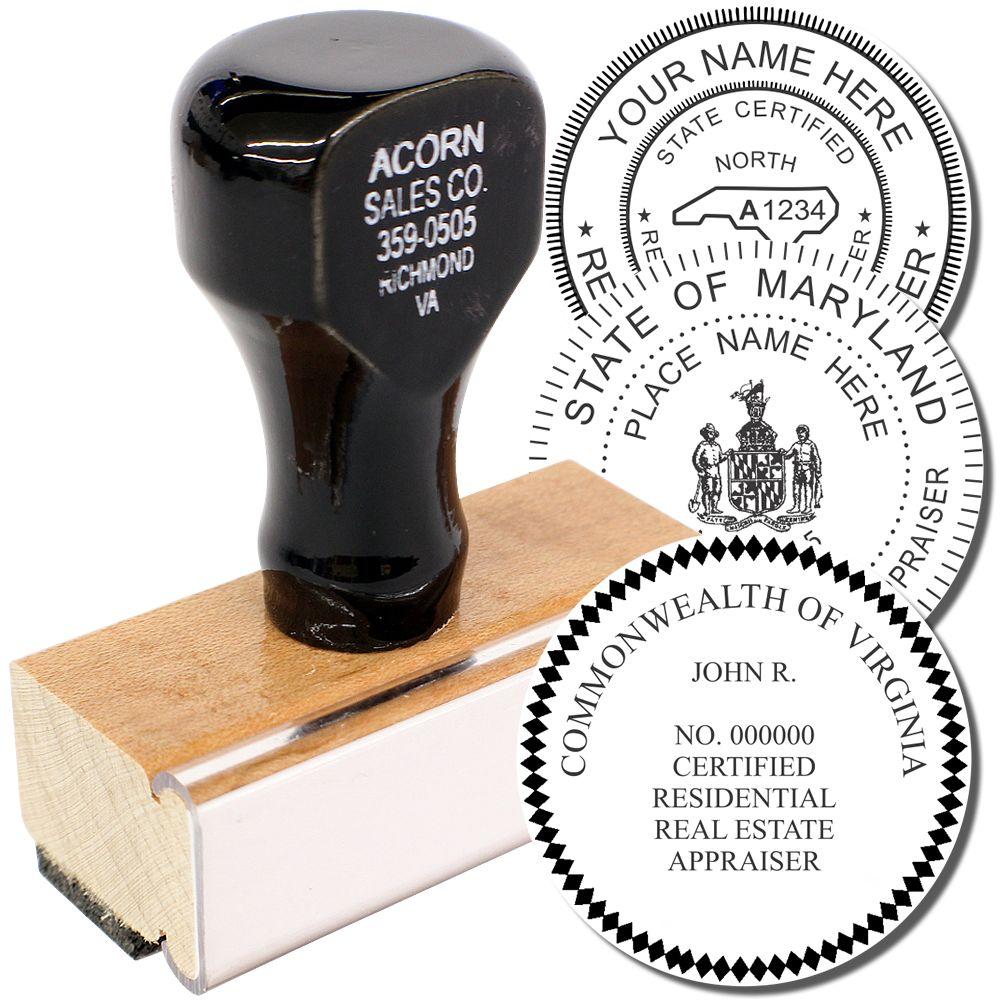
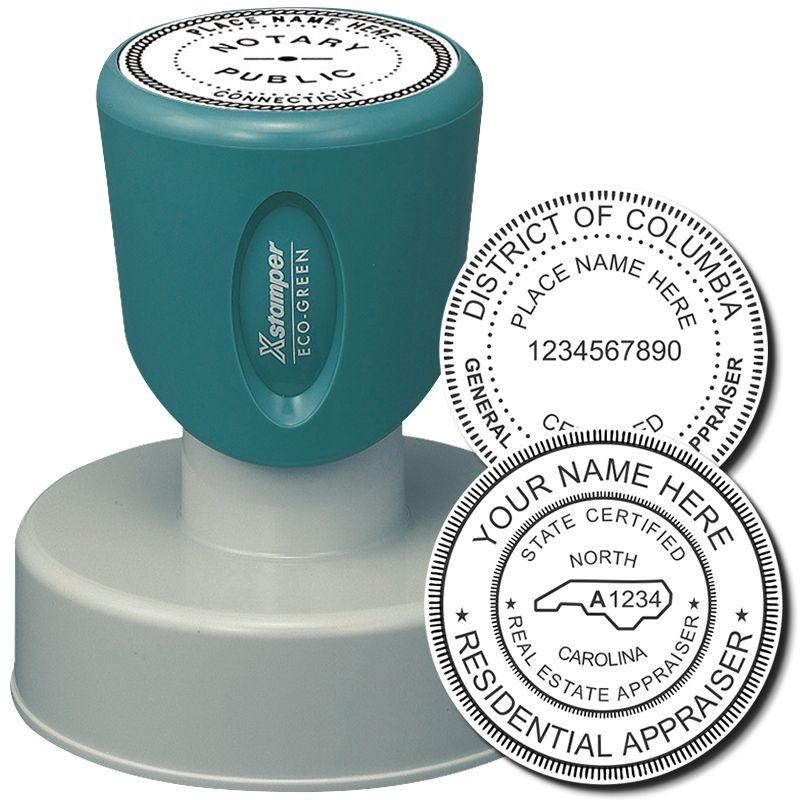
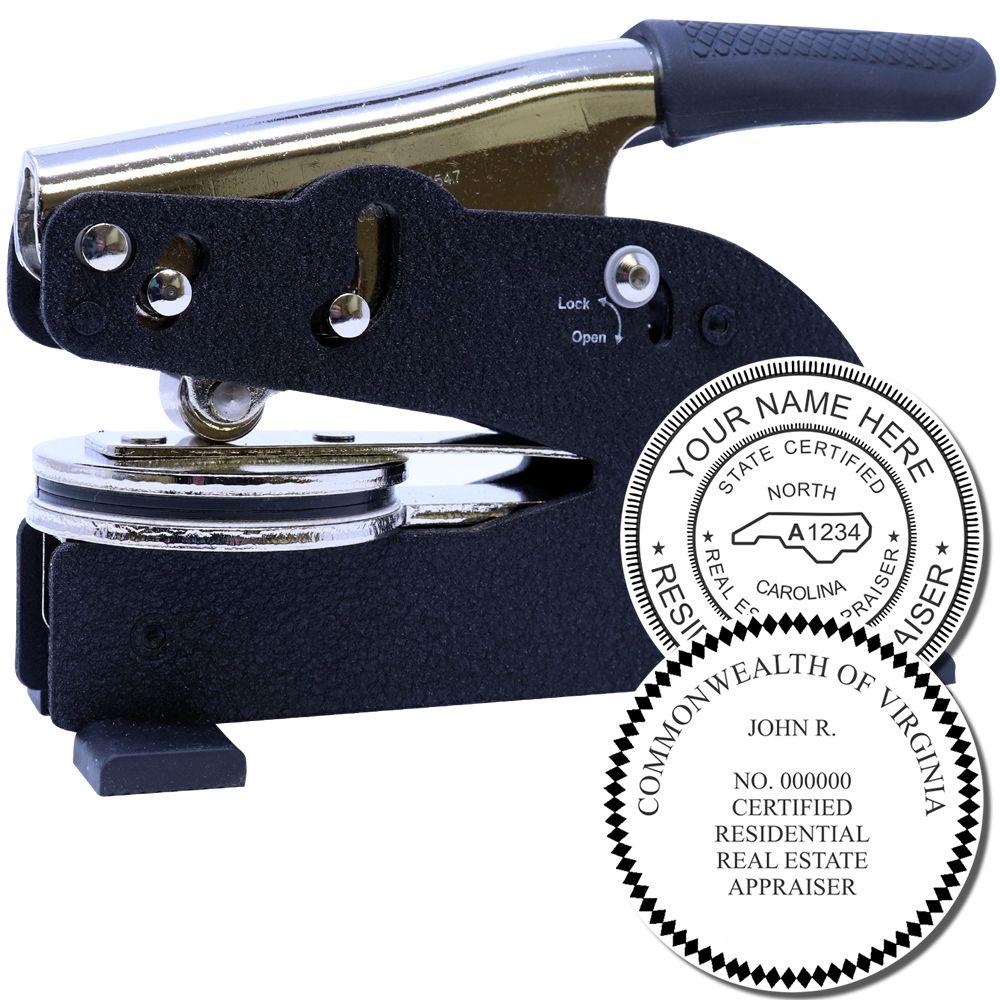
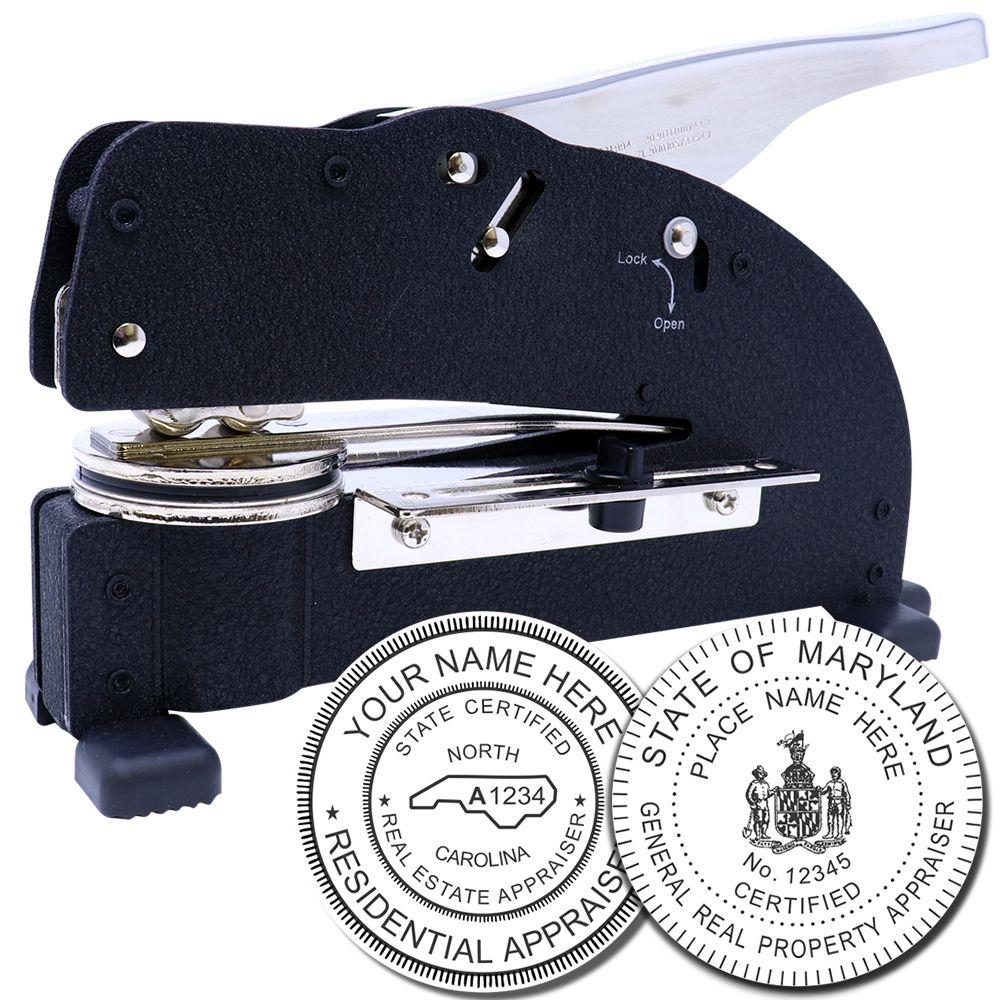
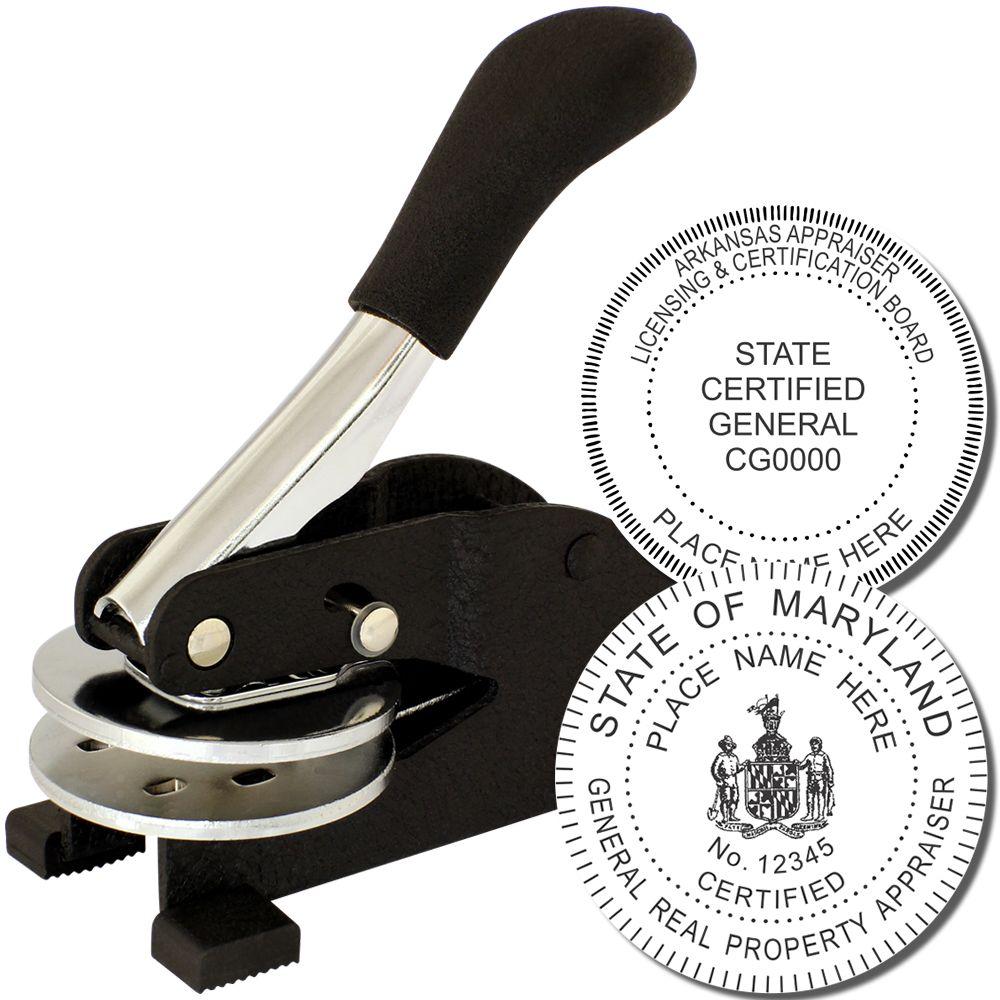
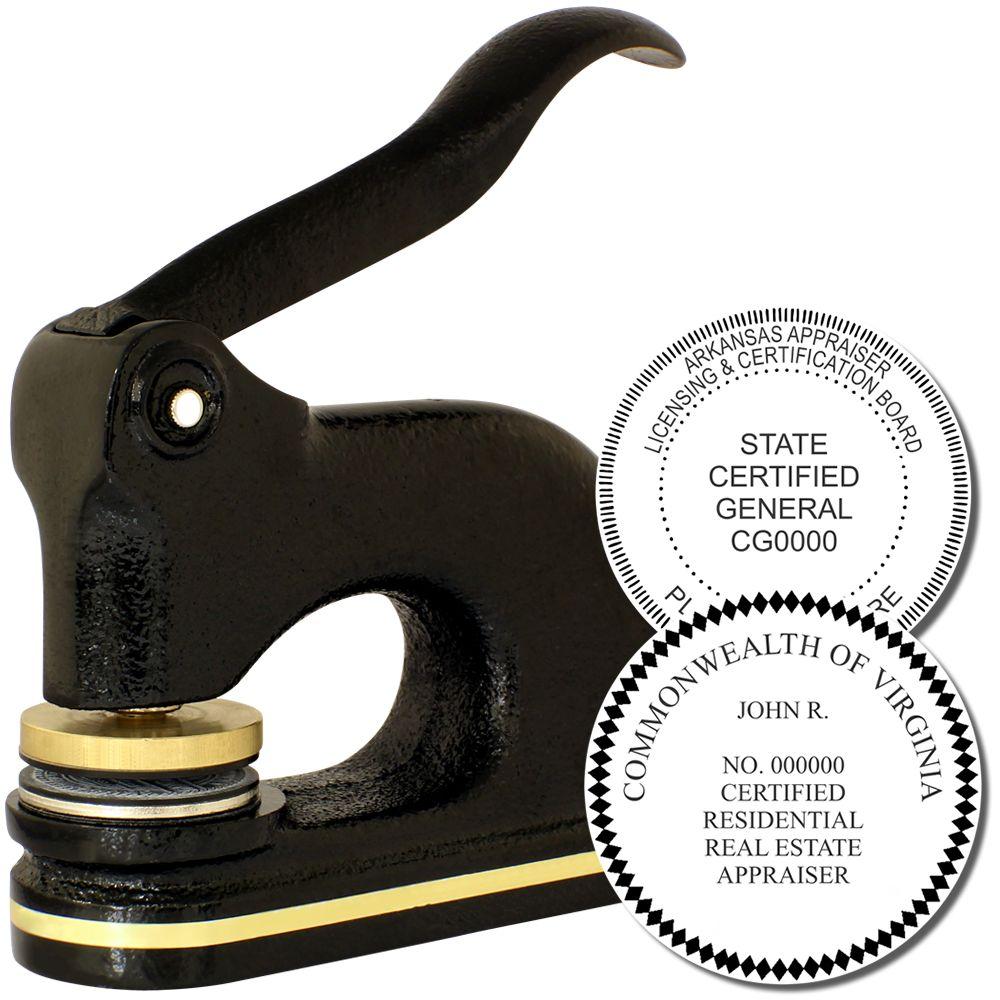
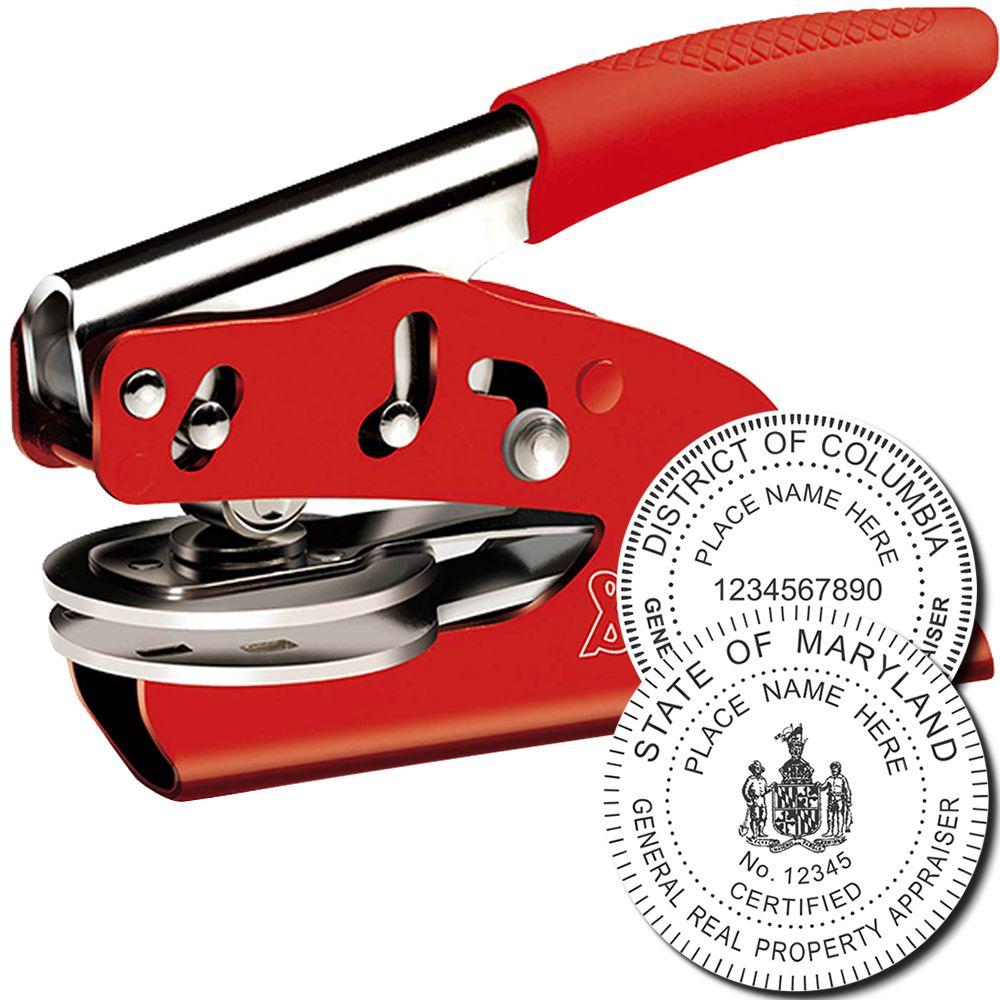
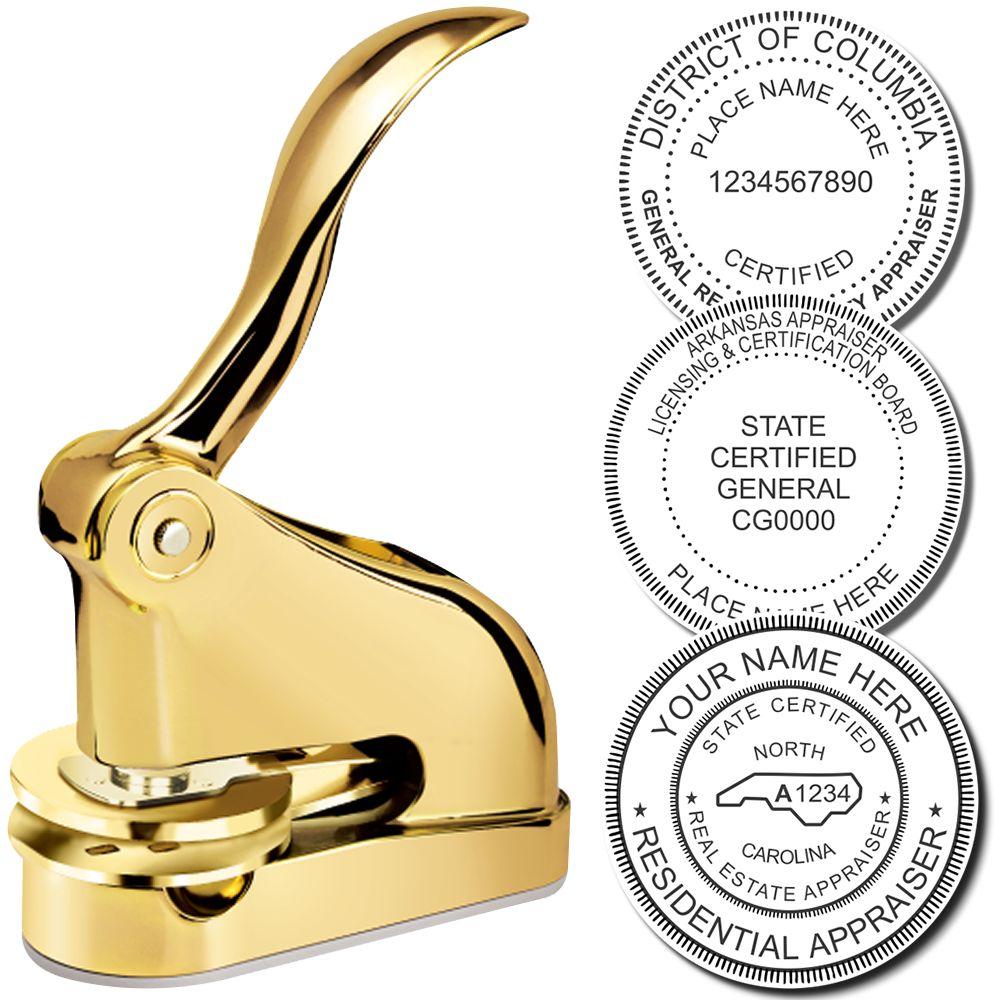
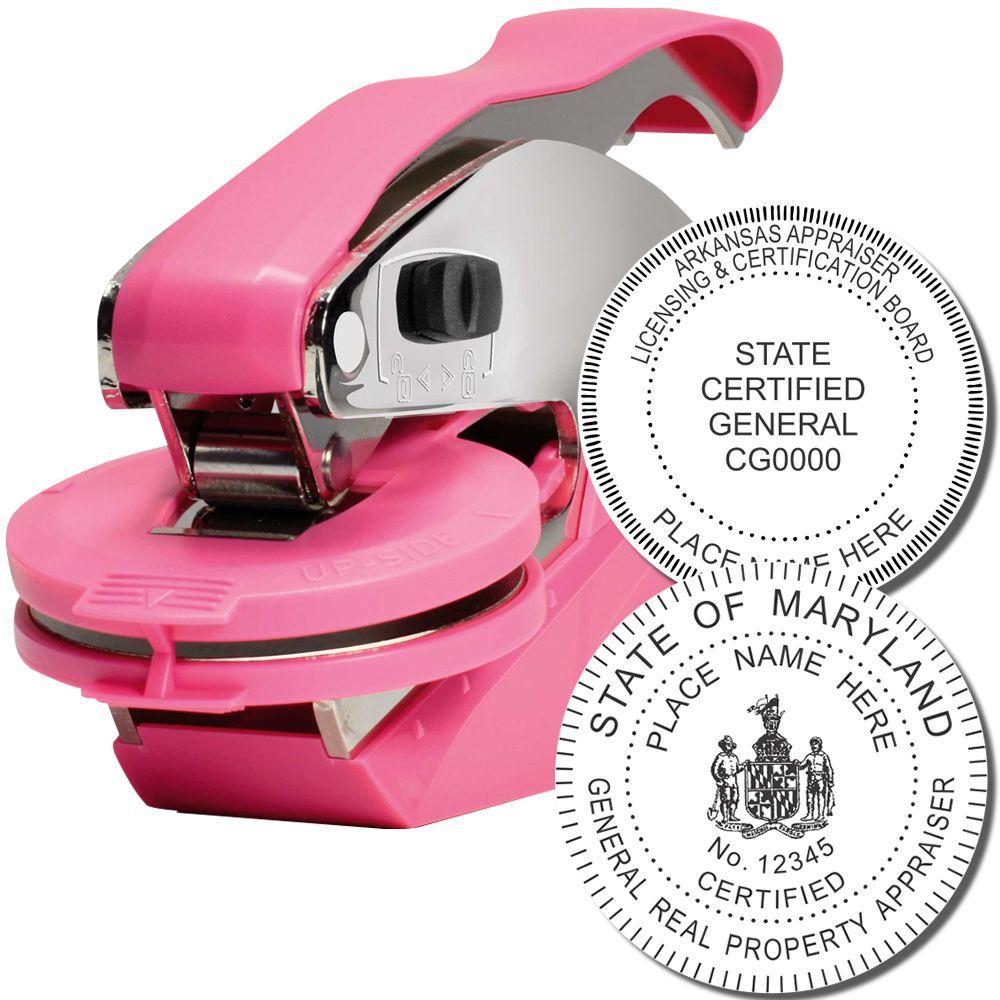
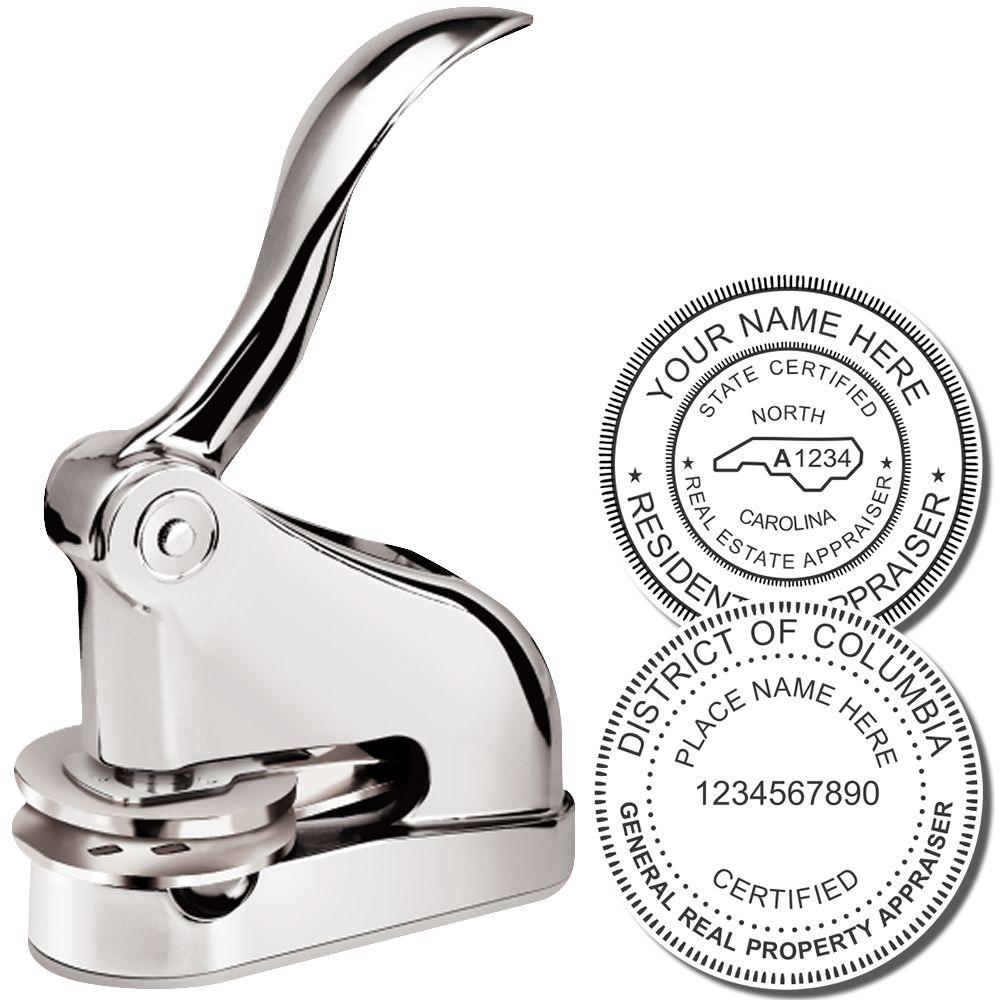
Maine names no instrument, so the choice is about how the certification is delivered. An ink stamp reproduces cleanly in a scan and in a photocopy, which is what a certification page usually becomes: the Regular Rubber Stamp of Seal is $34.95 and uses a separate pad, the Self Inking Rubber Stamp of Seal is $39.95, the Slim and MaxLight pre inked models are $46.95 each and the Xstamper is $64.95. An embosser raises the paper and reads as a credential object in the hand; the Hybrid Seal Embosser is $42.95, the Soft Seal and Desk Seal Embossers are $44.95 each and the Handheld Seal Embosser is $46.95. A raised impression scans faintly, so appraisers delivering PDFs often add the eSeal Electronic Image Stamp of Seal at $20.00, which is an image file rather than a tool and carries no separate Maine authority.




Sizing and layout
No size is prescribed. Maine fixes no diameter and no shape, so the die is cut to fit the wording, and Maine wording is short. That is an advantage worth keeping: with three lines rather than five, the type sets larger at the same diameter and the prefixed number survives a photocopy of a scan. Because the block presses once per report on a known page, reach on an embosser and impression volume on a stamp are both minor considerations for a solo fee appraiser. Send the wording line by line with the order, with the prefix and the digits exactly as they appear on the credential, since there is no state specification for us to work from.
What is not settled
One limit worth stating plainly. The verbatim text of chapter 240 could not be re-fetched from an official host in this pass: the Secretary of State file paths tried for 298c240 returned 404, and the board pages on the Department of Professional and Financial Regulation site returned 404 as well. The quotation above therefore rests on the board’s own posted PDF as read in an earlier pass. That does not put the seal answer at risk, because the negative is settled independently by the full text scan of 32 M.R.S. ch. 124, which returns no occurrence of seal or stamp, and by the official five chapter inventory, which shows no seal chapter. If your engagement turns on the exact wording of the prefix rule, get the current chapter 240 from the board.
Ordering and care
Send the license number with its two letter prefix exactly as printed on your credential, your name as you sign it, and the license type if you want it on the die. There is no board diagram to match, so the wording you supply is the specification. Embossers want the sliding lock engaged when idle and the jaws kept clear of grit so die and counter die meet cleanly. A pre inked model with a dust cover should keep it on between uses. Dies are cut to the wording supplied and are not refitted afterwards, so moving to a different license type, and therefore a different prefix, means new artwork. This page is a research summary and not legal advice. Browse real estate appraiser stamps and seals, or contact us with your wording.
- Real Estate Appraiser Stamps and Seals
- Real estate appraiser stamps and seals
- Massachusetts Appraiser Seal: Board Approved Wording
- Louisiana Appraiser Seal: Classification and Number
Frequently asked questions
Does Maine require an appraiser to seal a report?
No. A full text scan of 32 M.R.S. ch. 124 returns no occurrence of seal or stamp, and none of the five in-force chapters of 02-298 C.M.R. contains a seal provision. The Maine duty is a signature and a prefixed license number on the appraisal certification.
What is the two letter prefix?
It is the part of your license number that identifies the type of license you hold, and chapter 240 defines the number to include it: “The license number shall include the two (2) letter prefix identifying the type of license held.” Print it with the digits, exactly as it appears on your credential.
Where do the signature and number go?
On the certification of any appraisal performed in Maine. Chapter 240, section 2 fixes the position, so the cover page and the letter of transmittal are not where the rule looks.
Does the rule apply to out of state assignments?
It is written for appraisals performed in this State. Chapter 240, section 2 attaches the duty to any appraisal performed in Maine, so work performed elsewhere is governed by that jurisdiction’s own rule rather than by this one.
Do I need an expiration date on my Maine appraiser stamp?
No. Chapter 240 prescribes the signature and the prefixed number and nothing else. A date is the one element that would make the die wrong at your next renewal, so leave it off.
Is an electronic appraiser seal recognized in Maine?
Nothing in 32 M.R.S. ch. 124 or chapter 240 addresses an electronic seal or a digital signature, so there is no Maine standard to meet. Chapter 240 asks for the signature and number to be displayed and names no instrument, so an image in a PDF and a pressed die satisfy the wording equally.
My trainee did not sign the report. Does the trainee still get named?
Chapter 230 says a trainee must be identified in the appraisal certification and scope of work for reports the trainee did not sign in order to be eligible for experience credit. That is an identification duty on the certification, and it is separate from the signature and number rule.
I found a Maine rule with agency number 02-039. Does it apply to me?
No. Agency 02-039 is the Real Estate Commission, which regulates brokerage. The Board of Real Estate Appraisers is agency 02-298, and its in-force chapters are 150, 220, 230, 240 and 250.








