
Written by Acorn Sales Company, manufacturing stamps and seals since 1964 · Reviewed by Holly R, VP of Sales and Marketing at Acorn Sales, against Board of Registration of Real Estate Appraisers, Division of Occupational Licensure, Office of Consumer Affairs and Business Regulation on 22 September 2026 · Updated 25 September 2026
Massachusetts requires no appraiser seal, and it is the one state in this region that writes out the acceptable wordings and then goes on to regulate a signature stamp by name. 264 CMR 6.02(1) provides that every holder of a license or certificate issued by the Board, including persons holding temporary and trainee licenses, “shall place his/her certificate or license number adjacent to or immediately below the title of the license held by the individual when used in an appraisal report, a contract or other appraisal instrument”. The statutory hook is M.G.L. c. 112, s. 186. The word “seal” appears nowhere in 264 CMR 6.00 or in 264 CMR 11.00, the two chapters where a seal rule would sit.
What that gives a Massachusetts appraiser is an unusually complete specification for a die without a seal rule in sight. The title of the license goes on one line, in one of the formats the Board approves at 264 CMR 6.02(1)(a) to (e), and the number goes adjacent to it or directly beneath it. Then 264 CMR 6.02(3) tells you how to look after the device if the thing it prints is a signature: the rule contemplates “any signature of any media such as a signature stamp” and puts a custody duty on it. Permitted and regulated, not required and not prescribed as to form.
Massachusetts real estate appraiser seal requirements at a glance
| Requirement | Massachusetts rule | Source |
|---|---|---|
| Seal required | No. The word “seal” does not appear anywhere in 264 CMR 6.00 (Practice of Real Estate Appraisal) or 264 CMR 11.00 (Standards of Practice and Ethics). | 264 CMR 6.00; 264 CMR 11.00 |
| Required elements | The title of the license held, in one of the Board approved formats, and the certificate or license number placed adjacent to or immediately below that title. The approved formats carry Massachusetts or MA, and “State” may be used in place of either. | 264 CMR 6.02(1)(a) to (e) and 264 CMR 6.02(2) |
| Size and shape | None prescribed. The only layout rule anywhere in the chapter is positional: the number sits “adjacent to or immediately below the title of the license held”. | 264 CMR 6.02(1) |
| Device allowed | A signature stamp is expressly contemplated and regulated as to custody. 264 CMR 6.02(3)(b) requires an appraiser to take reasonable steps to prevent unauthorized access to an electronic or digitized signature “or any signature of any media such as a signature stamp”. It permits the device and imposes a duty; it does not require one and prescribes no form. | 264 CMR 6.02(3)(b) |
| Signature and date | Signatures are governed in detail. An electronic or digitized signature must be protected by a personal identification number or other mechanism ensuring its use is always under the personal and sole control of the appraiser, and no appraiser may affix another appraiser’s signature without specific authorization. No date element is prescribed by the rule. | 264 CMR 6.02(3) |
| What must be sealed | Nothing is sealed. What must carry the title and the number is an appraisal report, a contract or other appraisal instrument. | 264 CMR 6.02(1) |
| Electronic seal | No electronic seal exists, but electronic and digitized signatures are addressed directly: where a signature is provided in an electronic, digitized or other media format on an appraisal report, it is presumed to have been affixed by the signing appraiser. | 264 CMR 6.02(3) |
| Renewal and lapse | No expiry date is among the prescribed elements, so a die carrying your title and number stays accurate through renewal. Moving to a different credential changes the title line and its approved abbreviation, which means new artwork. | 264 CMR 6.02(1) |
| Firm requirements | No firm seal exists. 264 CMR 6.03 governs the use of titles in firm advertising, which is a wording rule for the firm rather than a device. | 264 CMR 6.03 |
| Regulator | Board of Registration of Real Estate Appraisers, Division of Occupational Licensure, within the Office of Consumer Affairs and Business Regulation | M.G.L. c. 112, ss. 173 to 195; regulations at 264 CMR |





What the Massachusetts rule actually says
264 CMR 6.02(1) reaches every holder of a license or certificate issued by the Board, and says so expressly, including persons holding temporary and trainee licenses. Each of them shall place the certificate or license number “adjacent to or immediately below the title of the license held by the individual when used in an appraisal report, a contract or other appraisal instrument”. Its statutory basis is M.G.L. c. 112, s. 186, which provides that each certificate or license shall bear a certificate or license number assigned by the board and that the number be displayed adjacent to or immediately below the title when used in appraisal reports. Two elements, one fixed relationship between them, and three kinds of document.
The approved wordings are written out
This is where Massachusetts differs from almost every other state, which tells you to use your credential title and leaves you to guess how to abbreviate it. 264 CMR 6.02(1)(a) to (e) set out approved formats, and the examples run in the shape of “Massachusetts Certified General Real Estate Appraisal #________” and the abbreviated “MA C.G.R.E. Appraiser #________”. 264 CMR 6.02(2) then adds that “State” may be used in place of “Massachusetts” or “MA”. For someone ordering a die that is close to a finished layout: pick the format that matches the credential you hold, decide between the full jurisdiction word, the two letter form and State, and leave a run of underscores or a blank for the number if the number is not set into the die itself.
Where the number sits, and why it is not a style question
The position is prescribed. The number goes adjacent to or immediately below the title of the license held, which rules out a layout most appraisers try at some point: title on the certification page, number down in a footer or off in the addenda. A die is the tidy answer because it locks the relationship. Set the title line, set the number directly under it, and the positional rule is satisfied every time the block presses, on the report, on a contract and on any other appraisal instrument. There is no separate rule about how large either line is, so legibility is a production judgment rather than a requirement here.
The signature stamp provision, read carefully
264 CMR 6.02(3)(b) is the only place in the chapter where the word stamp appears, and it is worth reading exactly. It requires an appraiser to take reasonable steps to prevent unauthorized access to his or her electronic or digitized signature “or any signature of any media such as a signature stamp”. Read as a whole that provision does three things. It acknowledges that a signature stamp exists and may be used. It says nothing about its size, its shape or its wording. And it puts a custody duty on the owner. So a Massachusetts appraiser may use one, and must keep it where nobody else can reach it. What the rule does not do is require one, and a vendor who reads 6.02(3)(b) as a mandate has read a custody duty as a purchase order.
Electronic and digitized signatures
The same subsection covers the electronic case in more detail than any other state in this batch. An electronic or digitized signature shall be protected by a personal identification number or other such mechanism that ensures the use of the signature is always under the personal and sole control of the appraiser. Where a signature is provided in an electronic, digitized or other media format on an appraisal report, it shall be presumed to have been affixed by the signing appraiser. That presumption is the practical reason the custody duty has teeth: if your signature appears, the starting assumption is that you put it there. A plain image file of a signature, with no control mechanism around it, sits awkwardly against the personal and sole control language, which is a reason to treat the identification block and the signature as two separate things.




Letting someone else affix your signature
264 CMR 6.02(3) addresses this head on: an appraiser may not affix the signature of another appraiser to any appraisal report or document in connection with an appraisal assignment without specific authorization. Where authorization is given, the rule sets conditions. It must be in writing, it must be specific to the assignment, it is kept in the workfile and it is disclosed in the report, and the appraiser whose signature it is remains responsible. That is the clearest answer in the batch to the question an office administrator eventually asks about the signature die in the drawer: not without written, assignment specific authorization on file and disclosed, and the responsibility stays with the appraiser either way.
Why there is no seal here
Both chapters that could carry one were read in full. 264 CMR 6.00, Practice of Real Estate Appraisal, runs 6.01 Scope of Practice, 6.02 the license identification and signature rules, 6.03 Use of Titles in Firm Advertising and 6.04 Records Retention, with no occurrence of the word seal. 264 CMR 11.00, Standards of Practice and Ethics, is a single section with eight numbered subsections covering USPAP compliance, disclosure, address notification, document maintenance, response deadlines and discipline, and it has no occurrence of seal or stamp at all. The wider chapter inventory for 264 CMR runs 2.00 General Provisions, 3.00 Application, Examination and Registration, 4.00 Renewal and Continuing Education, 5.00 Licensure and Certification Requirements, 6.00, 7.00 Special Classifications, 8.00 Reciprocity, 9.00 Course Approval, 11.00, 12.00 Board Procedures and 13.00 Appraisal Management Companies. No seal chapter exists to have been missed.
Trainees and temporary licensees
264 CMR 6.02(1) names them. The identification duty applies to persons holding temporary and trainee licenses on the same terms as anyone else, which means a trainee working in Massachusetts has a title and a number that belong on the report just as a certified general appraiser does. The die a trainee orders carries the trainee title and the trainee number, in the Board approved format for that credential, and it is replaced on progression rather than amended. Where a supervising appraiser also signs, that appraiser’s own title and number go with that signature, in the same adjacent or immediately below relationship.
Firm advertising is a separate rule
264 CMR 6.03 covers the use of titles in firm advertising, and it is worth separating from the report rule when ordering. The identification duty at 6.02(1) is about an appraisal report, a contract or other appraisal instrument, and it attaches to an individual credential holder. Firm advertising is governed on its own terms. A die cut for the individual block does its job on reports and contracts; firm material is a different question and is not solved by putting the individual block on a company letterhead.





What to engrave, and the device choice
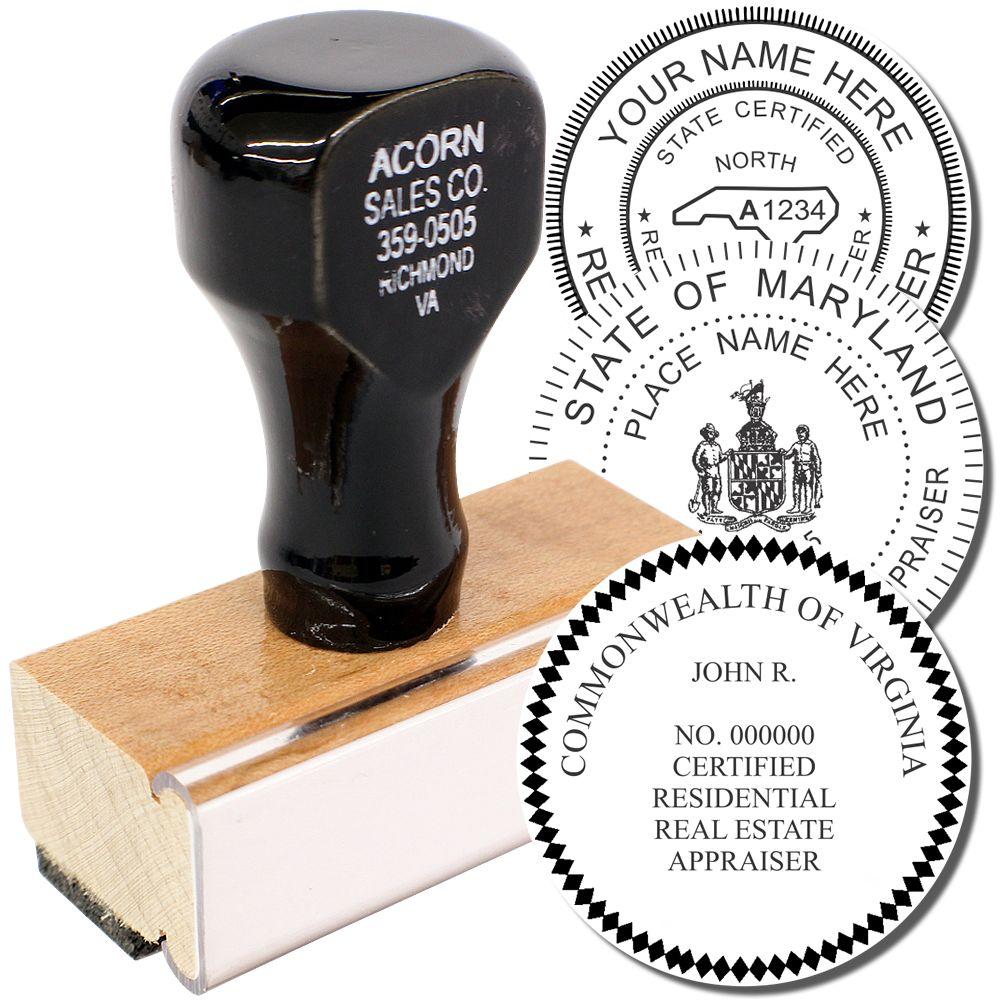
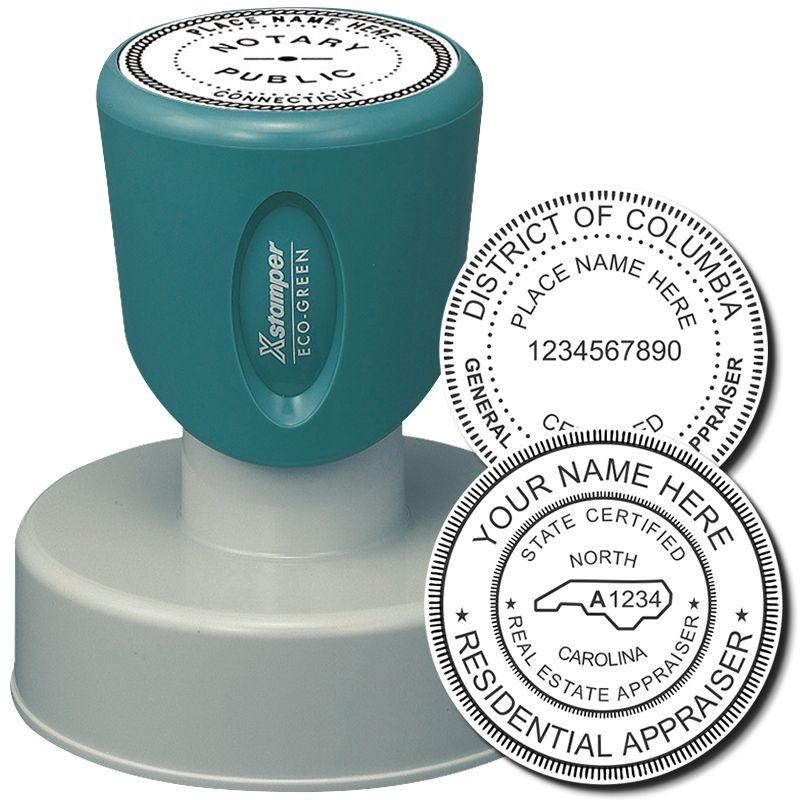
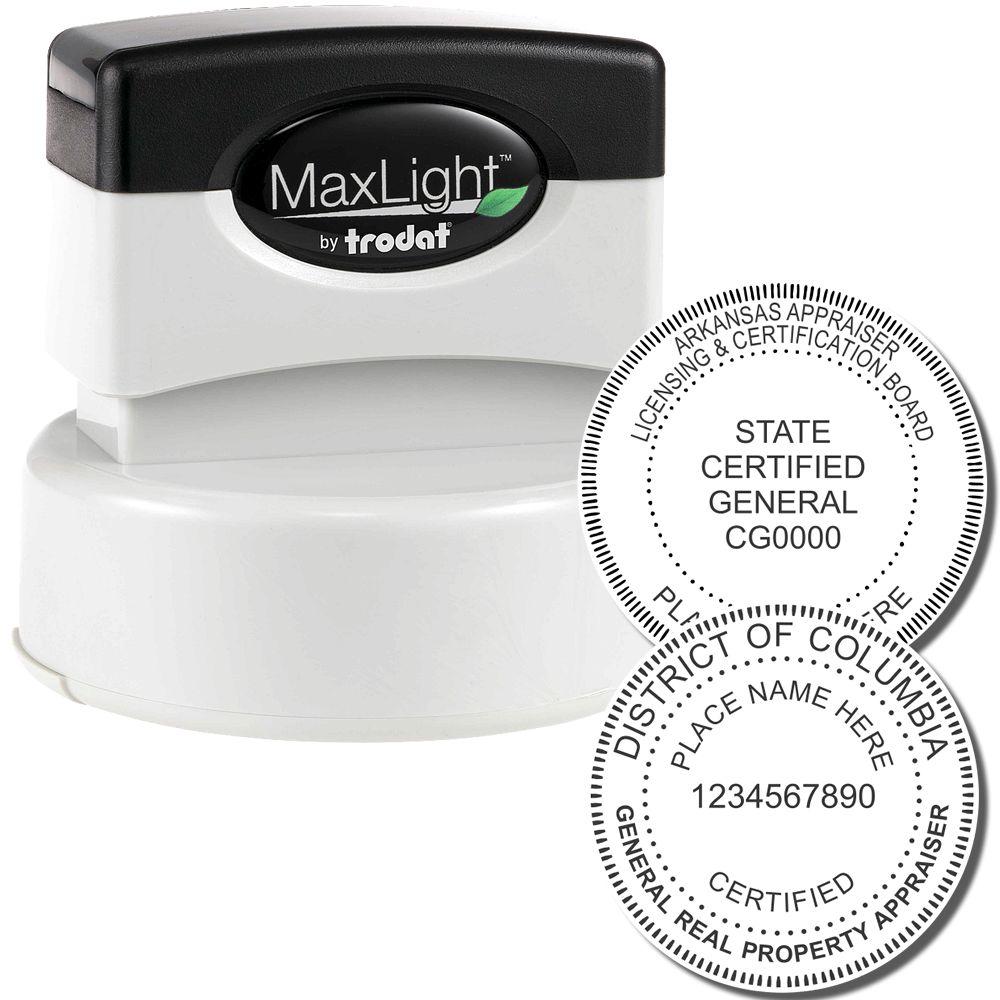
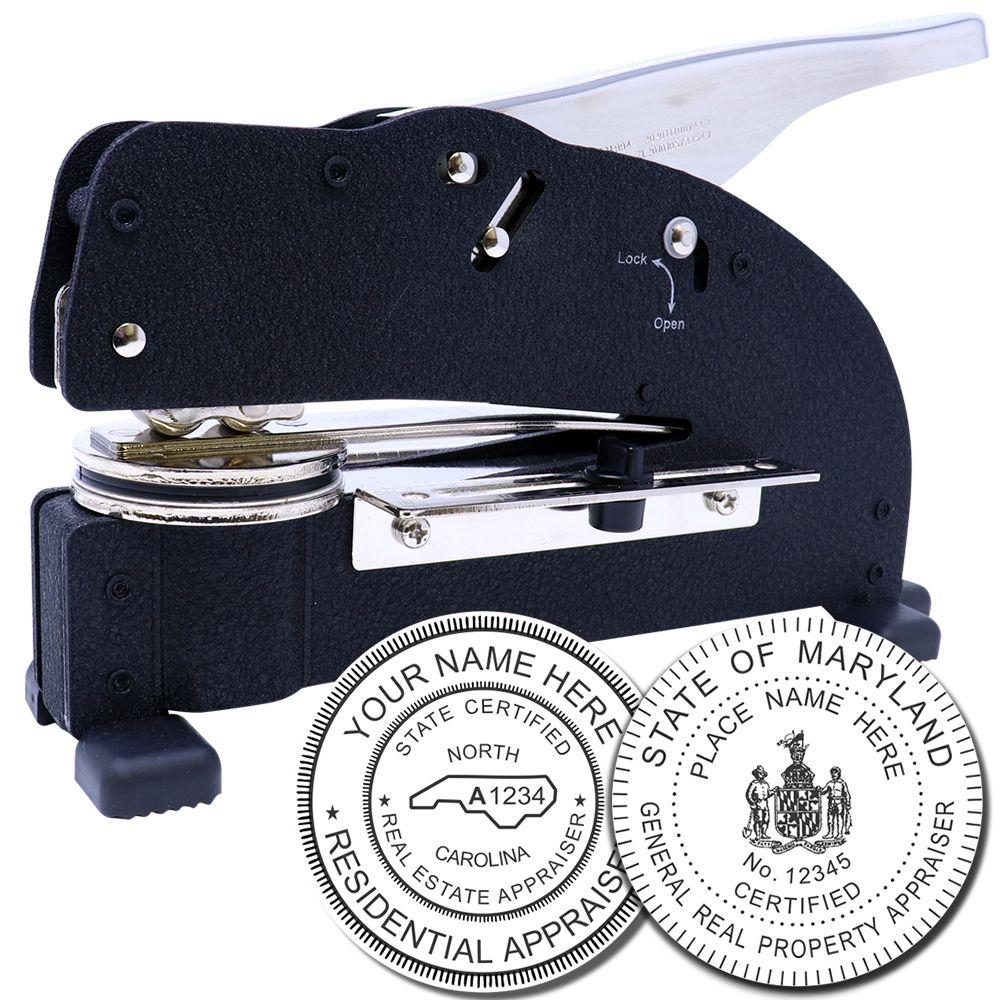
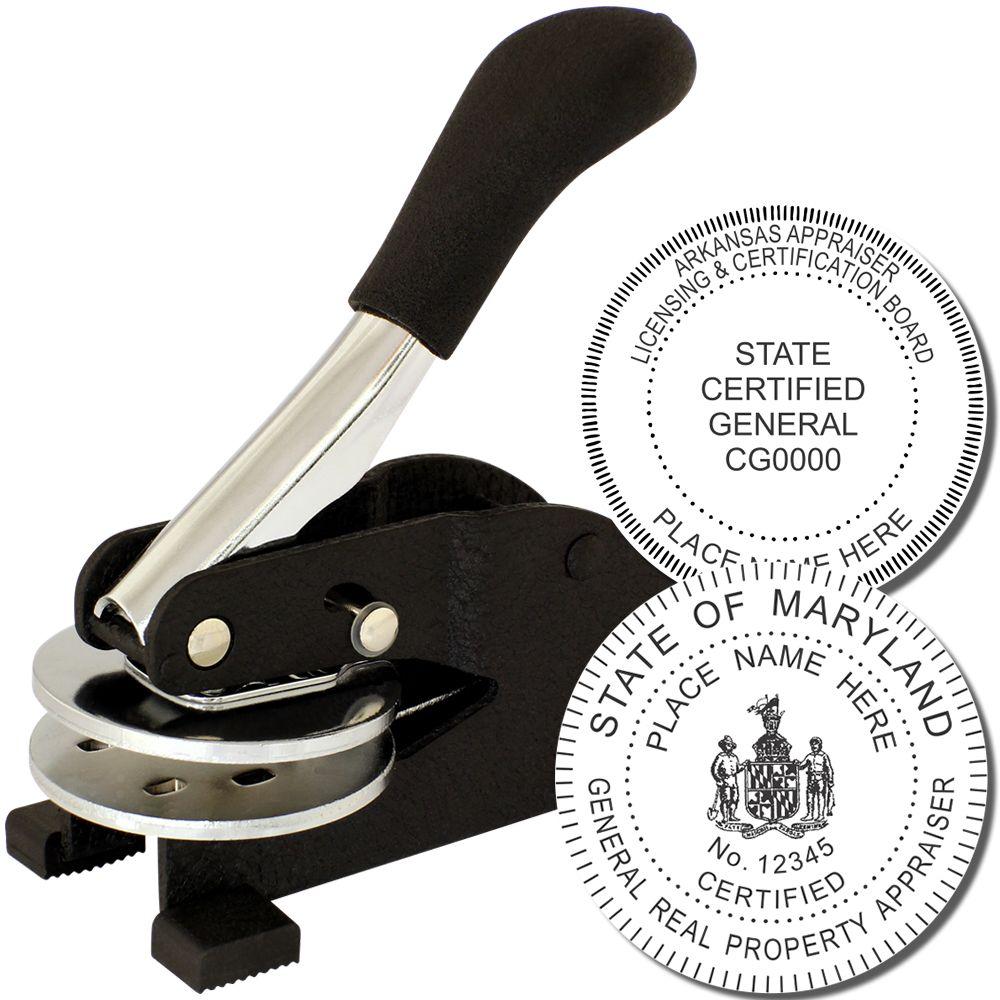
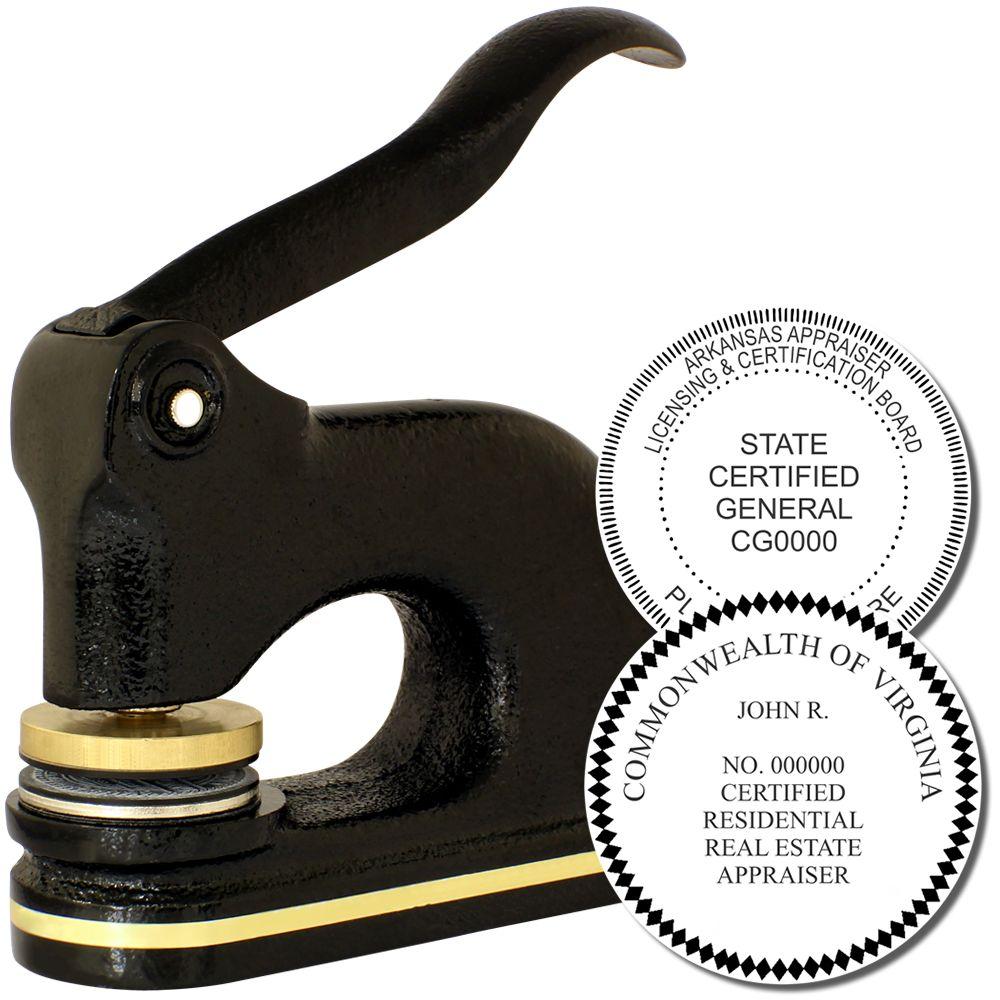
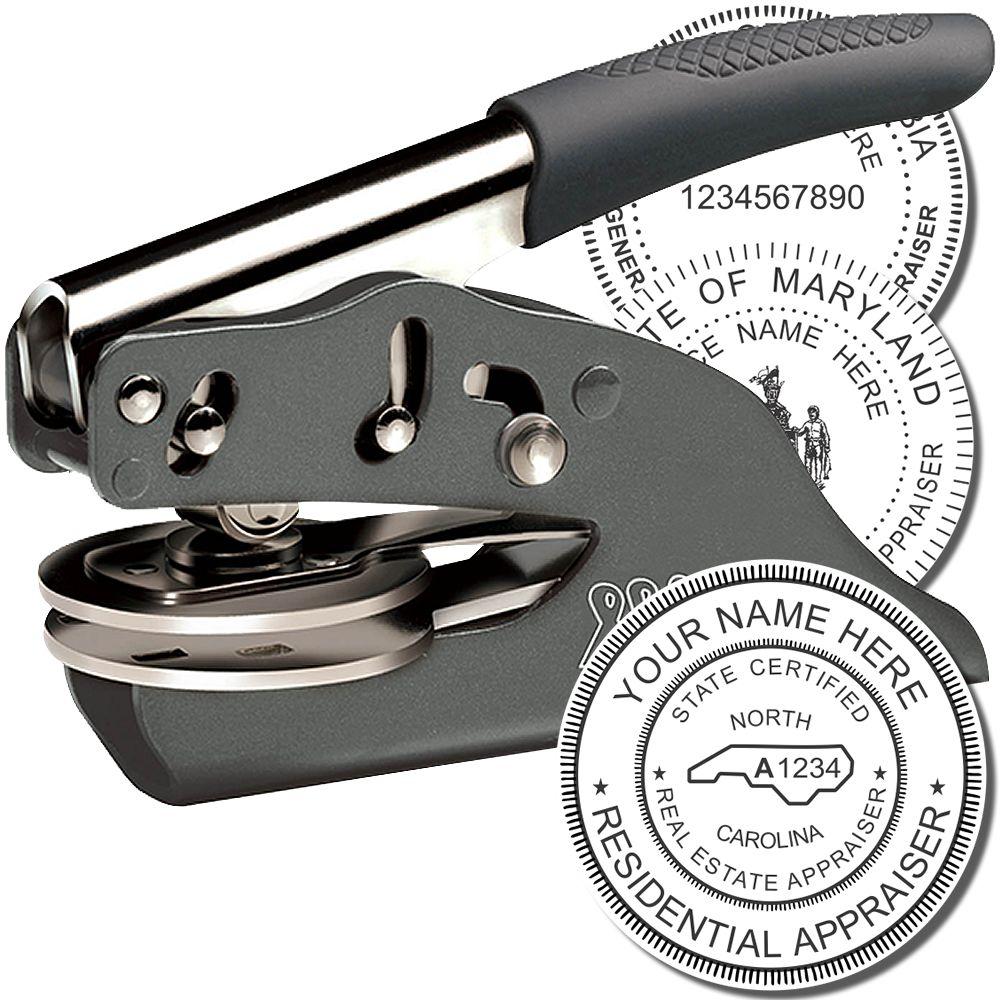
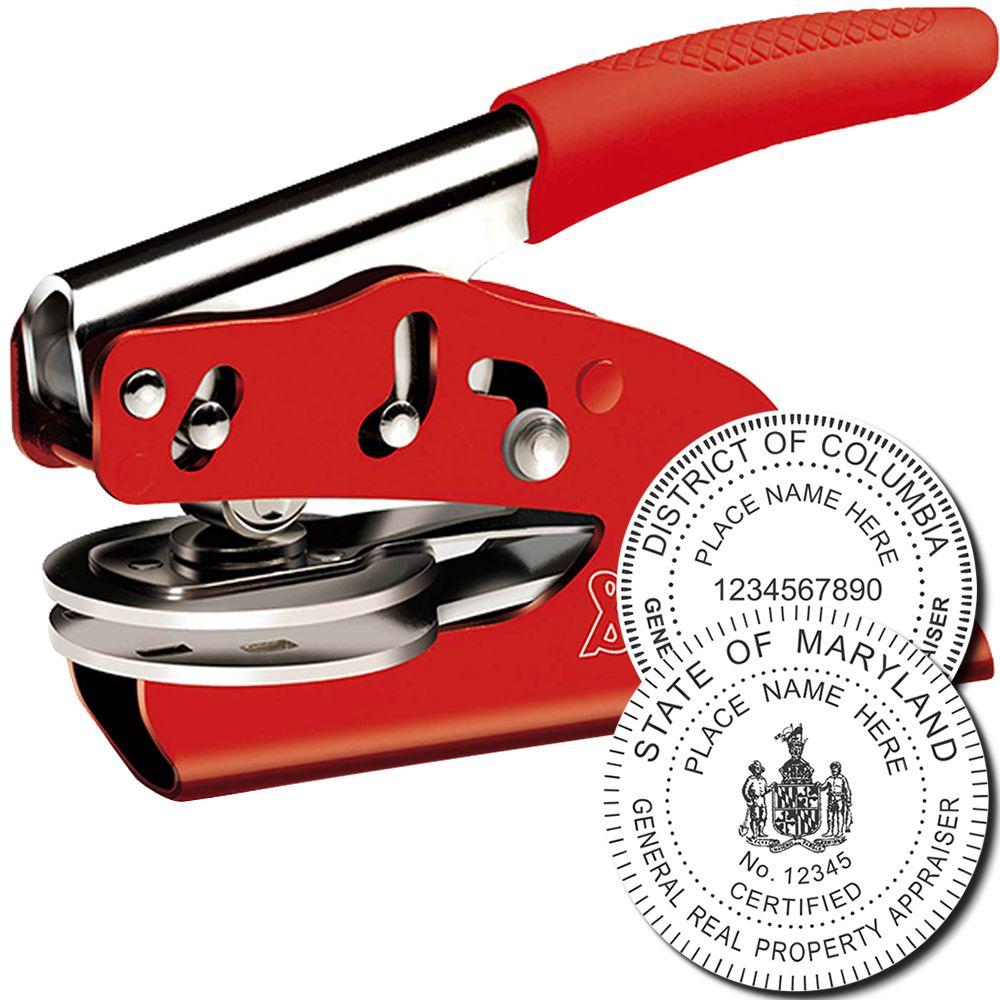
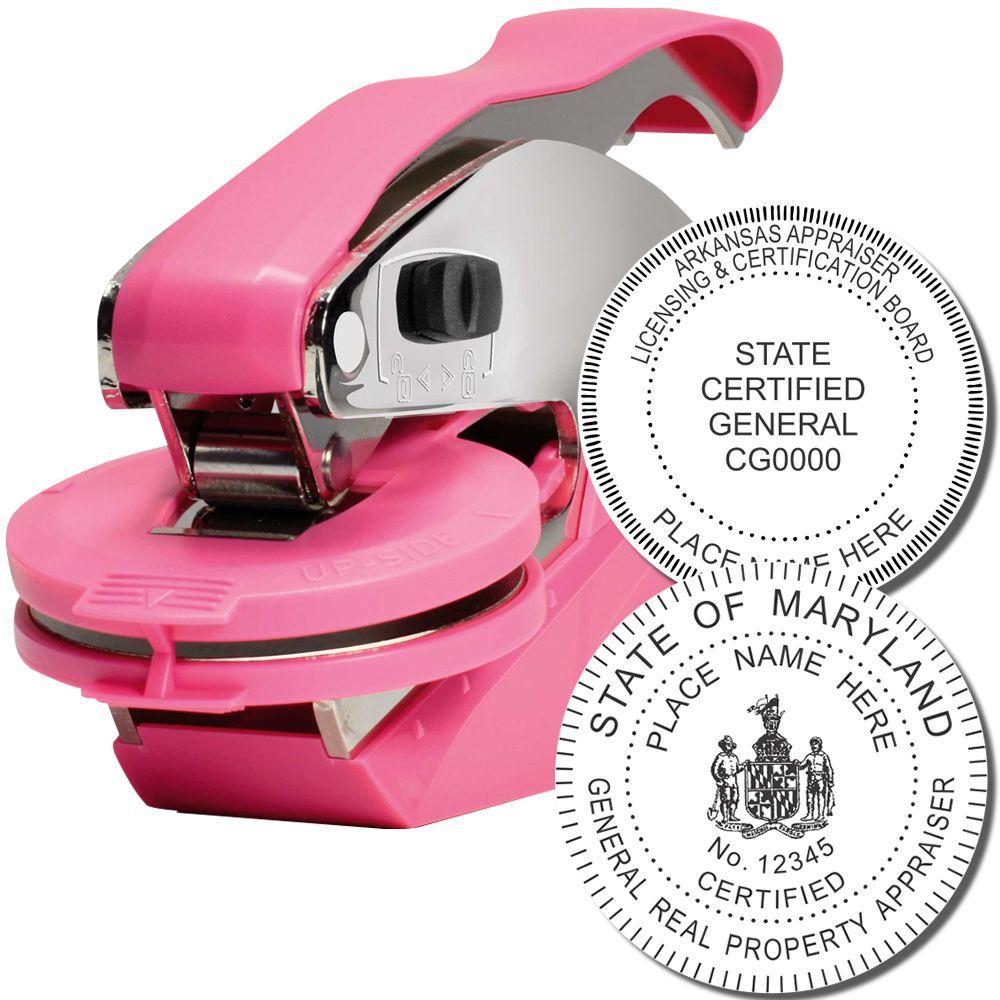
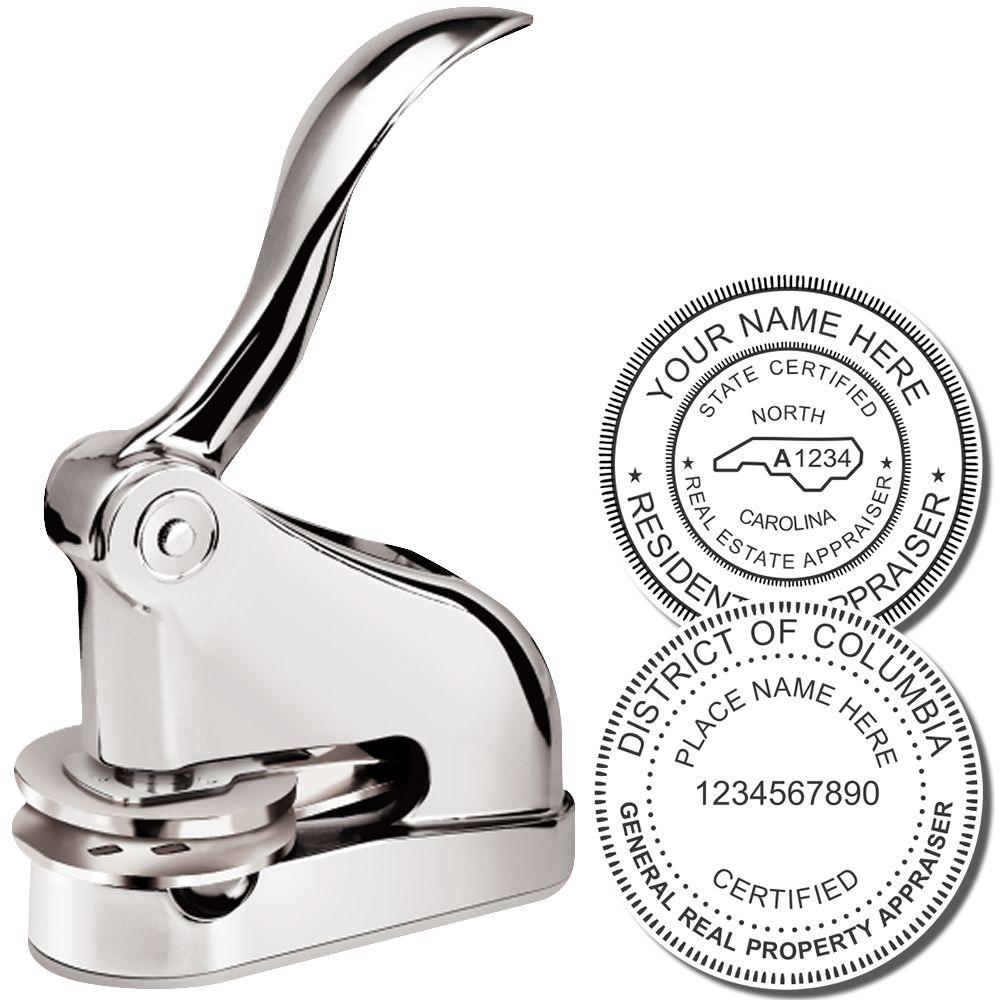
The wording is close to set for you: the approved title format for your credential, with Massachusetts, MA or State as you prefer, and the certificate or license number adjacent or directly beneath. Your name is not a prescribed element and most appraisers add it anyway, above the title line. Leave off an expiration date; no element list asks for one. On the tool, an ink stamp reproduces cleanly in a scan, which is what a certification page usually becomes: the Regular Rubber Stamp of Seal is $34.95 and takes a separate pad, the Self Inking Rubber Stamp of Seal is $39.95, the Slim and MaxLight pre inked models are $46.95 each and the Xstamper is $64.95. An embosser raises the paper and reads as a credential object; the Hybrid Seal Embosser is $42.95, the Soft Seal and Desk Seal Embossers are $44.95 each and the Handheld Seal Embosser is $46.95. The eSeal Electronic Image Stamp of Seal is $20.00 and is an image file rather than a tool.
Sizing and layout
No size is prescribed. Massachusetts fixes no diameter and no shape, only the relationship between the title and the number, so the die is cut to fit the wording. The choice that changes the layout most is the abbreviation. A full format line in the shape of Massachusetts Certified General Real Estate Appraisal runs long enough to want its own line and to set the rest of the block smaller at the same diameter; the abbreviated form in the shape of MA C.G.R.E. Appraiser is short enough to sit on one line with room for a name above it. Pick the format first, then the size, and send the wording line by line with the order so the positional relationship survives into the artwork.
Ordering and care
Send the approved format you have chosen, spelled exactly, your certificate or license number, and your name if you want it on the die. There is no Board diagram to match, so the format and the wording you supply are the specification. If the device prints a signature rather than the identification block, 264 CMR 6.02(3)(b) makes its custody your duty, so keep it locked away rather than in a shared drawer. Embossers want the sliding lock engaged when idle and the jaws clear of grit so die and counter die meet cleanly. A pre inked model with a dust cover keeps it on between uses. Dies are cut to the wording supplied and are not refitted afterwards, so a change of credential means new artwork. This page is a research summary and not legal advice. Browse real estate appraiser stamps and seals, or contact us with your wording.
- Real Estate Appraiser Stamps and Seals
- Real estate appraiser stamps and seals
- Maine Appraiser Seal: Signature and Prefixed Number
- Maryland Appraiser Seal: Classification and Number
Frequently asked questions
Does Massachusetts require an appraiser to seal a report?
No. The word seal does not appear anywhere in 264 CMR 6.00 or 264 CMR 11.00, the practice chapter and the standards chapter. What is required is the title of the license held and the certificate or license number adjacent to or immediately below it.
Can I use a signature stamp in Massachusetts?
Yes, and the rules say so by name. 264 CMR 6.02(3)(b) requires an appraiser to take reasonable steps to prevent unauthorized access to an electronic or digitized signature or any signature of any media such as a signature stamp. It permits the device and makes its custody your duty; it does not require one and prescribes no form.
What wording does the Board approve?
264 CMR 6.02(1)(a) to (e) set out approved formats, running in the shape of Massachusetts Certified General Real Estate Appraisal # and the abbreviated MA C.G.R.E. Appraiser #. Under 264 CMR 6.02(2), State may be used in place of Massachusetts or MA.
Where exactly does the number go?
Adjacent to or immediately below the title of the license held. That positional relationship is the one layout rule in the chapter, and it is why setting both lines in a single die is the simplest way to get it right on every report.
Can my assistant sign a report for me?
Not without specific authorization. 264 CMR 6.02(3) bars affixing another appraiser’s signature without it, and where it is given it must be in writing, specific to the assignment, kept in the workfile and disclosed in the report, with the appraiser whose signature it is remaining responsible.
What protects an electronic signature here?
A personal identification number or other such mechanism that ensures the use of the signature is always under the personal and sole control of the appraiser. A signature provided in electronic, digitized or other media format on an appraisal report is presumed to have been affixed by the signing appraiser.
Do trainees need the block too?
Yes. 264 CMR 6.02(1) applies to every holder of a license or certificate issued by the Board, including persons holding temporary and trainee licenses, so the trainee title and trainee number go on the report in the same relationship.
Should I put an expiration date on my Massachusetts appraiser stamp?
No. The prescribed elements are the title and the number, and nothing asks for a date. Adding one only guarantees the die falls out of step at renewal, while the title and number stay accurate.








