
Written by Acorn Sales Company, manufacturing stamps and seals since 1964 · Reviewed by Holly R, VP of Sales and Marketing at Acorn Sales, against Real Estate Division, Nevada Department of Business and Industry, with the Commission of Appraisers of Real Estate on 22 September 2026 · Updated 25 September 2026
Nevada prescribes nothing at all for the face of an appraisal report: no seal, no stamp, and no rule putting your license or certificate number there either. The word stamp does not occur anywhere in Nev. Rev. Stat. ch. 645C. The word seal occurs exactly twice, and both times it is the Commission’s own seal rather than yours. That sets Nevada apart from Minnesota, Missouri, Montana and Nebraska, each of which prescribes no seal but does tell the appraiser where the credential number goes. Nevada has no such provision. Report certification and signature come from USPAP, adopted by reference at NAC 645C.400.
There is one qualification worth reading before you decide what goes on a device. NAC 645C.415 governs advertising, not reports, and it requires a licensee who offers services to disclose the licensed name, the business name, the type of license or certificate held and the license or certificate number. It also defines advertisement broadly enough to take in business documents used in real estate appraisals. Whether an appraisal report is one of those documents is not answered in the rule’s own terms. It may reach a report. It does not say that it does, and this page does not claim otherwise.
Nevada real estate appraiser seal requirements at a glance
| Requirement | Nevada rule | Source |
|---|---|---|
| Seal required | No. Stamp does not occur in NRS ch. 645C at all, and both occurrences of seal are the Commission’s own seal | Nev. Rev. Stat. 645C.210(1)(a) and 645C.390(1)(b) |
| Required elements | None prescribed for the face of a report. NAC 645C.415 does require a licensee who offers services to disclose the licensed name, business name, type of license or certificate and license or certificate number in an advertisement | Nev. Admin. Code 645C.415 |
| Size and shape | Not prescribed for any device. The word size in NRS 645C.390 refers to the certificate, license or registration card the Division issues, not to a seal | Nev. Rev. Stat. 645C.390 |
| Device allowed | Not restricted. Nevada names no instrument and no medium for anything an appraiser applies to a report | Nev. Rev. Stat. ch. 645C |
| Signature and date | Not prescribed by Nevada. NAC 645C.400 adopts the most recent edition of USPAP by reference, and the signed certification sits there | Nev. Admin. Code 645C.400 |
| What must be sealed | Nothing. No provision of NRS ch. 645C or NAC ch. 645C requires an appraiser to affix a seal or stamp to an appraisal report | Nev. Rev. Stat. ch. 645C; Nev. Admin. Code ch. 645C, Standards of Practice |
| Electronic seal | Not addressed. No provision on an electronic seal or a digital signature on a transmitted report was found in the statute or in the Standards of Practice sections | Nev. Admin. Code 645C.400; Nev. Rev. Stat. ch. 645C |
| Renewal and lapse | No expiry date is required on the report, because nothing is required on the report. A Nevada die goes stale only when its own wording stops being accurate | Nev. Rev. Stat. ch. 645C |
| Firm requirements | No firm seal. A separate section, NAC 645C.418, governs advertising by an appraisal management company, apart from the appraiser advertising rule at 645C.415 | Nev. Admin. Code 645C.418 and 645C.415 |
| Regulator | Real Estate Division, Nevada Department of Business and Industry, with the Commission of Appraisers of Real Estate | Nev. Rev. Stat. ch. 645C; rules at Nev. Admin. Code ch. 645C |




Does Nevada require an appraiser to seal a report?
No. The full chapter text of Nev. Rev. Stat. ch. 645C was searched on the Nevada Legislature’s own host for both words. Stamp does not occur anywhere in the chapter. Seal occurs twice, and neither occurrence belongs to an appraiser. All seven Standards of Practice sections of Nev. Admin. Code ch. 645C were then examined, four of them read in full, and none mentions a seal or a stamp. The chapter’s sections are the adoption of professional standards, unprofessional conduct or professional incompetence, advertising by an appraiser, advertising by an appraisal management company, disclosure of status in transactions concerning real property, maintenance and inspection of records, cooperation in inspections and audits, and correction of deficiencies. Not one is a seal rule or a report format rule.
Both Nevada seals belong to the Commission
The two occurrences are worth naming, because each one has been read the wrong way by somebody. NRS 645C.210(1)(a) directs the Commission to adopt a seal to authenticate its proceedings. That is the agency’s device for its own records, the ordinary kind of clause almost every licensing board carries. NRS 645C.390(1)(b) provides that a certificate, license or registration card issued by the Division must have imprinted thereon the seal of the Commission. That is the agency’s seal printed on the credential document sent to you. Neither is something an appraiser owns, orders or applies. An earlier research pass on this state asserted that the first was the only occurrence, and missed the second; the conclusion is unchanged because both are the Commission’s.
Form, size and contents, and what that section is about
NRS 645C.390 is headed Form, size and contents of certificate, license or registration card, and the word size in that heading has misled people into thinking Nevada dimensions an appraiser device. It does not. The section prescribes the credential document the Division issues: what it looks like, how big it is, and what it must contain, including the Commission’s seal. There is no parallel section anywhere in the chapter prescribing the form, size or contents of anything the appraiser applies to a report, because Nevada does not prescribe such a thing at all.
The advertising rule, stated carefully
This is the one provision that could reach further than it first appears, and it deserves precise handling. NAC 645C.415 governs advertising by an appraiser. It was read in full and contains no seal or stamp language. What it does require is disclosure: a licensee who offers services must disclose the licensed name, the business name, the type of license or certificate held and the license or certificate number. It also defines advertisement broadly, and that definition takes in business documents used in real estate appraisals. Whether an appraisal report is a business document used in a real estate appraisal is a question the rule does not resolve on its face. The honest statement is that 645C.415 may reach documents used in appraisal work, not that it does reach appraisal reports. If that question matters to your practice, put it to the Division rather than to a stamp vendor.
A different disclosure, which is not about reports
NAC 645C.425 is headed disclosure of status in transactions concerning real property and is sometimes cited in this context by mistake. Read in full, it imposes a written self-disclosure duty on an appraiser who transacts in real property personally, so that the other side knows the appraiser’s status. It contains no seal or stamp language and says nothing about the contents of an appraisal report. The remaining sections, 645C.430 on maintenance and inspection of records, 645C.440 on cooperation in inspections and audits, and 645C.450 on correction of deficiencies, are procedural enforcement provisions with no report format content.




What to put on a Nevada appraiser stamp
With no element list to satisfy, the die carries what is accurate and what your clients ask for. The natural set is your name as licensed, the type of license or certificate you hold, your license or certificate number and the state. Those are the same four facts NAC 645C.415 names for advertising, which makes a single block that serves both the report and your business paperwork a sensible design even though Nevada does not require it on the report. Nothing in Nevada law restricts what else may appear, so a firm name or a logo is a matter of preference rather than permission. What is worth avoiding is wording that implies the Commission approved the device, because no Nevada provision approves an appraiser device of any kind.
Embosser, ink stamp or eSeal image
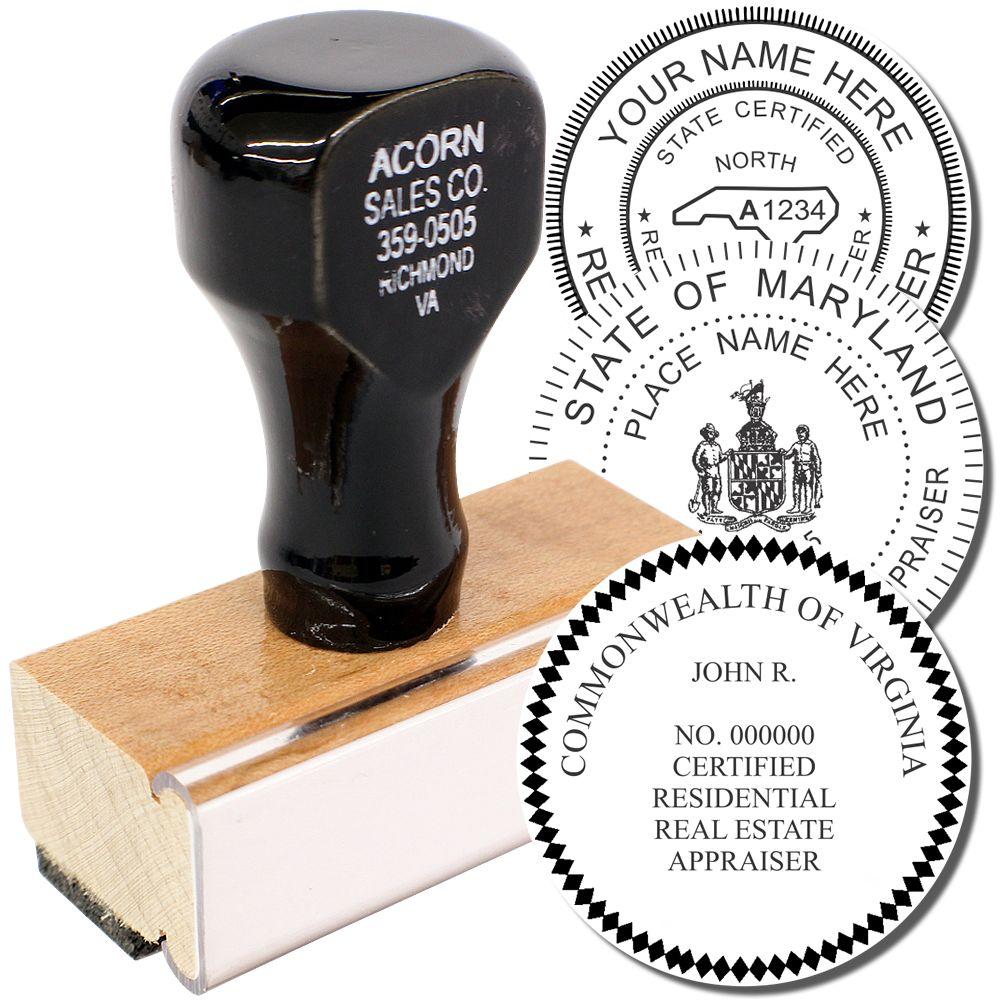
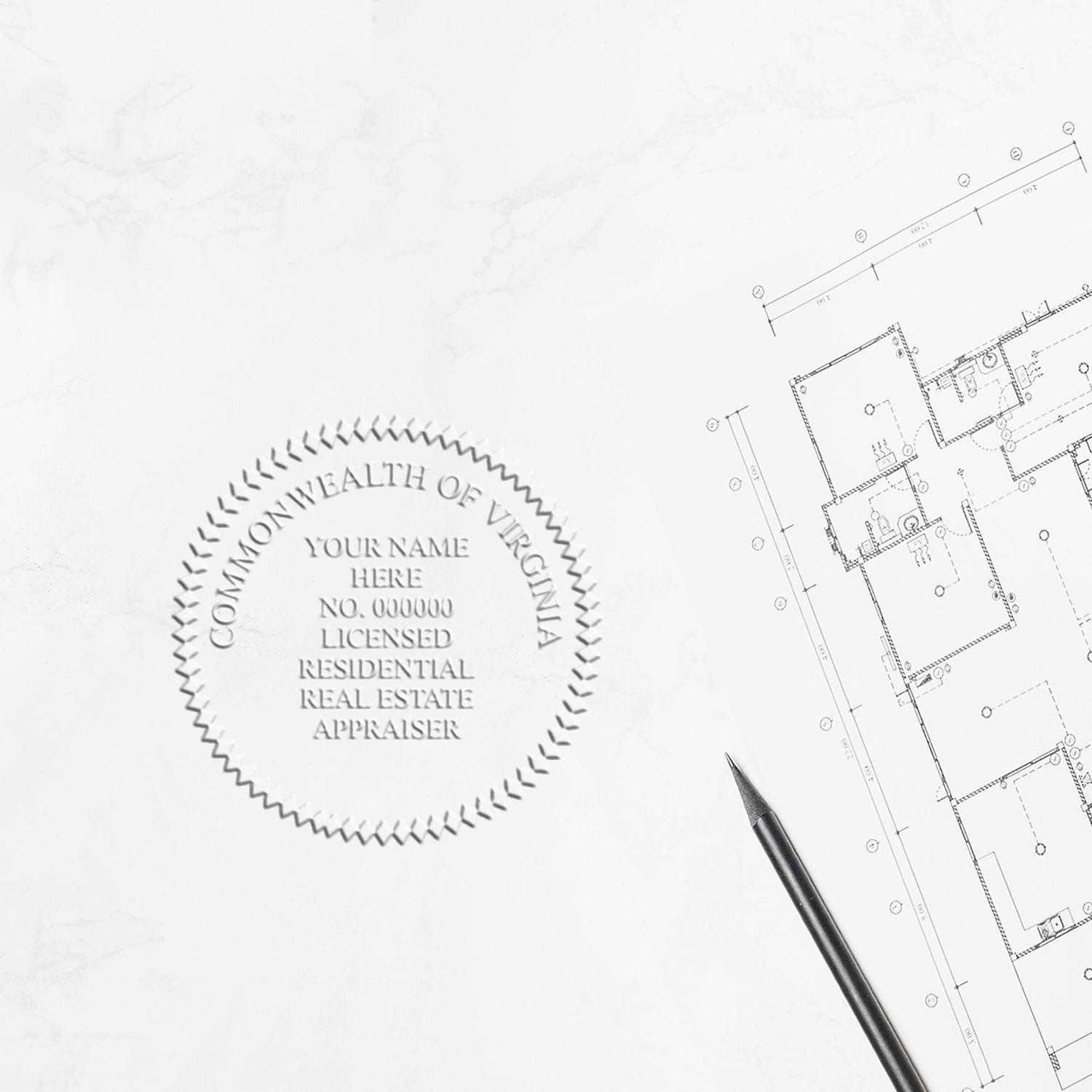
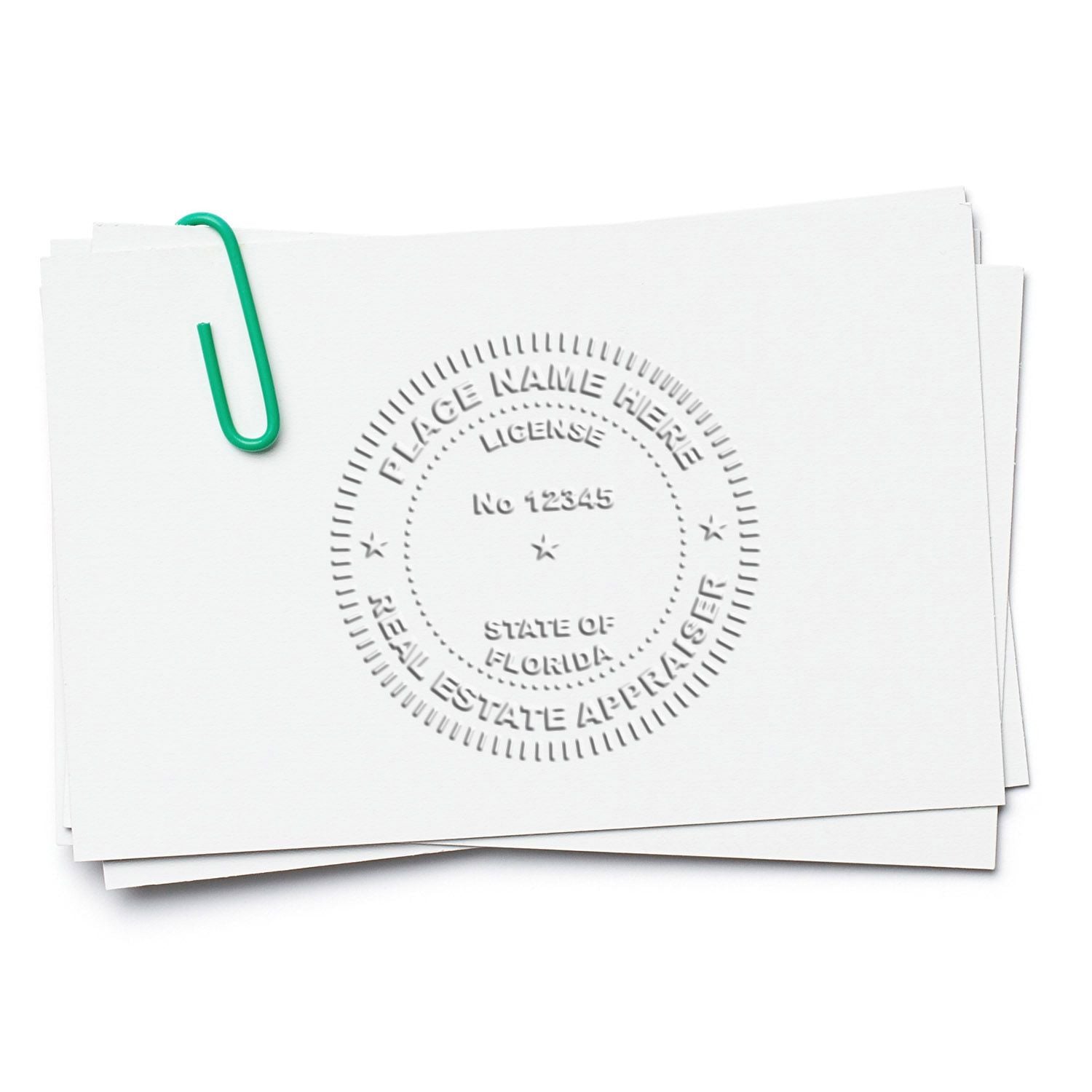
Nevada names no instrument for an appraiser, so the choice is about how the work travels. An embosser leaves a raised impression that carries weight on a paper original and reproduces poorly once scanned or faxed, which is a real cost in a practice delivering PDFs to lenders. An ink stamp gives a clean, scannable block and sets the longer credential wording well. A graphic file drops the block straight into an electronic report. Keeping an ink stamp and an image cut from identical artwork is the usual arrangement, so the paper file and the delivered file always say the same thing.
Sizing and layout
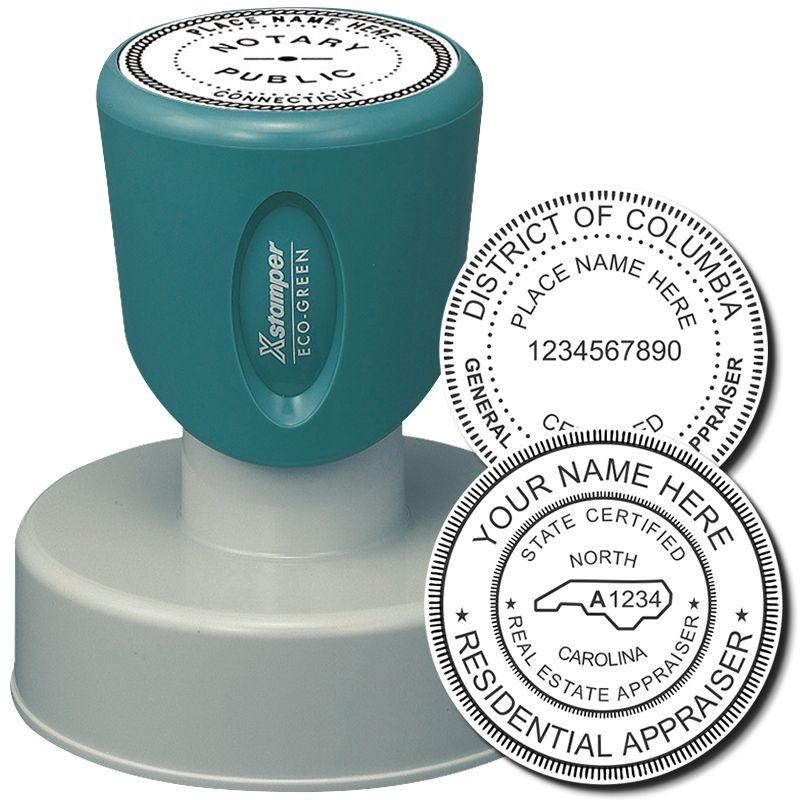
Size is decided by legibility rather than by rule. The credential type line is the long element, and a rectangular ink stamp sets long lines better than a round die, where the curve costs point size. If you want a round embosser, center your name, curve the credential type above it and curve the number below. Make sure the license or certificate number stays readable after a scan, since that is the element a reviewer looks for. Send us the exact lines you want and we will set them at the largest legible size the die allows rather than shrinking text to fit a size chosen first.
Electronic delivery and USPAP
No provision on an electronic seal or a digital signature applied to a transmitted appraisal report was found in NRS ch. 645C or in the Standards of Practice sections of NAC ch. 645C. Nevada instead adopts USPAP by reference at NAC 645C.400, which provides that the Commission adopts by reference the most recent edition of the Uniform Standards of Professional Appraisal Practice adopted by the Appraisal Standards Board of The Appraisal Foundation. Report certification and signature therefore run through USPAP. The Real Estate Appraiser eSeal Electronic Image Stamp of Seal is $20.00 and arrives as an image file you place in the report.




Renewal, and when a Nevada die goes stale
Nevada requires no expiration date on a report, so nothing about a renewal forces new artwork. A Nevada die retires when its own wording stops being true: a new license or certificate number, a move between credential types, a legal name change, or a change of business name if the firm sits on the device. Because NAC 645C.415 ties the disclosure duty to the licensed name and the business name, a business name change is worth acting on promptly if you use the same block on advertising and correspondence.
Ordering, and what it costs
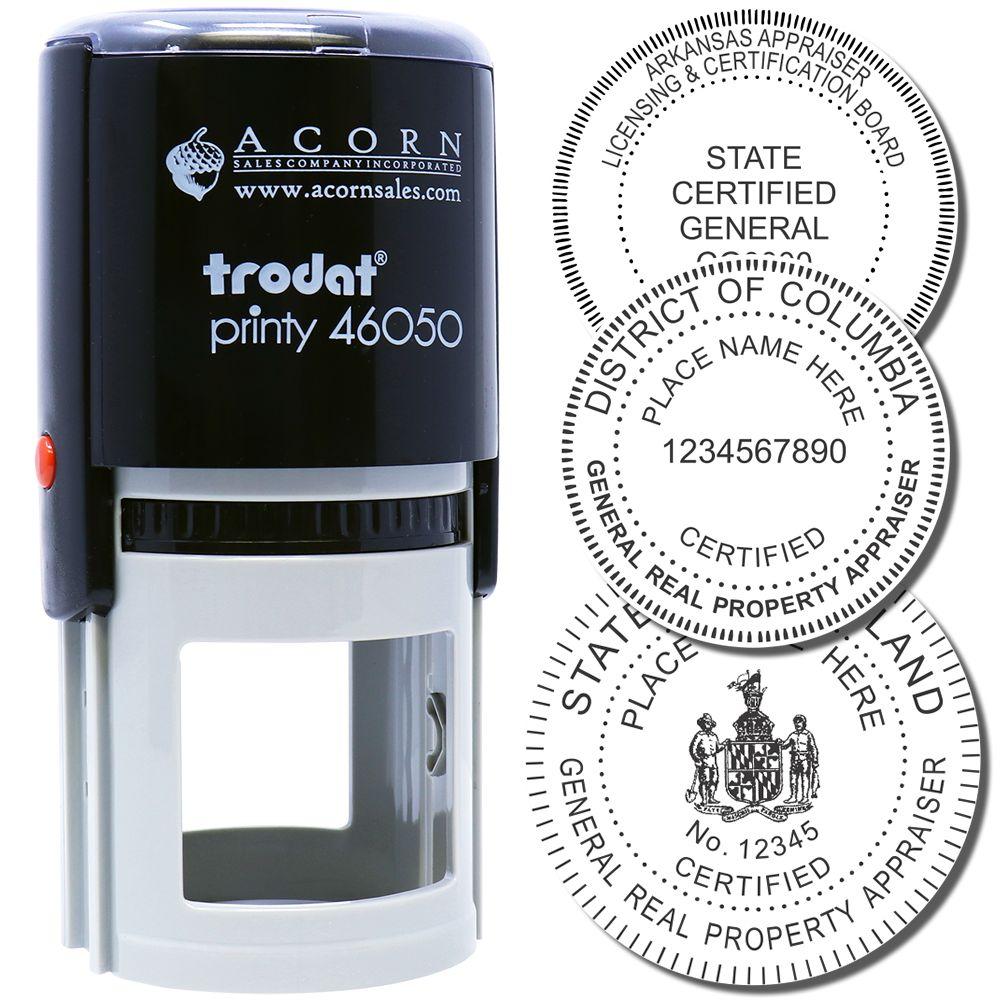
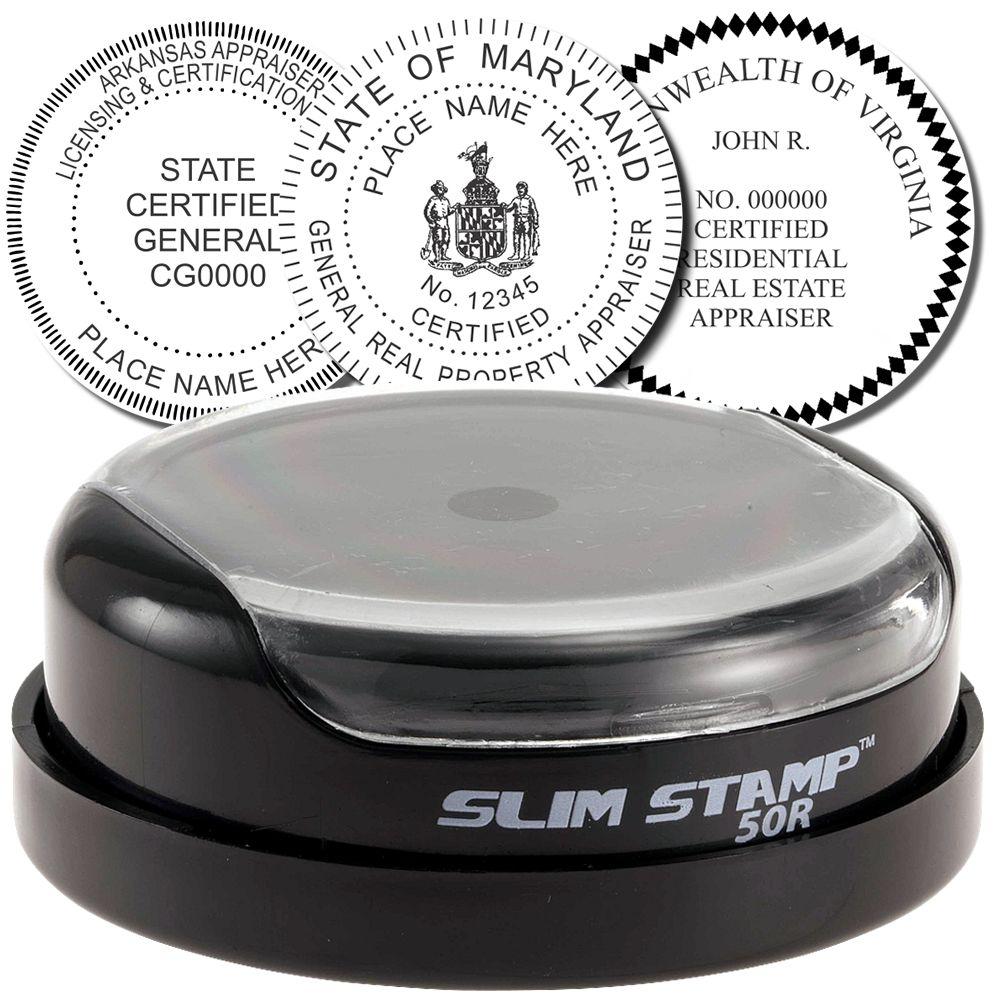
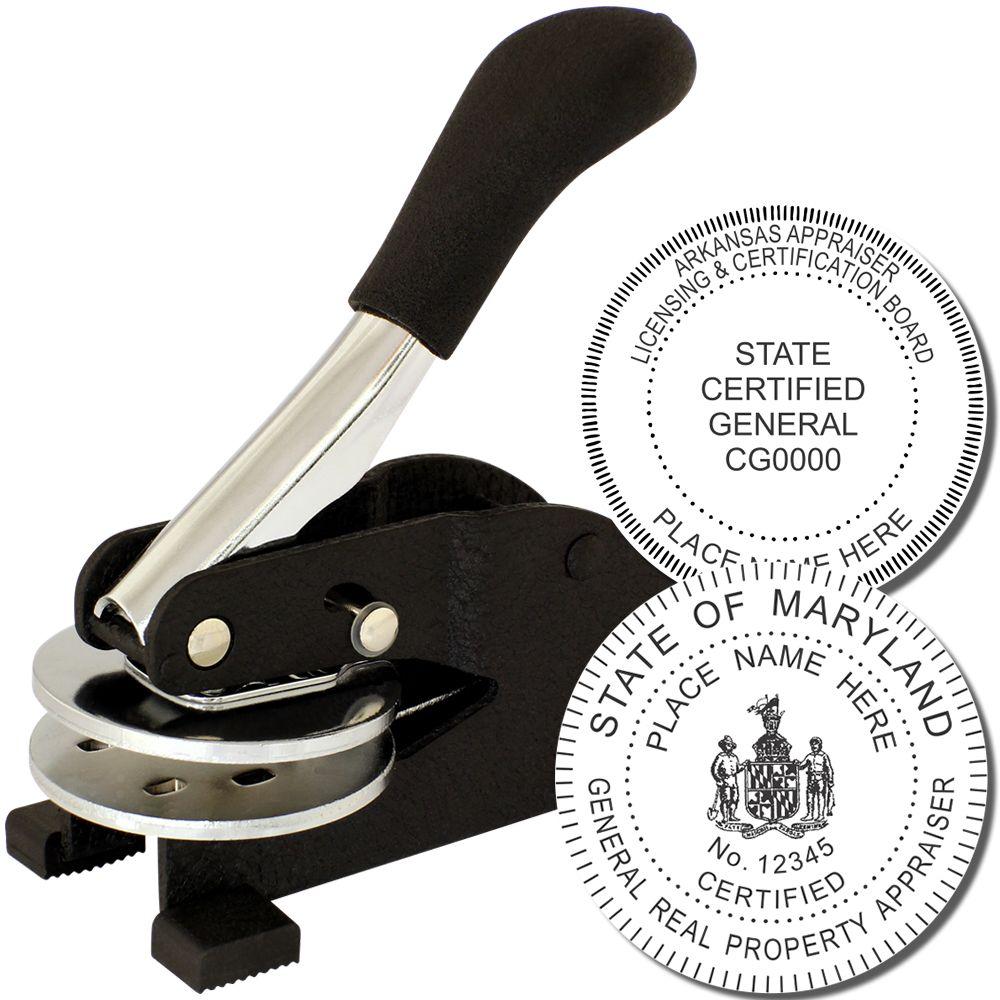
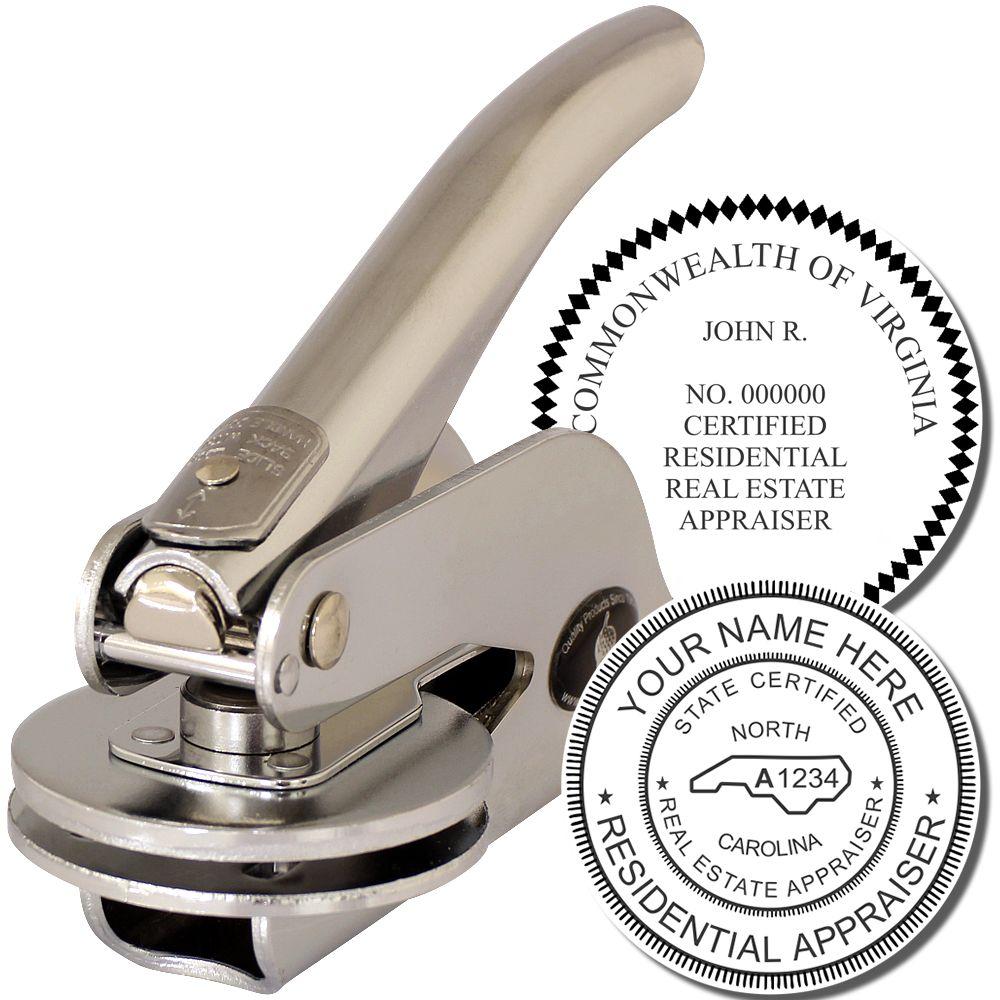
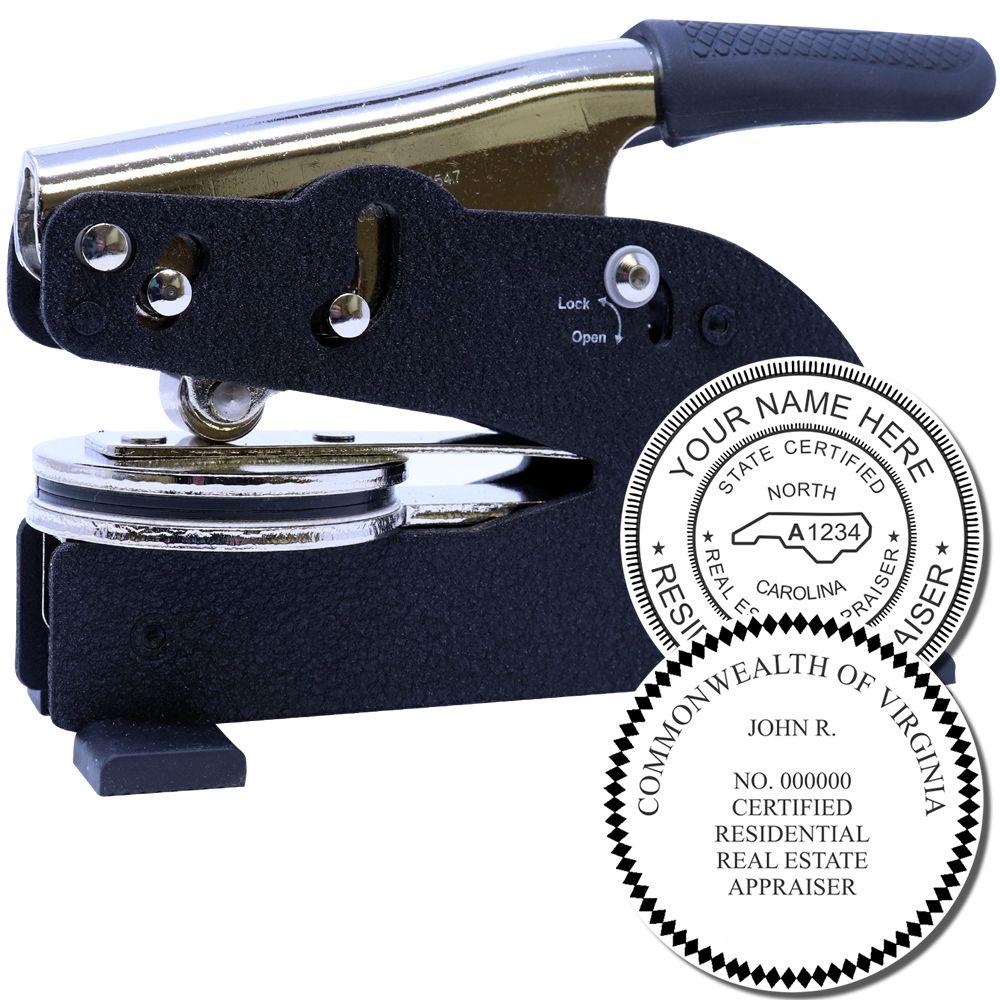
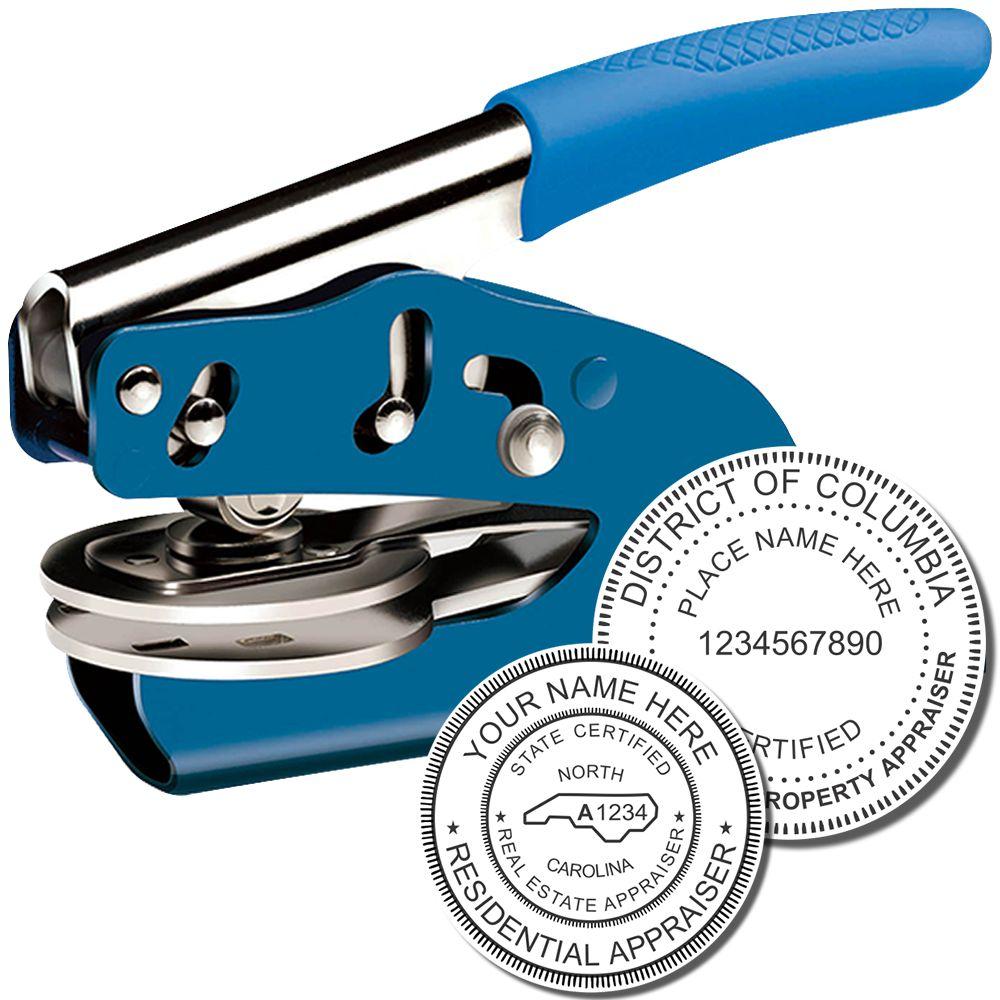
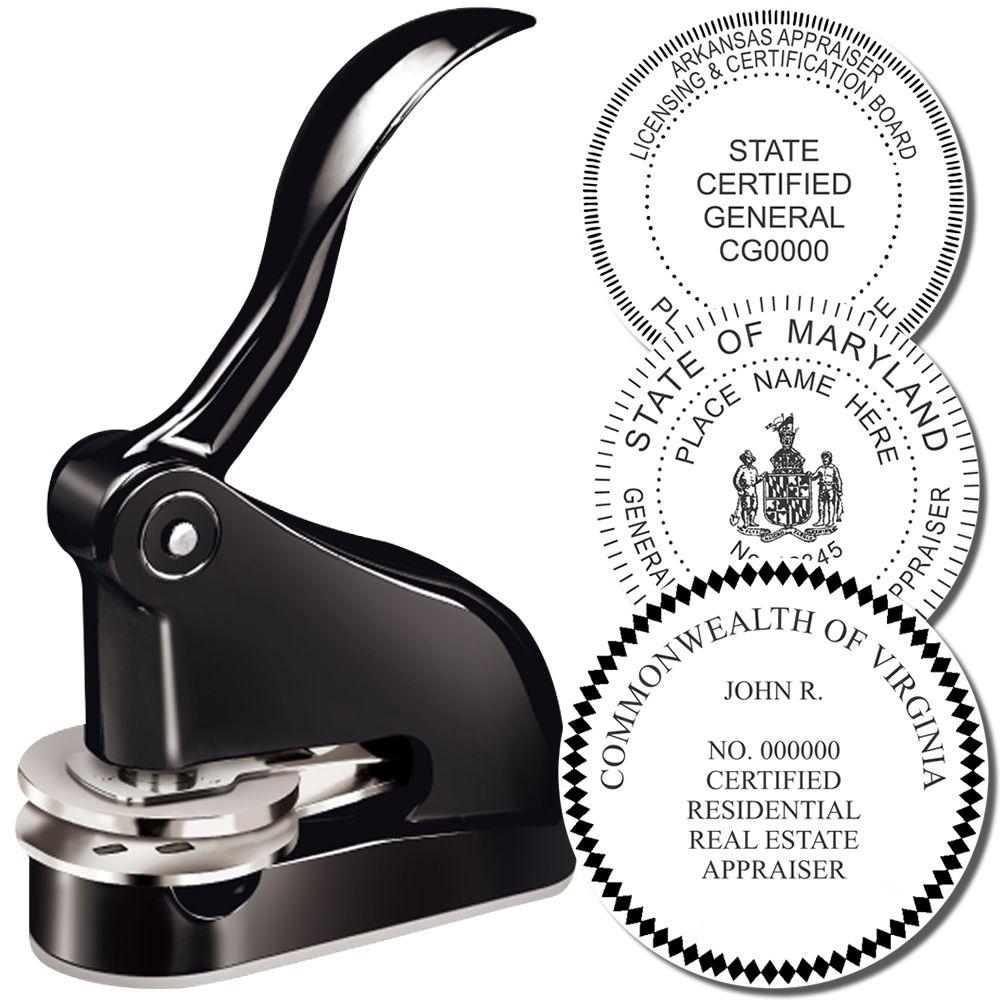
Send the lines exactly as you want them read, with the license or certificate number as it appears on your credential. We set the artwork, send a proof and cut nothing until you approve it. For ink, the Real Estate Appraiser Self Inking Rubber Stamp of Seal is $39.95 and the Real Estate Appraiser Slim Pre Inked Rubber Stamp of Seal is $46.95. For a raised impression the Real Estate Appraiser Desk Seal Embosser is $44.95 and the Real Estate Appraiser Handheld Seal Embosser is $46.95.
Care, and what this page is
Brush lint out of a self-inking stamp's lettering when impressions start filling in. An embosser needs a dry drawer and a straight downward press. Keep both out of direct sun, which hardens rubber. This page is a research summary of NRS ch. 645C and NAC ch. 645C as they read on 22 September 2026, and it is not legal advice. If a lender or an appraisal management company asks for a sealed Nevada report, that is a contract term rather than a Nevada duty. Browse real estate appraiser stamps and seals, or contact us with your wording.
Frequently asked questions
Does Nevada require a real estate appraiser to have a seal?
No. No provision of NRS ch. 645C or NAC ch. 645C requires an appraiser to affix a seal or stamp to an appraisal report. The word stamp does not appear in the statute at all, and the two occurrences of seal are the Commission’s own.
Does Nevada require my license number on the appraisal report?
No provision requiring it on the face of a report was found. That distinguishes Nevada from Minnesota, Missouri, Montana and Nebraska, which prescribe no seal but do place the credential number on the report.
What about the advertising rule? Does it reach my reports?
It may. NAC 645C.415 requires a licensee who offers services to disclose the licensed name, business name, license or certificate type and license or certificate number, and it defines advertisement broadly enough to include business documents used in real estate appraisals. Whether an appraisal report is such a document is not settled in the rule’s own words, so treat it as a possible reach rather than a stated one.
What are the two seals in the Nevada statute?
NRS 645C.210(1)(a) directs the Commission to adopt a seal to authenticate its proceedings, and NRS 645C.390(1)(b) requires the seal of the Commission to be imprinted on a certificate, license or registration card. Both belong to the agency, not to the appraiser.
NRS 645C.390 mentions size. Does Nevada size an appraiser seal?
No. That section is headed Form, size and contents of certificate, license or registration card, and the size it speaks of is the size of the credential document the Division issues.
Where do the signature and certification requirements come from?
From USPAP. NAC 645C.400 adopts by reference the most recent edition of the Uniform Standards of Professional Appraisal Practice adopted by the Appraisal Standards Board of The Appraisal Foundation, and Nevada adds no signature formality of its own.
Can I use an electronic image of my block?
Yes, so far as Nevada is concerned. No electronic seal or digital signature provision was found in the statute or the Standards of Practice sections, so the medium is not regulated.
When should I replace a Nevada stamp?
When something engraved on it stops being accurate: a new license or certificate number, a change of credential type, a legal name change, or a change of business name. A routine renewal changes none of those.








