
Written by Acorn Sales Company, manufacturing stamps and seals since 1964 · Reviewed by Holly R, VP of Sales and Marketing at Acorn Sales, against Oregon Appraiser Certification and Licensure Board on 22 September 2026 · Updated 22 September 2026
Oregon asks for two things on every appraisal report, and one of them changes every renewal cycle. OAR 161-025-0060(8) reads in full that all licensees must list their certificate or license number and expiration date in each appraisal report. That is the whole of the marking rule. There is no seal behind it: ORS chapter 674 was read section by section, all 31 of them, and the words seal, stamp, signature and sign do not appear in the chapter at all, while no division or rule title in OAR chapter 161 refers to a seal or a stamp either.
The expiration date is what makes Oregon different from its neighbors, and it is worth knowing before you order. A plate that carries the date is accurate until the credential renews and wrong the morning after. A plate that carries only the number and the title stays right for as long as you hold the credential, and the date gets written or typed in. Both approaches work; the second costs less over a career.
Oregon real estate appraiser seal requirements at a glance
| Requirement | Oregon rule | Source |
|---|---|---|
| Seal required | No. No seal or stamp provision exists in ORS chapter 674 or in OAR chapter 161. | ORS ch. 674 (full chapter read); Or. Admin. R. ch. 161 |
| Required elements | The certificate or license number and the expiration date of the credential, listed in each appraisal report. | Or. Admin. R. 161-025-0060(8) |
| Size and shape | None prescribed. Neither the statute nor the rule chapter sets a diameter, a dimension or a shape, because neither prescribes a seal. | ORS ch. 674; Or. Admin. R. ch. 161 (no provision) |
| Device allowed | Any. The rule says list, not impress, so a stamped, typed or printed line meets it equally. | Or. Admin. R. 161-025-0060(8) |
| Signature and date | No signature provision appears anywhere in ORS chapter 674. The date the rule calls for is the credential’s expiration date, not the date you sign. | ORS ch. 674; Or. Admin. R. 161-025-0060(8) |
| What must be sealed | Nothing. The obligation attaches to each appraisal report and is satisfied by listing the number and the expiration date. | Or. Admin. R. 161-025-0060(8) |
| Electronic seal | Not addressed. OAR 161-025-0060 covers USPAP compliance, inspection certifications and comparable-sale confirmation, not signature technology. | Or. Admin. R. 161-025-0060 (no provision) |
| Renewal and lapse | The one to watch. Because the expiration date is a report element, a die that carries the date is out of date the day the credential renews. | Or. Admin. R. 161-025-0060(8) |
| Firm requirements | None for report marking. Appraisal management companies sit in their own divisions of OAR chapter 161, and no division there carries a seal or report-marking rule. | Or. Admin. R. ch. 161, appraisal management company divisions |
| Regulator | Oregon Appraiser Certification and Licensure Board | ORS ch. 674, including ORS 674.305; Or. Admin. R. ch. 161 |

What the marking rule actually says
OAR 161-025-0060 is the practice rule, and subsection (8) is the part that reaches the face of a report: all licensees must list their certificate or license number and expiration date in each appraisal report. Ten subsections were read on this pass and not one of them mentions a seal or a stamp. The verb the rule chooses is list. It does not say impress, emboss, affix or seal, and it prescribes no position on the page, no order for the two items and no geometry. Any method that puts the number and the date in the report satisfies it, which is why the Oregon device decision is about convenience rather than about meeting a specification.
The statute is silent, and that silence was checked
ORS chapter 674 governs appraisers and appraisal management companies, and it is the natural place to look for a seal duty. It has none. The full chapter, from ORS 674.010 to ORS 674.995, contains zero occurrences of seal and zero of stamp, and it does not use the words signature or sign anywhere either. The chapter’s only report-facing section, ORS 674.410, deals with needing a written report before giving testimony, not with what goes on the report. So the entire Oregon marking duty is the single administrative subsection above, and nothing in the statute sits behind it or expands it.
The expiration date is the whole problem
Oregon is one of a small number of states that put a credential expiration date on the face of the report, and the consequence for a device is direct. If you engrave the date, the plate is accurate for one credential cycle and misleading afterwards, and a misleading date is worse on a report than no stamp at all. Three ways out, in the order most Oregon appraisers pick them: leave the date off the die and write it beside the stamped number; engrave the date and plan on a replacement die each cycle; or keep the whole block as an image file and reissue the image at each renewal, which is the cheapest of the three to redo.
What else subsection (8) is sitting next to
The same rule carries other duties that shape the certification page, and they are easy to miss because they are not marking rules. Subsections (3), (4) and (5) require the appraiser to certify the extent of any personal inspection of the subject, whether inside and out, exterior only or not personally inspected; to certify the extent of personal inspection of each comparable; and to disclose whether comparables were confirmed by a party to the transaction. None of that belongs on a stamp, because all of it changes assignment to assignment. Keep the die to the two static items and let the certification language live in the report template.


Two near misses worth naming
Two Oregon rules look like seal rules from their titles and are not. OAR 161-050-0030, Display of Certificate or License, requires a licensee to display prominently the license, certificate or registration in their principal place of business. That is the wall credential at the office, not a mark on a report. OAR 161-025-0040, Advertising Practices, permits a licensee to be identified in advertising by designated status and by the appraiser’s license or certificate number. That is a permission about advertising, not a report duty. Neither one turns Oregon into a seal state, and neither adds an element to the report block.
What to engrave, and what to leave off
The static items are your name as you sign it, the credential title you hold, and the certificate or license number. The number is the element the rule names, so give it the clearest line on the die. Leave the expiration date off unless you have decided to replace the plate each cycle. Leave the signature off as well, since a facsimile signature on a die adds nothing the rule asks for and weakens the one mark that ought to be made by hand. What remains is a compact block a reader can check against the state register in seconds.
Embosser, ink stamp or eSeal image
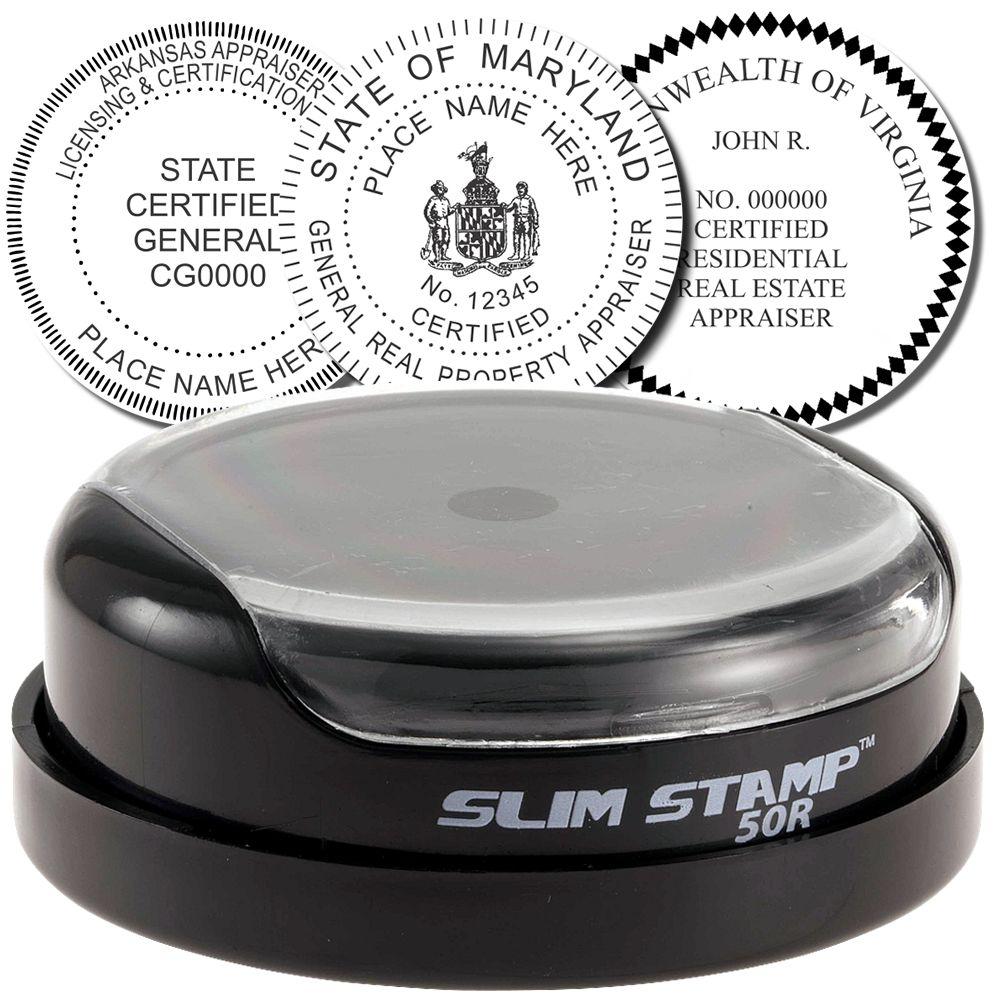
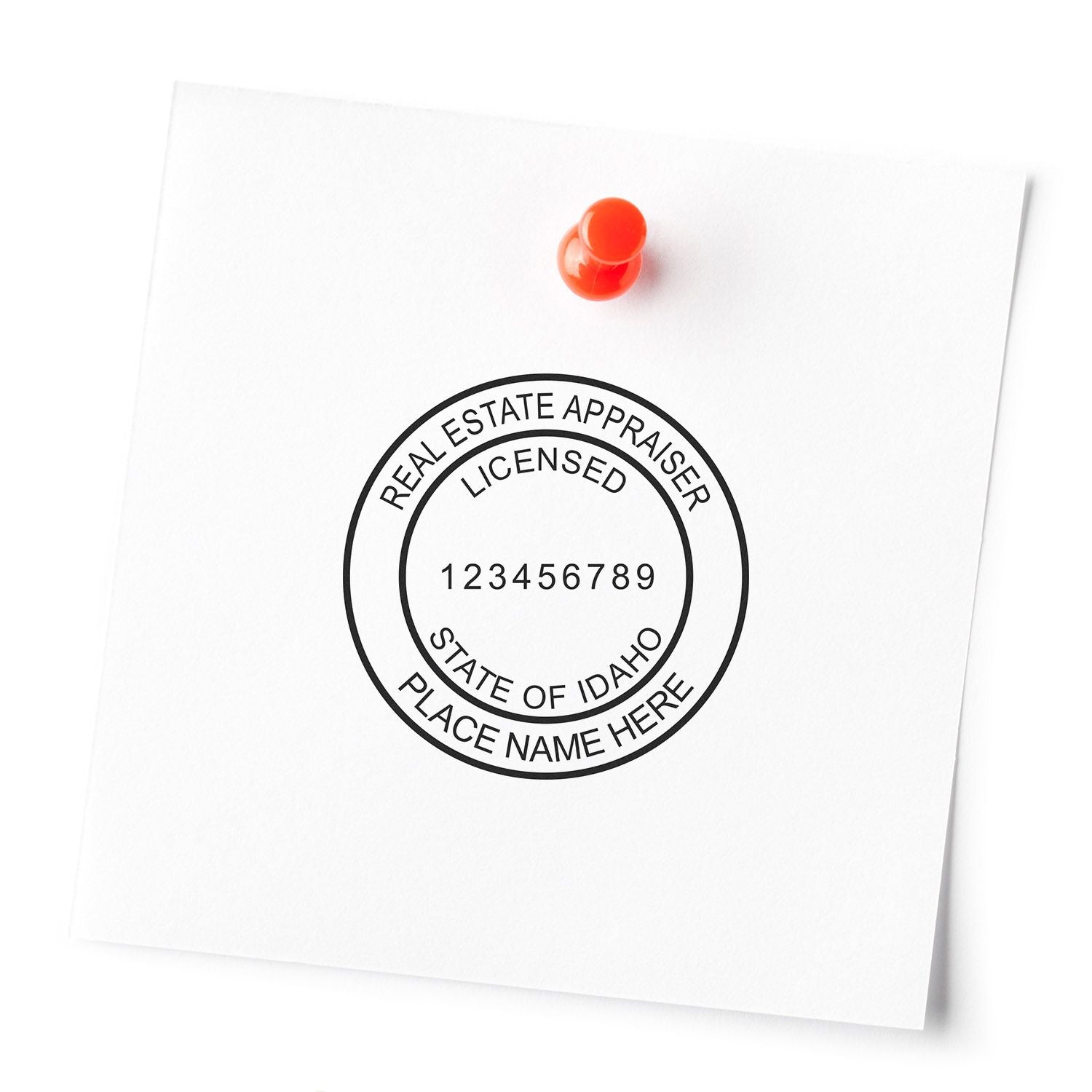
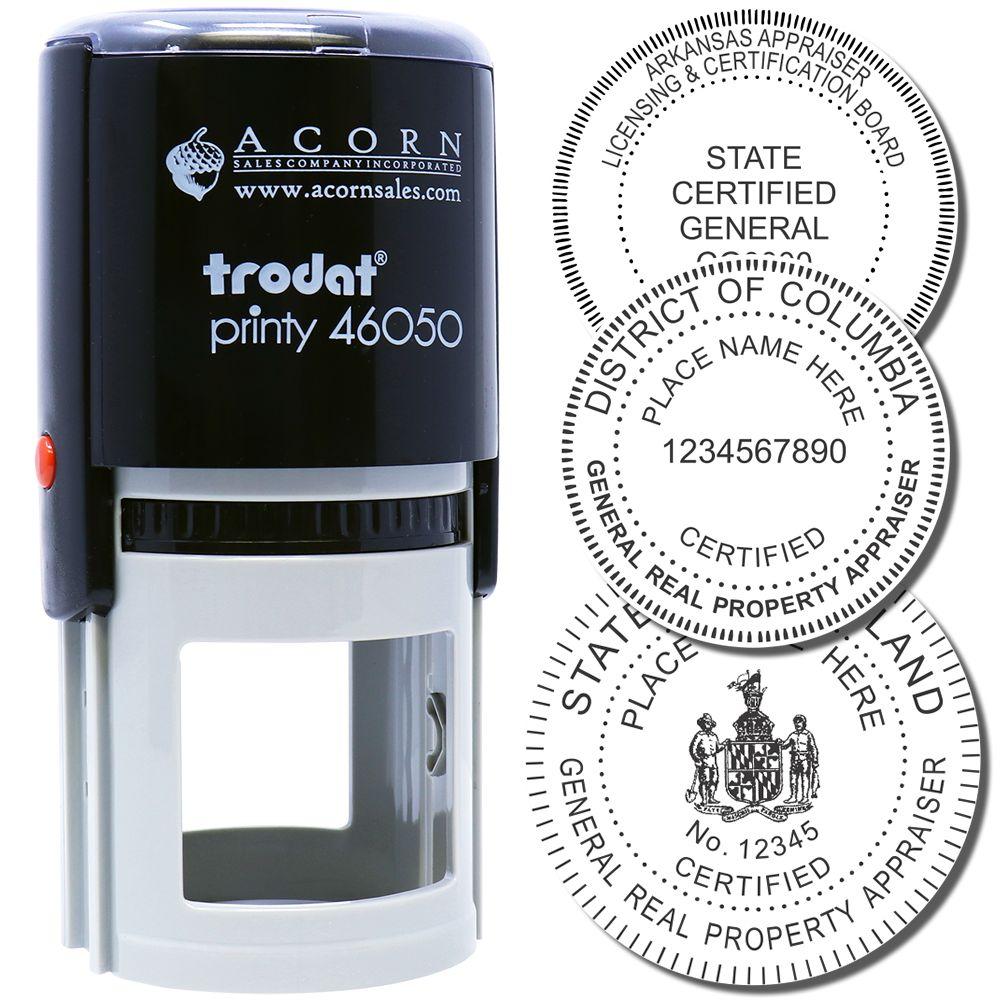
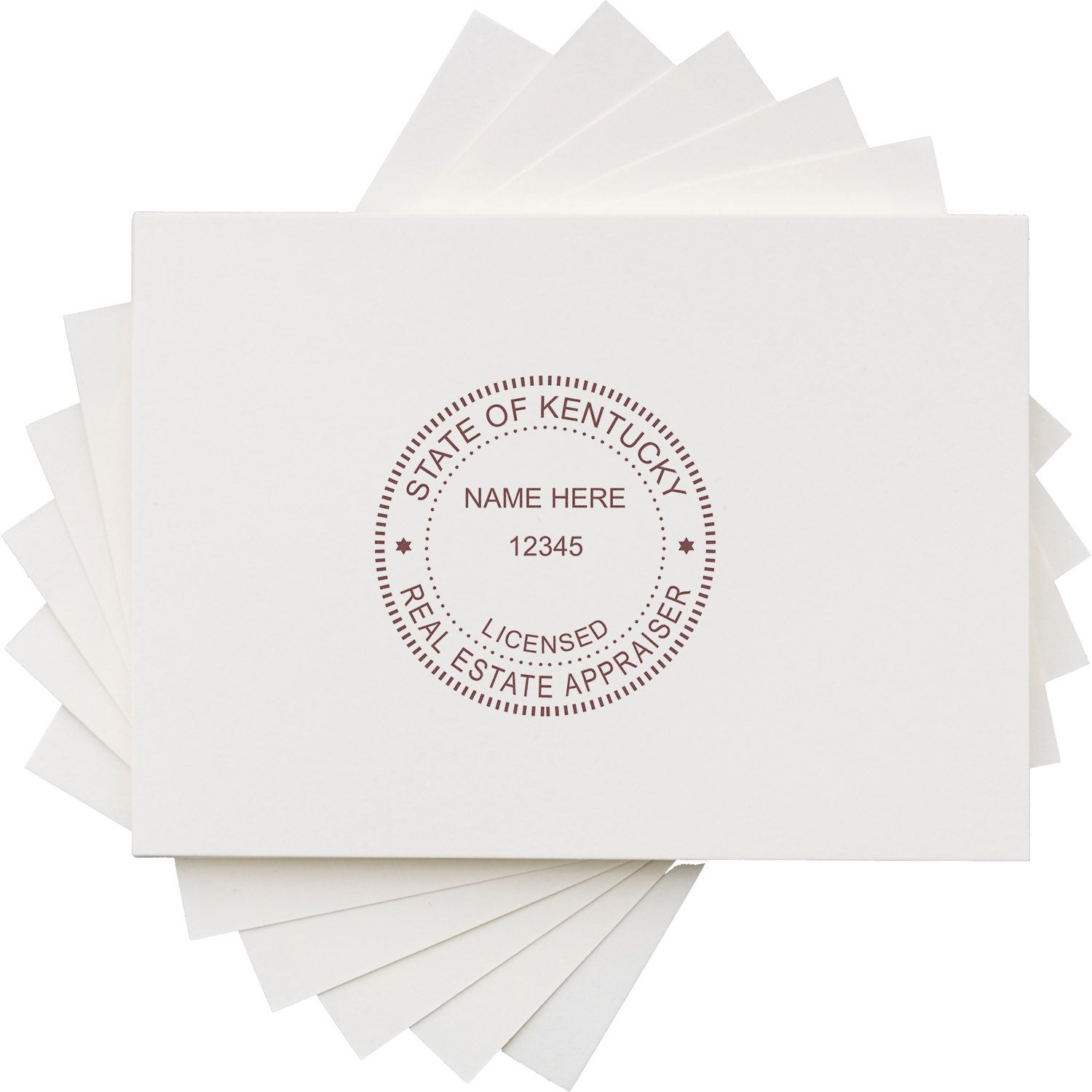
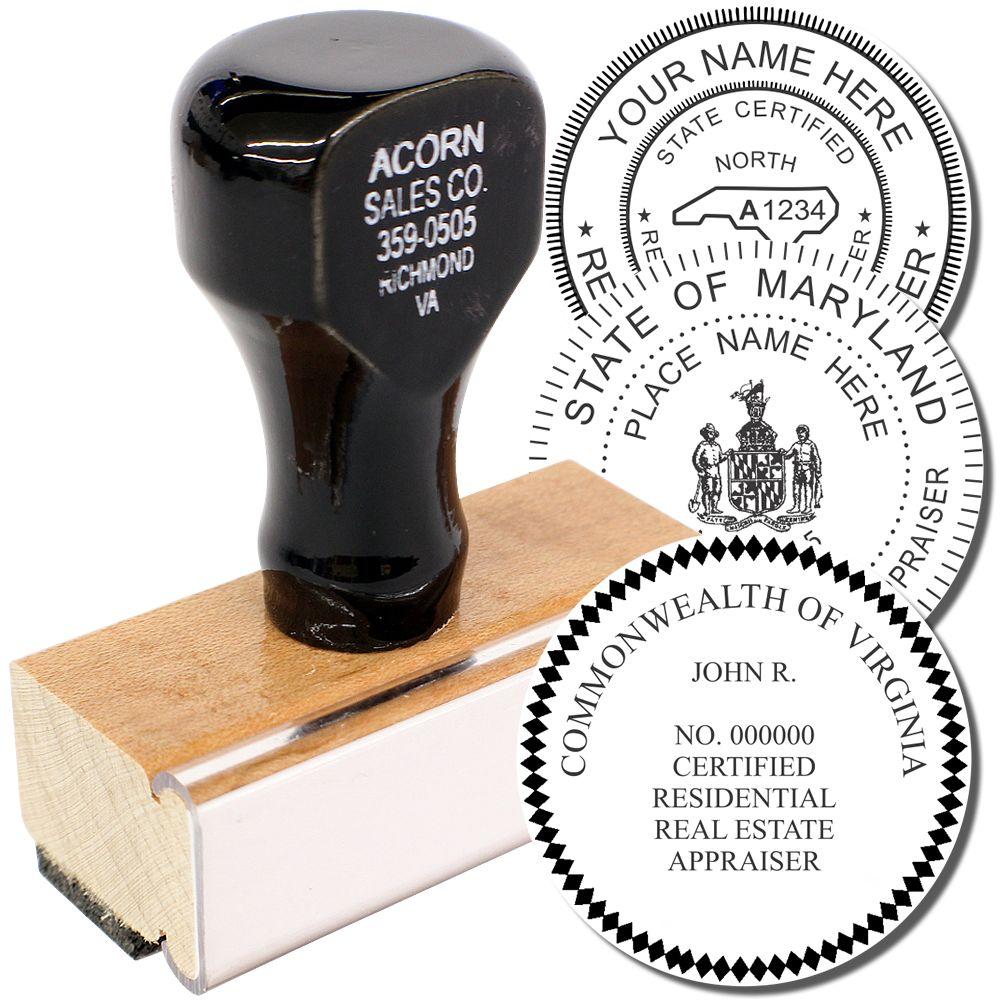
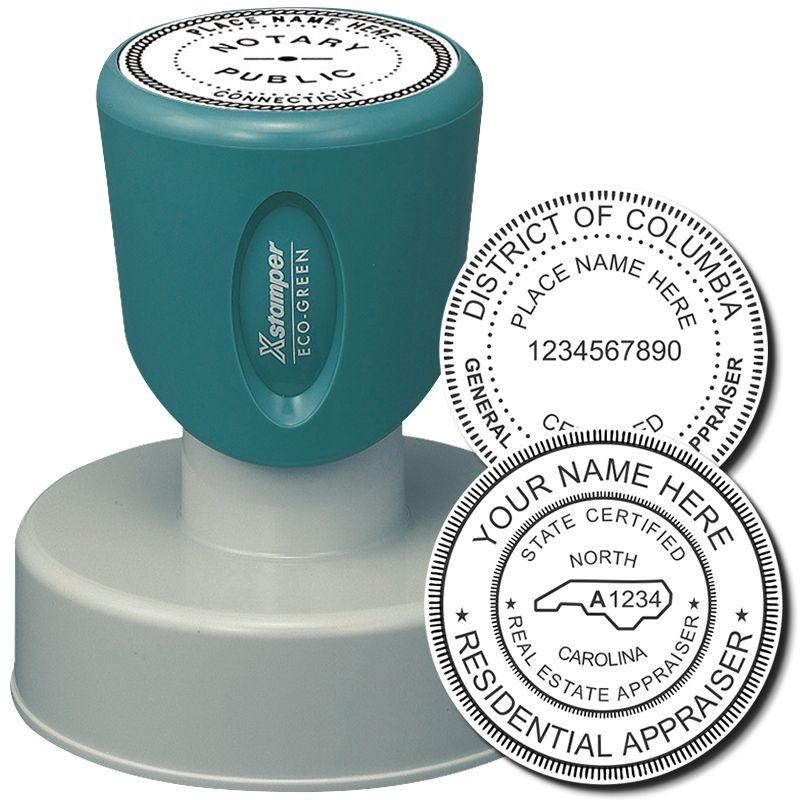
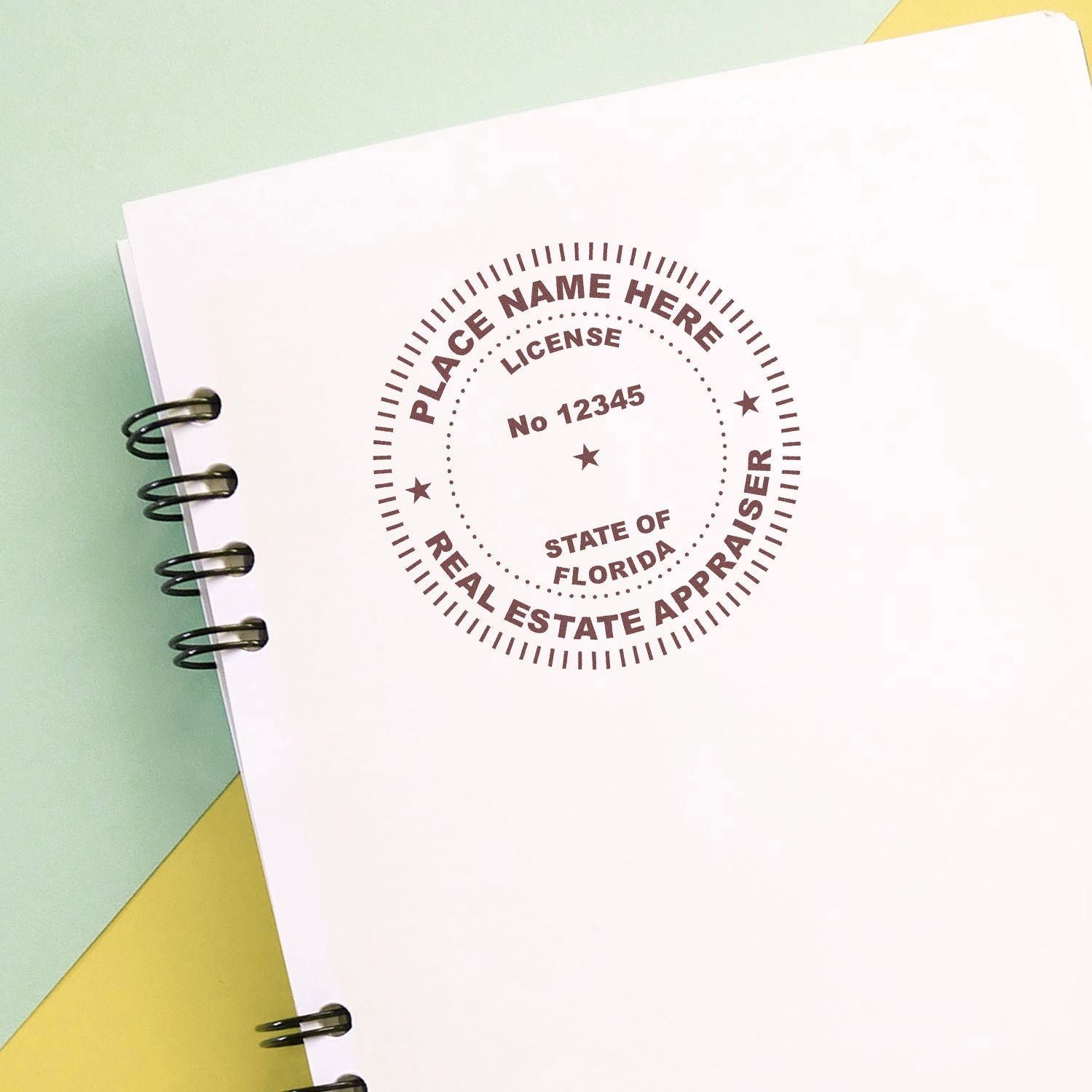
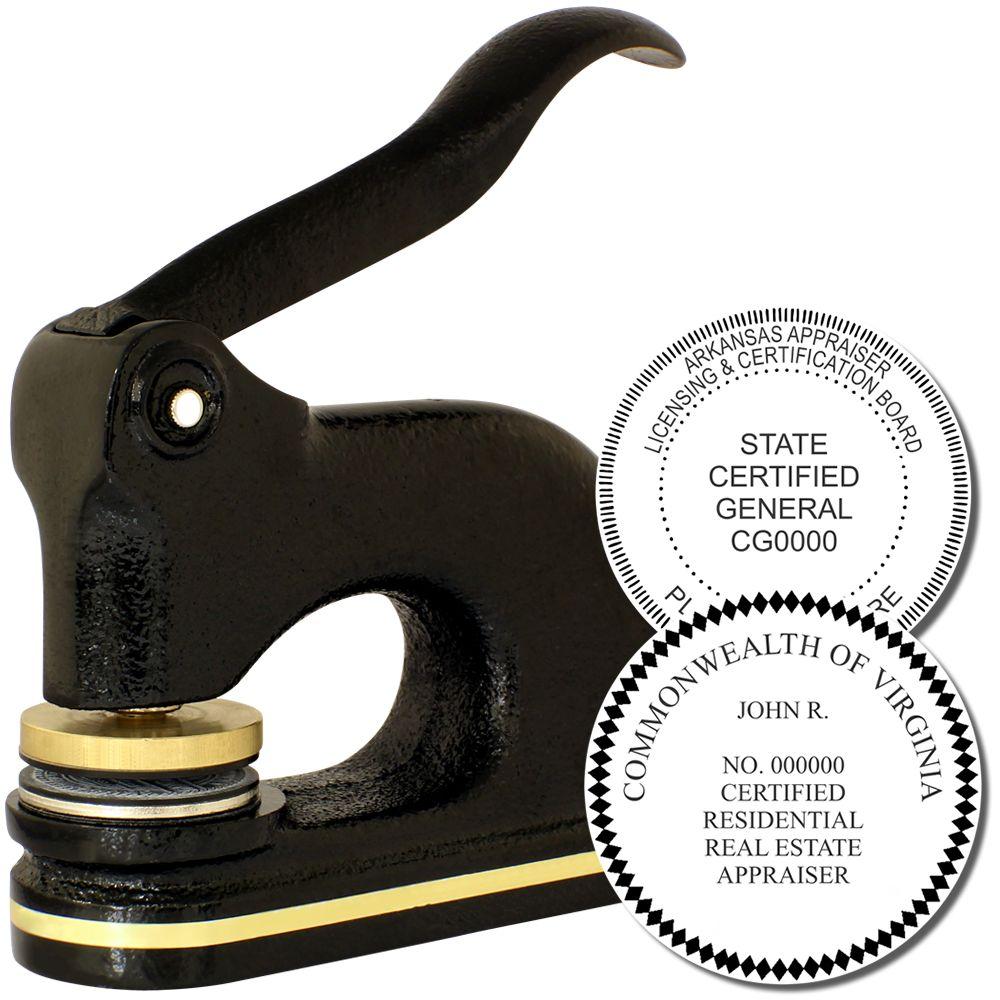
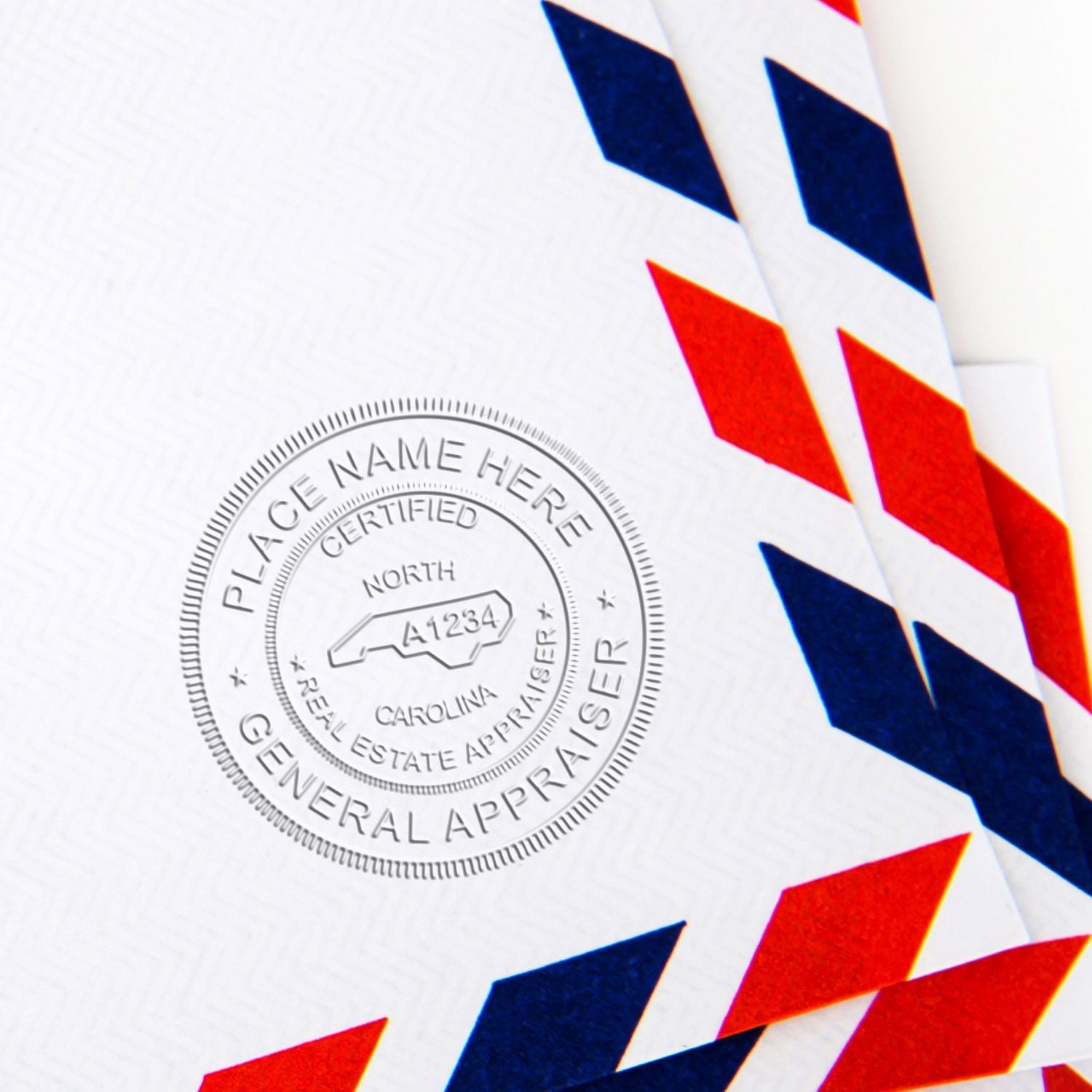
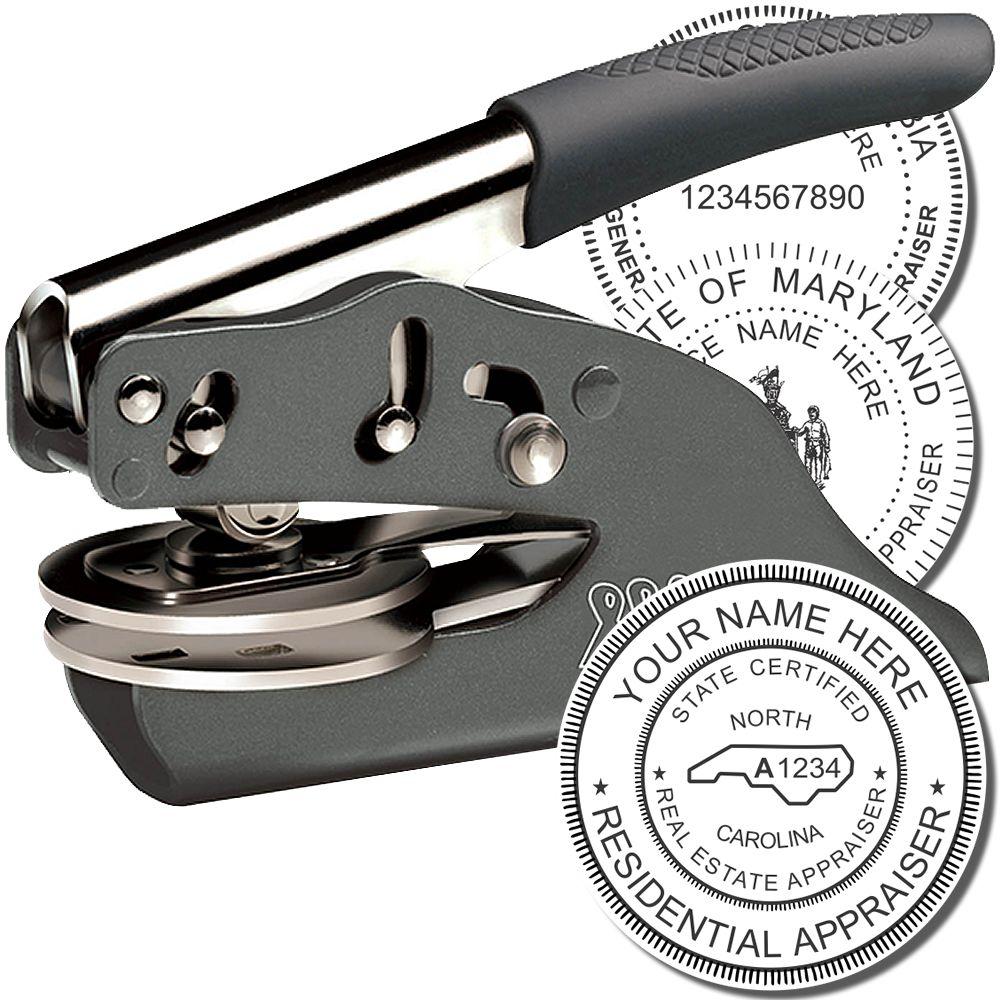
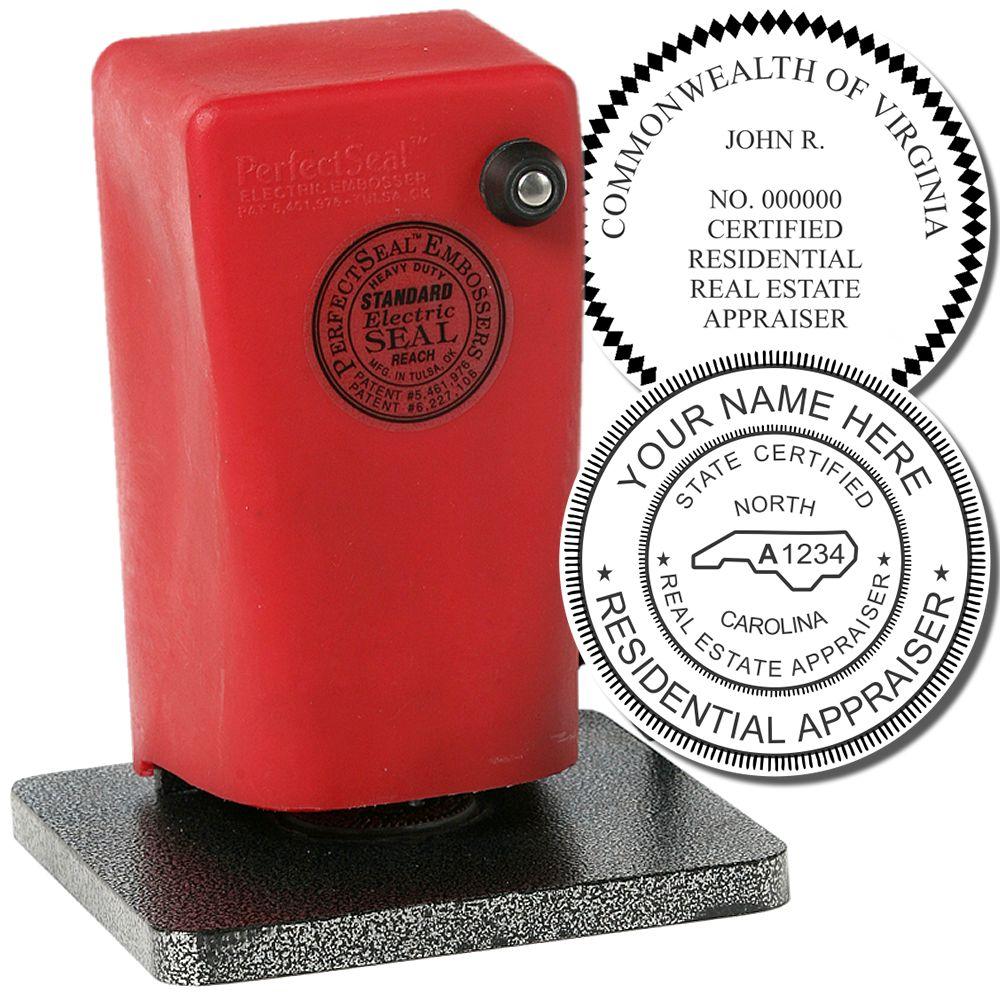
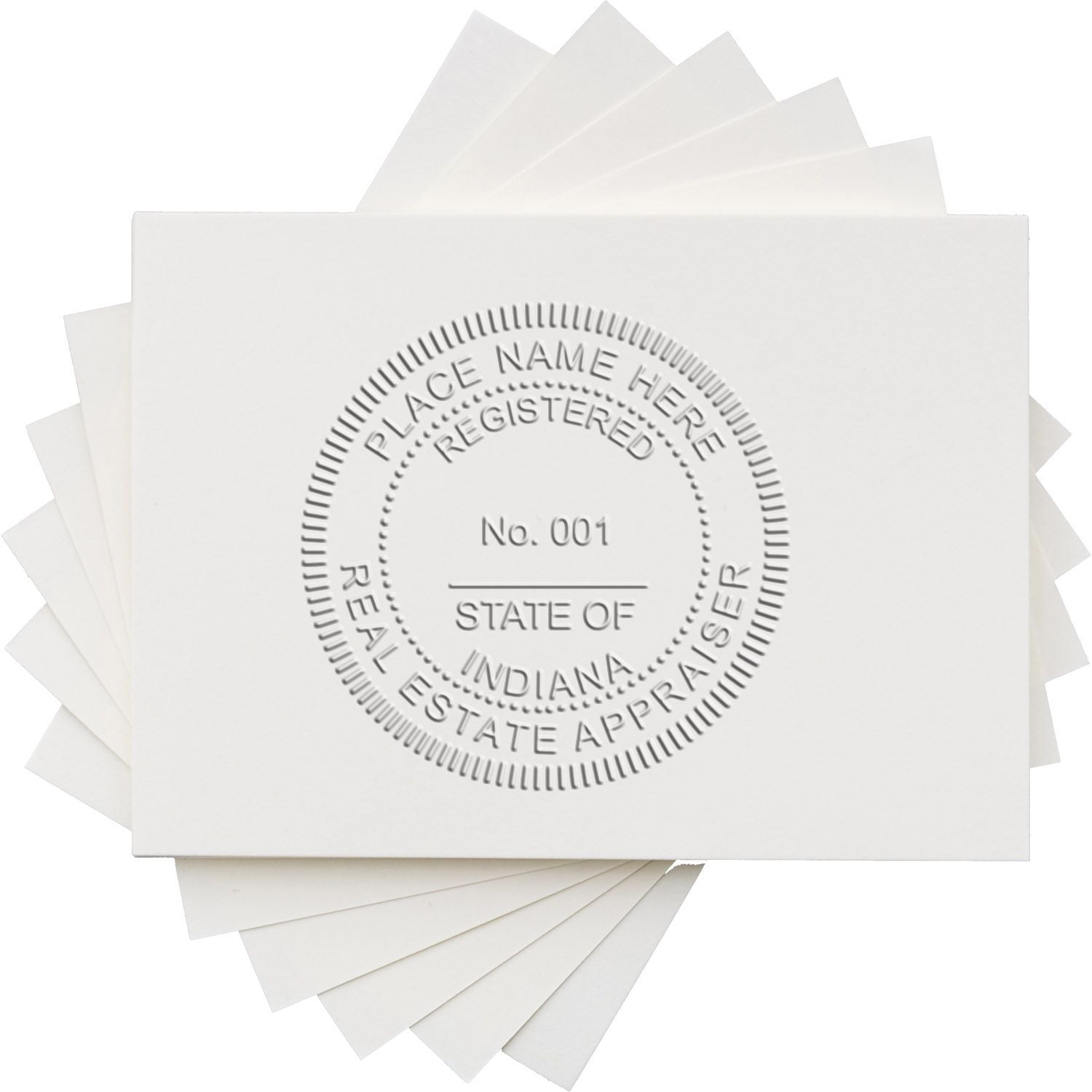
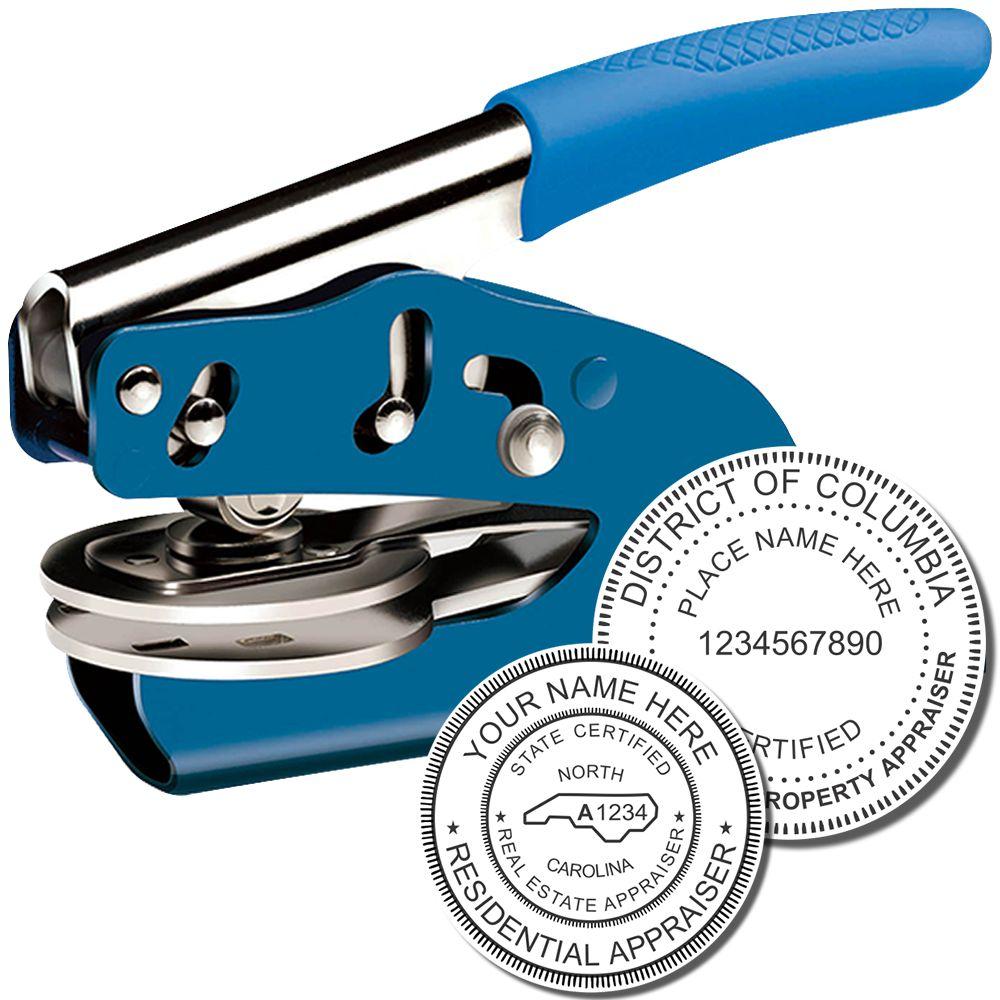
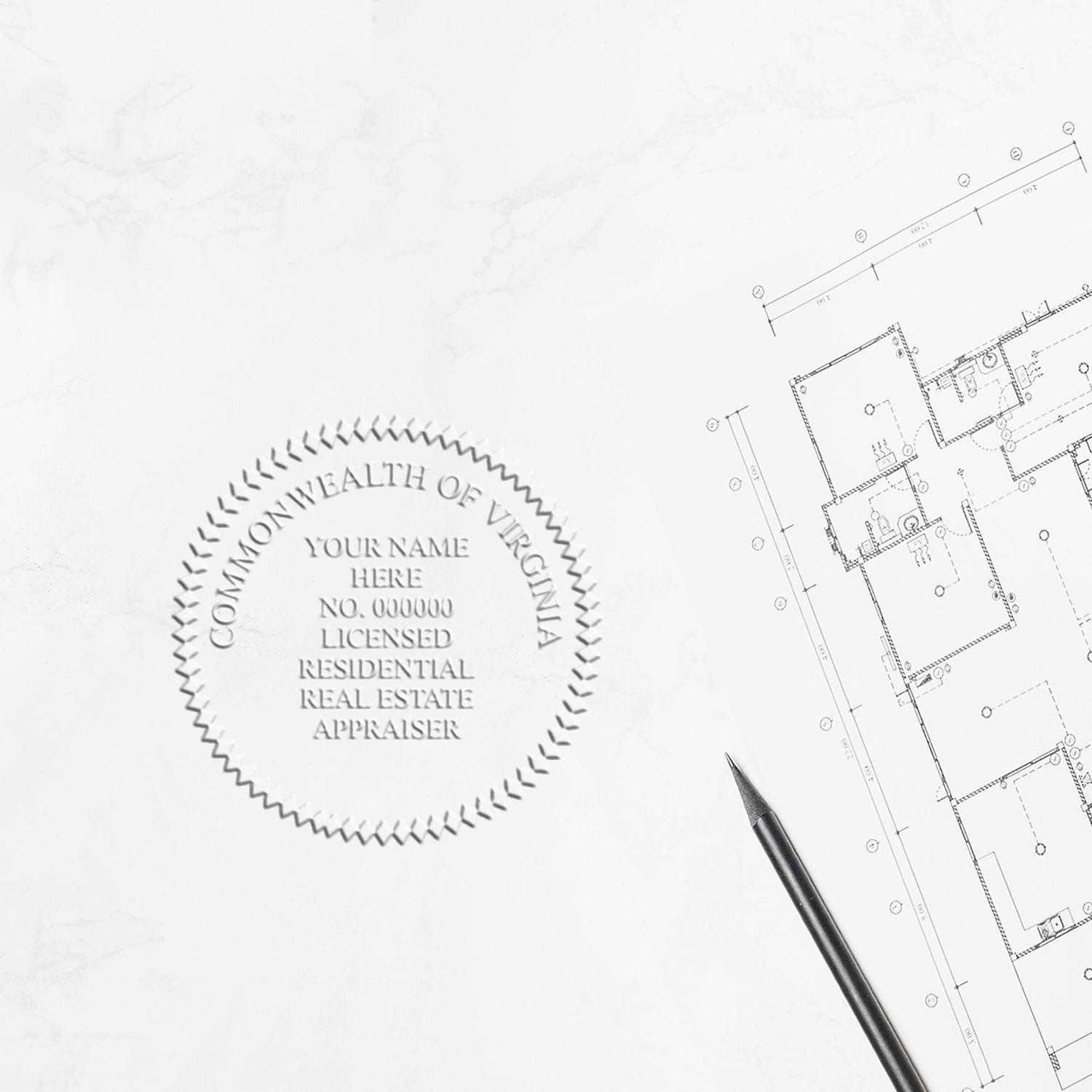
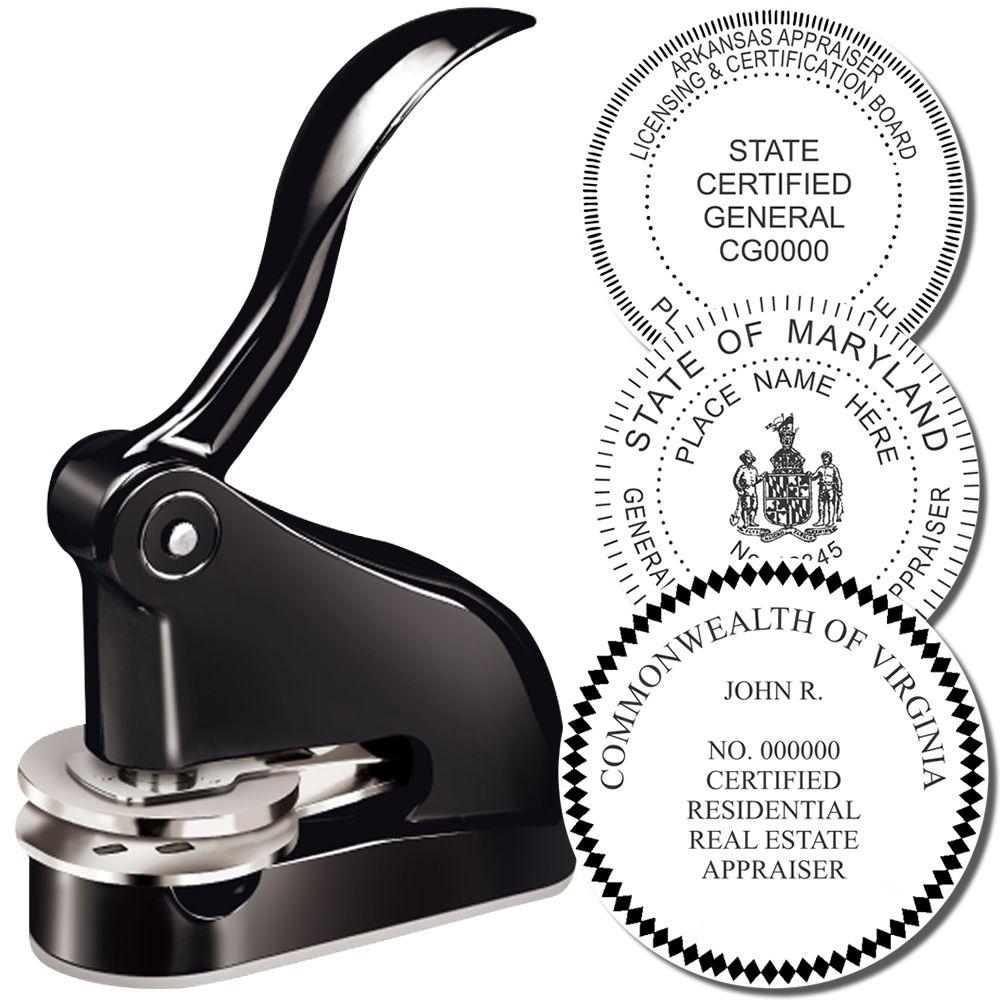
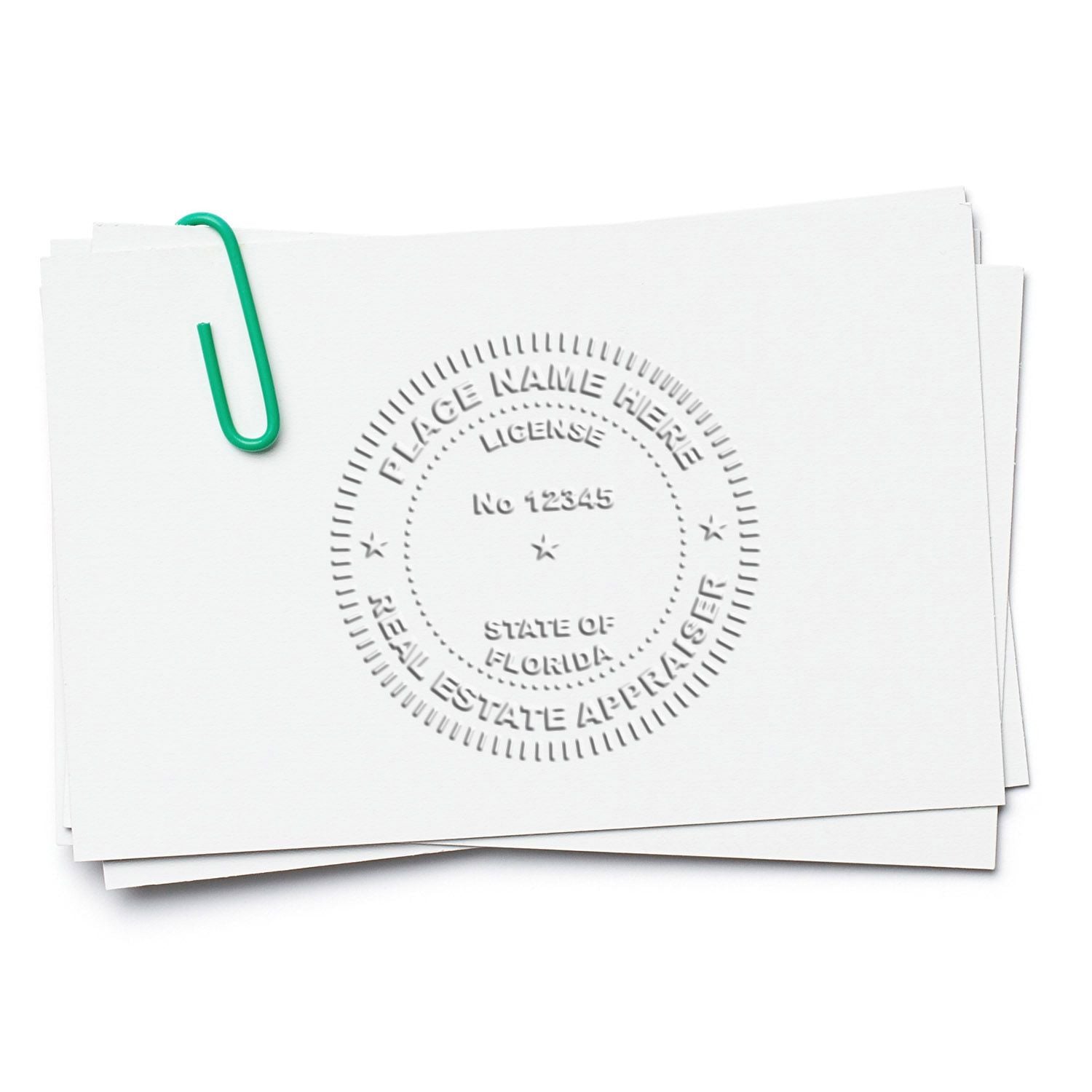
The rule names no instrument, so choose for how the report travels. An ink stamp reads in a scan and in a photocopy: the Real Estate Appraiser Self Inking Rubber Stamp of Seal is $39.95 and the MaxLight Pre Inked Rubber Stamp of Seal is $46.95. An embosser such as the Real Estate Appraiser Soft Seal Embosser at $44.95 leaves a raised impression that a scanner flattens into nothing, so it suits a retained hard copy. Where the date is engraved, the eSeal Electronic Image Stamp of Seal at $20.00 is the version worth keeping current, because reissuing an image each renewal costs less than recutting a die.




Sizing and layout
No dimension is prescribed, so let the longest line set the size. If you keep the date on the plate, the block has four lines rather than three and wants a wider rectangular face; a small round die forces the longest string into the narrowest part of the impression and the digits suffer first. Set the number in the same type size as the title rather than tucking it underneath in small type, because a number is the one element a reader cannot infer. Read the proof digit by digit against the credential.
Electronic delivery
Most Oregon reports leave as files, and nothing in the rule addresses that. OAR 161-025-0060 says nothing about an electronic seal, a digital certificate or a signature technology, so an image of your block in a PDF is a matter of your own practice and of what the client asks for. Keep the file with your credential records rather than in a shared assignment folder, and if the image carries the expiration date, put a note in your renewal checklist to replace it, because an image copied forward from year to year is exactly how a stale date reaches a report.
Before you order, and afterwards
Take the number and, if you are engraving it, the expiration date from the credential itself rather than from a prior report. Decide the date question first, since it decides whether the device lasts one cycle or the life of the credential. After that, upkeep is ordinary: ink a self-inking die when the character centers go gray, give a pre-inked die only its own ink, store the stamp face down and dry, and wipe the face with a dry cloth. This page is a research summary and not legal advice. Browse real estate appraiser stamps and seals, or contact us with your wording.
- Real Estate Appraiser Stamps and Seals
- Real estate appraiser stamps and seals
- Ohio Appraiser Seal: Number Next to the Title
- Rhode Island Appraiser Seal: Nothing Is Prescribed
Frequently asked questions
Does Oregon require a real estate appraiser to have a seal?
No. ORS chapter 674 was read in full and contains no seal, stamp or signature provision in any of its 31 sections, and OAR chapter 161 has no seal or stamp rule either. What Oregon asks for is a listing: your certificate or license number and your expiration date in each appraisal report.
Do I really have to put my expiration date on every report?
That is what OAR 161-025-0060(8) says: licensees must list their certificate or license number and expiration date in each appraisal report. It is the element that separates Oregon from most states, and the one that makes a dated stamp a recurring cost.
Should I engrave the expiration date on the stamp?
Only if you are content to replace the die at each renewal. The common alternative is a die carrying name, title and number, with the date written or typed beside it, which keeps one device accurate across cycles.
Is there a required size, shape or position on the page?
No. The rule says to list the two items in the report and stops there. No diameter, no shape and no position is prescribed anywhere in ORS chapter 674 or OAR chapter 161.
Does displaying my certificate at the office satisfy this?
No, and those are separate rules. OAR 161-050-0030 covers displaying the credential at your principal place of business; OAR 161-025-0060(8) covers what goes in each appraisal report. Meeting one does nothing for the other.
Can I use an image of the block on a PDF report?
Nothing in the rule addresses electronic seals or digital signatures either way, so it is a matter for you and your client. If the image carries the expiration date, replace it at renewal rather than copying last year’s file forward.








