
Written by Acorn Sales Company, manufacturing stamps and seals since 1964 · Reviewed by Holly R, VP of Sales and Marketing at Acorn Sales, against Ohio Real Estate Appraiser Board, Division of Real Estate and Professional Licensing, Ohio Department of Commerce on 22 September 2026 · Updated 25 September 2026
Ohio prescribes no seal for a real estate appraiser, and the one seal named in the appraiser statute belongs to the Department of Commerce rather than to you. ORC 4763.08 directs each certificate holder and licensee to place the certificate or license number adjacent to the title state-licensed residential real estate appraiser, state-certified residential real estate appraiser or state-certified general real estate appraiser when issuing an appraisal report or in a contract or other instrument used in conducting real estate appraisal activities. ORC 4763.12(C) then sets out what a written report carries: the name of the certificate holder or licensee, the class of certification or licensure held and the certification or licensure number, and the signature of the person performing and reporting the appraisal. Read division by division, neither section contains the word seal or the word stamp.
The Ohio question is therefore not which seal to buy. It is how to get that identification block onto every report and every engagement instrument without typing it out each time. That is what an appraiser stamp is for here: the credential title, the number set adjacent to it and your name, cut once and applied wherever the report calls for it, with the signature still written by hand.
Ohio real estate appraiser seal requirements at a glance
| Requirement | Ohio rule | Source |
|---|---|---|
| Seal required | No. ORC chapter 4763 and the Board’s administrative chapters prescribe no appraiser seal for reports. | Ohio Rev. Code 4763.08; 4763.12(C) |
| Required elements | Name of the certificate holder or licensee; class of certification or licensure held; the certificate or license number adjacent to the credential title; the credential title itself; the signature of the person performing and reporting the appraisal. | Ohio Rev. Code 4763.12(C); Ohio Rev. Code 4763.08 |
| Size and shape | None prescribed. No diameter, dimension or shape appears in ORC chapter 4763 or in OAC Title 1301:11, because no seal is prescribed for reports at all. | Ohio Rev. Code ch. 4763; OAC Title 1301:11 (no provision) |
| Device allowed | Ohio names no instrument. The statute describes wording and placement, so an ink stamp, an embosser or a typed block each satisfy it on equal terms. | Ohio Rev. Code 4763.08 |
| Signature and date | The signature of the person performing and reporting the appraisal is one of the listed report contents. No provision puts a date inside the identification block. | Ohio Rev. Code 4763.12(C) |
| What must be sealed | Nothing. What ORC 4763.08 reaches is each appraisal report and each contract or other instrument used in conducting real estate appraisal activities, and what it asks for there is the number adjacent to the title. | Ohio Rev. Code 4763.08 |
| Electronic seal | Not addressed. Neither ORC 4763.08 nor ORC 4763.12 speaks to an electronic seal or a digital signature on a transmitted appraisal report. | Ohio Rev. Code 4763.08; 4763.12 (no provision) |
| Renewal and lapse | No expiration date belongs on the report. The listed contents are the name, the class, the number and the signature, so wording cut to ORC 4763.08 does not go stale at renewal. | Ohio Rev. Code 4763.12(C) |
| Firm requirements | None located. ORC 4763.12(C) names the individual certificate holder or licensee, and no firm seal or firm identification block appears in the statute or in the Board’s chapters. | Ohio Rev. Code 4763.12(C); OAC Title 1301:11 (no provision) |
| Regulator | Ohio Real Estate Appraiser Board, within the Division of Real Estate and Professional Licensing, Ohio Department of Commerce | Ohio Rev. Code ch. 4763; OAC Title 1301:11, chapters 1301:11-1, 1301:11-3, 1301:11-4 and 1301:11-7 |


What ORC 4763.08 actually says
The operative sentence is short. Each certificate holder and licensee places the certificate or license number adjacent to the title when issuing an appraisal report, or in a contract or other instrument used in conducting real estate appraisal activities. The titles it names are state-licensed residential real estate appraiser, state-certified residential real estate appraiser and state-certified general real estate appraiser. That is a wording and placement rule, not a device rule. It does not say how the wording gets onto the page, it does not describe an impression, and it sets no geometry. An appraiser who types the block by hand satisfies it exactly as well as one who stamps it, which is why the Ohio buying decision is about saved keystrokes rather than about compliance with a seal specification.
The second half of the answer is in the report contents rule
ORC 4763.12(C) is where the rest of the block comes from. A certified appraisal or certified appraisal report contains, among the items it lists, the name of the certificate holder or licensee, the class of certification or licensure held together with the certification or licensure number, and the signature of the person performing and reporting the appraisal. Put the two sections together and the identification block on an Ohio report has four fixed parts: name, credential class, number and signature, with the number sitting next to the title. This is the section of the statute worth reading closely, because report contents is exactly where other states have buried a seal duty. Ohio’s contains no reference to a seal or a stamp in any division.
The seal in the appraiser statute is the Department’s, not yours
ORC 4763.08 does use the word seal, and this is the trap on the Ohio page. The same section says the initial certificate, registration and license indicates the holder’s name, bears the signatures of the members of the real estate appraiser board, is issued under the seal prescribed in ORC 121.20, and contains a number assigned by the superintendent. That is the agency authenticating its own record: the Department of Commerce seal on the wall credential it issues. ORC 121.20 is a general Department of Commerce provision covering many divisions, and it puts no duty on an appraiser. It is not a device you own, it never goes on an appraisal report, and any page that reads Ohio as a seal state has read that one sentence too quickly.
What to engrave, line by line
Four lines cover it. Your name as it appears on the credential, the credential title in full, the certificate or license number, and the word Ohio if you work across state lines and want the block to say which state issued the credential. The title and the number belong together, because that adjacency is the part ORC 4763.08 actually specifies: set the number on the same line as the title or on the line directly beneath it, rather than off in a page footer. Use the exact statutory title for the class you hold. State-certified general real estate appraiser and state-certified residential real estate appraiser are different credentials, and a plate that abbreviates one into the other misdescribes the class the report is issued under.
Leave the signature line open
Do not cut a facsimile signature into the die. ORC 4763.12(C) lists the signature of the person performing and reporting the appraisal as a report content in its own right, separate from the name. The layout that works is a stamped block of name, title and number with clear white space above it, and the signature written into that space in ink. The stamp carries the static facts; the pen carries the act of signing.



Which documents carry the block
Wider than most people expect. ORC 4763.08 reaches the appraisal report and also a contract or other instrument used in conducting real estate appraisal activities, so engagement paperwork is inside the rule, not only the finished report. That changes the device. A block applied to letters, engagement documents and certification pages gets used several times per assignment, which argues for a self-inking or pre-inked die. Nothing in the statute asks for the block on every page of a report.
Embosser, ink stamp or eSeal image
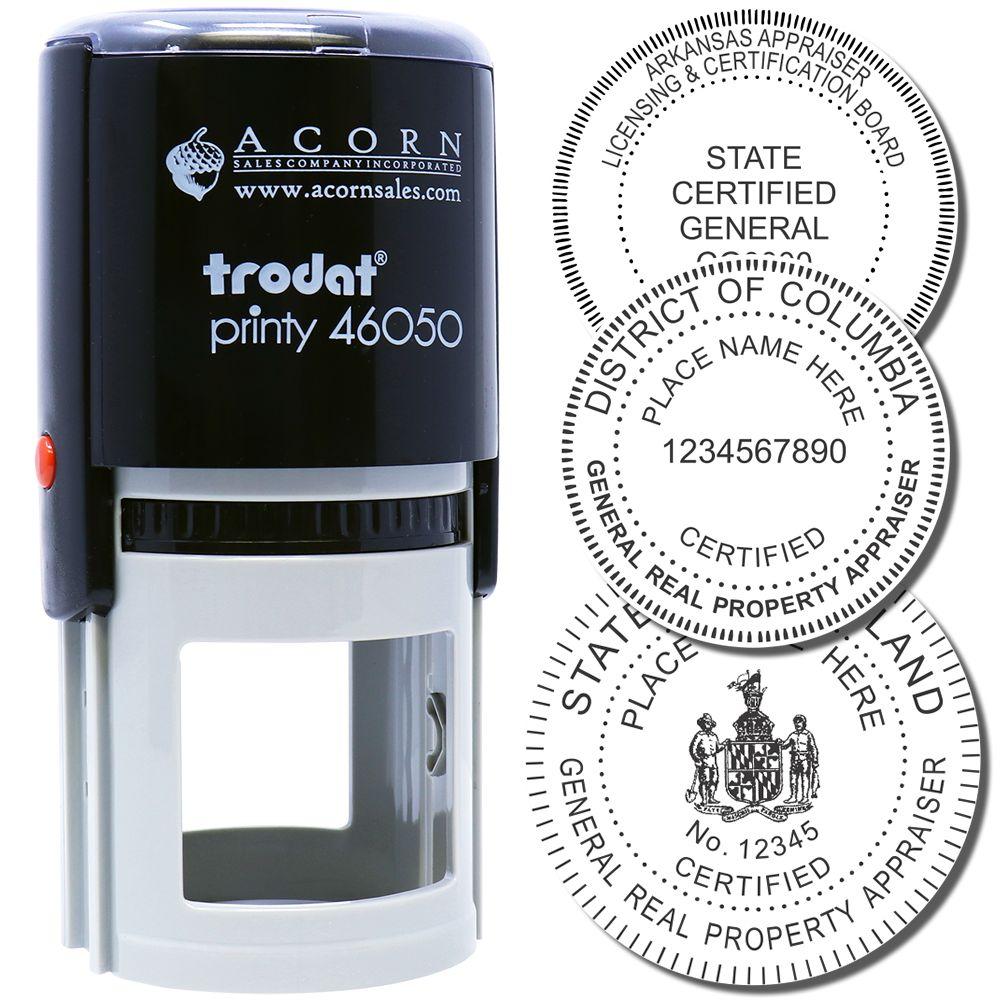
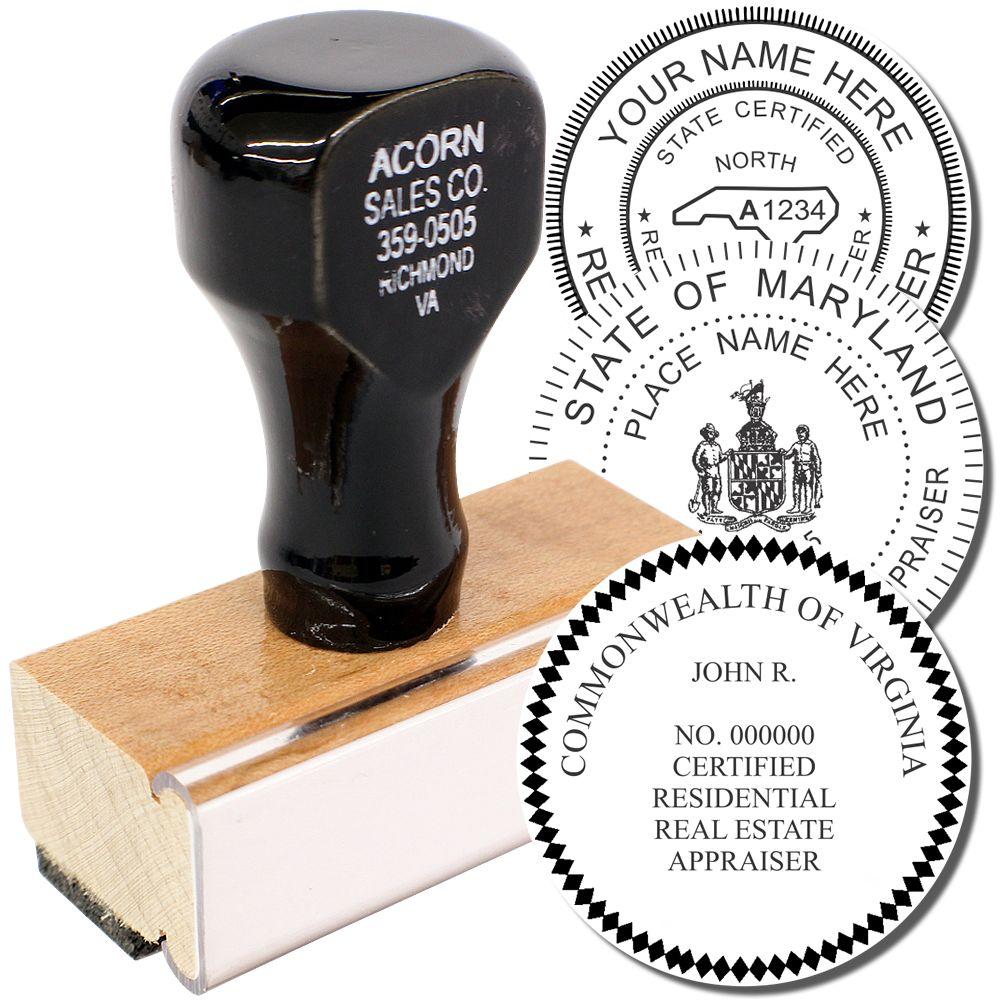
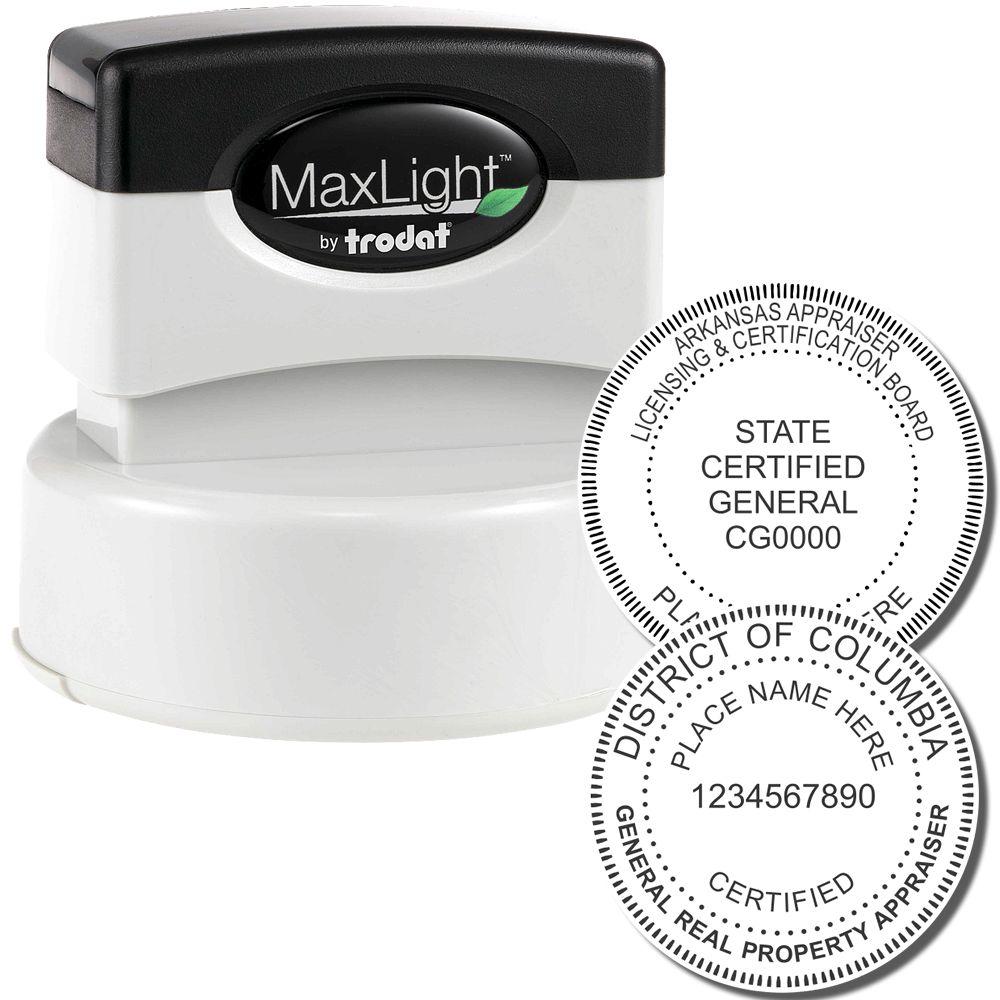
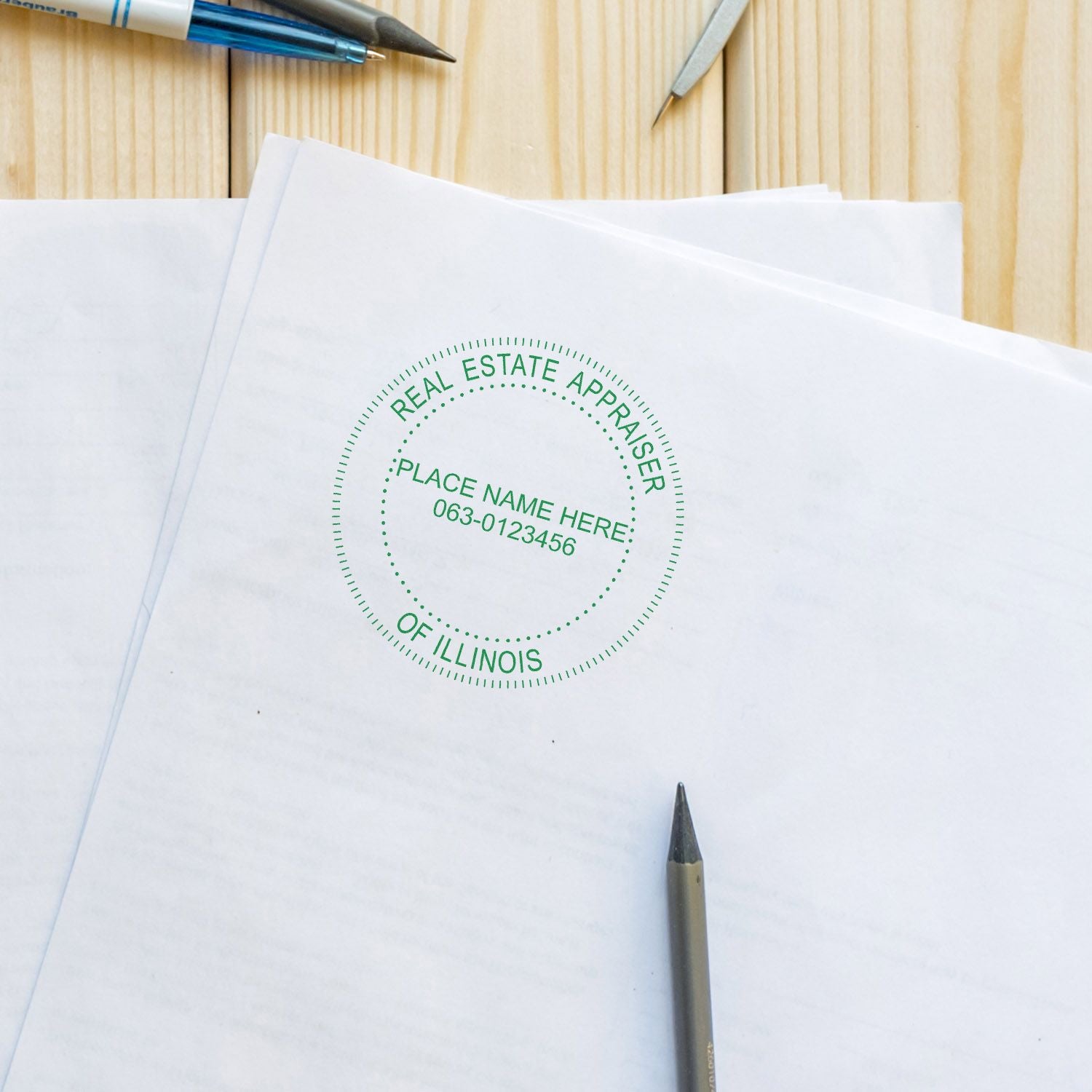
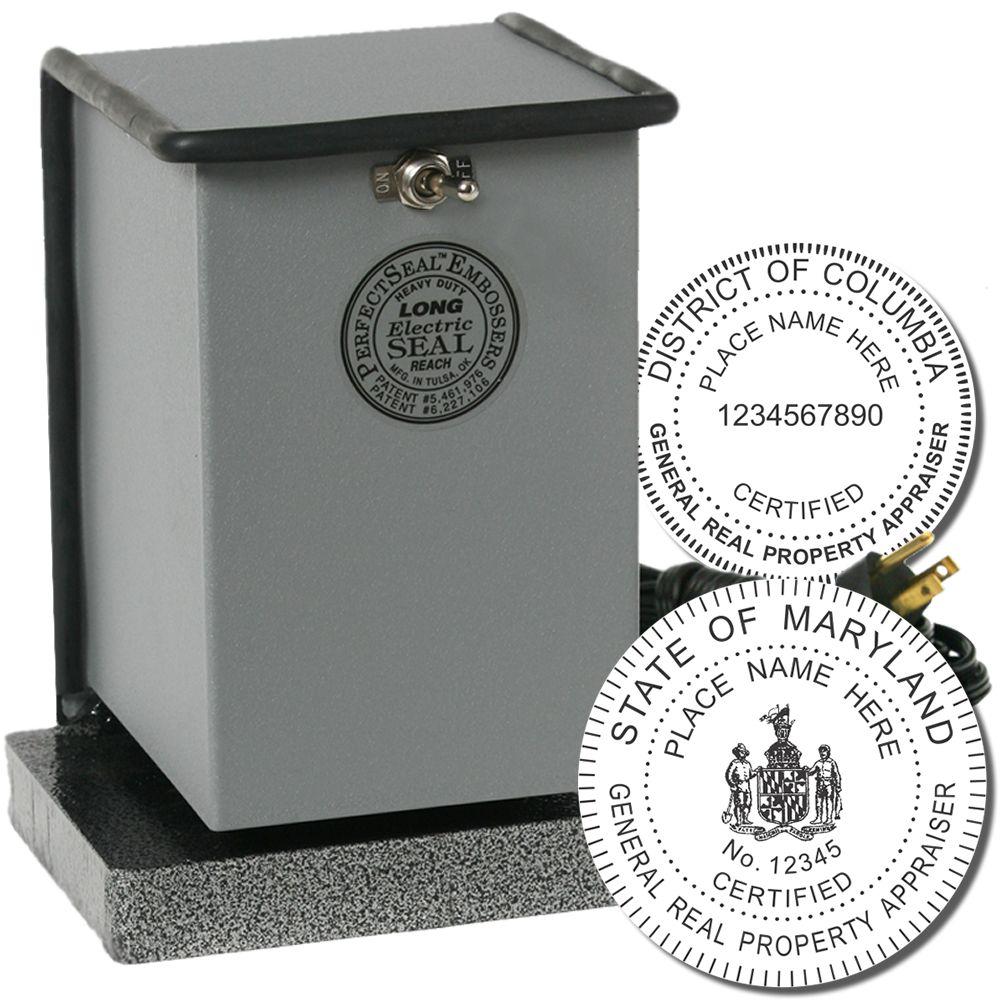
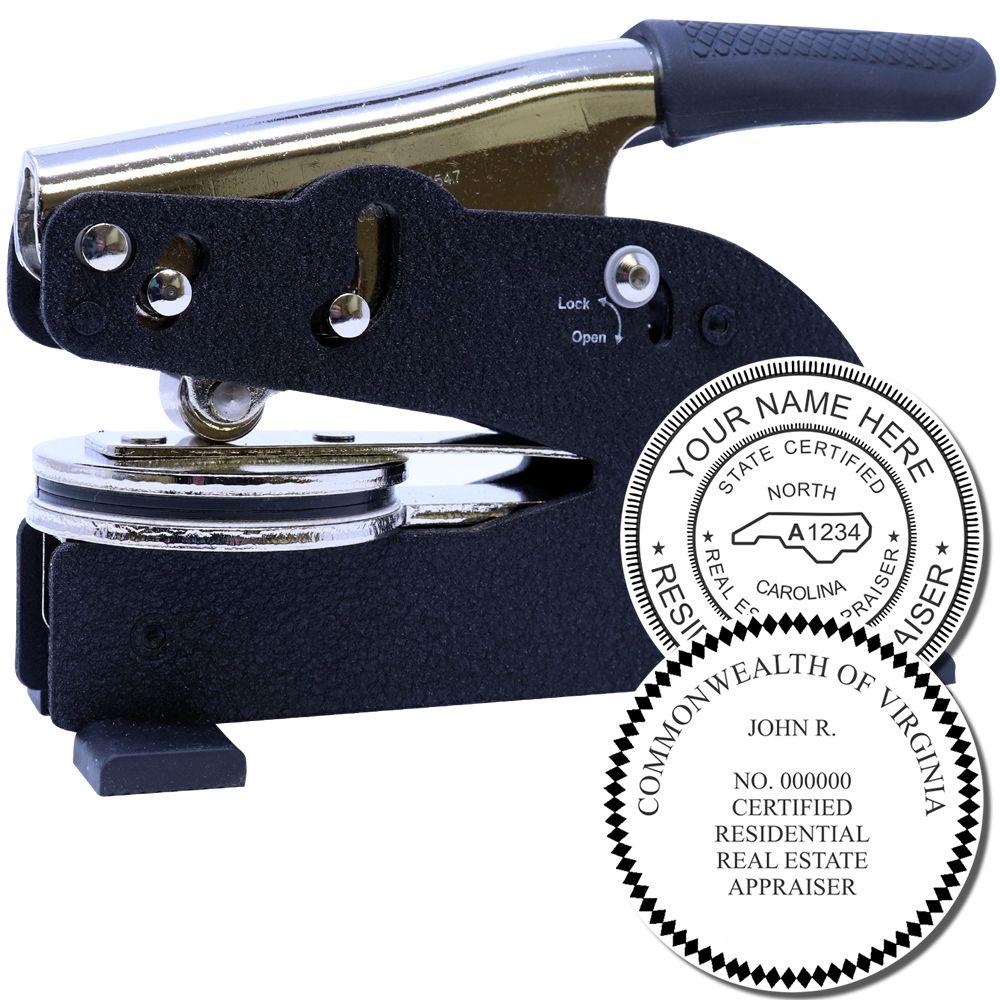
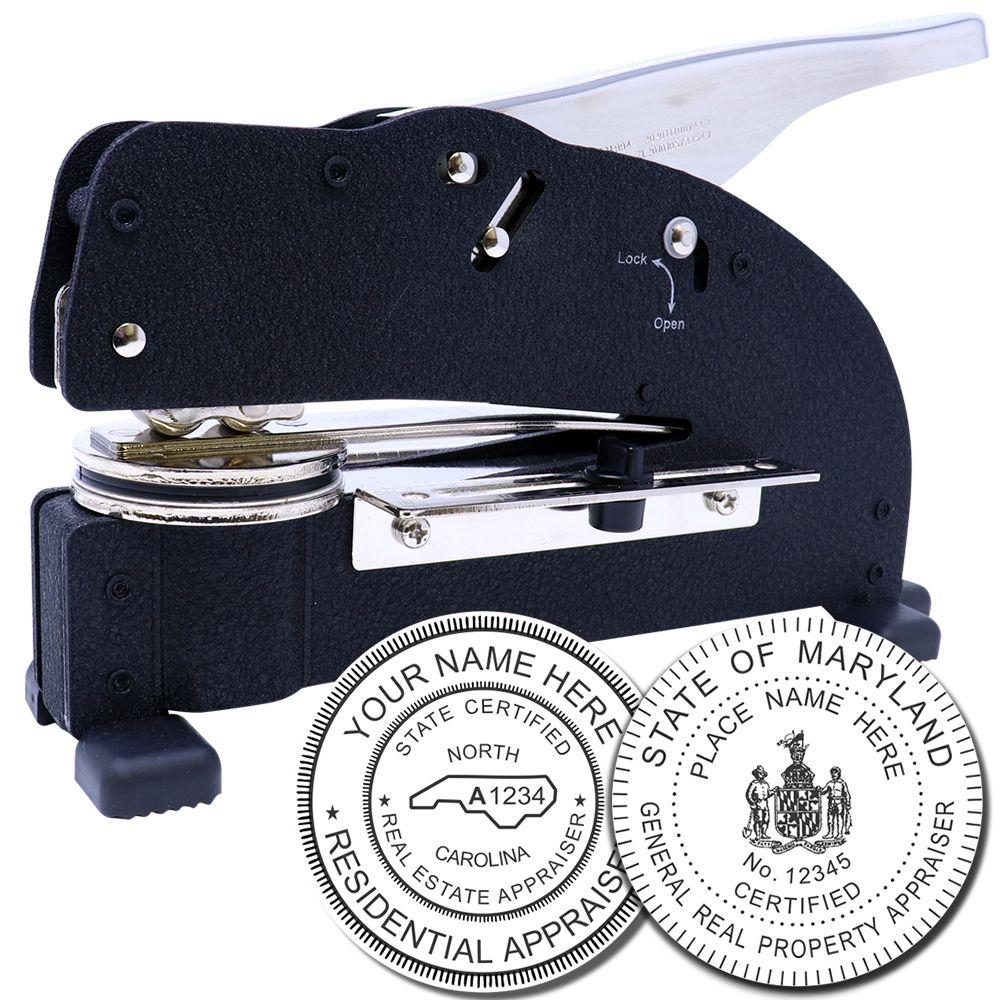
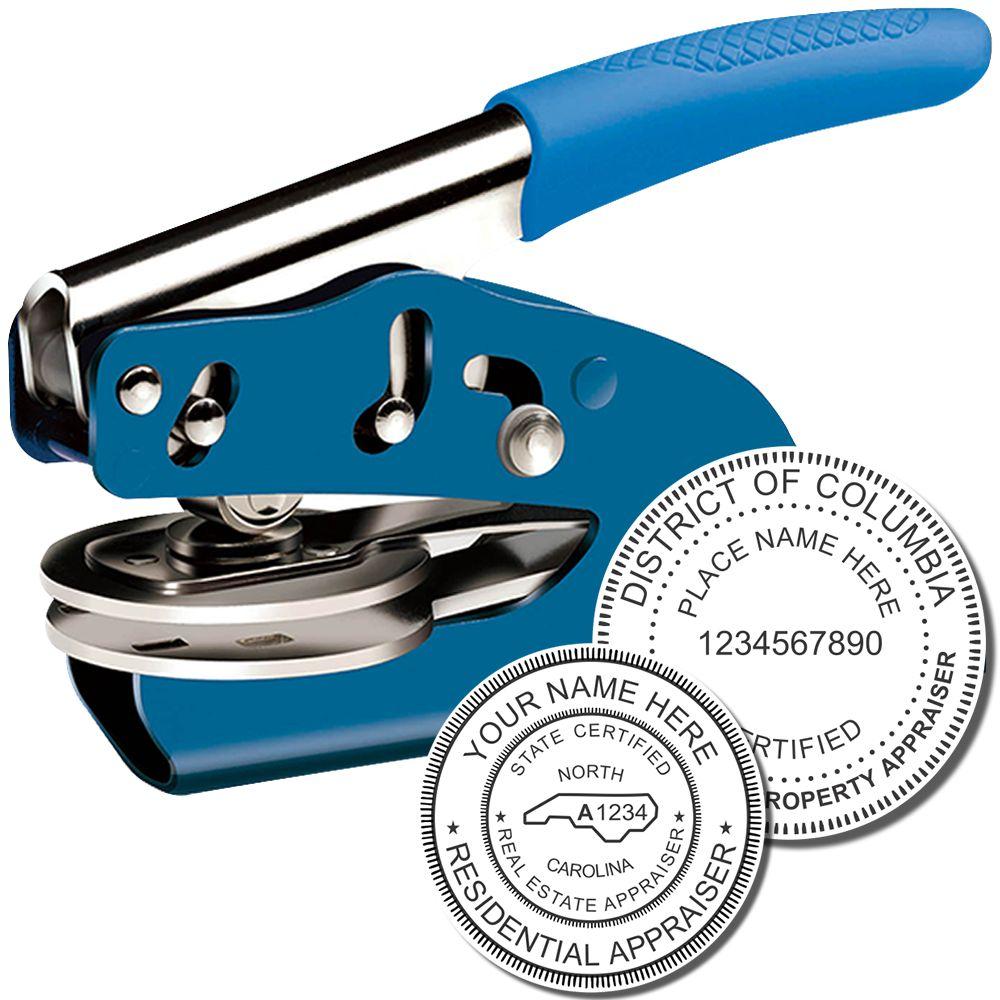
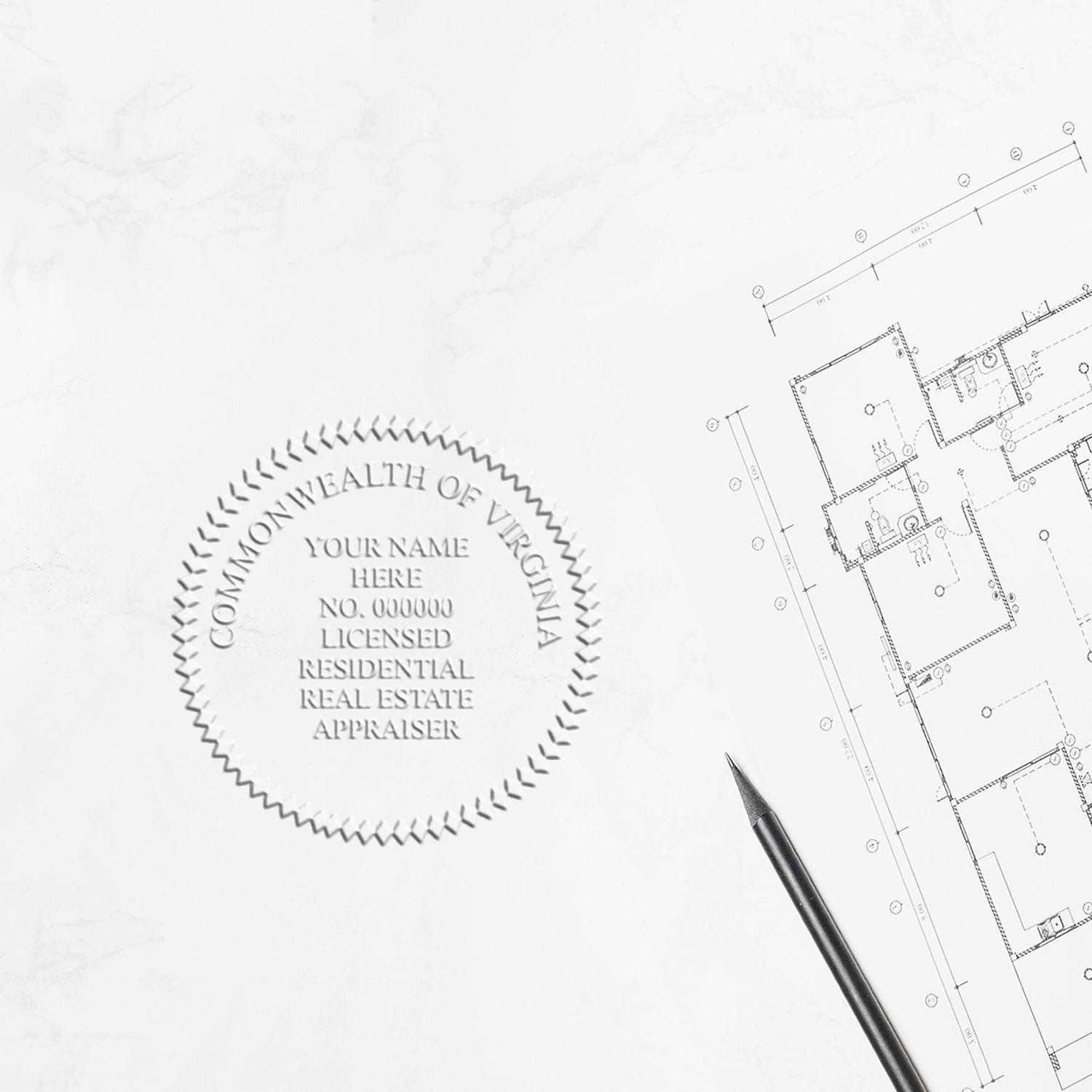
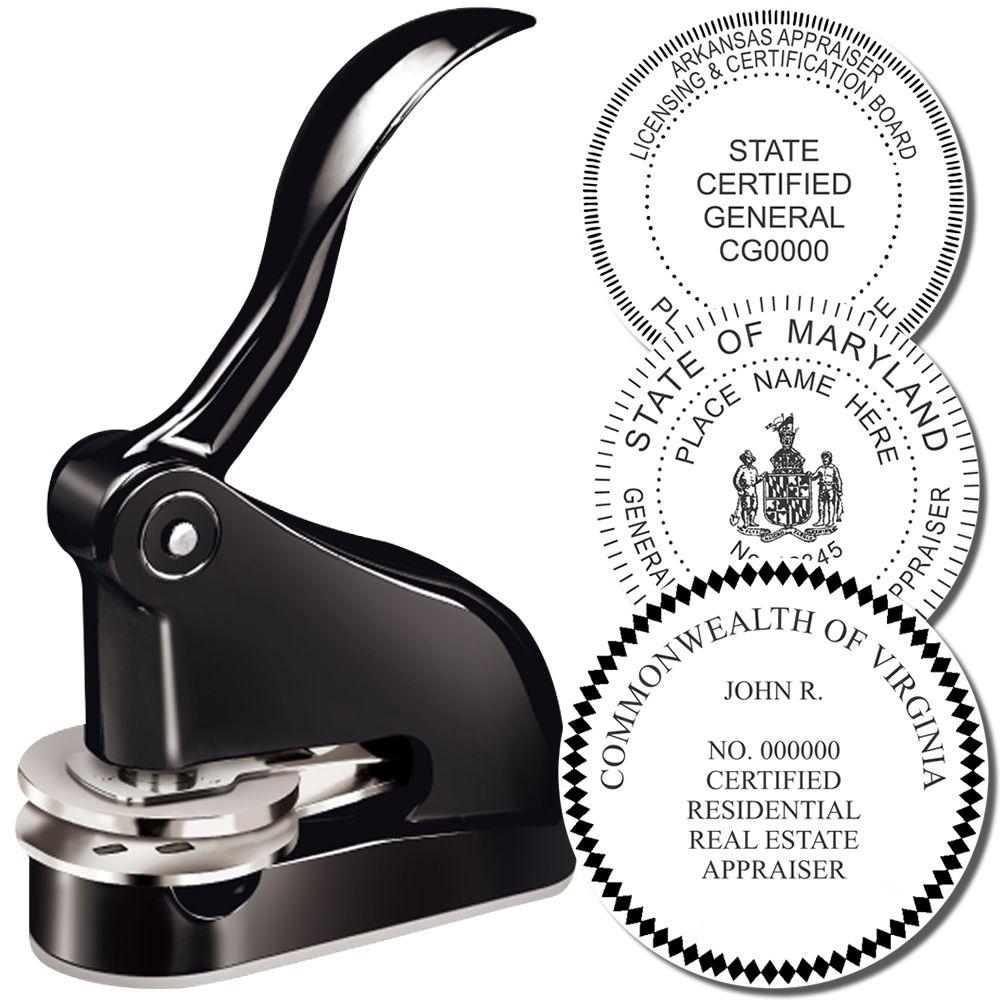
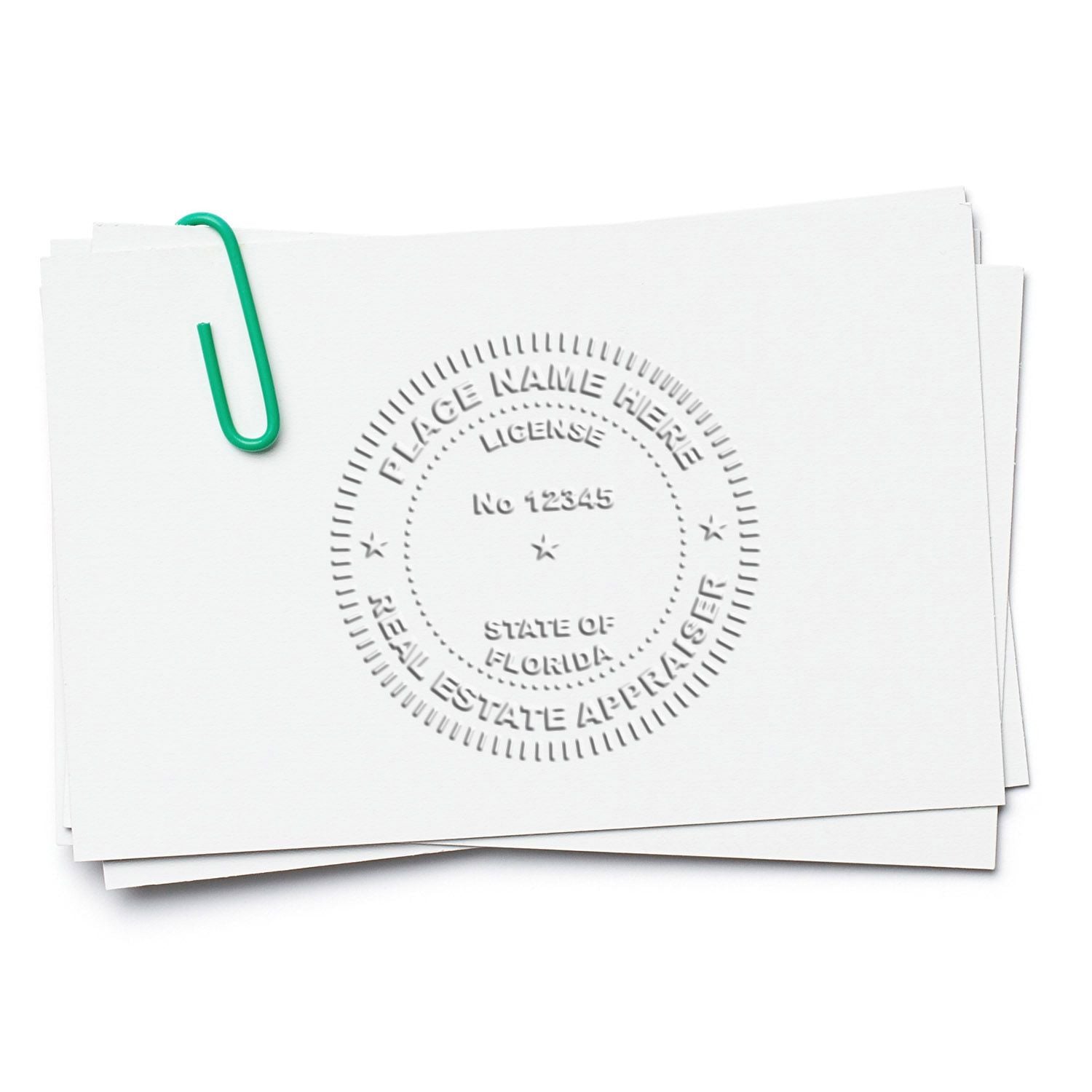
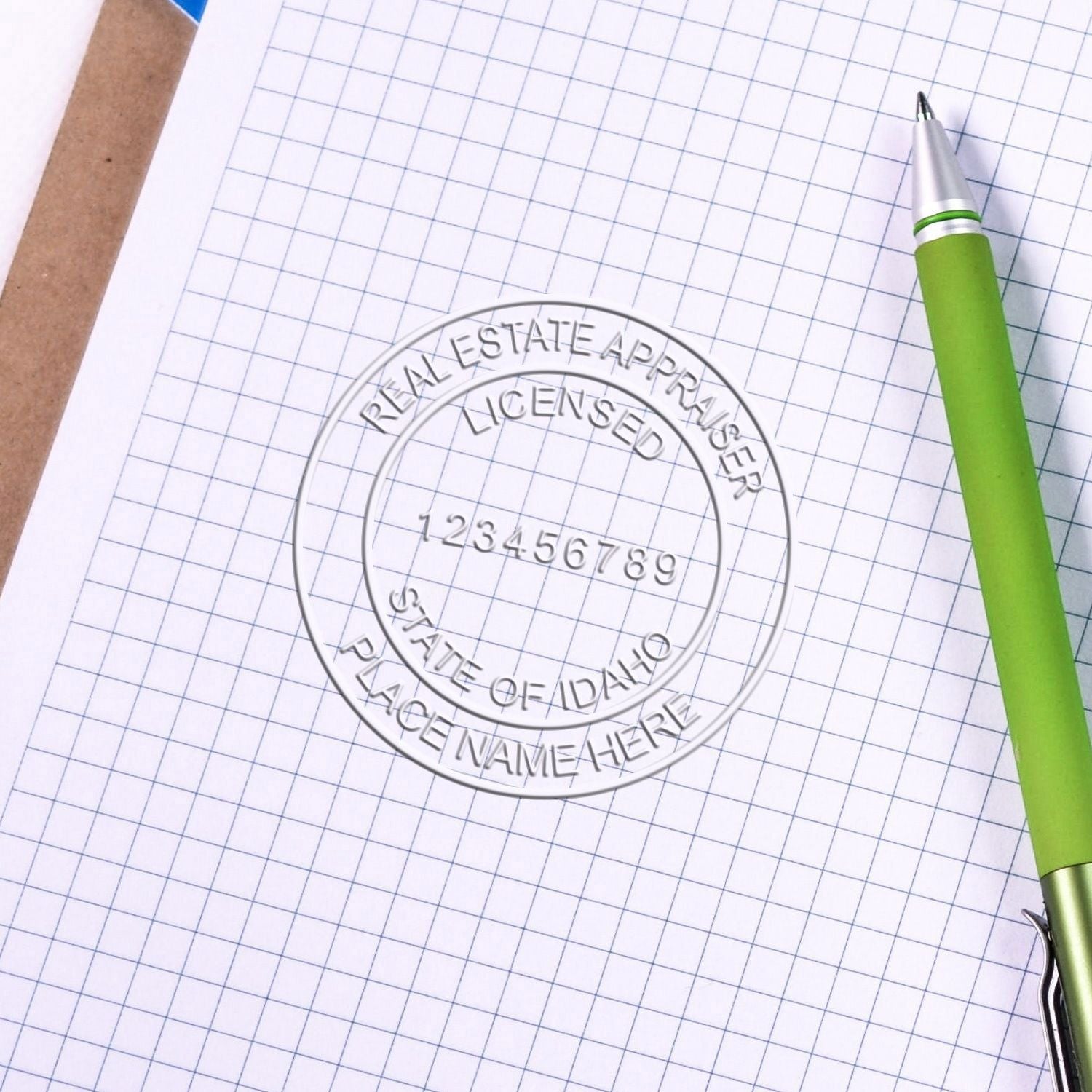
Ohio names no instrument, so pick on how the work moves. An ink stamp reproduces in a scan, which is what a lender file needs: the Real Estate Appraiser Self Inking Rubber Stamp of Seal is $39.95, the Regular Rubber Stamp of Seal with a separate pad is $34.95, and the MaxLight Pre Inked Rubber Stamp of Seal is $46.95 with the crispest character edges of the three. An embosser such as the Handheld Seal Embosser at $46.95 leaves a raised impression that scans poorly, so it suits a retained original. For a report delivered as a file, the Real Estate Appraiser eSeal Electronic Image Stamp of Seal is $20.00 and drops the same artwork into the document.
Sizing and layout
With no prescribed geometry, legibility is the whole test. Ohio’s credential titles are long: state-certified residential real estate appraiser is six words, and squeezed into a small plate it becomes a line of type that fills with ink as the die wears. Give the title its own line, or break it across two, and keep the number on the line that touches it. A rectangular die lays out more easily than a round one at this length, because a circle forces the longest line into the narrowest part of the face. Send the exact text, including capitalization, and read the proof against the credential rather than from memory.
Registered assistants and supervising appraisers
ORC 4763.08 names three titles, and each belongs to a certified or licensed class. Registration of appraiser assistants sits in its own chapter of the Board’s rules at OAC 1301:11-4, and the statute does not supply a fourth title for an assistant to place a number beside. The safe course for anyone holding a registration rather than a certificate or a license is to use the exact name of the credential actually held, and to keep the three statutory titles for the people who hold them. Order the device after the credential is issued, not while an application is pending, so the number on the plate is the number on the certificate.



Electronic delivery, and what the statute does not reach
Most Ohio reports are delivered as files, and the statute has nothing to say about that. Neither ORC 4763.08 nor ORC 4763.12 addresses an electronic seal, a digital certificate or a signature technology, so an image of your identification block in a PDF is governed by your own practice and by what the client and the lender ask for. Keep the image file with your other credential material rather than in a shared assignment folder, and keep the resolution high enough that the number survives flattening and printing, which is where a thin typeface fails.
What to check before you order
Read the credential itself and copy three things from it: the exact class, the exact title wording and the number. Confirm the class has not changed since your last renewal, since a residential certificate upgraded to general makes an old plate wrong rather than merely dated. Decide whether the block goes on engagement paperwork as well as reports, because that changes the volume the die has to survive. This page is a research summary and not legal advice. Browse real estate appraiser stamps and seals, or contact us with the wording from your certificate.
Keeping the device working
Store a stamp face down so dust stays out of the cut, and wipe it with a dry cloth rather than solvent.
- Real Estate Appraiser Stamps and Seals
- Real estate appraiser stamps and seals
- Pennsylvania Appraiser Seal: Reports and Agreements
- Oklahoma Appraiser Seal: Number Below the Title
Frequently asked questions
Does Ohio require a real estate appraiser to have a seal?
No. ORC chapter 4763 prescribes no appraiser seal, and ORC 4763.12, the section that lists what a written report contains, has no reference to a seal or a stamp in any division. What the statute asks for is the certificate or license number placed adjacent to the credential title, together with the name, the class and the signature.
Then why does ORC 4763.08 mention a seal?
Because that sentence is about the credential document the state issues, not about your reports. The certificate, registration or license bears the signatures of the members of the board and is issued under the seal prescribed in ORC 121.20, which is the Department of Commerce seal on its own records. It is not a device an appraiser owns or applies.
What exactly goes on an Ohio appraiser stamp?
Your name as it appears on the credential, the full credential title, and the certificate or license number set adjacent to that title. Those are the static items from ORC 4763.08 and ORC 4763.12(C). Leave the signature off the die and write it on the page.
Does the number have to touch the title?
ORC 4763.08 uses the word adjacent, so keep the number on the same line as the title or on the line immediately below it. Separating the two by putting the number in a page footer is the one layout the wording of the section argues against.
Do engagement letters and contracts need the block too?
Yes. ORC 4763.08 applies when issuing an appraisal report and also in a contract or other instrument used in conducting real estate appraisal activities, so the engagement paperwork falls inside the same rule.
Can I use an electronic version on a PDF report?
Nothing in the statute addresses it either way. ORC 4763.08 and ORC 4763.12 say nothing about an electronic seal or a digital signature, so an image of the block in a transmitted report is a matter for you and your client rather than a matter of state specification.








