
Written by Acorn Sales Company, manufacturing stamps and seals since 1964 · Reviewed by Holly R, VP of Sales and Marketing at Acorn Sales, against Pennsylvania State Board of Certified Real Estate Appraisers, Bureau of Professional and Occupational Affairs, Pennsylvania Department of State on 22 September 2026 · Updated 22 September 2026
Pennsylvania prescribes no appraiser seal, and its identification rule reaches one document most states leave alone: the written appraisal agreement. 49 Pa. Code 36.52 says a certified real estate appraiser shall place his name, signature and certificate number adjacent to or immediately below the title Pennsylvania certified general real estate appraiser, Pennsylvania certified residential real estate appraiser or Pennsylvania certified broker/appraiser, as appropriate, on each written appraisal report and each written appraisal agreement. A substantially similar title may be substituted, and professional designations may be included adjacent to the signature where you hold them.
So the Pennsylvania block is used twice per assignment rather than once, at the start and at the end. Three of its four parts never change: the title, the number and your printed name. The fourth, the signature, is written by hand each time. A stamp carries the three fixed parts and leaves the signature its room, which is the whole of what a device does in this state.
Pennsylvania real estate appraiser seal requirements at a glance
| Requirement | Pennsylvania rule | Source |
|---|---|---|
| Seal required | No. No section of 49 Pa. Code chapter 36 prescribes a seal or a stamp, and no section title in the chapter uses either word. | 49 Pa. Code ch. 36, Subchapter A, complete section inventory |
| Required elements | Name, signature and certificate number, placed adjacent to or immediately below the credential title. A professional designation may be included adjacent to the signature. | 49 Pa. Code 36.52 |
| Size and shape | None prescribed. Chapter 36 sets no diameter, dimension or shape, because it prescribes no device. | 49 Pa. Code ch. 36 (no provision) |
| Device allowed | Any. The rule says place, names no instrument and describes no impression, so stamped, printed or typed wording meets it alike. | 49 Pa. Code 36.52 |
| Signature and date | The signature is one of the three items the rule places next to the title. No date element is prescribed anywhere in the rule. | 49 Pa. Code 36.52 |
| What must be sealed | Nothing. The block goes on each written appraisal report and each written appraisal agreement, which is the wider reach worth noticing. | 49 Pa. Code 36.52 |
| Electronic seal | Not addressed. Chapter 36 says nothing about an electronic seal or a digital signature on a transmitted report. | 49 Pa. Code ch. 36 (no provision) |
| Renewal and lapse | No expiration date belongs in the block, so wording cut to 36.52 does not go stale at renewal. Reactivation of a lapsed certification sits at 36.91. | 49 Pa. Code 36.52; 49 Pa. Code 36.91 |
| Firm requirements | None located. The duty in 36.52 runs to the individual certified appraiser; 36.54 adds co-signature duties for a supervisory appraiser, who is a person rather than a firm. | 49 Pa. Code 36.52; 49 Pa. Code 36.54 |
| Regulator | Pennsylvania State Board of Certified Real Estate Appraisers, Bureau of Professional and Occupational Affairs, Department of State | Real Estate Appraisers Certification Act, 63 P.S. 457.1 et seq.; 49 Pa. Code ch. 36 |


What 49 Pa. Code 36.52 says
The rule is titled Use of certificate number and title, and it is the operative marking provision in Pennsylvania. A certified real estate appraiser shall place his name, signature and certificate number adjacent to or immediately below the title Pennsylvania certified general real estate appraiser, Pennsylvania certified residential real estate appraiser or Pennsylvania certified broker/appraiser, as appropriate, on each written appraisal report and each written appraisal agreement. A substantially similar title may be substituted. Professional designations may be included adjacent to the signature, if applicable. Nothing in that text names a seal, a stamp or an impression, and nothing sets a size. It is a wording, grouping and placement rule and nothing more.
The agreement is inside the rule, and that is unusual
Most states reach the report and stop. Pennsylvania names the written appraisal agreement in the same breath, so the identification block belongs on the engagement paperwork as well as on the finished product. Two consequences follow. The first is practical: the block gets applied at both ends of every assignment, which roughly doubles the use a die sees and argues for a self-inking or pre-inked mechanism rather than a hand stamp and pad. The second is procedural: an agreement sent out under a letterhead that carries only your firm name does not carry what 36.52 describes, because the rule wants the title, the number, your name and your signature grouped together.
A substantially similar title may be substituted
This sentence matters more for artwork than it looks. The three statutory titles are long, and Pennsylvania certified residential real estate appraiser is a mouthful to letter on a die. The rule expressly permits a substantially similar title in place of the exact phrase, so the plate is not locked to one string of words. That is a latitude, not an invitation to invent: substantially similar means a reader still learns which of the three Pennsylvania credentials you hold. Dropping the word Pennsylvania, or collapsing general and residential into a single generic word appraiser, takes information away rather than shortening it.
What to engrave, and what the pen does
Put three things on the die and leave the fourth to ink. The die carries your name as you print it, the credential title, and the certificate number. The signature stays a signature: 36.52 lists it as an item to be placed next to the title, and a facsimile cut into rubber is a poorer thing than a hand-signed line, particularly on an agreement that functions as a contract. Lay the block out with white space directly above or beside the printed name so the signature has somewhere to sit without crossing the number. If you hold a professional designation, the rule allows it adjacent to the signature, so it can go on the die or be written in.



Which of the three titles is yours
Pennsylvania certified general real estate appraiser, Pennsylvania certified residential real estate appraiser and Pennsylvania certified broker/appraiser are three separate credentials, and 36.52 says to use the one that fits, as appropriate. Copy the wording from the certificate rather than from a colleague’s report, and order the device once the credential is in hand. If you move from residential to general, the old plate becomes inaccurate rather than merely dated, and inaccuracy about the class of certification is the one error on this block that a reviewer notices immediately.
Supervisory appraisers co-sign, they do not co-seal
49 Pa. Code 36.54 sets the duties of a supervisory appraiser, including co-signature and checklist obligations for work an assistant or trainee helped produce, and it cross-references 36.52 for identifying the assistant’s involvement. The verb throughout is sign. There is no second device, no counter-seal and no dual impression in the Pennsylvania scheme. A supervisor who orders a stamp is ordering the same four-part block as everybody else, and the supervisory relationship is documented through signatures and the checklist rather than through anything applied to the page.
The evaluator rule next door is a different credential
The same Board administers the Certified Pennsylvania Evaluator credential, and 49 Pa. Code 36.265 sets an almost identical marking rule for it: name, signature and certificate number adjacent to or immediately below the title Certified Pennsylvania Evaluator on each written appraisal report prepared for external purposes. Two differences are worth holding onto. The title is different, and the evaluator rule carries the narrower limit of reports prepared for external purposes. Do not build an appraiser device from the evaluator rule or the reverse, and if you hold both credentials, keep two blocks rather than merging them into one.
Pennsylvania does prescribe seals, for other professions
This is the trap that catches vendors. The Bureau of Professional and Occupational Affairs houses many boards, and other chapters of 49 Pa. Code do impose professional seals on engineers, land surveyors, architects and landscape architects, with prescribed content and prescribed use. Those rules belong to different credentials issued by different boards and they do not reach a certified real estate appraiser. If you hold one of those credentials as well, order that device to its own chapter and keep it apart from the appraiser block, because a die that mixes the two legends misdescribes both.



Embosser, ink stamp or eSeal image
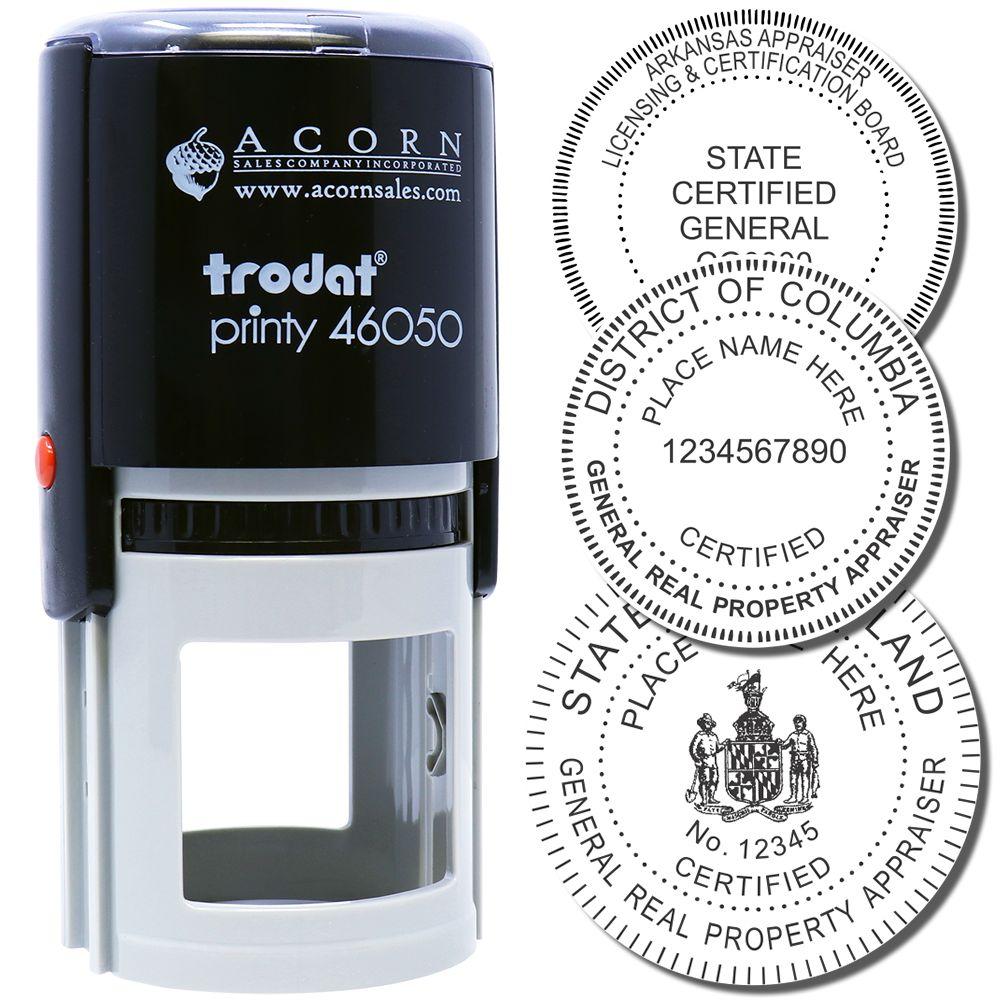
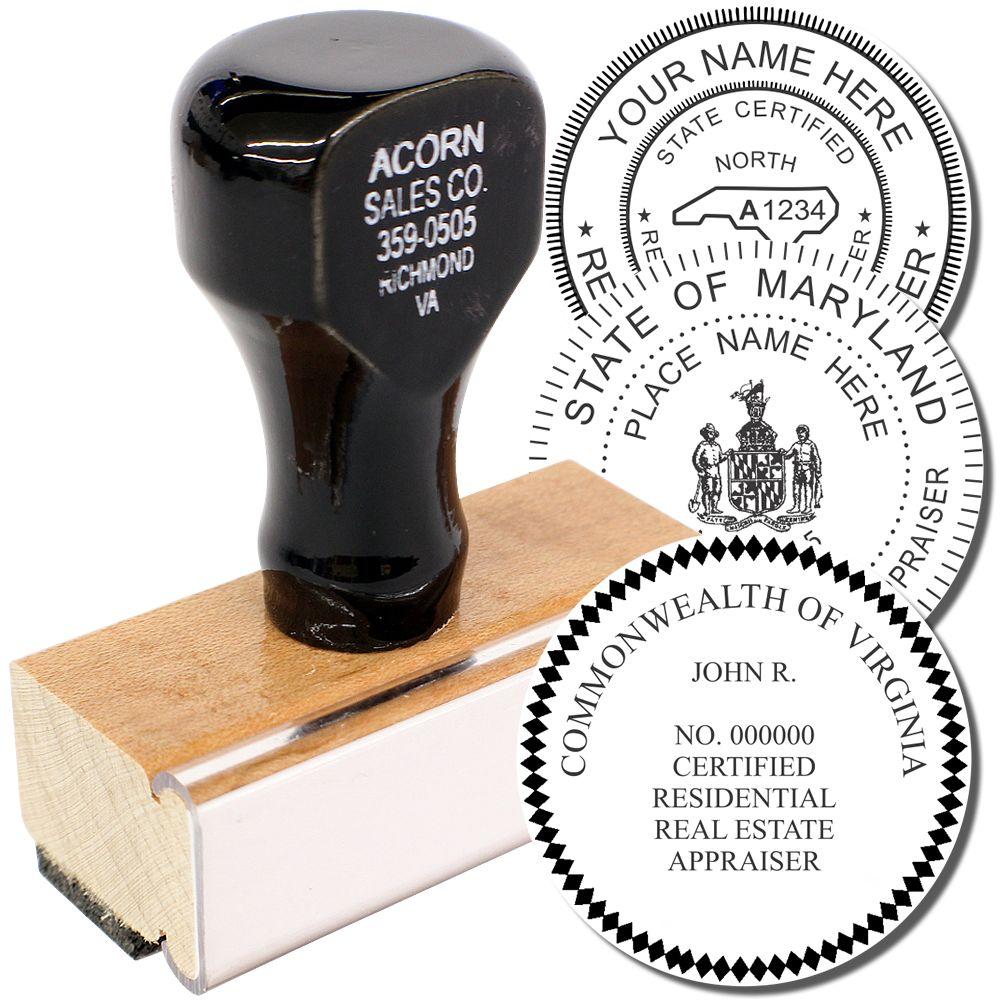
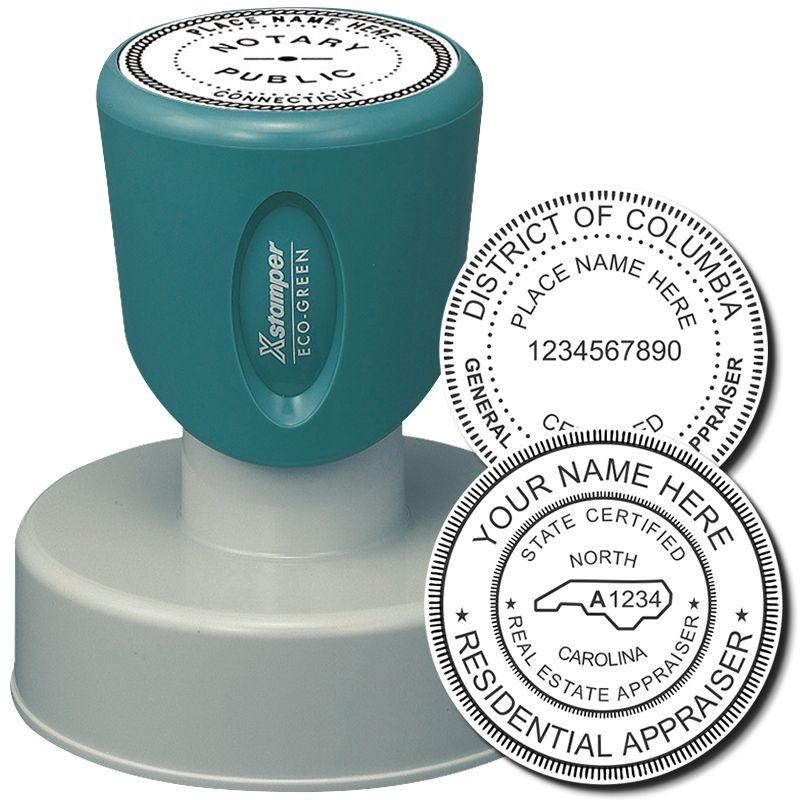
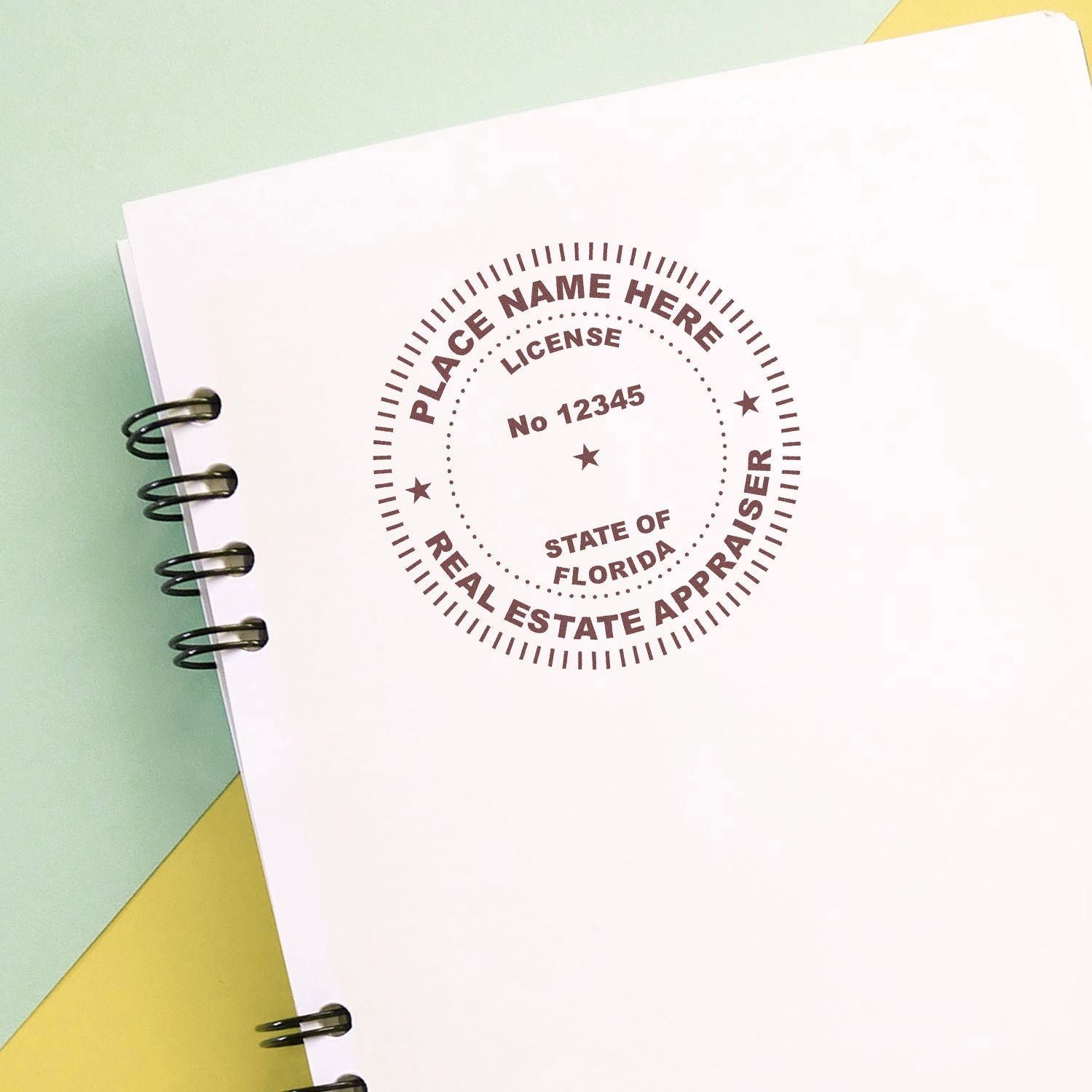
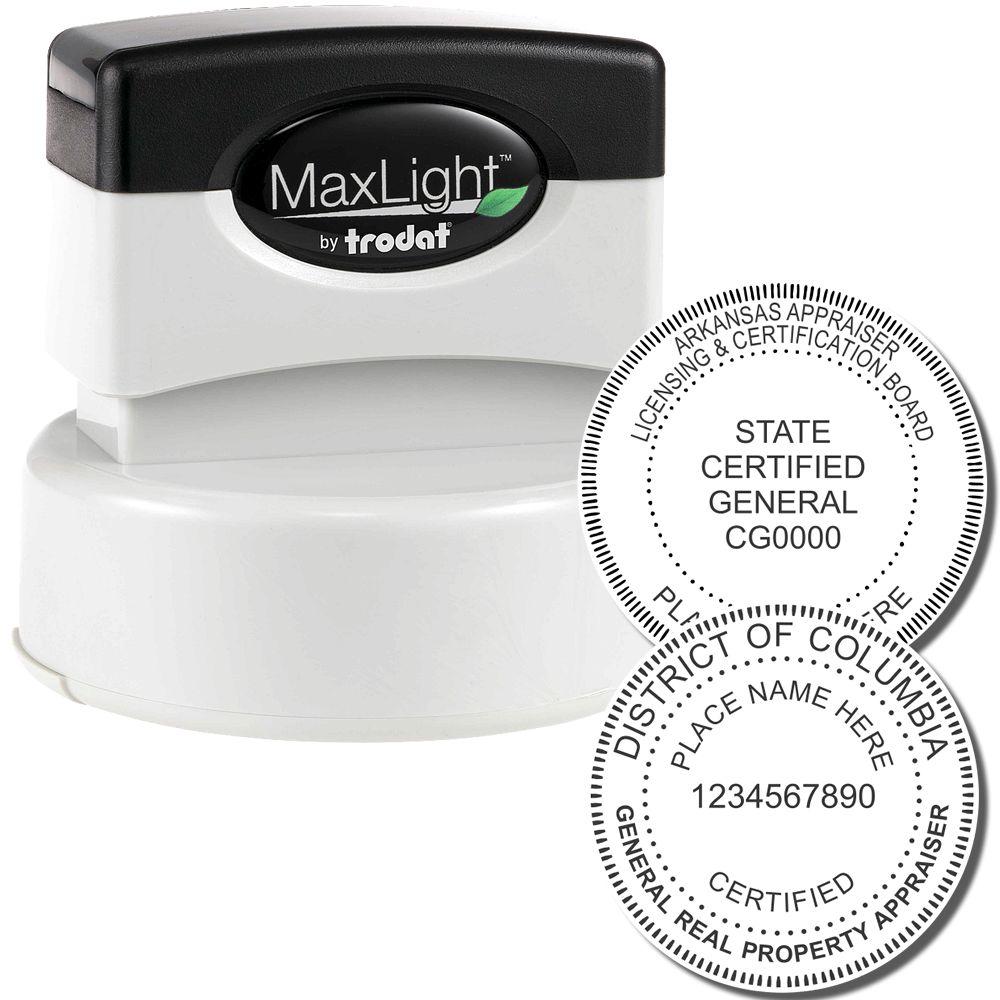
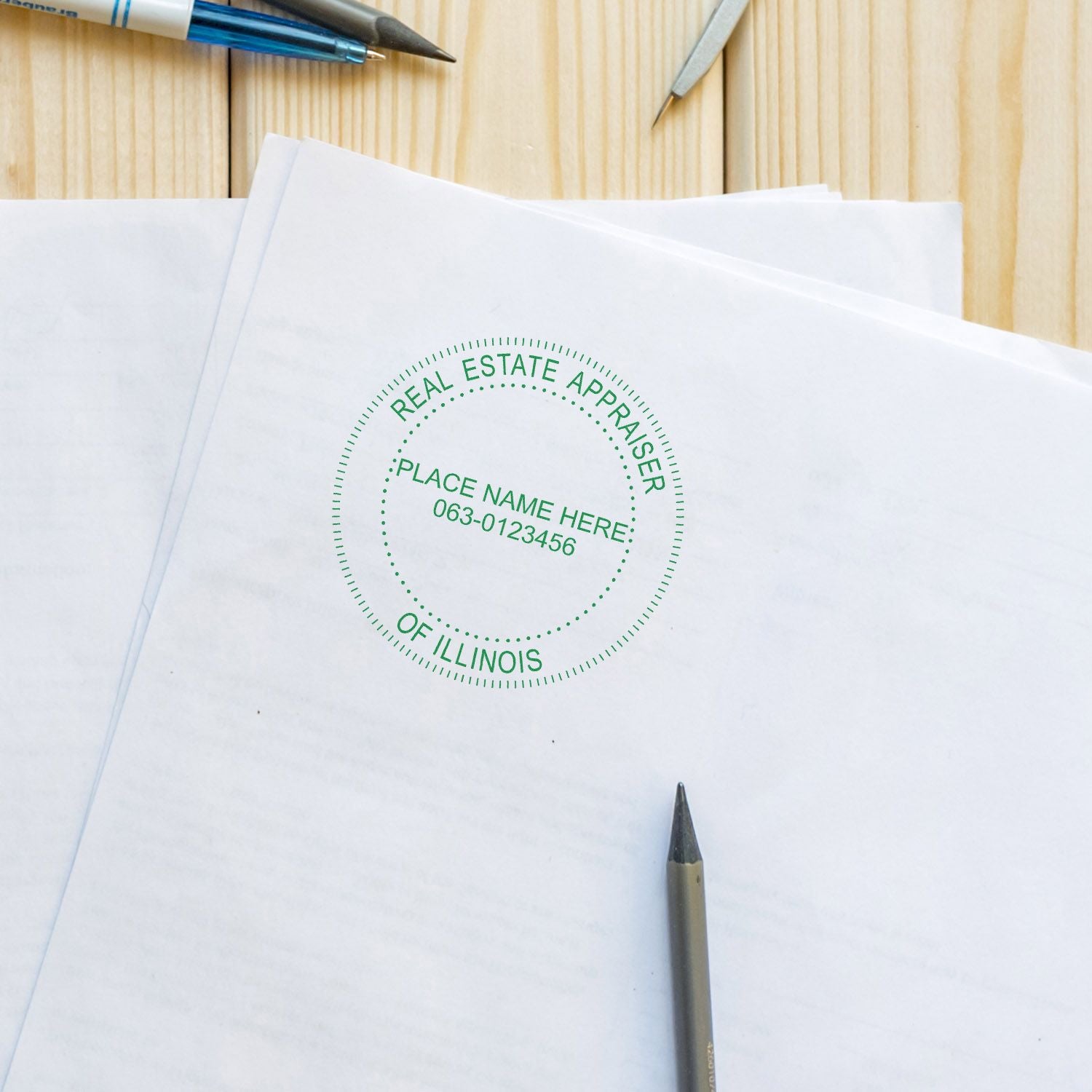
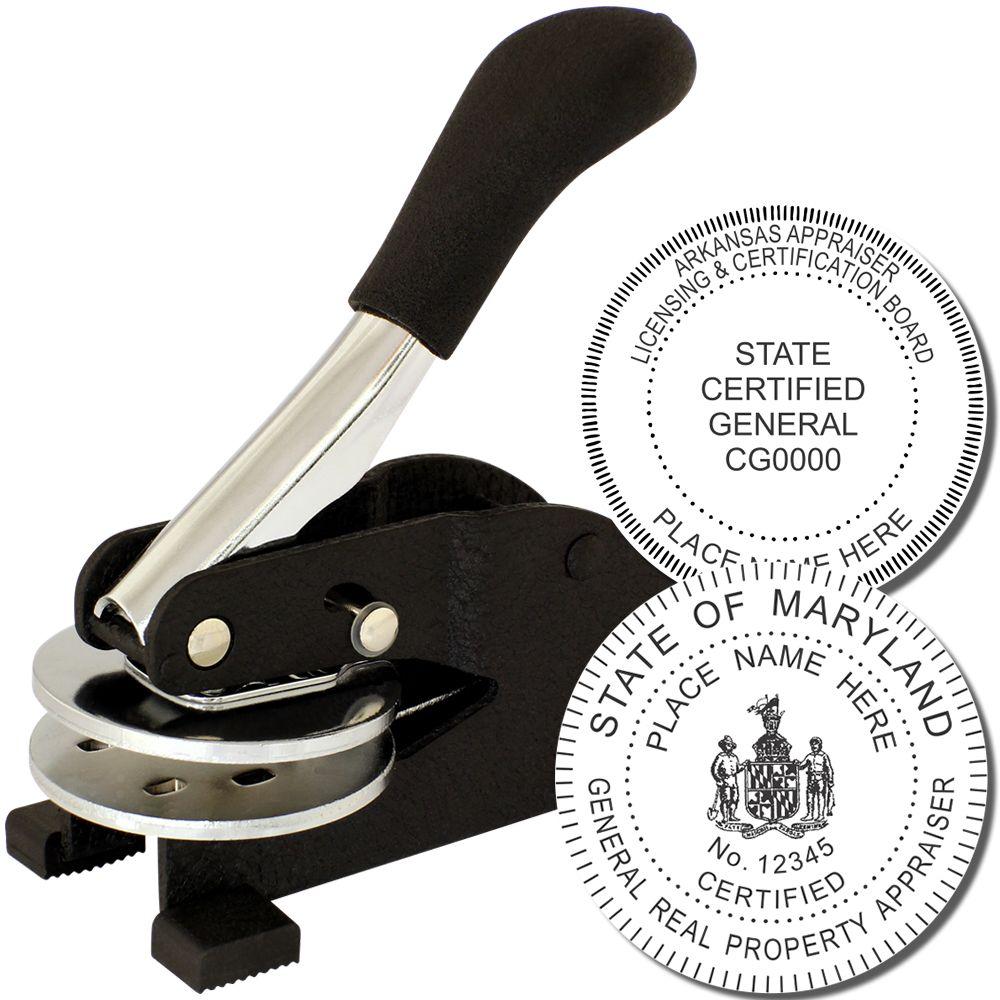
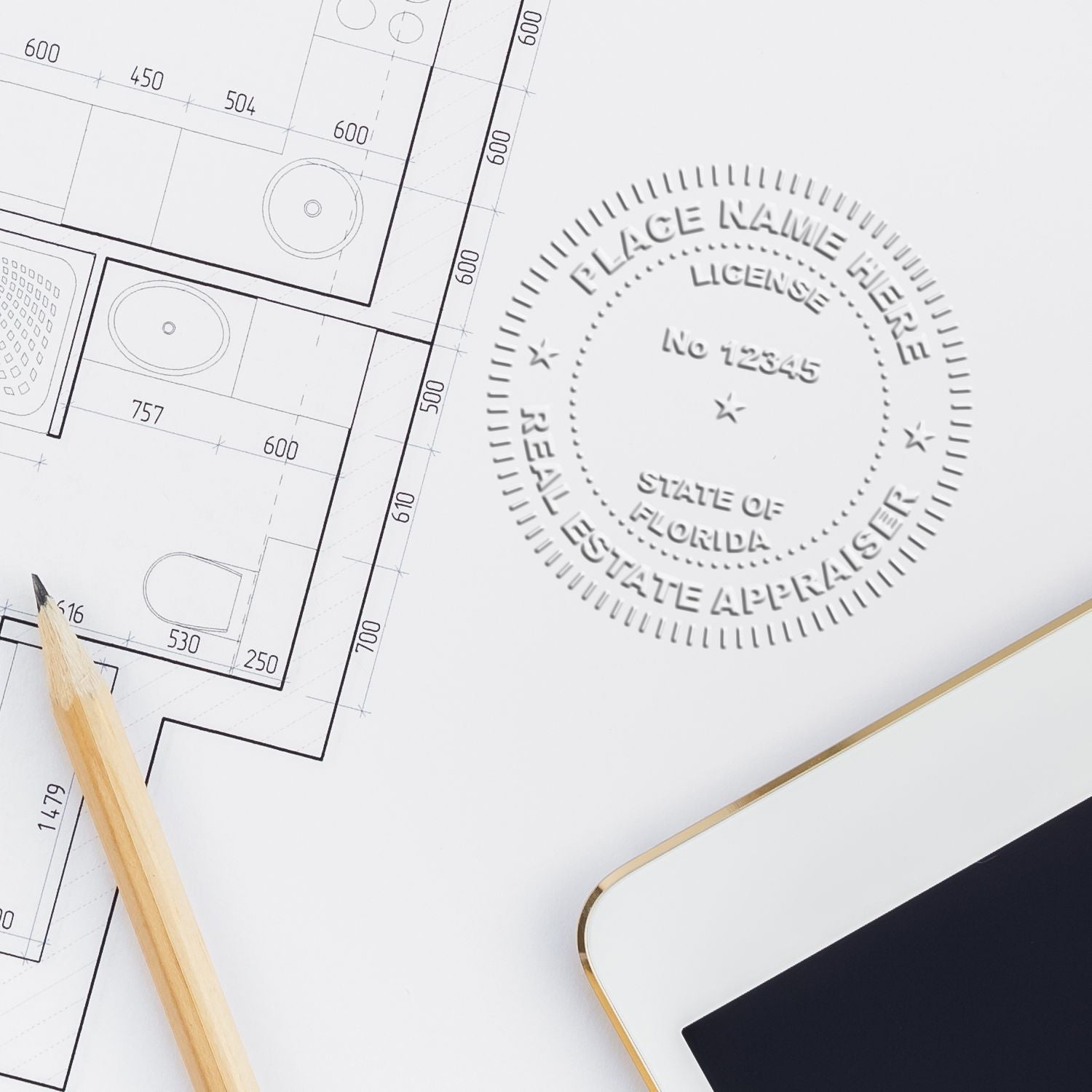
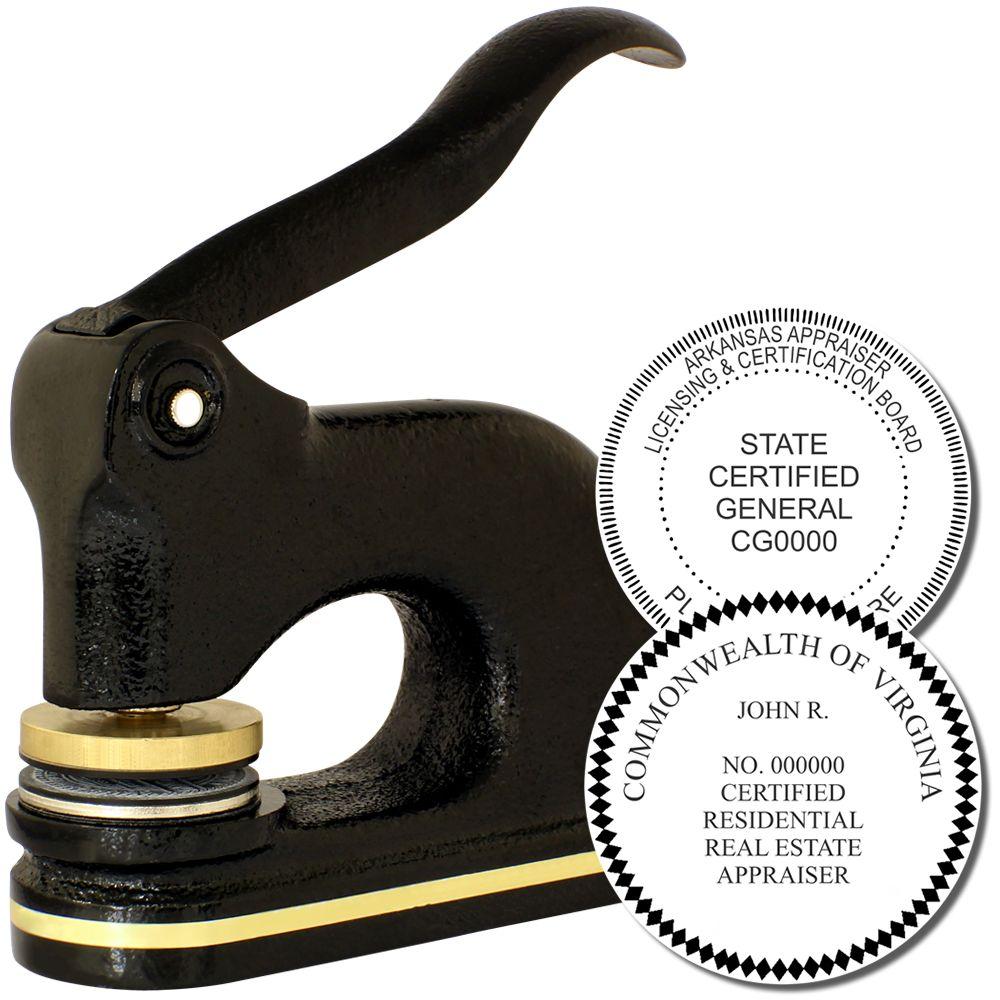
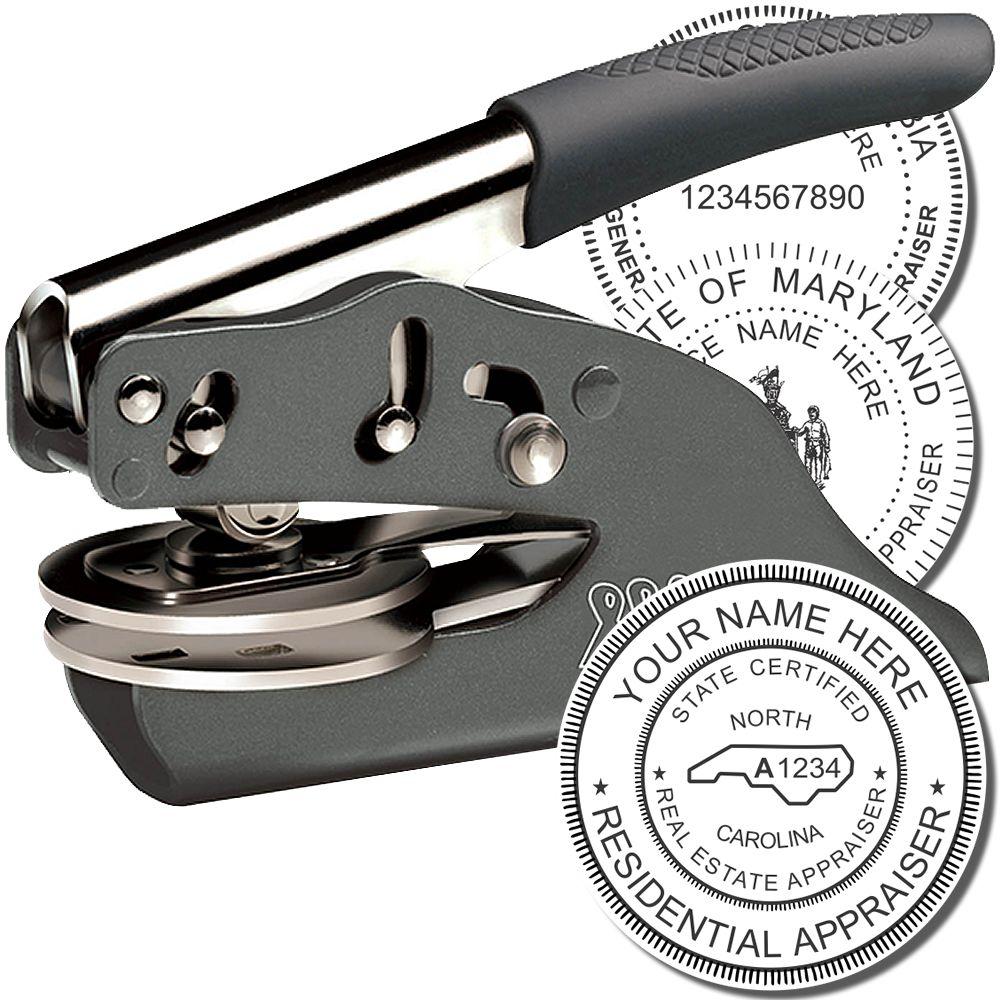
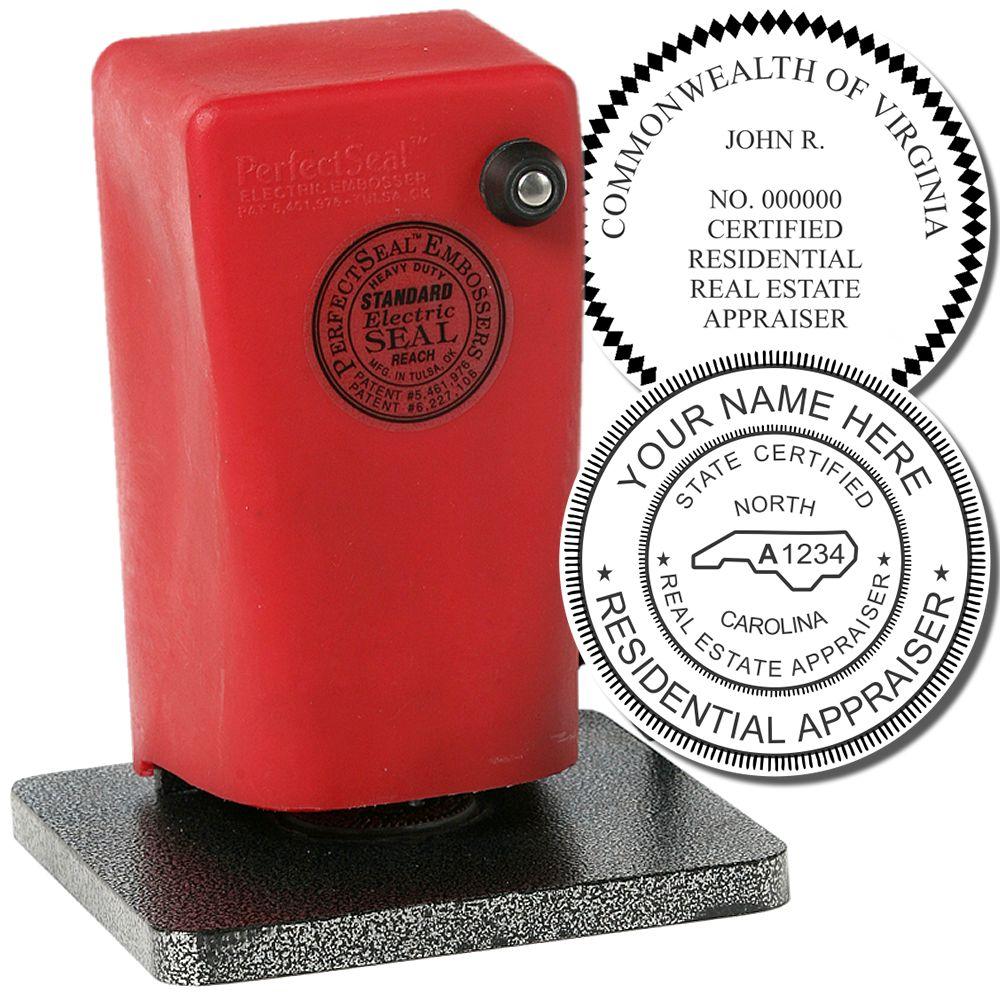
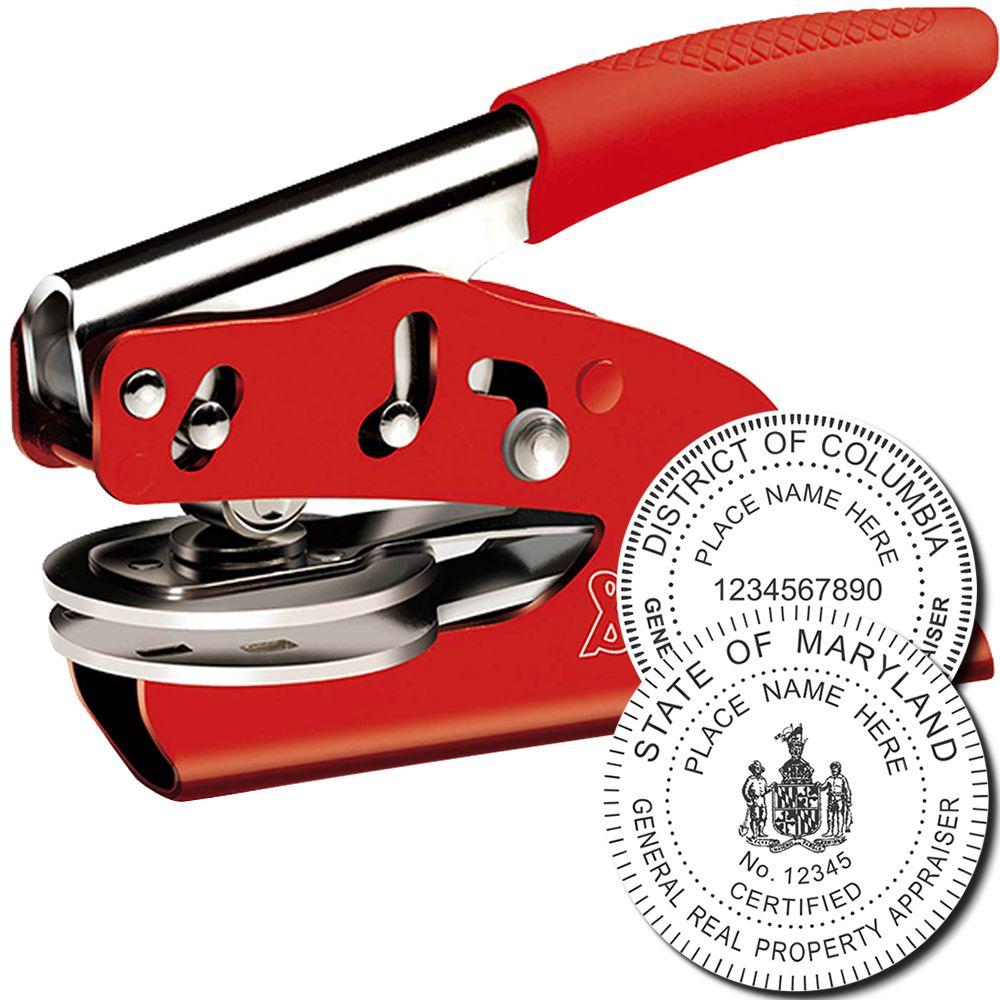
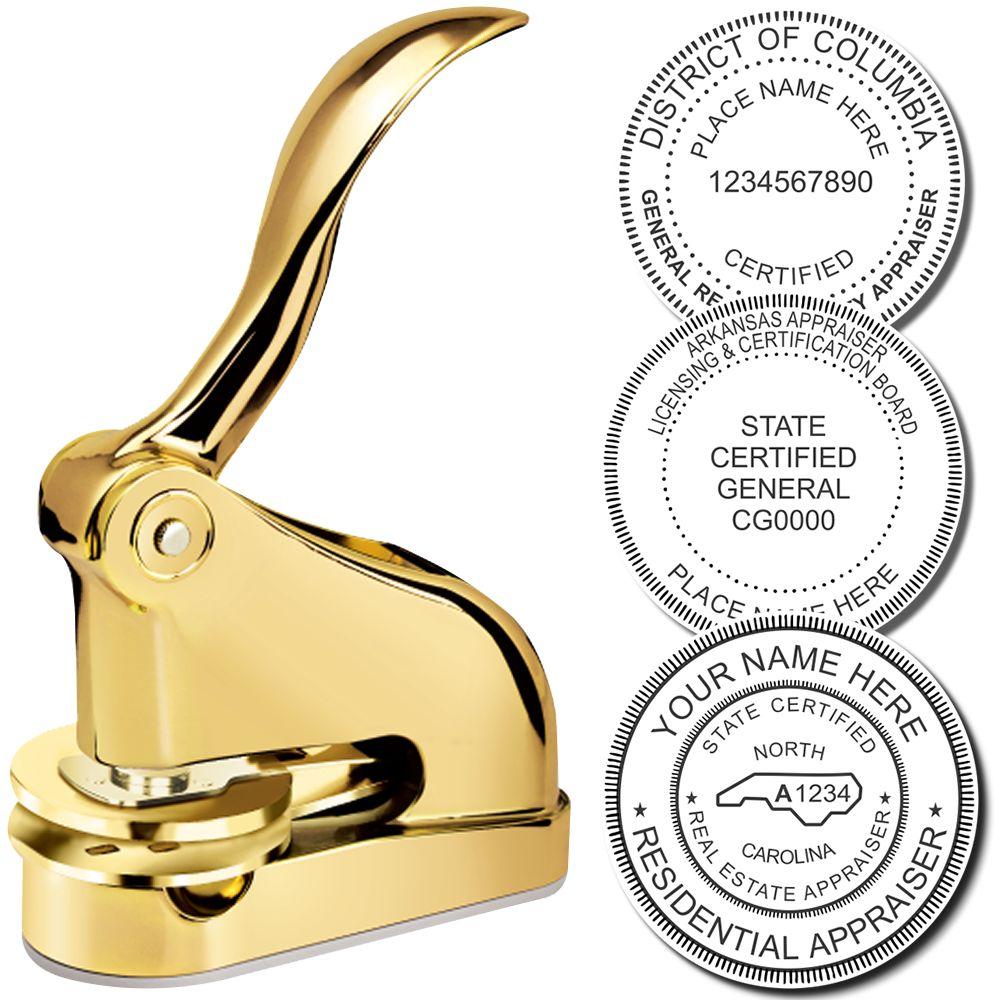
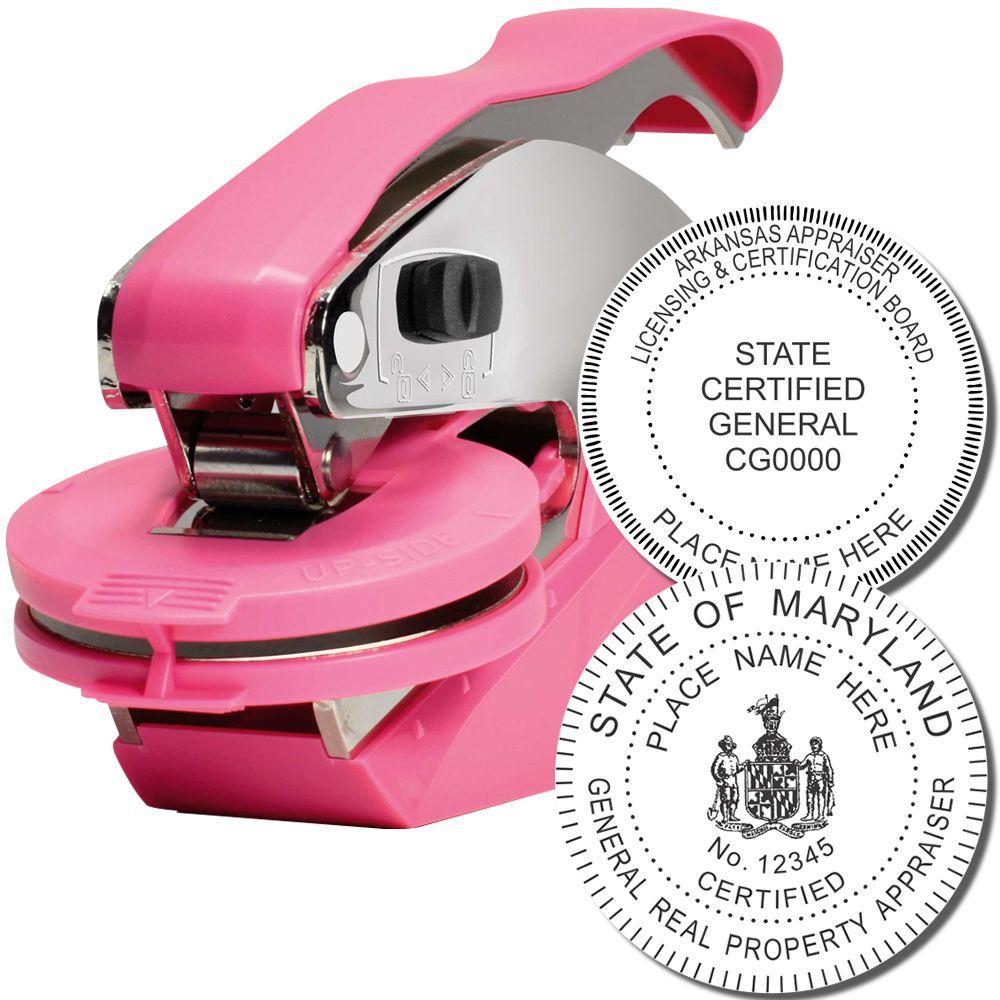
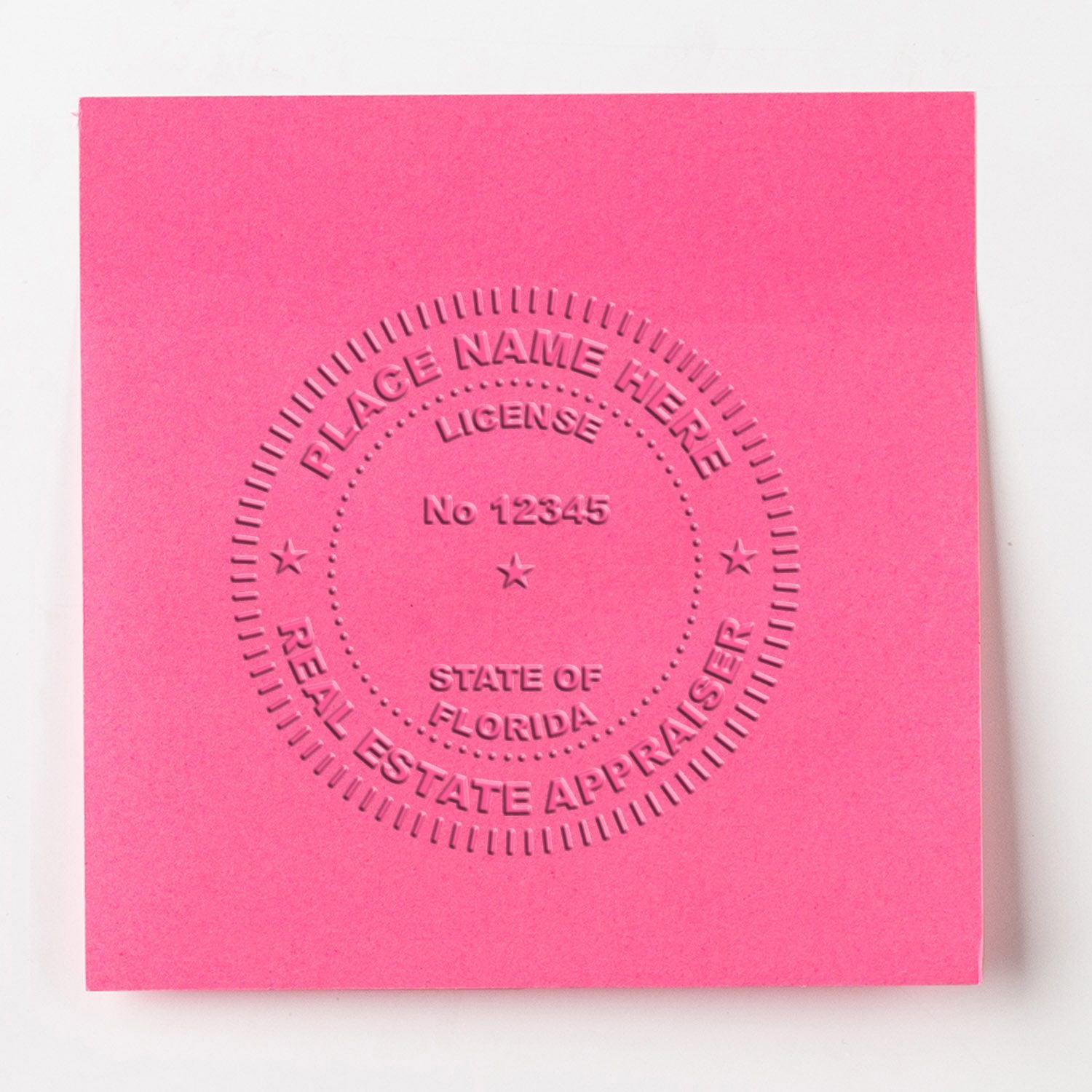
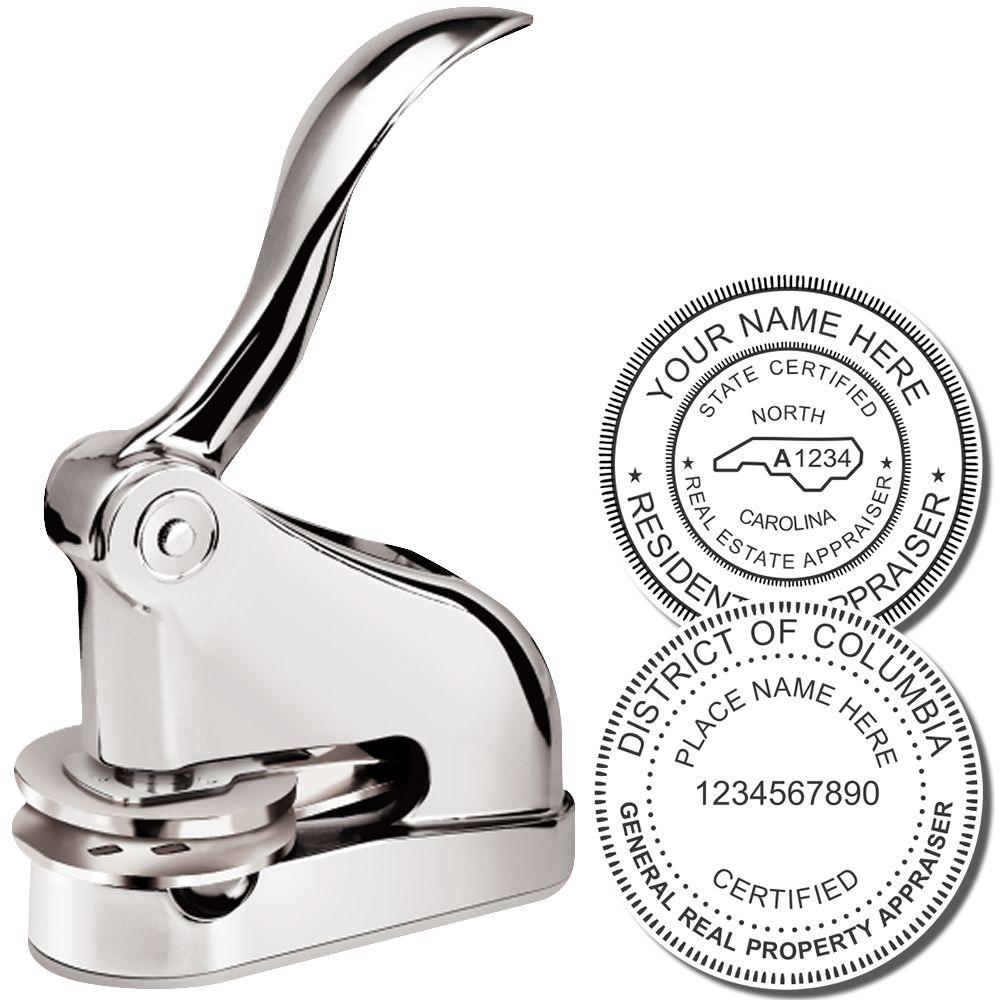
The rule names no instrument, so choose on how the paperwork moves. An ink stamp reproduces in a scan and survives a fax: the Real Estate Appraiser Self Inking Rubber Stamp of Seal is $39.95, and the Xstamper Real Estate Appraiser Pre Inked Rubber Stamp of Seal is $64.95 with the finest line detail for long wording. An embosser such as the Real Estate Appraiser Hybrid Seal Embosser at $42.95 gives a raised impression for a retained original, though a scanner will lose it. For agreements and reports sent as files, the eSeal Electronic Image Stamp of Seal is $20.00.
Sizing and layout
No dimension is prescribed, so the longest line decides. Even shortened under the substantially similar title latitude, the Pennsylvania credential phrase runs long, and it reads better on a rectangular face than on a small round one, where the longest string lands in the narrowest part of the die. Keep the number in the same size as the title rather than reducing it, since digits are the first thing to fill in when a die ages. Leave a clear signature space in the layout rather than assuming there will be room on the page. Read the proof against the certificate, including the word Pennsylvania.
Before you order, and afterwards
Take the title and the number from the certificate itself. Decide whether you want the full statutory phrase or a substantially similar shortening, and settle that at proof stage rather than after the die is cut. Count your real usage, remembering that the agreement carries the block too. Then keep the device simple: ink a self-inking die when the character centers go gray, give a pre-inked die only its own ink, store it face down and dry, and wipe the face with a dry cloth rather than solvent. This page is a research summary and not legal advice. Browse real estate appraiser stamps and seals, or contact us with your wording.
- Real Estate Appraiser Stamps and Seals
- Real estate appraiser stamps and seals
- Ohio Appraiser Seal: Number Next to the Title
- Oregon Appraiser Seal: Number and Expiration Date
Frequently asked questions
Does Pennsylvania require a real estate appraiser to have a seal?
No. 49 Pa. Code chapter 36 prescribes no seal and no stamp, and the section inventory for Subchapter A contains no section titled for either word. What 36.52 asks for is your name, signature and certificate number placed adjacent to or immediately below your credential title.
Does the block really go on the appraisal agreement as well?
Yes. 36.52 names each written appraisal report and each written appraisal agreement in the same sentence, which is wider than the report-only rules most states use and the detail most often missed here.
Can I shorten the credential title on my stamp?
The rule says a substantially similar title may be substituted, so the exact phrase is not locked. Keep enough of it that a reader can tell which of the three Pennsylvania credentials you hold, including the word Pennsylvania.
Should the signature be part of the die?
Leave it off. 36.52 lists the signature as one of the items placed by the appraiser, and an agreement signed by rubber stamp is a weaker document than one signed by hand. Cut the name, title and number, and sign in the space you leave.
Can I add my professional designation?
Yes, where you hold one. 36.52 says professional designations may be included adjacent to the signature, if applicable, so it is permitted rather than required.
I supervise a trainee. Do we both need devices?
No. 36.54 sets co-signature and checklist duties for a supervisory appraiser and cross-references 36.52 for identifying the assistant’s involvement. The duty is to sign, not to apply a second mark.
Is the Certified Pennsylvania Evaluator rule the same rule?
No, it is a separate credential from the same Board. 49 Pa. Code 36.265 uses the title Certified Pennsylvania Evaluator and limits the duty to reports prepared for external purposes, so build that block from its own rule.








