
Written by Acorn Sales Company, manufacturing stamps and seals since 1964 · Reviewed by Holly R, VP of Sales and Marketing at Acorn Sales, against Rhode Island Real Estate Appraisers Board, Division of Commercial Licensing and Regulation, Department of Business Regulation on 22 September 2026 · Updated 22 September 2026
Rhode Island is the rare state that prescribes nothing at all: no seal, and no number-beside-the-title rule either. The Board’s regulation, 230-RICR-30-20-1, was read in full on the Secretary of State’s own portal, sections 1.1 through 1.16, and contains zero occurrences of the word seal and zero of the word stamp. Nothing in it tells an appraiser what to place on the face of a report. The two statute sections that look like candidates turn out to be something else: one describes the credential the state issues, the other forbids misuse of a title.
What governs the signature page instead is USPAP, adopted by reference at section 1.11 of the regulation and by R.I. Gen. Laws 5-20.7-19, and the signed certification it calls for. So a Rhode Island appraiser has no device the state calls for. A stamp here is a typing shortcut for the identification you choose to give, and you get to decide what it says.
Rhode Island real estate appraiser seal requirements at a glance
| Requirement | Rhode Island rule | Source |
|---|---|---|
| Seal required | No. The full regulation was read: zero occurrences of seal, zero of stamp, across sections 1.1 through 1.16. | 230-RICR-30-20-1, Secs. 1.1 to 1.16; R.I. Gen. Laws ch. 5-20.7 |
| Required elements | None prescribed by Rhode Island. Report content runs through USPAP, adopted at Sec. 1.11 of the regulation and by statute. | 230-RICR-30-20-1, Sec. 1.11; R.I. Gen. Laws 5-20.7-19 |
| Size and shape | None prescribed. No diameter, dimension or shape appears in chapter 5-20.7 or in the regulation, because no device is prescribed at all. | R.I. Gen. Laws ch. 5-20.7; 230-RICR-30-20-1 (no provision) |
| Device allowed | Not applicable. With nothing prescribed, no instrument is specified and none is excluded. | R.I. Gen. Laws ch. 5-20.7; 230-RICR-30-20-1 (no provision) |
| Signature and date | No state provision. The signed certification in a Rhode Island report comes from USPAP, adopted by reference, rather than from any Rhode Island marking rule. | 230-RICR-30-20-1, Sec. 1.11; R.I. Gen. Laws 5-20.7-19 |
| What must be sealed | Nothing. No Rhode Island provision directs an appraiser to seal, stamp or mark a report or any other document. | R.I. Gen. Laws ch. 5-20.7; 230-RICR-30-20-1 (no provision) |
| Electronic seal | Not addressed. Neither the statute nor the regulation speaks to an electronic seal or a digital signature on a transmitted report. | R.I. Gen. Laws ch. 5-20.7; 230-RICR-30-20-1 (no provision) |
| Renewal and lapse | Nothing on a report is tied to the credential cycle, because no report element is prescribed. There is no date to go stale. | R.I. Gen. Laws ch. 5-20.7; 230-RICR-30-20-1 (no provision) |
| Firm requirements | The one firm-facing provision is a prohibition: the title state-certified real estate appraiser may not be used following or immediately in connection with the name or signature of a firm, partnership, corporation or group. | R.I. Gen. Laws 5-20.7-13 |
| Regulator | Rhode Island Real Estate Appraisers Board, within the Division of Commercial Licensing and Regulation, Department of Business Regulation | R.I. Gen. Laws ch. 5-20.7; 230-RICR-30-20-1, Commercial Licensing Regulation 10 |



Nothing prescribed, and the checking that stands behind it
A claim that a state prescribes nothing is only as good as the search behind it, so here is the search. The Board’s regulation is 230-RICR-30-20-1, Commercial Licensing Regulation 10, Real Estate Appraisers, current version effective 7 May 2025. Its sections run 1.1 Authority, Purpose and Scope; 1.2 Definitions; 1.3 Data Transmission to the ASC; 1.4 Fees and Charges; 1.5 Certification or Licensure Required; 1.6 Application, with subsections 1.6.1 through 1.6.9; 1.7 Trainees and Supervisory Appraisers; 1.8 Duty to Maintain Verification of Experience; 1.9 Continuing Education; 1.10 Temporary Practice Permits; 1.11 USPAP; 1.12 Inspection of Records; 1.13 Reporting Convictions and Disciplinary Actions; 1.14 Complaints, Investigations and Administrative Hearings; 1.15 Effect of Subsequent Statutory or AQB Changes; and 1.16 Severability. Read end to end, that list contains no seal rule, no stamp rule and no section that prescribes anything for the face of a report.
What governs the signature page instead
Section 1.11 adopts the Uniform Standards of Professional Appraisal Practice, and R.I. Gen. Laws 5-20.7-19 does the same at statute level. That is where a Rhode Island appraiser’s reporting duties actually come from, including the signed certification that USPAP Standards Rule 2-3 calls for. It is a real obligation, and it is not a state marking rule: USPAP describes a certification the appraiser signs, not a device the state issues or specifies. Nothing about it sets an element list, a geometry or an instrument, which is why Rhode Island ends up with no seal specification of any kind.
The credential document is not your seal
R.I. Gen. Laws 5-20.7-12(a) is the classic near miss, and it is worth reading slowly: a certificate or license issued under the chapter shall bear the signature of the chairperson of the board and a certificate number assigned by the director. Every word of that describes what the state puts on the credential it hands you. It is not a duty on the licensee, it says nothing about reports, and the signature it names is the chairperson’s rather than yours. A vendor page built on that sentence would report Rhode Island as a state with a marking requirement. It has none.
The title rule is a prohibition, and it reaches firm branding
R.I. Gen. Laws 5-20.7-13 restricts use of the term state-certified real estate appraiser, providing that it may not be used following or immediately in connection with the name or signature of a firm, partnership, corporation or group. That is the one provision with real consequences for artwork, and the consequence is negative: do not design a block in which the credential title sits directly after your company name, and do not put the title into a firm logo. The credential belongs to a person. Keep it attached to the individual’s name and keep the firm name on its own line at a distance from it.




Trainees and supervisors
Section 1.7 covers trainees and supervisory appraisers, and the one signature duty of substance in the regulation sits there: at 1.7(B)(3)(g), the supervisory appraiser prepares and furnishes a signed statement describing the nature and extent of the assistance rendered to each trainee who provided services on an appraisal assignment. That is an experience document, not a report mark. No counter-seal, no second device and no dual block appears anywhere in the Rhode Island scheme, so a supervisor needs nothing beyond what any other appraiser might choose to carry.
So what goes on a Rhode Island appraiser stamp
Whatever you decide, within the one prohibition above. Most Rhode Island appraisers settle on the same four lines everyone else uses, because clients and lenders expect them: your name as you sign it, the credential exactly as the state worded it on your certificate, the certificate or license number, and the state name. None of that is compelled here; all of it saves typing and answers the question a reviewer asks first. Leave the signature off the die and write it, and leave any expiration date off, since Rhode Island asks for no date and a dated plate would only create work at each renewal.
Embosser, ink stamp or eSeal image
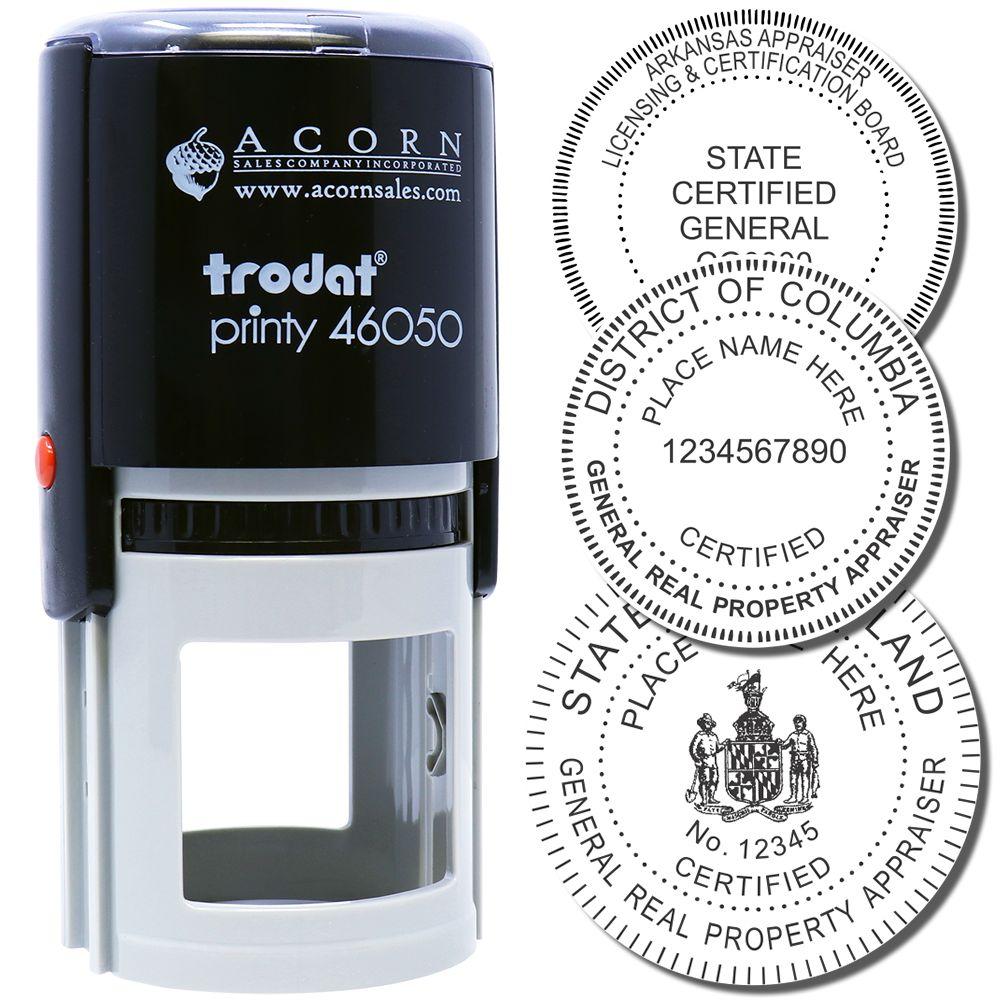
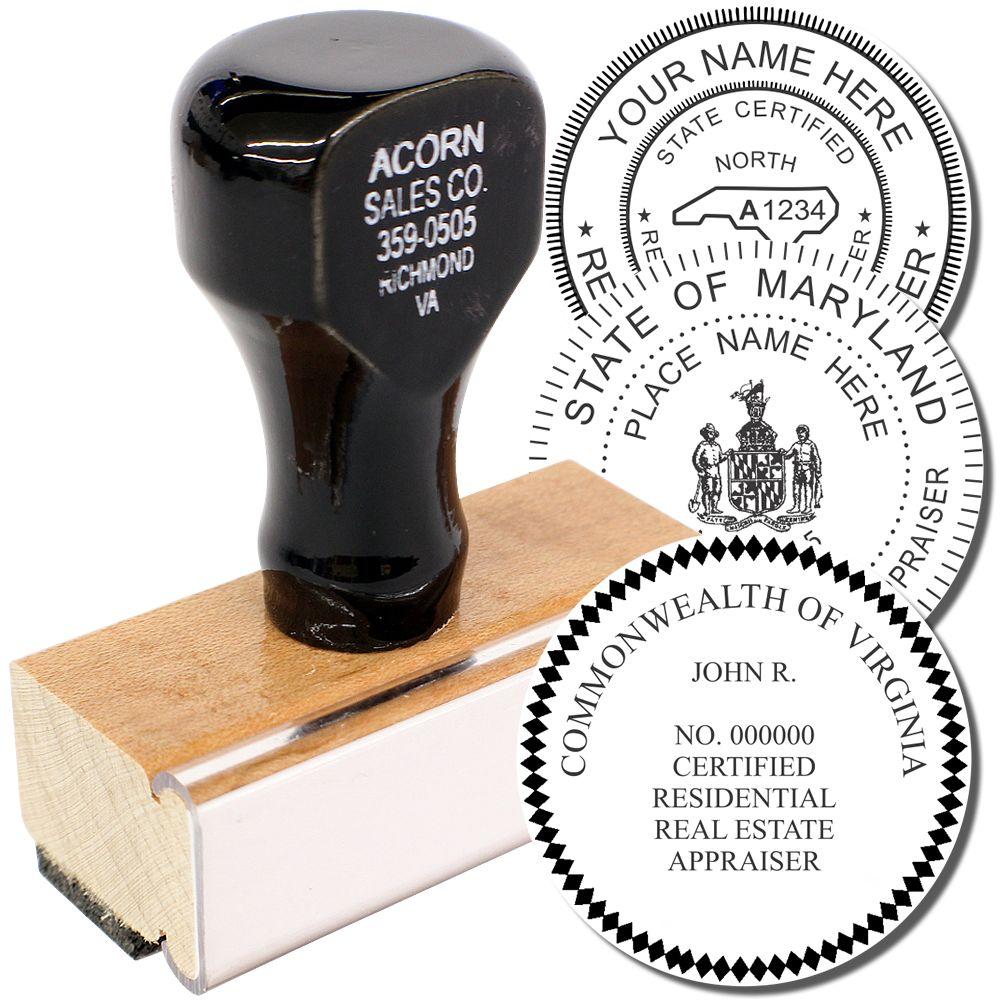
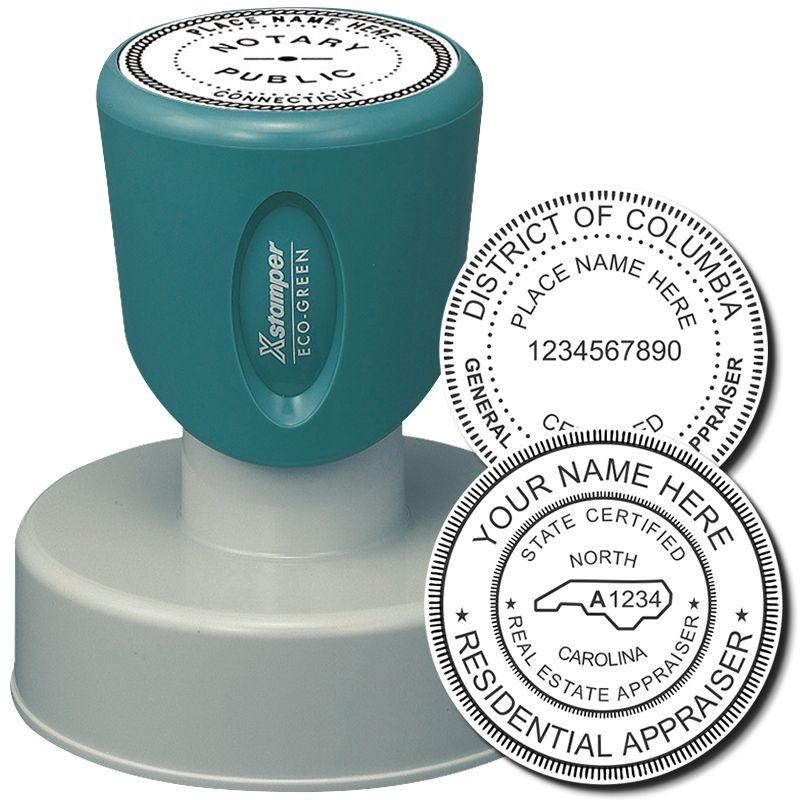
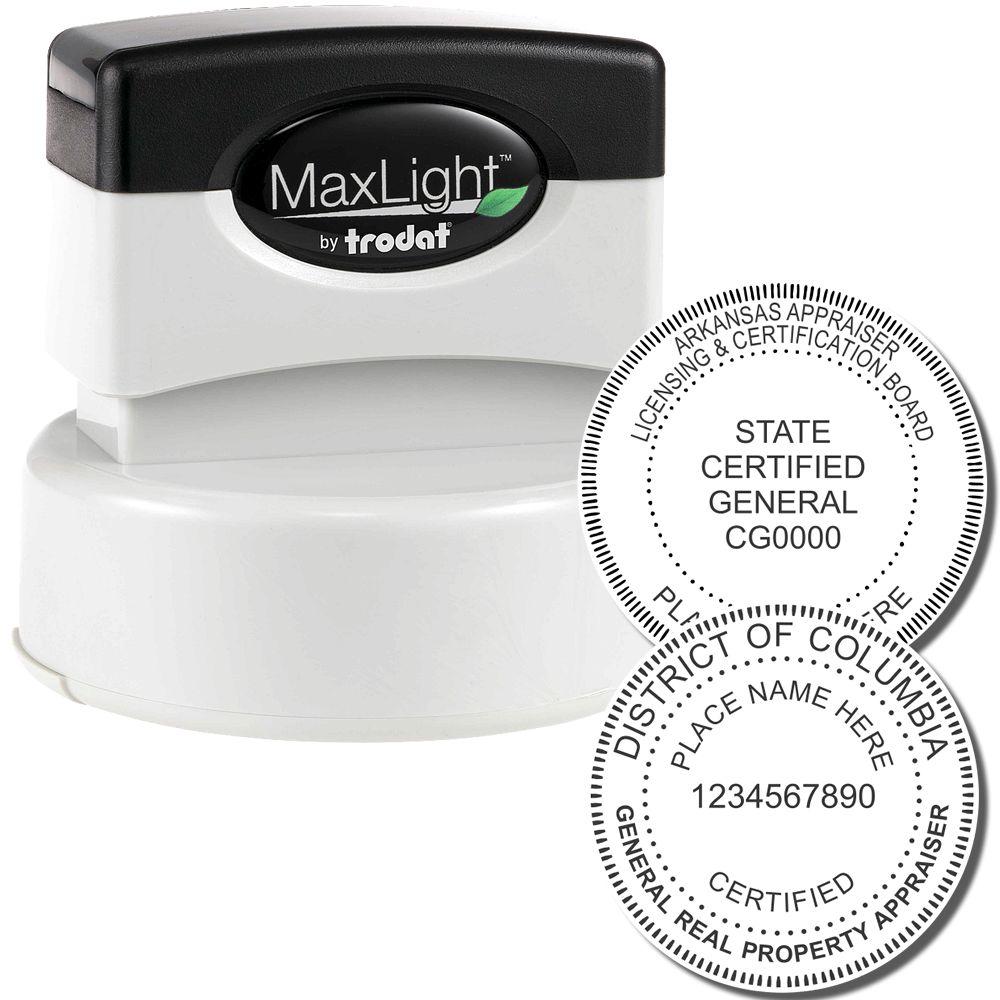
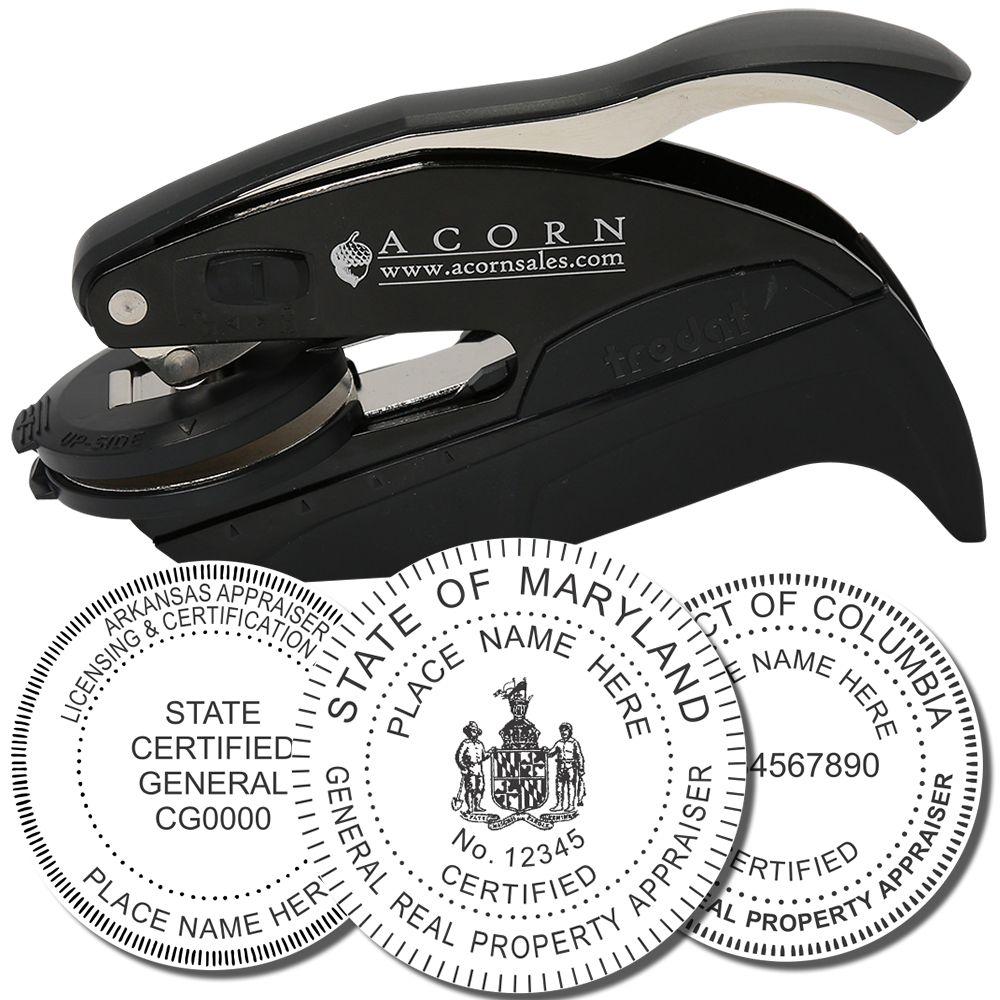
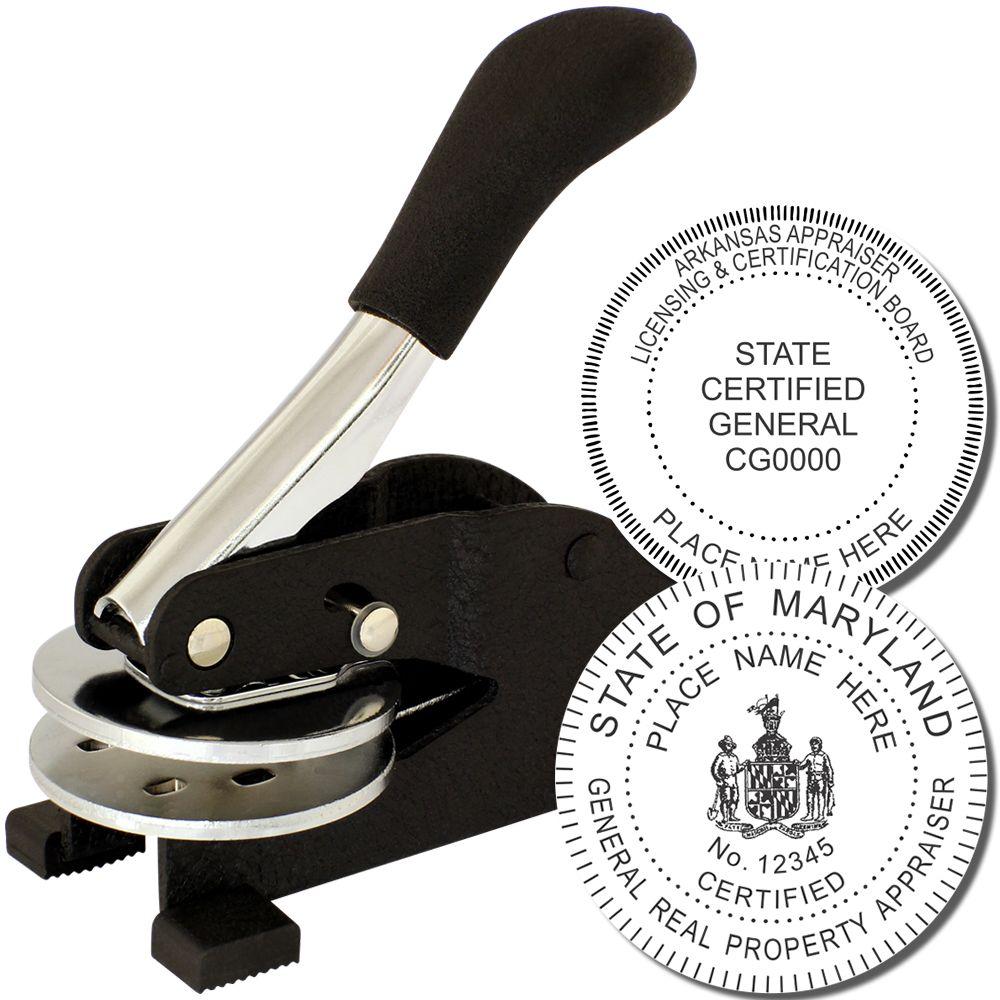
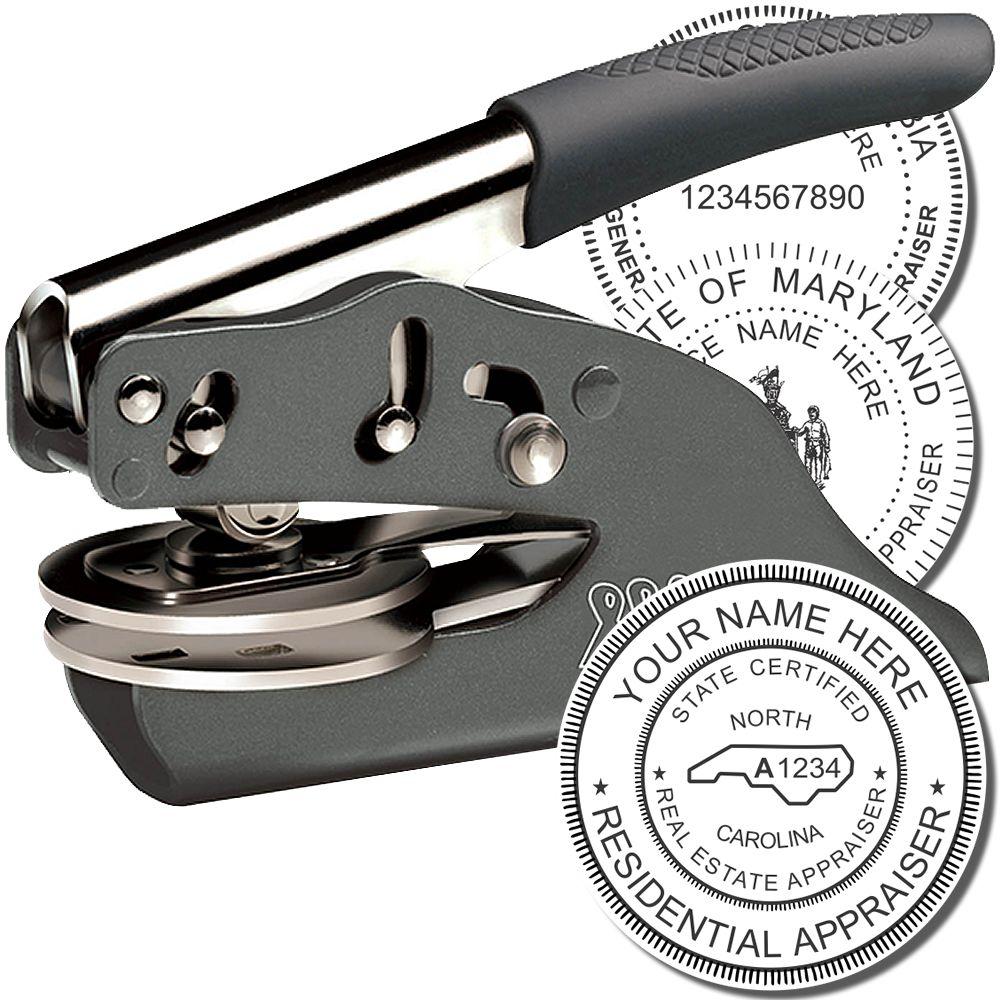
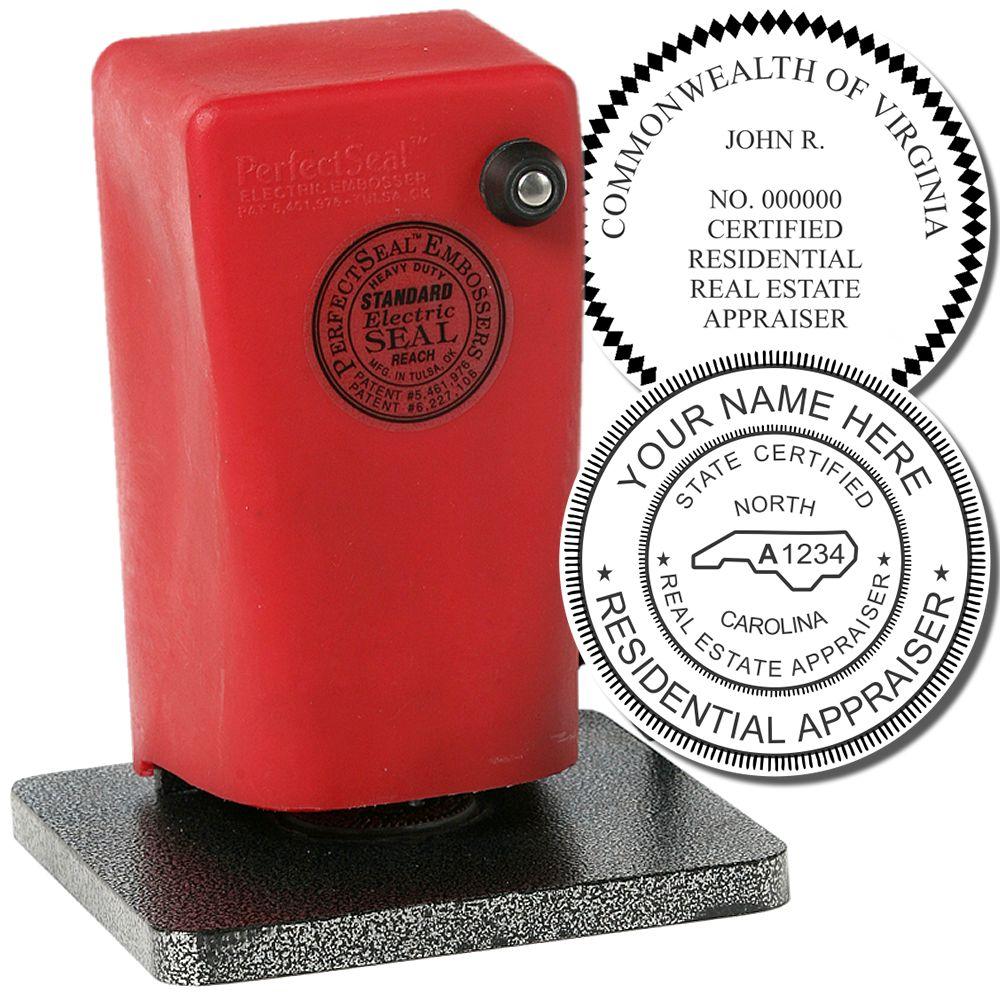
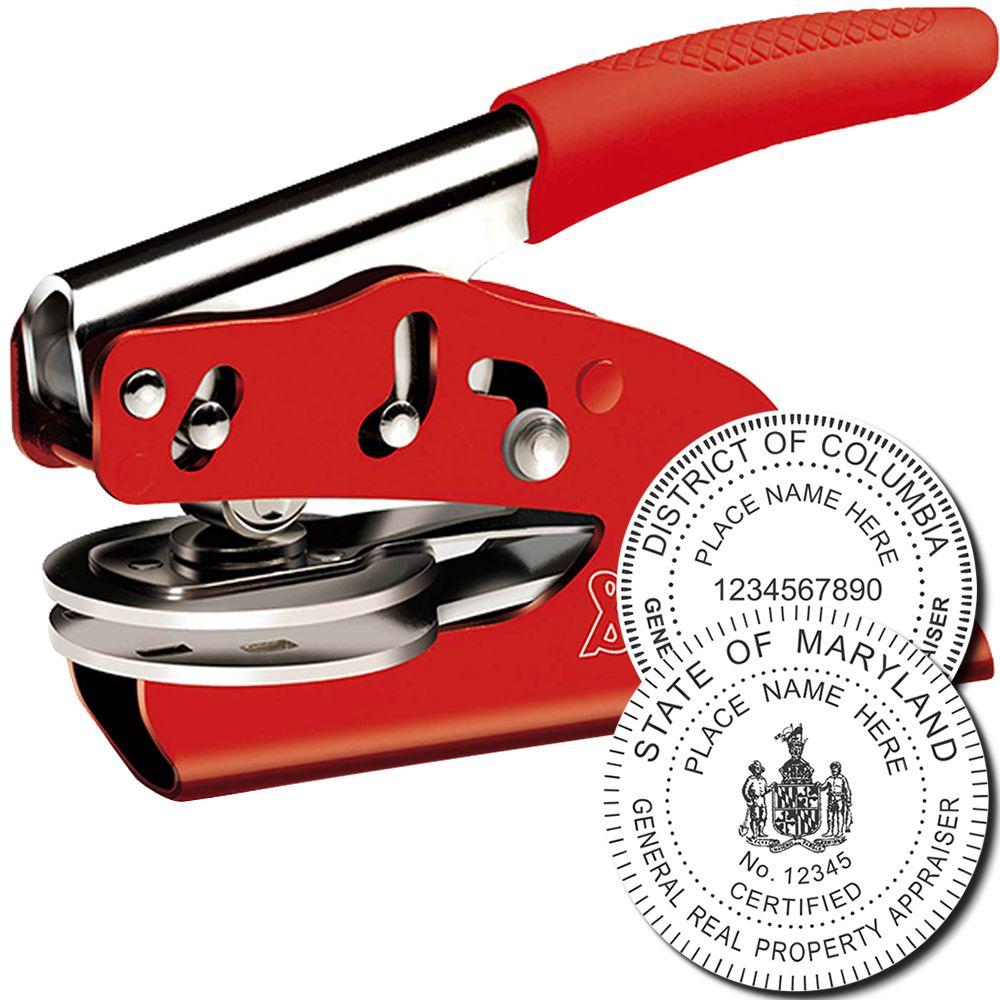
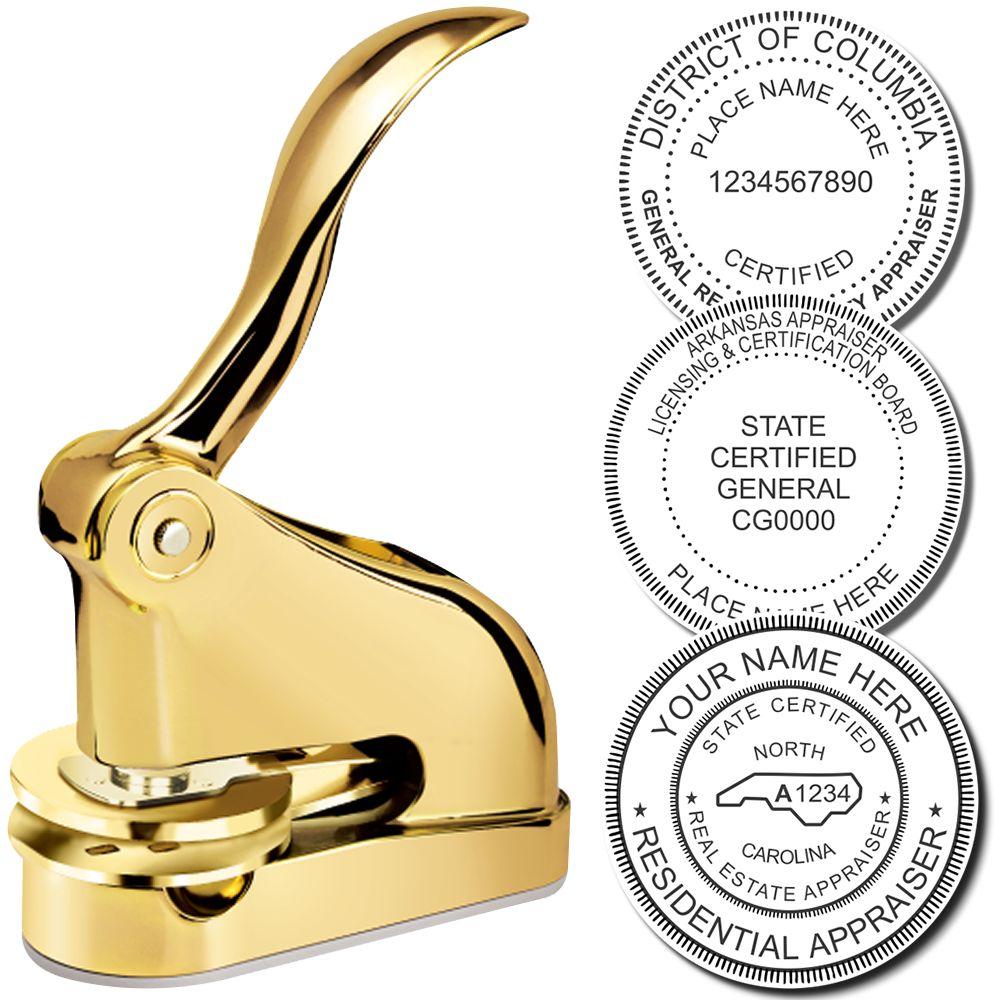
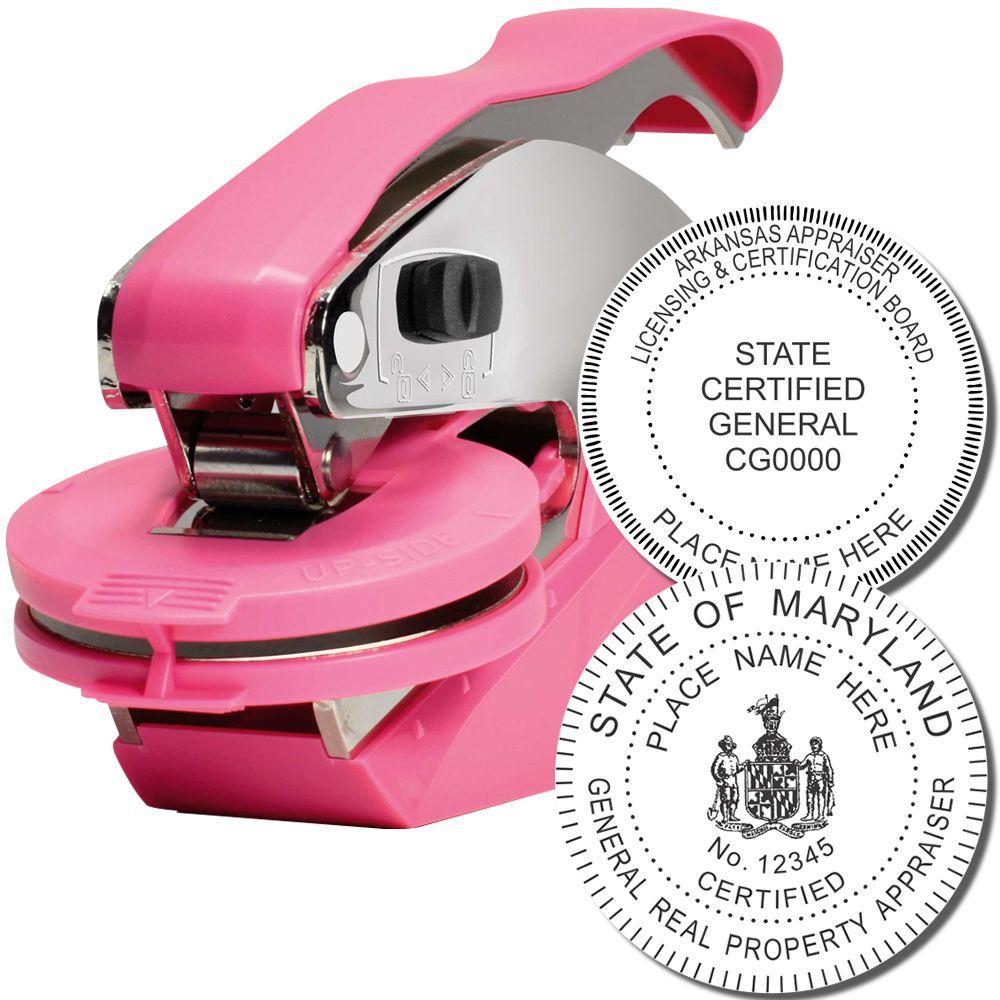
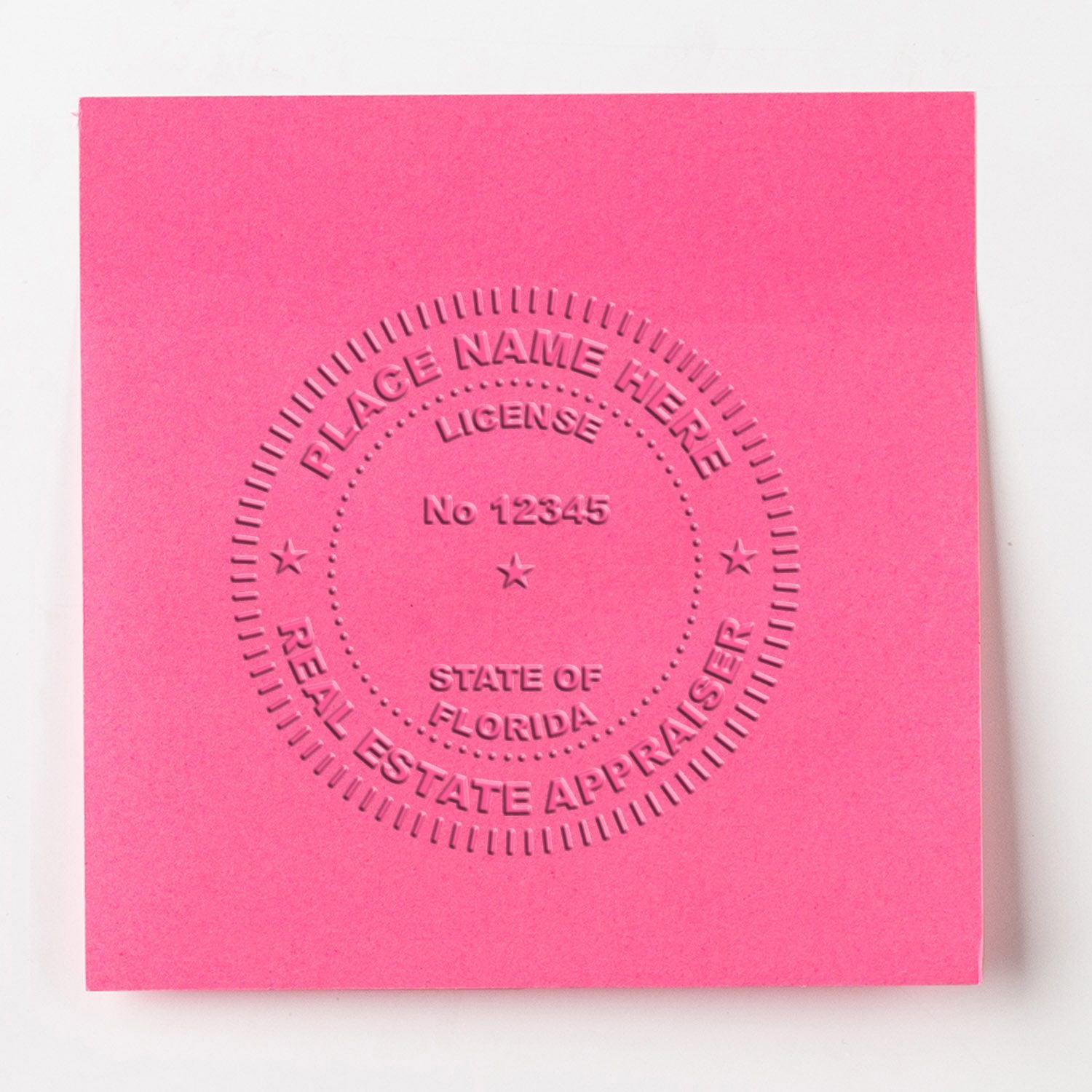
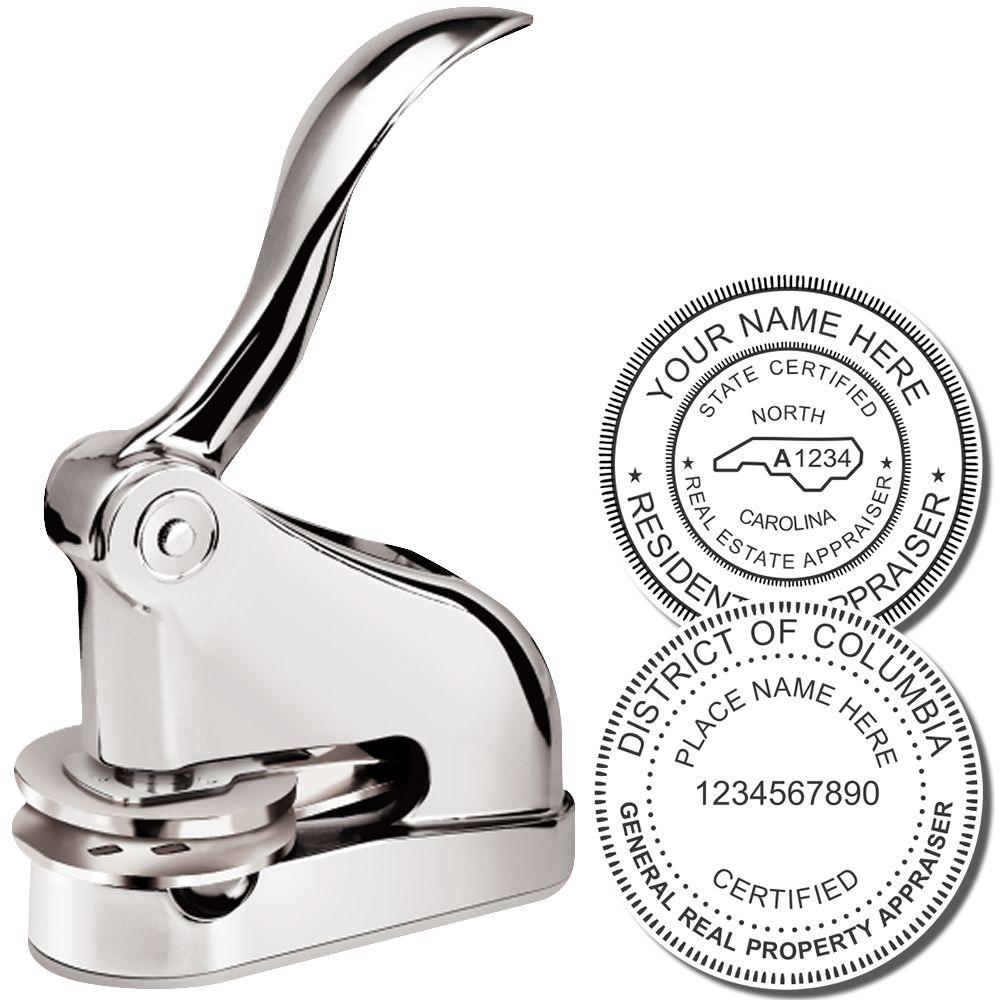
With nothing prescribed, pick for the medium. An ink stamp reproduces in a scan and a photocopy, which is what a lender file needs: the Real Estate Appraiser Self Inking Rubber Stamp of Seal is $39.95 and the Regular Rubber Stamp of Seal with a separate pad is $34.95. An embosser is the traditional choice for a retained original and carries no state authority here, because there is none to carry: the Real Estate Appraiser Hybrid Seal Embosser is $42.95 and the Desk Seal Embosser is $44.95. For a report that leaves as a PDF, the eSeal Electronic Image Stamp of Seal at $20.00 is the version that actually lands in the file the client reads.



Sizing and layout with a free hand
No dimension applies, so the only test is whether it reads after a scan and a print. A rectangular face is easier to letter when the credential wording runs long, and a round die pushes the longest line into the narrowest part of the impression. Keep the number in the same type size as the title, since digits fill in first as a die ages. Give the signature its own space rather than planning to sign across the impression, and read the proof against the certificate rather than from memory.
Two regulations that are not this one
Rhode Island numbers its rules closely enough that the wrong chapter is easy to land on. 230-RICR-30-20-2 covers real estate brokers and salespersons: a different profession under the same Department, with its own rules. Appraisal management companies sit somewhere else again, under R.I. Gen. Laws chapter 5-20.9 and 230-RICR-30-20-3. Neither of those is the appraiser regulation, and neither adds a seal duty to an appraiser. If somebody tells you Rhode Island requires an appraiser seal, ask which section says so; there is no section that does.
Ordering, and keeping it working
Since nothing is compelled, order for the work rather than for the rule: count how often the block gets applied, and buy a mechanism that survives it. Copy the credential wording and the number from the certificate itself. After that, upkeep is ordinary. A self-inking die wants ink when the character centers look gray; a pre-inked die takes only its own ink, since a generic bottle floods the face and turns the number into a smudge; an embosser needs nothing but dry storage. This page is a research summary and not legal advice. Browse real estate appraiser stamps and seals, or contact us with your wording.
- Real Estate Appraiser Stamps and Seals
- Real estate appraiser stamps and seals
- Ohio Appraiser Seal: Number Next to the Title
- Pennsylvania Appraiser Seal: Reports and Agreements
Frequently asked questions
Does Rhode Island require a real estate appraiser to have a seal?
No. The Board’s regulation, 230-RICR-30-20-1, was read in full on the Secretary of State’s portal and contains no occurrence of seal or stamp in any of its sections, and chapter 5-20.7 prescribes no marking duty either. There is no device the state calls for.
Does Rhode Island at least require my number on the report?
Not by state rule. Unlike most states, Rhode Island prescribes no number-beside-the-title requirement. Report content runs through USPAP, adopted at section 1.11 of the regulation and by R.I. Gen. Laws 5-20.7-19.
What about the signature on my certificate?
That is the state’s signature, not yours. R.I. Gen. Laws 5-20.7-12(a) says the certificate or license the state issues bears the signature of the chairperson of the board and a certificate number assigned by the director. It describes the wall credential, not a report.
Can my firm name appear with the credential title?
Be careful here. R.I. Gen. Laws 5-20.7-13 provides that state-certified real estate appraiser may not be used following or immediately in connection with the name or signature of a firm, partnership, corporation or group, so keep the title attached to the individual.
Is a stamp worth buying if nothing requires one?
For most people, yes, for the same reason anyone buys one: the block gets applied to every report and every engagement document, and typing it each time is the part that wastes the hour. It carries no state authority in Rhode Island, and it does not need to.
Do I need an electronic version for PDF delivery?
Nothing in Rhode Island law addresses electronic seals or digital signatures either way, so it is a matter between you, your client and the lender. An image of your block drops into the file the client actually reads, which an embossed impression will not.








