
Written by Acorn Sales Company, manufacturing stamps and seals since 1964 · Reviewed by Holly R, VP of Sales and Marketing at Acorn Sales, against New York State Department of Agriculture and Markets on 22 September 2026 · Updated 22 September 2026
New York does not require a weighmaster to have a seal or a stamp, and does not describe one. We read section 195 of the Agriculture and Markets Law in full, the section that licenses weighmasters and sets their duties, and there is no seal provision in it. The Department of Agriculture and Markets says the same thing on its own weighmaster licensing page, which describes the ticket contents and mentions no seal or stamp at all.
What the law does fix is the endorsement on the document, and that one sentence is the most useful fact on this page: “Each weight ticket issued by a weighmaster shall contain the date, full signature and license number of the weighmaster.” Date, full signature, license number, on every ticket. That is the block a New York weighmaster repeats hundreds of times a season, and it is the only thing a stamp could sensibly help with here. Read on for what belongs in that block, what must never go in it, and the one place the word seal does appear in section 195.
New York public weighmaster seal requirements at a glance
| Requirement | New York rule | Source |
|---|---|---|
| Seal required | No. No seal or stamp is prescribed. Section 195 was read in full, covering licensing, qualifications, fee, term, display, denial and revocation, ticket contents, retention and false tickets, and it contains no seal provision. The Department’s own guidance mentions none. | N.Y. Agric. & Mkts. Law 195; N.Y. State Dep’t of Agriculture and Markets, Weighmaster Licensing |
| Required elements | Not a seal list, a ticket list. “Each weight ticket issued by a weighmaster shall contain the date, full signature and license number of the weighmaster.” The statute prescribes no credential line of text; the licensee’s identifier is the weighmaster license number. | N.Y. Agric. & Mkts. Law 195 |
| Size and shape | Not addressed. No size, shape or dimension is published for any weighmaster mark in New York, because no mark is prescribed. Nothing in the statute constrains the layout of a voluntary stamp. | N.Y. Agric. & Mkts. Law 195 |
| Device allowed | Not addressed. No embosser, rubber stamp or ink stamp requirement, permission or exclusion appears in section 195. A signature is required and the statute does not say whether a facsimile signature is acceptable. | N.Y. Agric. & Mkts. Law 195 |
| Signature and date | Both are mandatory ticket elements, and note the qualifier: full signature. Section 195 adds that “No weighmaster shall permit any weight ticket to be issued or used which purports to bear his signature and was not in fact signed by him, or which expresses a weight not ascertained by him.” | N.Y. Agric. & Mkts. Law 195 |
| What must be sealed | Nothing. There is no sealing duty in New York. The corresponding duty is that every weight ticket issued by a weighmaster carries the date, full signature and license number. | N.Y. Agric. & Mkts. Law 195 |
| Electronic seal | Not addressed. Section 195 contains no electronic signature or digital seal provision and no third party certificate requirement. Read alongside the prohibition on tickets purporting to bear a signature not in fact signed by the weighmaster, a stored facsimile signature carries risk the statute does not expressly resolve. | N.Y. Agric. & Mkts. Law 195 |
| Renewal and lapse | “A license shall be for a period not exceeding three years and may be renewed in the discretion of the commissioner upon payment of the fee aforesaid.” The fee is fifteen dollars. The license “shall be kept at the place where the weighmaster is engaged in weighing and shall be open to inspection.” Nothing happens to a seal on lapse, because there is no seal. | N.Y. Agric. & Mkts. Law 195 |
| Firm requirements | No firm license and no firm seal. A license may be issued to an employee of a person, firm, partnership or corporation whose business requires that its materials or commodities be weighed by a licensed weighmaster, or to an individual engaged in weighing. The applicant shows that he owns, leases or has access to a suitable stationary scale within the state, or is regularly employed by someone who does. | N.Y. Agric. & Mkts. Law 195 |
| Regulator | New York State Department of Agriculture and Markets, acting through the Commissioner of Agriculture and Markets. Article 16 assigns every weighmaster function to the commissioner, and there is no separate weighmaster board. | N.Y. Agric. & Mkts. Law 195; N.Y. Agric. & Mkts. Law art. 16 |



Does New York require a weighmaster seal?
No. Weighmasters in New York are licensed under section 195 of the Agriculture and Markets Law, and that section carries the whole of the weighmaster duty set: who may be licensed, what the applicant has to show, the fee, the term, where the license is kept, what goes on a weight ticket, how long tickets are kept, and what a weighmaster may not do. Nowhere in it is a weighmaster required, permitted or described as having a seal or a stamp.
The Department of Agriculture and Markets agrees on its own page. Its weighmaster licensing guidance states that each ticket must contain the date, full signature and license number of the weighmaster, and says nothing about a seal or a stamp. When the licensing agency describes the ticket and omits a seal, that is about as clear as an absence gets.
So if you came here to find out which seal to buy, the answer is that New York does not ask you to buy one. What follows is the part that is worth your time: the endorsement the law does require, and where a stamp does and does not help.
The endorsement: date, full signature, license number
The operative sentence is this: “Each weight ticket issued by a weighmaster shall contain the date, full signature and license number of the weighmaster.” Three items, on each ticket, in mandatory language.
Read the items closely. The date is the date on the ticket, and the statute does not tie it to anything else. The license number is your weighmaster license number, which is the only credential identifier the statute names; New York does not prescribe a credential line of text such as “licensed weighmaster” to go alongside it, the way Virginia prescribes wording for the center of a seal. And the signature is not simply a signature, it is a full signature. Initials are not what the section asks for.
That is a small block of standing text plus two things that change with each ticket. Recognizing which parts are standing and which are not is what decides whether a stamp is useful to you, and what it should say.
Why a signature stamp is the wrong product in New York
Section 195 contains a prohibition that should stop anyone from ordering a facsimile signature device: “No weighmaster shall permit any weight ticket to be issued or used which purports to bear his signature and was not in fact signed by him, or which expresses a weight not ascertained by him.”
The statute does not expressly say that a rubber facsimile of your signature is unlawful, and we are not going to claim it does. What we will say is what the sentence plainly puts at risk. A stamp that reproduces your signature makes a ticket that purports to bear your signature. Whether it was in fact signed by you then depends on who pressed the stamp and whether you actually performed the weighing, and both of those facts can be disputed by someone holding a ticket you did not sign. That risk falls on the weighmaster, not on the supplier who sold the stamp.
We will not cut a signature die for a New York weighmaster on that footing, and no reputable maker should. Sign every ticket by hand. If a stamp is going to help you, it should help with the parts that do not change.
The one place the word seal appears, and why it is not yours
Search section 195 for the word seal and you find it once, in the qualification a license applicant must satisfy: the scale he owns, leases or has access to must be one “which has been tested and sealed by the weights and measures official charged with such duty.”
That is device sealing. A municipal or state weights and measures official tests a scale and applies a seal to the equipment certifying that it passed. It is an act by an inspector on a machine. It is not a weighmaster marking a document, it is not bought from a stamp company, and it never appears on your weight ticket in place of your signature and number.
We flag it because it is the exact confusion that leads people to conclude New York has a weighmaster seal requirement. It does not. It has a sealed scale requirement, which is a condition of getting your license rather than a marking you apply.

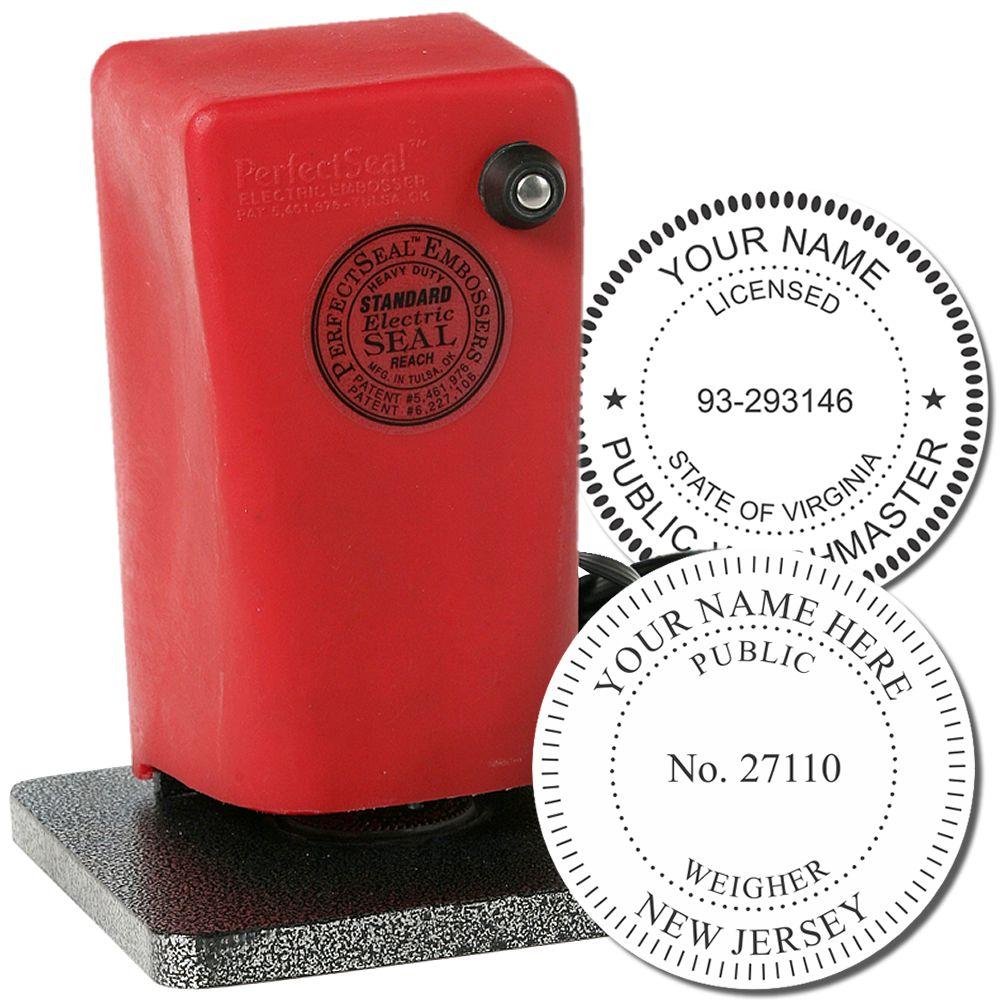
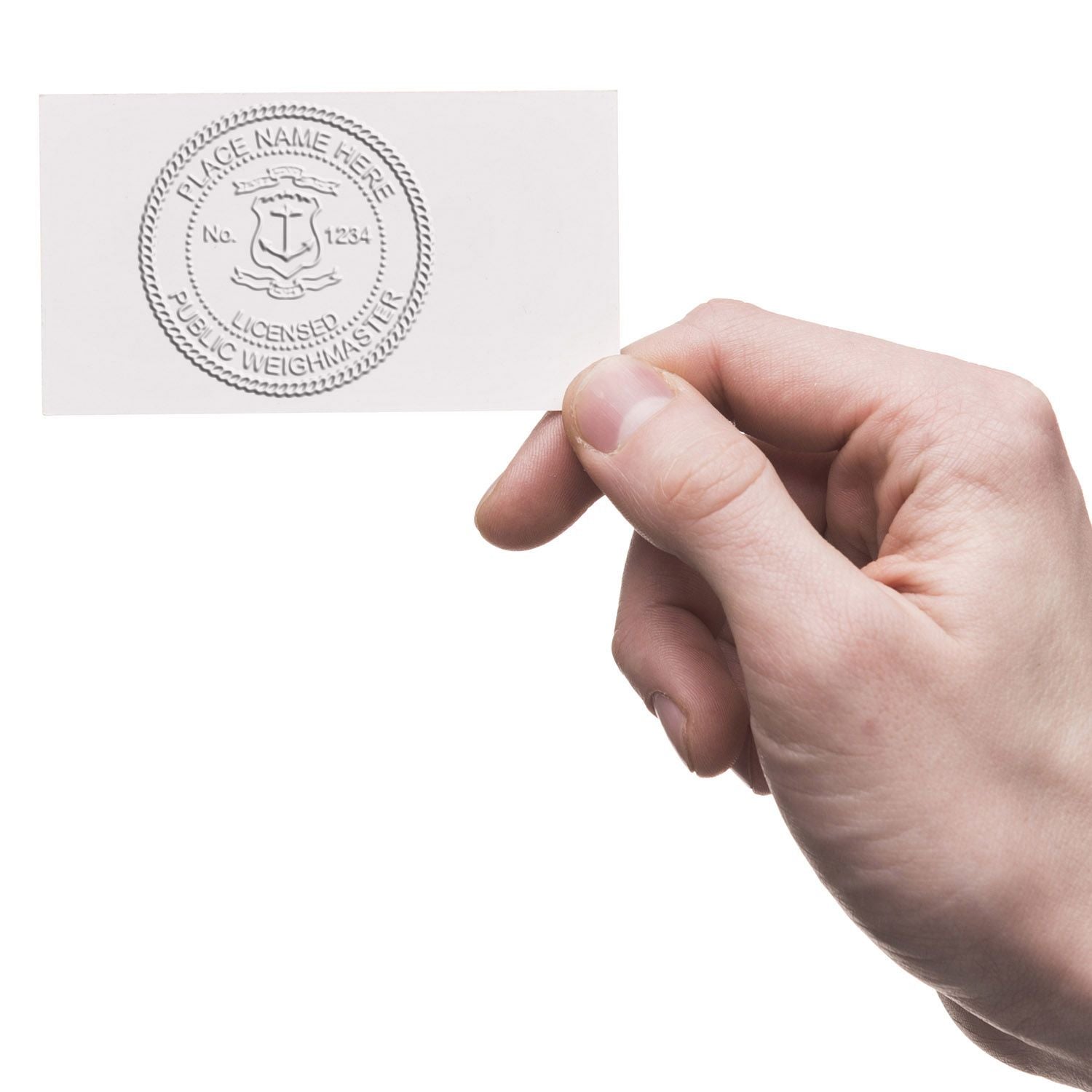
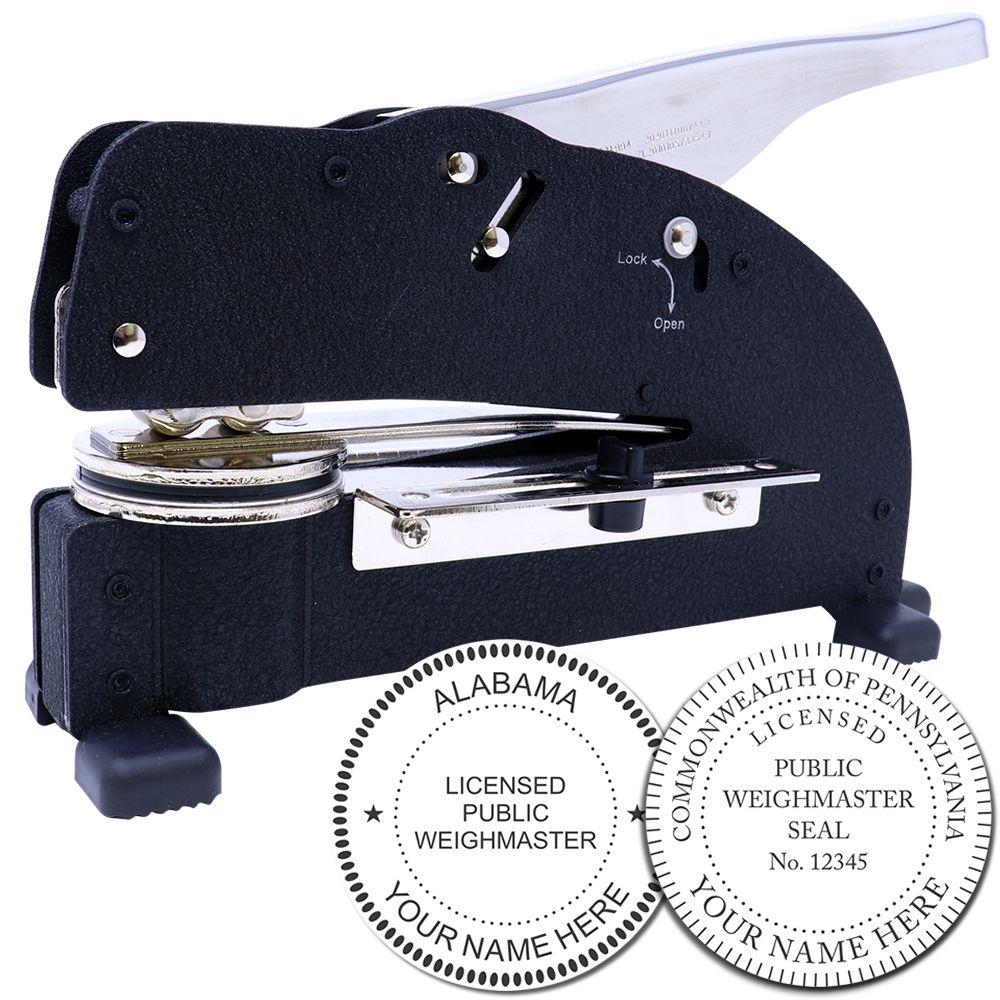
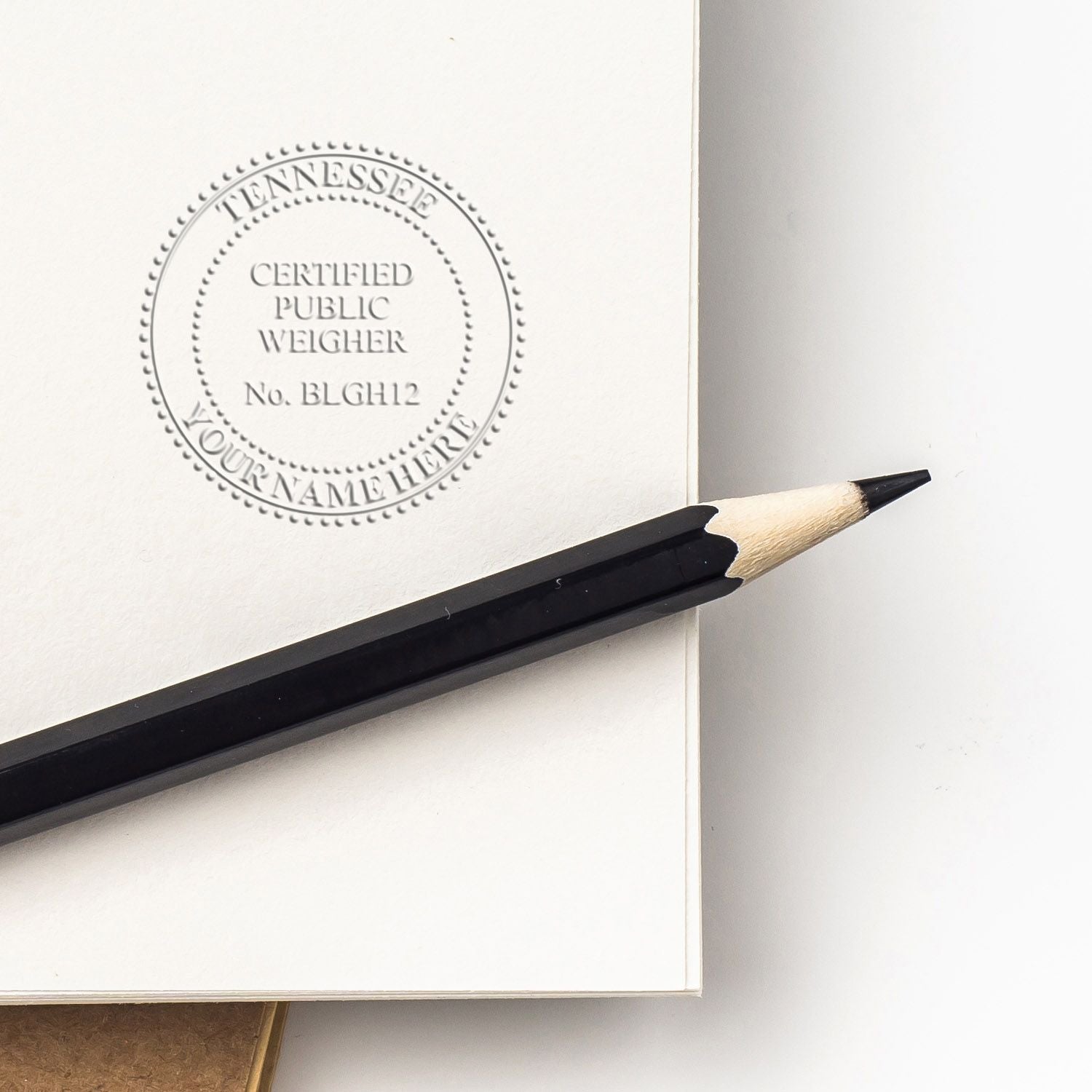
What a New York weighmaster stamp is actually good for
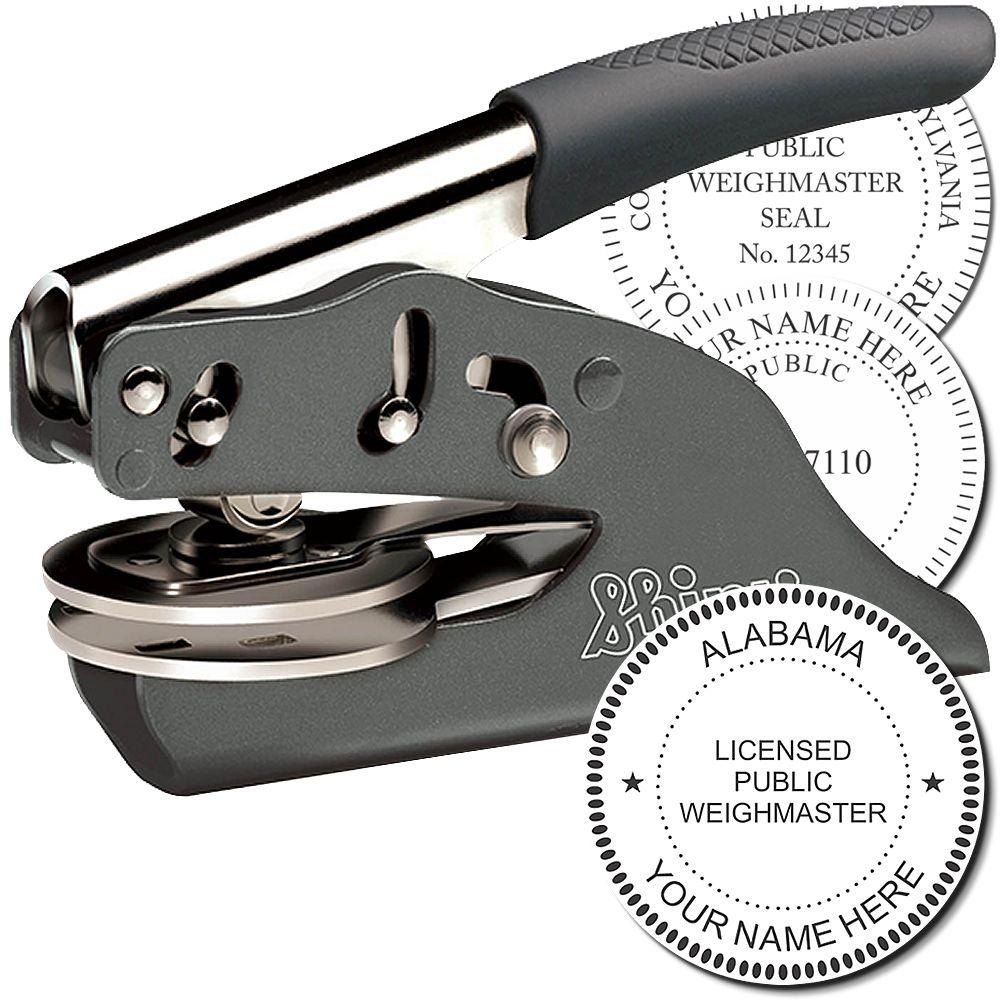
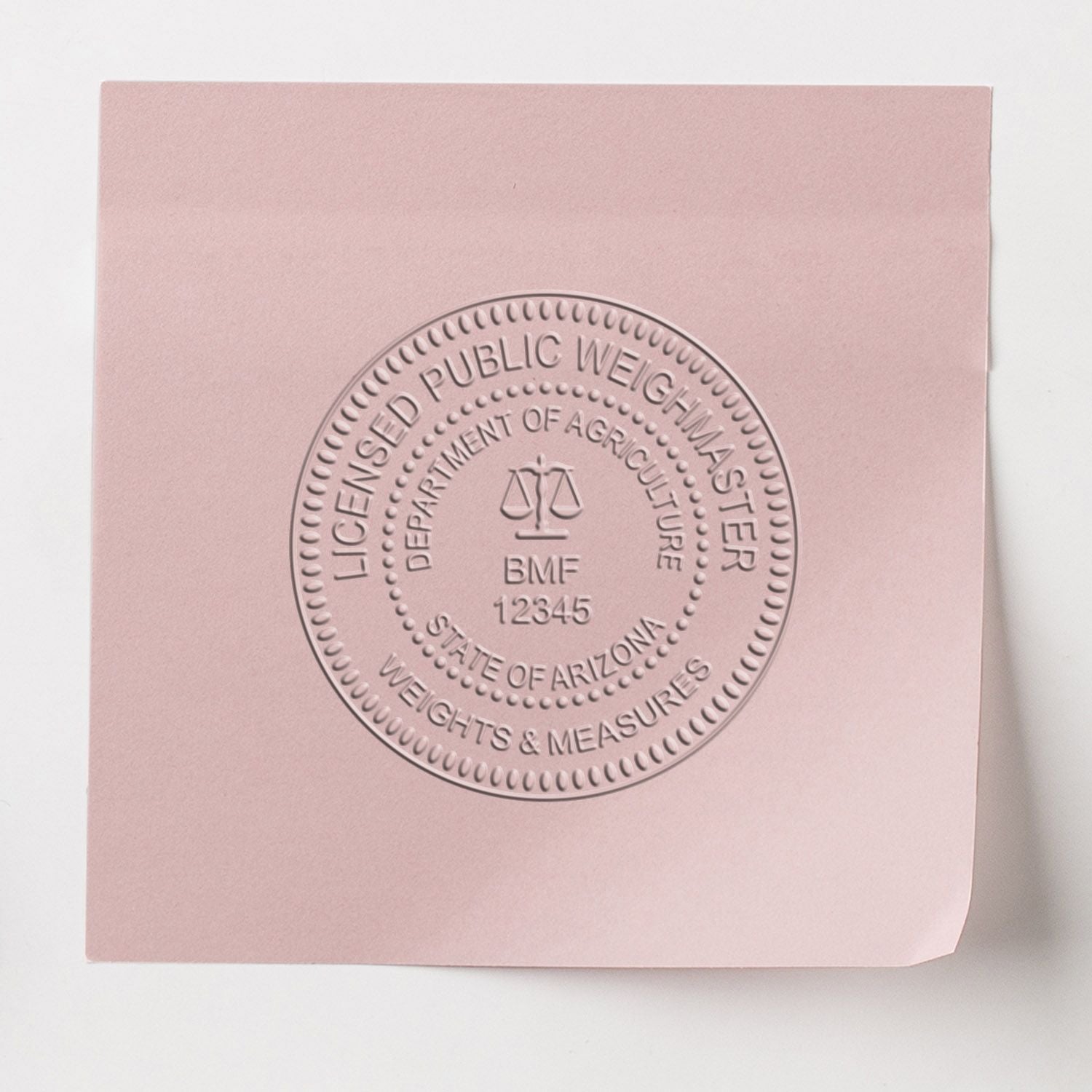
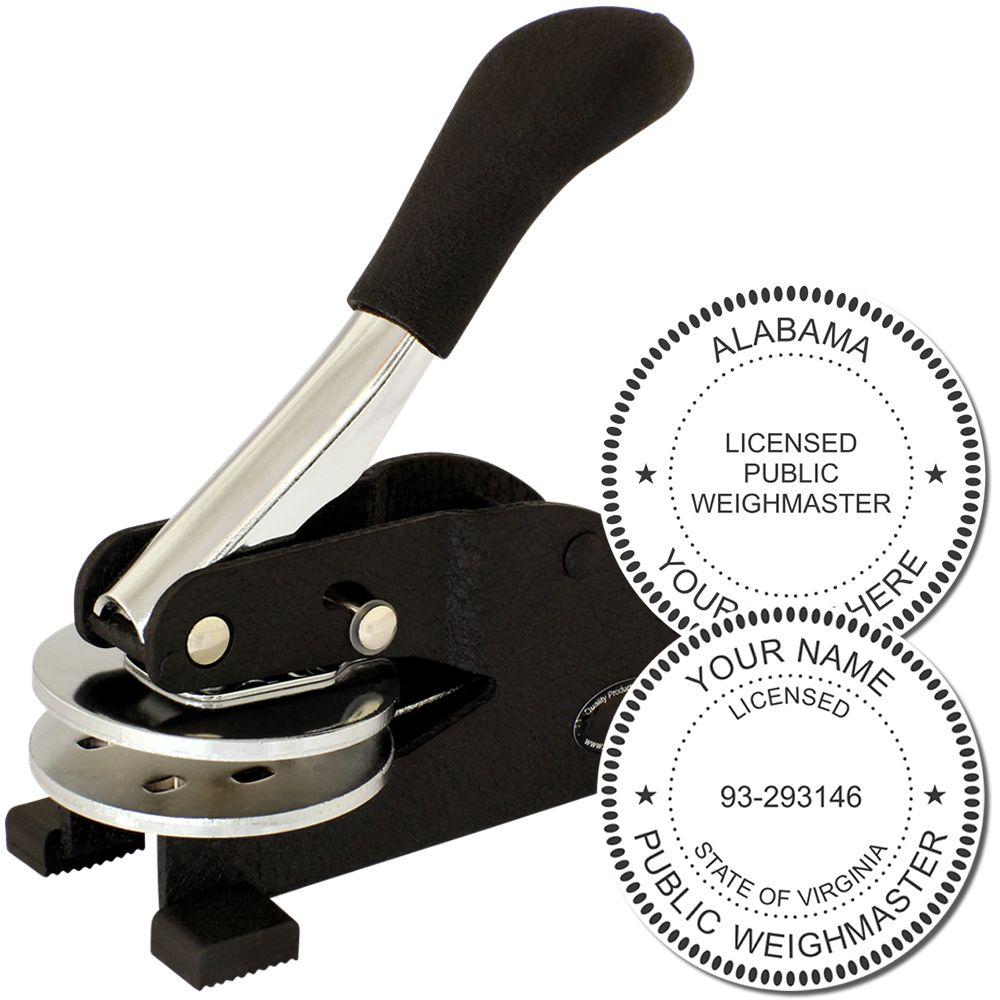
Here is the honest case, with no requirement behind it. Two of the three items the law demands are standing text: your name, if you print it, and your weighmaster license number. Those do not change from ticket to ticket or from season to season. The date changes daily and the signature has to be yours in ink.
A stamp that prints your name and license number in one press does three useful things. It puts the number on every ticket without anyone having to remember it, which is the item most often left off. It prints the number legibly, which a number written quickly beside a signature often is not. And it identifies the author of the ticket at a glance months later, when the ticket is in a file and the handwriting is the only thing left to go on.
That is a real convenience for a real duty. It is not a seal, it is not required, and nothing bad happens to a New York weighmaster who writes the number by hand every time. Buy it if it saves you time, and leave it if it does not.
One point of care if you do order one. Because section 195 asks for the license number and nothing else by way of credential, resist the urge to add a line reading licensed weighmaster or anything like it that looks official. New York prescribes no such wording, an invented credential line on a ticket is not something the statute contemplates, and the block does its job with a name and a number.
Who needs a New York weighmaster license
Section 195 draws the line at acting as one: “No person shall act as a weighmaster, issue or sign any weight tickets, or carry out any functions of a weighmaster unless licensed pursuant to this section.” Issuing or signing tickets is named separately from acting generally, so the person who signs is the person who needs the license.
Two routes into a license exist. One is employment based: a license may be issued to an employee of a person, firm, partnership or corporation whose business requires, by contract or otherwise, that materials or commodities it manufactures, produces, distributes, sells or handles be weighed by a licensed weighmaster. The other is individual: a license may be issued to an individual engaged in the weighing of materials or commodities.
Either way there is a scale test. The applicant shows that he owns, leases or has access to a stationary scale within the state suitable for weighing the materials or commodities to be weighed by him, or that he is regularly employed by someone who does, and that scale is one tested and sealed by the responsible weights and measures official.
Term, fee, display and revocation
The fee is fifteen dollars, paid by the applicant. The term is capped rather than fixed: “A license shall be for a period not exceeding three years and may be renewed in the discretion of the commissioner upon payment of the fee aforesaid.” Note the discretion; renewal is not automatic on payment.
The license has to be where the work is. Section 195 provides that it “shall be kept at the place where the weighmaster is engaged in weighing and shall be open to inspection.” That is a posting duty, not a carry it in your wallet duty.
And it can be taken away. An application may be denied or a license revoked by the commissioner, after a hearing upon due notice, for dishonesty, incompetency, inaccuracy or a violation of article 16 or the rules adopted under it. Inaccuracy sits in that list alongside dishonesty, which is a reminder that a careless weighmaster and a dishonest one face the same section.
False tickets, and tickets you did not write
Three prohibitions in section 195 are worth knowing by heart. “No weighmaster shall make or issue a false or incorrect weight ticket, nor shall any person solicit him to do so.” “No person shall knowingly use a false or incorrect weight ticket.” And the one quoted earlier, barring a weighmaster from permitting a ticket to be issued or used that purports to bear his signature and was not in fact signed by him, or that expresses a weight not ascertained by him.
The middle one reaches beyond weighmasters, to anyone who knowingly uses a bad ticket. The first reaches the person doing the asking as well as the weighmaster. Together they describe a document the law expects to be traceable to one person who actually did the weighing, which is the same policy that makes the full signature and license number mandatory in the first place.



Weight tickets from other states
New York deals with out of state tickets in its own section, 195-a, captioned Weight tickets issued in other states. If your operation receives or relies on tickets written by weighmasters licensed elsewhere, that is the section to read, and it is worth reading against the rules of the state the ticket came from, since weighmaster requirements vary more than most people expect. North Carolina and Washington, for example, both use state issued seals that stay state property, while Virginia requires an embossed seal the weighmaster buys himself.
The regulation check we could not close
We should be straight about a limit on this research. New York’s weights and measures regulations sit in 1 NYCRR chapter V, in the 220 series of parts. We could not locate a weighmaster part there, and we could not rule one out, because the official NYCRR publisher blocked our connection and the Department’s own laws and regulations page disallowed automated retrieval.
What that means in practice is modest. The Department’s weighmaster page cites no regulation and describes only the section 195 ticket contents, which suggests section 195 is the whole of the weighmaster requirement. But if you are about to spend money on artwork on the strength of an absence, confirm it with the Department first. An absence is the one kind of finding that a blocked source can change, and we would rather say so than let a clean looking page imply a check we did not finish.
Ordering a New York weighmaster stamp
Since nothing is prescribed, the wording is yours. Most people want the name and the weighmaster license number, set as two plain lines, and leave room to write the date and sign. Send us the exact text you want and the die is cut to it.
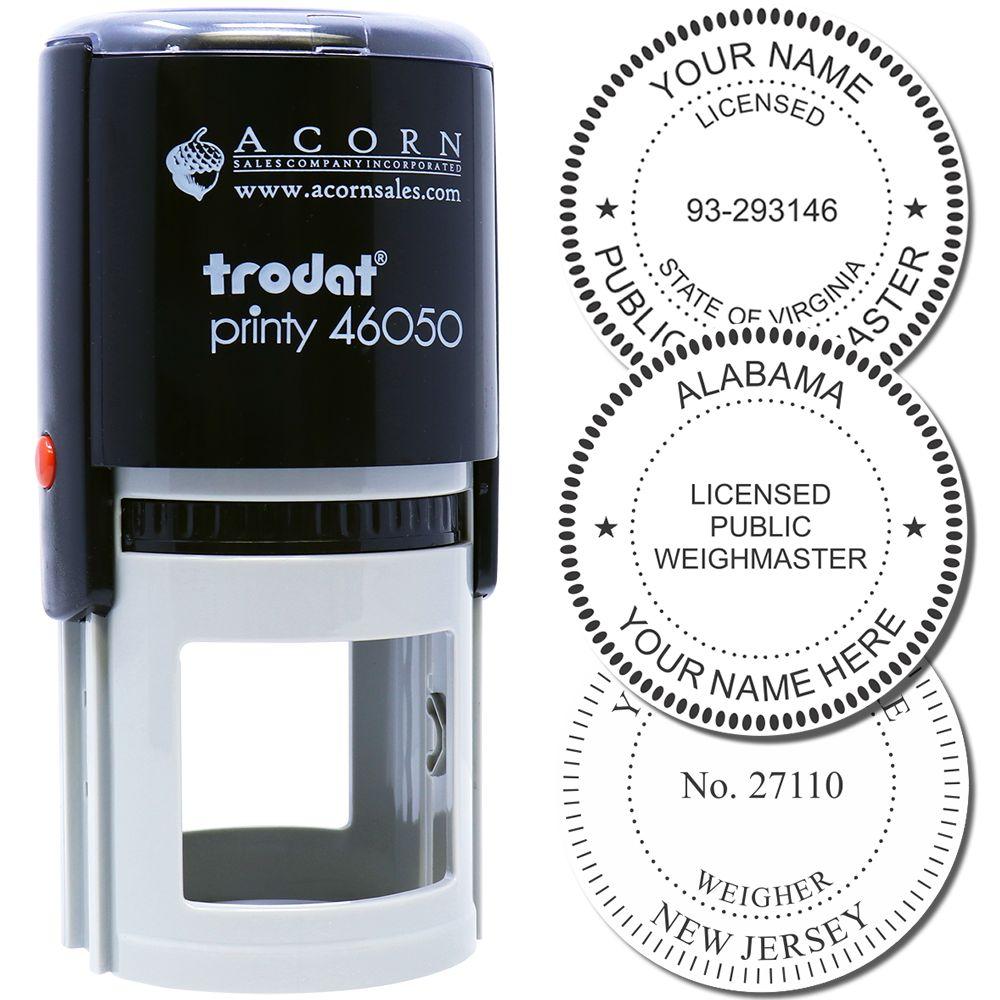
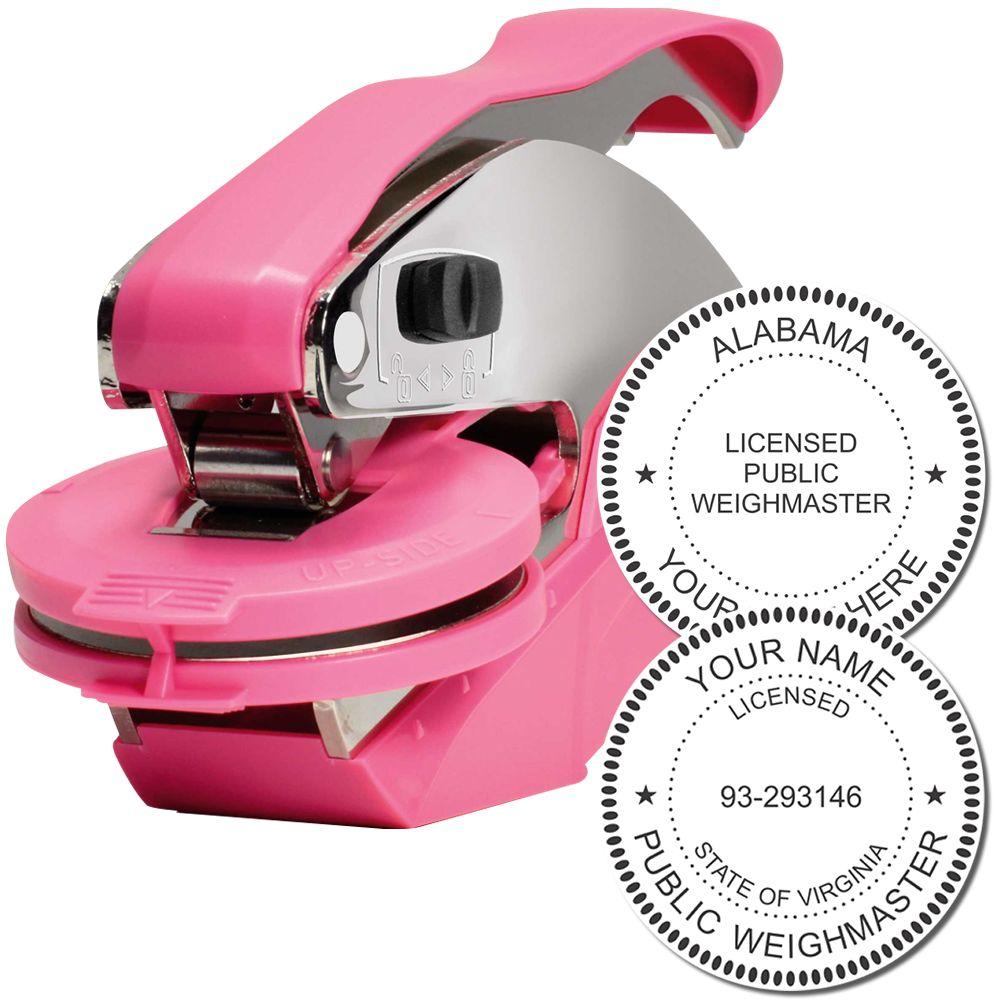
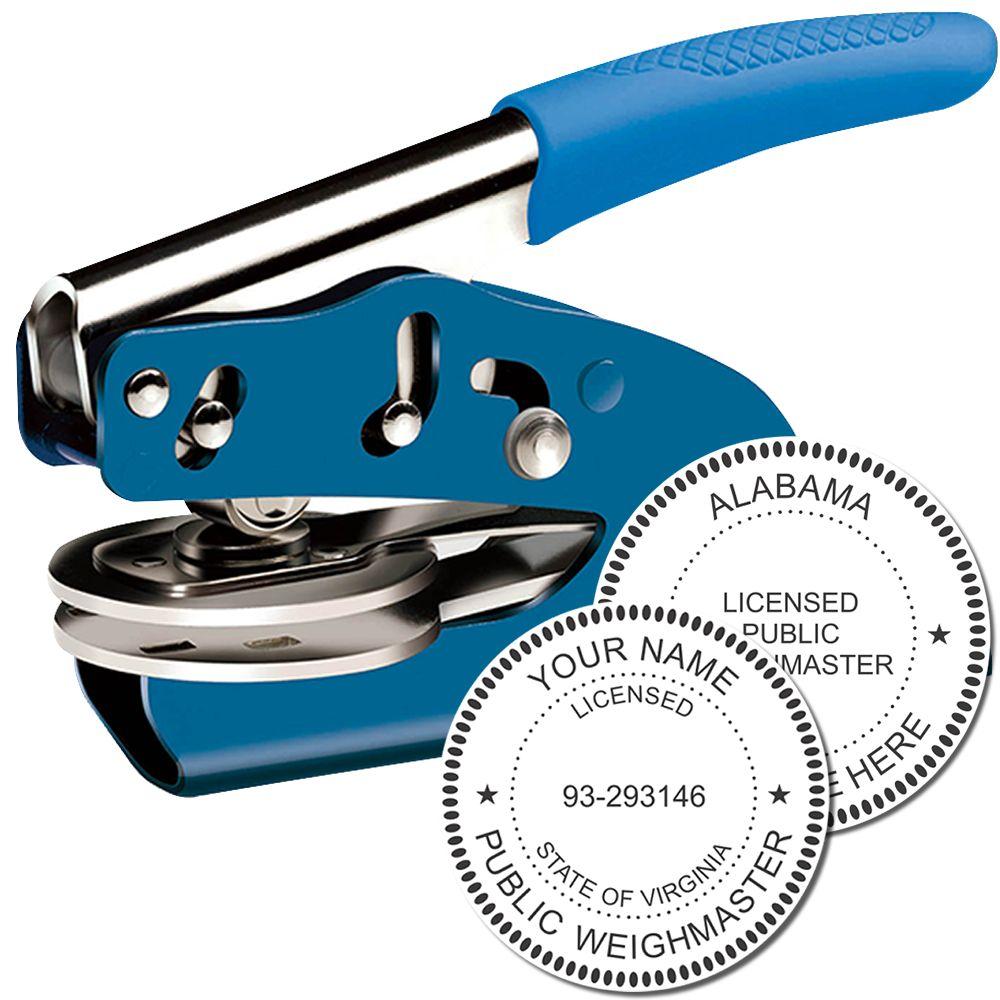
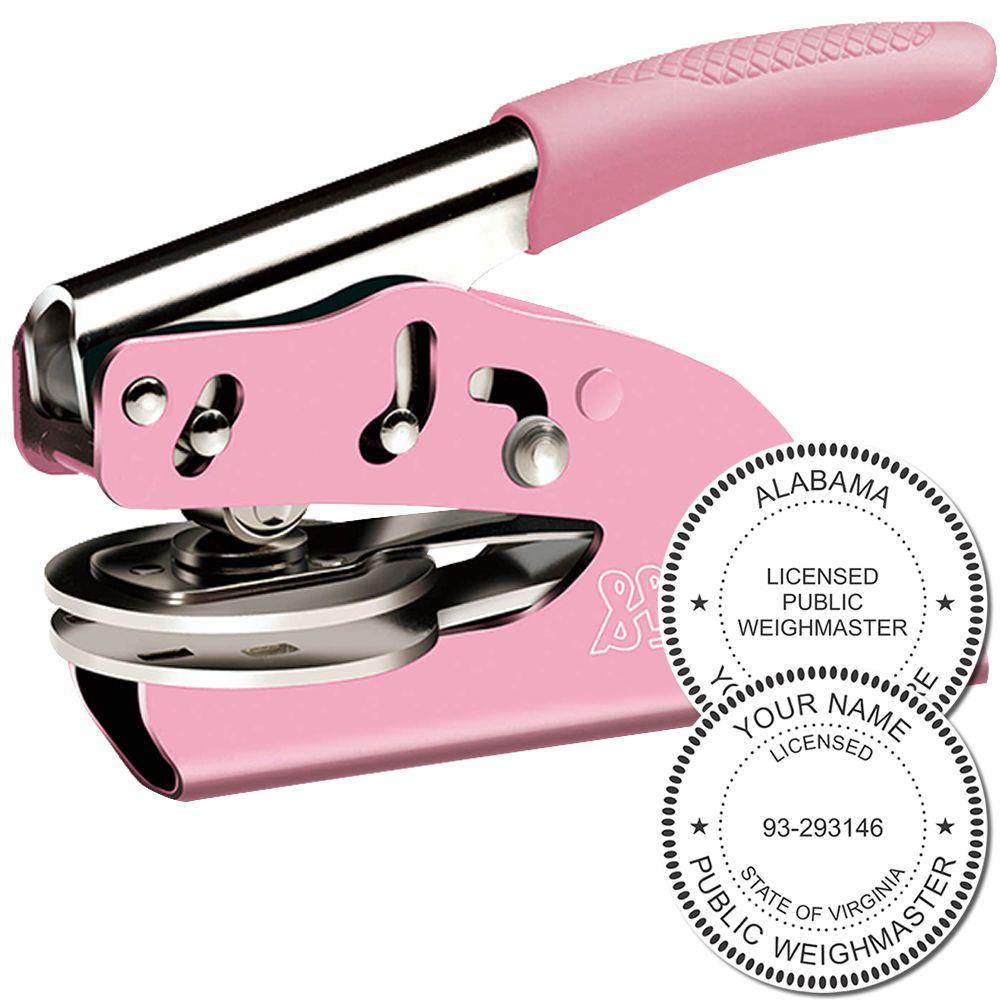
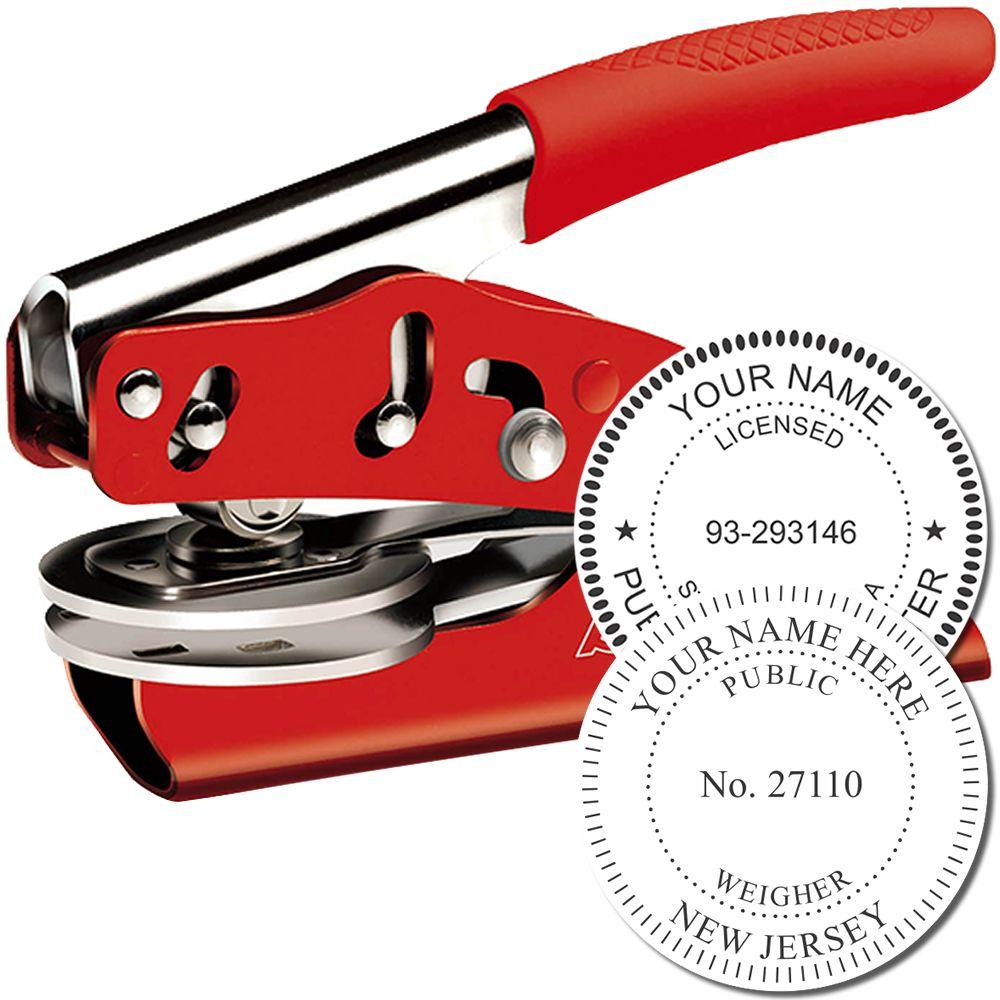
From the weighmaster range, the Public Weighmaster Self Inking Rubber Stamp of Seal at $39.95 is the everyday device, since a self inking stamp suits the pace of a ticket book. The Regular Rubber Stamp of Seal at $34.95 is the same impression on a hand stamp and pad. The MaxLight Pre Inked Rubber Stamp of Seal at $46.95 gives the crispest edges on small figures, which is worth having when a license number has to stay readable on carbonless ticket stock. For files you assemble on screen, the eSeal Electronic Image Stamp of Seal is $20.00, and it is an image rather than a tool. Browse the public weighmaster stamps and seals collection, or contact us with your wording. Whatever you order, sign each ticket yourself. This page is a research summary and not legal advice.
- Public Weighmaster Stamps and Seals
- Public weighmaster stamps and seals
- Pennsylvania Weighmaster: No Seal, Nine Ticket Items
- Virginia Weighmaster Seal: Embosser, at Your Expense
Frequently asked questions
Does New York require a weighmaster to have a seal?
No. Section 195 of the Agriculture and Markets Law licenses weighmasters and sets their duties, and it prescribes no seal or stamp. The Department of Agriculture and Markets describes the ticket contents on its own weighmaster page and mentions no seal either.
What must appear on a New York weight ticket?
“Each weight ticket issued by a weighmaster shall contain the date, full signature and license number of the weighmaster.” Three items, on every ticket, and note that the statute asks for a full signature rather than initials.
Can I use a stamp with my signature on it?
We would not make one for a New York weighmaster. Section 195 bars a weighmaster from permitting a ticket to be issued or used that purports to bear his signature and was not in fact signed by him. The statute does not expressly outlaw a facsimile, but the risk of that sentence falls on you. Sign by hand.
Then what would a stamp be for?
The standing text. Your name and your weighmaster license number do not change from ticket to ticket, so a stamp that prints them legibly in one press saves time and keeps the number, the item most often left off, on every ticket. It is a convenience, not a requirement.
Section 195 mentions a seal. Is that mine?
No. The word appears once, describing the scale the applicant must have access to, one “tested and sealed by the weights and measures official charged with such duty”. That is an inspector sealing a piece of equipment, which is a different thing from a weighmaster marking a document.
How long does a New York weighmaster license last, and what does it cost?
The fee is fifteen dollars. A license runs for a period not exceeding three years and may be renewed in the discretion of the commissioner on payment of the same fee. The license is kept at the place where the weighmaster does the weighing and is open to inspection.
Did you check the New York regulations as well as the statute?
We tried and could not close it. New York weights and measures regulations sit in 1 NYCRR chapter V, and no weighmaster part was located or ruled out, because the official NYCRR publisher blocked our connection and the Department’s laws and regulations page disallowed automated retrieval. Confirm with the Department before relying on the absence.








