
Written by Acorn Sales Company, manufacturing stamps and seals since 1964 · Reviewed by Holly R, VP of Sales and Marketing at Acorn Sales, against Pennsylvania Department of Agriculture on 22 September 2026 · Updated 22 September 2026
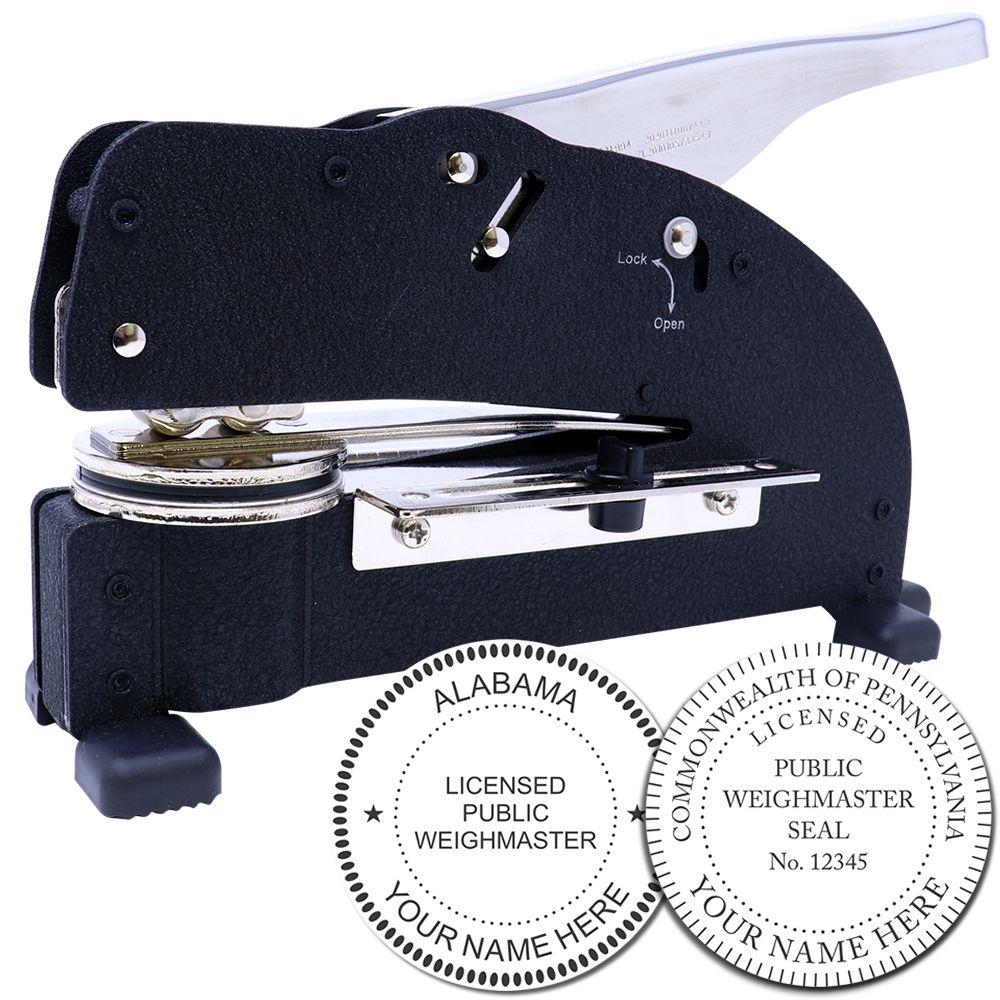
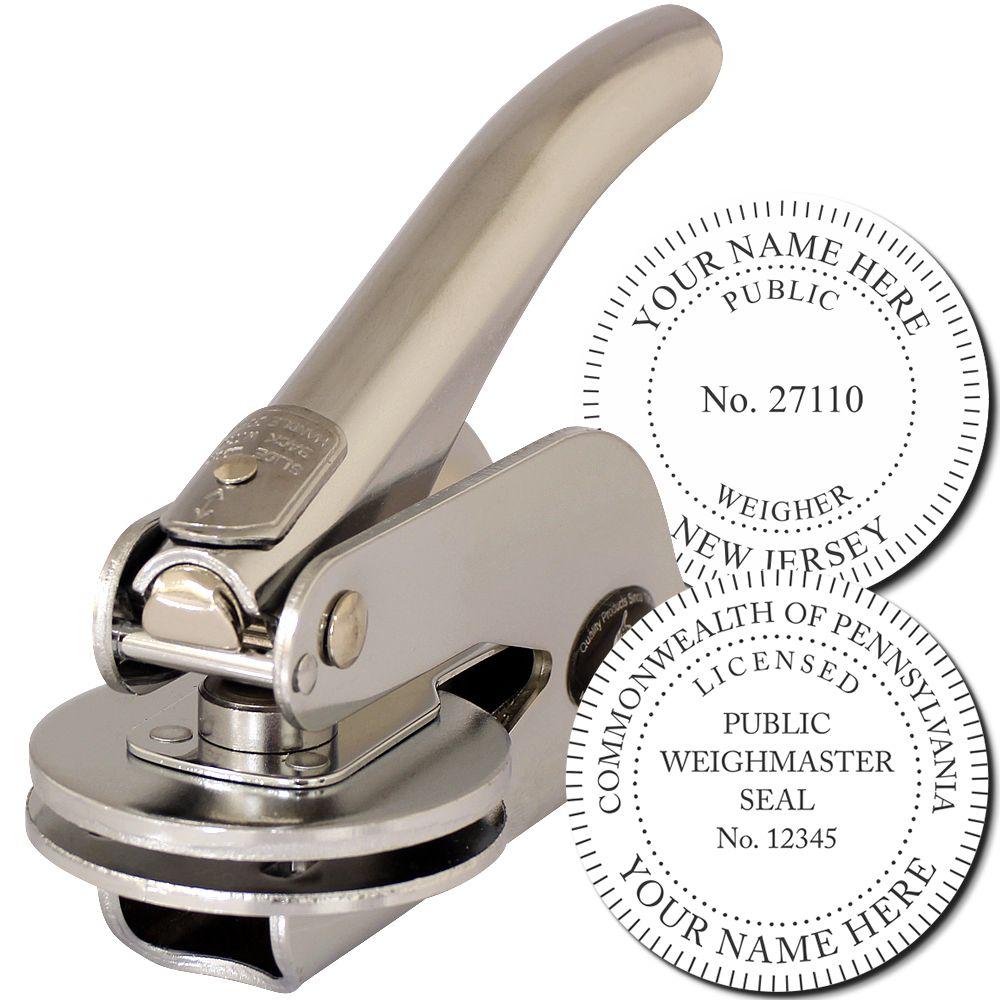
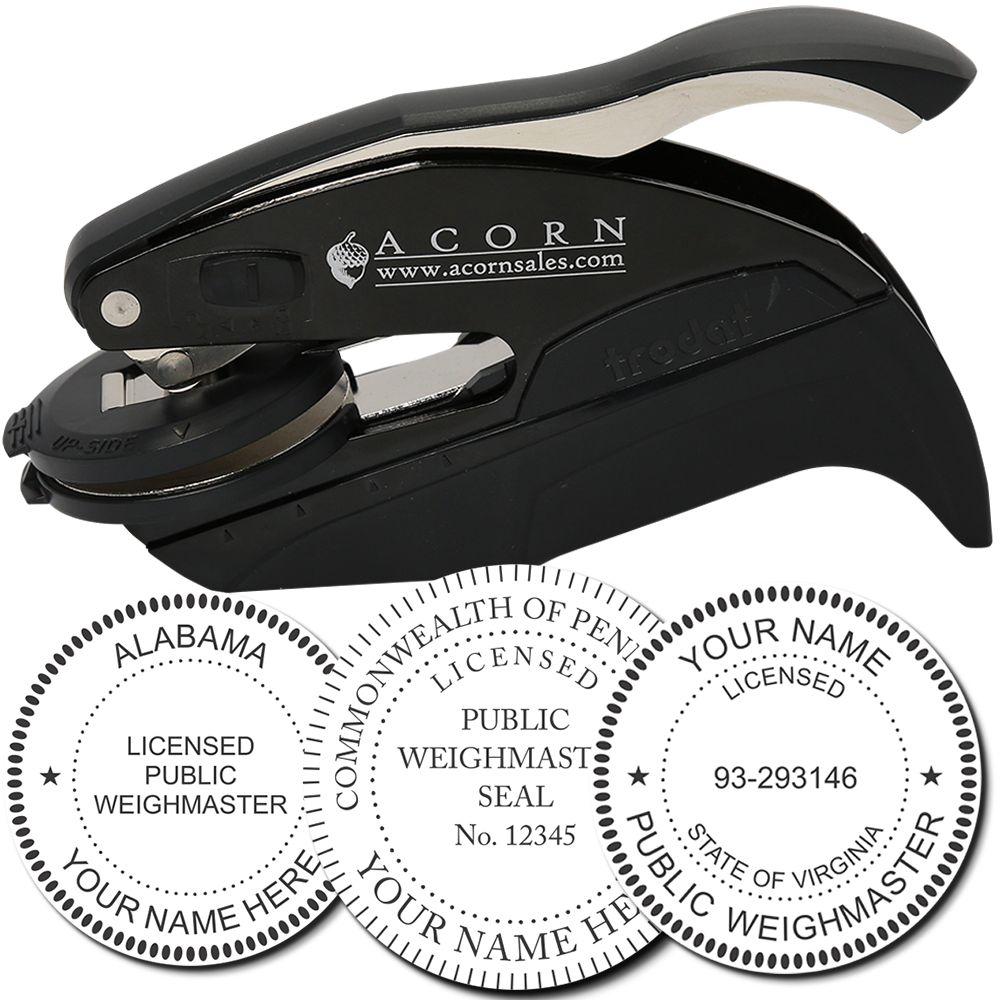
Pennsylvania does not require a licensed public weighmaster to have a seal or a stamp. We read 70 Pa. Code chapter 9, the weighmaster chapter, in full, from the purpose section through the solid fuel provisions, and checked every section for the word seal. It appears only as county sealer or city sealer, which are municipal weights and measures officials who test and seal scales. That is device sealing by an inspector, and it is not a mark a weighmaster puts on a document.
What Pennsylvania does require is the certificate itself, bought by you: “A licensed public weighmaster shall, at the licensed public weighmaster’s own expense, have a supply of weighmaster’s certificates formatted in accordance with subsection (b).” Subsection (b) then lists nine things every certificate must contain. That list is the useful content for anyone setting up a Pennsylvania weighing operation, and it is set out in full below, along with the one rubber stamp the chapter does name and the statute we could not read.
Pennsylvania public weighmaster seal requirements at a glance
| Requirement | Pennsylvania rule | Source |
|---|---|---|
| Seal required | No. No seal or stamp is prescribed anywhere in 70 Pa. Code ch. 9. Every section was checked for the word seal; it occurs only as “county sealer or city sealer”, meaning the municipal officials who seal scales. | 70 Pa. Code ch. 9 (Weighmasters) |
| Required elements | Not a seal list, a certificate list. Nine items: the kind and size of the commodity; the name and address of the seller; the name and address of the purchaser; the license number of the vehicle and trailer or other permanent identification; the signature and license number of the licensed public weighmaster who weighed the commodity and issued the certificate; the date and hour when weighed; gross, tare and net weights, and the net weight of each lot where the load is divided; a sequential serial number; and other relevant information the weighmaster deems necessary. | 70 Pa. Code 9.10(b) |
| Size and shape | Not addressed for any seal. For the certificate, size and shape are deliberately left open: “The form and size of a weighmaster’s certificate may be such as to suit any system or accounting device, as long as the certificate otherwise meets the requirements of this chapter.” | 70 Pa. Code 9.10(c) |
| Device allowed | No seal device is required, permitted or excluded. The only device language concerns how the certificate is produced: “The original weighmaster’s certificate shall be computer generated, typewritten or completed with indelible pencil.” | 70 Pa. Code 9.11 |
| Signature and date | Both are certificate elements rather than seal elements: “The signature and license number of the licensed public weighmaster who weighed the commodity and who issued the weighmaster’s certificate” and “The date and hour when weighed.” Note that the hour is required as well as the date. | 70 Pa. Code 9.10(b) |
| What must be sealed | Nothing. There is no sealing duty in Pennsylvania. The corresponding duty is to issue a complete and accurate certificate that “legibly shows what weights were actually determined”, and that is “entirely the product of a single licensed public weighmaster”. | 70 Pa. Code 9.11 |
| Electronic seal | Not addressed. No electronic or digital seal rule and no third party certificate requirement appears in the chapter. The only nod to electronic production is the allowance that the original certificate be computer generated. | 70 Pa. Code 9.11 |
| Renewal and lapse | A license is valid for 2 years from the date it is issued, and it is not renewed as such: the weighmaster follows the application process again to acquire a new license, and is encouraged to apply at least 60 days before the current one expires. A name or address change is notified within 48 hours, with written notice within 7 days. Nothing happens to a seal on lapse, because there is no seal. | 70 Pa. Code 9.6, 9.5 |
| Firm requirements | No firm license and no firm seal. The license is individual but tied to a business and a scale: it states the name and address of the business for which the weighmaster conducts public weighing and the location of the scales. The weighmaster must use a weighing device of a type approved by the Department. | 70 Pa. Code 9.7; 70 Pa. Code 9.11 |
| Regulator | Pennsylvania Department of Agriculture. The chapter also assigns functions to the Department’s weights and measures bureau, referred to as the Bureau, which “will provide a sample weighmaster’s certificate upon request”. | 70 Pa. Code 9.10(a) |




Does Pennsylvania require a weighmaster seal?
No. 70 Pa. Code chapter 9 is the weighmaster chapter, and it is thorough: purpose, definitions, license required, qualifications, application, term, license format, display, commodities sold by weight, the certificate, issuing the certificate, retention and inspection, and then a separate run of sections on solid fuel. We read all of it and checked every section for the word seal.
It appears three times and always in the same sense, as “county sealer or city sealer”. Those are municipal weights and measures officials. Their sealing is an act performed on a scale to certify the equipment, and it is done by someone other than the weighmaster. Pennsylvania has no provision requiring, permitting or describing a seal that a weighmaster applies to a document.
If you are comparing states, that puts Pennsylvania with New York rather than with Virginia, North Carolina or Washington. There is nothing to buy, nothing to engrave, and no wording to get right on a die. What there is instead is a certificate with nine required items and a rule that you pay for the forms yourself.
What Pennsylvania requires instead: certificates, at your own expense
70 Pa. Code 9.10(a) is the substitute duty, and it is worth quoting: “A licensed public weighmaster shall, at the licensed public weighmaster’s own expense, have a supply of weighmaster’s certificates formatted in accordance with subsection (b). The Bureau will provide a sample weighmaster’s certificate upon request.”
Three things follow. You must hold a supply, not run off single sheets as needed, which fits the serial numbering requirement discussed below. You pay for it, the same way a Virginia weighmaster pays for his own seal, and the Department does not supply your stock. And there is a sample available for the asking, which is the first thing to request when setting up, because working from the Bureau’s own sample removes most of the ways a home made form goes wrong.
The nine items on a weighmaster’s certificate
70 Pa. Code 9.10(b) opens “A weighmaster’s certificate must contain the following information” and then lists them. In order: the kind and size of the commodity; the name and address of the seller; the name and address of the purchaser; the license number of the vehicle and trailer, or other means of its permanent identification; the signature and license number of the licensed public weighmaster who weighed the commodity and who issued the weighmaster’s certificate; the date and hour when weighed; the gross weight in avoirdupois pounds of the vehicle and the load, the tare weight and net weight of the commodity, and, if the load is divided into lots, the net weight of each lot; a sequential serial number; and other relevant information the licensed public weighmaster deems necessary.
A few of those catch people out. Item four wants the trailer as well as the vehicle. Item six wants the hour, not just the date. Item seven wants gross, tare and net, expressed in avoirdupois pounds, and a per lot net weight where the load is split. Item eight is the serial number, which has its own rule about the order certificates are issued in.
Item five is the one that matters for anyone thinking about a stamp: the signature and license number of the weighmaster who did the weighing and issued the certificate. Signature and number, on every certificate, from the person who actually performed the work.
Form and size are deliberately left open
Having fixed the content, the rule then refuses to fix the layout. 70 Pa. Code 9.10(c) provides: “The form and size of a weighmaster’s certificate may be such as to suit any system or accounting device, as long as the certificate otherwise meets the requirements of this chapter.”
That is a useful permission. A scale house printing tickets from an indicator, a yard using a multi part carbonless book, and an office generating certificates from accounting software are all accommodated, provided the nine items are there. It also means nobody can tell you your form is the wrong size, and nobody can sell you a Pennsylvania approved certificate size, because the rule declines to name one.
How the original is made, and who may make it
70 Pa. Code 9.11 governs issuance and carries four sentences that shape the daily routine. The original certificate “shall be computer generated, typewritten or completed with indelible pencil”, so ordinary pencil and anything erasable is out. A certificate “shall be entirely the product of a single licensed public weighmaster”, which rules out one person weighing and another issuing. The weighmaster “shall issue a complete and accurate weighmaster’s certificate that legibly shows what weights were actually determined”. And the weighmaster must “use a weighing device which is of a type approved by the Department.”
Legibly is doing quiet work in that third sentence. A number written fast in indelible pencil on the fourth copy of a carbonless set is exactly the kind of thing that fails a legibility standard months later, which is the practical argument for printing the parts that never change.



Serial numbers, delivery and keeping copies
Three more duties sit in 9.11 and 9.12. Certificates are issued “in consecutive order of the serial numbers affixed thereon”, so the serial number in 9.10(b)(8) is not decoration, it is an audit trail and it has to be used in order. The original certificate “shall be delivered to the purchaser of the commodity specified in the certificate at the time of delivery”, so the top copy leaves with the load. And under 9.12 the weighmaster “is responsible to retain a copy of each weighmaster’s certificate for at least 2 years”.
Put those together and the certificate stock has to be a multi part set or a system that prints a retained copy, since the original goes to the purchaser and you still owe two years of records.
The one rubber stamp the chapter actually names
There is a single rubber stamp in 70 Pa. Code chapter 9, and it is not a seal. It sits in the solid fuel provisions, which deal with reweighing, and it obliterates a superseded certificate. The rule permits the old certificate to be dealt with “if it is obliterated with a rubber stamp using the following legend: This solid fuel has been reweighed and this certificate should not be accepted.”
If you deliver solid fuel in Pennsylvania, that legend is prescribed wording and a stamp is the named method of applying it, which makes it the one piece of Pennsylvania weighmaster artwork with text fixed by rule. We read the legend in the chapter but did not pin it to a subsection number, so check the current solid fuel sections before ordering, and use the legend exactly as the rule writes it.
The title is protected, and so is the act
70 Pa. Code 9.3 is broader than most title provisions: “A person may not assume the title ‘licensed public weighmaster’ or any title of similar import, perform the duties or acts to be performed by a licensed public weighmaster under the act or this chapter, hold himself out as a licensed public weighmaster, issue a weighmaster’s certificate, ticket memorandum or statement or engage in the full-time or part-time business of public weighing unless the person holds a valid license as a licensed public weighmaster.”
Note that it reaches a ticket memorandum or statement, not only a formal certificate, and that it names part-time weighing explicitly. Since the protected title is exactly “licensed public weighmaster”, that is also the phrase to use if you print a credential line on your own certificate stock, rather than a shortened form of it.
The license, and the 48 hour change rule
70 Pa. Code 9.7 sets out what the license itself carries: the name of the person to whom it is issued; a unique license number assigned to the public weighmaster; the name and address of the business for which the weighmaster conducts public weighing; the location of the scales; the date issued; the date it will expire; and other information the Department deems reasonable. Under 9.8 the license must be displayed.
Because the license names a business and a scale location, changing either is not a private matter. The rule gives a short clock: if there is a change to a name or address provided on the application, the weighmaster notifies the Department within 48 hours of its occurrence, and although the 48 hour deadline may be met by telephone, written notice must follow by mail or delivery within 7 days.
That 48 hour rule is the main reason not to print a large stock of certificates carrying a business address you expect to change.


Two years, then apply again
70 Pa. Code 9.6 provides that a license is valid for 2 years from the date it is issued. Pennsylvania does not renew licenses in the usual sense. The rule directs the weighmaster to follow the application process in 9.5 to acquire a new license, and adds that to avoid a lapse in licensure a weighmaster is encouraged to apply for a new license at least 60 days in advance of the expiration of the current one.
Since your license number appears on every certificate under 9.10(b)(5), anything you have printed with the number on it is worth checking against a new license when one issues.
The statute we could not read
One limit on this research deserves stating plainly. The regulation’s own authority note points to the Consolidated Weights and Measures Act, 3 Pa.C.S. chapter 41, sections 4101 to 4194, and there is a section at 3 Pa.C.S. 4164 captioned Weighmaster’s certificate required. We could not read the verbatim text of that chapter. Every official Pennsylvania statute route refused our connection.
So the residual possibility that the act rather than the regulation prescribes a weighmaster seal is not formally closed. We think it is unlikely: chapter 9 implements the act in full for weighmasters, it runs to more than twenty sections, it mandates certificates in detail and it never mentions a seal applied by a weighmaster. But if you are about to commit money on the strength of that absence, confirm it with the Department first rather than taking our word for a source we could not open.
What a Pennsylvania weighmaster might actually order
Not a seal, because there is not one. Two things are worth considering. The first is your certificate stock, which the rule makes your expense and which has to carry nine items, a serial number in sequence, and enough copies that the original can go to the purchaser while you keep one for two years. Ask the Bureau for its sample certificate before you commission any of it.
The second is a stamp for the standing text. Of the nine items, your name and license number are the only ones that never change, and 9.10(b)(5) requires the license number on every certificate. A stamp that prints your name and number legibly in one press keeps the most frequently omitted item on the form, and it works on carbonless stock where handwriting does not always carry to the lower copies. Sign by hand, since 9.10(b)(5) asks for the signature of the weighmaster who did the weighing and 9.11 makes the certificate entirely the product of a single licensed public weighmaster.
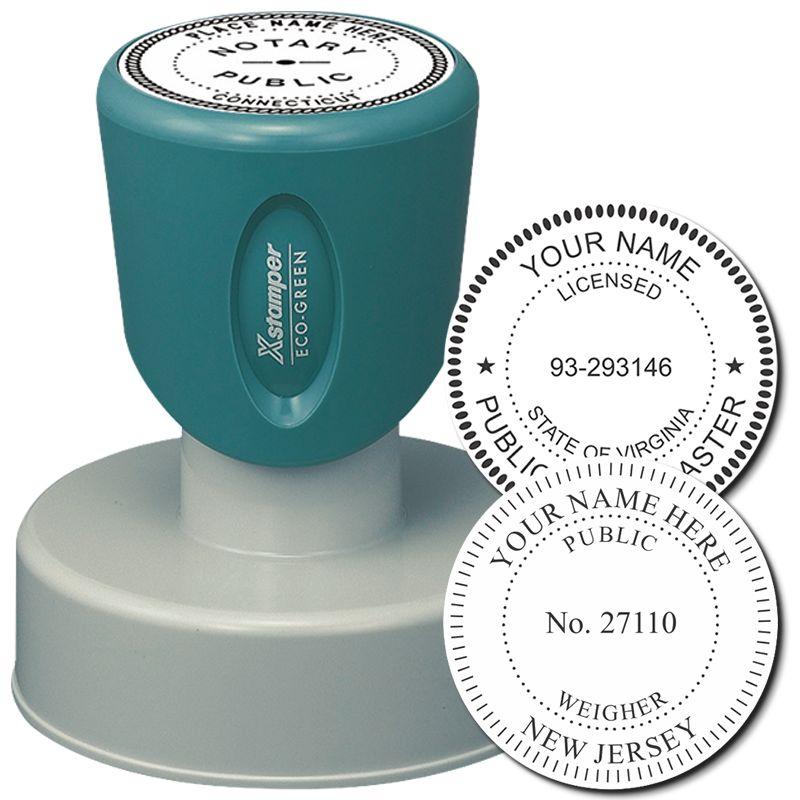
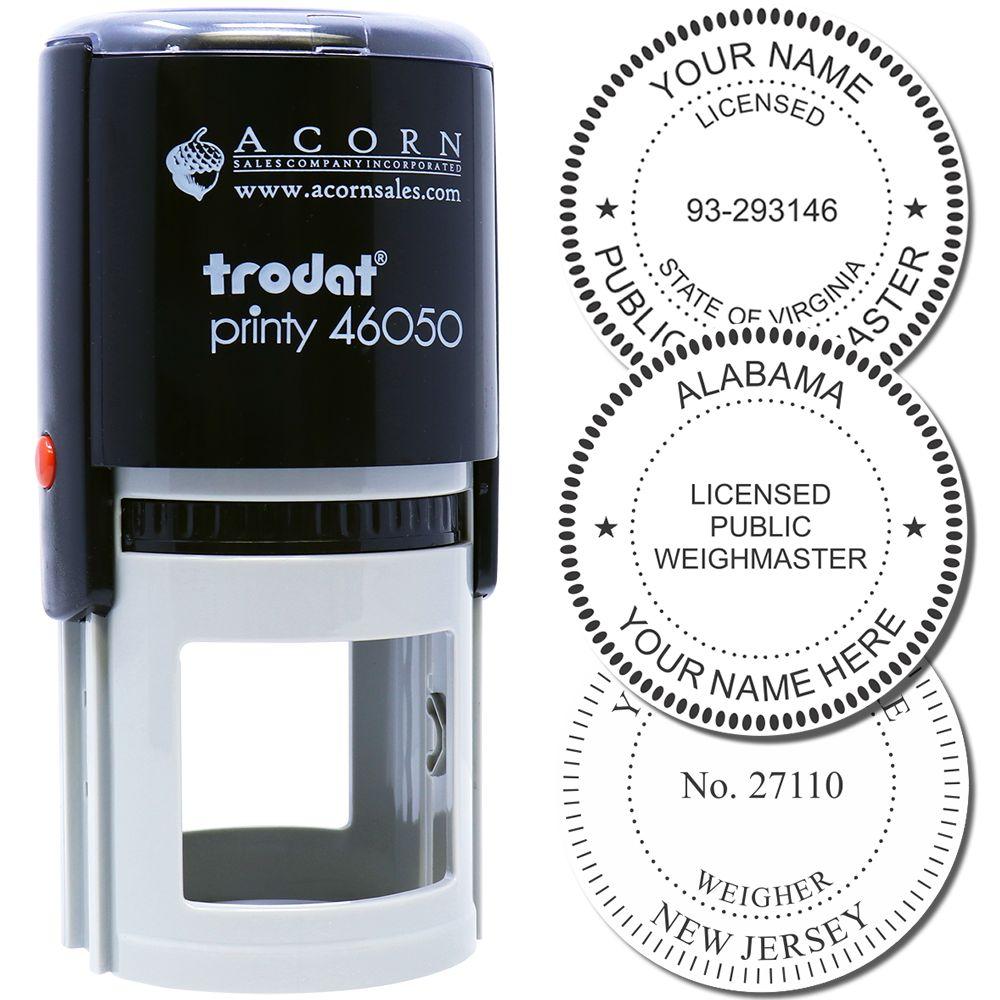
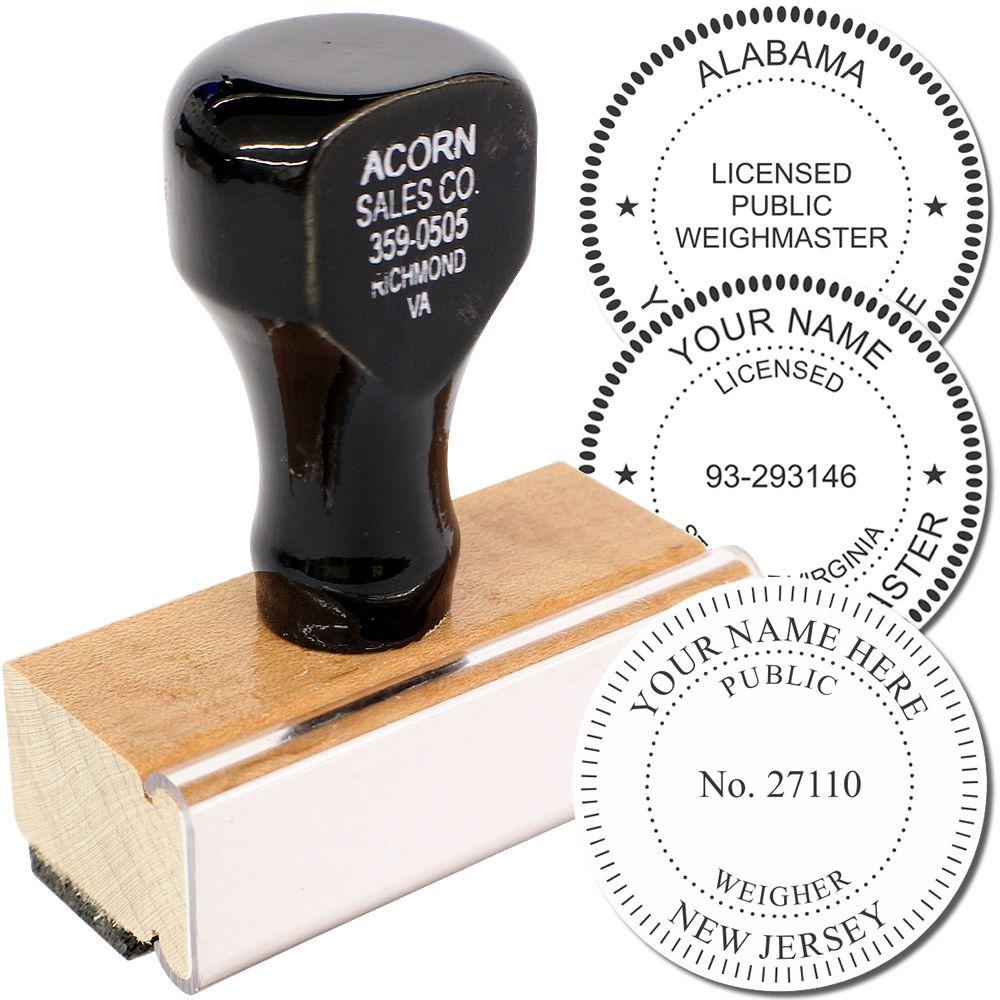
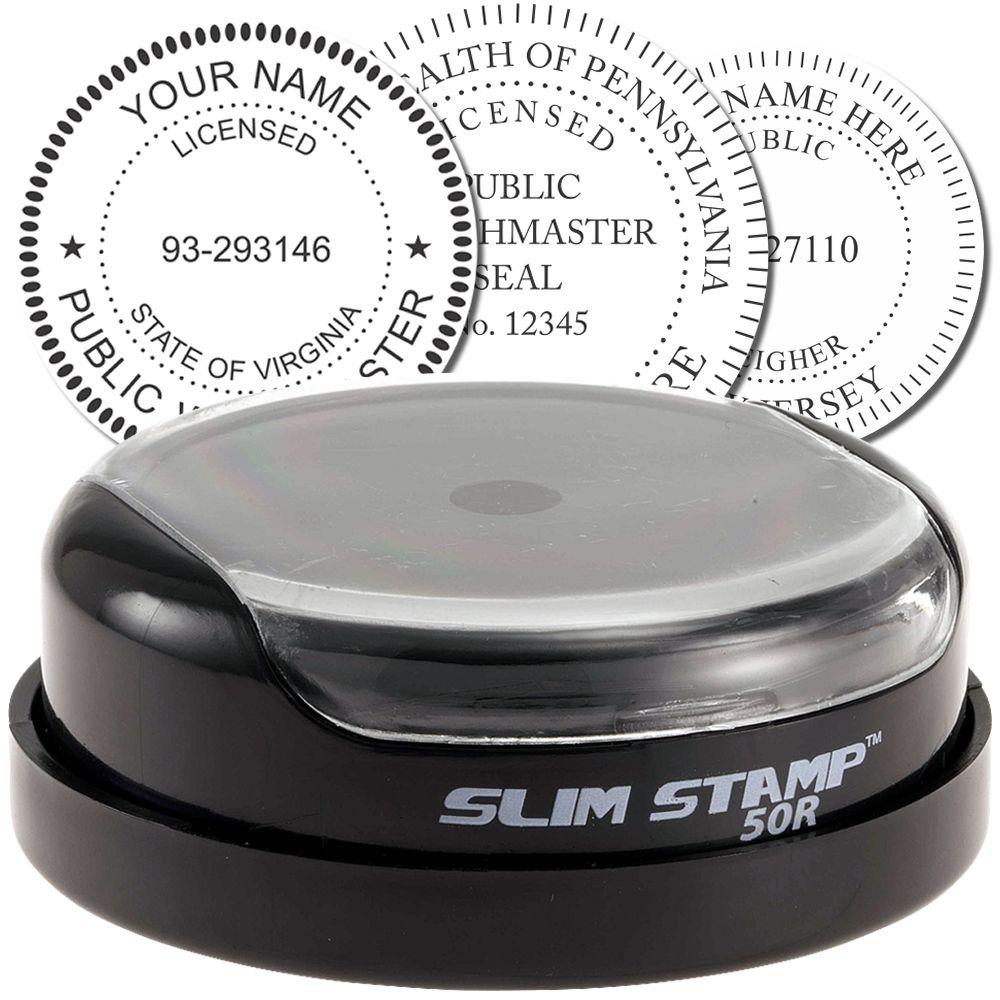
From the weighmaster range, the Public Weighmaster Self Inking Rubber Stamp of Seal at $39.95 and the Regular Rubber Stamp of Seal at $34.95 are both cut to whatever wording you send, and the MaxLight Pre Inked Rubber Stamp of Seal at $46.95 holds fine figures most cleanly. The solid fuel reweighing legend can be cut as an ordinary text stamp on any of them. Browse the public weighmaster stamps and seals collection, or contact us with your wording. This page is a research summary and not legal advice.
- Public Weighmaster Stamps and Seals
- Public weighmaster stamps and seals
- New York Weighmaster: No Seal, Signature and Number
- Virginia Weighmaster Seal: Embosser, at Your Expense
Frequently asked questions
Does Pennsylvania require a weighmaster seal?
No. 70 Pa. Code chapter 9 was read in full and prescribes no seal or stamp for a weighmaster. The word seal occurs in the chapter only as county sealer or city sealer, meaning municipal weights and measures officials who test and seal scales.
What must a Pennsylvania weighmaster’s certificate contain?
Nine items under 70 Pa. Code 9.10(b): the kind and size of the commodity; the seller’s name and address; the purchaser’s name and address; the license number of the vehicle and trailer or other permanent identification; the signature and license number of the weighmaster who weighed and issued; the date and hour when weighed; gross, tare and net weights in avoirdupois pounds, with per lot net weights for a divided load; a sequential serial number; and any other relevant information the weighmaster deems necessary.
Who pays for the certificates?
The weighmaster does. 70 Pa. Code 9.10(a) requires a licensed public weighmaster to have a supply of certificates at his own expense, formatted to the content rule. The Bureau will provide a sample certificate on request, which is the sensible starting point.
Is there a required size for the certificate?
No. 70 Pa. Code 9.10(c) says the form and size may be such as to suit any system or accounting device, so long as the certificate otherwise meets the chapter. Nobody can sell you a Pennsylvania approved certificate size, because the rule does not name one.
Can somebody else fill in or issue my certificate?
No. 70 Pa. Code 9.11 requires a certificate to be entirely the product of a single licensed public weighmaster, and 9.10(b)(5) asks for the signature and license number of the weighmaster who weighed the commodity and issued the certificate.
Does Pennsylvania name any rubber stamp at all?
One, in the solid fuel provisions, for cancelling a superseded certificate after a reweigh. The rule allows the certificate to be obliterated with a rubber stamp reading “This solid fuel has been reweighed and this certificate should not be accepted.” That is prescribed wording, so use it exactly, and check the current solid fuel sections first.
How long does a Pennsylvania weighmaster license last?
Two years from the date it is issued. There is no renewal as such; the weighmaster applies again under 70 Pa. Code 9.5, and the rule encourages applying at least 60 days before the current license expires to avoid a lapse.
Did you check the statute as well as the regulation?
We could not. The verbatim text of 3 Pa.C.S. chapter 41, including section 4164 on weighmaster certificates, was refused by every official Pennsylvania statute route we tried. Chapter 9 implements the act for weighmasters in detail and never mentions a weighmaster seal, so a statutory seal is unlikely, but confirm with the Department before relying on the absence.








