
Discover Rhode Island Rules
If you’re an interior designer planning to work in Rhode Island, you’ve likely heard about the importance of having a proper stamp or seal. Many states require official markings to confirm your credentials on drawings, plans, and other professional documents, but Rhode Island applies its own set of rules. It’s easy to get lost in the details, so let’s break everything down in a friendly, no-fuss way.
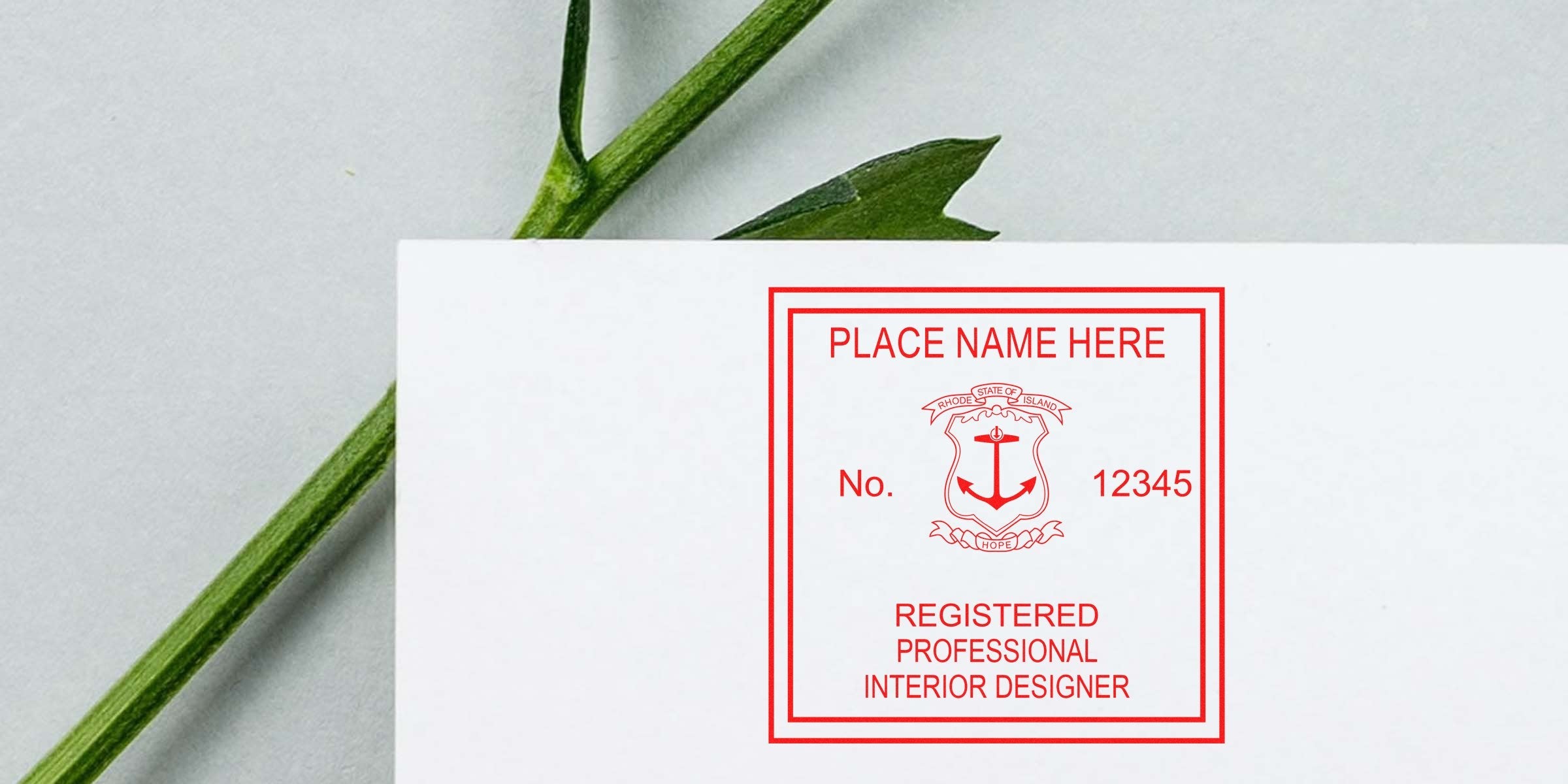
Right from the start, you’ll want to understand the basics of Rhode Island interior designer stamp design. This term covers the specific visual elements, text, and format you need. Each piece has to follow state guidelines to ensure your documentation is valid. The ultimate goal? Confidence that the projects you sign off are recognized by clients, review boards, and even legal authorities if needed.
You might be thinking, “But can’t I just purchase any old stamp?” Not quite. Rhode Island holds designers to certain standards, whether you go for a traditional rubber stamp, an embosser, or a digital version. Taking the time to learn these guidelines up front helps you avoid pricey mistakes and ensures your seal (or stamp) does its job. That job is to protect the health, safety, and welfare of the public—so it’s not something to skip.
Knowing the “official stuff” isn’t as intimidating as it sounds. With a few tips, you’ll be able to identify the correct stamp format, follow state guidelines, and sign your interior design work with pride. Ready to walk through the main details? Here’s what you need to know before you finalize your stamp.
Identify Required Stamp Features
Rhode Island’s regulatory boards supervise the exact shape, size, and text required on an interior designer’s stamp. Even though designs can vary, you generally see these elements:
- Your legal name as it appears on your license.
- Your certification or license number.
- The phrase “Registered Interior Designer” or a state-approved equivalent.
- Clear indication that your credential applies to Rhode Island.
It’s wise to confirm any newly released rules or updates by checking official Rhode Island regulations. Occasionally, boards revise how these stamps should appear, so a quick review of the guidelines each time you purchase or renew goes a long way. Keep in mind that even font size can matter, because readability is crucial on official documents.
Looking to add some flair? Interior designer stamps can include minimal graphic elements, as long as those flourishes don’t overshadow the core text and layout. You should also resist the urge to shrink or reshape the stamp beyond the recommended dimensions. A mismatch between your official paperwork and your stamp’s design can lead to confusion—or worse, legal issues if your documents get questioned.
Sometimes, you’ll see both a rubber stamp and an embossed seal in use. They serve slightly different purposes, but both can uphold the legal requirement. If you do a lot of digital project work, electronic variations have become popular, too. Just remember that any digital setup must be secure, so your signature and credentials can’t be tampered with.
Differentiate Stamp And Seal
Ever wonder if a seal is different from a stamp? You’re not alone. Many professionals use the words interchangeably, but they’re not exactly the same. A “seal” traditionally refers to an embosser that creates a raised impression on paper, while a “stamp” is often a rubber or self-inking tool that prints ink onto your documents. The state of Rhode Island allows either, depending on personal or firm preference, but each must meet the same layout and text requirements.
Below is a small comparison table to see how they stack up:
| Feature | Stamp | Seal |
|---|---|---|
| Appearance | Ink-based impression | Raised embossed impression |
| Versatility | Can be used on most papers and surfaces, including light cardstock | Best used on standard paper, as thicker stock can affect clarity |
| Readability | Ink can be bold or faint depending on the pad | Often subtle, depending on the paper’s color and thickness |
| Cost | Generally cheaper, especially self-inking options | Slightly more expensive upfront, though durable over time |
| Regulatory Status | Valid for Rhode Island interior designer markings | Also valid, provided the design meets Rhode Island requirements |
Which one is better? It truly depends on your typical workflow. If your documents mostly get scanned, an ink-based stamp may show up more clearly in digital copies. If you prefer that professional texture or you present a lot of physical documents, an embossed seal could be your go-to. Both can look polished and official, as long as they’re designed according to state rules.
Follow Compliance Steps
Beyond simply ordering a stamp, you’ll want to keep a few compliance steps in mind:
-
Confirm Your License Status
Make sure your Rhode Island interior designer license is active and in good standing. If your certification is expired or under review, you’re not allowed to use an official stamp until everything is sorted. -
Double-Check State Documents
Look for the most recent regulations from Rhode Island’s licensing board. Requirements do change over time, so it’s worth reviewing the rules before you commit to a specific stamp design. -
Secure Your Stamp
Once you have the right tool in hand, store it somewhere safe but accessible. A random drawer can work, as long as you know no one else is pressing your stamp on documents without permission. If you go the digital route, protect your signature files and password-lock your computer. -
Maintain Accurate Records
Keep a record of each project you sign and stamp. This step can help you track which documents have your mark, in case any disputes or audits come up later. -
Renew Promptly
All licenses have a renewal cycle. Plan to renew your stamp design and license together so you don’t accidentally stamp outdated credentials. Set a yearly or quarterly reminder, whichever helps you stay on track.
Following these steps up front means no surprises at project deadlines. You want the focus on your creative work, not last-minute compliance hurdles, right?
Partner With Acorn Sales
If you’re not sure where to start, you don’t have to wade through the process alone. Consider partnering with a dedicated supplier that understands the nuances of Rhode Island’s requirements. Acorn Sales, for example, has been making high-quality stamps and seals for over 60 years, so you can feel confident you’re getting precisely what the state needs you to have.
Here’s why working with a trusted supplier like Acorn Sales simplifies your life:
- Long-Standing Expertise: Over 60 years in the industry means they’ve seen just about every stamp and seal format possible.
- Free Electronic Seal: If you order a physical stamp, you’re also eligible to receive a free digital seal version. That’s a handy perk if you submit a lot of electronic paperwork or want a quick way to sign digital documents.
- Customized Approach: You’re not forced into a generic template. They help you tailor the layout but still meet Rhode Island’s size and text specifications.
- Quick Turnaround: You can’t always wait weeks for your official marking tool. Having a supplier with efficient production and shipping is often a lifesaver.
Ready for a quick look at what a Rhode Island interior designer stamp might look like? Check out the Rhode Island interior designer stamp options for examples of standard text and outer rings that meet current regulatory standards. You can see how the required phrases and numbers fit together in a crisp, readable format.
If you’re still on the fence, you’re not alone. Many designers catch themselves wondering if it’s worth the expense. But the stamp or seal is more than a rubber impression—it’s your official credential that endorses the quality and trustworthiness of your work. If you ask most clients, they actually appreciate that designers follow the right protocols, because it signals professionalism.
Sum Up Key Insights
Let’s recap why having an official stamp or seal in Rhode Island is so impactful:
- It verifies your credentials as an interior designer licensed in Rhode Island.
- It meets the state’s formal requirements for all stamped or sealed documents.
- It creates trust with clients and officials who review your work.
- It simplifies project approvals, whether you’re presenting plans or digitally submitting drawings.
- It protects you by showing you’ve followed the right legal processes.
A fully compliant stamp design takes the guesswork out of your paperwork. You focus on the fun part—designing interiors that inspire—while your stamp quietly does its legal, administrative job. From verifying your name to ensuring your license number is correct, the details matter tremendously. Taking care of them up front saves headaches later.
This is a perfect moment to consider your next move. If your license is brand-new, you might need to purchase a stamp for the first time. If you’ve been practicing for a while with an older tool, it may be time for a fresh design update. Either way, reviewing the big picture ensures your seal or stamp remains valid in Rhode Island’s eyes.
In the end, following the official guidelines for your Rhode Island interior designer stamp and seal isn’t just about ticking boxes, it’s about demonstrating your skill and credibility. By taking the right steps, you show that you value the craft of interior design and the safety of the people who will live, work, or relax in the spaces you create. And once you’ve got the proper markings in place, you’re free to dive into the creative side—knowing your paperwork is set up for success.
Frequently Asked Questions
Do I really need a stamp if I have an interior designer license?
” Yes. Having a license is essential, but Rhode Island requires a clear and consistent way to mark your professional documents. A stamp or seal is how you officially endorse your work and confirm your credentials.
Can I use my old stamp from another state?
” Different states often have different regulations, including text, design, and size requirements. Relying on an out-of-state stamp could violate Rhode Island’s rules, so it’s best to order a new one that meets local specifications.
Does a digital seal replace the physical one entirely?
” Usually, you can do both. Many designers keep a traditional stamp for physical documents and a digital seal for online submissions. Rhode Island allows electronic stamping if it’s secure and follows the same rules. It never hurts to have both.
How soon can I get my stamp once I order?
” Acorn Sales typically provides a quick turnaround. The exact timing depends on order volume and any special customization you need, but many designers receive their stamps in just a few business days.
Does Acorn Sales give me a free electronic seal with my order?
” Yes. One of the perks of going with Acorn Sales is that your physical purchase includes a free stamped image in a digital format. This way, you’re covered for both physical and digital documentation—no extra cost.








