
Written by Acorn Sales Company, manufacturing stamps and seals since 1964 · Reviewed by Holly R, VP of Sales and Marketing at Acorn Sales, against Texas Appraiser Licensing and Certification Board on 22 September 2026 · Updated 25 September 2026
Texas has an asymmetry worth knowing before you order anything: the only appraiser whose report carries a marking the state itself asks for is a trainee. 22 Tex. Admin. Code Sec. 153.21(a)(5) says a licensed appraiser trainee who signs an appraisal report must include his or her license number and the word Trainee as part of the trainee’s signature in the report. There is no parallel rule anywhere in the TALCB rules imposing that on a licensed or certified appraiser, and the words seal and stamp do not appear in chapter 151 or chapter 153 at all.
For everyone above trainee, Texas leaves the signature block to the standards and the market. The statute’s only authentication provision, Tex. Occ. Code Sec. 1103.402, says a person certified or licensed under the chapter may not sign or endorse an appraisal unless the appraisal is substantially produced by that person, and 22 TAC Sec. 153.33 is a single sentence: a license holder who signs an appraisal report is responsible for the content of the entire appraisal report. Responsibility, not marking. That makes a Texas appraiser stamp a convenience for the block clients expect to see, and never a compliance item.
Texas real estate appraiser seal requirements at a glance
| Requirement | Texas rule | Source |
|---|---|---|
| Seal required | No. No seal or stamp appears anywhere in the statute chapter or in the TALCB rules, which were read in full on the Board’s own site. | Tex. Occ. Code ch. 1103 and 22 Tex. Admin. Code chs. 151 and 153: no seal or stamp provision in any section or section title |
| Required elements | None for a licensed or certified appraiser. For an appraiser trainee only: the license number and the word Trainee, as part of the trainee’s signature in the report. | 22 Tex. Admin. Code Sec. 153.21(a)(5) |
| Size and shape | None prescribed. No size, diameter or shape appears anywhere in the TALCB rules. | Tex. Occ. Code ch. 1103 and 22 Tex. Admin. Code chs. 151 and 153: no seal or stamp provision in any section or section title |
| Device allowed | Any, and none is expected. The trainee rule asks for the number and the word as part of the signature and prescribes no instrument for getting them there. | 22 Tex. Admin. Code Sec. 153.21(a)(5) |
| Signature and date | A person certified or licensed may not sign or endorse an appraisal unless the appraisal is substantially produced by that person, meaning a material and verifiable contribution to the research or analysis behind the final opinion of value. A license holder who signs is responsible for the whole report. No state date line is prescribed. | Tex. Occ. Code Sec. 1103.402; 22 Tex. Admin. Code Sec. 153.33 |
| What must be sealed | No Texas document calls for an appraiser’s seal. On a trainee-signed report the number and the word Trainee attach to the trainee’s signature. | 22 Tex. Admin. Code Sec. 153.21(a)(5) |
| Electronic seal | Not addressed. No electronic seal or digital signature provision appears in the TALCB rules. 22 TAC Sec. 153.26 mentions a person’s electronic or handwritten signature only as something unlawfully obtained or used, which is a prohibition and not a standard. | 22 Tex. Admin. Code Sec. 153.26 |
| Renewal and lapse | No report marking is tied to renewal. A trainee device does go stale on its own schedule, because the word Trainee stops being true the moment the credential changes. | 22 Tex. Admin. Code Sec. 153.21(a)(5) |
| Firm requirements | No firm seal or firm marking duty was found. A supervisory appraiser signs a trainee-assisted report under Tex. Occ. Code Sec. 1103.354, which prescribes signing rather than a device. | Tex. Occ. Code Sec. 1103.354 |
| Regulator | Texas Appraiser Licensing and Certification Board. | Tex. Occ. Code ch. 1103, Texas Appraiser Licensing and Certification Act; 22 Tex. Admin. Code chs. 151 and 153 |


What Texas asks of a licensed or certified appraiser
Very little, and it is worth being exact about how little. Tex. Occ. Code Sec. 1103.402 is the statute’s only authentication provision, and it controls who may sign rather than what goes next to the signature: a person certified or licensed under the chapter may not sign or endorse an appraisal unless the appraisal is substantially produced by that person, and an appraisal is substantially produced by someone who contributes in a material and verifiable manner to the research or analysis that results in the final opinion of value.
The rule side is shorter still. 22 TAC Sec. 153.33 is one sentence in its entirety: a license holder who signs an appraisal report is responsible for the content of the entire appraisal report. That is a responsibility rule. Neither provision names an element, a device, a position on the page or a dimension, and the full section inventory of chapter 153 contains no section titled for a seal or a stamp.
The one marking mandate, and who it reaches
22 Tex. Admin. Code Sec. 153.21 governs appraiser trainees and supervisory appraisers, and subsection (a)(5) carries the only report marking requirement in Texas appraiser law: a licensed appraiser trainee who signs an appraisal report must include his or her license number and the word Trainee as part of the appraiser trainee’s signature in the report.
Read the scope twice, because it is the point of this page. The duty is on a trainee. It is not written as a general rule with a trainee example, and there is no companion subsection extending it upward. A licensed residential, certified residential or certified general appraiser in Texas has no state-law obligation to put a number, a title or anything else beside a signature. Anyone selling you a Texas appraiser seal on the strength of a state requirement is describing a rule that does not exist for you.
Sec. 1103.401 is the trap, and it is a good one
Tex. Occ. Code Sec. 1103.401 is titled Use of Insignia or Identification, which is exactly what a seal rule would be called. It is not one. Read in full, it bars misleading use of a title, designation, initials, or other insignia or identification by persons who are not licensed or certified. It protects the credential against outsiders. It does not mention a seal or a stamp, and it imposes nothing on what a license holder puts on a report.
A second near miss sits at 22 TAC Sec. 153.26, on identity theft, which refers to a person’s electronic or handwritten signature at subsection (a)(2) as something unlawfully obtained or used. That is a prohibition on misusing someone else’s signature. It is not a digital signature standard and it creates no duty to hold one.
Trainees and supervisory appraisers
Tex. Occ. Code Sec. 1103.354 covers trainee reports: the supervisory appraiser must sign, and the trainee may co-sign. Pair that with 22 TAC Sec. 153.21(a)(5) and the arrangement on the signature page becomes clear. The supervisory appraiser signs as a licensed or certified appraiser with no state-prescribed block. The trainee, if signing, carries the license number and the word Trainee as part of the signature.
That is a real use for a small die, and also a reason to buy the cheapest sensible one. A trainee block is accurate for as long as you are a trainee, and the whole point of being a trainee is to stop being one. Order it as a working tool with a known end date rather than as a career purchase, and plan to replace it when your credential changes.



What to engrave if you want a block anyway
Most Texas appraisers who order a stamp do so because clients, management companies and reviewers expect a legible identification block even though the state does not require one. Three lines cover it: your name as TALCB records it, your credential level spelled the way your certificate spells it, and your TALCB number. Texas or TX is optional presentation.
Keep the wording honest, which is where Sec. 1103.401 does become relevant in spirit. Letter the credential you hold and no higher. Do not put a designation from a professional organization in a position where it reads as a Texas grant. And if you are a trainee, the word Trainee belongs with the signature under 153.21(a)(5), so make sure the die does not bury it in small type at the bottom of the block.
Traps: Texas seals that belong to other credentials
Texas is a heavily sealed state for design professions. If you have seen a Texas seal specification with a prescribed maximum diameter, a required legend or a design element in the middle of it, it was written for architects, engineers, land surveyors, landscape architects or geoscientists, under a different board and a different code title. None of those rules reaches a real estate appraiser, and none of them gives a TALCB license holder a device to copy.
This matters more in Texas than in a quiet state, because those specifications are detailed enough to look authoritative and they circulate as templates. An appraiser die built from a surveyor layout ends up carrying a credential legend the appraiser does not hold, which is the one genuine risk in a state that otherwise prescribes nothing.
How far the record goes, and where it stops
Worth saying where the reading came from. The TALCB rules, 22 TAC chapters 151 and 153, were read in full on the Board’s own site and contain no occurrence of seal or stamp; a site restricted search of talcb.texas.gov also surfaced no form, FAQ or guidance referring to an appraiser seal. That is the primary half.
The statute was harder to reach. The Texas statutes host served only its navigation shell for chapter 1103 in both HTML and PDF, and the Secretary of State’s old administrative code viewer now serves a relocation notice, so the full section inventory of chapter 1103, roughly 115 sections, and the text of Secs. 1103.401, 1103.402 and 1103.354 quoted here were read from a public law republisher. No section in that inventory is titled or worded for a seal, and the history notes show Secs. 1103.401, 1103.402 and 1103.354 were all added by Acts 2001, 77th Leg., ch. 1421, Sec. 2, effective 1 June 2003, with no seal language in any version.




Embosser, ink stamp or electronic image
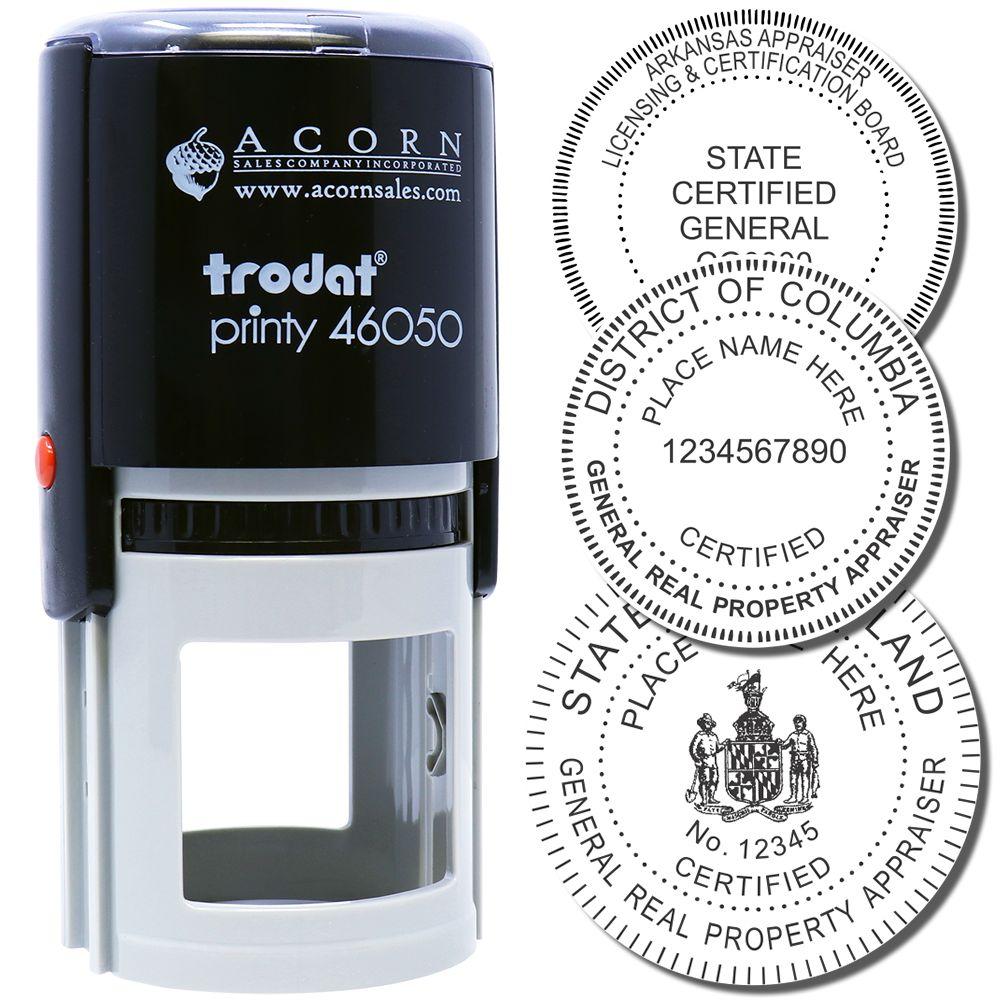
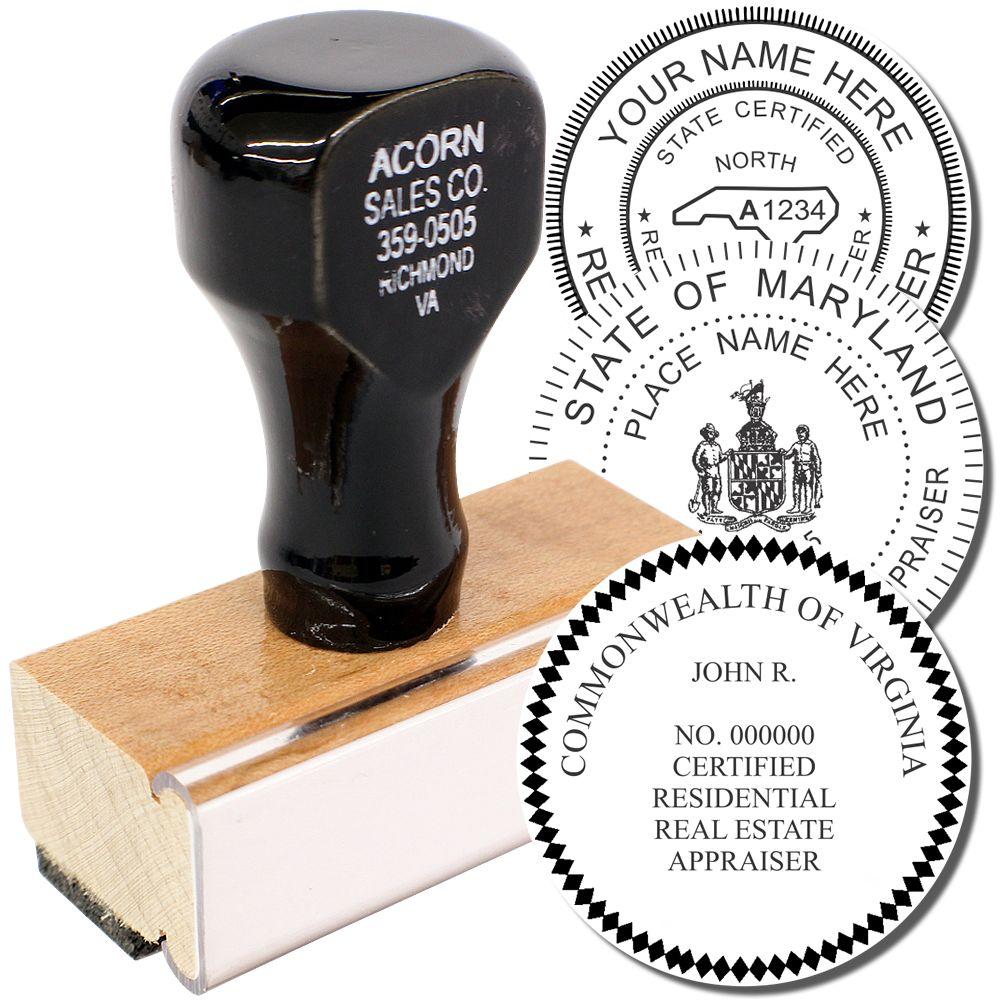
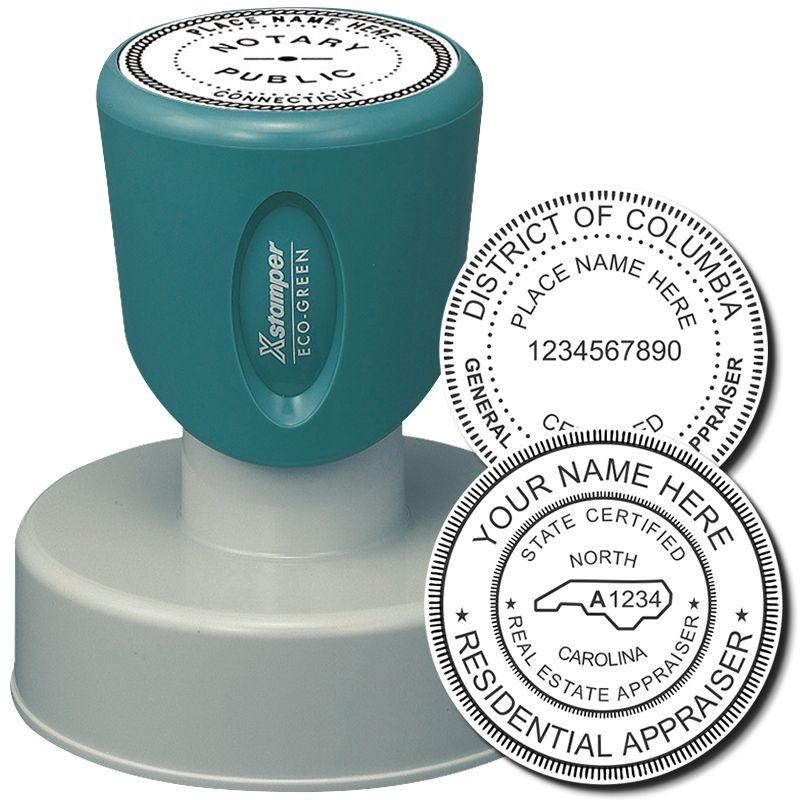
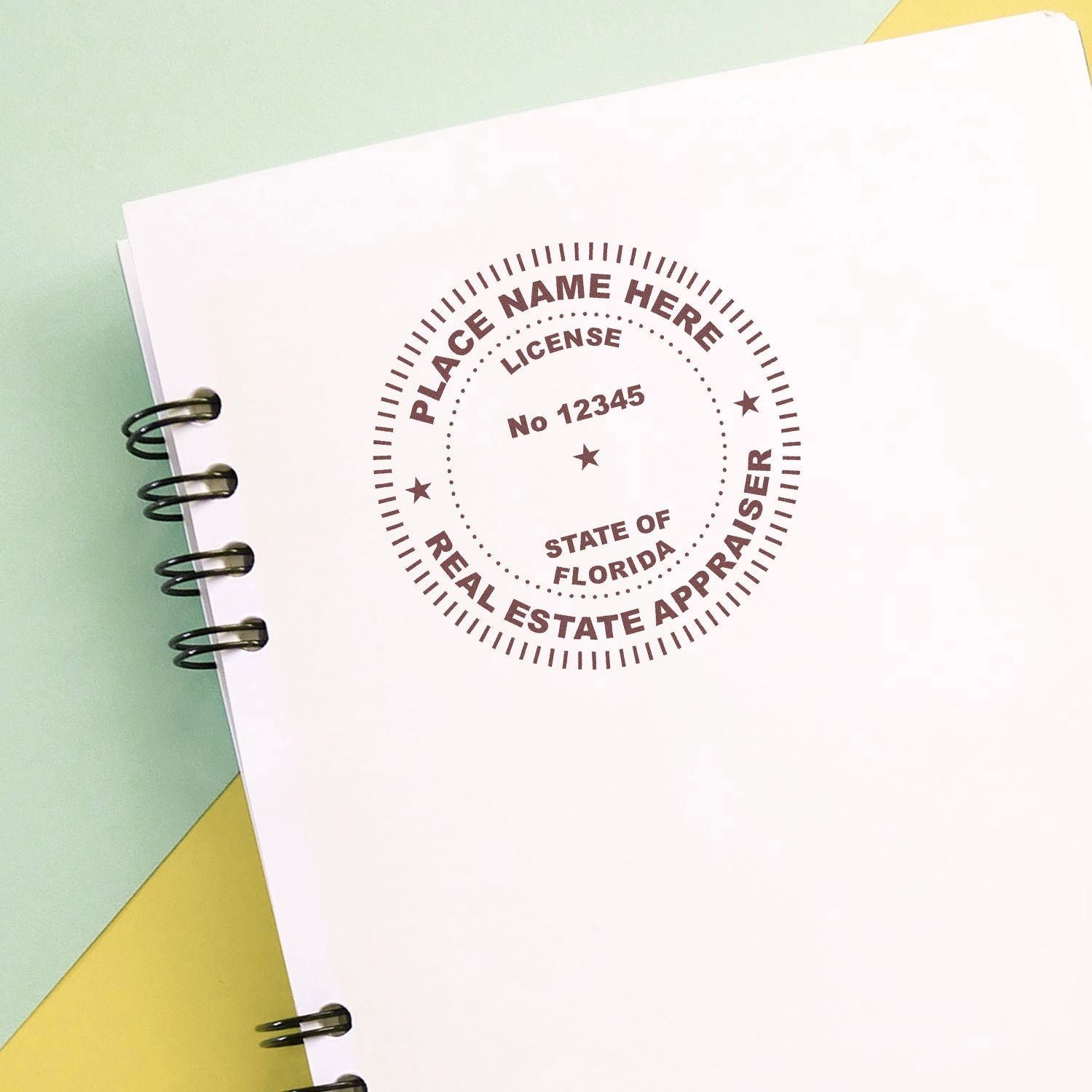
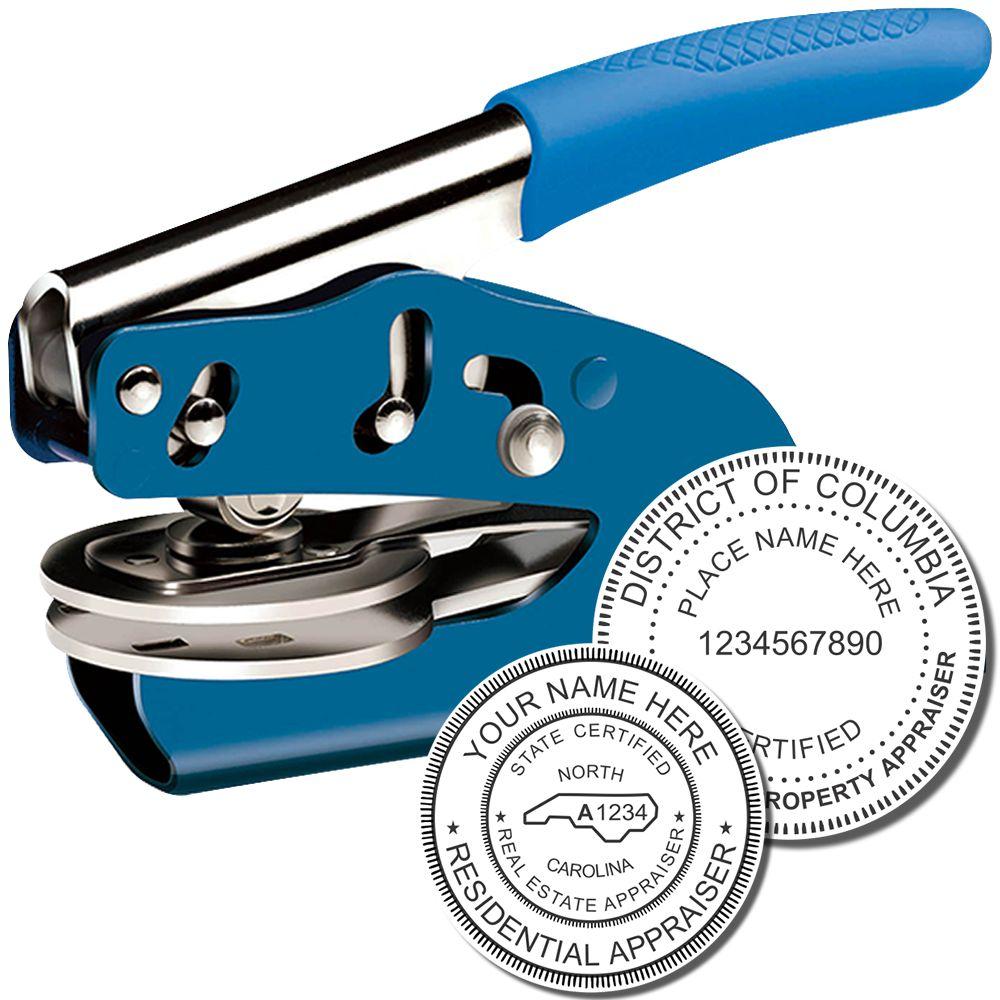
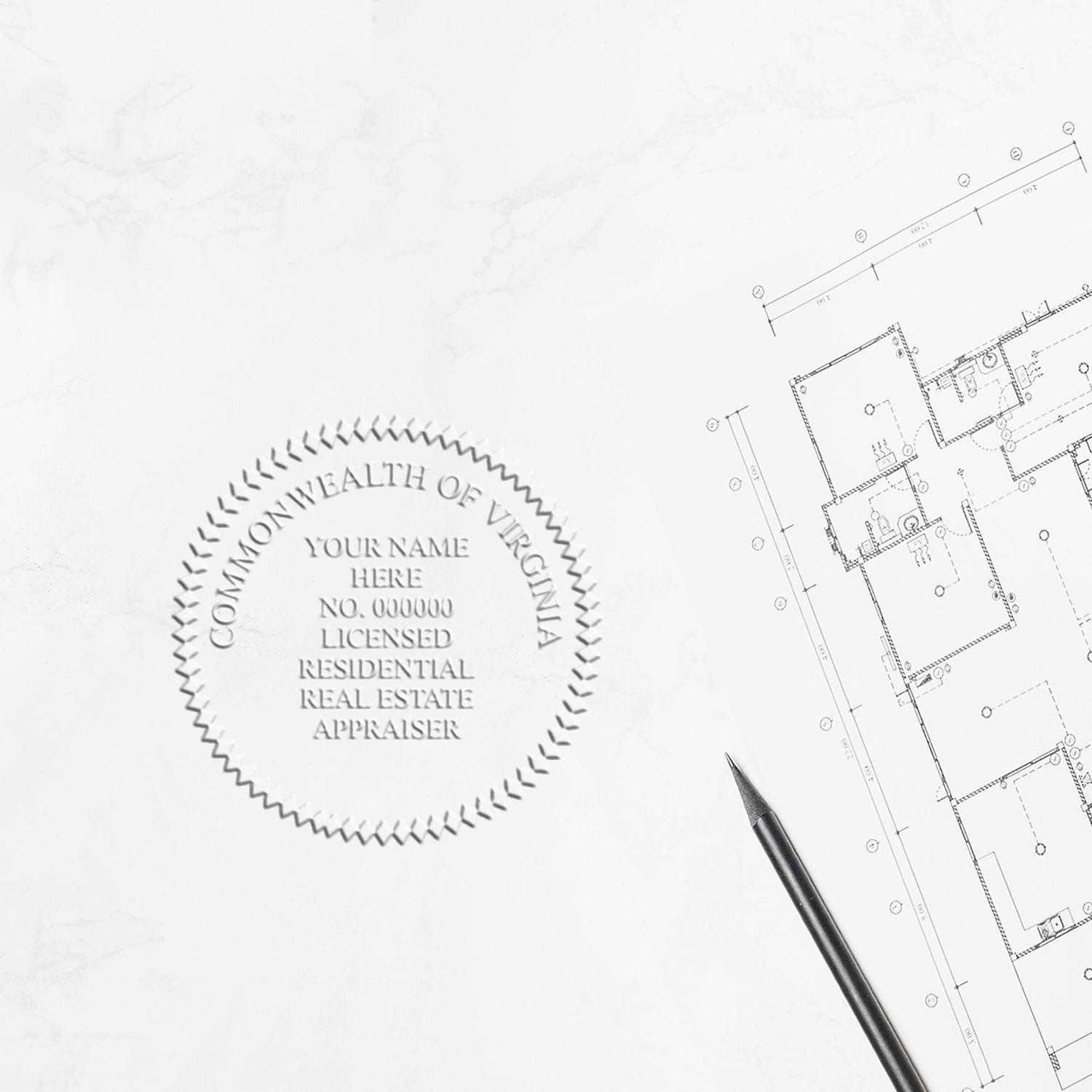
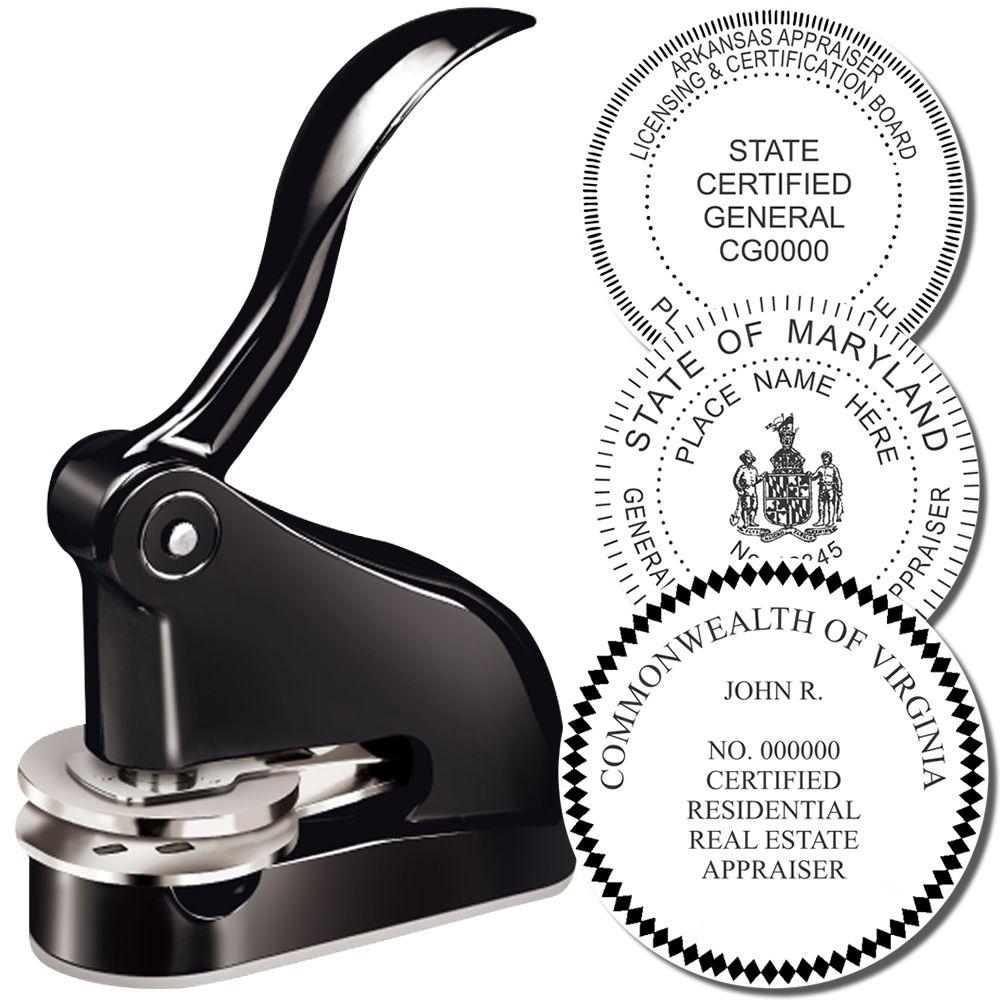
With nothing prescribed, pick for the delivery channel. Texas reports travel as PDFs, and an inked impression reads after a scan while a raised one mostly vanishes. The Self Inking Rubber Stamp of Seal at $39.95 is the workhorse. For a trainee who needs a small, cheap block for a defined period, the Regular Rubber Stamp of Seal at $34.95 is the least you can spend on a physical tool.
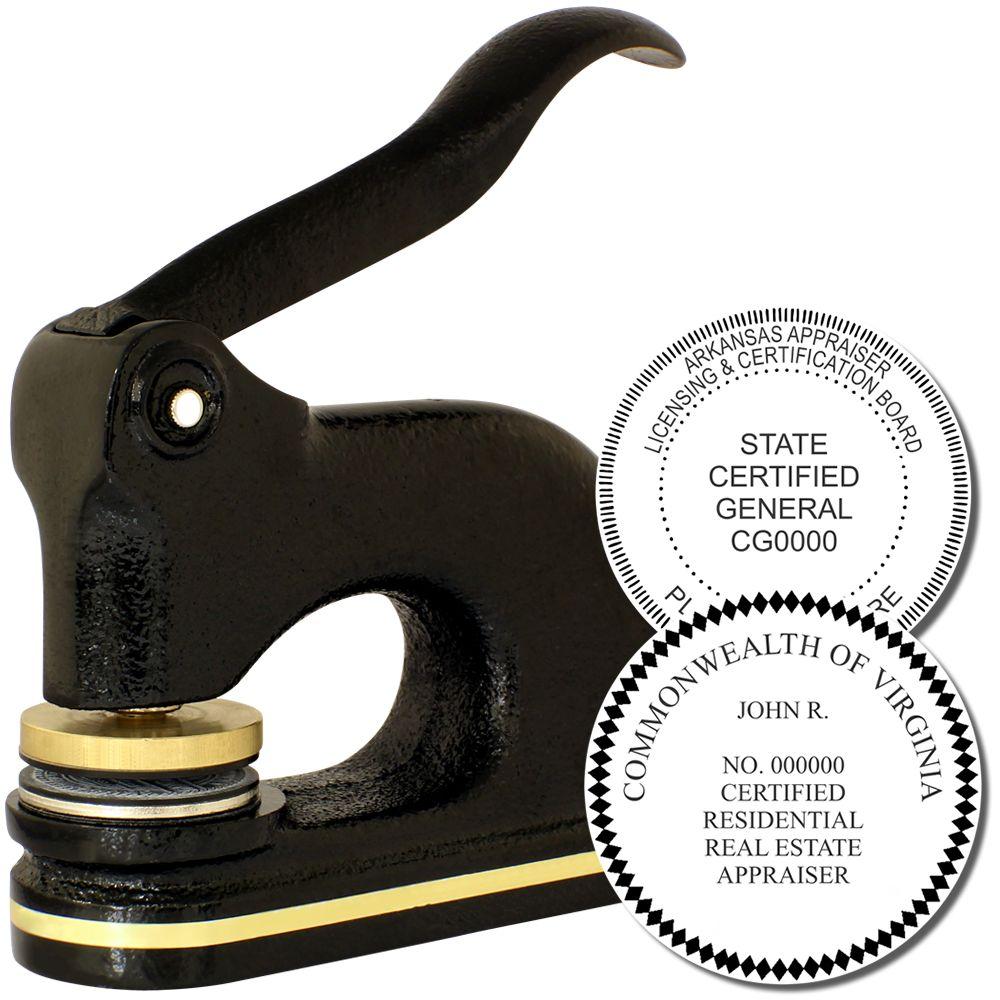
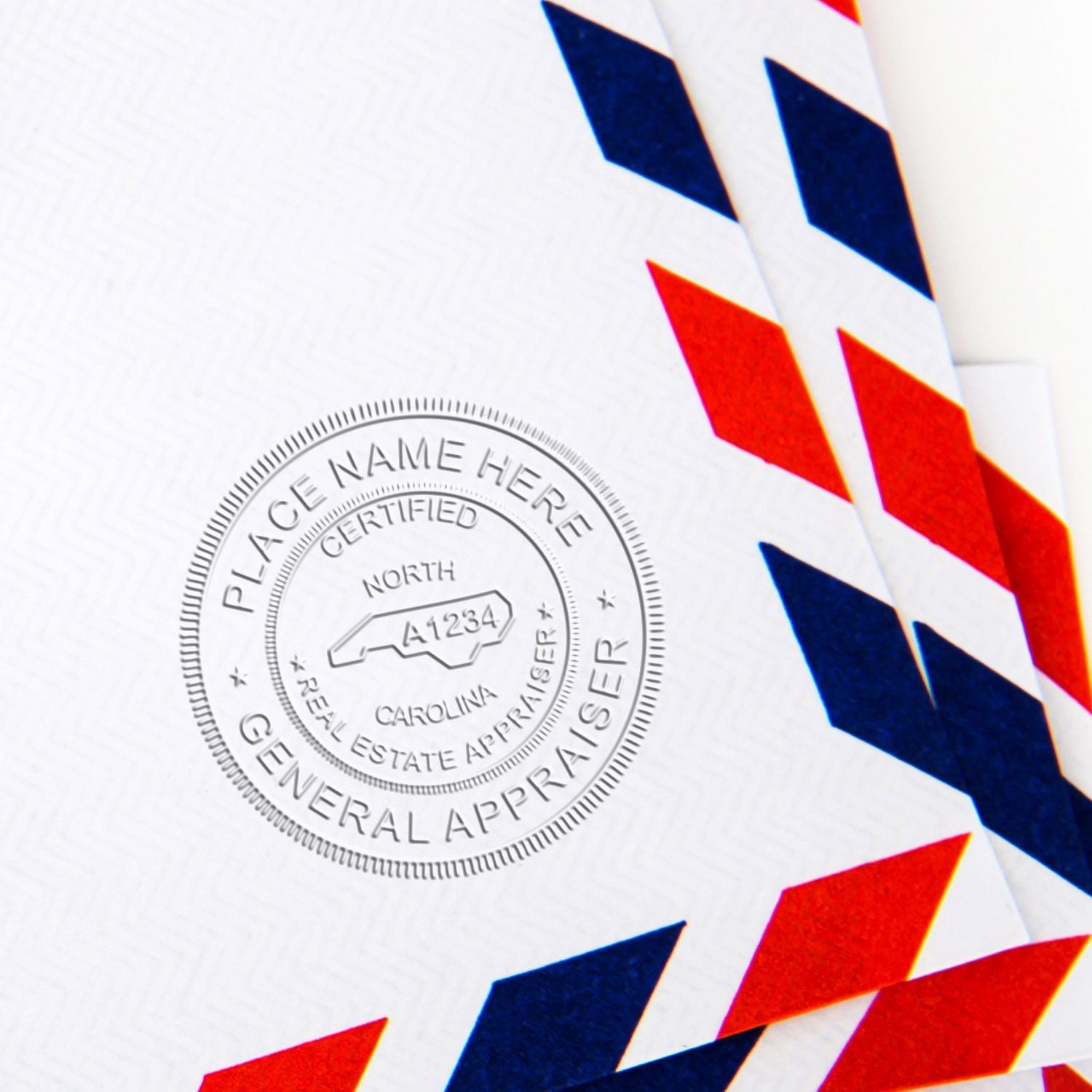
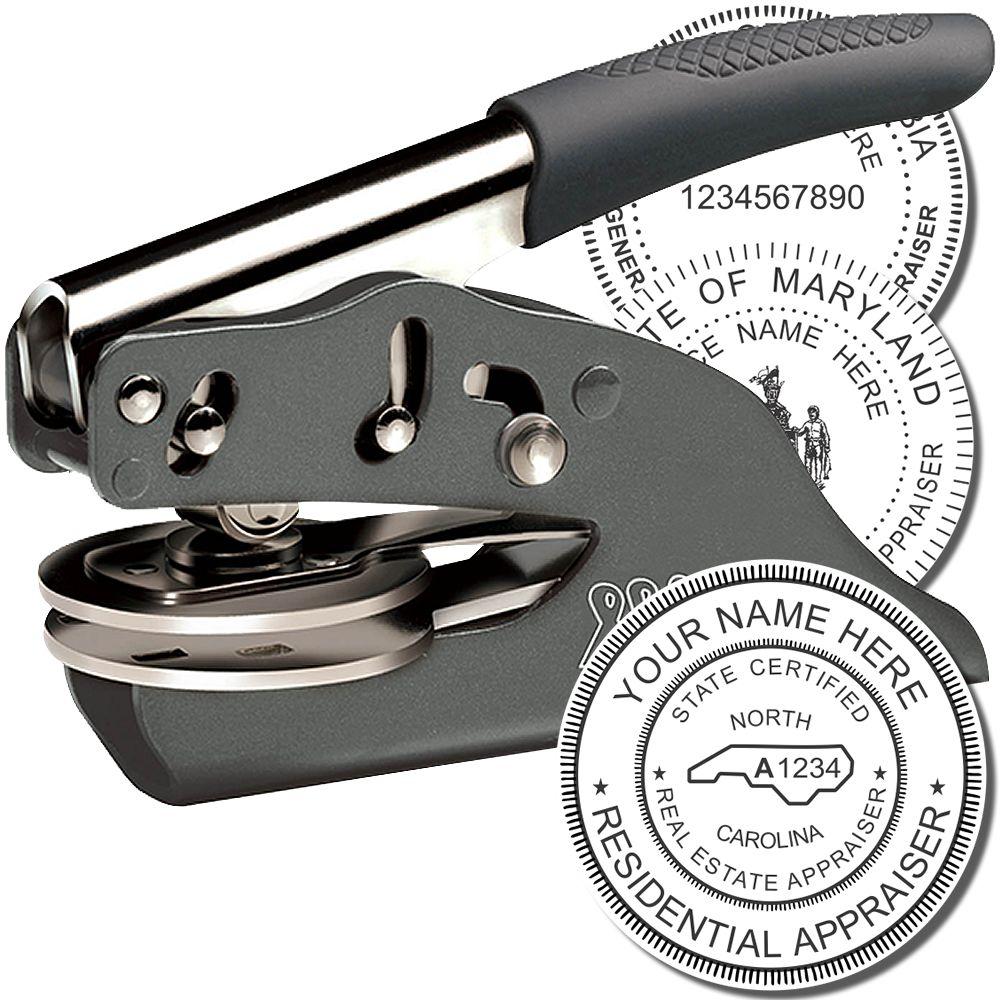
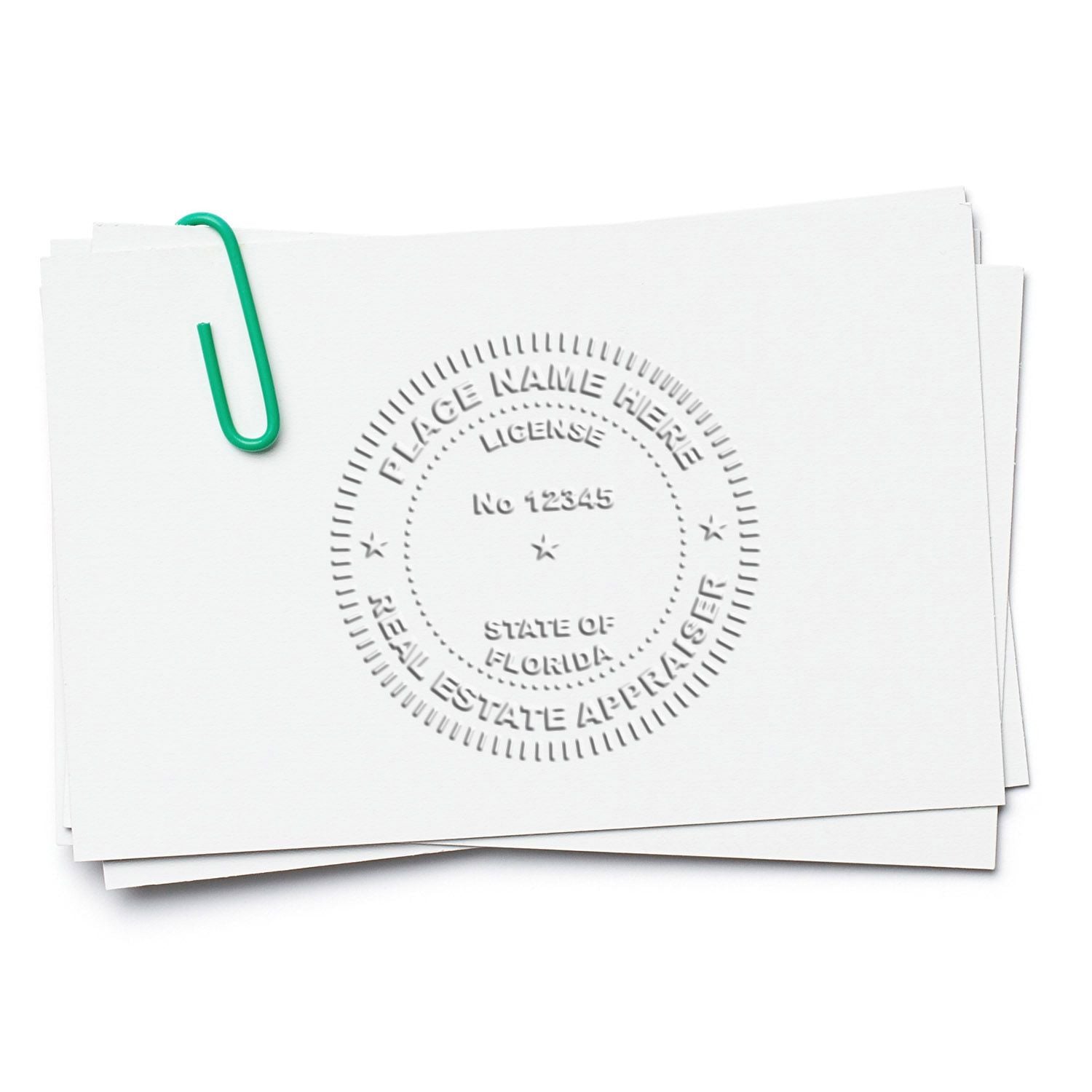
If the signature page never prints, the eSeal Electronic Image Stamp of Seal at $20.00 puts the same block into the file, and it is an image rather than a signing credential. Embossers such as the Hybrid Seal Embosser at $42.95 or the Desk Seal Embosser at $44.95 are for paper originals and for appearance; Texas asks for neither.
Sizing and layout
No dimension is fixed, so the constraint is the form. Texas report templates leave a signature area that is often shorter than appraisers expect, and a block sized for a letterhead lands on top of the next field. Measure the space on the form you actually use, then size the die to sit inside it with room above for a wet signature.
For a trainee block, keep the word Trainee at the same size as the name rather than tucked underneath in small type. The rule asks for it as part of the signature, and a die that whispers it defeats the purpose. A rectangle suits a three line block better than a circle; round devices look like what people picture when they hear the word seal, which is a design reason rather than a legal one.
Ordering and care
Send your name as TALCB records it, your credential level, your number, and for a trainee the word Trainee set with the signature line. Tell us the space the block has to fit.
Looking after it is simple. Keep a pre inked stamp capped and a separate pad closed. An embosser wants its lock on and somewhere stable to sit. In Texas the thing that retires a die is almost always a promotion out of trainee status. This page is a research summary and not legal advice, and for artwork questions you can contact us.
- Real Estate Appraiser Stamps and Seals
- Real estate appraiser stamps and seals
- Texas Land Surveyor Seal: The Two Inch Maximum
- Oklahoma Appraiser Seal: The Number Goes Under the Title
Frequently asked questions
Does Texas require a real estate appraiser to have a seal?
No. The words seal and stamp do not appear in 22 Tex. Admin. Code chapters 151 and 153, which were read in full on the Board’s own site, and no section of Tex. Occ. Code chapter 1103 is titled or worded for one.
Do I have to put my TALCB number on my reports?
Not unless you are a trainee. 22 TAC Sec. 153.21(a)(5) requires a licensed appraiser trainee who signs a report to include the license number and the word Trainee as part of the signature. There is no parallel rule for a licensed or certified appraiser, whose signed certification does that work instead.
What exactly does the trainee rule say?
That a licensed appraiser trainee who signs an appraisal report must include his or her license number and the word Trainee as part of the appraiser trainee’s signature in the report. The number and the word attach to the signature, and the rule prescribes no device for producing them.
Is Sec. 1103.401, Use of Insignia or Identification, a seal rule?
No, and the title makes it the easiest section in Texas law to misread. It bars misleading use of a title, designation, initials or other insignia by people who are not licensed or certified. It does not mention a seal or a stamp and imposes nothing on a license holder’s report.
Who signs a report a trainee worked on?
The supervisory appraiser signs under Tex. Occ. Code Sec. 1103.354, and the trainee may co-sign. If the trainee signs, the license number and the word Trainee go with that signature under 22 TAC Sec. 153.21(a)(5).
What size should a Texas appraiser stamp be?
No size, diameter or shape is prescribed anywhere in the TALCB rules. Size it to the signature area on the form you use, leaving room above the block for a wet signature.
Do the Texas architect, engineer or surveyor seal rules apply to me?
No. Those specifications belong to other credentials under other boards and other code titles. An appraiser device copied from one of them would carry a credential legend you do not hold, which is the only real exposure in a state that otherwise prescribes nothing.








