
Written by Acorn Sales Company, manufacturing stamps and seals since 1964 · Reviewed by Holly R, VP of Sales and Marketing at Acorn Sales, against Tennessee Real Estate Appraiser Commission, Tennessee Department of Commerce and Insurance on 22 September 2026 · Updated 25 September 2026
Tennessee asks for no seal and no stamp. What it asks for is a number in a named position, and it is one of the few states that tells you which abbreviations you may use to get there. Tenn. Code Ann. Sec. 62-39-323 requires a state licensed appraiser to place the license number adjacent to or immediately below the title State Licensed Real Estate Appraiser whenever that title is used in an appraisal report, a contract or another instrument, and requires a state certified appraiser to do the same under State Certified Residential Real Estate Appraiser or State Certified General Real Estate Appraiser. Subsection (d) then permits the initials C. G., C. R. and L. I. in place of the spelled-out title, with the number immediately following.
That is a stamp-shaped requirement even though no rule mentions a stamp. Two lines, a title and a number, in a fixed relationship, repeated on every report and every engagement letter you sign. The signature itself is separately required: Tenn. Comp. R. & Regs. 1255-05-.01 says an appraiser shall sign each written appraisal report relating to real property in this state that he or she prepares, in accordance with the Uniform Standards of Professional Appraisal Practice. Sign by hand, and let a die carry the title and number underneath.
Tennessee real estate appraiser seal requirements at a glance
| Requirement | Tennessee rule | Source |
|---|---|---|
| Seal required | No. No seal or stamp appears in the appraiser statute or in the Commission rules reviewed, and no section title in either carries the words. | Tenn. Code Ann. tit. 62 ch. 39 and Tenn. Comp. R. & Regs. ch. 1255: no seal or stamp provision found in any reviewed section or section title |
| Required elements | The license or certificate number, placed adjacent to or immediately below the title the holder is entitled to use, wherever that title is used in an appraisal report, a contract or another instrument. A holder of both a license and a certificate follows the certified rule only. | Tenn. Code Ann. Sec. 62-39-323 |
| Size and shape | None prescribed. No size, diameter or shape appears in Tenn. Comp. R. & Regs. ch. 1255-05. The statute governs the position of text relative to a title, not a device. | Tenn. Code Ann. tit. 62 ch. 39 and Tenn. Comp. R. & Regs. ch. 1255: no seal or stamp provision found in any reviewed section or section title |
| Device allowed | Any. The statute says place, not impress or emboss, so type, an ink stamp, an embosser or an electronic image all satisfy it equally. | Tenn. Code Ann. Sec. 62-39-323 |
| Signature and date | An appraiser shall sign each written appraisal report relating to real property in Tennessee that he or she prepares, in accordance with USPAP. No state date line is prescribed. | Tenn. Comp. R. & Regs. 1255-05-.01 |
| What must be sealed | Nothing. The title and number travel together wherever the title is used, which reaches appraisal reports and also contracts and other instruments used in conducting appraisal activities. | Tenn. Code Ann. Sec. 62-39-323 |
| Electronic seal | Not addressed. No electronic seal or digital signature provision appears in Tenn. Comp. R. & Regs. ch. 1255-05. | Tenn. Code Ann. tit. 62 ch. 39 and Tenn. Comp. R. & Regs. ch. 1255: no seal or stamp provision found in any reviewed section or section title |
| Renewal and lapse | No report marking is tied to renewal. The die carries a title and a number, and neither changes at renewal unless your credential level does. | Tenn. Code Ann. tit. 62 ch. 39 and Tenn. Comp. R. & Regs. ch. 1255: no seal or stamp provision found in any reviewed section or section title |
| Firm requirements | No firm seal or firm marking duty was found. Tenn. Comp. R. & Regs. 1255-01-.12 covers registered trainees and requires disclosure of trainee assistance and the supervisory appraiser’s signature; it prescribes no device. | Tenn. Comp. R. & Regs. 1255-01-.12 |
| Regulator | Tennessee Real Estate Appraiser Commission, within the Department of Commerce and Insurance. | Tenn. Code Ann. Title 62, ch. 39, State Licensing and Certified Real Estate Appraisers Law; Tenn. Comp. R. & Regs. ch. 1255 |


The rule in one section: Sec. 62-39-323
Tennessee puts its whole report identification regime in one statutory section. Subsection (b) covers the licensed appraiser: place the real estate appraiser’s license number adjacent to or immediately below the title State Licensed Real Estate Appraiser when that title is used in an appraisal report or in a contract or other instrument used in conducting appraisal activities, unless the licensed appraiser is also a state certified appraiser. Subsection (c) covers the certified appraiser and does the same for State Certified Residential Real Estate Appraiser and State Certified General Real Estate Appraiser.
Notice what triggers the duty. It is not signing, it is using the title. If the title appears on the page, the number has to be adjacent to it or immediately below it. That is why a Tennessee die is worth having even for appraisers who sign few reports: the same pairing has to survive onto engagement letters, contracts and other instruments, and typing it four different ways across four different templates is how the pairing eventually breaks.
The initials rule, which almost no other state has
Subsection (d) is the distinctive part. In place of spelling out the full title, a state certified general real estate appraiser may use the initials C. G., a state certified residential real estate appraiser may use C. R., and a state licensed real estate appraiser may use L. I. The statute then adds the condition that makes it usable: the initials should be immediately followed by the license or certificate number.
For a die, that is a genuine choice rather than a curiosity. The full titles are long, and a small stamp that has to fit State Certified General Real Estate Appraiser tends to arrive with that line set too small to read. C. G. followed by the number fits comfortably at any size. The trade-off is reader recognition: a lender reviewer skimming a report finds a spelled-out credential faster than an abbreviation. Many appraisers set the full title on the die and keep the initials for tight spaces, which the statute allows as an alternative and not a replacement.
If you hold both a license and a certificate
Subsection (b) closes with a carve-out that decides the layout for a lot of Tennessee appraisers: the licensed appraiser duty applies unless the licensed appraiser is also a state certified appraiser. In other words, if you hold both, the certified rule governs and the licensed title with its number does not have to appear alongside.
So do not order a die with two titles and two numbers on it. One credential, worded at the level you actually hold, with its number adjacent to or immediately below it. A die carrying both reads as a claim to be doing two things at once, takes more space than it deserves, and goes wrong the moment one of the two numbers changes.
The signature is a separate duty
Tenn. Comp. R. & Regs. 1255-05-.01 was read in full, and it is where the signature lives: an appraiser shall sign each written appraisal report relating to real property in this state that he or she prepares, in accordance with the Uniform Standards of Professional Appraisal Practice. The same rule requires the appraiser to state and prominently place on the face of the appraisal report the type of report format, and to identify all persons providing material assistance in the report in compliance with the standards.
None of those three obligations mentions a device, and none of them is satisfied by a stamp. The report format statement is text on the face of the report. The material assistance disclosure changes from assignment to assignment. The signature is a signature. A die belongs under the signature carrying the title and number, and nowhere else.





What to engrave and where it goes
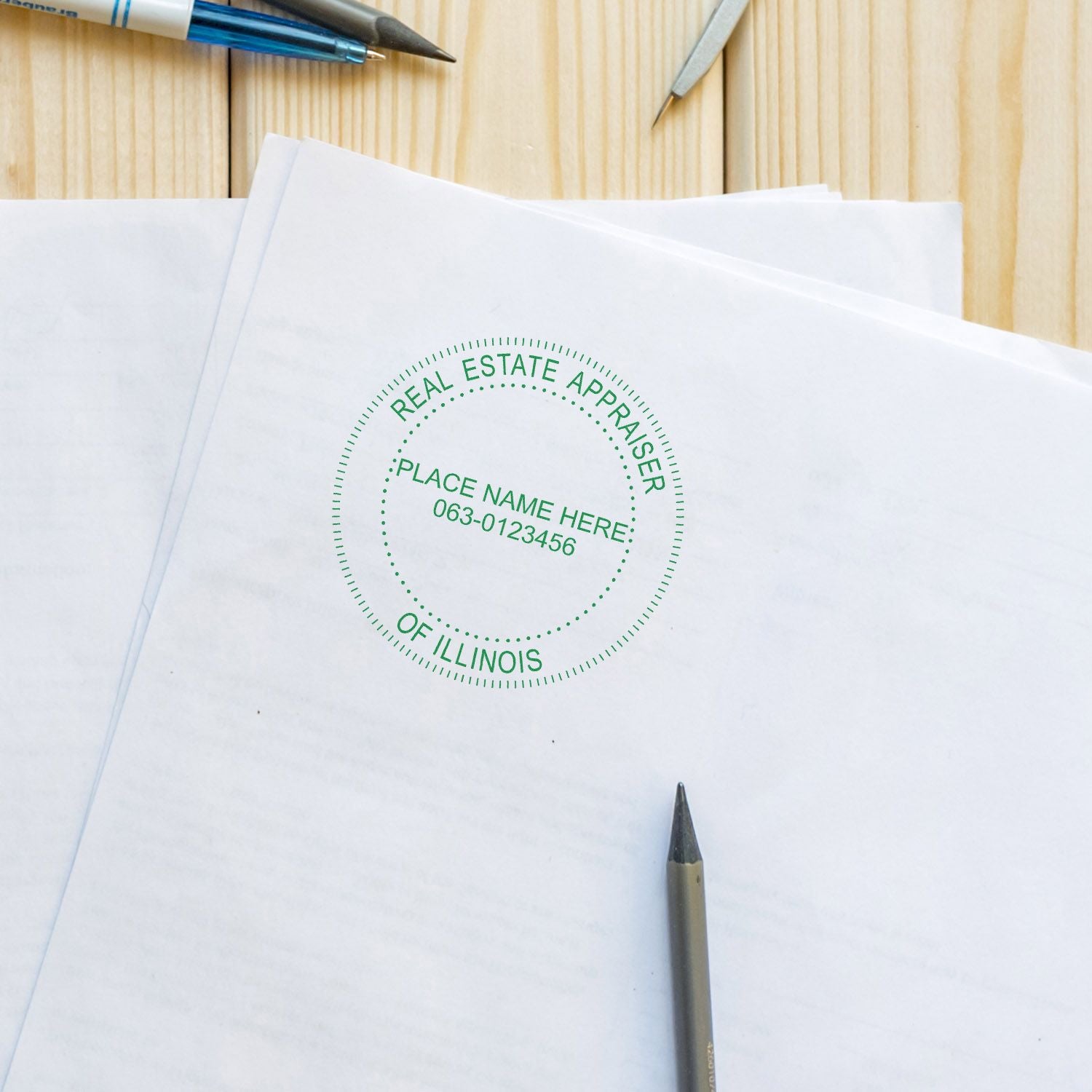
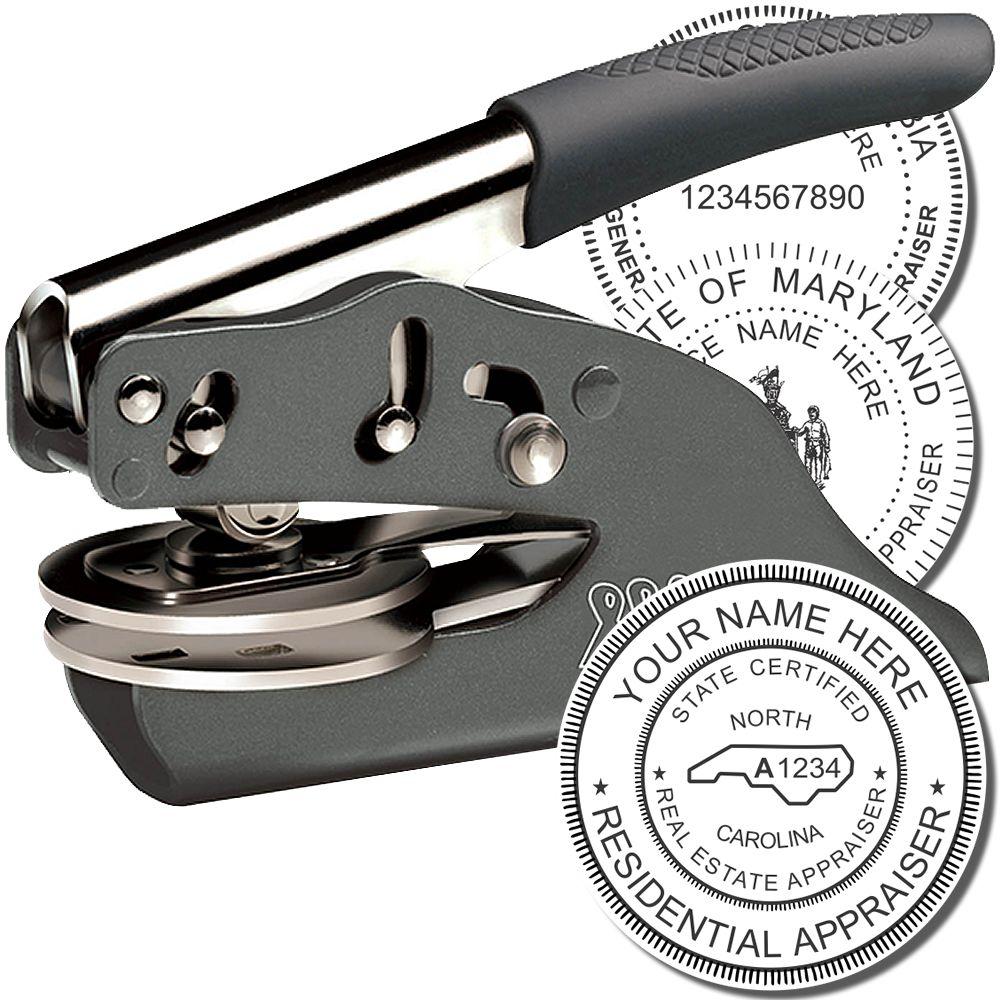
Two elements do the job: your title, spelled as the statute spells it or abbreviated as subsection (d) permits, and your license or certificate number. Your name is worth a third line for legibility, although the statute pairs the number with the title rather than with the name. Tennessee or TN is optional and is presentation.
Position is the part that is actually prescribed. The number must sit adjacent to the title or immediately below it, which rules out a layout with the number floating at the top of the block or set off in a corner away from the credential. The safest arrangement on a die is the title on one line and the number on the line directly beneath, hard against it, so the relationship the statute describes is visible in the impression itself.
Traps: seals under the same department
Tennessee prescribes seals for other credentials in real detail, and several of them are regulated by boards under the same Department of Commerce and Insurance. Tennessee architects, engineers, land surveyors and landscape architects all have seal specifications with prescribed legends, and the Tennessee geologist seal even follows a department design. None of those rules reaches a real estate appraiser. They belong to different credentials under different chapters, and a die copied from one of them describes a license you do not hold.
Inside the appraiser rules, the sections that look closest to a marking rule are not. Tenn. Comp. R. & Regs. 1255-01-.03, Restrictions on Appraiser Practice, was read in full and contains no seal or stamp. So was 1255-01-.12 on registered trainees, which requires disclosure of trainee assistance and the supervisory appraiser’s signature. No section in ch. 1255-01, from .01 to .16, is titled for a seal or a stamp, and no section of ch. 1255-05 is either.
How far the record goes, and where it stops
Two Tennessee primary routes were unavailable when this page was checked, and it is worth saying which. The Secretary of State’s rules publication server returned 403 for the chapter 1255-01, 1255-02 and 1255-06 files and for the rules history file, and the General Assembly’s own site was not reachable, so the statutory text of Sec. 62-39-323 quoted here and the chapter inventory of 1255-01 were read from a public law republisher rather than from the state.
What was read from the state is chapter 1255-05, Standards of Professional Practice, in full. Against that, the section inventory of Part 3 of the statute, Secs. 62-39-301 to 62-39-336, and of rules chapter 1255-01 were both checked title by title, and no section in either is named for a seal or a stamp. Nothing located in any source suggests a Tennessee appraiser seal requirement, and Sec. 62-39-323 is the only report content section in the chapter. Treat the subsection lettering as a republisher reading and check it against the official text before quoting it in anything that matters.


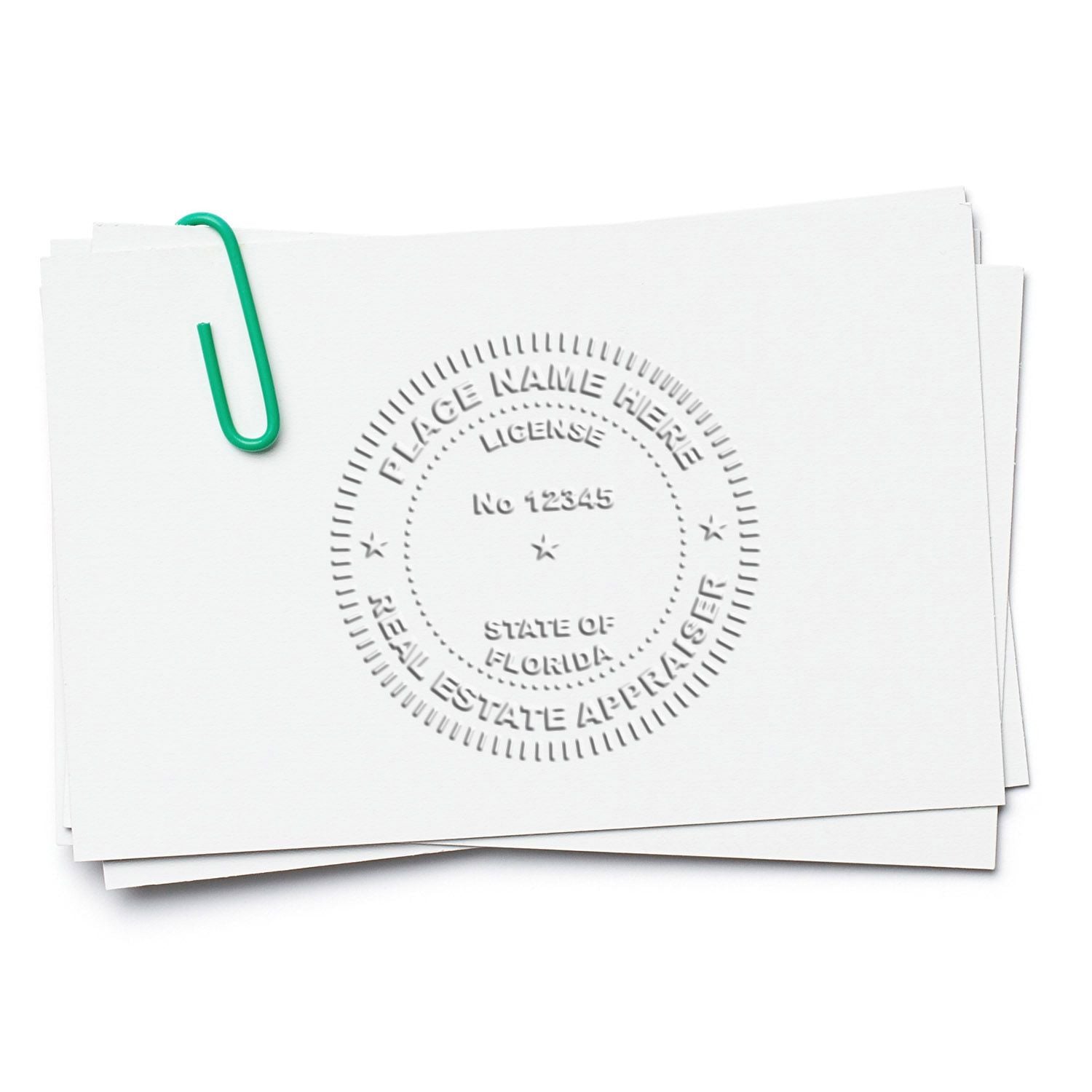


Embosser, ink stamp or electronic image
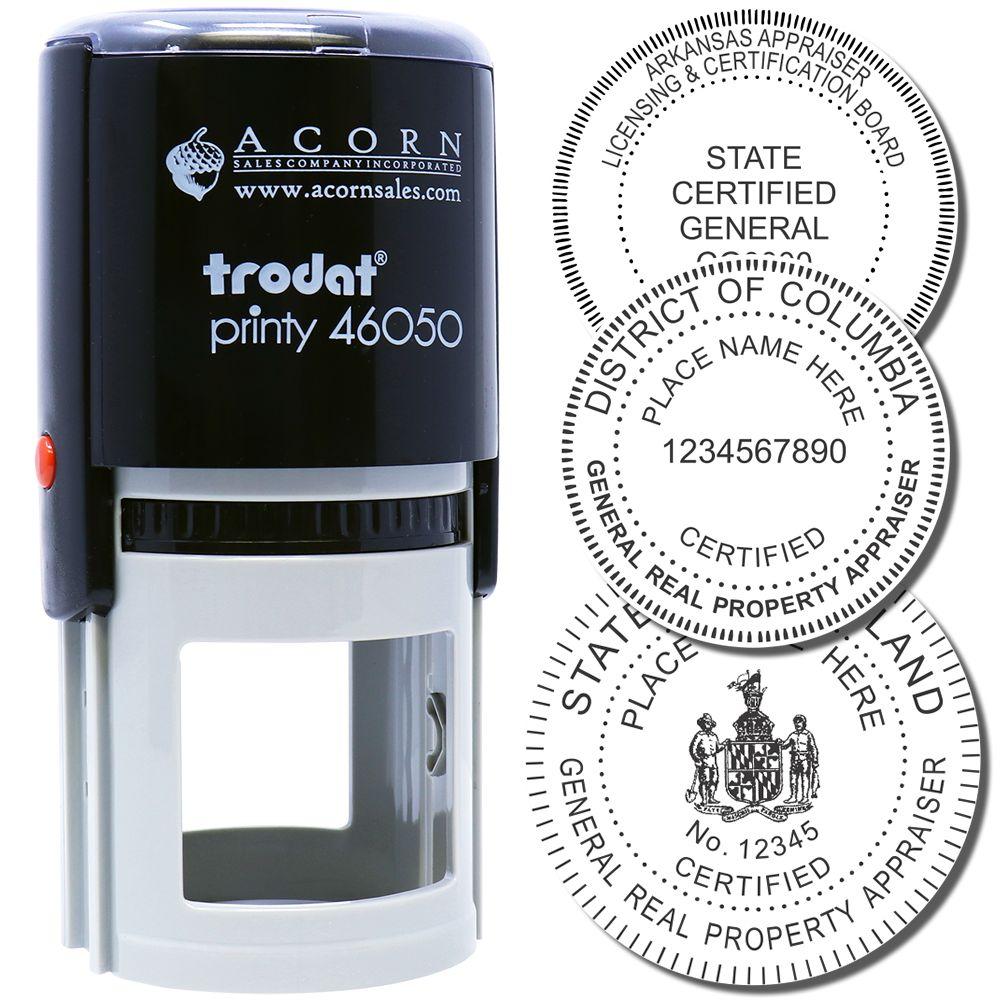
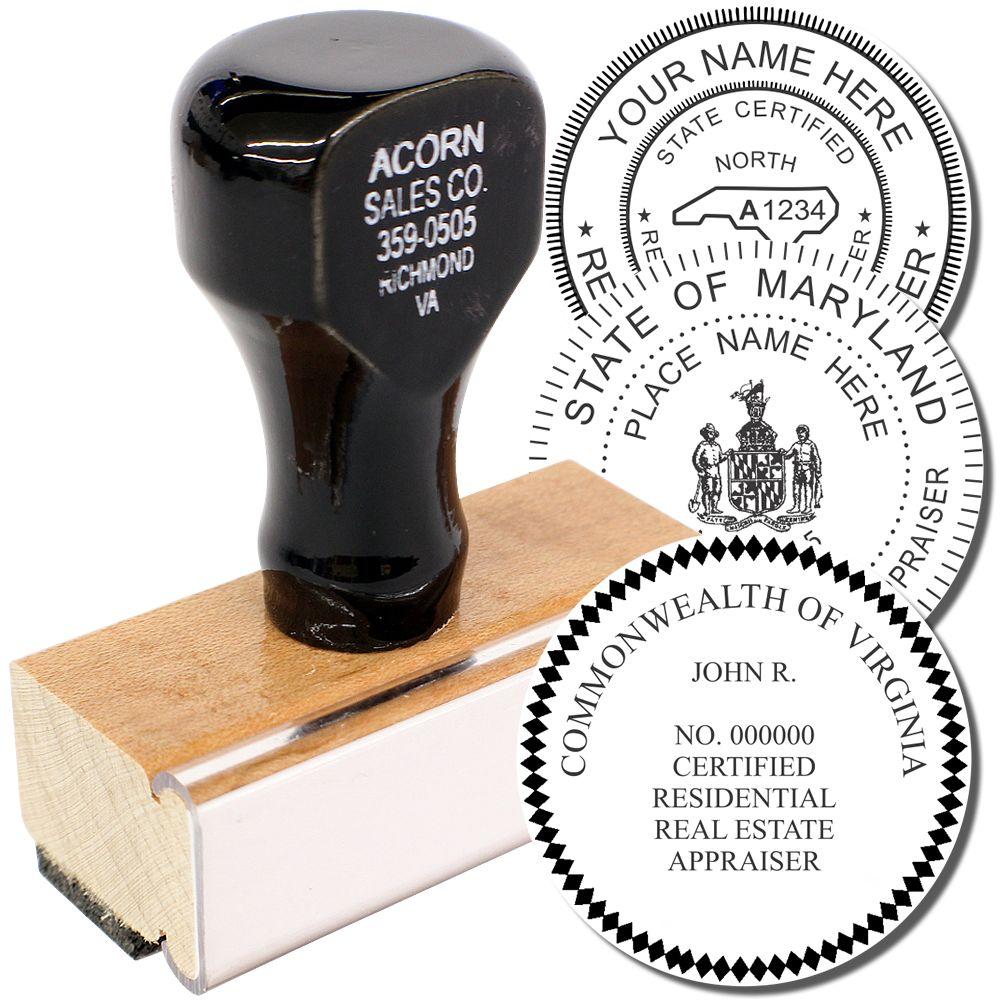
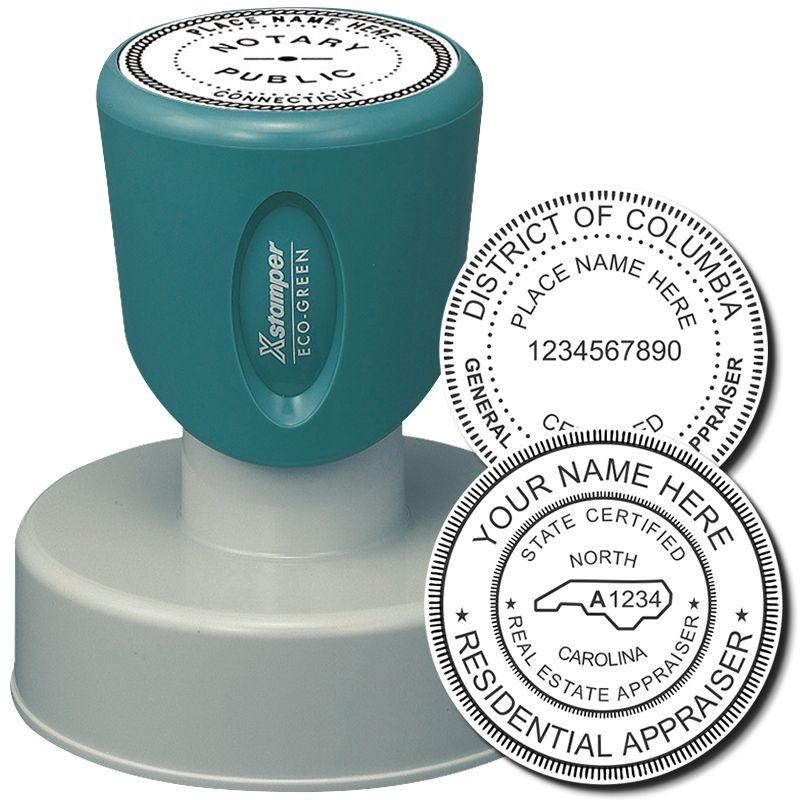
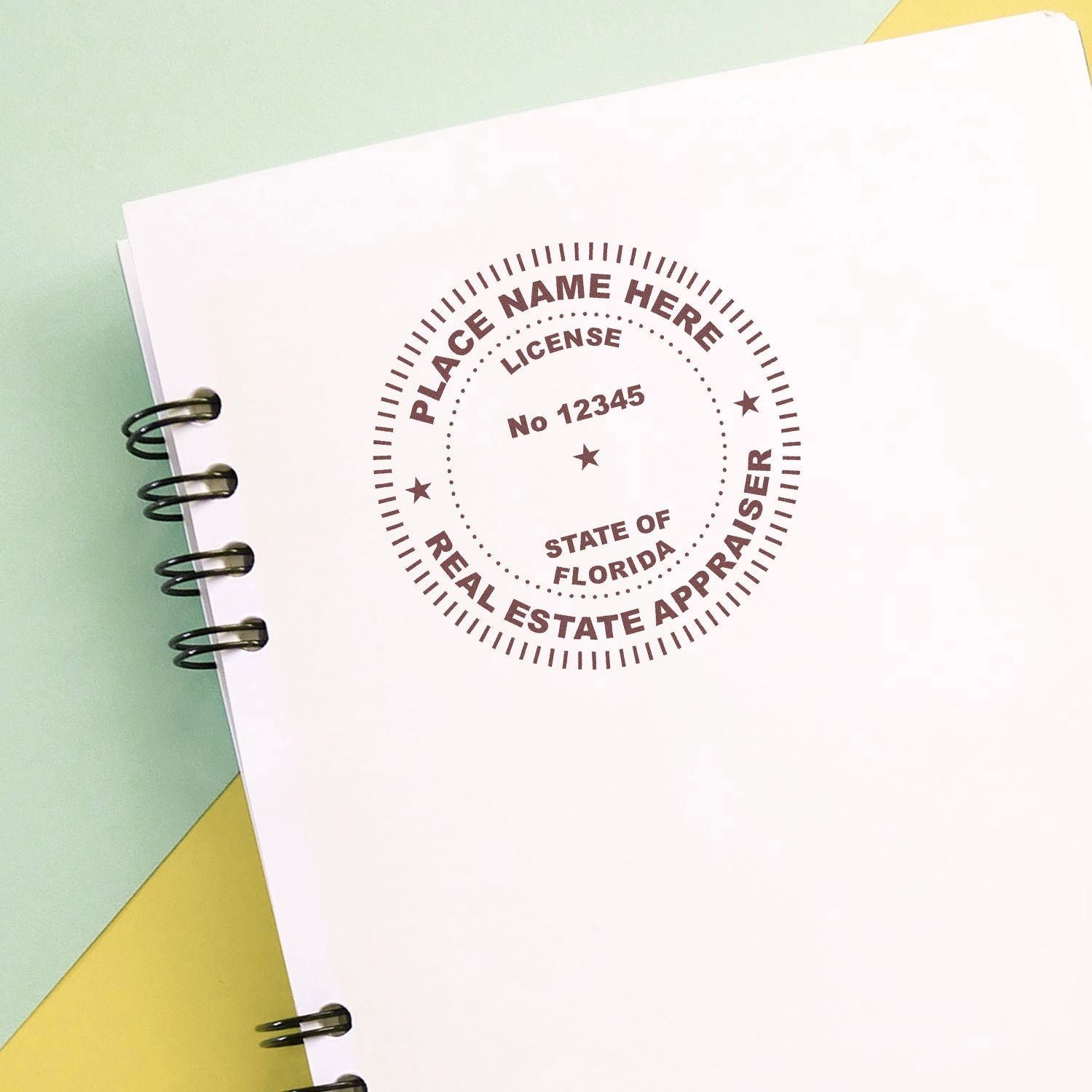
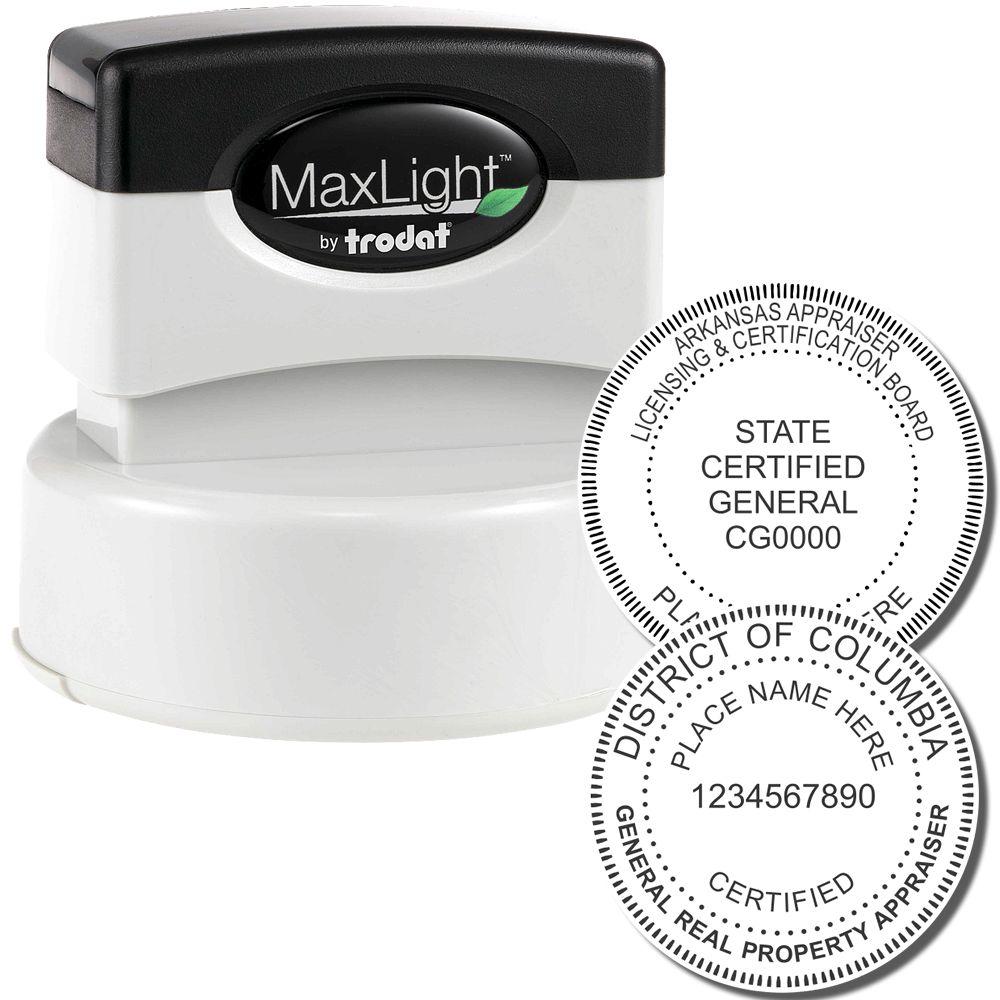
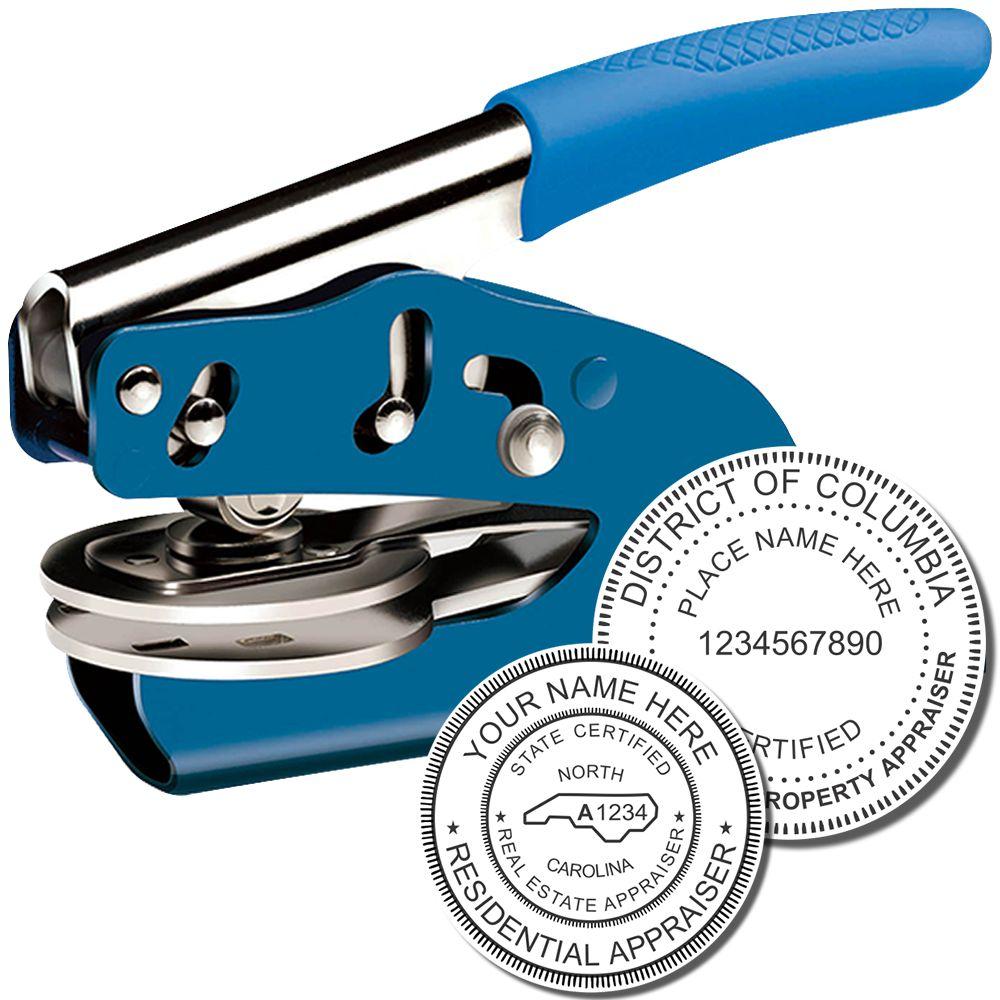
Tennessee prescribes nothing, so the device follows the workflow. Reports delivered as PDFs want ink, because an inked title and number read after a scan and a raised impression does not. The Self Inking Rubber Stamp of Seal at $39.95 is the common choice, and the MaxLight Pre Inked Rubber Stamp of Seal at $46.95 gives a denser impression for small lettering, which matters if you are setting a spelled-out certified general title.
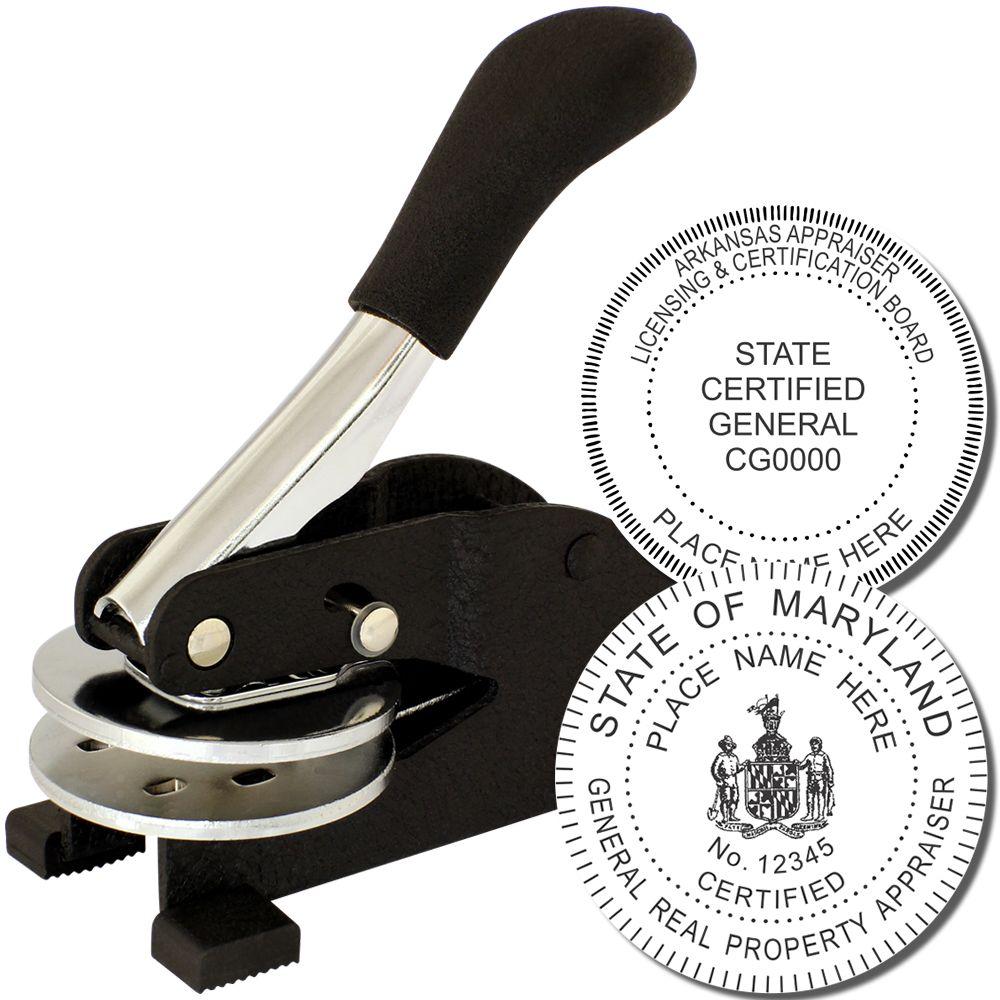
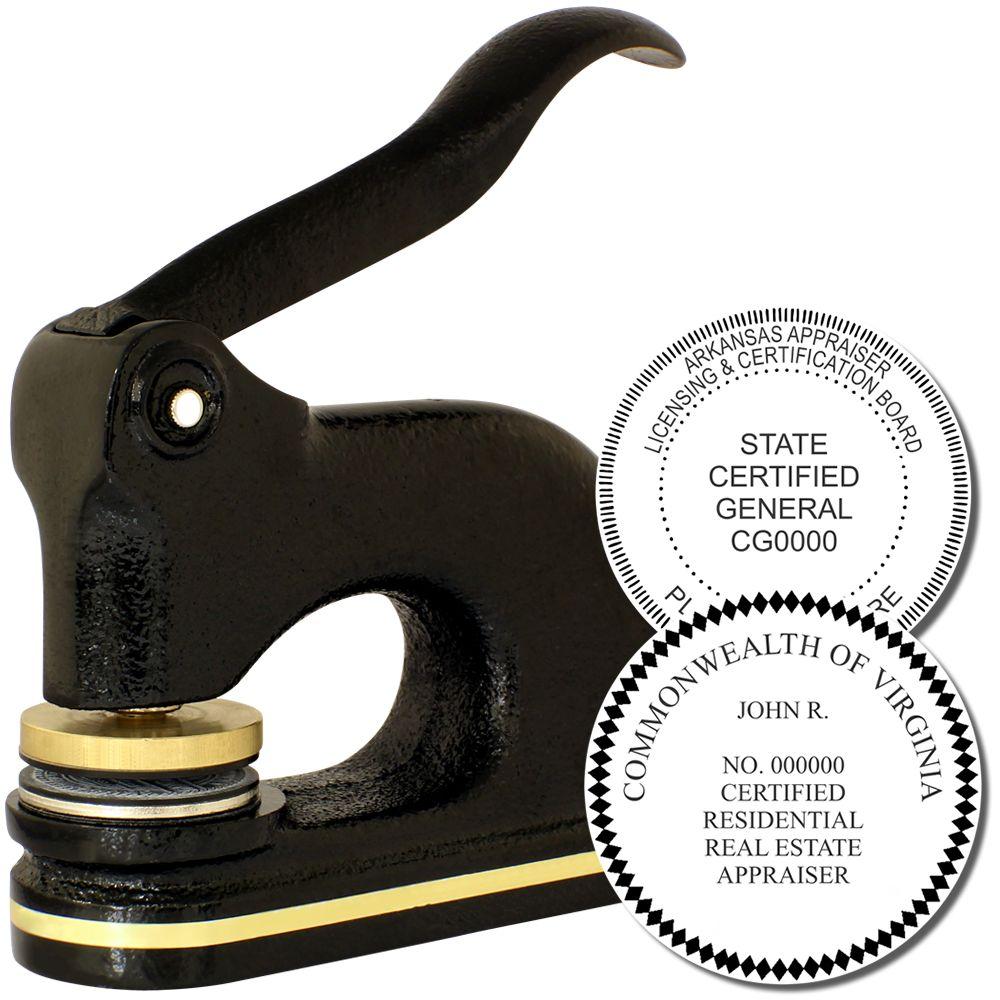
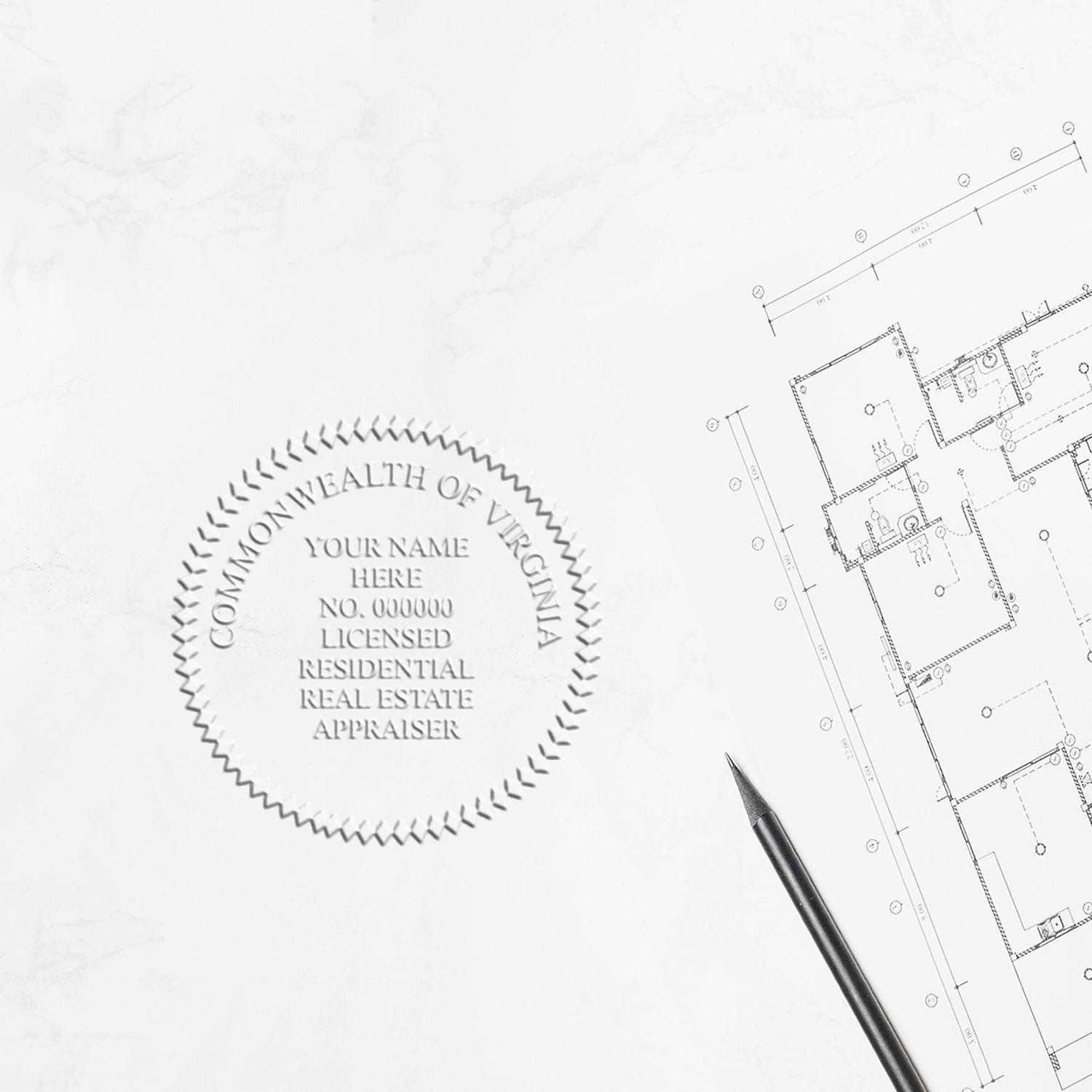
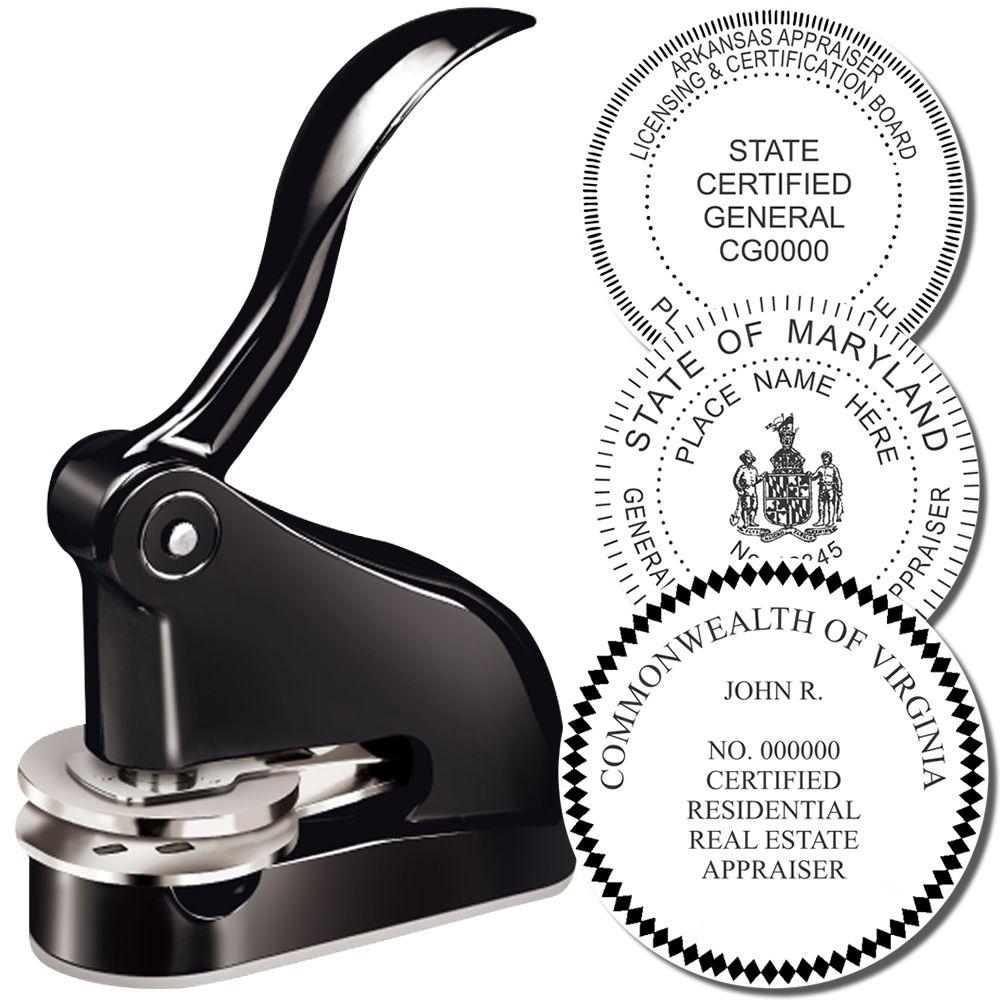
For reports that never touch paper, the eSeal Electronic Image Stamp of Seal at $20.00 places the same block into the file, and it is an image rather than a signing credential. An embosser such as the Handheld Seal Embosser at $46.95 suits paper originals and presentation copies; Tennessee neither asks for a raised impression nor objects to one.
Sizing and layout
Size follows the longest line, and in Tennessee that decision is really the initials decision. A die set with State Certified General Real Estate Appraiser needs enough width that the line does not get reduced below the size of the number underneath it. A die set with C. G. and the number can be much smaller and still read cleanly. Decide which you are using before choosing the device, not after.
A rectangle holds a title and a number better than a circle does, because the statute is describing a two line relationship rather than a ring of text. If you want a round device for appearance, keep the number directly under the title inside the circle rather than curving it around the border, where adjacency stops being obvious.
Ordering and care
Send the exact title you are entitled to use, your number, and whether you want the spelled out title or the permitted initials. Tell us if the block has to fit a fixed space on a form. We set a proof before cutting, and the wording on the order is the wording on the die.
Keep the impression clean and the lettering will outlast the ink. Do not press a self inking unit harder as the number grays, since pressure spreads ink into the gaps between digits and a smudged number is worse than a faint one. What ends a Tennessee die is usually a move from licensed to certified, which changes both lines at once. This page is a research summary and not legal advice.
- Real Estate Appraiser Stamps and Seals
- Real estate appraiser stamps and seals
- Tennessee Surveyor Seal: Registered Land Surveyor
- North Carolina Appraiser Seal: 1 Inch Minimum
Frequently asked questions
Does Tennessee require a real estate appraiser to have a seal?
No. No seal or stamp provision was found in Tenn. Code Ann. Title 62 chapter 39 or in the Commission rules reviewed, and no section title in either is named for one. Tennessee requires a signature, and it requires your number next to your title.
Where exactly does my number have to go?
Adjacent to or immediately below the title you are entitled to use, wherever that title appears in an appraisal report, a contract or another instrument used in conducting appraisal activities. That is Tenn. Code Ann. Sec. 62-39-323(b) for a licensed appraiser and (c) for a certified appraiser.
Can I really use C. G. or C. R. instead of the full title?
Yes. Subsection (d) permits a state certified general real estate appraiser to use C. G., a state certified residential real estate appraiser to use C. R. and a state licensed real estate appraiser to use L. I., and says the initials should be immediately followed by the license or certificate number.
I hold both a license and a certificate. Which goes on the die?
The certificate. Subsection (b) applies to a licensed appraiser unless that appraiser is also state certified, so the certified title and its number govern. Do not put both credentials on one device.
Does a stamp count as placing the number?
Yes. The statute says the number shall be placed adjacent to or immediately below the title and says nothing about how it gets there. An inked impression, an electronic image and typed text all place it. No Tennessee rule asks for an impression.
What size should a Tennessee appraiser stamp be?
No size, diameter or shape is prescribed. Size it so the title and the number both read after a scan, which in practice means going larger if you are spelling out a certified general title and smaller if you are using the permitted initials.
Do the Tennessee architect or engineer seal rules apply to appraisers?
No. Those specifications belong to other credentials under other chapters, even where the board sits in the same department. An appraiser device copied from one of them would letter a license you do not hold.








