
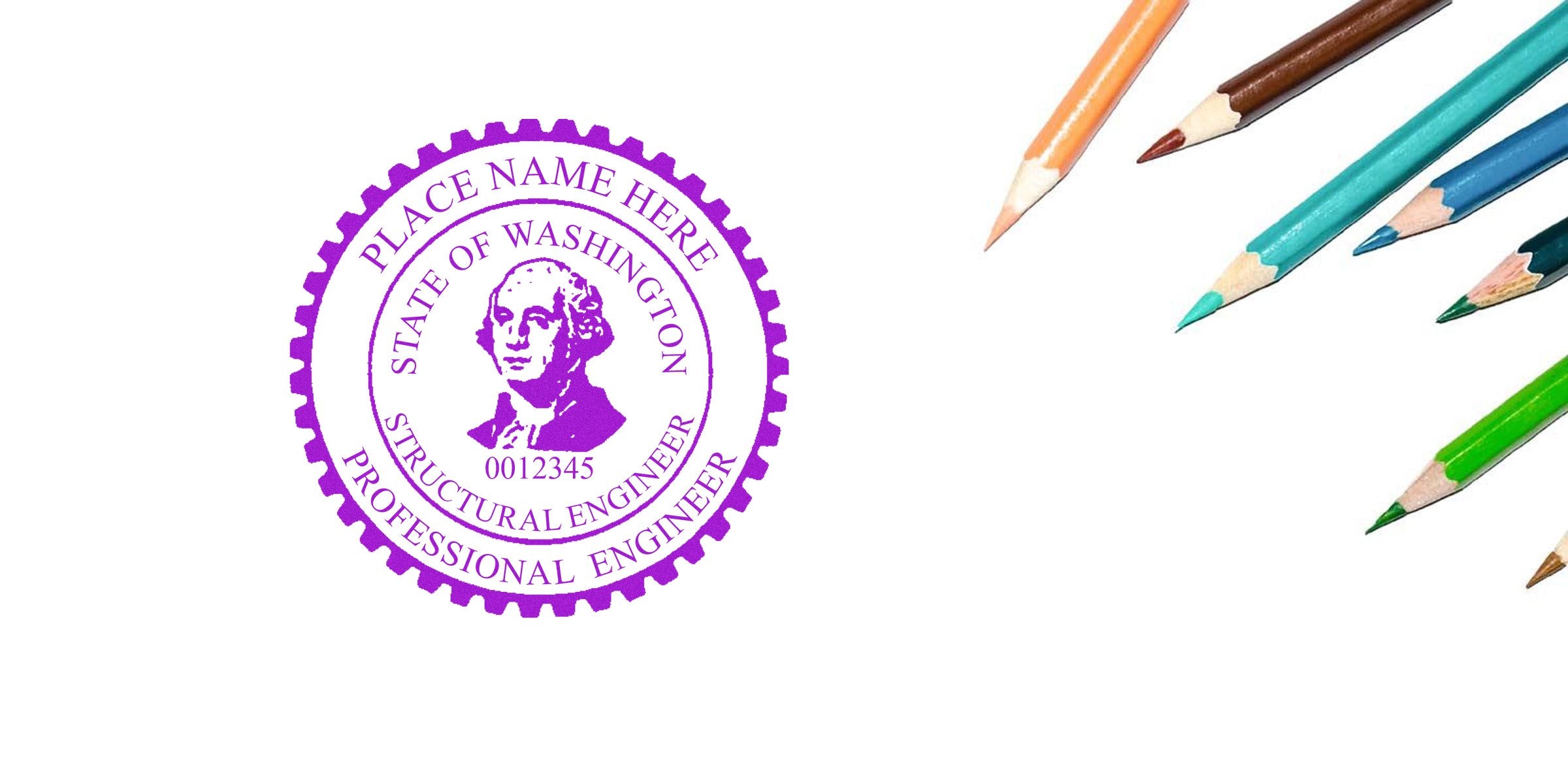
If you’re an engineer practicing in Washington, you already know how vital it is to have your official seal on hand. A Washington engineer seal embosser offers a crisp, permanent mark for your professional documents, helping you meet regulatory requirements while presenting a polished image. And here’s the thing: choosing the right embosser may feel overwhelming when there are so many designs, sizes, and handles on the market. Let’s break it all down so you can find exactly what you need.
Understand Washington embosser requirements
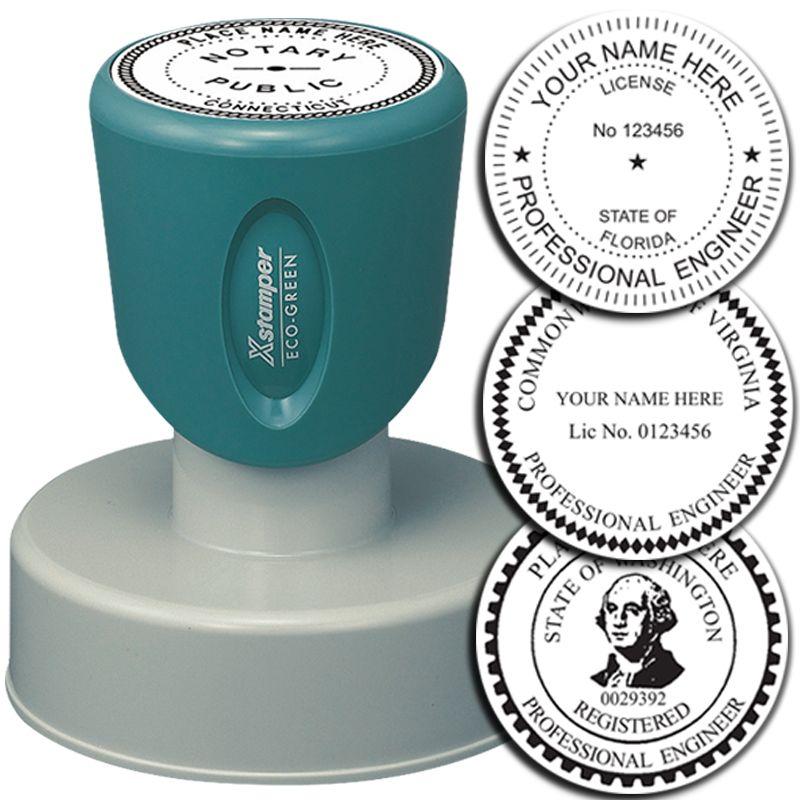
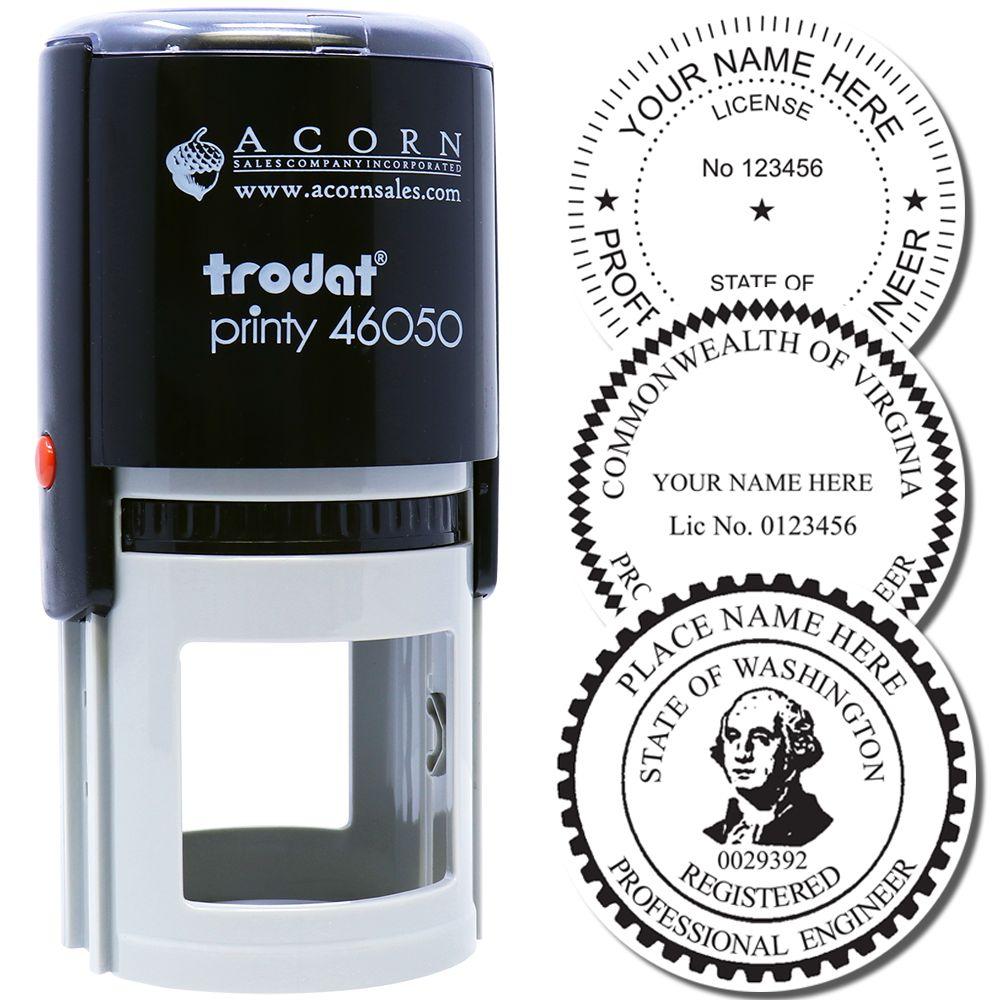
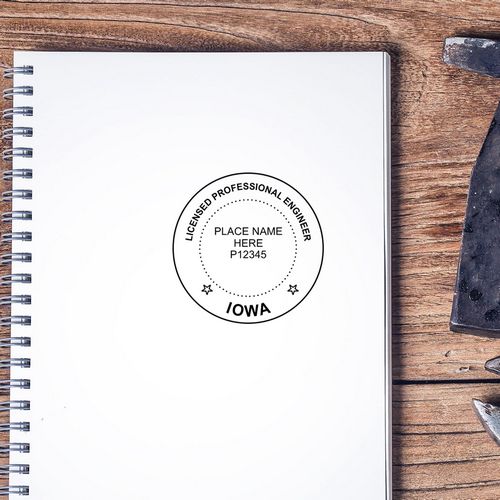
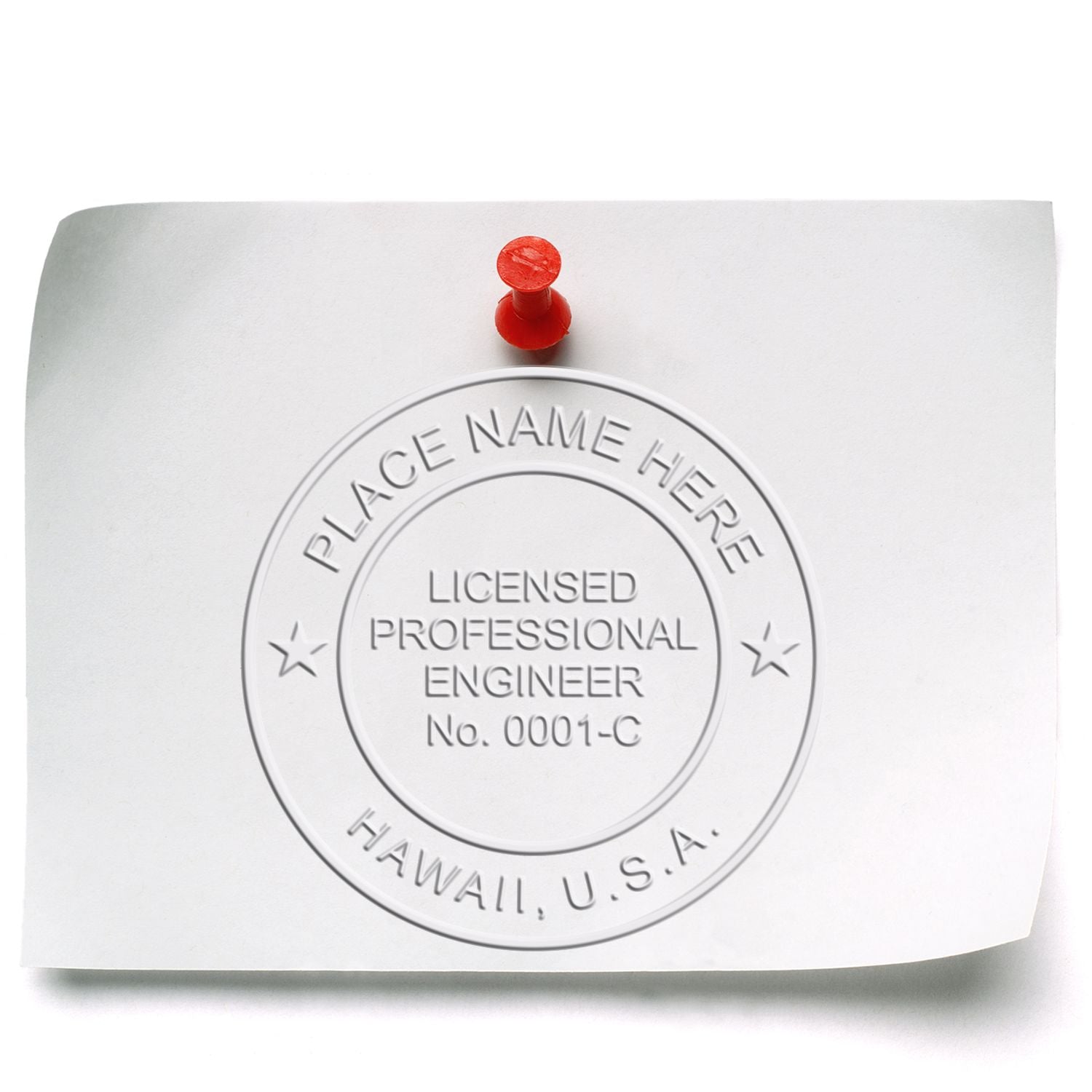
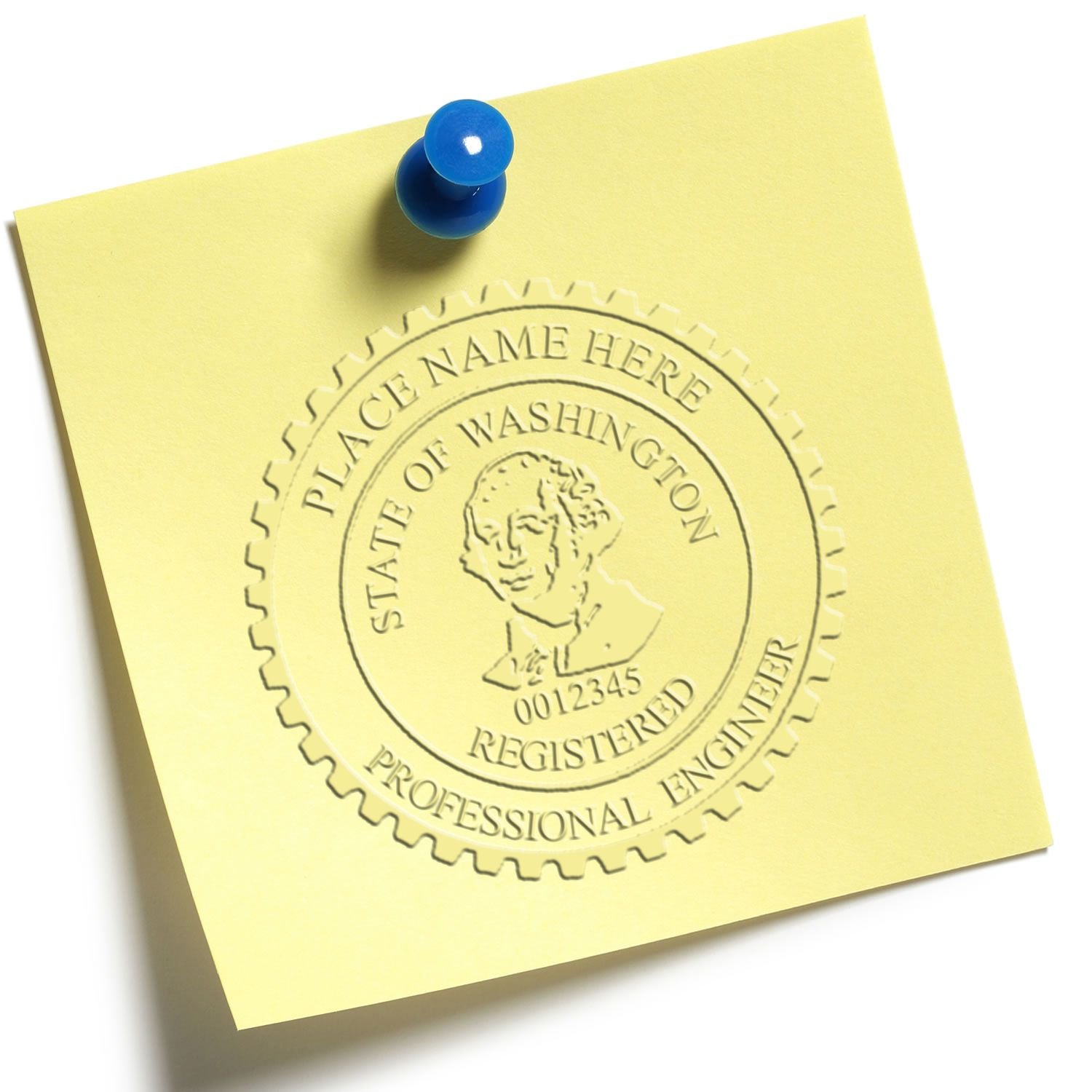
Before you pick your embosser, it’s smart to confirm you meet all state board regulations. You’ll want an imprint that includes your name, license number, and a clear “Professional Engineer” designation. Double-check exact text formats and sizing, because missing a single detail can mean extra hassle. If you’re unsure, browse Washington’s official rules on professional seal usage, or reach out to your local board for clarity. Better safe than sorry, right?

What happens if you don’t comply?
- Your seal might be rejected or invalid.
- You could face delays in project approval.
- Certain agencies may ask you to redo documents, costing time and money.
Compare different embosser styles
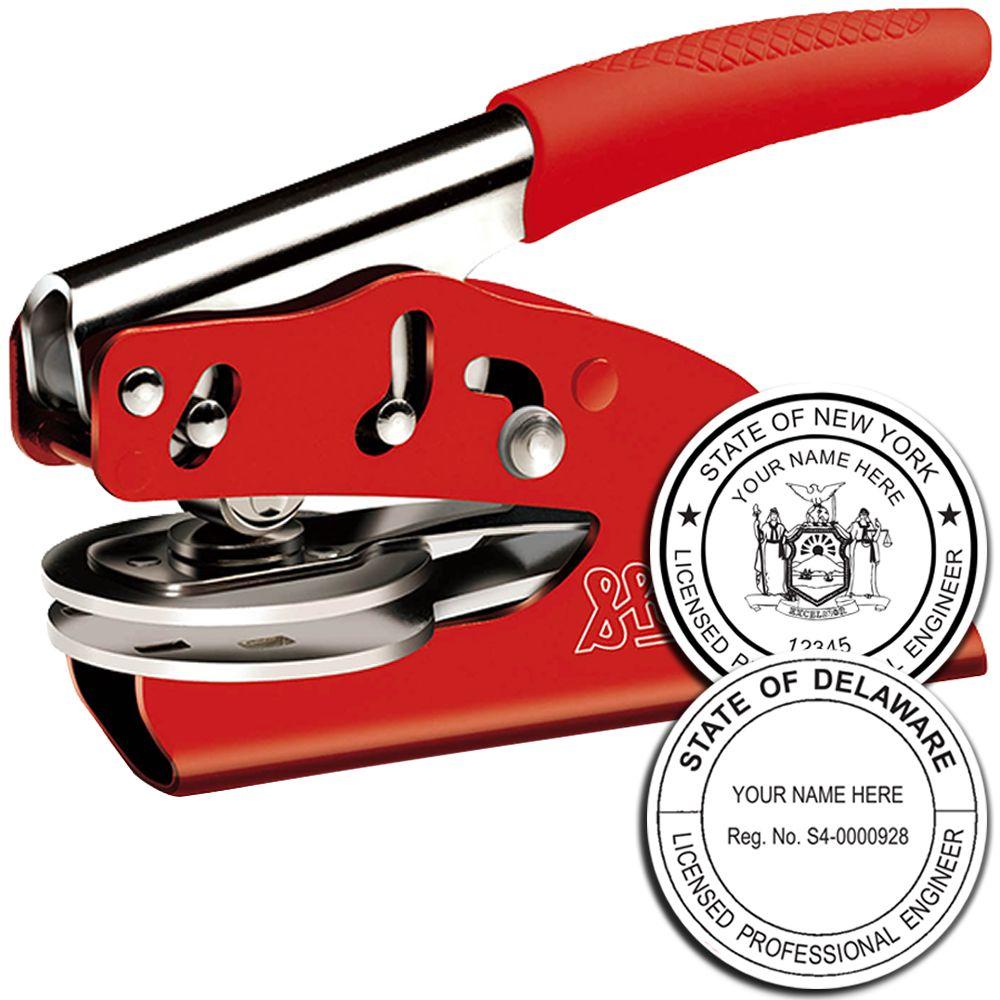
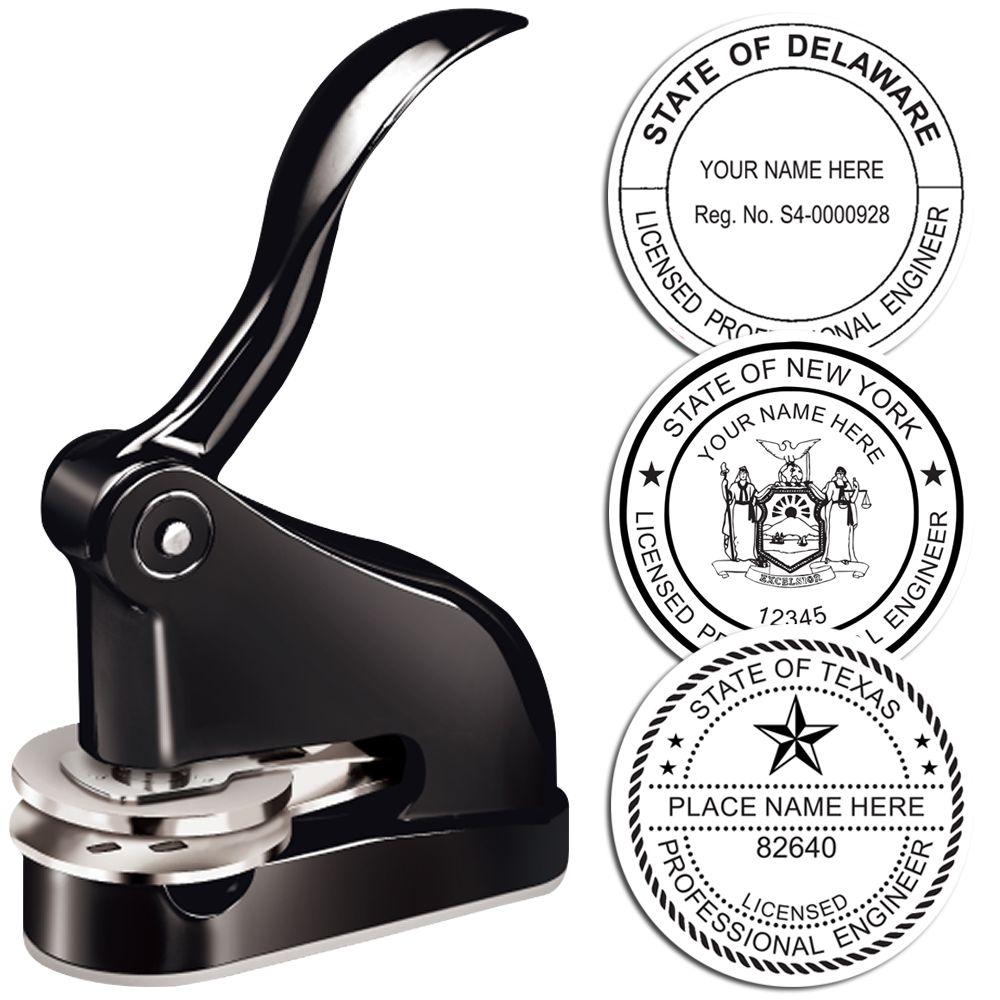
Embosser designs generally fall into two main categories: handheld and desktop. Each has perks, so it helps to think about where you’ll primarily use it.
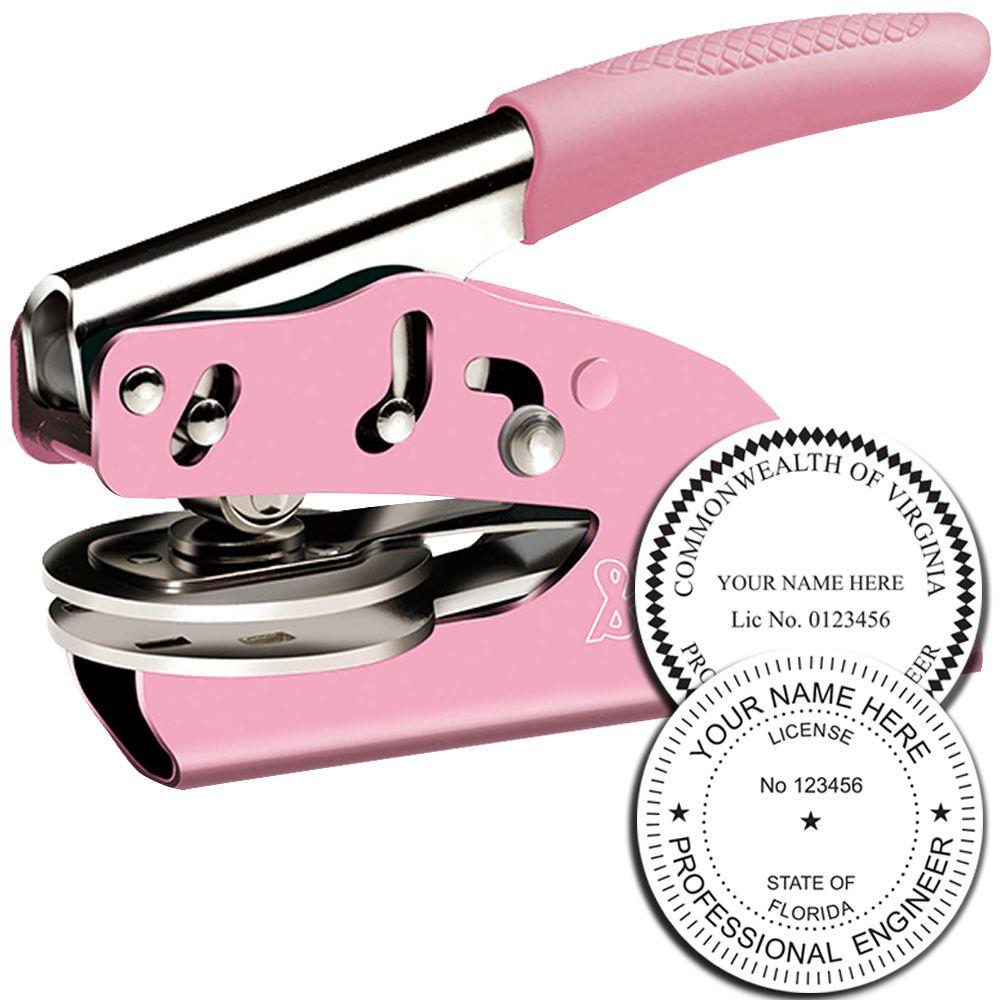
- Handheld embosser. Offers portability, so it’s great if you move between offices or attend site visits. Some come in a compact “pocket” style, which is even smaller.
- Desktop embosser. More stable on a flat surface, making it easier to press heavier papers or large document sets. If you process lots of documents at once, this might be your friend.
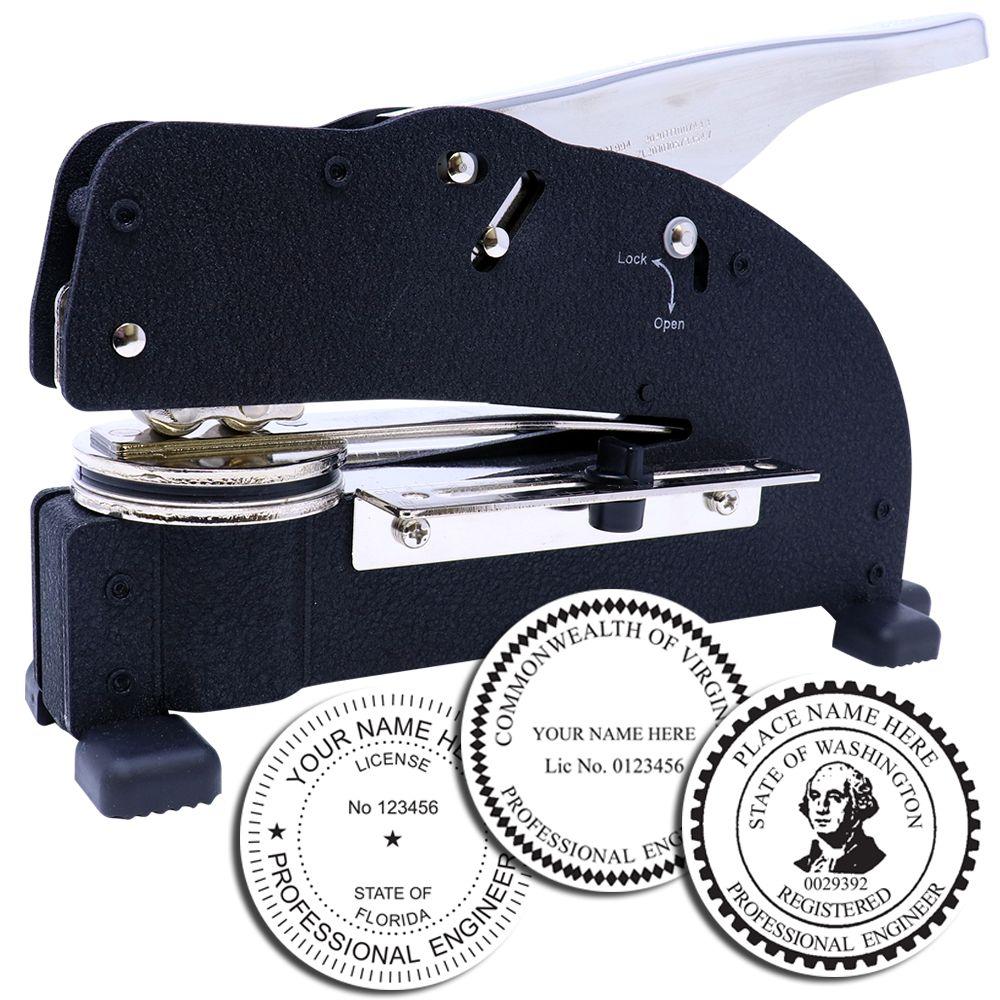
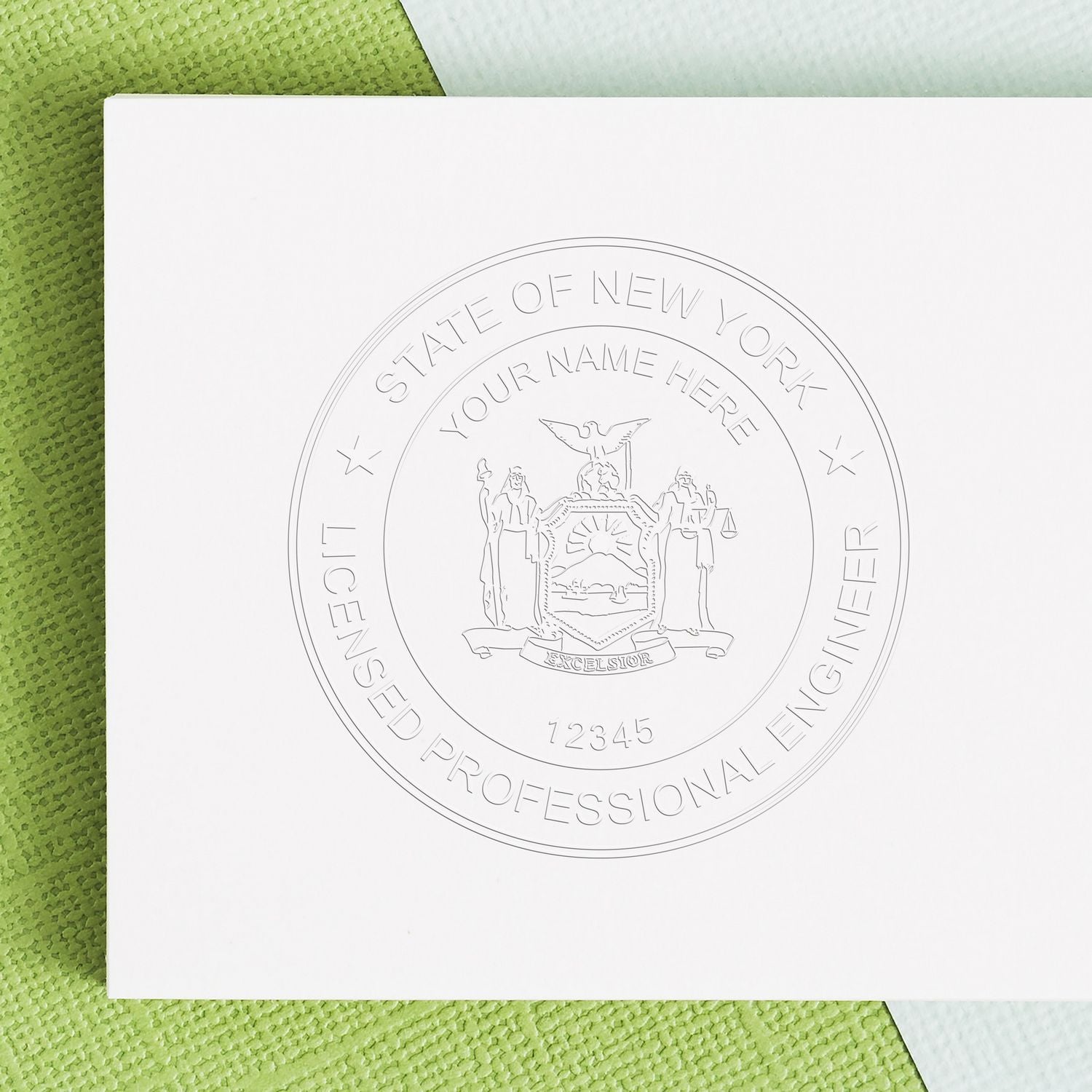
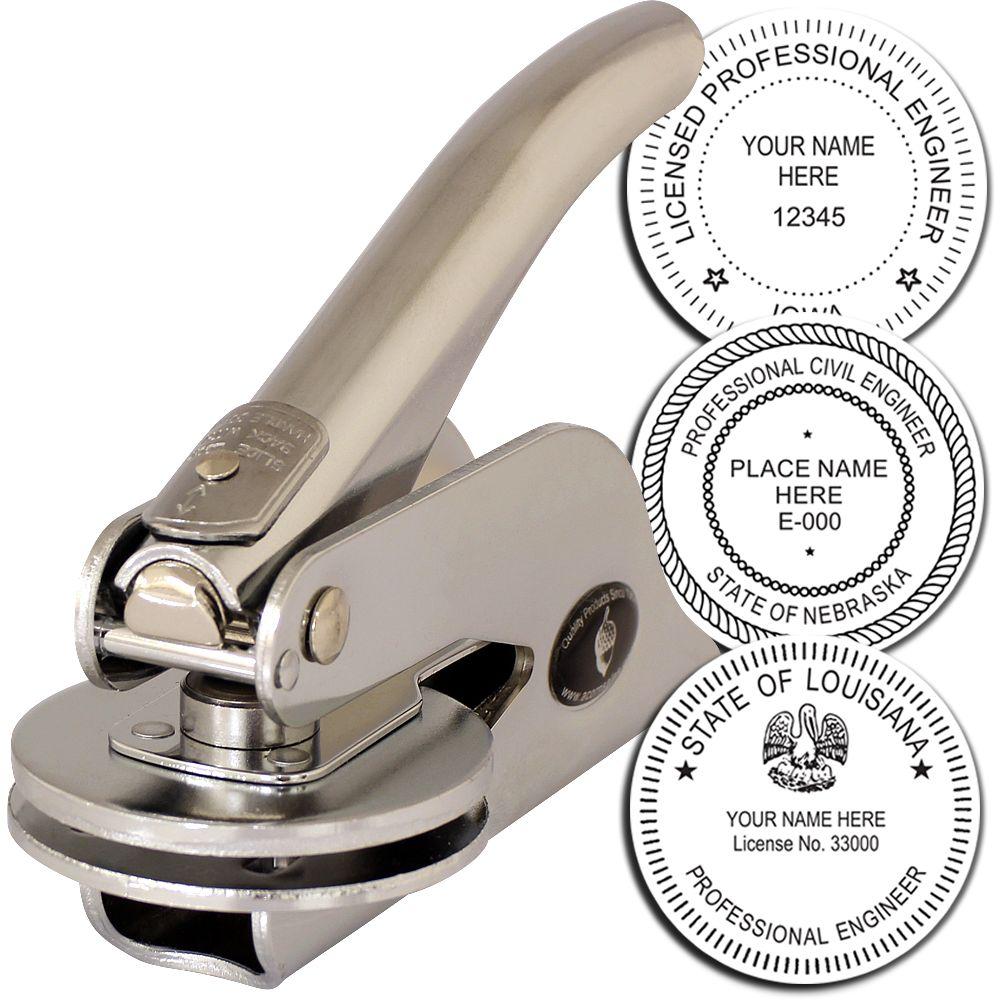
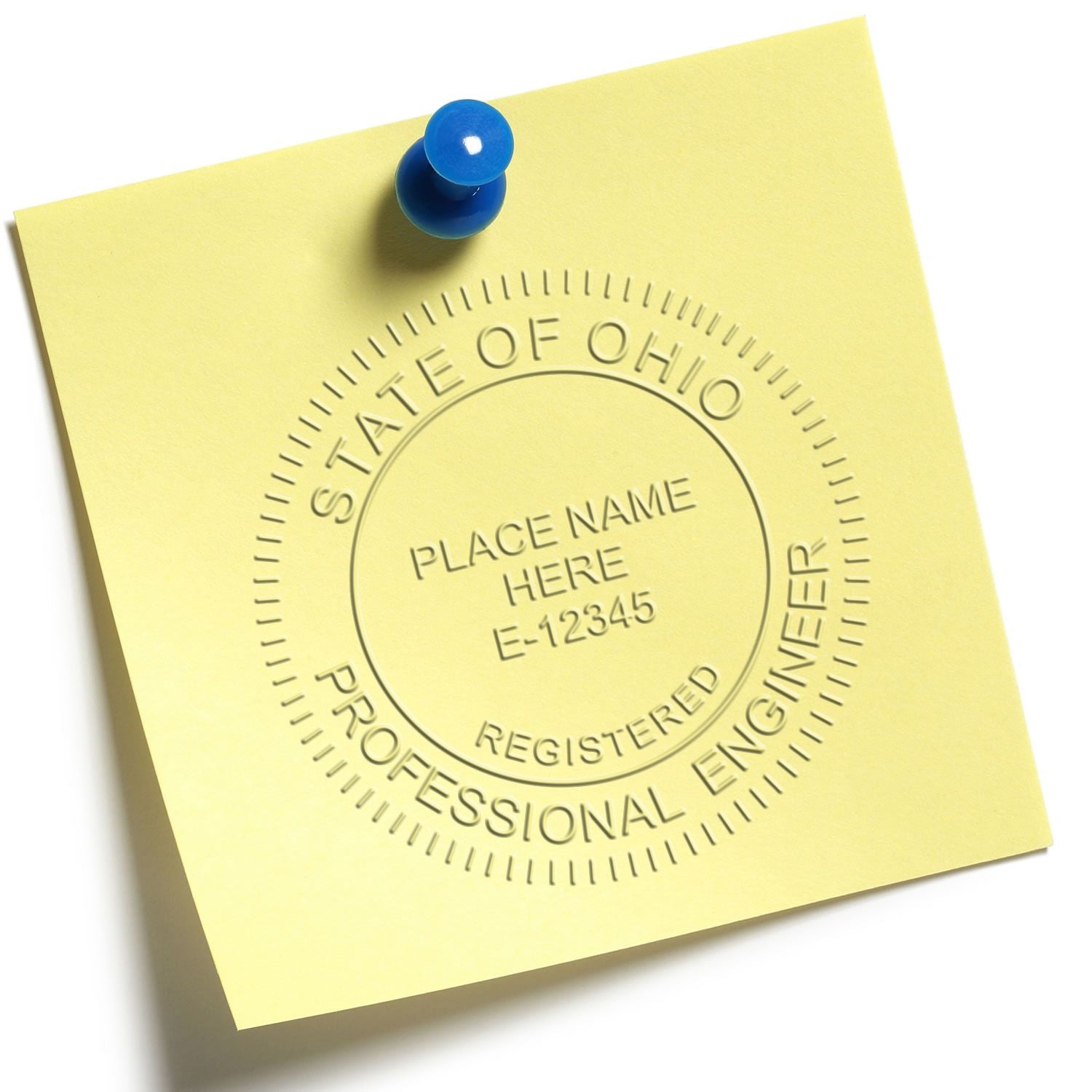
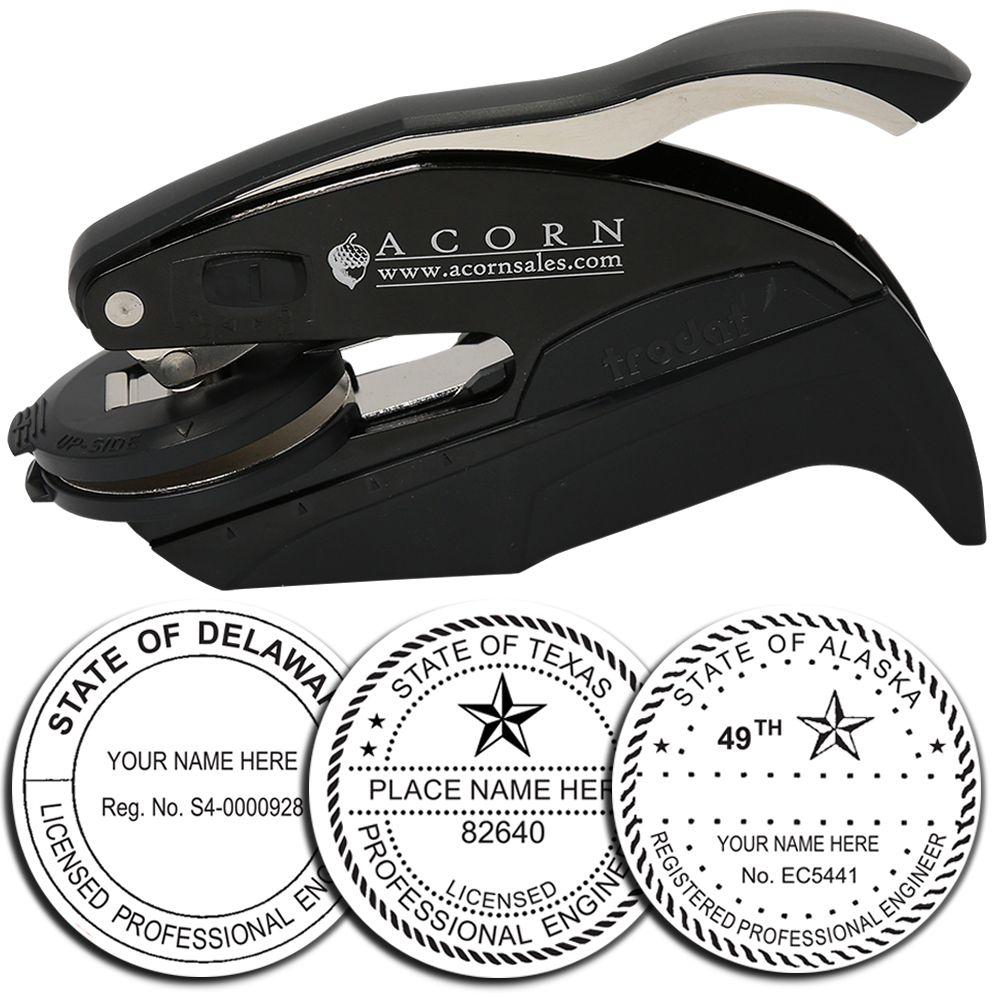
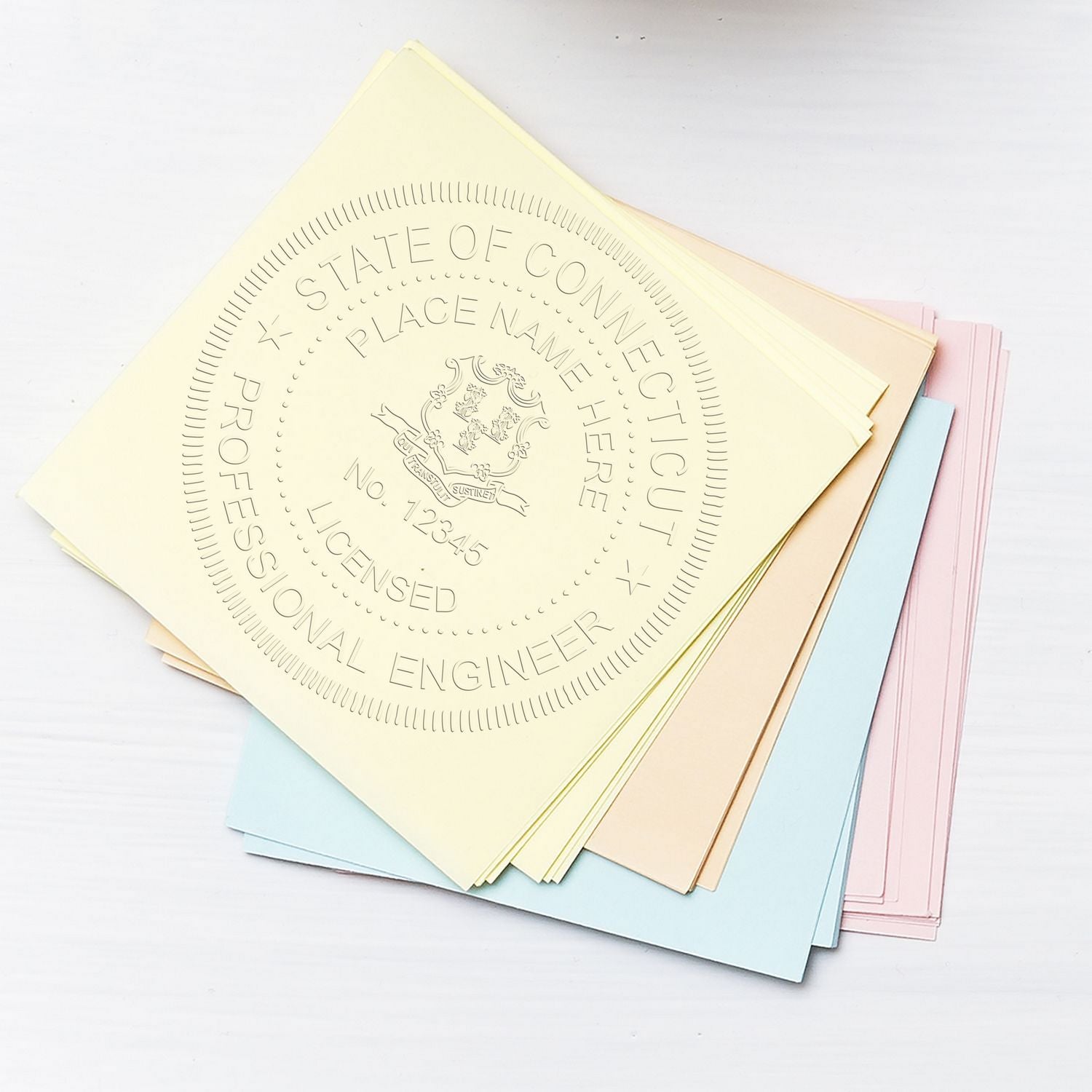
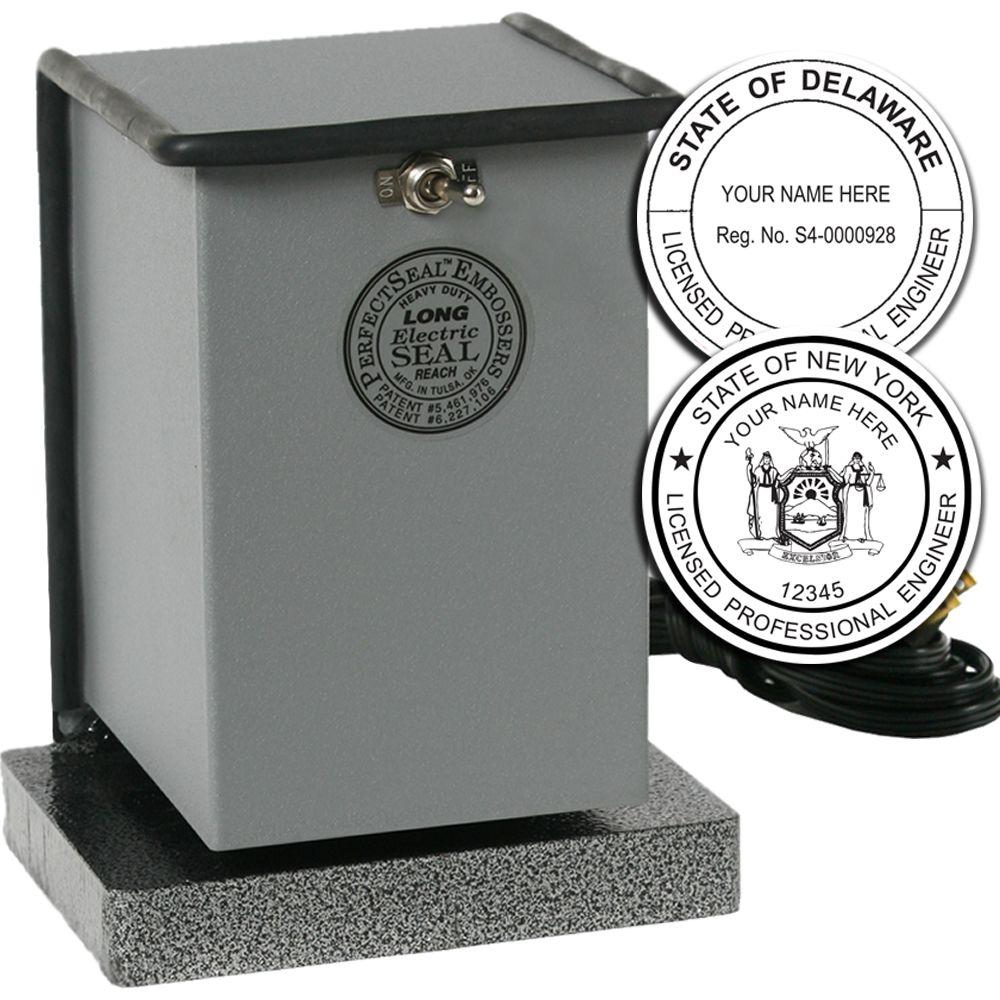
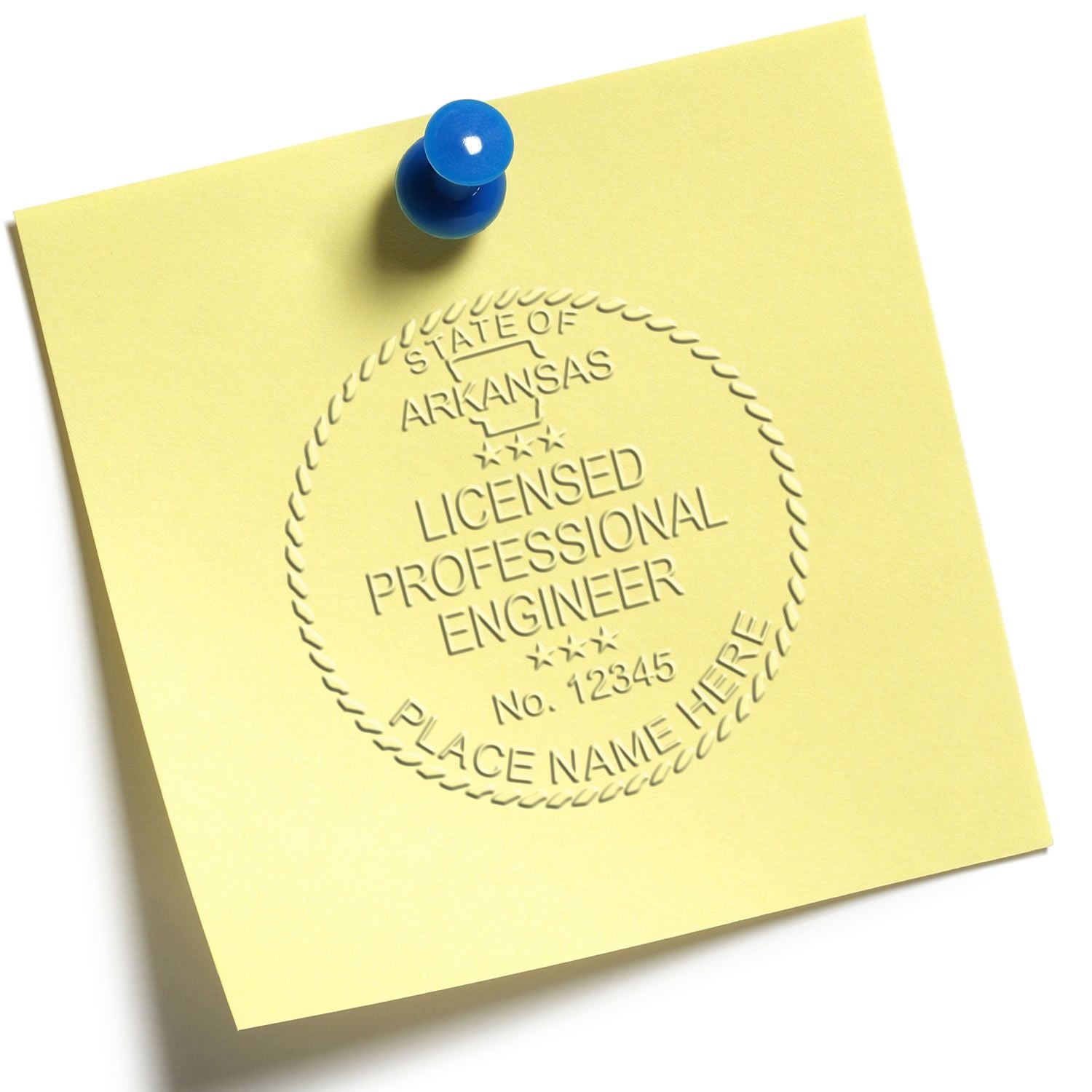
Factors to consider
- The force needed to create a clear impression.
- Whether you’ll emboss thick stock or standard paper.
- How frequently you’ll use the embosser.
Check official design details
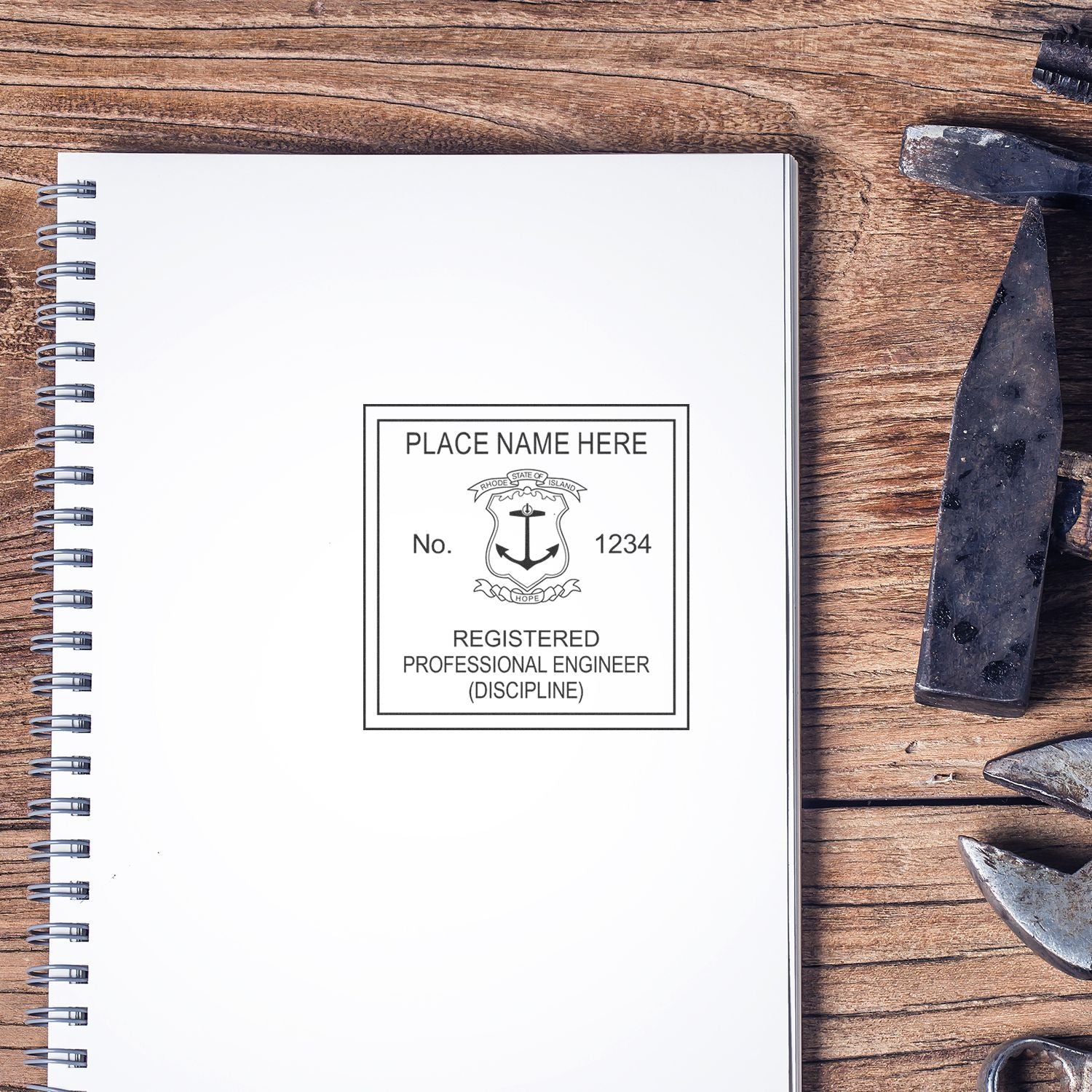
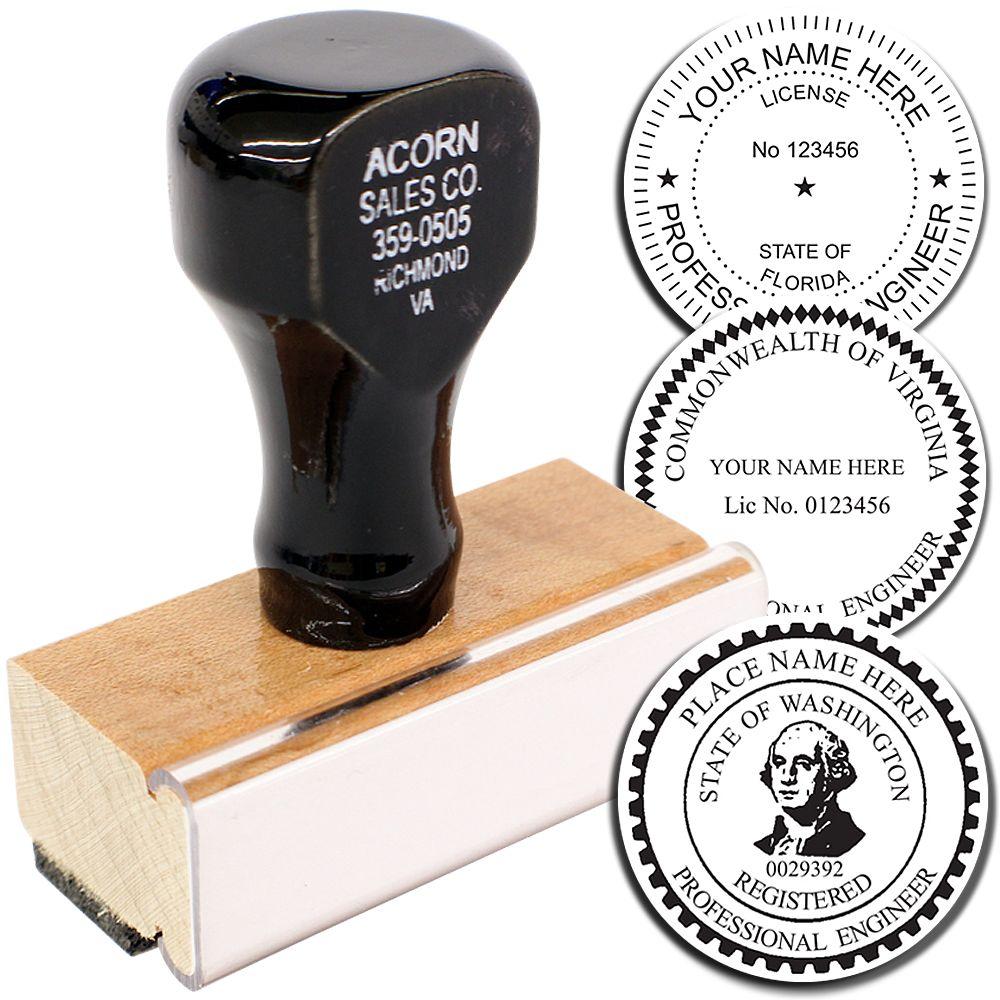
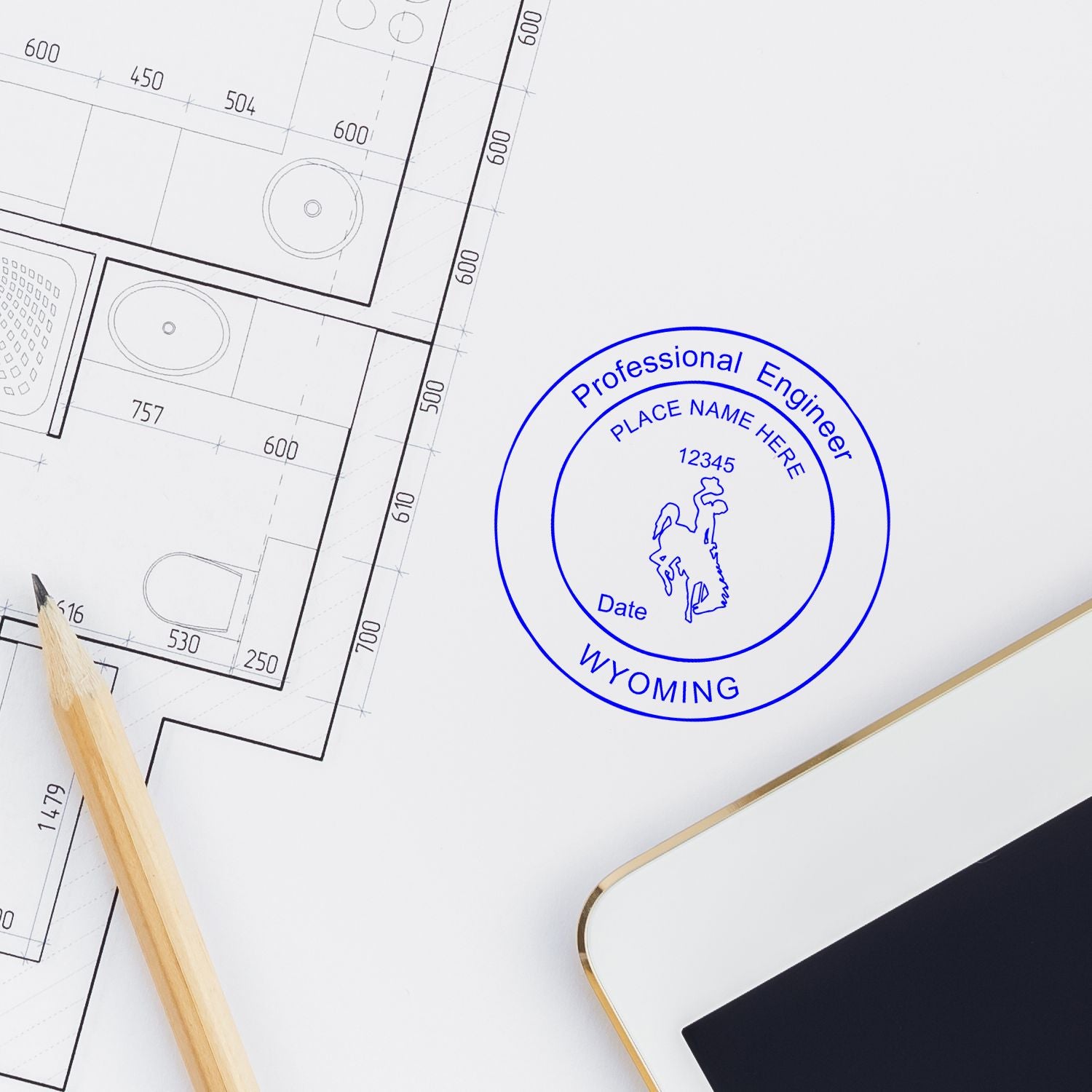
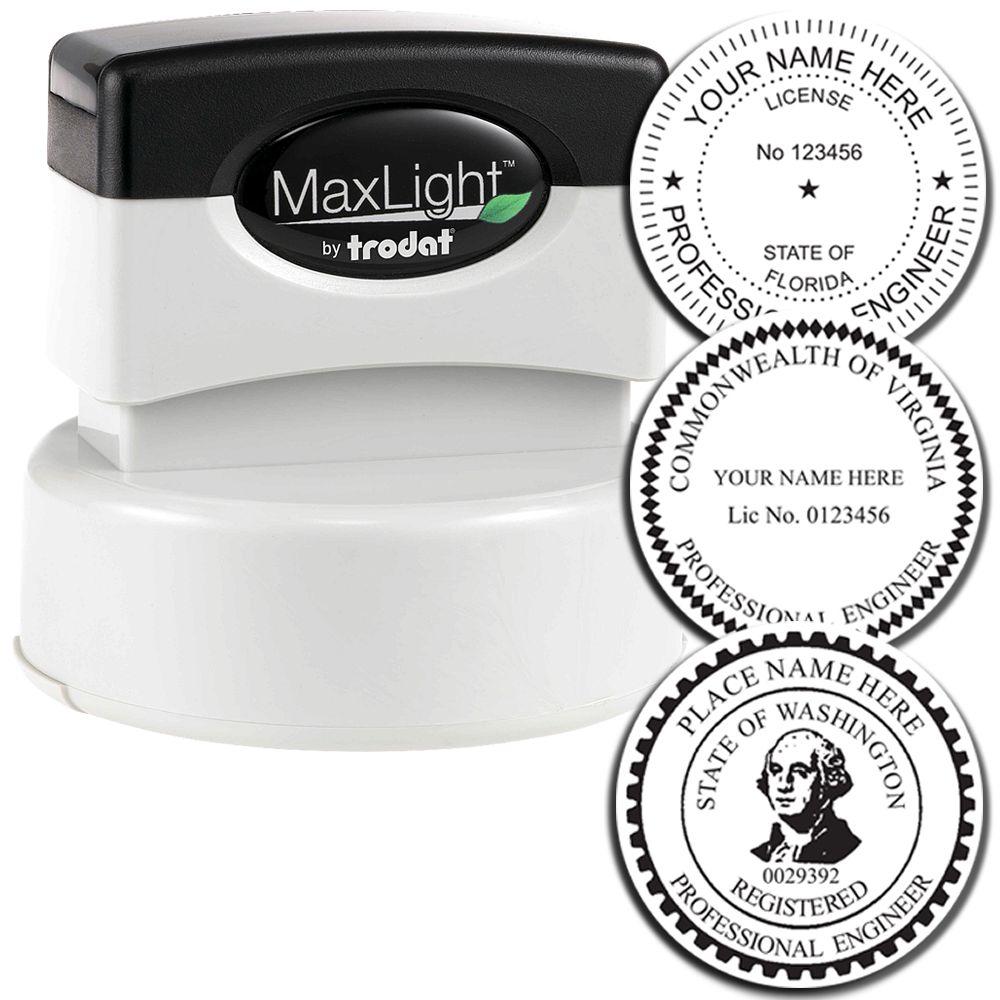
Washington’s standards often specify not just the text, but also the seal’s outline and layout. Make sure any design you choose remains sharp and easy to read. If you prefer an ink-based approach, consider a washington engineer stamp for quick application. Just remember, some documents still require an embossed seal for legal acceptance.

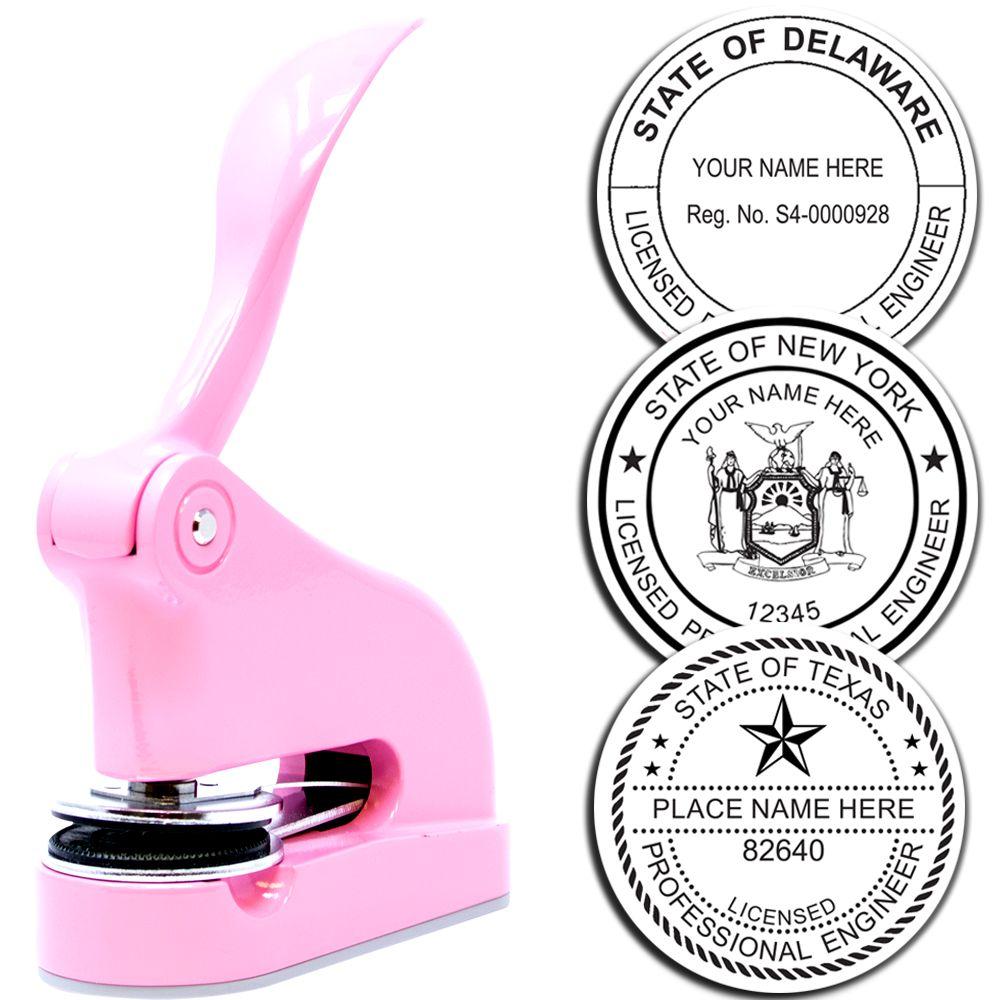
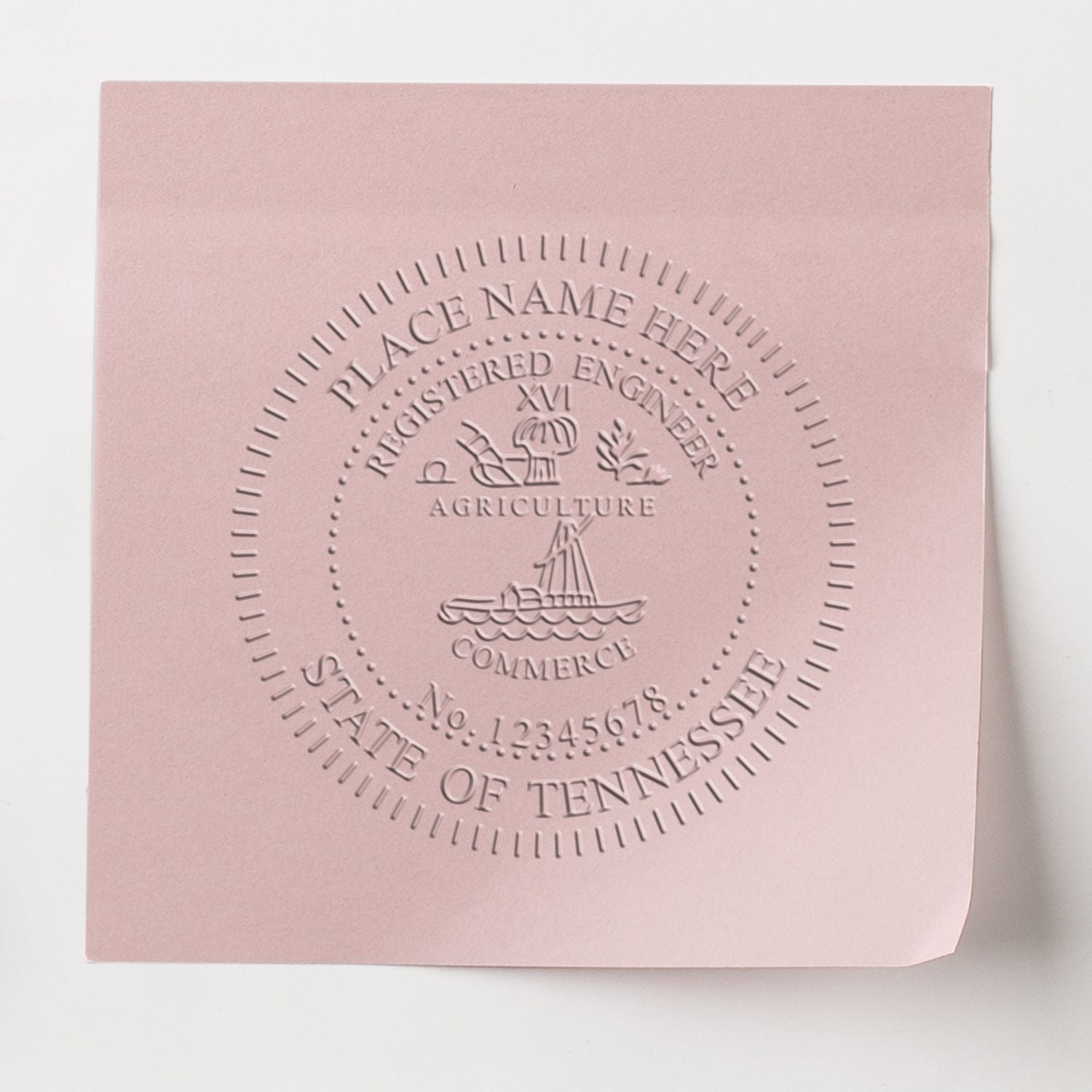
Common customization options
- Personalized name and license information.
- Different seal diameters (usually 1 5/8" or 2").
- Various handle shapes, offering a comfortable grip.
Care for your embosser
Like any tool, good maintenance keeps your embosser functional for the long haul. Store it in a dry spot, because excess moisture can cause rust. Gently wipe it if paper fibers build up around the die. That way, you’ll keep getting crisp seals on every press.
Simple upkeep tips
- Keep it covered when not in use to avoid dust buildup.
- Test your seal impression every few months to ensure it remains clear.
- Replace worn dies if you notice inconsistencies in your embossing.
Recap your best choices
You’ve got a handful of key considerations to guide your purchase decision:
- Confirm you meet Washington’s rules, including text placement and required info.
- Think about where you’ll use the embosser: on the go or at a desk.
- Pick a design that ensures a crisp, compliant seal every time.
- Maintain it well so you reduce the need for replacements.
Once you’ve pinned down these details, you’ll be much closer to picking the best embosser for your practice. It doesn’t need to be complicated. By clarifying your usage upfront and checking design specs, you’ll have a seal that’s both professional and easy to use. Got any lingering questions? Feel free to ask, and remember that the right embosser makes every document feel that much more official.
Frequently Asked Questions
What is the difference between a handheld and desktop Washington PE Stamp Embosser?
A handheld embosser is portable and ideal for engineers who work in multiple locations or visit job sites. A desktop embosser offers more stability and is usually better for frequent use or embossing thicker document stacks. The best choice depends on how and where you use your seal most often.
How do I choose the best Washington Engineer Seal Embosser for my needs?
Consider your usage frequency, preferred portability, paper thickness, and whether you need a crisp impression on standard or heavy stock. Also make sure the embosser matches Washington’s official seal specifications so it’s both professional and compliant.
Are embossed seals required for all engineering documents in Washington?
Not always, but many documents still require an embossed seal for acceptance depending on the agency, project type, or document purpose. Some engineers also use a Washington engineer stamp in addition to an embosser for quicker application, but you should confirm what each document requires.
What size options are available for a Washington Engineer Seal Embosser?
Common customization options include 1 5/8-inch and 2-inch seal diameters. The right size depends on Washington’s requirements and the type of documents you regularly seal, so it’s important to confirm the correct format before purchasing.
How do I maintain my Washington PE Stamp Embosser so it lasts longer?
Keep your embosser in a dry, covered location, clean away paper fibers regularly, and test the impression every few months to ensure it stays crisp. If the seal becomes uneven or unclear, the die may need replacement to maintain professional results.








