
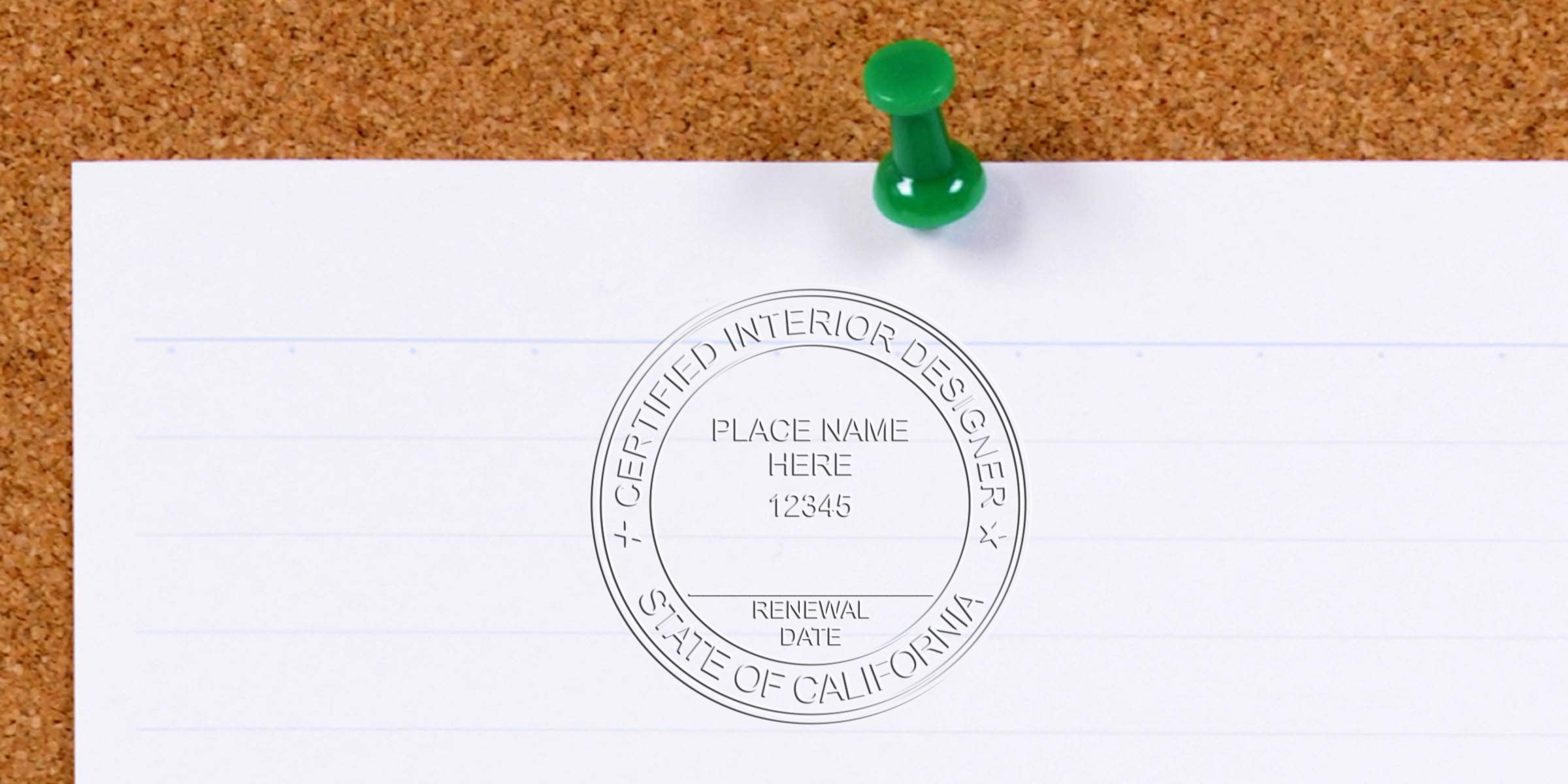
If you’re setting out on your journey as an interior designer in California, you’ve probably heard the buzz about the “california interior designer licensing stamp.” At first, it might feel like just one more administrative piece of the puzzle. However, this stamp is more than a formality, it can speak volumes about your credibility, professionalism, and commitment to the state’s guidelines. By understanding exactly how the licensing stamp works, you’ll set yourself up for a smoother path through your design projects. Plus, you’ll instill confidence in clients, contractors, and authorities who expect you to follow the rules.
So, how do you get it done? Is the process confusing? In some cases, yes, it can be challenging to track down every detail. But don’t worry, we’re about to make it a whole lot easier. Below, you’ll find a practical guide to the essentials: what the stamp is, how to get it, and how to maintain it. Let’s dive in and help you certify your place in the thriving world of California interior design.
Understand The California Interior Designer Licensing Stamp
Ever run across a designer’s plan stamped with an official-looking seal and wonder if you need the same thing? Chances are, you do. A professional stamp or seal is a visible sign that says, “I’ve met the requirements and I’m ready to do the job.” In California, this stamp ensures your work is recognized and compliant with state regulations.
Definition And Purpose
Your California interior designer licensing stamp is a small but powerful tool. Essentially, it’s a seal featuring your name, license number, and any additional details required by the California licensing board. When you place it on plans or documents, the stamp testifies that a qualified and duly credentialed designer has prepared or overseen the work.
If you’re new to the field, you might be wondering if having a stamp is optional. For many projects, it isn’t. Clients often want proof that they’re working with someone who meets state standards. Architects, engineers, and construction teams look for the stamp on official plans. In short, the stamp tells everyone that you’re playing by the rules.
Why This Stamp Matters
Unstamped documents can trigger headaches for you and your team. Plans might get rejected or delayed until the missing stamp is added. Worse yet, ignoring requirements could lead to fines or disciplinary action. You’ve worked hard to build your reputation, so it’s not a risk worth taking.
Plus, having the correct stamp reassures clients that you know your stuff. It aligns you with professional best practices and cuts out any guesswork about your qualifications. After all, you don’t just want to impress, you want to instill trust. Proper stamping gets you there without fuss.
Key Requirements And Guidelines
You might be thinking, “Alright, I need a stamp. Now what?” Each state has its own guidelines, and California is no exception. While the official language can feel a bit overwhelming, there are straightforward steps you can follow to make sure your stamp checks all the boxes.
Legal Mandates
California typically sets clear rules on what your stamp should include. Although these guidelines sometimes change, the blueprint usually calls for:
- Your name, matching what appears on your license.
- Your license number, if one is provided.
- The phrase “Certified Interior Designer,” or a variant that indicates your credentials.
- Proper sizing so that all text is legible and permanently inked.
You can find more details in california interior designer stamp requirements. Think of it as your one-stop resource for official specifications. And always keep an eye out for updates, because regulations can shift from year to year.
Stamp Format And Legibility
A stamp that’s too faint or cluttered can cause confusion. That’s why legibility is crucial. You don’t want a plan reviewer squinting at blurred lines, wondering if the document is authentic or complete. Make sure your lettering is crisp, your seal lines are sharp, and your ink color is dark—often black or dark blue.
If you’re strictly digital, secure an electronic version that’s recognized statewide. California authorities accept digital stamps in many design phases, but the stamp must still meet state-mandated specifications. Think of it as a paper stamp’s tech-savvy cousin.
How To Obtain Your Stamp
You’ll want to plan ahead before you rush to finalize your stamp. After all, this isn’t just a rubber stamp from the corner store. Getting the right supplier, confirming the design meets state standards, and knowing how to use it properly all matter.
Working With Trusted Suppliers
Choosing a supplier who understands California’s interior designer rules can save you time and money. Look for companies known for their expertise in professional stamps and seals. They’ll help you avoid guesswork by creating or verifying a design that matches state guidelines.
One reputable provider is Acorn Sales. We’ve been supplying a wide range of professional seals to architects, engineers, and interior designers since 1964. That means we know exactly what’s needed for a proper California interior designer licensing stamp. Our focus is on precision, reliability, and making sure you’re taken care of from day one.
Free Electronic Stamp Option
Alongside the physical stamp, Acorn Sales offers a free electronic stamp version for modern workflows. It’s the perfect backup for when you’re emailing designs or uploading them to a digital platform. You won’t have to worry about scanning a paper document just to show your official seal. With your electronic stamp, it’s already embedded right on the PDF or CAD file.
Crafting A Compliant Design
Ready to nail the design of your stamp? If you’re going with a custom approach, start with the basics:
- Incorporate the correct placeholder for your name and license number.
- Ensure the outer ring or border is neat and conveys “Certified Interior Designer.”
- Pick a well-defined font that’s easily readable.
Double-check that your design lines up with any spacing or sizing requirements from the state board. If you make changes to your name or license status, remember to rework the stamp so it matches your new credentials. A mismatch might get flagged during plan reviews.
Maintenance And Best Practices
Getting the stamp is a big step, but proper maintenance also counts. You’ll want it to last and remain compliant over the years. Think of your stamp like an extension of your professional brand. If it looks worn or is improperly stored, it sends the wrong message.
Secure Storage Tips
Keeping your physical stamp in a safe spot prevents misuse. If you share an office, lock it away when you’re not around. If you work remotely, store it in a compact, sealed case that blocks out dust and moisture. This ensures your impressions stay clean and crisp when pressed onto paper.
For electronic stamps, back up your files regularly. A secure folder on your computer or cloud storage is a smart move. Label each version clearly so you don’t accidentally attach an outdated design to important documents.
Common Pitfalls To Avoid
Want to steer clear of stamp-related hiccups? Check out these common mistakes:
- Using a stamp with outdated credentials (like an old license number).
- Applying your seal to drawings or documents you didn’t create.
- Inking the stamp faintly, making the details impossible to read.
- Forgetting to refresh the design after state regulations change (which happens more often than you might guess).
Of course, everyone slips up at times, but a little preparation prevents big hassles. Regularly check that your credentials and compliance details line up with California’s rules. If you have any doubt, consult the guidelines or reach out to a trusted supplier.
Acorn Sales: Your Trusted Partner
When you’re juggling design ideas, client calls, and site visits, the last thing you want is to stress over how to score a legally valid stamp. That’s where Acorn Sales comes in. We’re here to make the process straightforward and to keep you on the right side of California’s regulations.
Decades Of Experience
Since 1964, Acorn Sales has specialized in creating official seals, stamps, and embossers for various professions, including interior designers. We’ve seen the rules evolve, so we know the modern criteria as thoroughly as we knew the older ones. That knowledge smooths out those confusing details that can jam up your workflow.
Real Value For Professionals
Besides ensuring compliance, we strive to make your day-to-day tasks simpler. Our free electronic stamp is a big bonus for designers with digital workflows. It’s convenient, easy to integrate, and recognized for most document submissions. If you’re the kind of designer who juggles in-person and virtual projects, we’ve got you covered either way.
And then there’s peace of mind. If you’re unsure about sizing, text placement, or the difference between a seal and a stamp, just ask. Our experts will guide you to the perfect fit. That way, you won’t waste time reordering or fixing a stamp that doesn’t pass muster.
Plenty of official publications and websites detail the ins and outs of California interior designer standards. For a deeper dive, consult the state board’s website or official bulletins that outline updates to licensing requirements. You can also reach out to our team at Acorn Sales for stamp-related questions, because we keep close tabs on new developments to help you stay compliant.
Conclusion And Next Steps
By now, you know the California interior designer licensing stamp isn’t just a minor detail. It’s your professional signature, a tool that verifies your expertise, grants legitimacy to your work, and ultimately fosters trust with clients and collaborators. With the right supplier and a bit of foresight, managing your stamp doesn’t have to be complicated.
Ready to make it official? Start by reviewing the necessary guidelines, then order a stamp that meets state specifications. If you want a trusted partner who understands the nuances of California regulations, consider Acorn Sales. We’ll ensure your seal, whether physical or electronic, hits every requirement so you can focus on creating stunning interior spaces.
Have more questions? Feel free to get in touch with us or explore california interior designer stamp requirements to confirm the latest guidelines. Your journey to a polished, credentialed, and confidence-boosted design practice begins here. Good luck, and happy stamping!
Frequently Asked Questions
Do I Need A License Number On My Stamp?
Typically, yes. In California, many designers must include a license or certification number inside the stamp. It’s a clear way to link you to the approved professional checklist. Always confirm with current guidelines before finalizing your stamp design to confirm whether you need the license number or a certification indicator. You’ll usually find specifics in the california interior designer stamp requirements.
How Often Should I Update My Stamp Design?
You only need to update your stamp when a significant change occurs, like a revised license number or alterations in California’s rules for stamp wording. However, keep an eye out for any official changes so you don’t end up with an outdated seal. Staying informed means your documents remain valid, and you won’t have to push back important deadlines because of technicalities.
Is An Electronic Stamp Acceptable?
Yes, in most cases. Electronic stamps are widely embraced, especially in today’s tech-savvy design world. State regulations often permit e-stamps as long as they follow the same layout and identification guidelines as physical ones. At Acorn Sales, we provide a free electronic stamp option, so you can seal your documents whether you’re printing physically or sharing everything via email.








