
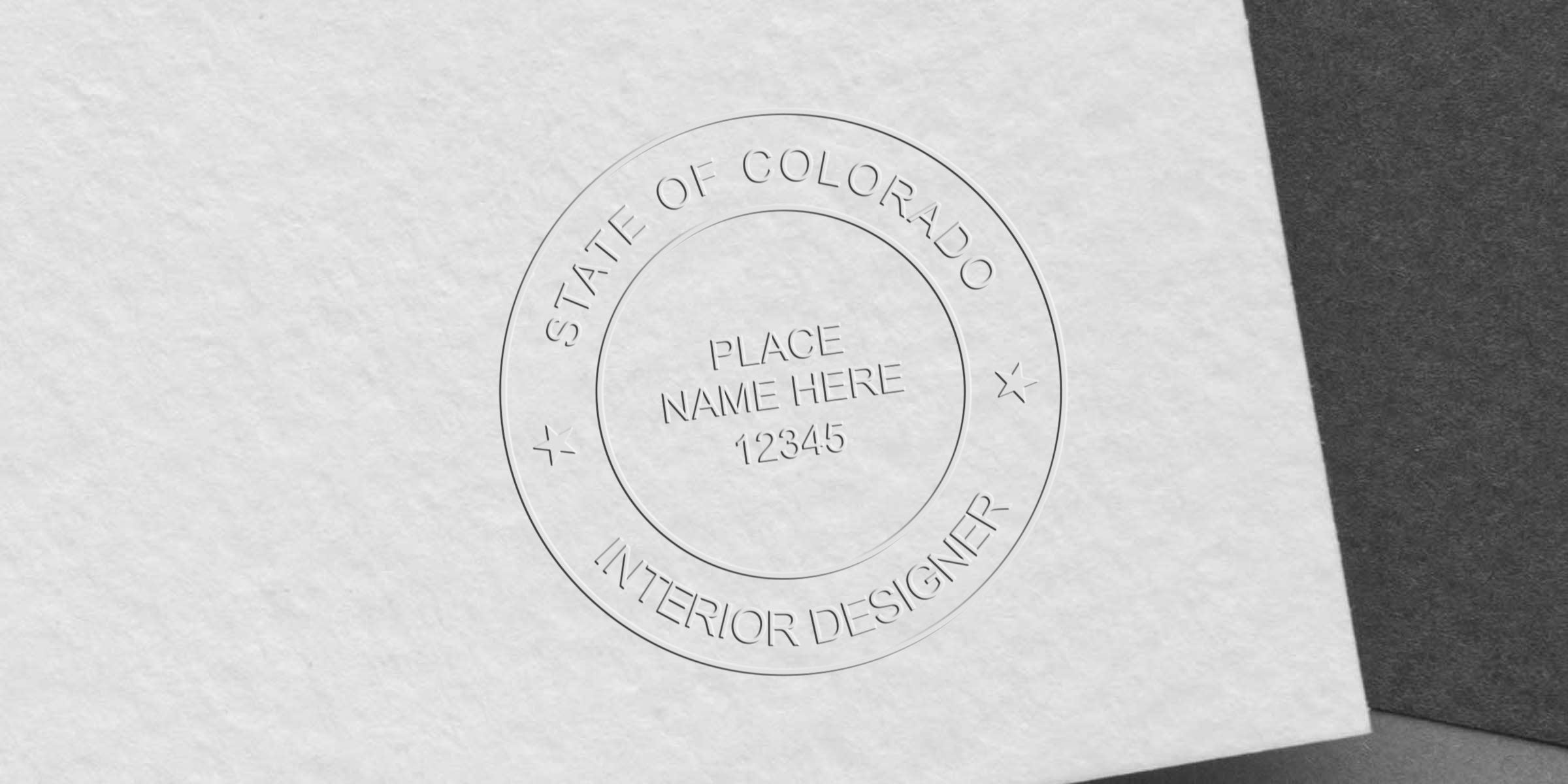
Securing your Colorado interior designer seal authentication is a pivotal step toward establishing a respected professional practice. Without a valid seal, you could miss out on important projects, or worse, face compliance issues that eat into your schedule and budget. The good news is that understanding the basics doesn’t have to be stressful. In fact, once you break the process down into a few clear steps, you’ll see how straightforward it can be.
Below, you’ll find an overview of what to expect, plus some practical tips, so you can focus on crafting beautiful design solutions instead of wrestling with red tape.
Understand The Basic Requirements
You might be wondering exactly what the seal is and why you need it. Simply put, Colorado interior designer rules require you to stamp certain documents, from project blueprints to official submissions, to confirm that they meet regulatory standards. This seal also vouches for your professional standing, signaling that you’re permitted by the state of Colorado to practice interior design.
If you’d like more details on the specific rules, check out the helpful overview here: colorado interior designer stamp requirements. That page walks you through elements like image size, ink color, and design layout, ensuring you stay on top of current guidelines.
Why Is The Seal Important?
- It verifies you’re licensed and professionally qualified.
- It assures clients and authorities that your work meets local regulations.
- It boosts credibility when you pitch your services or submit formal plans.
Compile Relevant Documentation
Before you start shopping for your seal, gather your paperwork to prove your professional credentials. This might include your interior design license, educational transcripts, and any state-specific forms.
Make sure everything has the correct names and dates. If something’s expired, renew it first so you won’t have to redo the entire seal registration process later. Nothing derails progress like discovering mid-application that your license lapsed last month.
Recommended Documents To Have On Hand
- A valid Colorado interior design license or registration.
- Proof of any specialized accreditation if required by your local jurisdiction.
- Official identification (driver’s license or ID) to confirm your identity.
- Completed application forms, depending on your county or city’s process.
Staying organized saves you time and stress. A simple folder or digital file with these documents lets you quickly reference what you need, whenever you need it.
Confirm Seal Specifications
With your paperwork handled, it’s time to nail down the details of the seal itself. Colorado’s interior designer seal authentication process doesn’t leave much to guesswork when it comes to size, shape, or text placement. State regulations often specify:
- Overall diameter of the seal (commonly around 1 ⅝ to 2 inches, but double-check the current standard).
- Required wording, such as “State of Colorado” or “Licensed Interior Designer.”
- Your name and license number exactly as it appears on your registration.
Double-check that your seal design meets those exact legal requirements. Even minor mistakes (like a misplaced letter) might mean requesting a replacement, costing you more time and money.
Tips For Getting It Right
- Ask for a proof: Always review a digital mockup before your seal is manufactured.
- Compare official samples: Many state boards provide sample images.
- Keep updated: Seal requirements can change, so keep an eye on the Colorado licensing board’s website for any announcements.
Register Your Seal Properly
Once you’ve confirmed the seal’s layout, next comes your official registration. Different counties or municipalities sometimes require that you file a physical or electronic copy of your stamp impression. Think of it like setting your signature on file, so that any reviewing body can match project documents with your approved seal.
Gather the forms needed for registration, attach required documents, and submit them as directed. Some agencies allow online submissions, letting you upload a high-resolution image of your seal. Others prefer paper, so you may need to mail or drop off a stamped sample. Whichever route you take, keep proof of your submission, just in case.
After Registration, Then What?
- Wait for confirmation or an approval letter from local authorities.
- File that letter in an easy-to-find spot, so you can refer to it if questions arise.
- Start using your seal on relevant project documents as soon as you know your registration is official.
Maintain Professional Compliance
Owning a valid seal is a big step, but your obligations don’t end there. You’ll need to keep your license current, renew your seal if required, and follow the correct use guidelines with each project.
Why is this so crucial? Because frequent regulation updates mean your once-approved stamp may need to be replaced down the road. Even small changes (like inking color or adding new license numbers) can impact your seal’s validity. Staying up to date on Colorado’s interior designer regulations ensures that your projects always reflect the latest standards.
Best Practices For Long-Term Compliance
- Renew your license on time, so your seal remains legitimate.
- Check for announcements from the Colorado interior design board about design or usage changes.
- Keep a log: Document each time you use your seal, listing project names or reference numbers.
Rely On A Trusted Supplier
When you invest in your seal, you want high-quality craftsmanship that meets the state’s exact requirements. That’s where Acorn Sales comes in. We’ve been in business since 1964, specializing in stamps and seals for professionals. If you decide to order your Colorado interior designer seals through us:
- Rest assured they’re made to Colorado’s current specifications.
- Enjoy a free electronic stamp with every order, making digital submissions a breeze.
- Receive guidance from a team that’s seen it all before.
Plus, we understand the pressures of working on tight deadlines. Our team works diligently to ship most orders quickly, so you can start using your seal as soon as possible. Because let’s be real: nobody has time to wait around once a project’s green light flashes.
How Acorn Sales Stands Out
- Decades of experience ensuring compliance across various states.
- Friendly customer support to help with questions or clarifications.
- Competitive pricing that doesn’t break your project budget.
Feel free to reach out for more information about the ordering process, or if you need help matching your existing seal design. We want to make the whole experience smooth, from start to finish.
In most scenarios, a single seal is sufficient for all areas of interior design as long as it reflects your valid license. If you hold multiple professional credentials in related fields (like architecture or engineering), each may require its own dedicated seal.
By following these essential steps, you can streamline your Colorado interior designer seal authentication process and maintain a professional reputation in the field. Start by reviewing the requirements, gather your key documents, and remember to keep your license up to date. Lean on a reliable partner like Acorn Sales when you’re ready to invest in a quality, compliant seal. That way, you’ll spend less time worrying about stamp regulations and more time designing breathtaking spaces for your clients. Feel free to share any tips you’ve picked up along the way, and don’t hesitate to reach out if you have more questions. Happy designing!
Frequently Asked Questions
Can I Choose My Stamp Ink Color?
Yes, but it must remain easily legible on all your documents. Black or dark blue ink is typically recommended. Depending on local rules, some agencies mandate a specific color. Check with your county’s guidelines to be sure.
Do I Need To Update My Seal Often?
You update the seal primarily if your license number changes, you alter your name, or the state issues new formatting requirements. Regularly review Colorado’s interior designer stamp regulations to ensure your seal remains valid.
What Comes With An Order From Acorn Sales?
Acorn Sales offers a free electronic stamp of your seal with every purchase, making it easier to add an official mark to digital documents. You’ll receive top-notch customer support, too, ensuring you get a physical seal that perfectly matches state specifications.
How Do I Verify The Authenticity Of A Digital Stamp?
Many online submission portals have software that cross-checks uploaded seals with registered profiles. You can also keep a signed letter from the relevant agency confirming your seal’s design. If in doubt, contact the licensing board to confirm a digital seal’s validity.








