
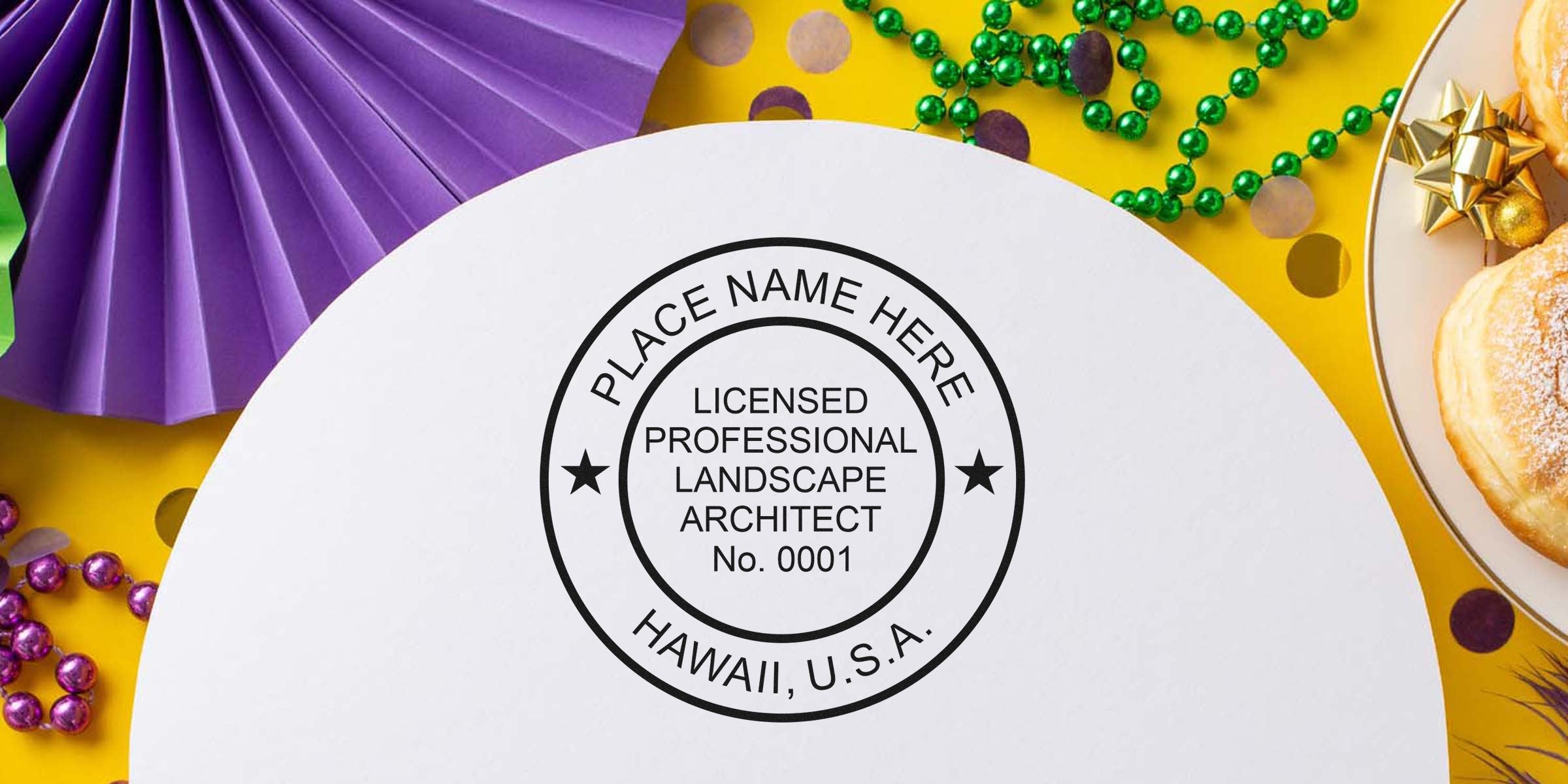
If you’ve been scratching your head about Hawaii Landscape Architect Seal Dimensions, you’re not alone. As a professional in the landscape architecture field, you already know how crucial a properly sized seal can be for your official documents. But sometimes, those exact measurements can feel tricky to pin down. In this post, we’ll walk through the typical dimensions you should consider, along with helpful tips on formatting, materials, and more. By the end, you’ll have a clear idea of how to confidently use your Hawaii Landscape Architect Seal so your projects follow state guidelines and look top-notch.
Explore Hawaii’s Requirements
Understanding your seal’s legal requirements is your first stop. Hawaii, like most states, sets specific rules about how landscape architects must display their credentials. From where you position the seal on your drawings to whether you apply an embossed seal or a rubber stamp, each detail can affect compliance.
Why Dimensions Matter
If you’ve ever wondered why states get so particular about seal size, the reason is clarity. A seal that’s too big can clutter up your plans, while one that’s too small can become difficult to read. Ensuring that your stamp or embossed seal matches Hawaii’s guidelines helps maintain the uniformity of official documents. Plus, you’ll find it easier to keep your client and reviewer in the loop if they can clearly see your professional credentials.
Understand Standard Dimensions
Let’s address the question that brought you here: what are the standard dimensions for your Hawaii Landscape Architect Seal? Generally, states have guidelines that suggest classic diameters like 1 3/4 inches (1.75 inches). Though there can be some variance, Hawaii often follows this conventional sizing.
Typical Sizing Ranges
To give you a better idea, here’s a quick rundown of commonly used sizes. While not every dimension is necessarily approved in Hawaii, these ranges offer some perspective:
| Dimension Range | Typical Usage |
|---|---|
| 1 3/4 inches (1.75) | Common standard for many state boards |
| 2 inches | Preferred by some for higher visibility |
| 1 5/8 inches (1.625) | Occasionally used, but less common |
If you look at other states, you’ll notice they often hover around 1 3/4 inches too. Sticking to around 1.75 inches typically satisfies the Hawaii Board requirements, unless new rules come into play.
Variation in Board Rules
It’s always wise to confirm that your seal meets the latest regulations. Though Hawaii’s official recommended dimension may stay steady for long stretches, it’s smart to look up any recent changes at the Hawaii Board of Professional Engineers, Architects, Surveyors, and Landscape Architects. If you want more guidance on other stamp regulations, you can check out our complete breakdown at Hawaii Landscape Architect Stamp Requirements.
Focus on Formatting Details
So, now that you have a sense of the dimensions, let’s talk about the design of your seal itself. Hawaii’s regulations might detail certain requirements, including:
- The outer ring must have the words “Landscape Architect” and “State of Hawaii.”
- Your name and license number often appear in the center, making them easily visible.
- The seal could say “Licensed Landscape Architect,” depending on your specific credential.
All these elements need to be placed within that circular dimension. Make sure each line is crisp and easy to read, from your name to the outer ring text. If your board demands that you have your license number directly under your name, measure everything out beforehand. You don’t want text overlapping or crowding the edges.
Choose Reliable Materials
Once you’re certain about the diameter and design, the next step is ensuring you get a product that stands up to daily use. If you have multiple projects happening simultaneously, your seal or stamp could see heavy action. That’s why choosing quality materials is key.
- Metal Embossers: Durable and produce a crisp raised impression. Great for certified documents.
- Self-Inking Stamps: Convenient, with built-in ink pads. Perfect for consistent, repeat stamping.
- Pre-Inked Stamps: Deliver extra-clear impressions. Typically come with fade-resistant ink that lasts longer.
Opt for something that feels comfortable in your hand and produces a clean imprint every single time. After all, your seal is a reflection of your professional brand.
Work With Trusted Suppliers
Selecting the right supplier might sound trivial, but it can save you time and money in the long run. At Acorn Sales, we’ve been helping landscape architects since 1964, so we know the ins and outs of Hawaii requirements like the back of our hand. Our products are crafted to meet official guidelines, and we’re always here to answer questions about customization or compliance.
Wondering about digital options? We offer a free digital seal with every purchase, so you can place your authentic stamp electronically onto PDF documents. This perk can save you a ton of time, especially if you’re submitting drawings or site plans via email. Plus, it’s handy for backup. If you misplace your physical stamp, you’ll still have your digital version on hand.
Avoid Common Pitfalls
Even seasoned landscape architects occasionally make mistakes when it comes to their seals. Below are some common pitfalls you’ll want to steer clear of:
- Using the Wrong Dimensions: If you use a seal that’s too large, your official documents can look crowded. If it’s too small, details might fade or become unreadable.
- Missing Information: Make sure your name, license number, and correct wording are included. Even a small spelling error can create big problems if your documents are under review.
- Poor Quality Imprints: A blotchy stamp or an uneven emboss can raise doubts about authenticity. Test your stamp on a scrap sheet before you apply it to something official.
It may seem like a small piece of your professional puzzle, but ignoring these basics can lead to frustrations later, including document rejections or penalties.
Review Key Takeaways
- The typical diameter for a Hawaii Landscape Architect Seal is around 1 3/4 inches, though some see benefit in going up to 2 inches.
- Always confirm you have the latest guidelines from the Hawaii licensing board.
- Pay attention to layout and text placement; clarity is everything.
- Metallic embossers, self-inking stamps, and pre-inked stamps each have unique benefits, so choose based on your workflow and volume.
- Working with a trusted supplier like Acorn Sales ensures compliance, plus you’ll receive a free digital seal for quick electronic use.
When in doubt, double-check your board’s guidelines, or reach out to a supplier who knows the ropes. You’ll save yourself a lot of back-and-forth in the long run.
Hopefully these pointers answer your biggest questions. Don’t forget to check for updates from the Hawaii Board, as requirements can evolve with time. If you’re ever unsure, it’s worth reaching out to a knowledgeable supplier or contacting board representatives directly.
And remember, your seal is more than just a regulatory stamp; it’s a sign of your professional identity and years of work. So give it the attention it deserves, and you’ll stay in good standing while impressing clients with clearly marked, well-designed documents. If you need customized solutions or a reliable source for your seal and stamp products, Acorn Sales is here to help, just as we’ve been doing since 1964. Enjoy your sealing journey, and best of luck in your landscape architecture projects!
Frequently Asked Questions
What is the exact diameter required for a Hawaii Landscape Architect Seal?
Most professionals in Hawaii use a 1.75-inch seal. However, check the current regulations to confirm if there’s any variation allowed. It’s always best to make sure the state’s official guidelines haven’t changed.
Can I alter the size to fit my design preferences?
Generally, you should stick to the official diameter recommended by the state. Slight variations might be possible, but making them too big or too small could cause issues. Always clarify with the licensing board before you adjust any measurements.
Are digital seals acceptable for official submissions?
In many cases, yes. We provide a free digital seal at Acorn Sales, which ensures you can securely place the seal on PDFs. Make sure to verify that your digital seal meets the board’s security and authenticity standards.
What’s the difference between an embosser and a rubber stamp?
An embosser creates a raised impression, offering a professional, tamper-evident mark. A rubber stamp, whether self-inking or pre-inked, places ink directly onto your document. Both can be valid options, but check if your local regulations prefer one over the other.
Should I include my business name along with my personal license details?
Typically, the seal includes your full name, license number, and the words “Landscape Architect” and “State of Hawaii.” If you also run a business, you can display that on your letterhead. Just make sure you keep your seal dedicated to your personal professional data so it aligns with your license.








