
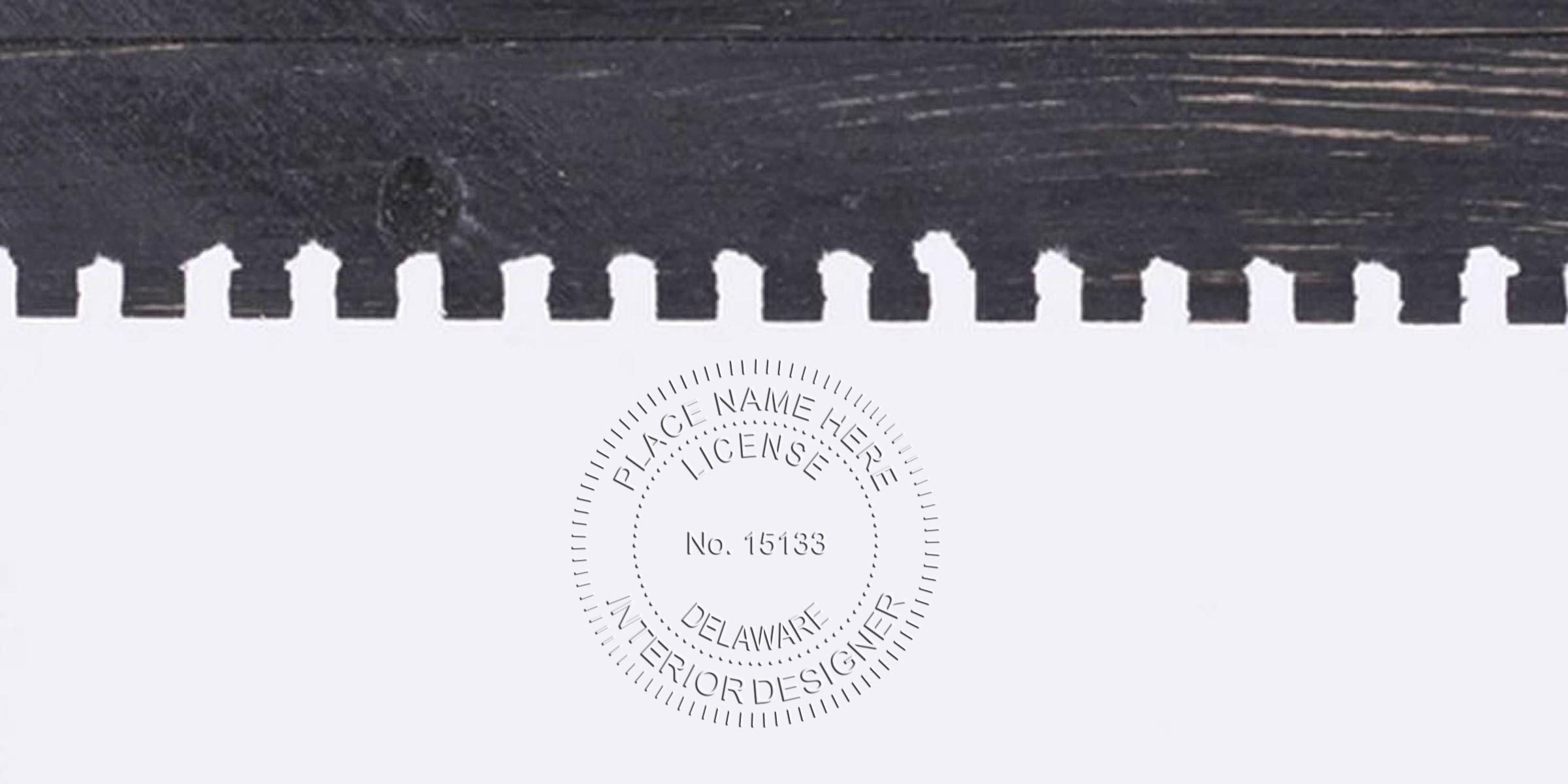
Are you looking to transform your passion for interior design into a fully recognized professional practice within the state of Delaware? If so, navigating the interior designer stamp application delaware process can seem like a big project, especially if you’re new to the state’s specific guidelines. But don’t worry, you’re in the right place. In this guide, we’ll delve into why Delaware requires official interior designer stamps, how you can apply for one, and which suppliers you can trust to get everything done on time. Together, we’ll make it all feel more like a friendly chat than a stuffy procedural chore.
Explore Delaware Requirements
Before really diving in, it helps to know exactly why Delaware places so much emphasis on professional stamps or seals for interior designers. After all, you might be asking, “Aren’t my certifications, portfolio, or business license enough?” Generally, in Delaware, official documentation ensures that you meet the established educational and professional standards. A stamp simply offers visible proof that you have satisfied the necessary qualifications to provide interior design services in the state.
Because official guidelines can change, you’ll want the most up-to-date info on everything from educational credentials to continuing education units. You might be required to prove your experience, show completion of a National Council for Interior Design Qualification (NCIDQ) exam, or verify your educational background. In some cases, you could also need to maintain and renew your documentation every few years.
If you want to confirm specific design guidelines for your stamp’s format or the required text around the edges, you can get a quick overview by visiting Delaware Interior Designer Stamp Requirements. That page will help you ensure your seal matches all state regulations. Once you’ve sorted out these essentials, you’ll feel more confident moving forward with your application.
Recognize the Value of Stamps
Interior design is more than just aesthetics or color palettes. Many projects you’ll tackle can significantly impact safety and structural integrity, such as choosing the right furnishings for accessibility or ensuring ergonomic designs in commercial spaces. That’s where your state-approved stamp carries real weight. It signals you’ve undergone rigorous vetting and are authorized to produce and approve design documents that meet local codes.
Think of your stamp or seal like your personal signature multiplied by ten. It tells potential clients, building departments, and any inspectors that you’re not randomly dabbling in design. Rather, you’ve been recognized by a higher authority for your skill and competence. This vote of confidence? It often leads to smoother plan reviews, fewer red flags in permit offices, and a stronger reputation that contributes to your professional growth.
Beyond that, the stamp also becomes a protective layer for you. When you sign and seal your work, you’re stating it meets Delaware’s standards. Keeping your project documentation clearly marked helps if a question arises in the future about design decisions or code adherence. That official seal can head off misunderstandings because it demonstrates that you took all the correct procedural steps.
Complete the Application Steps
To officially secure your stamp or seal, you’ll need to complete several tasks and gather specific paperwork, all of which combine to form your official application. Let’s walk through these steps so you know exactly what to expect.
Step 1: Check Your Credentials
Start by pulling together your educational transcripts, professional references, and proof of passing any required exams. Delaware often requires that you hold specific educational degrees in interior design or a related field. Have those documents at the ready so you can confirm you meet the baseline qualifications. This part can feel like a scavenger hunt, but it’s worth doing thoroughly to avoid any application delays.
Step 2: Fill Out Official Forms
Next up, you’ll usually find an online or paper-based form from a Delaware state board overseeing interior designers or professional regulations. Take your time to fill every field accurately. Double-check that your name, address, and contact information match whatever is on your other credentials. Inconsistent or incomplete details might slow down the entire interior designer stamp application delaware procedure, so give it some good attention.
Step 3: Acquire Your Stamp
At this point, you may receive preliminary approval (or at least a heads-up that you’re on the right track). This is when you order your official Delaware interior designer stamp or seal, according to the requirements you already researched. Don’t forget that it should feature your name, your license number (if assigned), and any specific language Delaware requires. You’ll need to verify that the layout meets the state’s guidelines so you can confidently submit it for final acceptance.
Step 4: Final Submission
Once you have all forms filled out and your stamp design ready, it’s time to finalize the application. Typically, you’ll submit payment for processing fees, proof of your identity, and any final supporting documents. Keep copies of everything—digital and paper—because you never know when you might need to prove you submitted on a certain date or confirm certain details. After submission, the review period can vary: some applicants hear back in a few weeks, while others might wait a couple of months, depending on the volume of requests and complexity.
Find the Right Supplier
Getting an official stamp that truly meets Delaware’s regulatory requirements is straightforward if you know where to look. One trusted supplier is Acorn Sales, a company that has been making stamps and seals for over 60 years. In addition to their seasoned expertise, they typically include a free digital seal with every physical stamp purchase, giving you both a traditional seal for paper submissions and an easy way to sign off on electronic documents.
When browsing for your stamp, confirm the supplier can incorporate details like the correct shape, border, and wording that Delaware mandates. Not all suppliers are well-versed in each state’s specific nuances, so working with a company that has real experience will save time and frustration. Plus, a well-made stamp stands the test of time, so you won’t have to reorder frequently or worry about faint impressions that fail to meet official standards.
It’s also worth considering what kind of handle or design works best for your day-to-day tasks. Some interior designers swear by pre-inked stamps because they’re easy to carry around. Others prefer the crisp clarity of an embosser that leaves a raised imprint. Whichever route you choose, ensure your chosen tool leaves a clear, professional mark that you can use for countless designs and plan approvals.
Maximize Your Credentials
Securing your interior designer stamp is a huge step, but it’s only part of the story. Once approved, you’ll want to leverage your new credentials to build both your client base and your industry reputation in Delaware. Here are a few strategies to help you make the most of that shiny new seal:
- Promote Your License: Mention your license status or official seal on your website, portfolio, and social media. When potential clients see that you’re recognized by Delaware, they immediately know you’re not an amateur.
- Keep Learning: Requirements can evolve. Stay in touch with any continuing education obligations, and consider additional certifications. You’ll not only meet the basics, but you’ll also expand your expertise in specialized areas of interior design.
- Network Within the State: Attend local business mixers, trade shows, or events for professional interior designers. Networking can help keep you in the loop on changes to regulations, design trends, and potential job leads.
- Offer Pro Bono Work: Doing a small community or nonprofit project can generate positive buzz around your name. When people see your official stamp on local projects, they might reach out for potential collaborations or hiring.
Above all, be sure to keep your stamp usage organized. Even though the seal proves your official status, it must be used judiciously—on documents and plans that you’re truly responsible for. By staying consistent and professional, your reputation will continue blossoming in Delaware’s design community.
They can be. You may need to complete periodic continuing education courses or re-apply if your license lapses. Rules are updated periodically, so it’s wise to mark your calendar for renewal deadlines and check the board’s latest announcements.
Summing It All Up
Applying for your Delaware interior designer stamp shouldn’t feel like an uphill battle. By confirming the official state requirements, gathering your materials, and choosing a trusted supplier like Acorn Sales, you’ll streamline the entire process. In return, you’ll gain a credential that not only enhances your professional standing but also reassures clients and regulatory offices that you’re a go-to resource for top-notch design solutions.
If you’ve been holding off on taking that next step, now’s the time to move forward. Submit your application, secure your official stamp, and watch as new doors open in your career. And if you have any unique challenges or success stories along the way, feel free to share with fellow designers. Who knows, your insights might make someone else’s journey smoother!
No matter where you are in your interior design career, securing your stamp in Delaware is a clear sign of your professionalism and dedication. So gather those documents, complete the forms, and get ready to seal your designs with confidence. Here’s to making your mark in every way possible!
Frequently Asked Questions
How Long Does It Take for Approval?
Approval times vary but typically range from four weeks to a couple of months. Much depends on how complete your application is and the volume of requests the board is handling. A proactive approach—where you have all your documents in order—usually speeds things up.
Do I Need An Embosser or Ink Stamp?
Both options are often permitted, but check if Delaware requires a specific format. Ink stamps are convenient and straightforward, while embossers raise the paper surface for a tactile impression. Many designers opt for one of each, especially if they handle both digital and paper-based projects.
Can I Use My Stamp for Every Project?
Yes, as long as it’s a project you’re licensed to oversee. Avoid stamping papers for projects outside your expertise or beyond the scope of your interior design license. Misuse of the stamp can lead to disciplinary actions or fines.
Where Can I Order a Compliant Seal?
If you want something that meets state specs and arrives promptly, you can rely on Acorn Sales. They have specialized knowledge about Delaware’s design seal rules, been in business for 60+ years, and they give you a free digital version that’s handy for e-submissions.








