
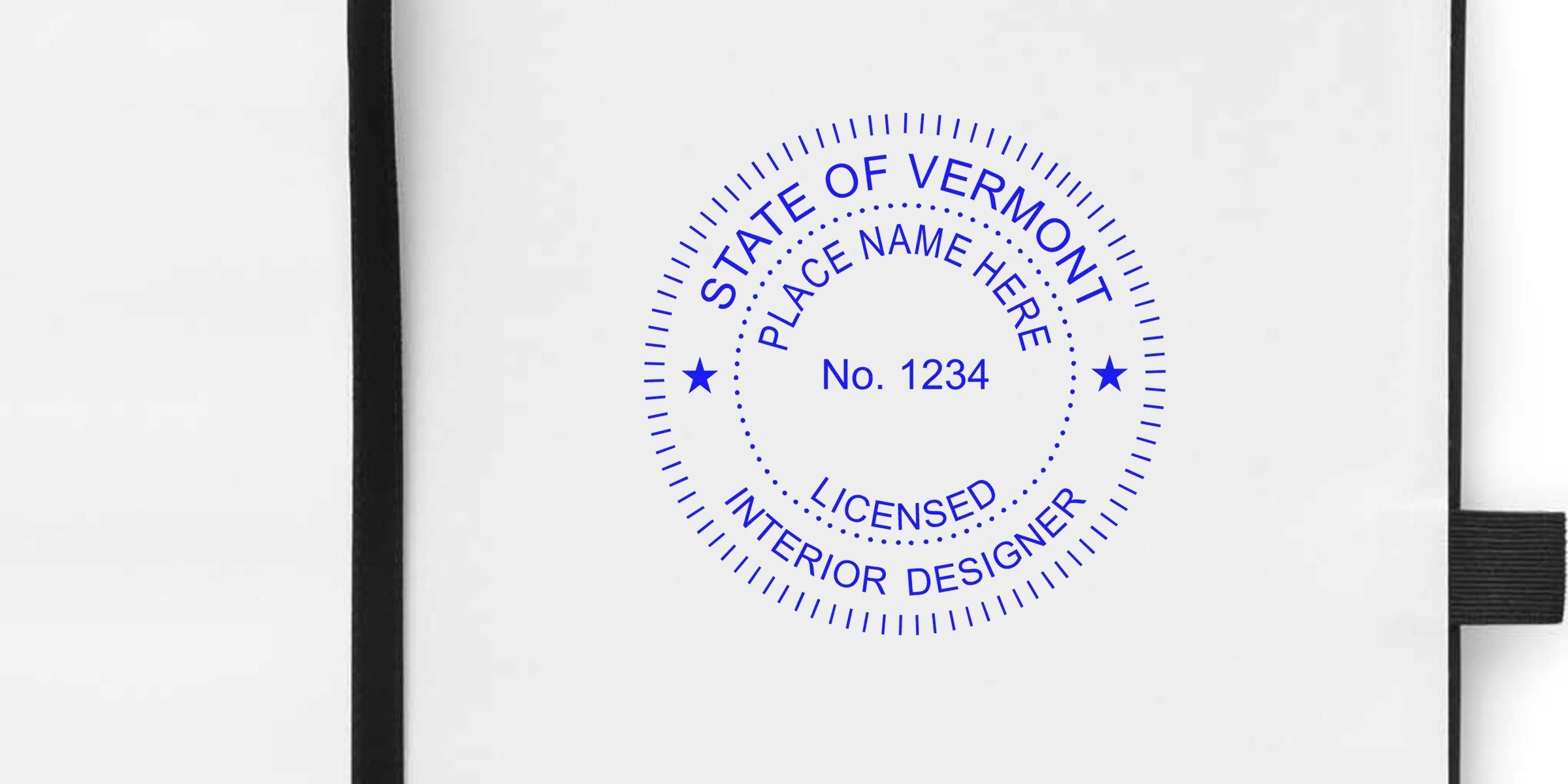
If you’re eager to break into interior design in Vermont, you’ve likely heard about the vermont interior designer stamp application process. It’s a key step toward formal recognition of your credentials and expertise. But if the thought of gathering paperwork, researching requirements, and figuring out the right stamp design has your head spinning, take a deep breath. You’re in the right place. In this post, you’ll learn exactly what to expect when you apply for your stamp, how to meet state guidelines, and where to find a trusted supplier. By the end, you’ll have a clear plan to help you move forward with confidence.
Below, I’ll walk you through the essentials, from educational prerequisites to the must-have elements of a Vermont Interior Designer Stamp. I’ll also show you how Acorn Sales, a maker of top-quality stamps for over 60 years, can help you get a professionally designed seal without the hassle. Let’s dive in.
Understand the Purpose
Before we get into the finer details, let’s talk about why you need this official stamp in the first place. The role of an interior designer often involves drafting plans, selecting materials, and guiding clients on structural changes that may need regulatory approval. While each state has its own set of rules, Vermont has very specific guidelines to ensure safety, quality, and consistency in every design project.
When you hold a Vermont Interior Designer Stamp, you’re letting everyone—clients, contractors, and local authorities—know that your plans meet the standards set by the state. It’s like a formal handshake that says, “I’ve got the right background, the right know-how, and the official green light to design professional interior spaces.” Having a stamp verifies your status and can speed up the review and approval of your project submissions.
What the Stamp Signifies
- Your professional credibility under Vermont regulations
- Compliance with local building and safety codes
- Assurance for clients and contractors that your designs are state-recognized
In short, the stamp is more than just a fancy emblem. It’s a tool that underscores your qualifications and helps establish trust in your services right from the start.
Meet the Requirements
Next up is making sure you meet the state’s prerequisites. Vermont has specific guidelines for interior designers looking to obtain official recognition and their own professional seal. These guidelines typically cover education, work experience, and any additional training that aligns with the standards placed on practicing decorators and designers.
One of the most helpful places to begin is by reviewing official resources, such as vermont interior designer stamp requirements. This reference outlines everything you need to check off your list before submitting an application. Think of it as your roadmap: it ensures you’re going in the right direction without missing crucial steps.
In general, you can expect the requirements to include:
- Successful completion of an accredited interior design program or equivalent educational background.
- A minimum number of supervised work hours or documented professional experience.
- Any state-specific exams or additional skill verifications, if applicable.
Remember that staying up to date is essential because guidelines can evolve. Keeping tabs on official state bulletins or design board announcements will help you stay aligned with the latest requirements.
Start Your Application
If you meet or are close to meeting the requirements, it’s time to dig into the vermont interior designer stamp application process itself. Depending on how comfortable you are with detailed forms and official paperwork, it may be surprisingly straightforward or a bit time-consuming. Here’s how to keep it efficient:
-
Gather Personal Documentation
Make a quick checklist of everything you’ll need. You’ll typically submit proof of graduation from an accredited program, a resume that outlines your work experience, and any relevant certificates. Having these documents neatly organized will accelerate filing. -
Fill Out the Official Application
Most regulatory boards offer either an online or paper version of the application. If you’re working online, double-check each field before hitting “submit.” If it’s a paper form, consider making a copy of the blank document in case you make mistakes on your first try. -
Submit Payment and Fees
You’ll likely need to pay an application fee. Estimate how much you’ll need in advance so that you’re not caught off guard. Some boards allow payment by credit card, while others require a check or money order. -
Mark Your Calendar for Approval
Processing times vary, so don’t be surprised if you don’t hear back immediately. Keep track of the submission date and consider following up politely after a few weeks if you haven’t received any updates.
In many cases, you’ll be asked to provide a design portfolio or examples of work that emphasize your interior design competencies. The goal is to show you can handle the responsibilities that come with a professional stamp. Focus on presenting clear, properly labeled drawings, plans, or photos from completed projects. Each piece should highlight your best work, whether it’s a breathtaking residential makeover or a thoughtfully planned commercial space.
Design Your Official Stamp
Once you’ve successfully passed the application portion, you’ll move on to the design of your official seal. This seal will become a unique representation of your professional standing, so you want to do it right. Vermont’s regulatory board may have specific guidelines on the shape, size, border, and text that must appear on your stamp. Common elements include your name, license number (if applicable), and words like “Licensed Interior Designer” or “Interior Designer, State of Vermont.”
Below are a few tips to guide you:
What to Include
- Your full legal name as it appears on your license or official records
- Any required identification number, such as a license number
- State-specific wording (e.g., “Interior Designer,” “State of Vermont”)
Preferred Formats
- Round or rectangular are the most common shapes
- A diameter or dimension that meets state guidelines (often 1.5 to 2 inches)
- Fonts that are easy to read, with lettering large enough for clarity
Make sure you follow your board’s instructions exactly. Even small deviations from the recommended format could cause delays in your approval. If you’re ever unsure, double-check online resources or contact the board directly. A quick email or phone call can spare you a redesign later on.
Know the Approval Timeline
After you’ve designed your seal and submitted any final materials, there’s usually one remaining step: the official review and approval of your stamp. The board or regulatory authority will verify that your seal meets each guideline. If it does, you’ll get the green light to start using it on your plans, drawings, or related documentation.
Although it might feel like a waiting game, try to see this pause as a chance to prep for your future workload. Maybe you can fine-tune your portfolio, set up a digital filing system for your completed stamp, or network with potential clients so that once approval arrives, you can hit the ground running.
Partner With Acorn Sales
Choosing the right supplier for your Vermont Interior Designer Stamp and seal is just as important as following state rules. You want a company you can trust to produce a clear, durable stamp that meets every regulation. That’s where Acorn Sales steps in. We’ve been crafting stamps and seals for professionals for over 60 years, always focusing on reliability and customer satisfaction.
Our Legacy of Quality
We’re proud that interior designers, architects, notaries, and a wide range of other professionals come to us for their official stamps. Our experience ensures we can create a seal that’s fully compliant with Vermont’s guidelines. If you’re new to this, we’ll help you verify the right dimensions, check for the correct wording, and confirm any unique features your board requires.
Free Electronic Seal
Beyond a physical stamp, we also provide a complimentary electronic seal when you order through us. With more design work happening digitally, having an electronic version is a game-changer. You can quickly add your seal to PDFs or any digital plans you send out, giving your clients and review boards instant confirmation of your credentials. It’s convenient, fast, and perfect if you’re working remotely or handling multiple projects at once.
Seal of Approval
After all the effort you’ve put in—completing education requirements, gathering documents, organizing your portfolio, and finalizing your stamp design—it’s incredibly rewarding to finally place your new seal on a design project. That seal signals that you’ve met Vermont’s interior design standard of excellence and that you take your professional responsibilities seriously.
Using your stamp in a consistent and ethical way also helps strengthen the reputation of the interior design industry as a whole. You’re contributing to a system that sets rigorous benchmarks for safety and quality. When people see your official seal, they know they’re dealing with a designer who meets or exceeds state-backed criteria. That’s a confidence boost not just for you, but for your entire client base.
Refund policies vary. Most state boards do not refund application fees because of the administrative work involved in reviewing materials. If your application is denied, you might be able to resubmit after addressing the reasons for denial, such as incomplete details or insufficient experience.
Final Thoughts
Securing your Vermont Interior Designer Stamp is a concrete step that recognizes your professional achievements and ensures you’re working under the highest standards. From meeting educational requirements to acing the vermont interior designer stamp application process, each phase shapes you into a designer who can confidently serve clients across the state.
When you’re ready to take the final step, Acorn Sales has you covered. Our decades of experience, commitment to compliance, and free electronic seal option can make this journey far smoother. Once you have that official seal in hand (and on your digital files), you’ll be ready to showcase your expertise and stand out in Vermont’s design community.
If you have further questions or concerns, feel free to reach out. We’ll help you find the right stamp, finalize the details, and make the entire process as simple as possible. You’ve come this far—let’s get you that seal so you can show off your professional skills and create wonderful spaces all across the Green Mountain State.
Frequently Asked Questions
How Long Does the Application Process Usually Take?
Vermont’s approval timeline can range from a few weeks to a couple of months. The exact timeframe depends on factors like the completeness of your application, the volume of requests the board is processing, and whether any documents need clarification. Submitting organized paperwork is the best way to avoid delays.
Can I Use a Self-Designed Stamp?
It’s generally acceptable to design your own stamp, as long as you incorporate all mandatory elements. However, regulatory boards tend to reject stamps that deviate from official guidelines. To avoid guesswork, it’s often simpler and more reliable to work with a specialized supplier like Acorn Sales.
What Happens if I Change My Name or Move?
If you change your name, you may need to update your seal so it reflects your legal name accurately. You might also need to file a formal change with the state board. If you move out of Vermont but wish to continue working on Vermont-based projects, keep in mind that you must still uphold Vermont’s licensure standards and the validity of your stamp or seal.
Do I Need a Physical Stamp if I Already Have an E-Seal?
While electronic seals are increasingly common for digital submissions, some clients or agencies still request a physical impression for printed documents. It never hurts to have both. A physical stamp can come in handy during in-person meetings or when dealing with jurisdictions that require physical-mark verification.








