
Like other states, New Jersey has specific rules and regulations For using engineering seals. It is important that you understand all of these requirements in order to ensure your compliance when using a New Jersey engineering embosser. Here you will find out what you need to know about the engineering seal, and the regulations to which it must conform.
New Jersey Engineering Embosser Requirements
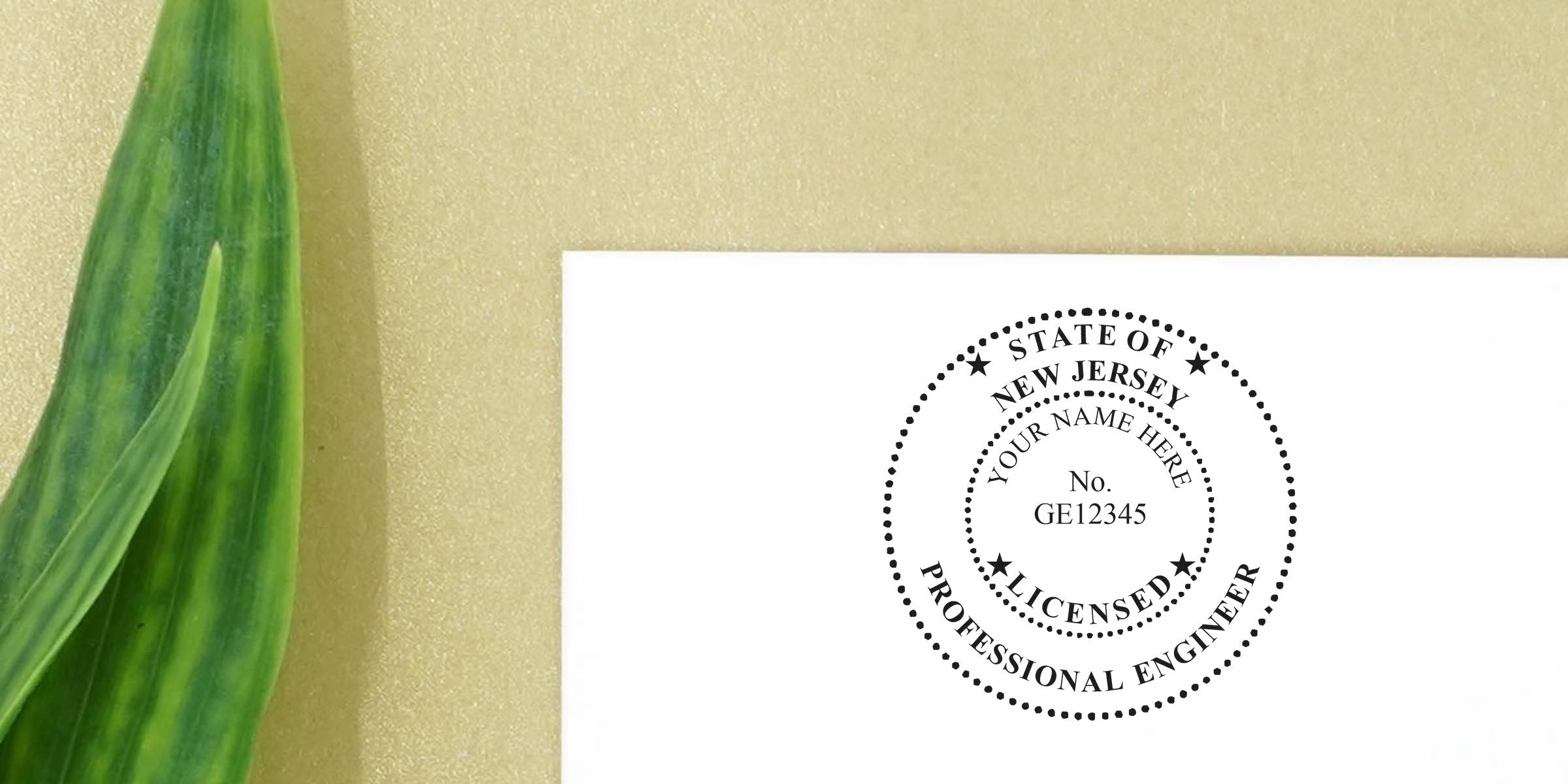
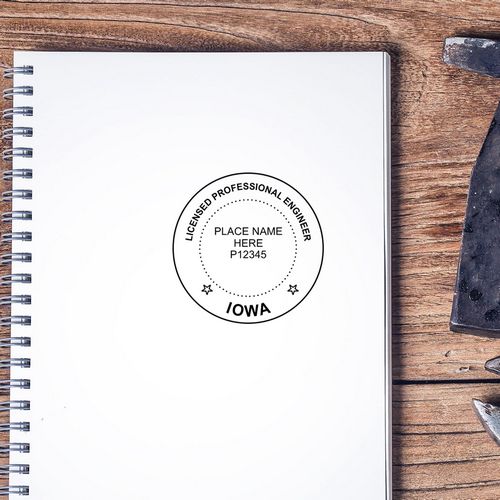
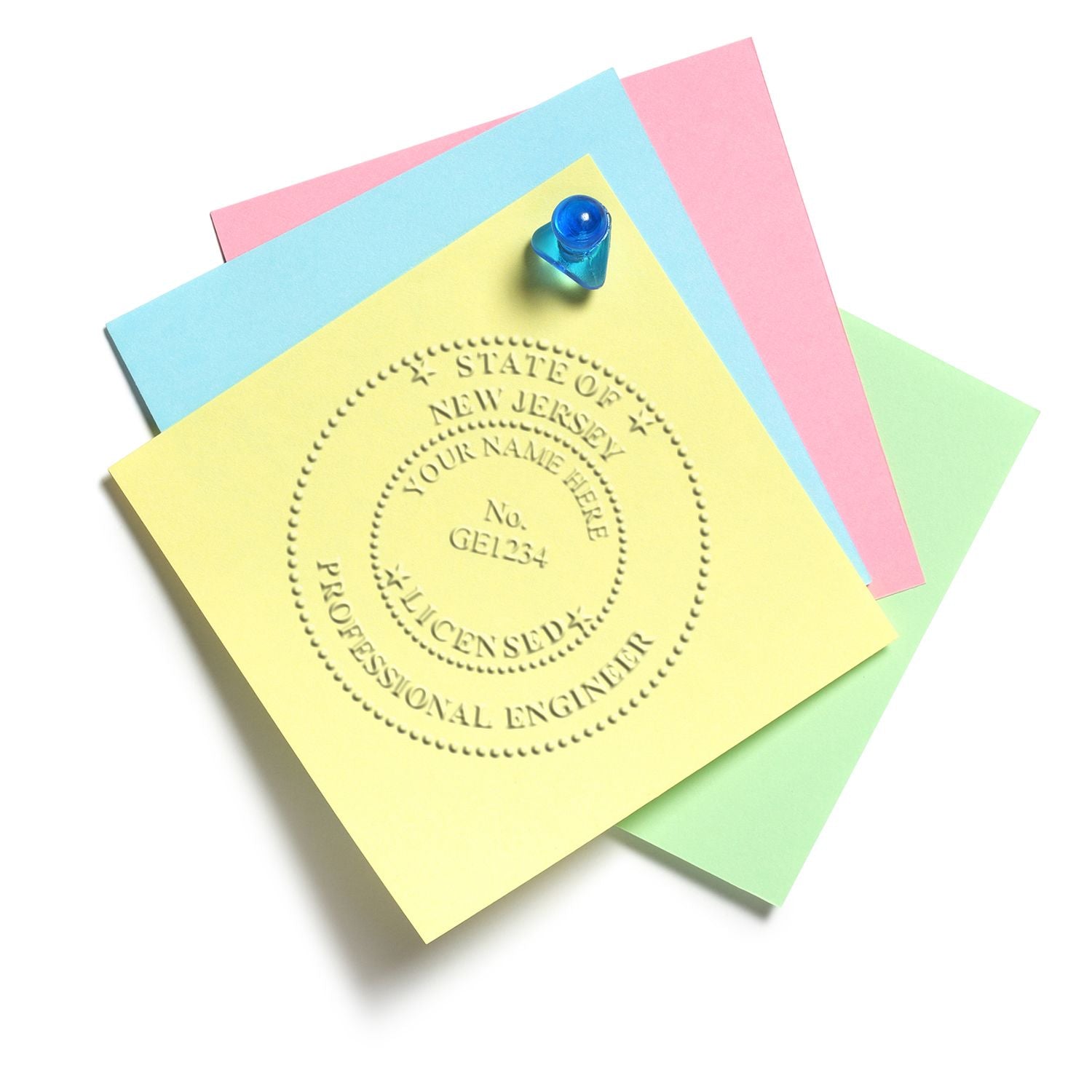
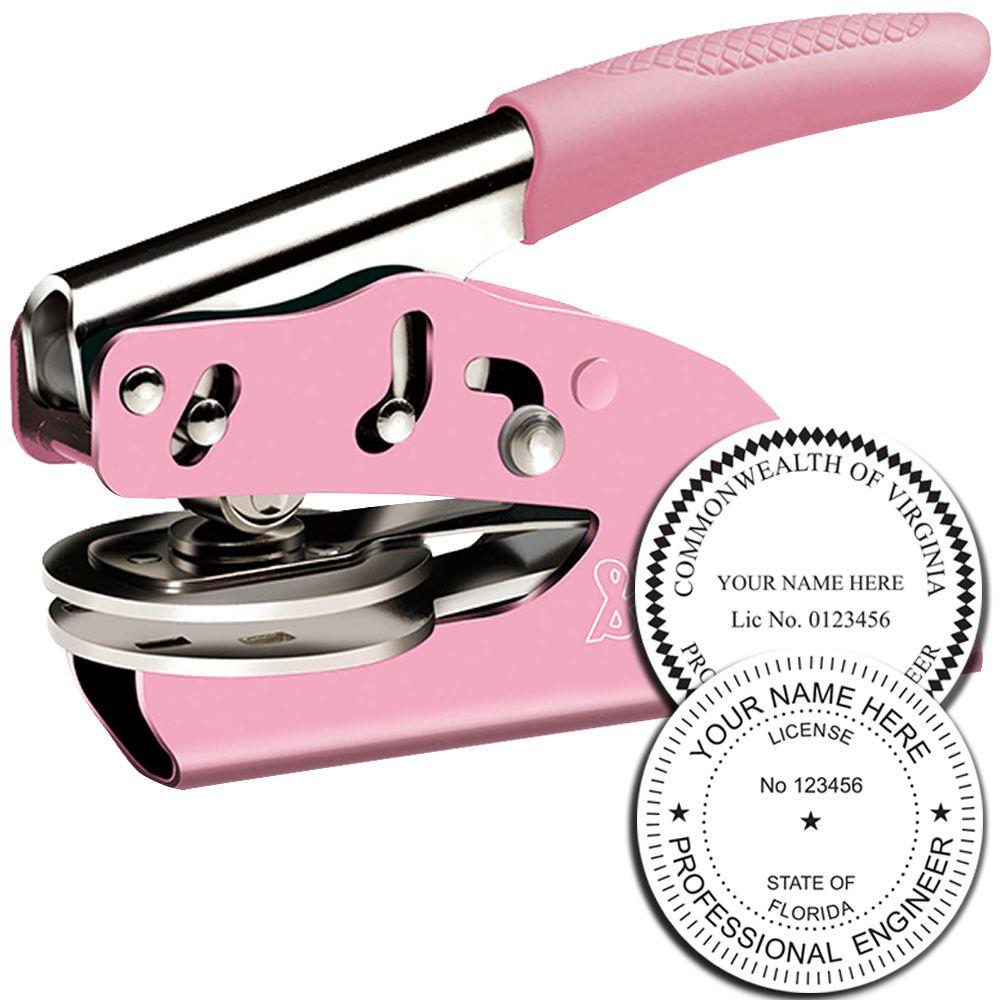
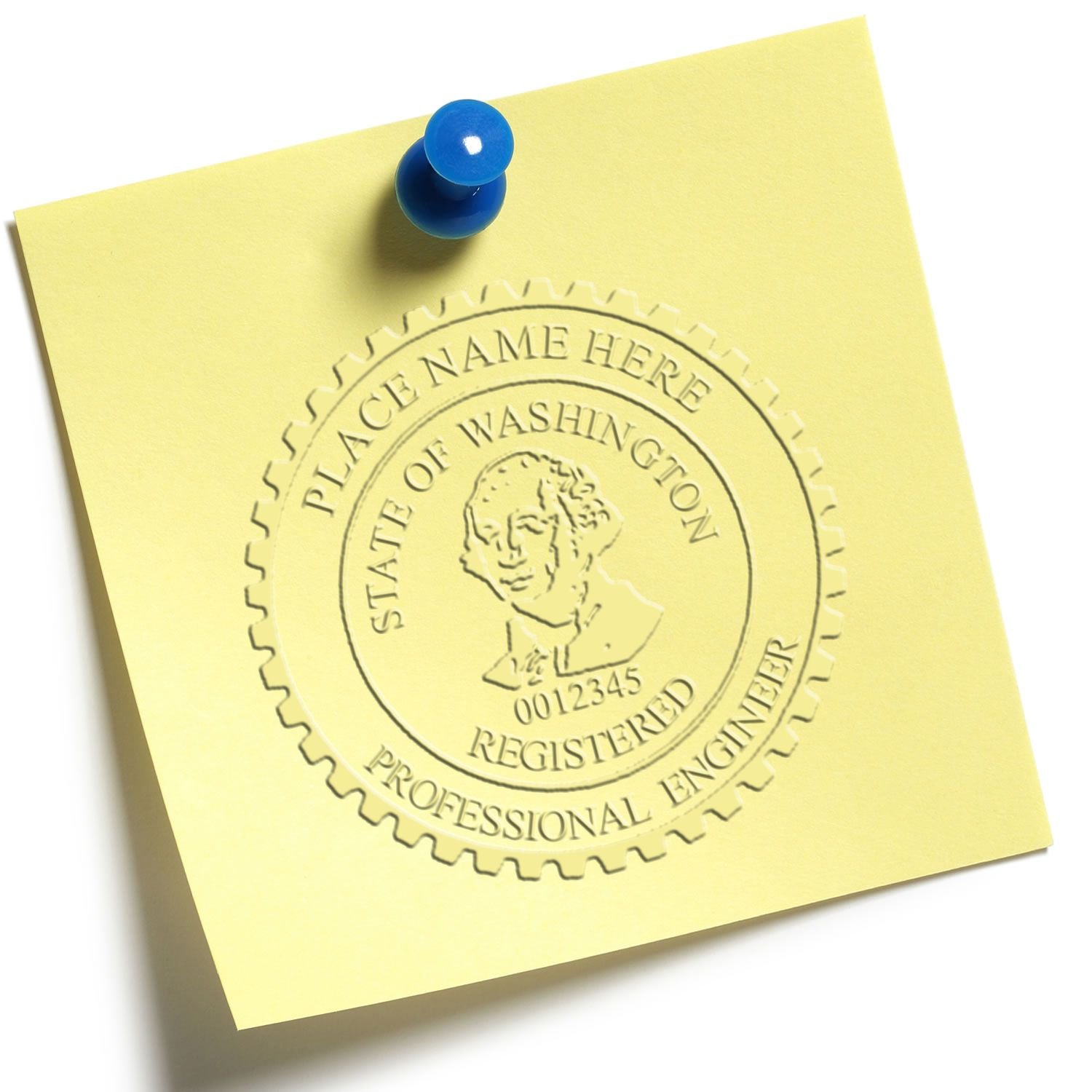
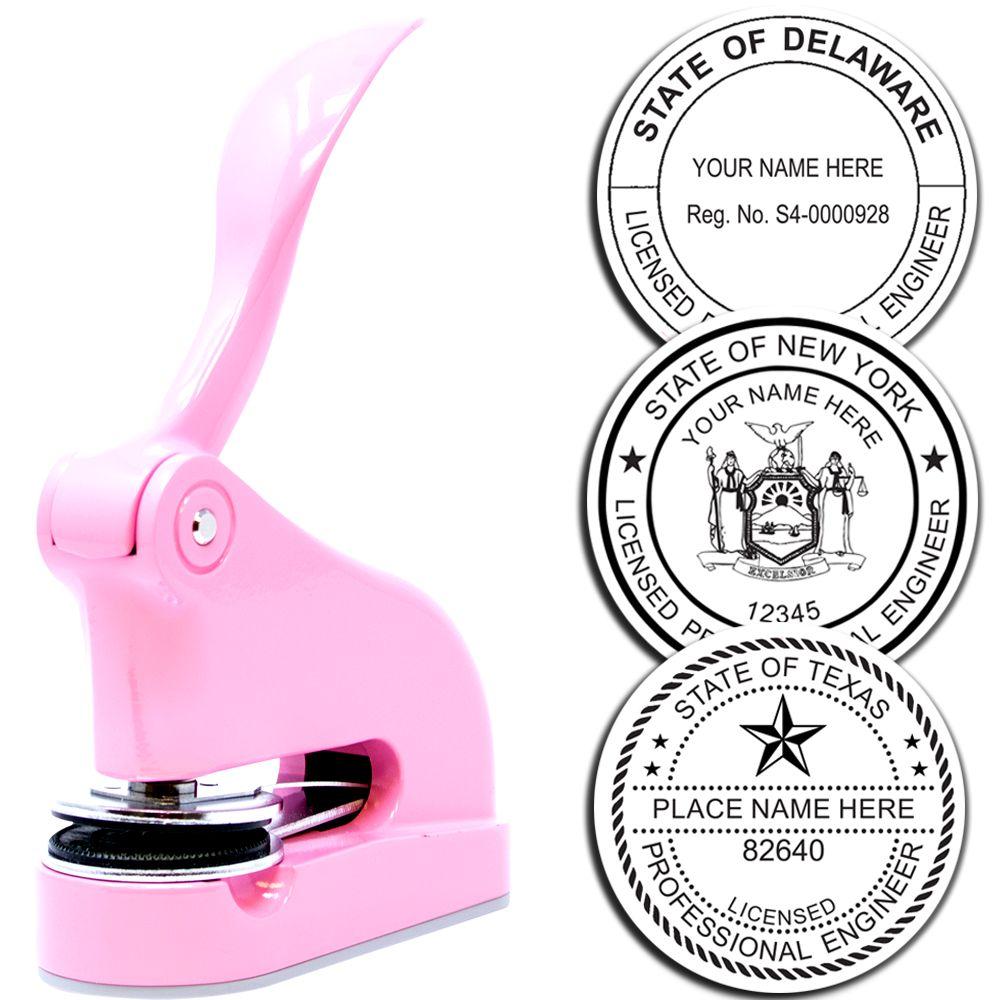
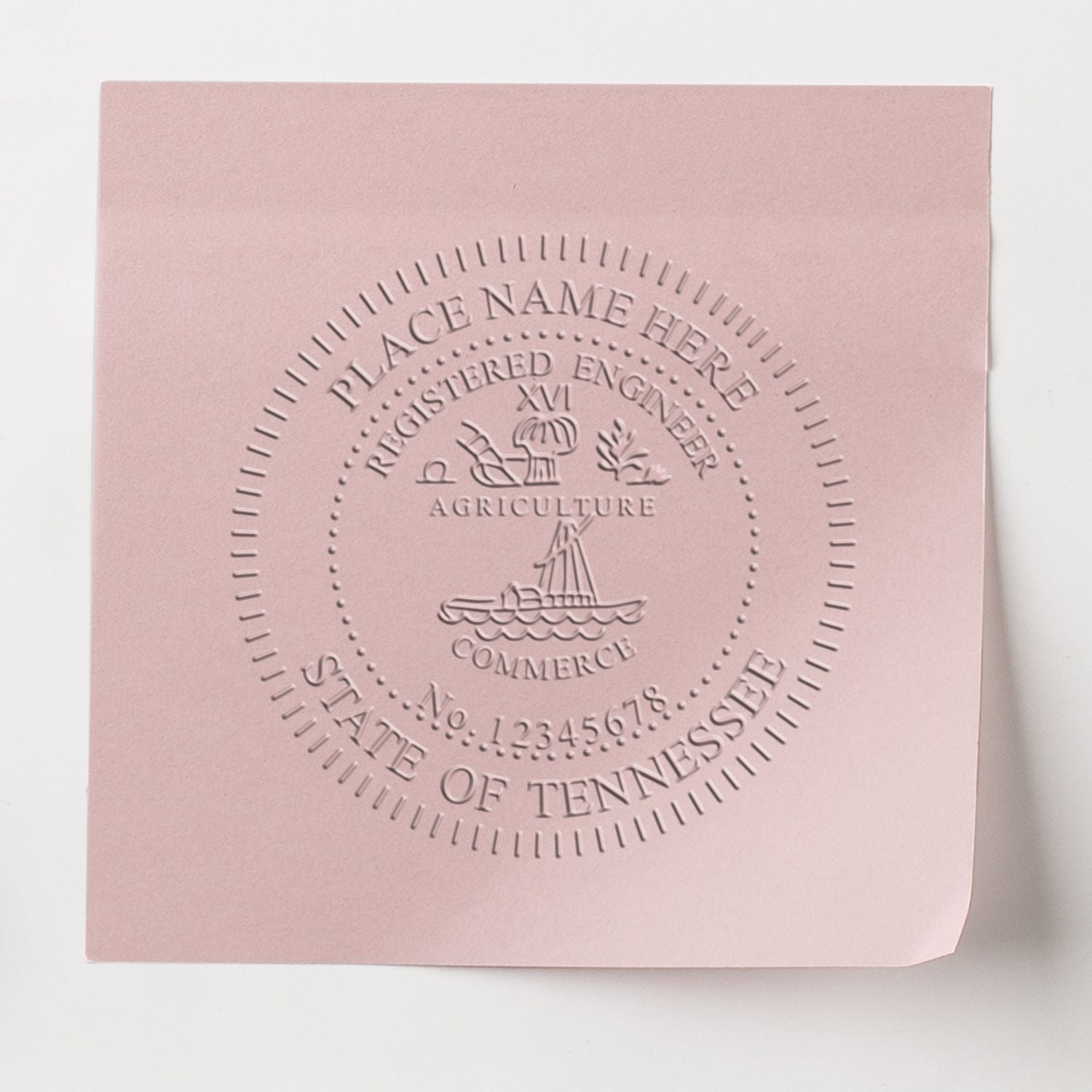
Each seal used in New Jersey must be 1 ½” in diameter. The seal is made up of two concentric circles, with a larger outer one around a smaller inner one. Between these two circles are the words “State of New Jersey” at the top, along with “Professional Engineer” along the bottom. Inside the small inner circle, the engineer’s name is at the top with the word “licensed” along the bottom. In the center of these words, the license number must be in two straight lines, with or without a prefix. It is acceptable for New Jersey engineering embosser seals to be used


Using New Jersey Engineering Seals
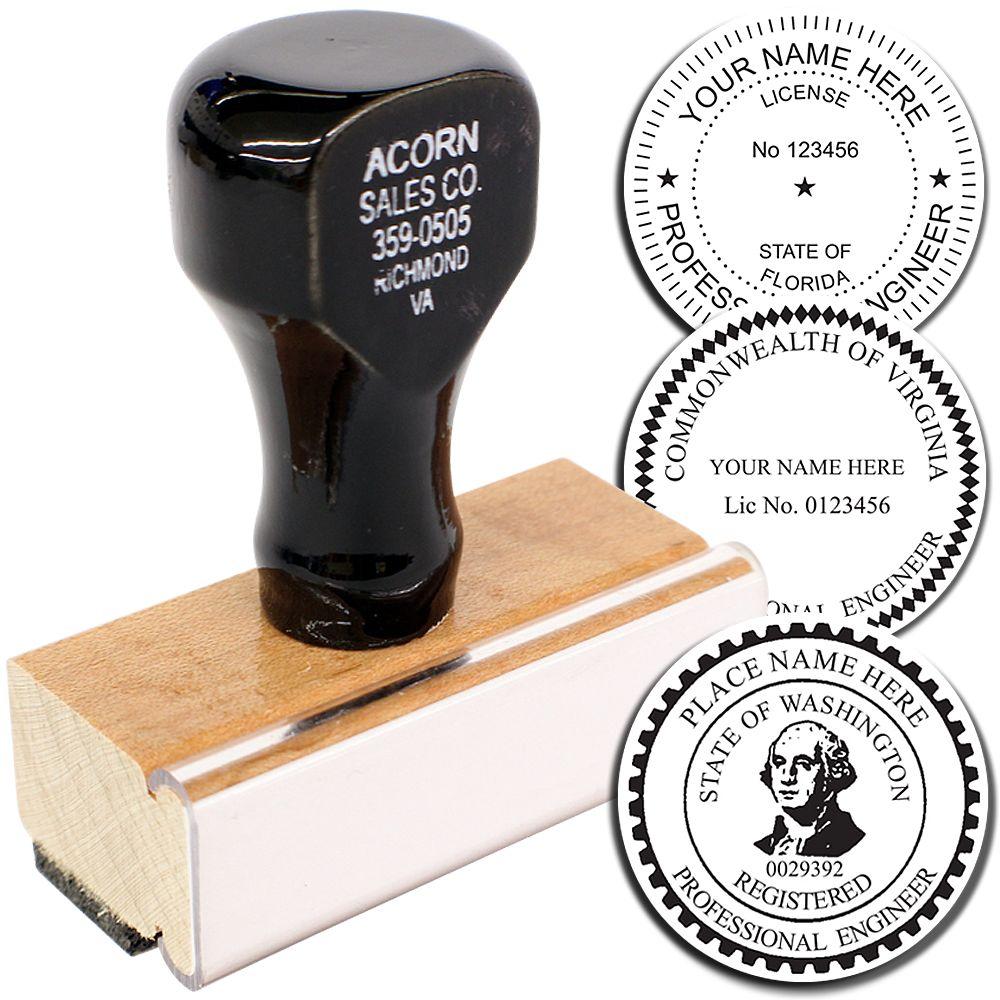
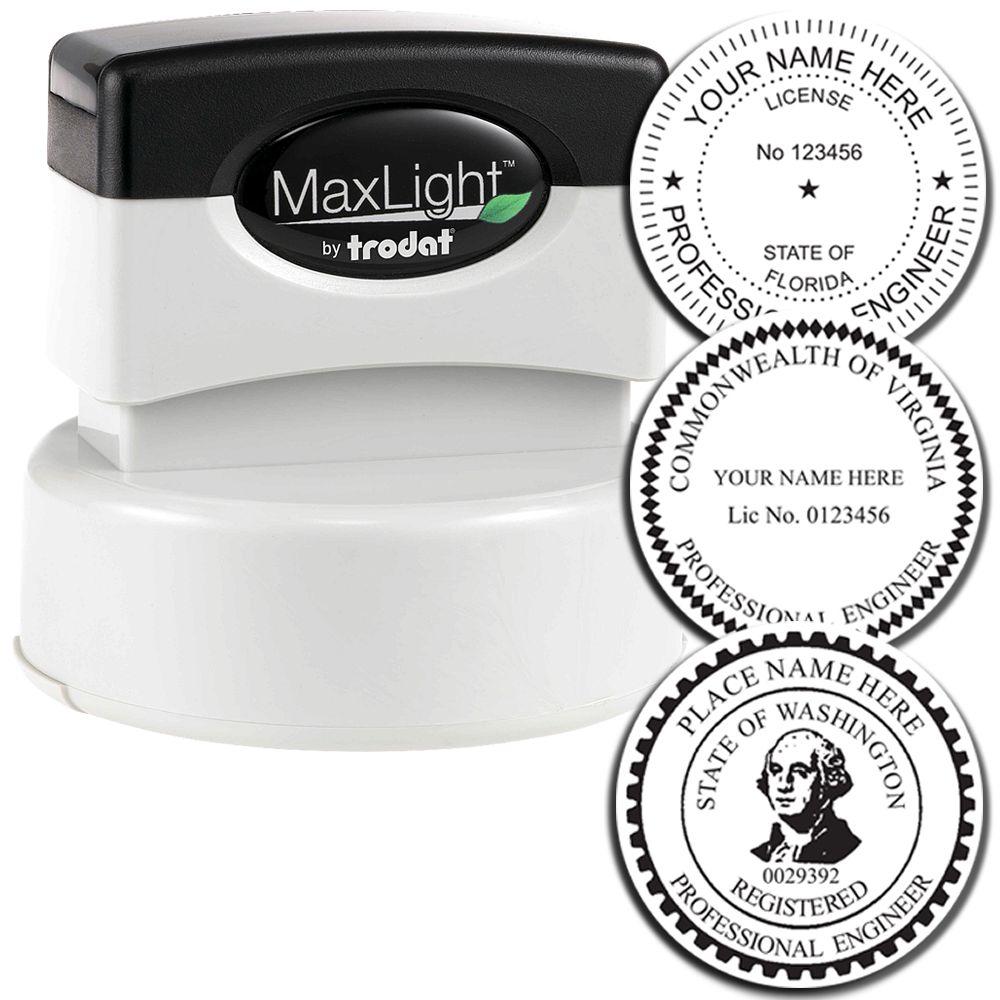
There are also usage requirements in place for the proper application of the engineering seal. Unlike many other states, New Jersey does not allow the use of digital reproductions or rubber stamp style seals. All seals must be affixed using a New Jersey engineering embosser. This seal is required on all reports, plans, descriptions, plats, maps, certifications, and drawings for building and structure construction. The seal is also required on all documents that require an engineer’s input or calculations. Use of the seal is only permitted on documents on which the
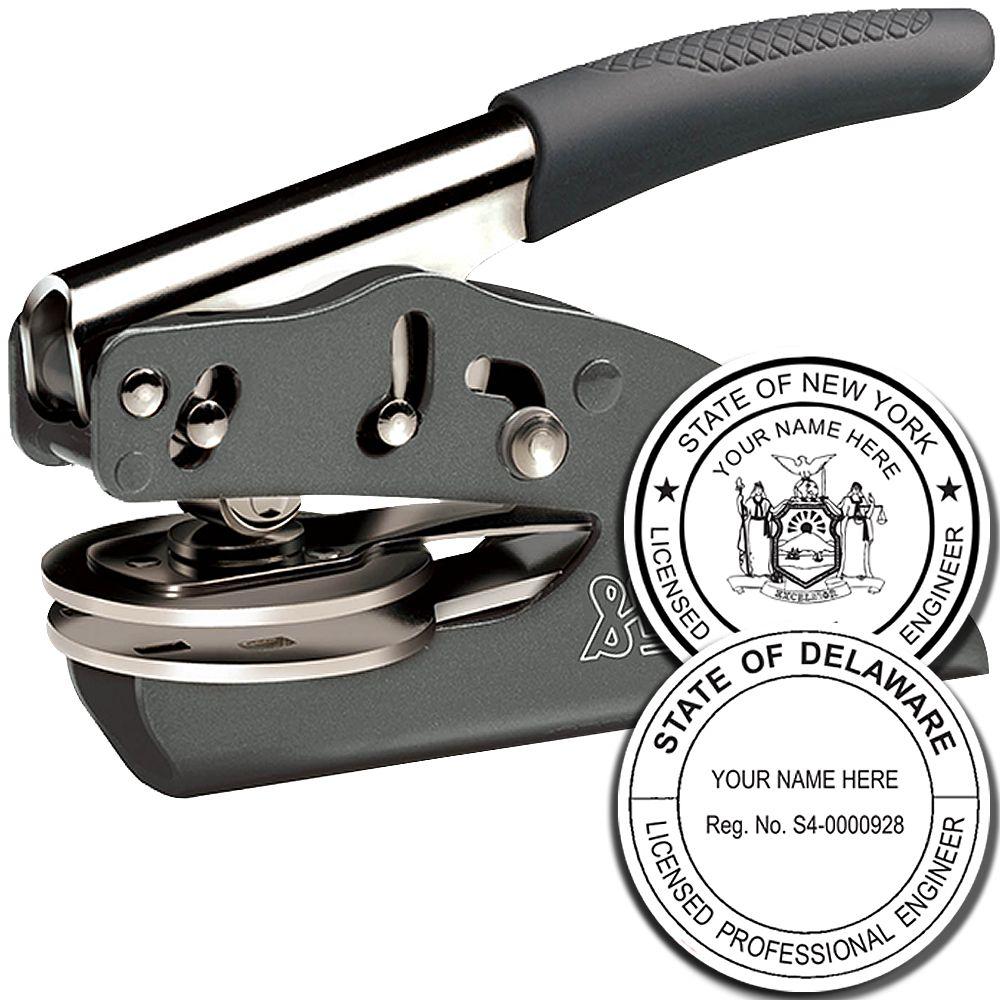


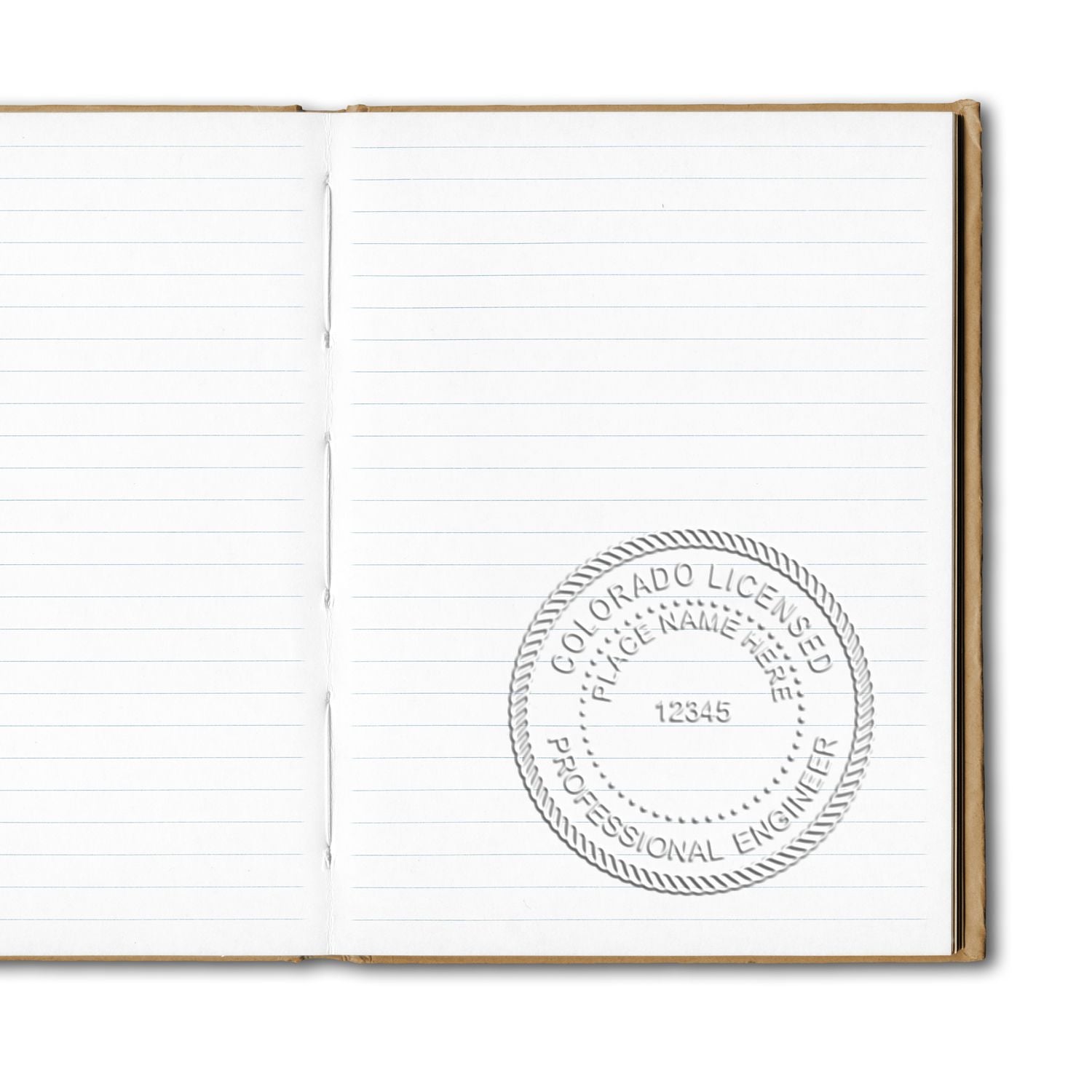
Engineers are not permitted to use a seal if they did not oversee the work, or did not directly have anything to do with the creation of the document. Using a New Jersey engineering embosser denotes that the person affixing it has made certain that all calculations and information meet the requirements and codes for the project. The engineering seal, along with a signature, must be included on each page of any document requiring it.
Due to the strict requirements in New Jersey, it is important that licensed engineers are familiar with and understand the requirements of using the appropriate seals. Failing to use only a New Jersey engineering embosser, rather than a rubber reproduction or a digital facsimile, could result in fines and other ramifications. All newly licensed engineers need to ensure proper compliance by reading Title 13, Chapter 40 of the New Jersey Administrative Code, which will provide all relevant information about both New Jersey engineering embosser seals and title blocks on required documents.

Frequently Asked Questions
What documents require a New Jersey Engineering Embosser?
In New Jersey, a Professional Engineer Seal is required on reports, plans, descriptions, plats, maps, certifications, and drawings related to building or structure construction, as well as any documents that include engineering calculations or professional input. If you are stamping a document, make sure it is one you personally worked on and are authorized to certify.
Can I use a digital seal or rubber stamp instead of a New Jersey Engineering Embosser?
No. New Jersey does not allow digital reproductions or rubber stamp-style seals for engineering documents. The state requires a physical New Jersey Engineering Embosser for compliant certification on applicable documents.
What does a compliant New Jersey Professional Engineer Seal look like?
A compliant seal must be 1 ½ inches in diameter and include two concentric circles. The outer ring should read “State of New Jersey” at the top and “Professional Engineer” at the bottom. The inner circle must show the engineer’s name, the word “licensed,” and the license number in the center. If you also hold a land surveyor license, the seal should include “& Land Surveyor.”
Where should I place my NJ Professional Engineer Seal on project documents?
The seal should be applied on each page of any document that requires it, along with your signature. It should be placed clearly and legibly so the certification is easy to identify and can stand up to review or inspection.
Can I use my New Jersey Engineering Embosser on work I did not personally oversee?
No. You should only use your seal on documents you directly worked on or supervised. If multiple parties contributed to a document, your seal should only certify the portion you were responsible for, with an explanation of your role included when necessary.
What happens if I use the wrong type of engineering seal in New Jersey?
Using a rubber stamp, digital facsimile, or otherwise noncompliant seal can lead to fines and other legal or professional consequences. To stay compliant, engineers should follow Title 13, Chapter 40 of the New Jersey Administrative Code and ensure their New Jersey Engineering Embosser meets all state requirements.








