
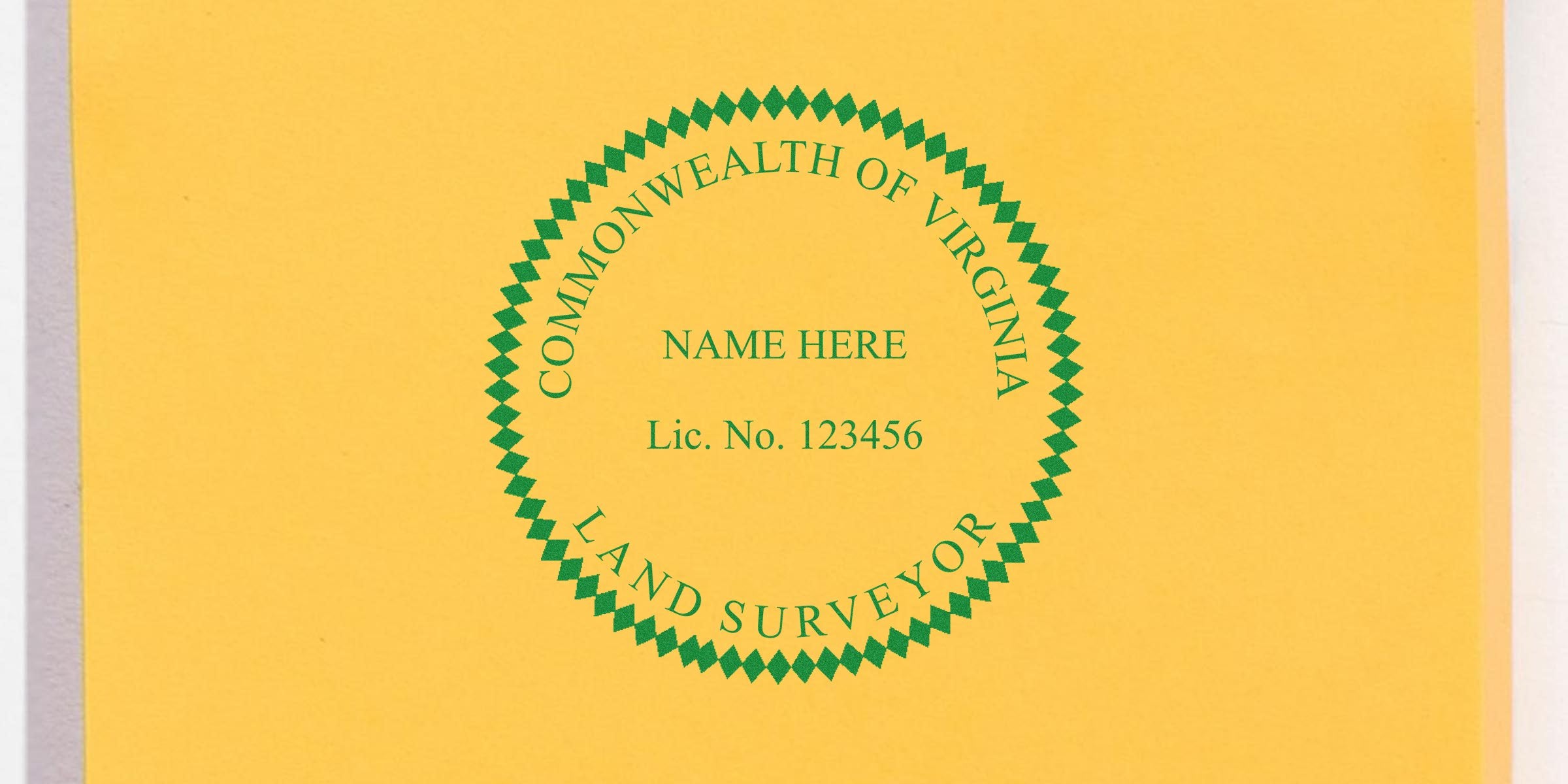
If you’re searching for straightforward Virginia land surveyor seal guidelines, you’ve come to the right place. Whether you’re a seasoned professional or just starting out, having a reliable seal is crucial for validating your work and growing your reputation. In this post, you’ll learn what the seal entails, how to obtain one, and why it’s such an essential piece of your everyday practice. You’ll also find tips for using your seal to protect both your license and your clients. By the end, you’ll feel more confident about your surveyor seal decisions and know exactly where to look for additional help.
Understand Why a Surveyor Seal Matters
Your land surveyor seal is more than a rubber stamp. It’s evidence of your professional qualifications, a clear signal that you meet Virginia’s standards, and a straightforward way to confirm your expertise for clients. You wouldn’t want to hire someone without proof they’re properly credentialed, right? The same logic applies to you as a land surveyor. When clients see an official seal on their documents, they know you’re following legal and ethical guidelines.
Professional integrity is a big deal in this field. Landowners, real estate companies, and local governments rely on your data to make important decisions about properties. These decisions can involve money, zoning, and even health and safety matters like drainage or structural integrity. If your reports aren’t sealed or are sealed incorrectly, you could be unintentionally casting doubt on your skill and trustworthiness.
A properly issued seal also protects you from potential legal or administrative action. If you ever face questions about a project, having official documentation with your seal proves you signed off on the work. Quality checks, accurate measurements, and compliance with state requirements are all part of the package.
Finally, a seal is often a requirement for submitting land surveys. Many jurisdictions won’t even consider your documents unless your seal and signature appear on them. So, it’s safe to say the seal is key to staying in good standing, building trust, and keeping projects moving forward.
Know the Basic Requirements
To develop a smooth system for your land surveys, you need to understand the core requirements set by Virginia’s licensing authorities. While the rules can sometimes feel dry, keeping them in mind helps you steer clear of complications down the road.
First, remember that details matter. The board might require your seal to include your full name, license number, and any other identifying features, such as “Licensed Land Surveyor, Commonwealth of Virginia.” Dimensions also typically must conform to a minimum size so the printed details remain legible on official documents.
You want to keep your seal design consistent with regulations too. Each jurisdiction might differ slightly in its required layout or color usage, but the overall design in Virginia typically follows a standard circular or rectangular pattern. If you want to double-check some of the specifics, take a look at the virginia land surveyor stamp requirements. This reference offers an even closer look at layout expectations and common questions that come up during the ordering process.
Beyond the seal’s look, pay attention to how, when, and where you use it. Some documents must be sealed physically, while others may accept digital imprints. Double-check with the project’s stakeholders to make sure you’re satisfying both Virginia regulations and the client’s needs. Also, never seal anything you haven’t directly supervised or confirmed to be correct. Stamping work that isn’t yours can jeopardize your license and damage your reputation.
Explore The Different Seal Types
Once you’re clear on the basic requirements, your next job is to figure out which seal type suits your workflow best. In most cases, Virginia land surveyors rely on one of these main seal options:
Rubber Stamp Seals
This is a familiar tool you might have seen elsewhere. A rubber stamp seal includes your credentials in a simple ink transfer process. They’re easy to use, affordable, and compatible with a variety of documents. The downside is that you’ll occasionally need ink refills and you’ll always need a clean, flat surface to get a crisp impression.Embossing Seals
An embosser creates a raised seal that you can feel by running your fingers over the paper. Because of that, embossers often add an air of formality and security. Some clients perceive embossed paperwork as more official. If you’re big on presentation, this could be your pick. The main drawback is that embossing may not be as easily scanned or copied when you need digital versions.-
Self-Inking Stamps
Self-inking models combine convenience with a crisp imprint. They hold an internal ink pad, automatically re-ink themselves after each use, and produce consistent marks. This helps you stamp multiple pages quickly with minimal smudging. Pre-Inked Stamps
Similar to self-inking stamps, pre-inked ones deliver detailed impressions and can handle high-volume stamping. The difference is that the ink flows directly from the text plate, so you usually get cleaner lines. These stamps may require special refills, which some people find less convenient.Digital Seals
More and more, digital seals come into play for electronic documents. They often look just like a physical stamp but can be placed in a PDF or similar file format. A digital seal is perfect if you frequently send reports via email or upload them to an online portal. Virginia usually has rules about accreditation or encryption to ensure these seals can’t be duplicated or tampered with.
Pinpoint your priorities before deciding on a seal type. Do you need something that can handle dozens of pages without re-inking? Do you want the added security of an embosser? Or is a digital solution your top priority because you often work with electronic files? It’s all about picking what streamlines your daily tasks while keeping everything legal and professional.
Follow These Steps To Acquire Your Seal
Getting your seal doesn’t have to be complicated. Here’s a simple roadmap for making sure the setup process is painless:
Verify Your License
Double-check that your surveyor license is current. You can do this through the state board’s online portal or official verification process.Confirm Official Requirements
Look at size, text, or layout instructions that apply to Virginia land surveyor seals. Clarify any design constraints and make sure you’re in line with what the state expects.Pick a Reputable Vendor
Choose a company that has a track record of creating quality seals. Some vendors even specialize in professional stamps, embossers, and digital solutions, so you can consolidate your needs in one place.Decide on a Seal Type
As mentioned, rubber, pre-inked, and embossers each have their pros and cons. Make sure you pick one you’ll use comfortably every day.Provide Your Details
The vendor will typically ask for your name, license number, and any other specifics. Always double-check your information to avoid typos.Review a Proof
Reputable suppliers often provide a digital proof of your seal before finalizing. Carefully review every letter and number of the design.Complete Purchase and Shipping
Once you confirm the proof, finalize your payment and shipping details. If you prefer local pickup, see if that’s an option.Test Your Seal Upon Arrival
As soon as you get your new stamp or embosser, test it on scrap paper. Make sure every line and letter is clear. If not, contact the supplier right away.
Following these steps helps you dodge annoying delays. More importantly, it ensures your seal fully meets state regulations, so you’re ready to stamp important documents without worry.
Use Your Seal With Confidence
When you have your seal in hand, you want to get the most out of it. Check out a few best practices:
Create a Routine
Have a set moment in your workflow for sealing. For instance, once your final review of the survey is complete, that’s your cue to place the seal.Keep It Clean
Excess ink or dirt can smudge your impressions. Gently wipe the seal every so often with a soft cloth and a bit of mild cleaner if needed. For embossers, ensure no paper bits or debris get stuck in the mechanism.Consistent Placement
Always place the seal in the same general area on documents. This consistency makes it easy for clients and officials to locate your credentials. Some prefer a bottom corner, while others place it near the signature line.Add a Signature (If Required)
Remember that many official documents need both your seal and your signature to be valid. Make sure you follow the exact rule. Missing a signature can invalidate an otherwise properly sealed document.Store It Safely
Stamps and embossers are professional tools, so keep them someplace secure. Leaving a seal in an unsecured desk drawer can lead to misuse or accidental damage.Go Digital
If you have a digital seal, learn how to apply it consistently in PDFs or other electronic documents. That often means using certified software to ensure the final file can’t be altered.
By taking these steps, you’ll not only fulfill your official obligations, but you’ll also maintain a polished image. That’s the difference between just having a seal and really putting it to good use.
Watch Out For Common Pitfalls
Nobody wants a headache after the fact. Still, mistakes do happen. Let’s look at some frequent stumbling blocks and how to avoid them:
Outdated Seals
If your license number changes or if new regulations roll out, you might need a fresh seal. Relying on old credentials can land you in hot water with the licensing board.Smeared or Faint Impressions
An unclear seal impression can raise suspicions. If your stamp isn’t producing a clean print, don’t keep using it. Instead, re-ink it or reach out to your supplier for troubleshooting.Missing Documentation
Some surveyors forget the official sign-off letter or an additional form that must accompany certain projects. If a client or regulator is expecting more than just your seal, make sure you provide it.Sealing Unreviewed Work
Stamping a report you didn’t finalize is a fast way to risk your license. Maintain strict quality checks and confirm everything aligns with Virginia standards before sealing.Delay in Replacement
Many folks wait until their stamp or embosser is fully worn out before replacing it. This delay can slow you down on an important project. If you notice your impressions fading, consider ordering a backup seal.
Watch out for these pitfalls, and you’ll stay on track. Sometimes it’s the little oversights that end up costing you time and money. Keeping a watchful eye on your seal’s condition and ensuring compliance at every step will make your life a lot easier.
Partner With Acorn Sales
Selecting the right vendor plays a huge part in making your surveyor seal experience a breeze. That’s where Acorn Sales comes in. We’ve been trusted by professionals since 1964, providing stamps, embossers, and digital seals tailored to meet specific state guidelines. Our goal is to get you equipped with a high-quality seal and help you avoid the hassles that can come with lesser-known providers.
One powerful benefit of working with Acorn Sales is the free digital seal included with many of our products. In this day and age, being able to sign and seal electronic documents is a must. We know you want efficient, modern solutions that still comply with Virginia standards. Our combination of traditional physical stamps and cutting-edge digital seals covers you from every angle.
Clients often mention how much they appreciate our personalized assistance. If you’re confused about font sizes, design elements, or specialty instructions, we’ll talk you through your options so you can make an informed choice. We also provide digital proofs. That way, you can check every detail before finalizing your order.
Plus, with an expansive inventory, we keep turnaround times short. We believe that once you’ve made up your mind, you should get your seal as soon as possible. We know quick delivery matters, especially if you’re up against project deadlines.
We want to make your professional life simpler and give you confidence that your seal not only meets Virginia regulations but will also stand the test of time. Ultimately, a reliable product leaves you free to focus on surveying, without worrying about compliance issues or messy impressions.
Final Thoughts On Your Surveyor Seal
When it comes down to it, staying on top of the Virginia land surveyor seal guidelines makes life easier for you and your clients. A solid understanding of what’s required, combined with the right tools, enhances the quality of your work and secures your professional standing. By choosing the seal type that fits your workflow, regularly revisiting the state’s regulations, and working with a reputable supplier like Acorn Sales, you’ll maintain credibility and keep your projects running smoothly.
Ready to get started, or have a few lingering questions? We’re here to help you find the best seal solution, whether that’s a classic embosser, a rubber stamp, or a digital file. You’ve invested a lot in your surveying career. Now is the time to cement that investment with a seal that does the job right.
Frequently Asked Questions
Does Virginia require a specific seal size?
Typically, the Virginia board mandates a minimum diameter (if you’re using a round seal) or certain length and width (if you’re using a rectangular style). Check current guidelines to confirm the exact dimensions, or consult virginia land surveyor stamp requirements for more details.
Can I use both a rubber stamp and a digital seal?
Absolutely. In fact, many surveyors prefer having options. A physical stamp is great for on-site or paper-based tasks, while a digital seal streamlines electronic submissions. Ensure both designs match your official credentials.
How long does it take to get my seal from Acorn Sales?
Shipping times vary by volume and customization, but we pride ourselves on quick turnarounds. In many cases, products ship within a few business days of proof approval. If you have a tight deadline, let us know right away.
Are there restrictions on who can use my seal?
Yes. Only you, the licensed land surveyor, should use your seal. Letting others use it can lead to legal repercussions and may even result in disciplinary action from the licensing board.
What if I need to update my seal when I renew my license?
It’s common to replace an older seal if something changes with your credentials. Whether it’s a new license number, additional certification, or a revised design requirement, just contact us for a new seal or an update.








