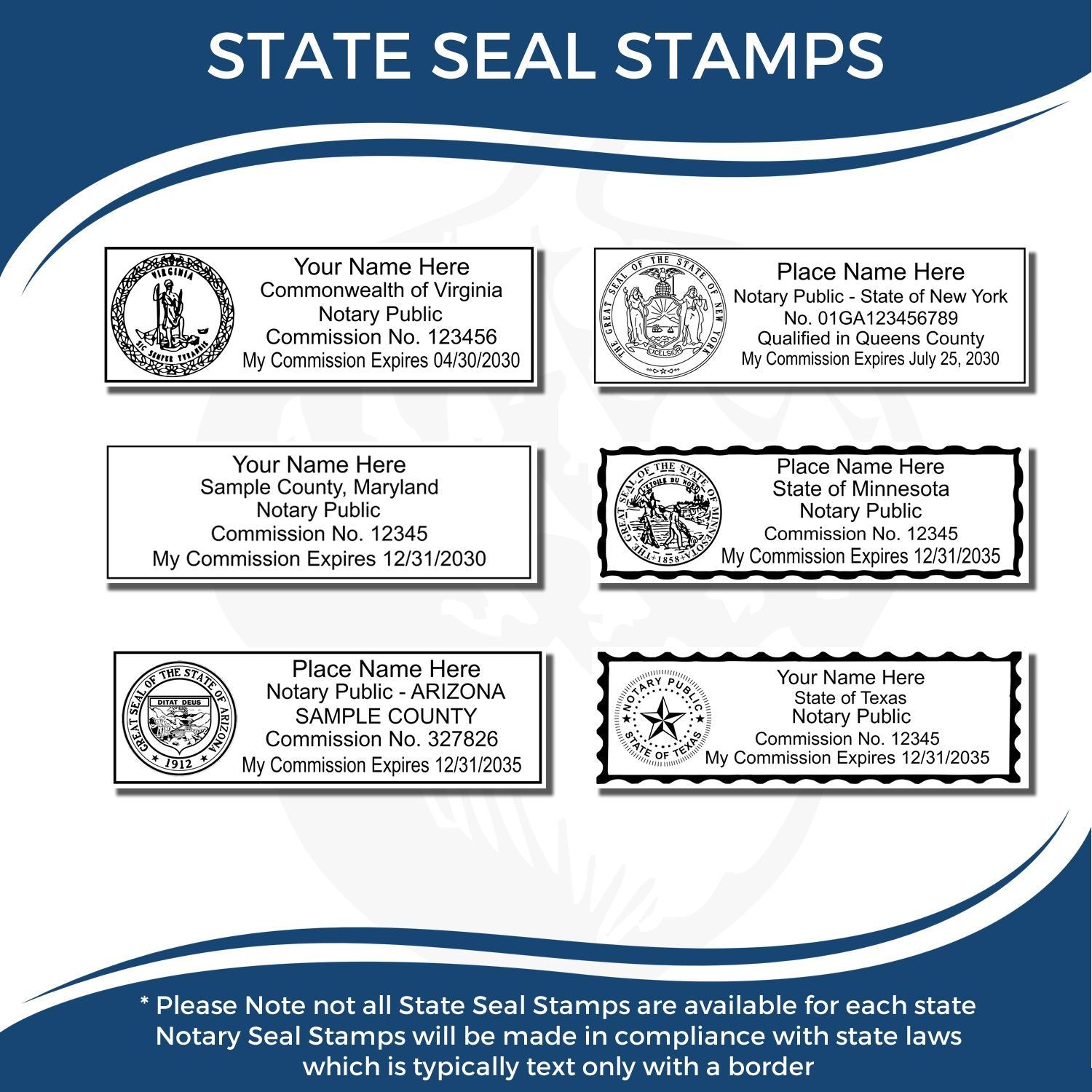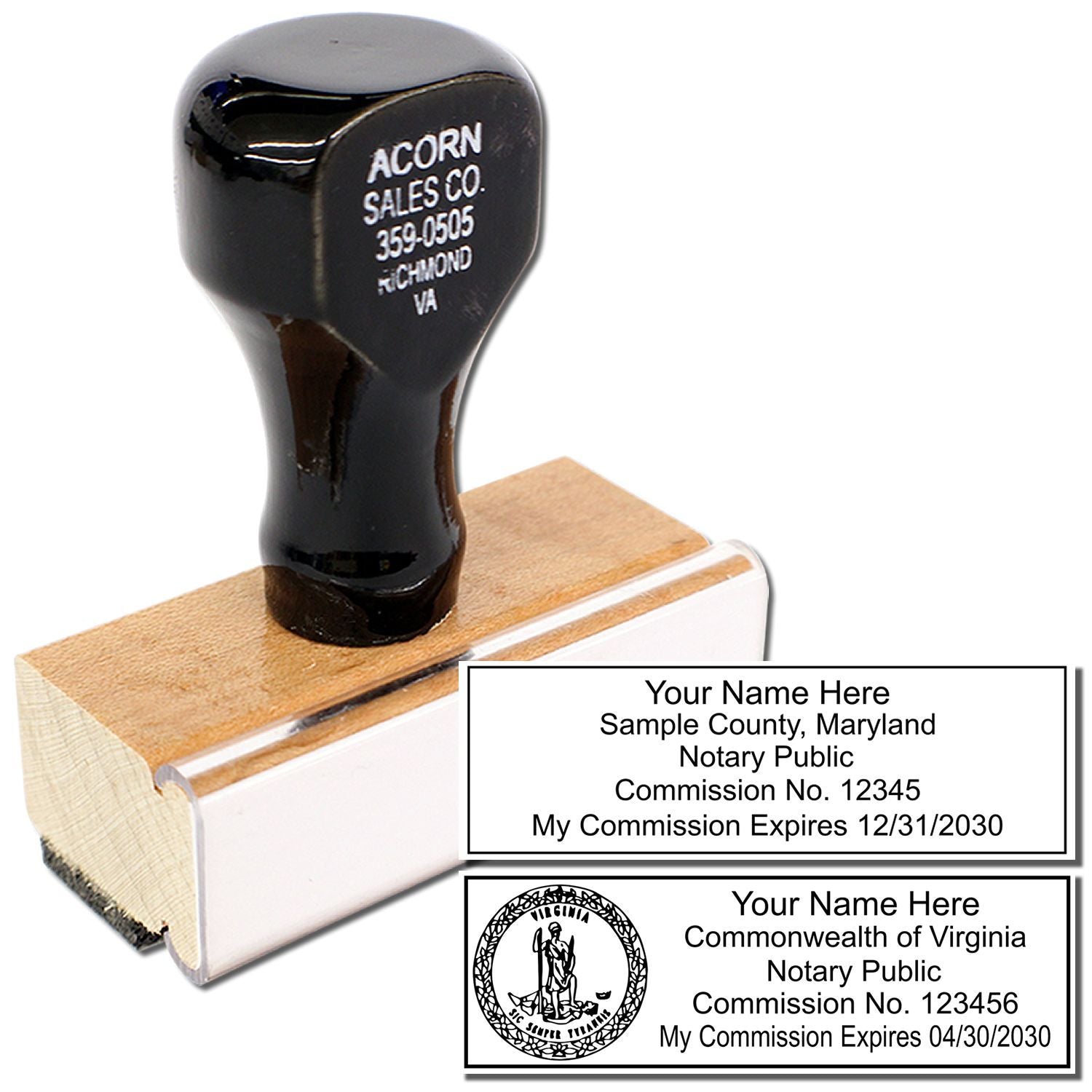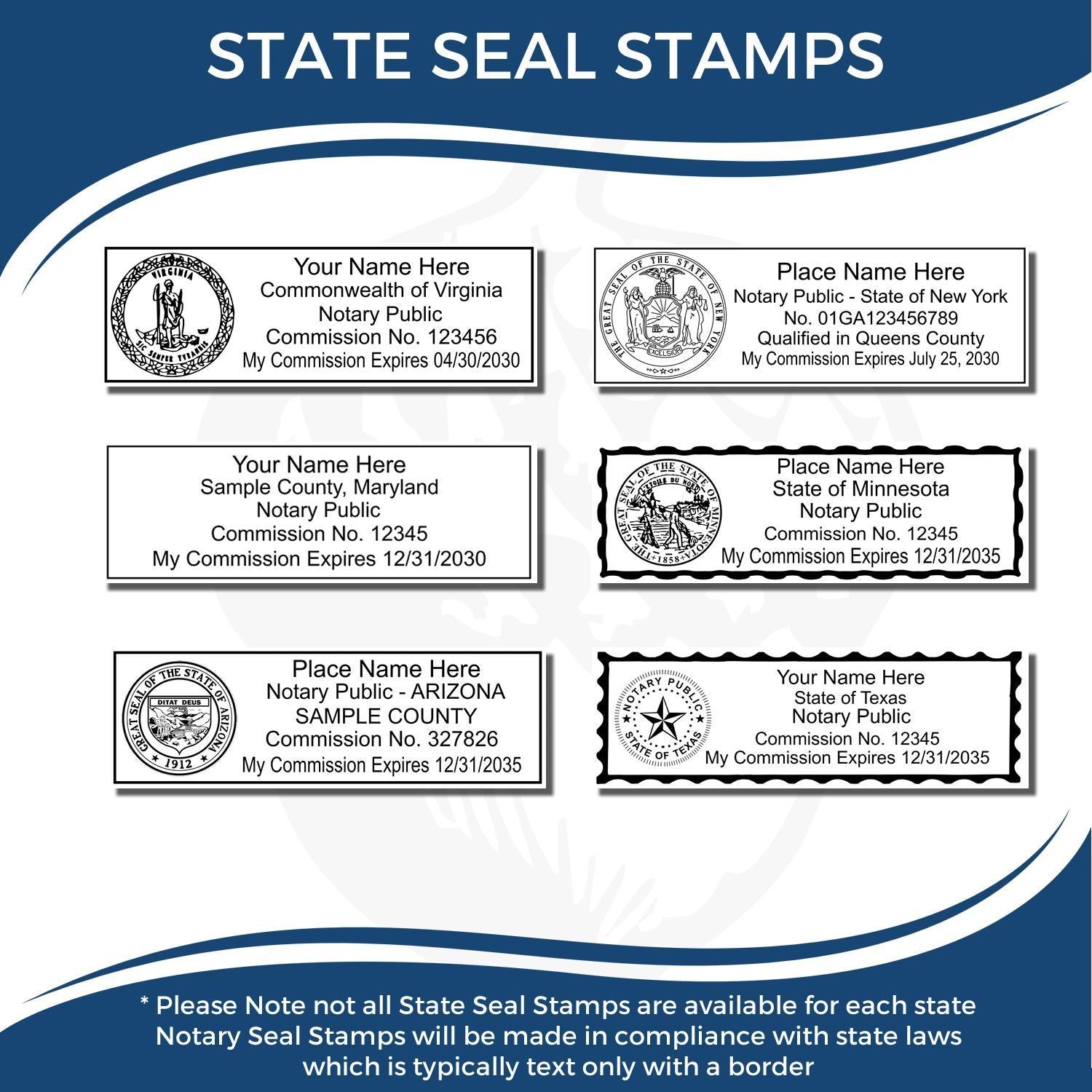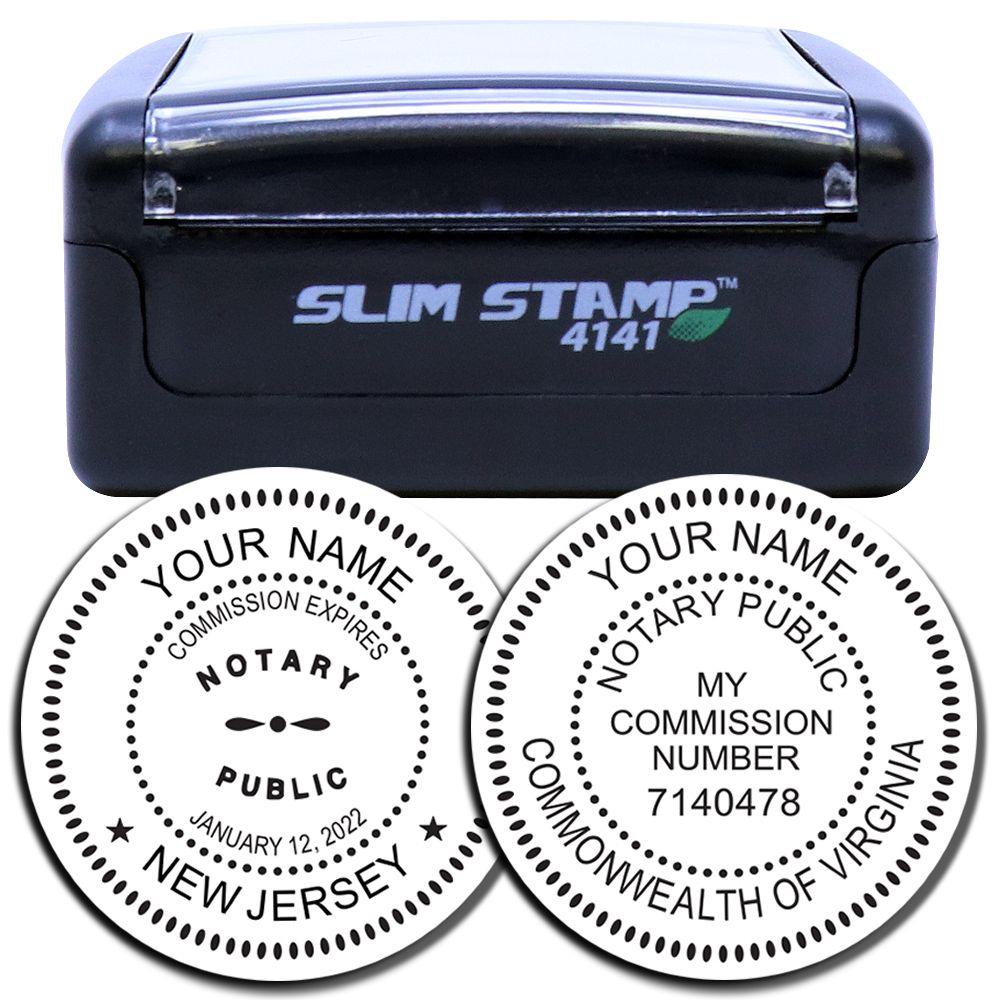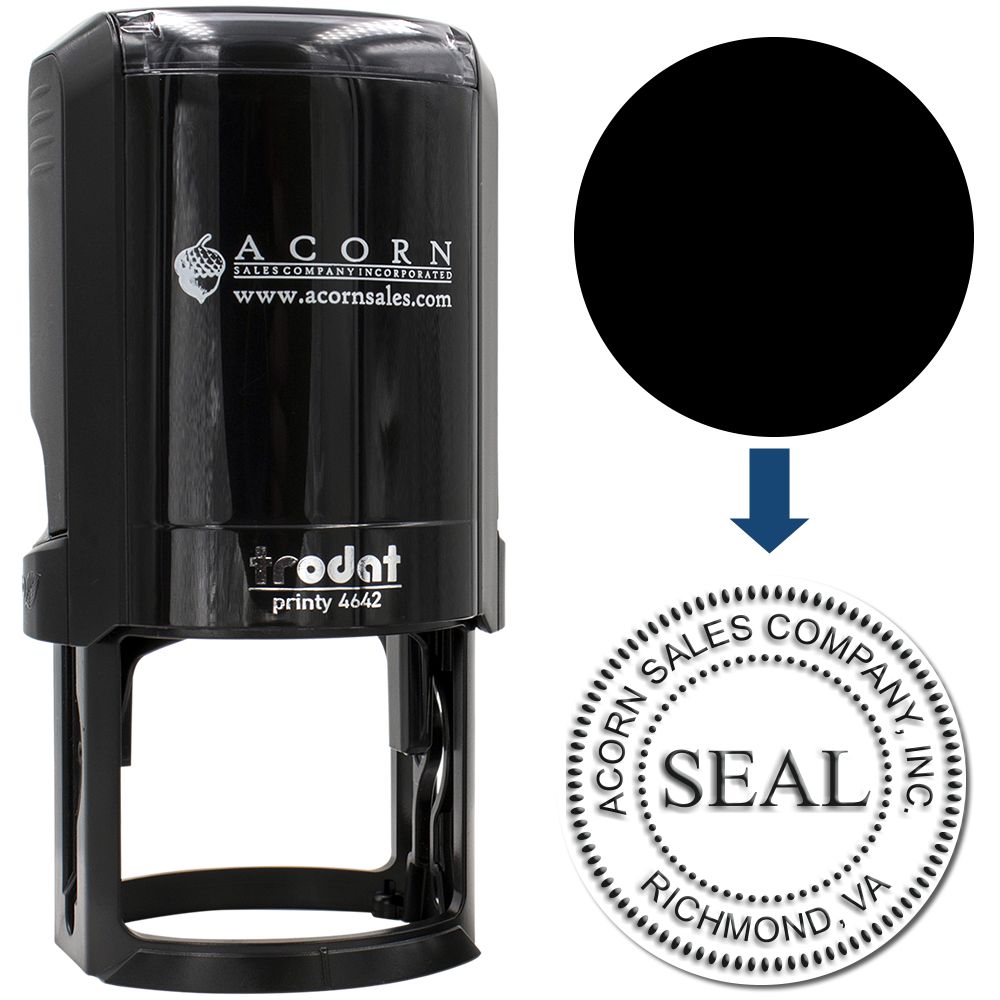
Are you a newly commissioned notary public in Virginia or simply looking to renew your notary credentials? One of the first things you should know is how crucial a Virginia notary seal stamp is in your day-to-day duties. This small but mighty tool formally validates your notarized documents and stands as a clear indicator of your professional authority. Whether you’re scouting your first stamp or thinking about replacements and renewals, it’s vital to understand the legal framework, required specifications, and practical tips that will keep everything running smoothly.
In this post, you’ll learn about the purpose behind the seal, the best ways to select and maintain one, and how to stay on top of statewide guidelines. Plus, if you’re on the hunt for reliable service and fast turnaround, you’ll discover why Acorn Sales has been a go-to resource for Virginia notaries for over 60 years. Let’s dive into everything you should know to give yourself the strongest notarial foundation possible.
Understand the Virginia Notary Seal
Your notary seal is more than just an ink impression or raised emboss. It’s a symbol of your authority to witness signatures, administer oaths, and perform other legal tasks assigned by the Commonwealth of Virginia. At first glance, you might just see a handle and a rubber die, but this tool confirms that the documents you notarize meet the state’s standards for authenticity.
What the Seal Represents
- Legitimacy: When you affix your seal, you are verifying that you witnessed the signing or administered the oath.
- Accountability: Each impression or emboss helps track notarized documents back to you, safeguarding the public from fraudulent activities.
- Professional Standing: A proper notary seal distinguishes you as a commissioned official bound by the rules that keep legal processes in check.
If you skip or misuse your seal, even unintentionally, you could put yourself at risk of legal penalties and jeopardize your notary career. Fortunately, once you grasp the specifics of using a notary seal—including the recommended size, ink color, and geographic parameters—you’ll be well on your way to performing your duties with confidence.
The Role of the Commission
Every Virginia notary public must have an active commission, and your seal is intimately tied to that commission period. You typically renew your notary commission every four years. Check that your seal lines up with your dates of commission, so you’re never in a position where your seal is out-of-sync with your active notary status. If you want a quick refresher on specific guidelines, you can check out Virginia Notary Seal Requirements for the essential details.
Why a Reliable Seal Matters
Imagine you’re in a situation where you need to notarize an urgent power of attorney. The last thing you want is a faint or incomplete stamp impression that calls its validity into question. A clear, sharp seal impression is critical:
- Ensures quick verification when legal institutions examine the paperwork.
- Reflects positively on you as a careful and accountable notary.
- Reduces the chances of rejections due to illegible or skewed seals.
Because so much hinges on your seal’s clarity, investing in a quality stamp from a trusted provider—such as Acorn Sales—ultimately saves you headaches down the road. A robust seal not only meets legal standards but also endures daily wear-and-tear.
Check Virginia Requirements
Before you buy or replace your stamp, it’s important to confirm that your seal meets Virginia’s statutory guidelines. Certain design specifics, like including your name and commission expiration date, might be mandatory. Skipping a detail, even a minor one, could create compliance issues.
Key Legal Criteria
- Name Consistency: The name on your seal should match the name on your notary commission, letter for letter.
- Legibility: Text must be readable, whether it’s an inked stamp or embossed seal.
- Commission Expiration: Some stamps are required to include an expiration date. Make sure you check the most current rules in your area or review the Virginia Notary Stamp Requirements.
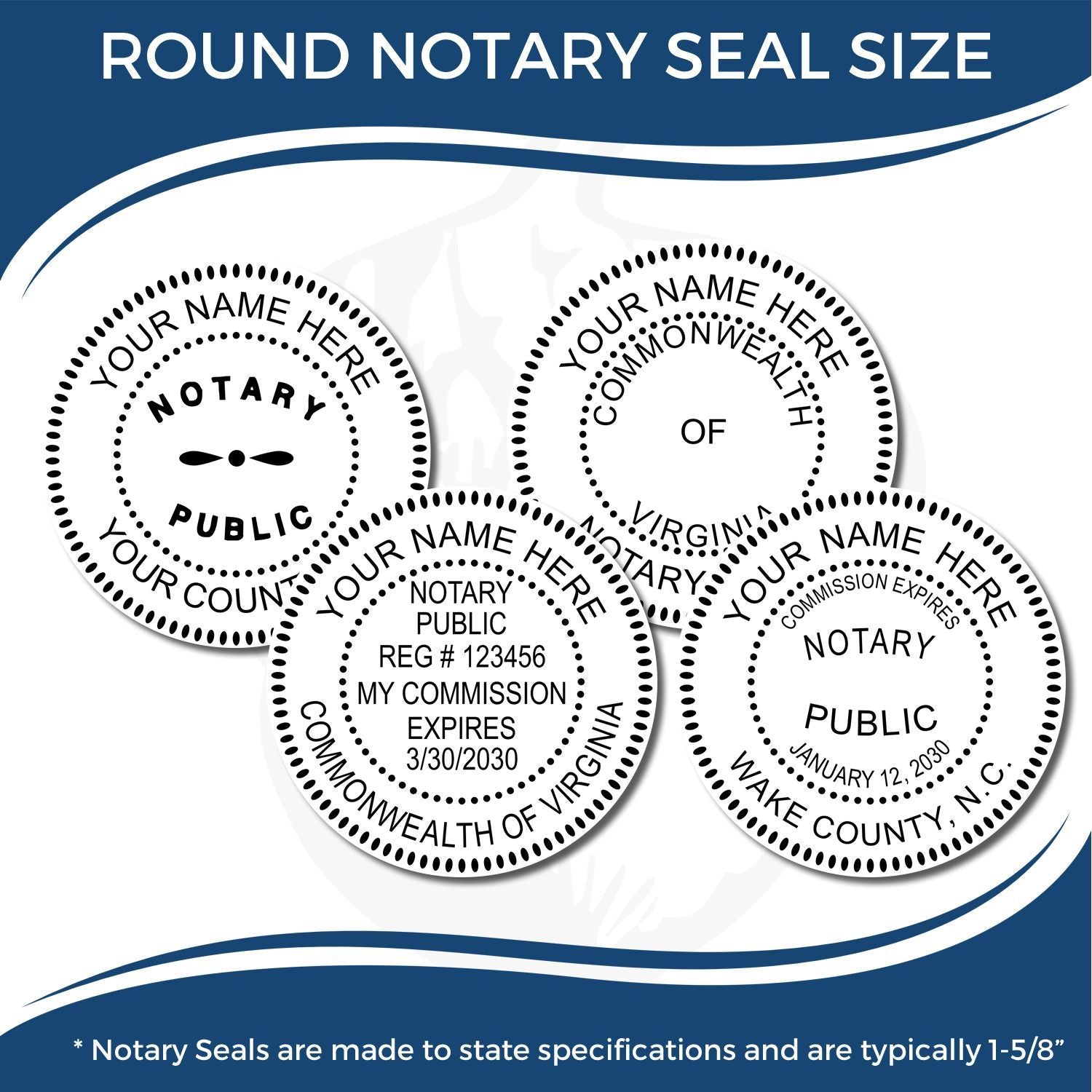
- Shape and Size: Virginia often allows both circular and rectangular stamps. However, some dimensions are recommended or required for easy recognition. You might reference Virginia Notary Seal Dimensions to understand typical size ranges.
Maintaining Compliance Over Time
If you shift addresses, change your name, or renew your commission, you may need to update your stamp details. Failure to do so could result in a mismatch between your commission paperwork and the physical seal. For instance, let’s say you got married and changed your last name. You’d likely need a fresh notary commission and a new stamp reflecting that change.
Staying compliant is straightforward when you mark your calendar around your renewal dates and keep a note on any personal changes that might affect your notary information. In many cases, you can use the state’s website or look at Virginia Notary Stamp Renewal Requirements for guidelines on how to handle these updates.
Possible Penalties
Non-compliance can have serious consequences:
- Rejection of notarized documents in court.
- Potential fines or official reprimands.
- Increased scrutiny if your notarial acts come under review.
These pitfalls are easily avoided by following the official instructions and verifying that your seal meets state standards. If you ever find yourself in a pinch or uncertain about specific rules, consider consulting resources like Virginia Notary Stamp Law or working with knowledgeable professionals who can guide you in the right direction.
Choose Your Stamp Style
Once you understand Virginia’s requirements, the fun part begins—picking a stamp style that suits your workflow. Whether you prefer a self-inking stamp, a pre-inked model, or a traditional rubber stamp with a separate ink pad, there’s an array of options available.
Popular Stamp Types
Below is a quick table breaking down common stamp styles, so you can compare the key features:
| Stamp Type | Ink Method | Imprint Quality | Maintenance Requirements |
|---|---|---|---|
| Self-Inking | Built-in ink pad | Strong, consistent | Refill ink occasionally |
| Pre-Inked | Oil-based ink | Crisp, sharp | Replace ink when low |
| Traditional Rubber | Separate ink pad | Varies by ink used | Maintain pad regularly |
- Self-Inking: Ideal if you handle multiple notarizations back-to-back or move between offices. Because the ink pad is built into the stamp, you spend less time fiddling with separate supplies. Check out a dedicated Virginia Notary Stamp Self-Inking option if you’re looking for a streamlined tool.
- Pre-Inked: Typically offers the cleanest and sharpest impressions because the ink saturates the die itself. If you want impeccable clarity, you might lean toward a pre-inked version.
- Traditional Rubber: This classic route still has fans, especially for those who like to control ink type and color or don’t mind carrying around an external pad. However, it can be slightly more time-consuming.
Considering an Embosser
Some notaries prefer an embosser, which crimp-presses a raised design onto the paper. While Virginia generally allows either an ink stamp or an embosser, confirm official guidelines if you plan on embossing exclusively. In some cases, you may want to use both: an emboss for a sophisticated look and an inked stamp for ease of photocopying. For further clarity, Virginia Notary Public Stamp Guidelines can help explain your embossing options.
Going Digital
With the rise in remote notarization, a digital seal is another emerging trend. A Virginia Digital Notary Seal might be required if you perform remote online notarizations (RON). Digital setups include specialized software certificates that replicate the stamp’s role in verifying authenticity. At the moment, the technology is still evolving, so always double-check the latest regulations before you invest in electronic solutions.
Use Your Seal Properly
Having a top-notch Virginia notary seal stamp matters, but knowing how to apply it correctly is equally important. A careless or smudged impression can undercut the validity of the document. That said, there’s no need to overthink the process. Once you cement a few good habits, impressing your seal becomes second nature.
Positioning the Impression
Try to stamp in a clear, flat area of the document, typically near your signature. Avoid stamping:
- Over text or signatures that could obscure the seal.
- On dark sections or graphics that reduce legibility.
- Off the page margins, where part of your seal might not register clearly.
If you’re dealing with documents that have tight margins, you might need to get creative. Placing your seal sideways is usually fine if it remains readable. Some notaries also keep a separate blank sticker on hand for tricky documents, then firmly stamp onto that sticker and affix it to the page.
Ensuring a Crisp Impression
- Use consistent pressure: If you press too lightly, the details will blur; too hard, and you risk excess ink.
- Double-check alignment: Before pressing down, quickly eyeball the direction so you don’t wind up with an upside-down seal.
- Keep surfaces smooth: Stamp your documents on a hard, flat desk rather than on top of stacked files or uneven surfaces.
When Multiple Acts Occur
Should you notarize multiple signatures on the same document at different times, you might have to place more than one seal impression. Always confirm each signature you witness with a fresh seal. This prevents confusion and ensures each notarial act is properly documented.
Maintain and Store It
Your seal stamp isn’t a throwaway item. Keep it free from dust, properly inked, and protected from unauthorized use. Storage, cleaning, and occasional parts replacement will extend its life and reliability.
Regular Cleaning and Inspection
- Dust Removal: Wipe away lint or dust around the stamp face. It only takes a speck of debris to cause a blurred impression.
- Ink Pad Upkeep: If you use a self-inking or pre-inked stamp, refill the ink pad according to the manufacturer’s instructions. Overfilling can lead to blotches, and underfilling leads to faded marks.
- Alignment Checks: Make sure the die (the rubber or polymer plate with your information) hasn’t shifted or come loose.
A monthly check keeps you from discovering mid-notarization that your seal is illegible. In some cases, you might need to replace the internal ink pad or the die itself, particularly if details start wearing away.
Secure Storage
You are responsible for preventing misuse of your notary seal. Courts take fraudulent use extremely seriously. This means you want to store your stamp under lock and key or in a secure drawer. If you work in various locations, consider carrying it in a closed bag or case, so no one can casually “borrow” it.
When to Replace
- Worn Text: If you can’t read your name and commission details clearly, it’s time for a replacement.
- Expiration Change: If your commission expiration date changes, that detail should reflect on your seal.
- Physical Damage: Cracks or chips in the stamp body often indicate structural issues.
Should you need a new stamp or you just want an upgrade, check out what’s available under Virginia Notary Stamp or explore a Virginia Notary Kit for ready-made bundles.
Renew and Observe Rules
When your commission nears its expiration, don’t wait until the final day to initiate your renewal. Processing times can vary. Plus, you might need to order a new seal that matches your new commission dates. Being proactive also helps you avoid a gap in your authority to perform notarial acts.
Typical Renewal Timeline
Most Virginia notary commissions remain valid for four years. Ideally, start your renewal application a few months before your current term ends. Once your commission is approved, you’ll have the new effective date and expiration date. Immediately arrange for a new seal if you’re required to update that information.
Continuous Compliance
Every time you receive your updated seal, check for the correct:
- Spelling of your name.
- Commission number (if required).
- Commission expiration date.
If anything appears off, reach out to your supplier for a prompt correction. You don’t want to notarize documents with a flawed or inaccurate seal.
Handling Old Seals
When your old seal is no longer valid, you should disable or destroy it to prevent misuse. Some notaries deface the seal face, while others physically break it. This step is important because you remain accountable for any impression made with your seal, even if it’s old or expired.
Shop With Confidence
From classic embosser styles to slick self-inking models, you have many ways to fulfill your notarial stamping needs. But not all suppliers are created equal. If you want a Virginia notary seal stamp that meets official guidelines and is guaranteed to last, it’s wise to look for a trusted vendor with a proven track record.
Why Acorn Sales
For over six decades, Acorn Sales has been a go-to resource for notaries seeking quality seals and stamps. Our team is well-versed in Virginia notary regulations, and we offer:
- State Board Guarantee: We stand behind our seals so you can buy with zero worry.
- Quick Turnaround: We know you don’t have time to wait, so we ship orders swiftly.
- Extensive Product Range: From VA Notary Supplies to a custom Virginia Notary Stamp And Seal, we have solutions for every preference.
- Personal Support: Have questions about specs or customizations? Our experts are just a call or click away.
Key Shopping Tips
- Know Your Legal Requirements: Double-check which details your stamp must include, like your commission name and expiration.
- Pick the Right Shape and Ink: Make sure you select a circular or rectangular shape if required, and choose ink colors accepted by Virginia’s regulations.
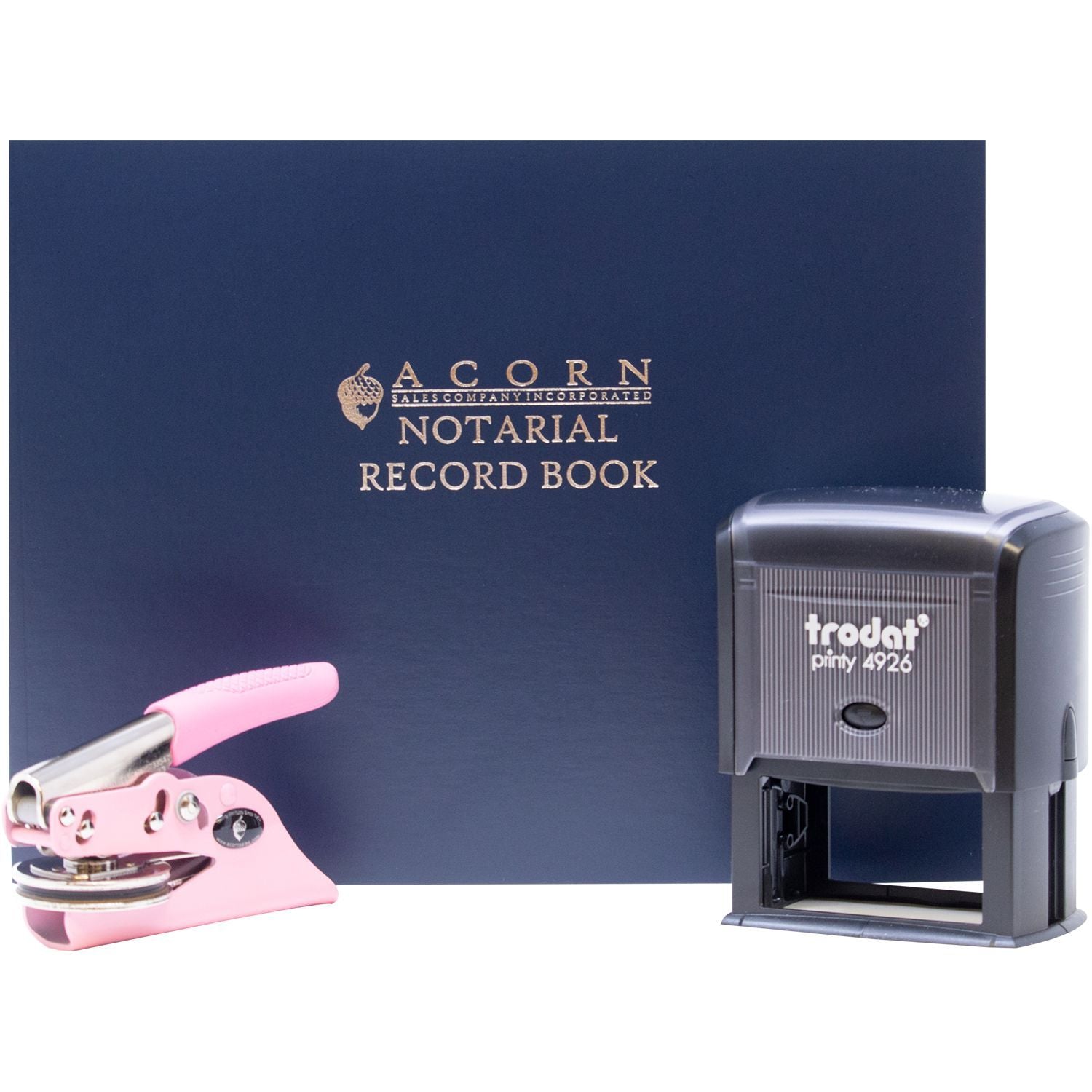
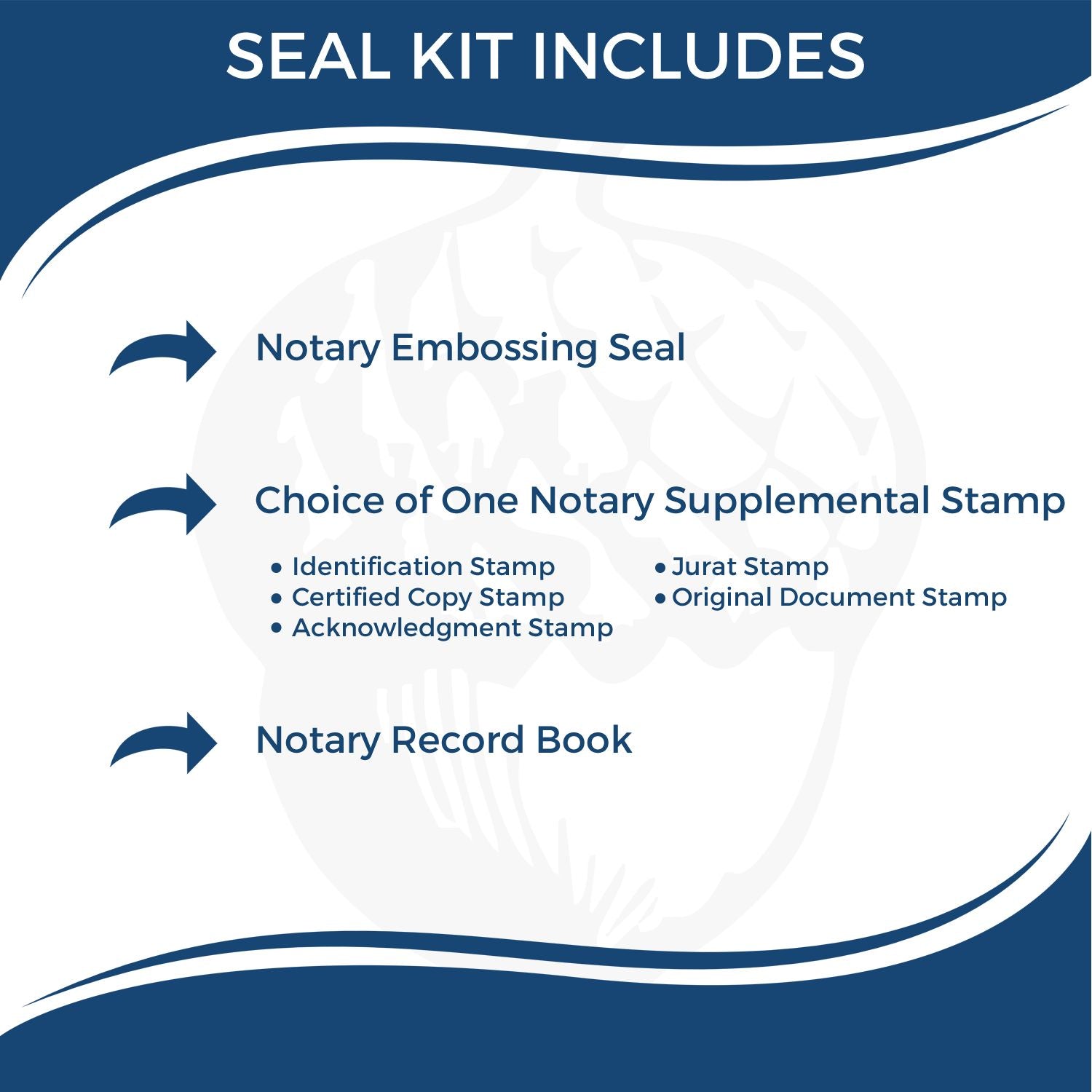
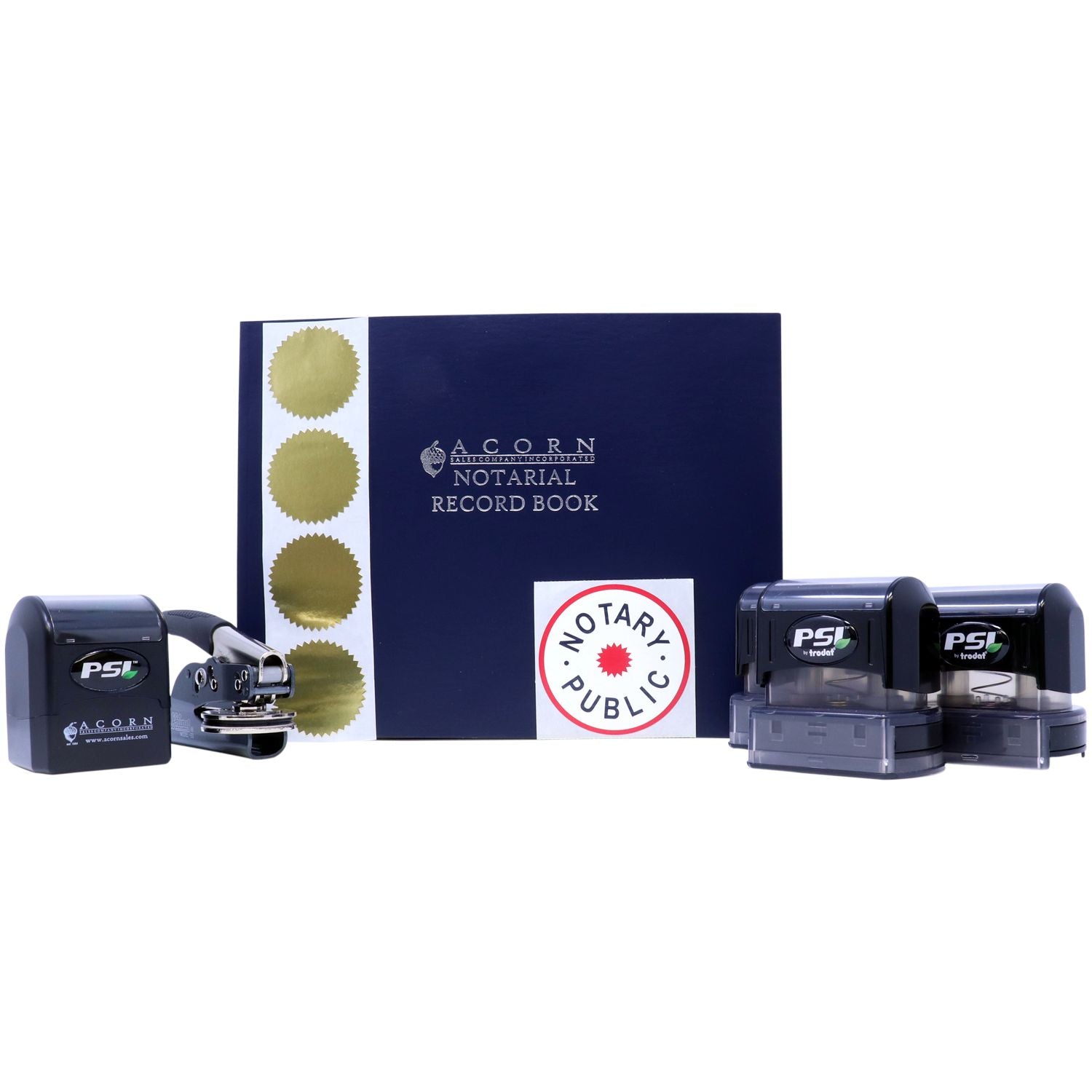
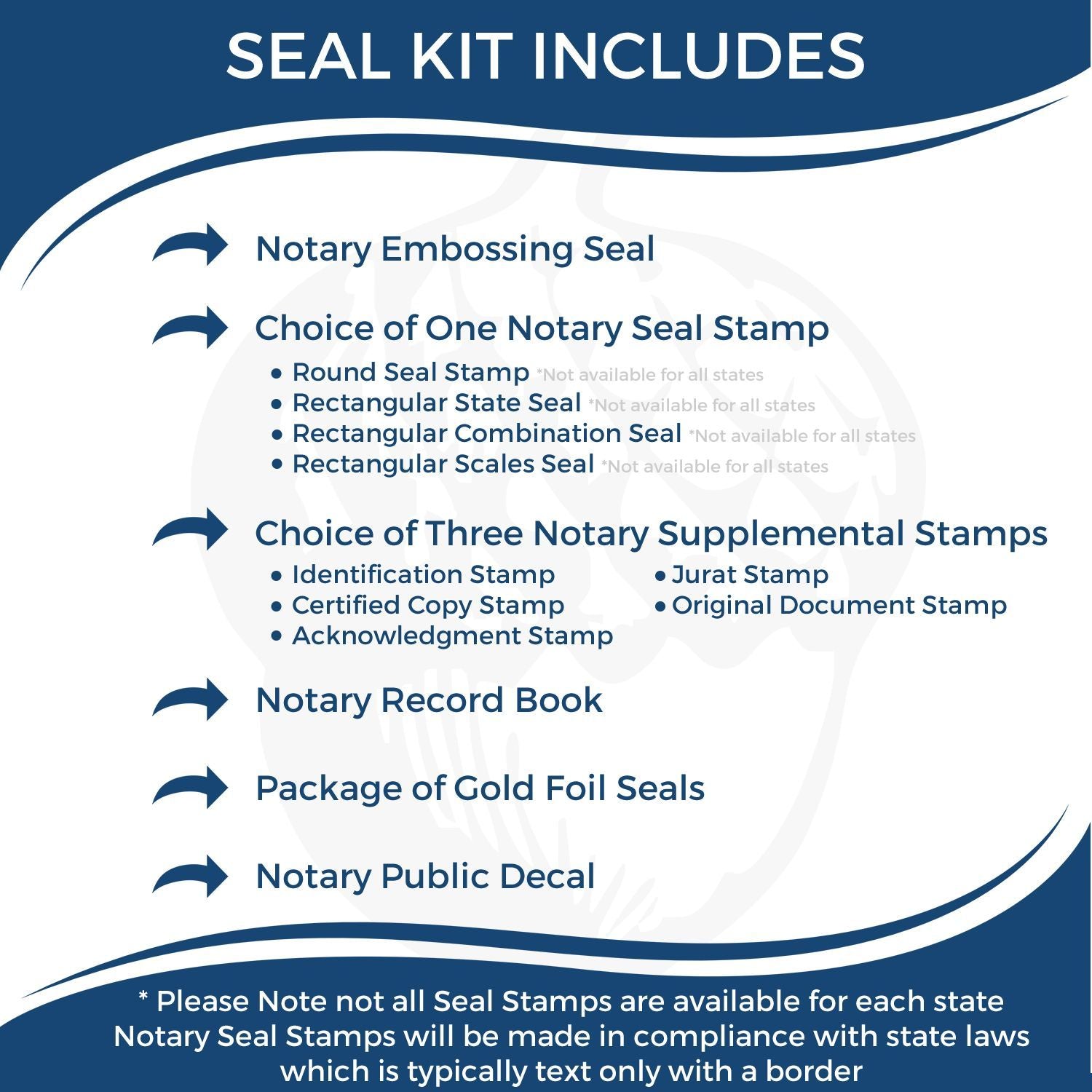
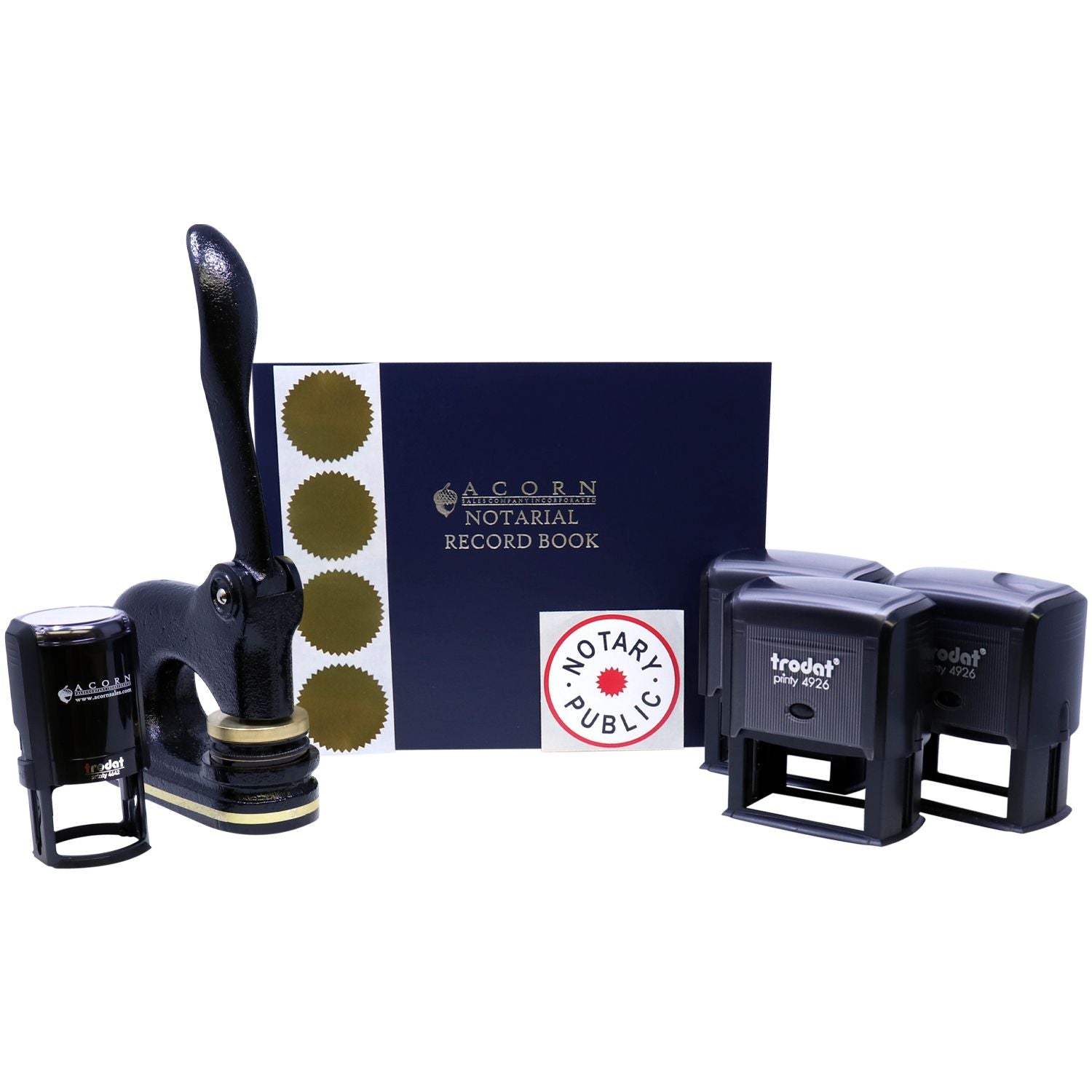
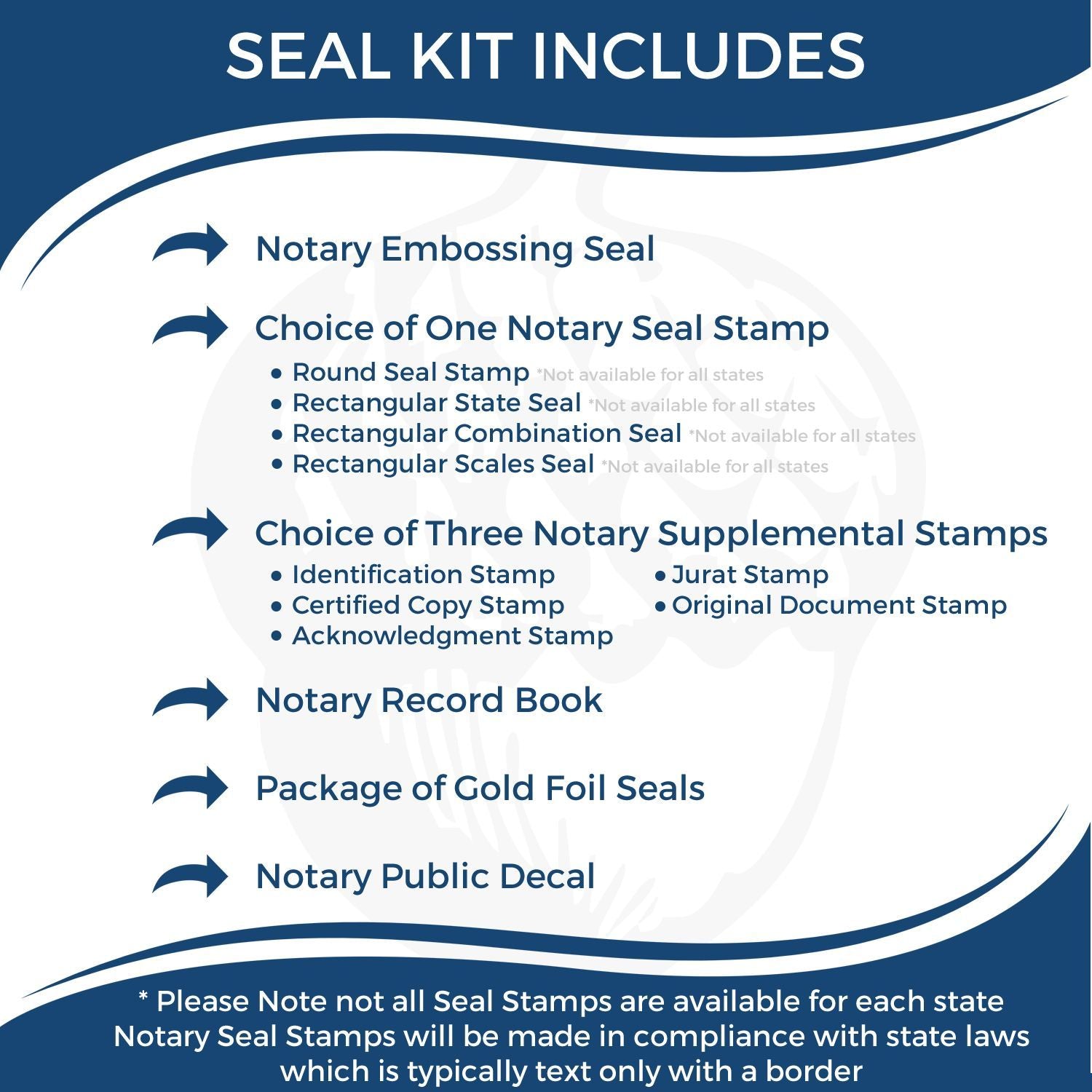
- Consider Bundles: A Virginia Notary Kit might be a cost-effective option if you also need a record book or other accessories.
- Verify Return Policies: In case there’s an error with your seal, ensure your supplier has a straightforward return or exchange process.
Buying Online
If you value convenience, buying your stamp online can be a game-changer. You can explore options like Virginia Notary Stamp Online or check out the variety of official notary seals offered through reputable platforms. Just remember to verify shipping times, read product reviews, and check that you’re getting a design that aligns with your needs. If you prefer in-person assistance, local office supply stores or specialized shops can sometimes place orders on your behalf. However, their selection might be limited compared to online providers.
These FAQs should put to rest some of the biggest misunderstandings about the notary stamp process in Virginia. If you ever come across a situation that feels murky, lean on state resources or experienced suppliers like Acorn Sales for confirmation.
By now, you should have a solid grasp on why using a well-made Virginia notary seal stamp is essential, what it takes to stay in compliance, and how to shop confidently. Your seal is more than a flashy imprint—it’s your official authorization wrapped in rubber and ink, essential to the integrity of every document you notarize. When you follow the guidelines, choose the right style, and store your stamp securely, you’ll be able to notarize with peace of mind.
If you’re ready to set yourself up for notarial success, consider exploring the broad spectrum of Virginia Notary Supply options available. Between thorough knowledge of state regulations and quality craftsmanship, you’ll quickly see why Acorn Sales stands apart as a leader in the notary supply space. Feel free to reach out with any additional questions, and remember to keep your seal up to date as you progress in your notary career. After all, a prepared notary is a confident notary—and that confidence all starts with a reliable seal in hand.
Frequently Asked Questions
Do I need both a stamp and an embosser in Virginia?
Virginia doesn’t explicitly demand you have both. However, many notaries like to use both options—an inked stamp for everyday, easy-to-photocopy documents, and an embosser for aesthetic or archival reasons. Just verify that the seal you do use meets all staining or clarity requirements.
How soon should I reorder before my seal’s expiration?
It’s smart to place your order once you receive your renewed commission details. That way, the new stamp will accurately display the updated expiration date. Ordering too early can lead to mismatched dates, and ordering too late can leave you with downtime in your service.
Can I change ink colors on a self-inking stamp?
Yes, but you must ensure the new color adheres to Virginia guidelines. You’ll typically purchase a refill ink compatible with your self-inking unit. Just make sure to clean the stamp thoroughly to avoid color contamination.
Is there any difference between stamps labeled as ‘official’?
An Official Virginia Notary Stamp simply indicates that it meets all the mandatory elements required by state law. Keep an eye out for the word “official” when shopping to confirm it’s not just a novelty item. Also, confirm the vendor stands behind that claim with a state board guarantee.
What if my seal was lost or stolen?
If this happens, report the loss immediately to the appropriate state authority or your local law enforcement. Then, replace your seal to continue performing your duties. Remember, it’s critical to keep your stamp secure so no one can use it fraudulently.
Can a digital seal replace my physical stamp entirely?
It depends on whether you’re performing online notarizations or standard, in-person transactions. A Virginia Electronic Notary Stamp is typically part of a larger remote-notarization setup. You’ll still want a physical stamp for face-to-face notarizations unless state guidelines change to allow fully digital notarial acts 100 percent of the time.