

Written by Acorn Sales Company, manufacturing stamps and seals since 1964 · Reviewed by Holly R, VP of Sales and Marketing at Acorn Sales, against the notary statute of each state listed on 21 September 2026 · Updated 21 September 2026
Notary seal rules are set state by state, and they differ far more than most notaries expect. Six states do not require a seal at all: Kentucky, New York, Louisiana, Connecticut, Michigan and Vermont. Three require black ink, and Tennessee prohibits it. A few govern the shape, the border, or the state emblem that has to appear. This page is the index: each state below links to a full guide carrying the statute citation and the date we last checked it.
Notary seal rules by state
54 states covered in depth so far, with the rest being added. Each row links to that state’s full requirements page.
| State | Seal required | Size and shape | Electronic and remote |
|---|---|---|---|
| Alabama | Yes | Not specified for an ordinary notary | No true remote; the wet-ink original must reach you |
| Alaska | Yes; three lines, no date | Circular up to 2in, or rectangular up to 1in x 2.5in | Both, after approval by the Lieutenant Governor |
| Arizona | Yes | Any shape, up to 1.5in x 2.5in, with the state great seal | Both, after notifying the Secretary of State |
| Arkansas | Yes | Not specified | Separate eNotary commission; 5-year retention |
| California | Yes, with two narrow exceptions | Circular up to 2in, or rectangular up to 1in x 2.5in, serrated border | Permitted for electronic records |
| Colorado | Yes | Rectangular with a border; no size limit | Both; remote needs separate approval, training and exam |
| Connecticut | No; print two phrases instead | Not specified | Remote yes, but the original paper must be mailed to you |
| Delaware | Yes | Not specified | Both; stamp only permissive on electronic records |
| District of Columbia | Yes | Circular, no larger than 1.75in | Electronic yes; remote status disputed, call ONCA |
| Florida | Yes | Not specified | Both authorized |
| Georgia | Yes | Not specified | No remote notarization law; UETA pathway only |
| Guam | Yes, and an embosser as well | Rectangular border; two devices expected | Framework exists; we could not verify it is open |
| Hawaii | Yes; omitting it is a misdemeanor | Circular, serrated border, 1in to 2in | Electronic by notice; remote is a separate commission |
| Idaho | Yes, on paper and electronic records | Rectangular, serrated border; nothing more allowed | Both; a stamp is required on electronic records too |
| Illinois | Yes | Rectangular up to 1in x 2.5in, serrated or milled border | In-person electronic yes; remote is a separate commission |
| Indiana | Yes | Not specified | In-person electronic yes; remote requires registration |
| Iowa | Yes, despite what you may read | Not specified | Both; remote needs a separate application |
| Kansas | Yes; date is a write-in space | Not specified; use a write-in date line | Both authorized |
| Kentucky | No, stamp is optional | Not specified | Yes; stamp optional there too |
| Louisiana | No; the signature is the seal | Not specified; no particular style required | Remote cannot produce an authentic act |
| Maine | No on paper, yes for electronic records | Rectangular or circular (by rule, not statute) | A stamp is mandatory for electronic records |
| Maryland | Yes | Not specified | Both; stamp is permissive on electronic records |
| Massachusetts | Yes | Not specified | Yes; digital seal must say "Electronically affixed" |
| Michigan | No; print the required block instead | Not specified | Electronic and remote electronic both authorized |
| Minnesota | Yes | Not specified; carries the Minnesota state seal | Both authorized |
| Mississippi | Yes | Not specified (the old 1.5in to 2.5in circle is superseded) | Electronic yes. No remote notarization |
| Missouri | Yes | No overall size; rectangular or circular border | Both authorized |
| Montana | Yes | Rectangular ~1in x 2.5in, border required | Both; needs a course and an exam first |
| Nebraska | Yes | Not specified at all | Both authorized |
| Nevada | Yes | Rectangle only, max 1in x 2.5in, serrated border | Both authorized |
| New Hampshire | Yes | Not specified | Both, by notification; journal for remote acts only |
| New Jersey | Yes | Not specified | Permitted; stamp logically associated with the certificate |
| New Mexico | Yes | No dimensions; 10-point type; carries the state seal | Remote needs separate approval; stamp filed with the state |
| New York | No, stamp is optional | Not specified | Yes since 2023; no seal image required |
| North Carolina | Yes | Circular 1.5 to 2in, or rectangular up to 1in x 2.5in, visible border | Electronic yes; remote requires separate registration |
| North Dakota | Yes | Circular up to 1.625in, or 0.875in x 2.625in | Both by notification; journal for remote acts only |
| Ohio | Yes | Circle 3/4in to 1in, containing the state coat of arms | In-person electronic yes; remote needs SOS authorization |
| Oklahoma | Yes | Not specified | Electronic yes; remote needs its own registration |
| Oregon | Yes, except on certain plats | Not specified; must carry the Oregon state seal | Both, as two separate filings |
| Pennsylvania | Yes | Rubber stamp, max 1in x 3.5in, plain border | Both, by notification; approved providers only |
| Puerto Rico | Different profession; see the page | Not prescribed; must match your registered facsimile | Civil-law practice; confirm with the Supreme Court |
| Rhode Island | Yes | Round or rectangular, edge border required | Both authorized |
| South Carolina | Yes, but absence is not fatal | Not specified | Electronic yes. No remote online notarization |
| South Dakota | Yes | Not specified; date sits below the seal | Both authorized |
| Tennessee | Yes | Circular; no diameter given | Yes; the online seal may also be square or rectangular |
| Texas | Yes | Circular up to 2in, or rectangular up to 1in x 2.5in, serrated border | Both; online notary is a separate commission |
| Utah | Yes | Rectangular border, max 1in x 2.5in, with the state seal | Both; remote seal must be black |
| Vermont | No; print the details instead | Not specified; the notary chooses | Both, each behind a Special Endorsement |
| Virgin Islands | Yes, plus an embossing seal | Not specified; two devices expected | Authorized; recordings kept 5 years, not 10 |
| Virginia | Yes | Not specified | Permitted, with separate wording and control rules |
| Washington | Yes | Minimums: 1.625in circular, or 1in x 1.625in | Both authorized |
| West Virginia | Yes | Rectangle max 1in x 2.5in, border required | Both authorized |
| Wisconsin | Yes; expiration date optional on it | Not specified | Both authorized |
| Wyoming | Yes | Rectangular ~1in x 2.5in; no county, no state seal | Both, plus remote ink notarization |


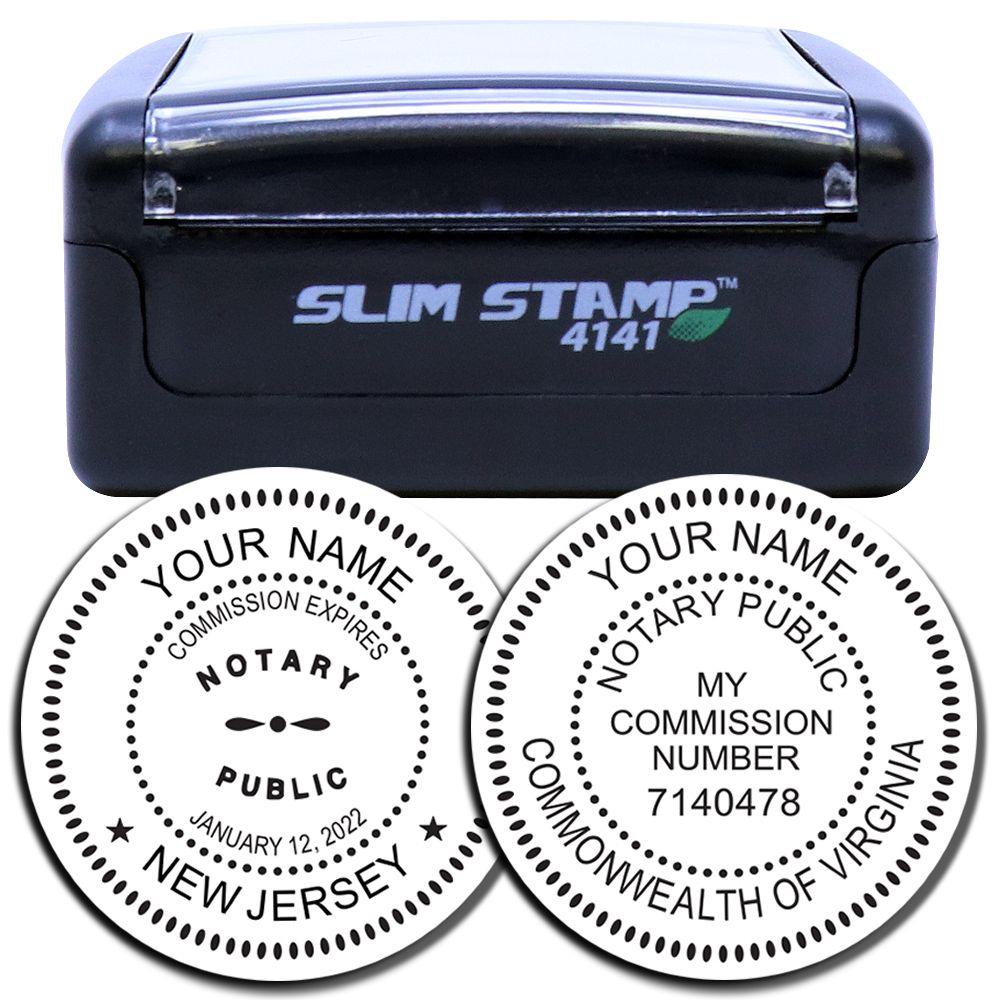


Which states do not require a notary seal?
Five of the states covered here: Kentucky, New York, Louisiana, Connecticut and Michigan. Maine is a sixth on paper only, because Maine requires a stamp for electronic records.
In every one of them the same warning applies: optional to carry does not mean unregulated. Kentucky mandates what a stamp must say the moment you choose to use one. Michigan requires a whole block of information near your signature, including the date of the act. Connecticut requires two specific phrases if you skip the seal. Louisiana requires your notary identification number, and a state office will not record a document without it. Read the second half of the rule, not just the first.
Kentucky says it outright: a notary “is not required to use a stamp.” But read the rest of that sentence, because most guidance stops too early. If you do choose to use a stamp, it must carry your name, title, jurisdiction, commission number and expiration date. Optional to carry, regulated once you opt in.
New York requires no seal either. Instead you print, typewrite or stamp your name, “Notary Public State of New York”, your county of qualification and your expiration date beneath your signature in black ink. Notaries in both states almost always buy a stamp anyway, because receiving parties expect one and it puts every required element on the page in a single motion.
Which states require black ink, and which forbids it?
Of the states covered here, Illinois, Florida and Massachusetts require black, and New York requires it for the printed statement that stands in for a seal.
- Illinois requires the rubber stamp seal to be affixed in black ink, and the rule is not in the section titled “Official seal” but in the article on performing notarial acts, which is why blue pads are so common there and so non-compliant.
- Florida requires “photographically reproducible black ink” on paper documents.
- Massachusetts requires black conditionally: if a seal that requires ink is used, it must be black. Embossed and digital seals are outside the rule.
- New York requires black for the printed information beneath your signature and for a New York City official number.
- Arkansas requires blue or black by statute, for the seal and for your signature, and the rule reaches embossers too.
- Guam requires black, in the notary act itself rather than in a recording standard.
- Utah is the outlier of outliers: purple for in-person notarizations and black for remote ones, by statute. A black Utah seal bought for in-person work does not comply.
- Wyoming and Montana both require blue or black by statute, and both extend the rule to your signature as well as your stamp.
- The US Virgin Islands requires blue, through the Lieutenant Governor’s guidance rather than the code.
- Arizona requires dark ink (black, dark blue, dark purple or dark brown) through the Secretary of State manual rather than any statute.
- Tennessee runs the opposite way and prohibits black, and yellow. The statute calls for any other color, provided it appears black when photocopied. Dark blue is the usual choice.
Most other states set no color and instead require the impression to be legible or photographically reproducible. Ohio is the odd one: its notary law sets no color, but county recorders require black or blue for anything recorded, and Michigan requires signatures on a recordable instrument to be black or dark blue. Arizona sets its dark-ink rule in the Secretary of State manual rather than in any statute. More in stamp ink color rules.

Which states specify a seal size or shape?
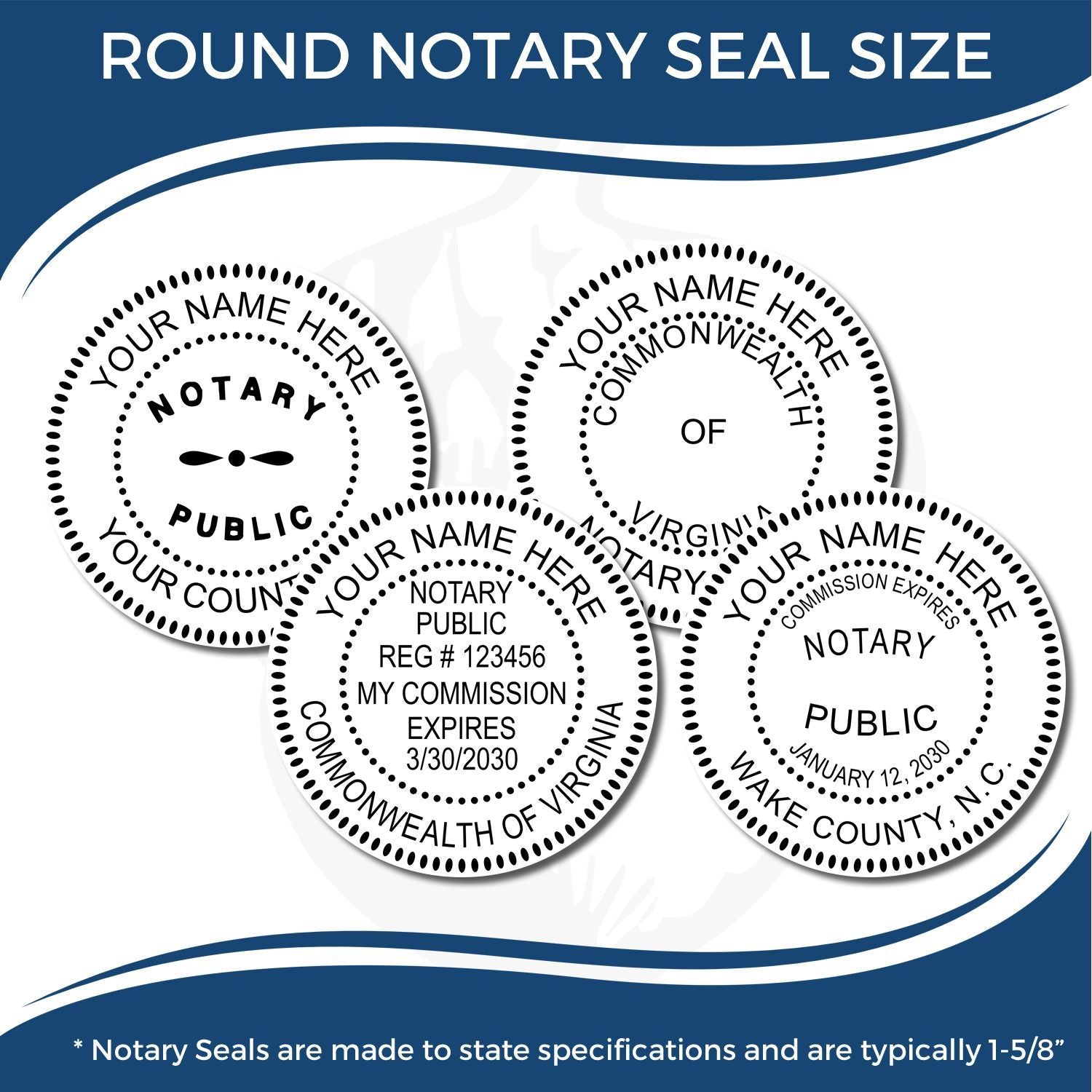
Most do not. Among those that do, the specifications are precise and worth checking before you order:
- Illinois: rectangular, no more than 1in by 2.5in, with a mandatory serrated or milled edge border. A circular Illinois seal does not comply.
- Texas: circular up to 2in, or rectangular up to 1in by 2.5in, also with a serrated or milled border, and a five-point star at the center.
- North Carolina: circular 1.5in to 2in, or rectangular up to 1in by 2.5in, with a border visible when impressed.
- California: circular up to 2in, or rectangular up to 1in by 2.5in, serrated or milled border.
- Ohio: a circle 3/4in to 1in containing the state coat of arms. Ohio names no other shape.
- Arizona: any shape, up to 1.5in by 2.5in, and it must carry the great seal of Arizona.
- Tennessee: circular, with no diameter given.
- Maine: rectangular or circular, a rule that lives in the administrative code rather than the statute.
- Missouri: no overall size at all. The one sixteenth of an inch people quote is the thickness of the border, not the size of the seal.
- Pennsylvania: a rubber stamp, maximum 1in by 3.5in with a plain border. It is the widest allowance in the country, because Pennsylvania forbids abbreviations and six unabbreviated lines need the room.
- District of Columbia: circular, no larger than 1.75in.
- Colorado: rectangular with a border, and no size limit at all.
- Nevada: a rectangle only, no larger than 1in by 2.5in. A round Nevada stamp never complies.
- Washington: the dimensions are minimums, not maximums. At least 1.625in circular, or 1in by 1.625in rectangular, with no upper limit. Most summaries have this backwards.
- Hawaii: circular with a serrated or milled border, between 1in and 2in.
- Nebraska and Mississippi: nothing at all. Mississippi’s widely quoted 1.5in to 2.5in circle was superseded in 2021 and is now dead law.
- North Dakota: round or rectangular, and round is perfectly legal here despite the common assumption otherwise.
- Idaho: a serrated border, and a statutory ceiling saying the stamp may not include anything more than the listed items.
Where a state gives a maximum, note that it is a ceiling and not a specification. A smaller compliant stamp is legal everywhere we have checked.
Do I need a new stamp when my commission is renewed?
It depends entirely on what your state puts on the seal. If the seal carries your commission expiration date or commission number, renewal changes that and the old stamp is out of date. That covers most states.
Two useful exceptions. Ohio puts neither the number nor the expiration date on the paper seal, so renewal does not force a new stamp, though the electronic seal does carry the date and must be reissued. Massachusetts goes the other way and requires a new seal at every renewal by statute, whatever is printed on it.
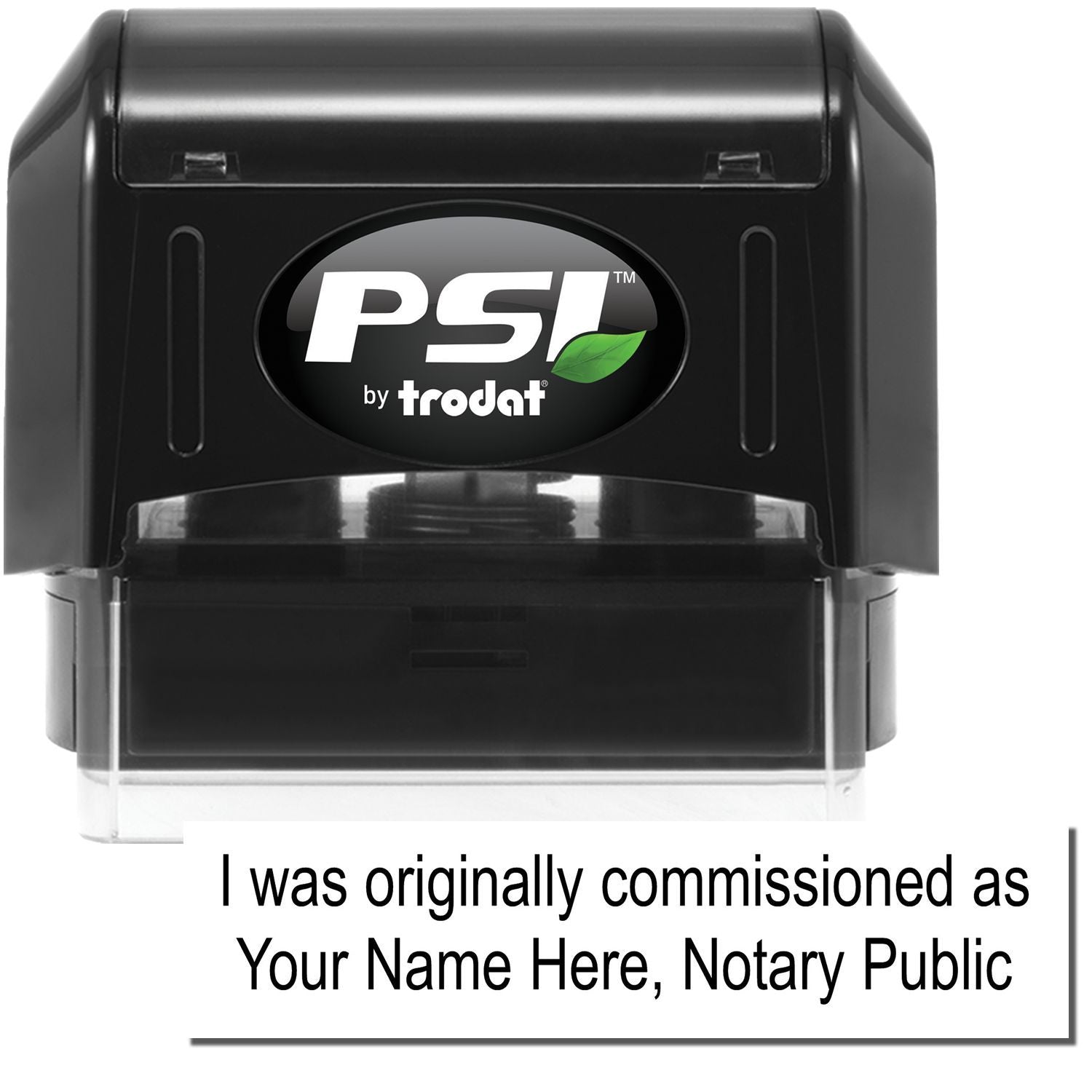
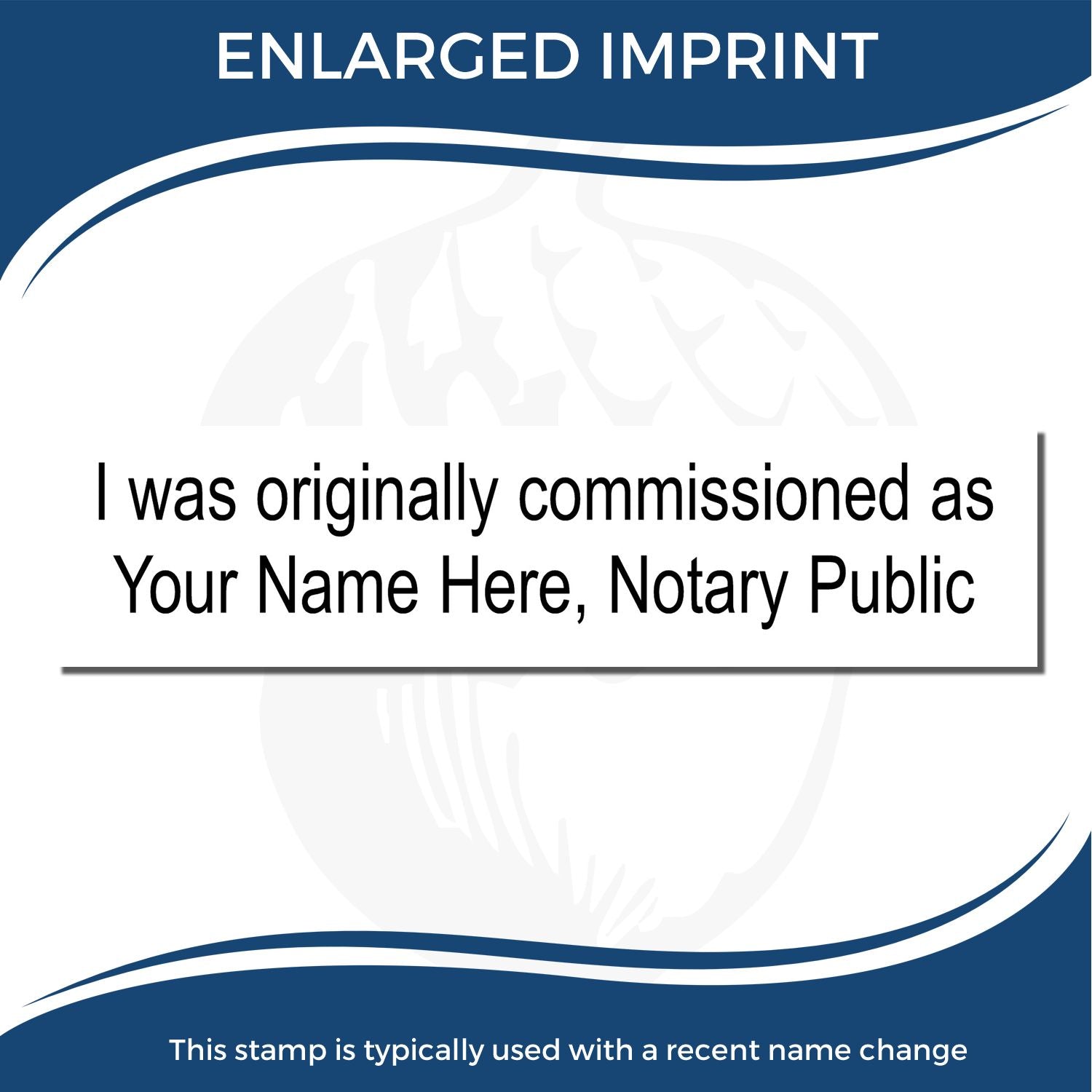
A legal name change means a new stamp almost everywhere, because the seal must carry your name exactly as commissioned.


Stamp or embosser: which does your state want?
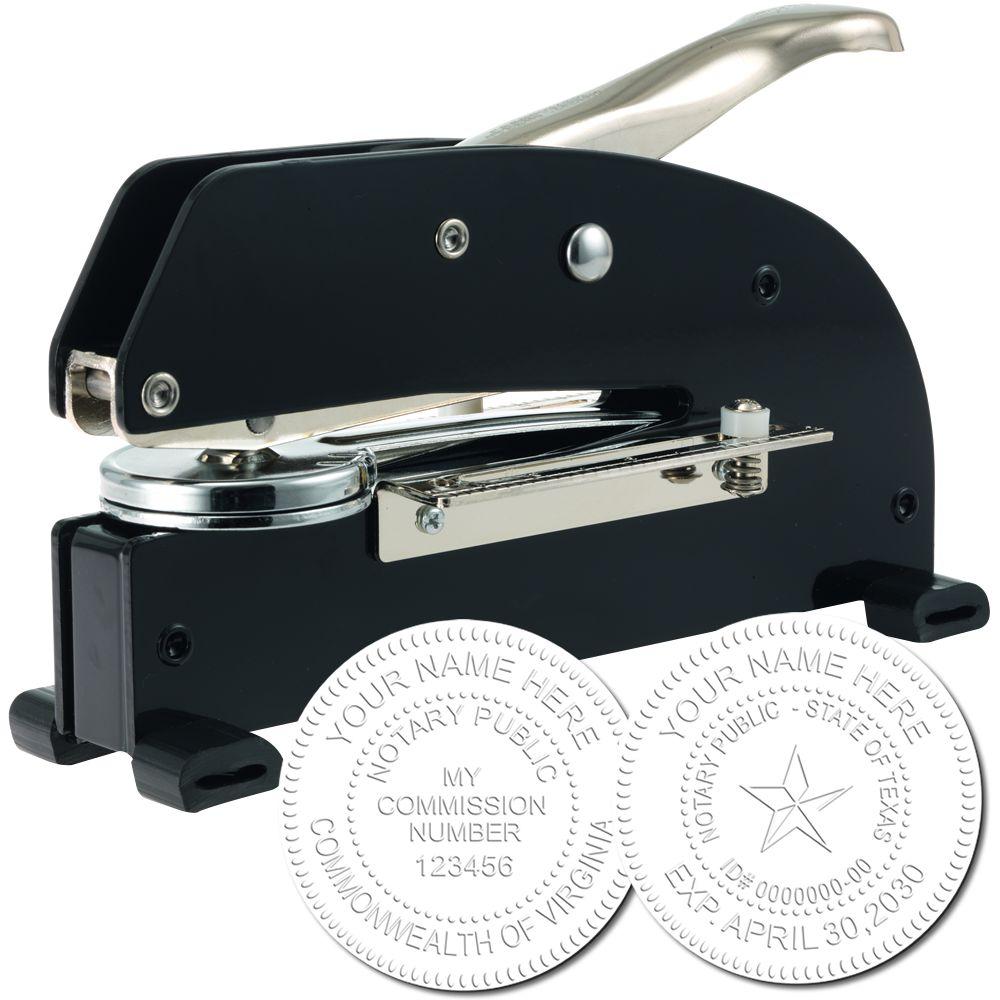
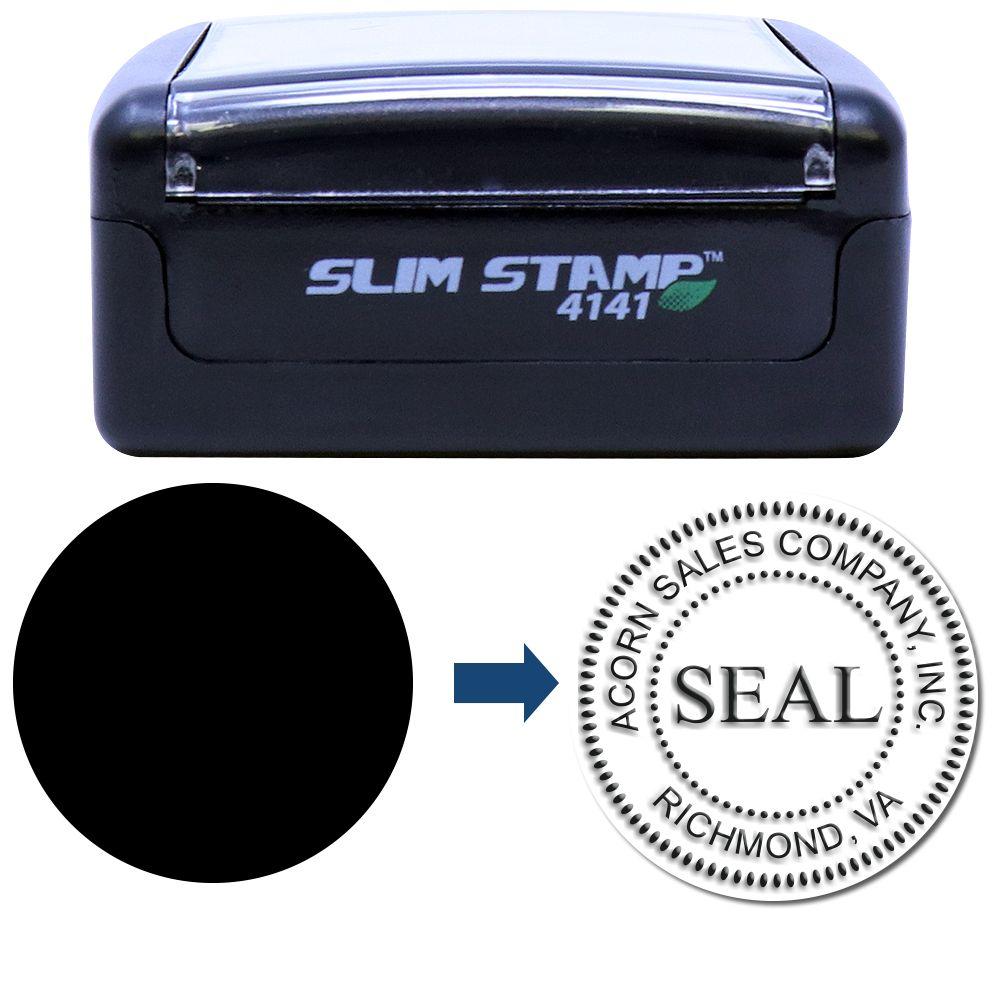
The two ends of this spectrum are worth seeing side by side. Colorado prohibits the embosser outright, making it unlawful to even keep one. The District of Columbia does the opposite and builds its whole scheme around an embossing sealer used with an inker, so a plain rubber stamp is not what its rules describe. Guam expects both devices. Pennsylvania and Oregon require a rubber stamp and allow an embosser only alongside it, and Oregon goes as far as writing the embosser out of the definition of a stamping device.
In most states the inked stamp is the legally operative seal and the embosser is optional. A few are more generous: Ohio permits an embosser outright as an alternative, New Jersey allows the stamp to be “affixed to or embossed on” the certificate, and Indiana lets you “affix, display, or emboss” the seal. Georgia says embossing is authorized but not necessary. Florida is the strictest: an impression seal may be used alongside the rubber stamp but never instead of it.
The practical caution is the same everywhere. A raised uninked impression does not photocopy, scan or e-record, so even where an embosser alone is legal it is a poor primary seal. See notary stamp vs. embosser.
Every state, DC and the territories
The table above now covers every US jurisdiction we supply. If your state’s rule has changed since we last checked it, the date on each state page tells you when that was, and we would rather hear about it than have you order from a stale page. Contact us with your state and commission details and we will check the current wording against the statute before we make your stamp.
Next step
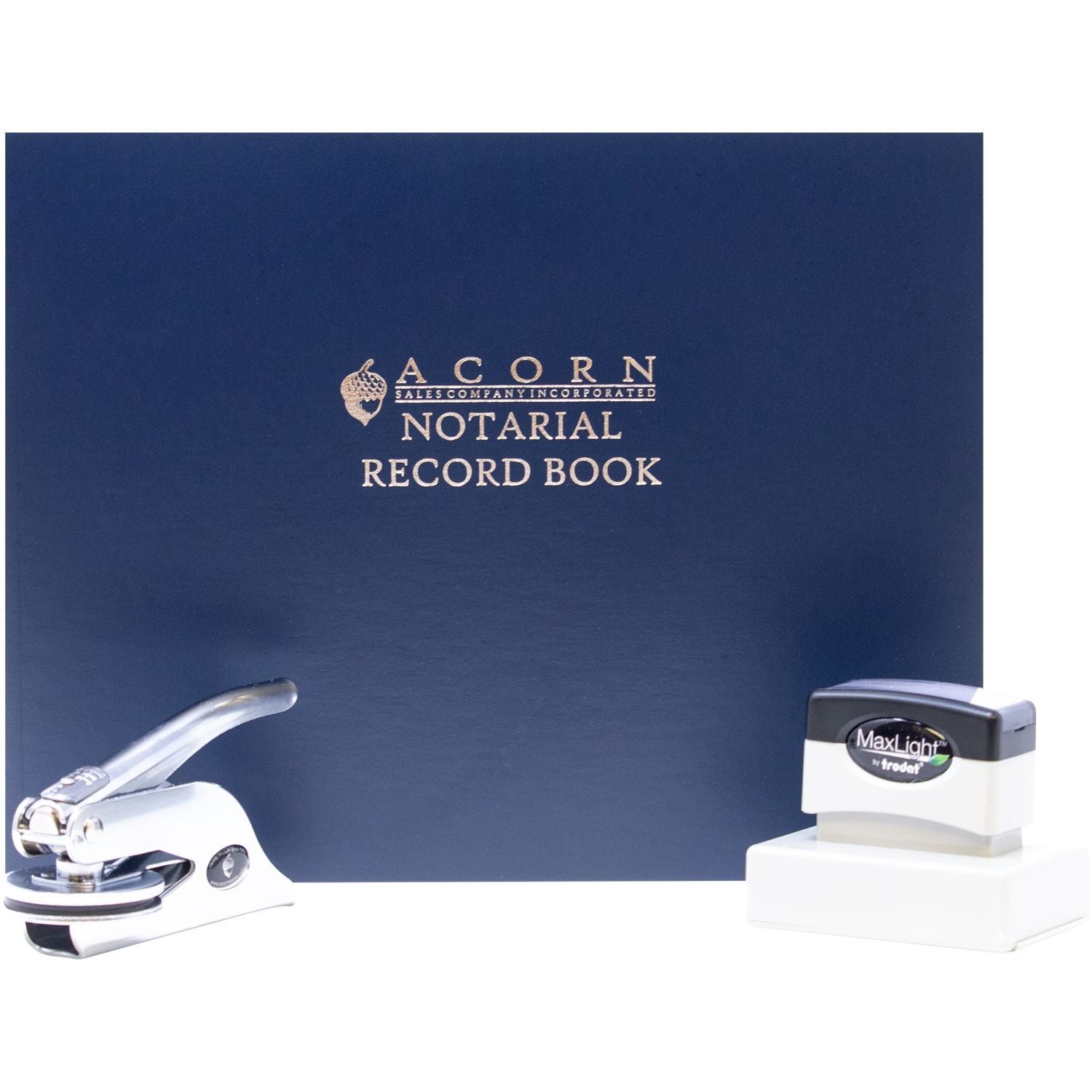
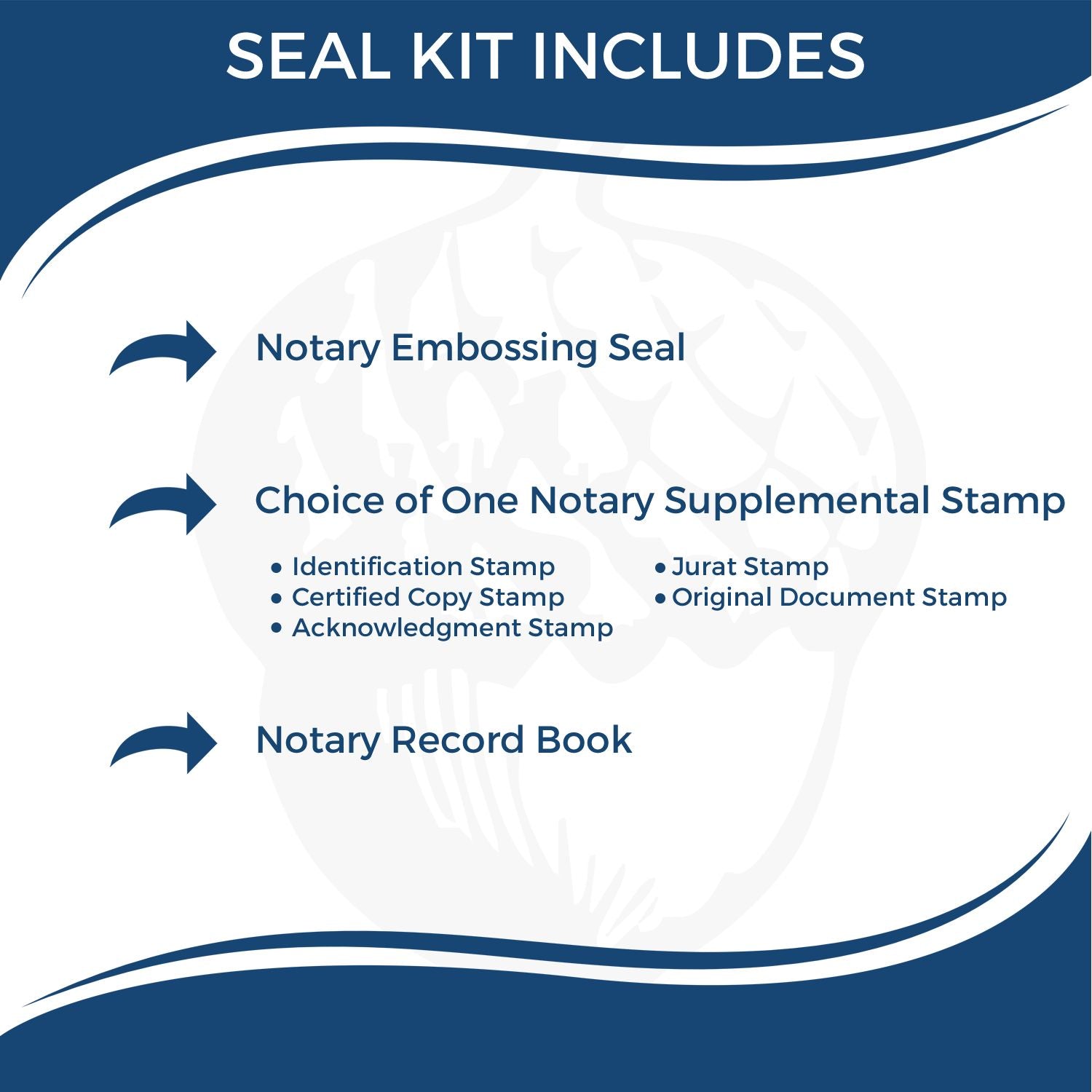
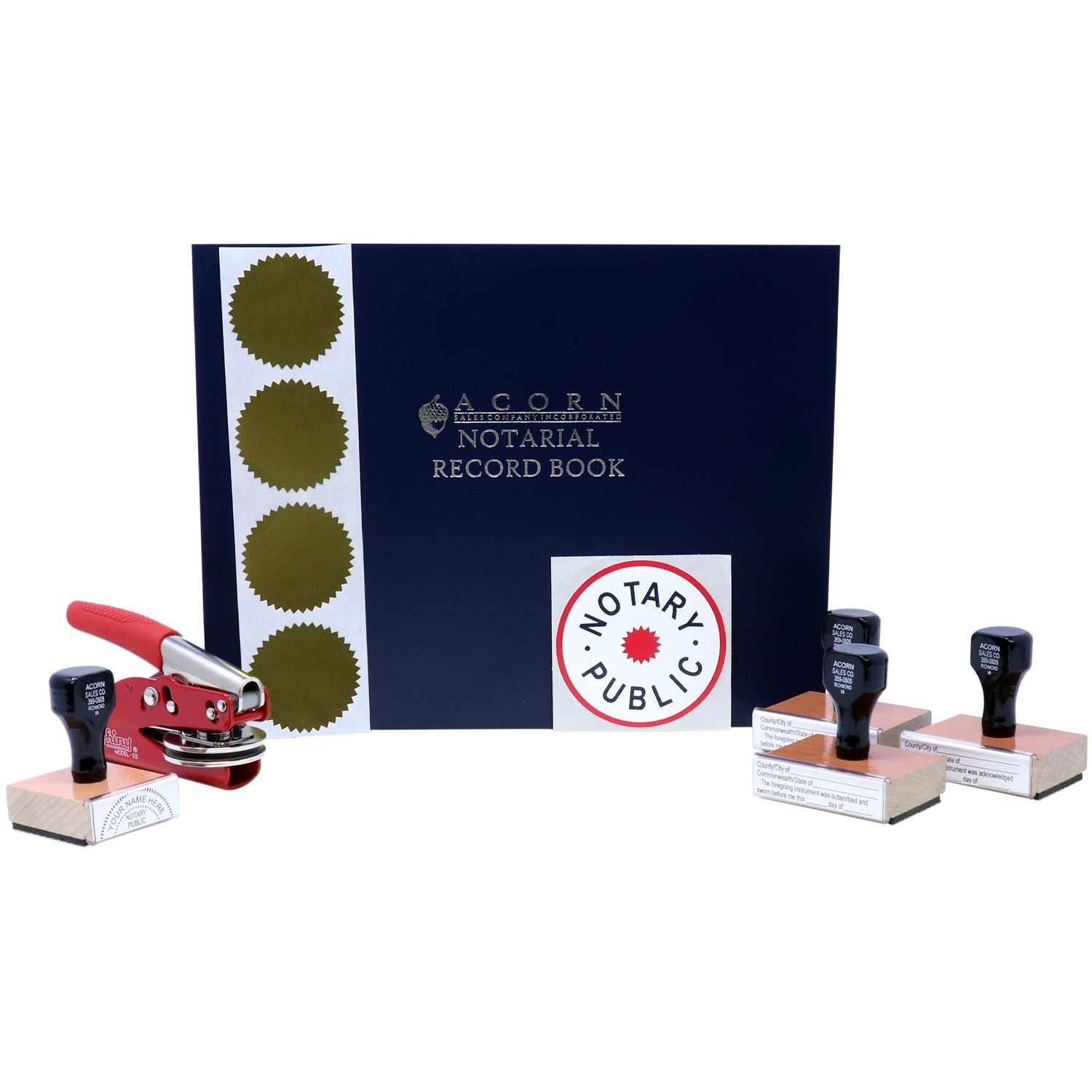
Find your state above and check its rule before you order, because the wording on a notary seal is set by statute and a wrong line means a reorder. Then browse notary public stamps and notary embossing seal kits, or contact us.
Frequently asked questions about notary stamp requirements
Do all states require a notary seal?
No. Kentucky and New York do not require one. Kentucky's statute says a notary “is not required to use a stamp”, and New York requires printed information in black ink beneath your signature instead of a seal. Notaries in both states usually carry a stamp anyway because receiving parties expect it.
Which states require black ink on a notary stamp?
Illinois, Florida and Massachusetts require black, and New York requires black for the printed statement that stands in for a seal. Massachusetts is conditional: black applies only if a seal that requires ink is used. Most other states set no color and instead require the impression to be legible or photographically reproducible.
Can I use the same notary stamp in another state?
No. A notary seal carries your commissioning state and, in many states, your county and commission number, so it is valid only for the state that commissioned you. Ohio is the clearest example, since its seal is built around the state coat of arms and nothing from another state can be adapted.
Do I need a new notary stamp when my commission is renewed?
Usually yes, because most states put your commission expiration date or commission number on the seal and both change at renewal. Ohio is an exception, since its paper seal carries neither. Massachusetts is the opposite and requires a new seal at every renewal by statute.
What size does a notary stamp have to be?
Most states specify nothing. Where a size is given it is normally a maximum rather than a requirement, so a smaller compliant stamp is fine. Illinois, Texas, North Carolina, California and Ohio all set dimensions, and Illinois and Texas also require a serrated or milled edge border.
Is a notary embosser required anywhere?
Not in any state we have checked. An embosser is optional everywhere, though some states treat it more generously than others: Ohio permits one as a full alternative to an inked stamp, and New Jersey and Indiana allow the seal to be embossed. Florida is strictest, permitting an impression seal only in addition to the rubber stamp.
What do I do if my notary stamp is lost or stolen?
It varies widely and the deadlines are short. Illinois requires written notice the next business day, North Carolina and New Jersey give 10 days, Florida says immediately, and Kentucky and Indiana say promptly with no day count. Massachusetts, New York and Ohio impose no reporting duty at all.
Can anyone sell me a notary seal?
Not everywhere, and the list is longer than most people realize. Arizona, Illinois, Georgia, Missouri, North Carolina, Oregon, Washington, Nevada, Mississippi and Guam all put a duty on the seller. Oregon is the strictest: a vendor may supply a stamp only on presentation of your Certificate of Authorization, at a $500 civil penalty per violation. Arizona treats a knowing breach as a felony and makes the vendor keep your commission copy four years, Guam attaches a criminal penalty and a three-year retention, and Georgia makes supplying one without a commission a criminal offense. We collect your commission certificate before production, so this is handled either way.








