
Written by Acorn Sales Company, manufacturing stamps and seals since 1964 · Reviewed by Holly R, VP of Sales and Marketing at Acorn Sales, against Chapter 10B of the North Carolina General Statutes and 18 NCAC 07F and 07G on 21 September 2026 · Updated 21 September 2026
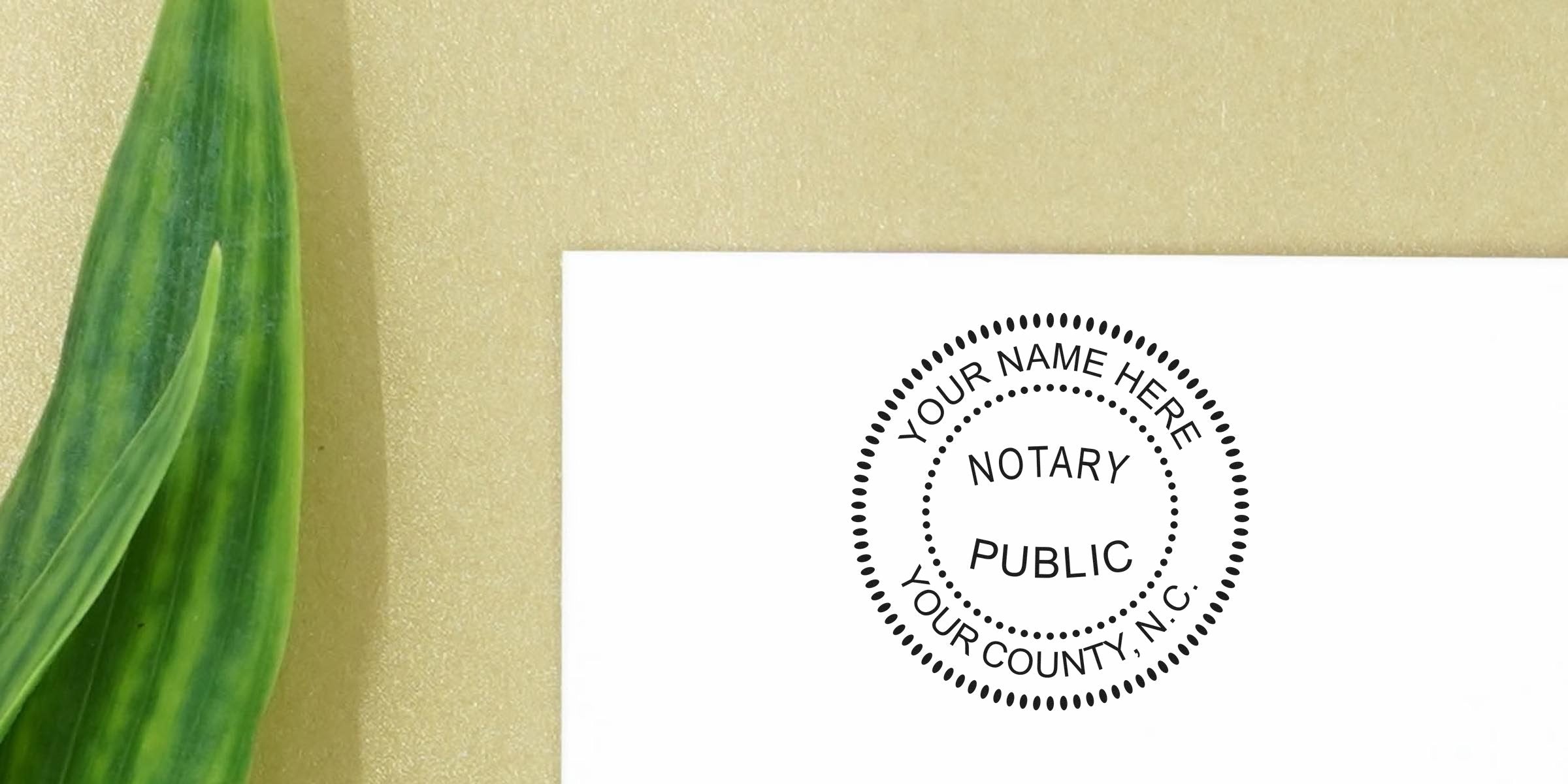
North Carolina requires a notary seal on every paper record you notarize, placed near your signature and on the same page as the certificate. It must carry your name exactly as commissioned, the words “Notary Public”, your county of commissioning including the word “County” or “Co.”, and “North Carolina”, “N.C.” or “NC”. North Carolina sets no ink color. It does set size limits, requires a visible border, and is one of the few states where you surrender an expired seal rather than destroying it.
North Carolina notary stamp requirements at a glance
| Requirement | North Carolina rule | Source |
|---|---|---|
| Stamp required | Yes | G.S. 10B-36(b), 10B-37(a) |
| Required wording | Name exactly as commissioned; The words “Notary Public”; County of commissioning, including “County” or “Co.”; “North Carolina”, “N.C.” or “NC” | G.S. 10B-37(b) |
| Size and shape | Circular 1.5 to 2 inches in diameter, or rectangular no more than 1 inch high by 2.5 inches long. | G.S. 10B-37(c) |
| Ink color | No color is specified, and North Carolina sets no photographic-reproduction standard either. | G.S. 10B-20(b)(2), (b)(3) |
| Embosser | Not settled either way. | G.S. 10B-37(c1), (e) |
| Commission term | A notary recommissioned within three months need not surrender the old seal, and no new seal is required if the seal data still matches. | G.S. 10B-51, 10B-52, 10B-55(b) |
| Name or address change | Notify the Secretary within 45 days. | G.S. 10B-51, 10B-52, 10B-55(b) |
| Lost or stolen stamp | Within 10 days of discovering the seal is lost or stolen: tell law enforcement if it was theft or vandalism, and notify the register of deeds and the Secretary in writing, signed in your commissioned name. | G.S. 10B-55(a),(b),(c), 10B-36(c), 10B-126(c) |
| Commissioning authority | The North Carolina Department of the Secretary of State | Chapter 10B of the North Carolina General Statutes |
Rules for other states are on notary stamp requirements by state.




Is a notary stamp required in North Carolina?
Yes, on every paper record notarized, near the notary's signature, on the same page as the notarial certificate.
The governing text is G.S. 10B-36(b), 10B-37(a).
What must appear on a North Carolina notary stamp?
- Name exactly as commissioned
- The words “Notary Public”
- County of commissioning, including “County” or “Co.”
- “North Carolina”, “N.C.” or “NC”
The commission expiration date is optional and may be imprinted, handwritten or typed (G.S. 10B-37(d)).
What size and shape must a North Carolina notary stamp be?
Circular 1.5 to 2 inches in diameter, or rectangular no more than 1 inch high by 2.5 inches long. The perimeter must carry a border that is visible when impressed.
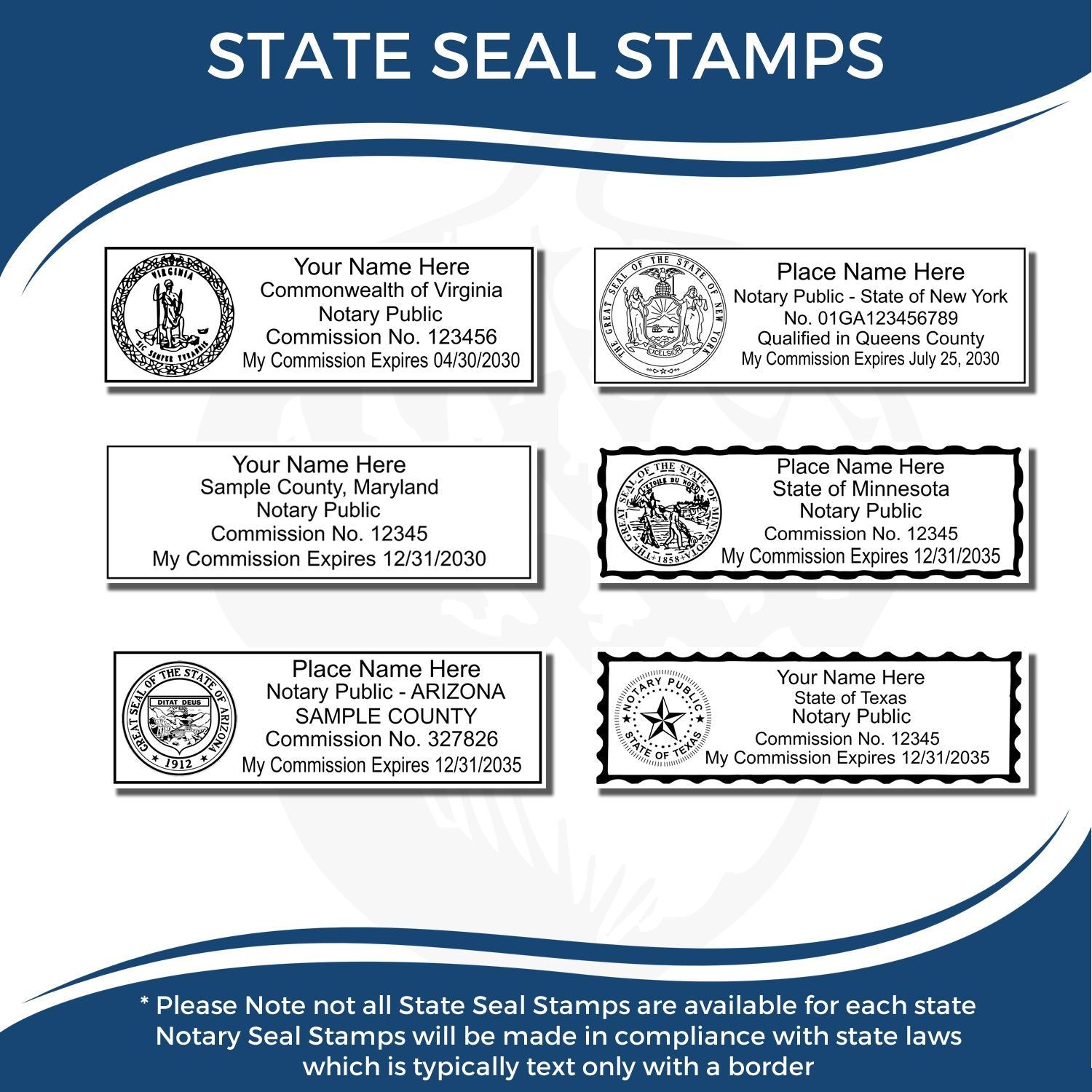
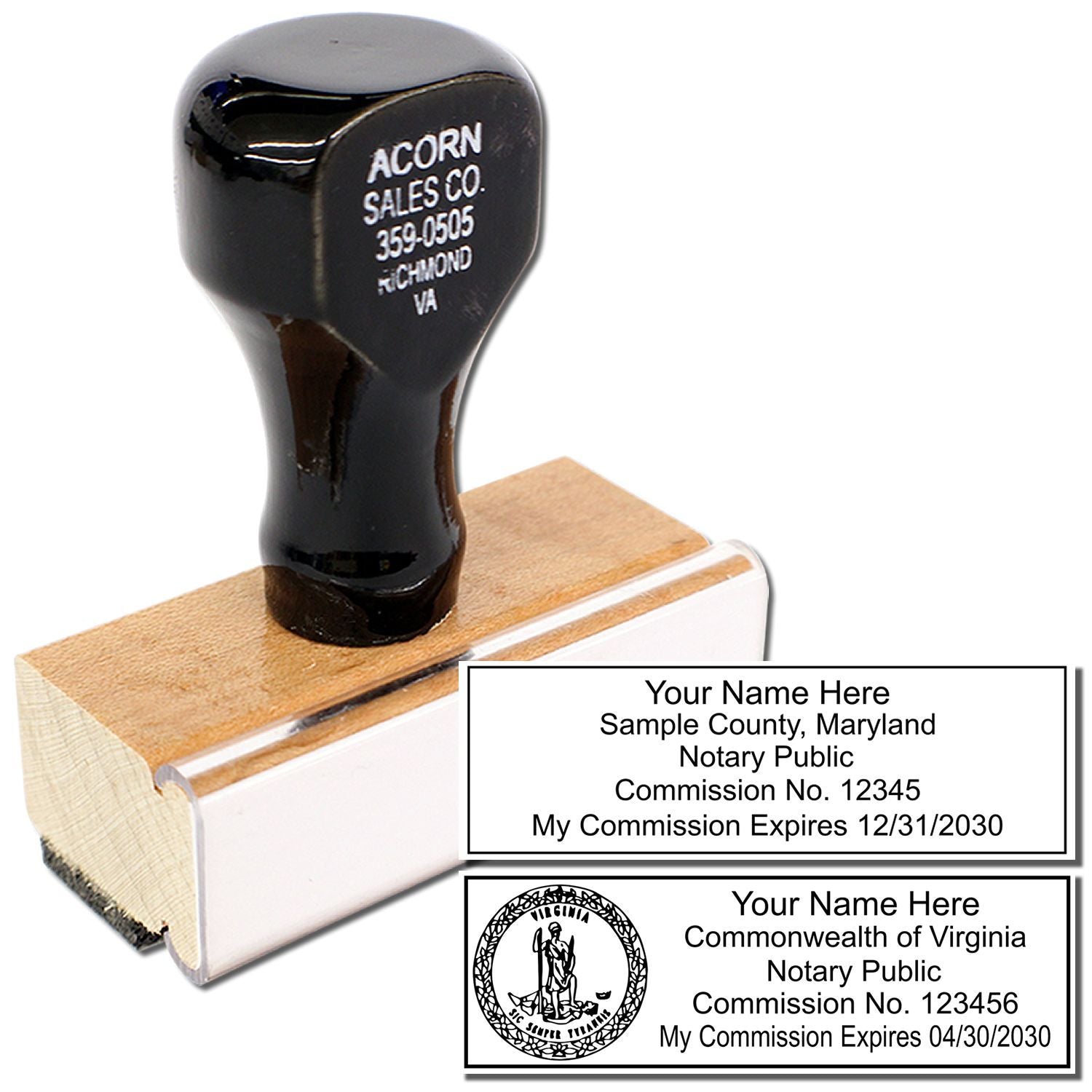
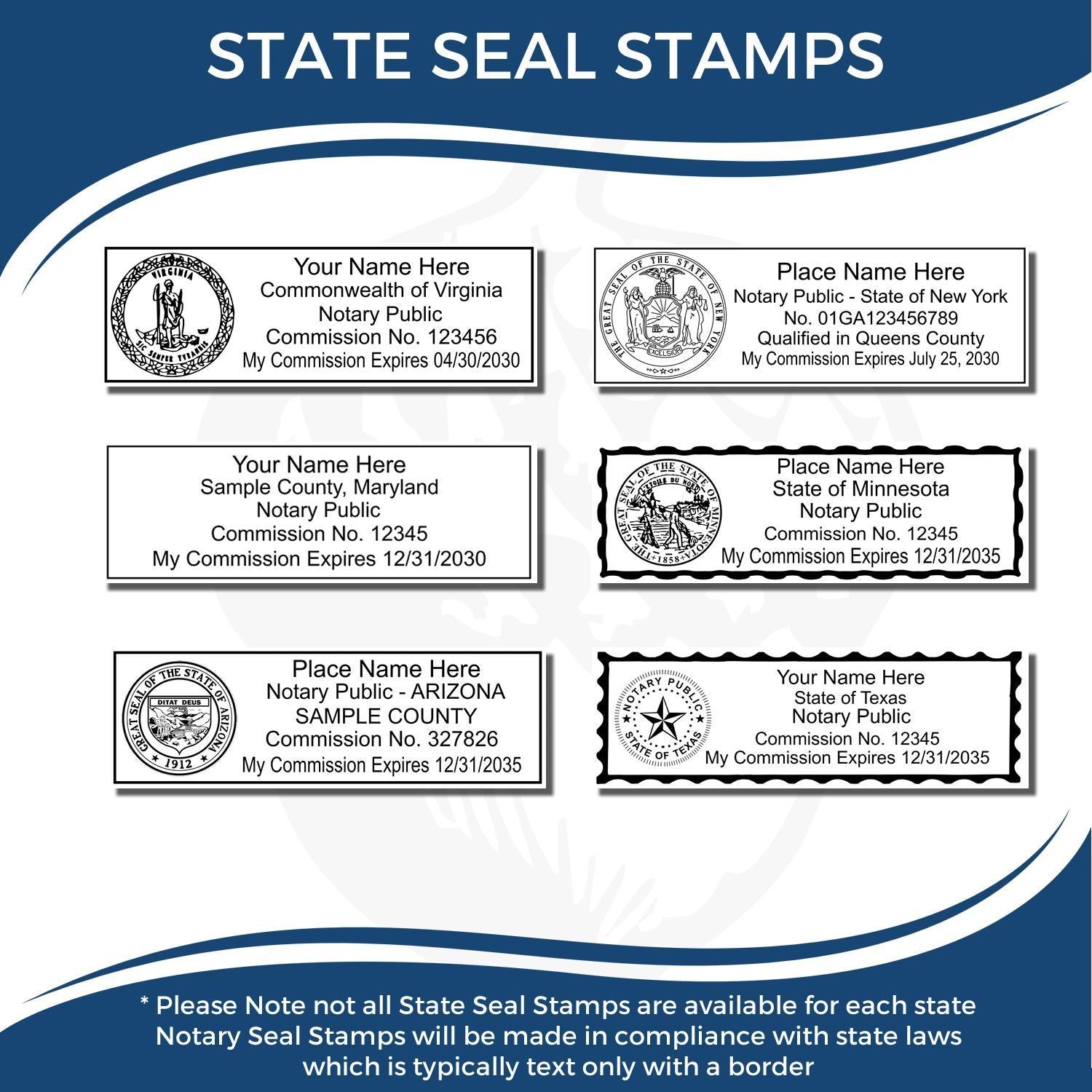
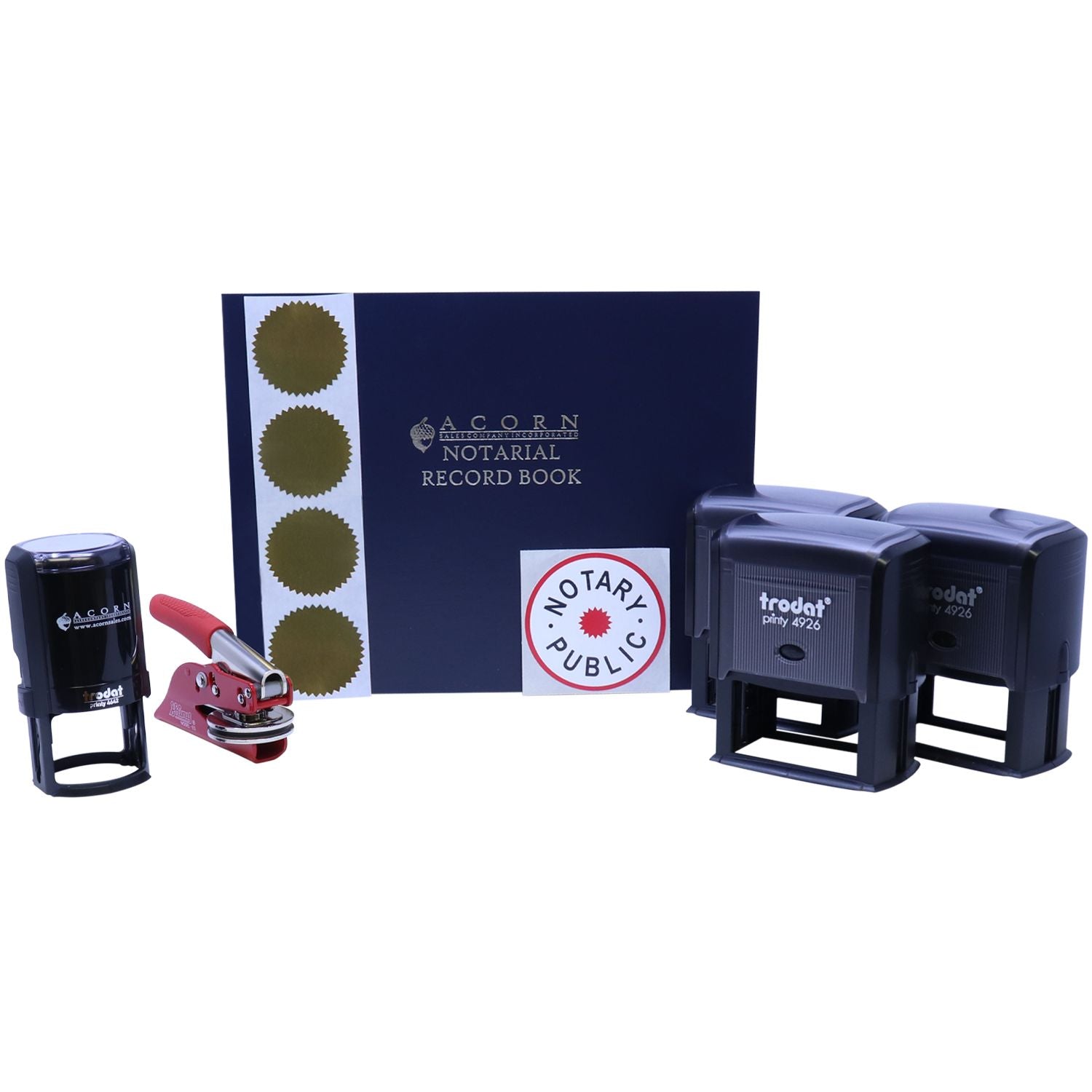
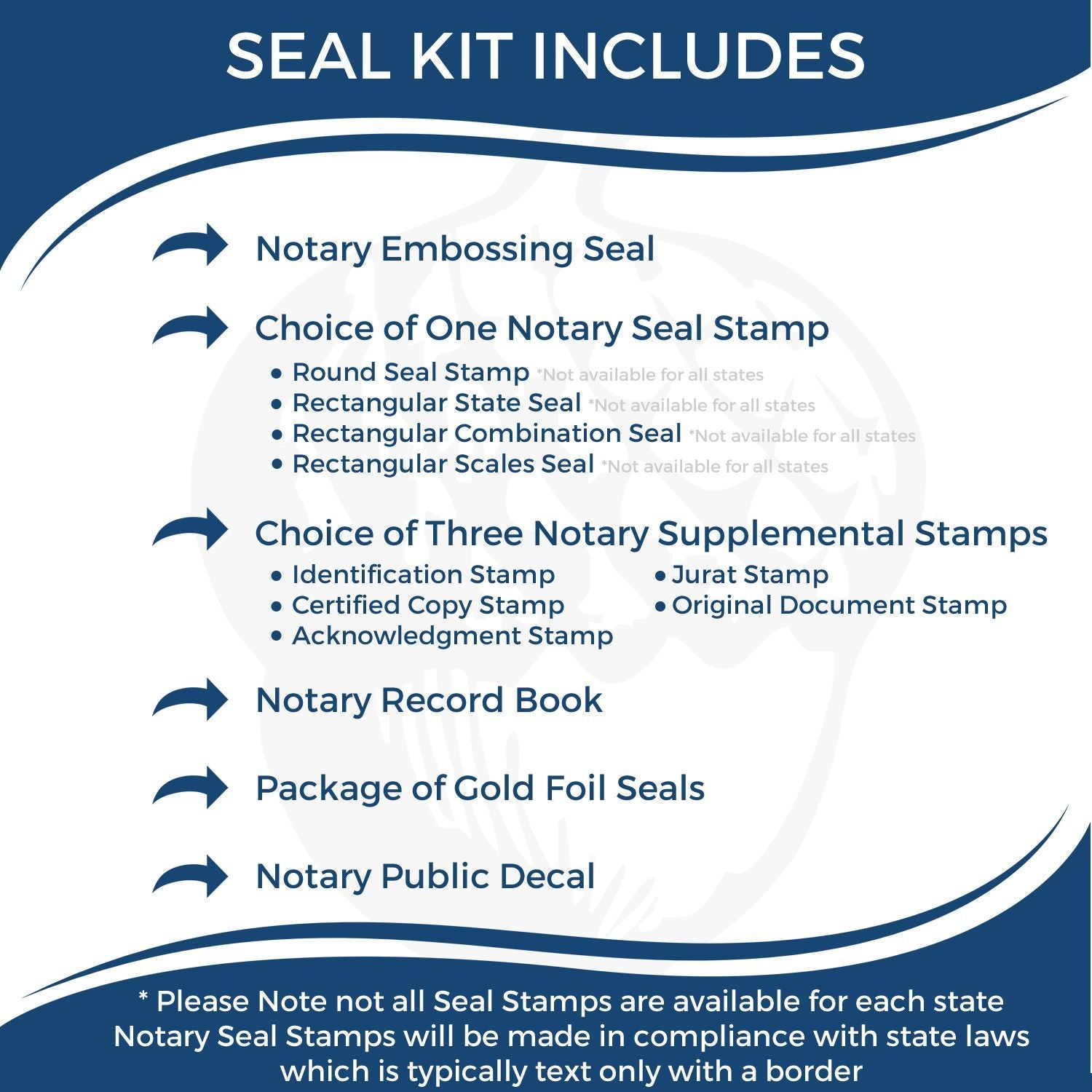
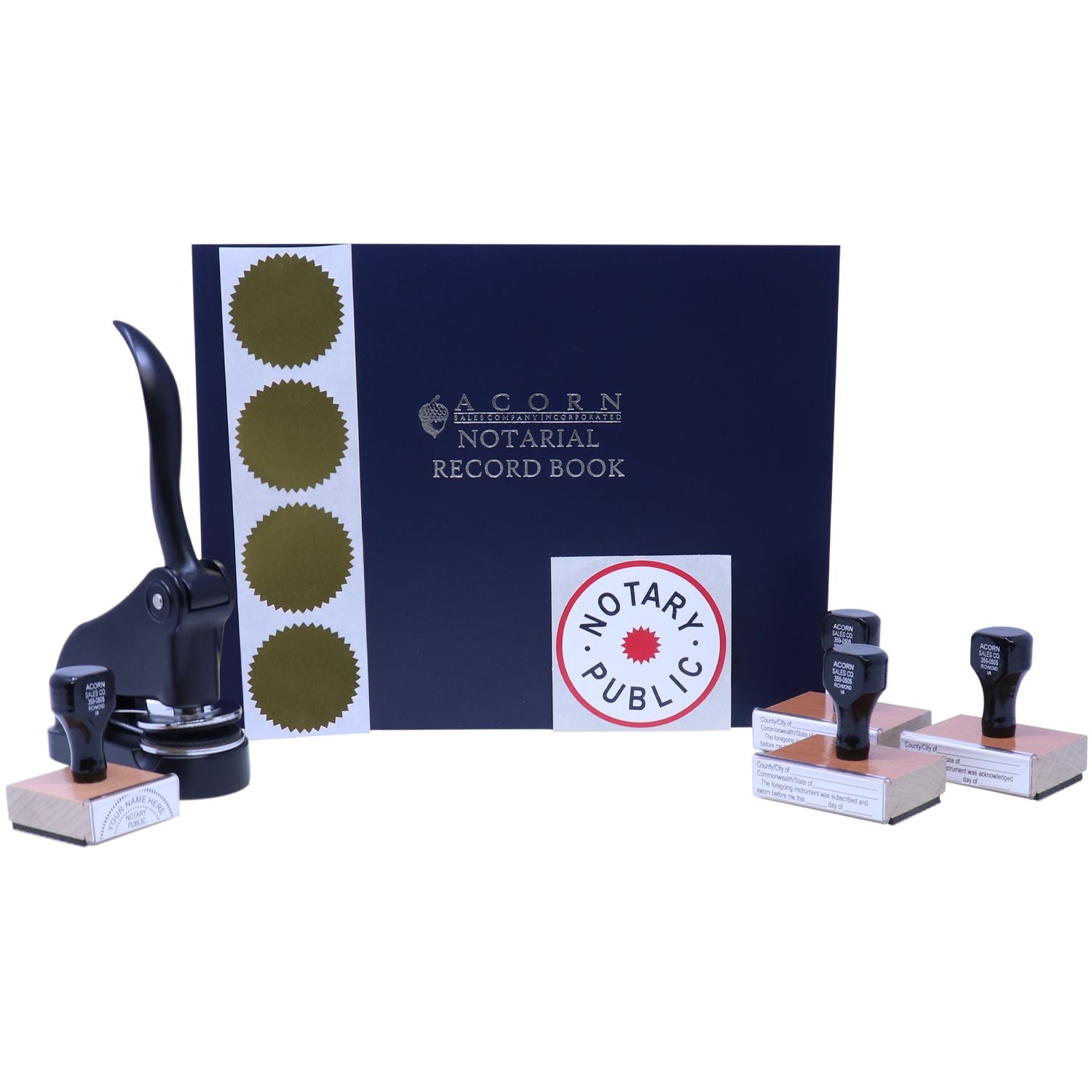
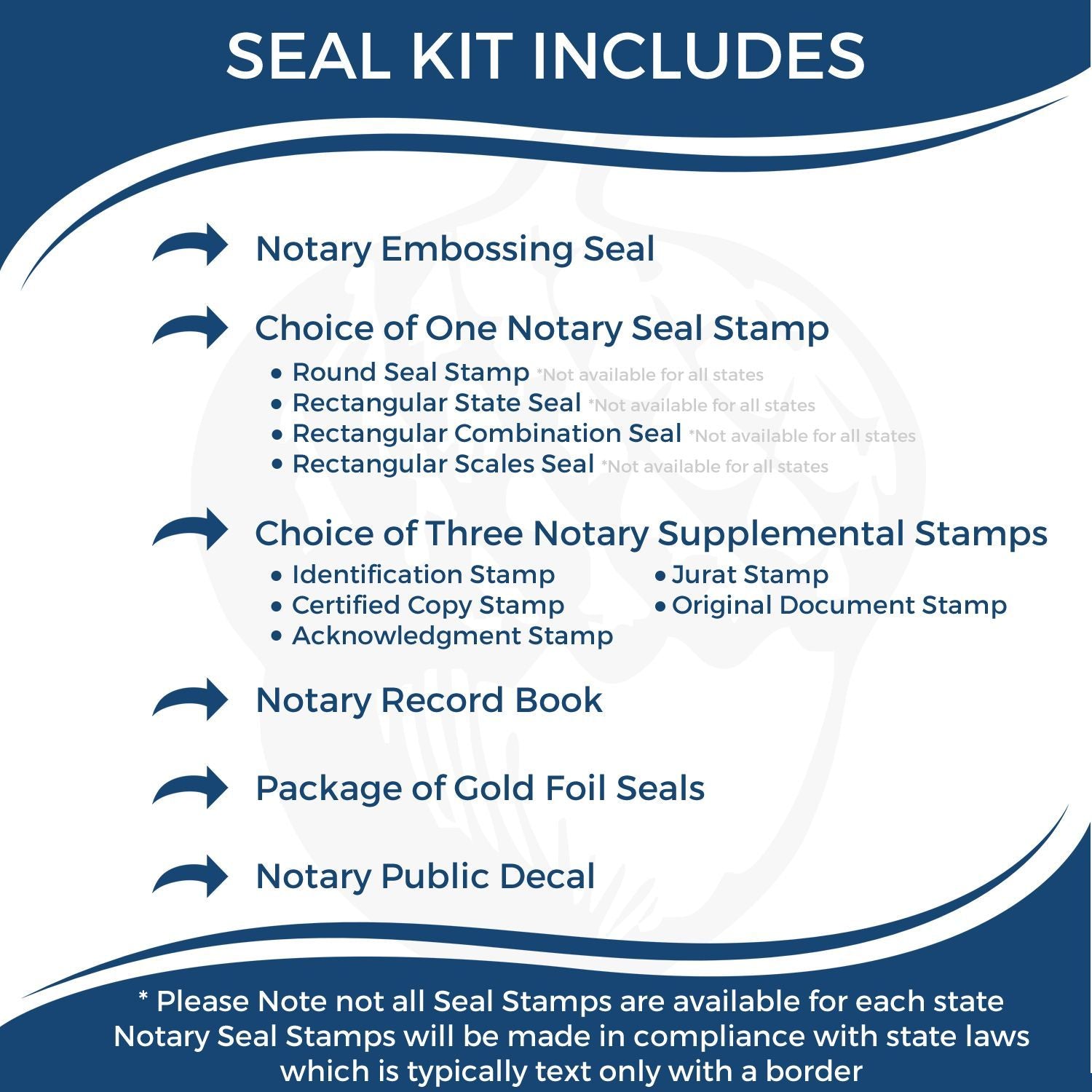
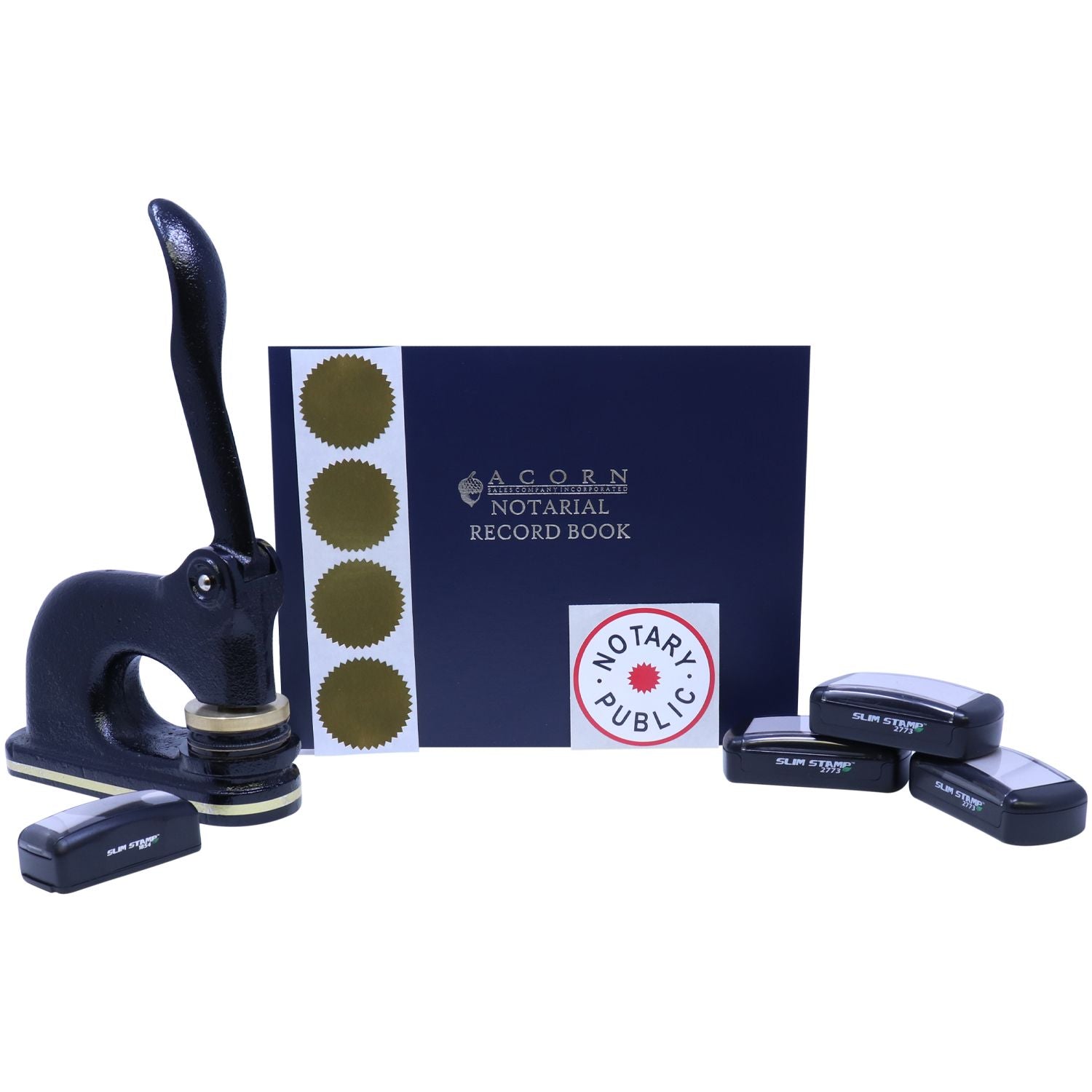
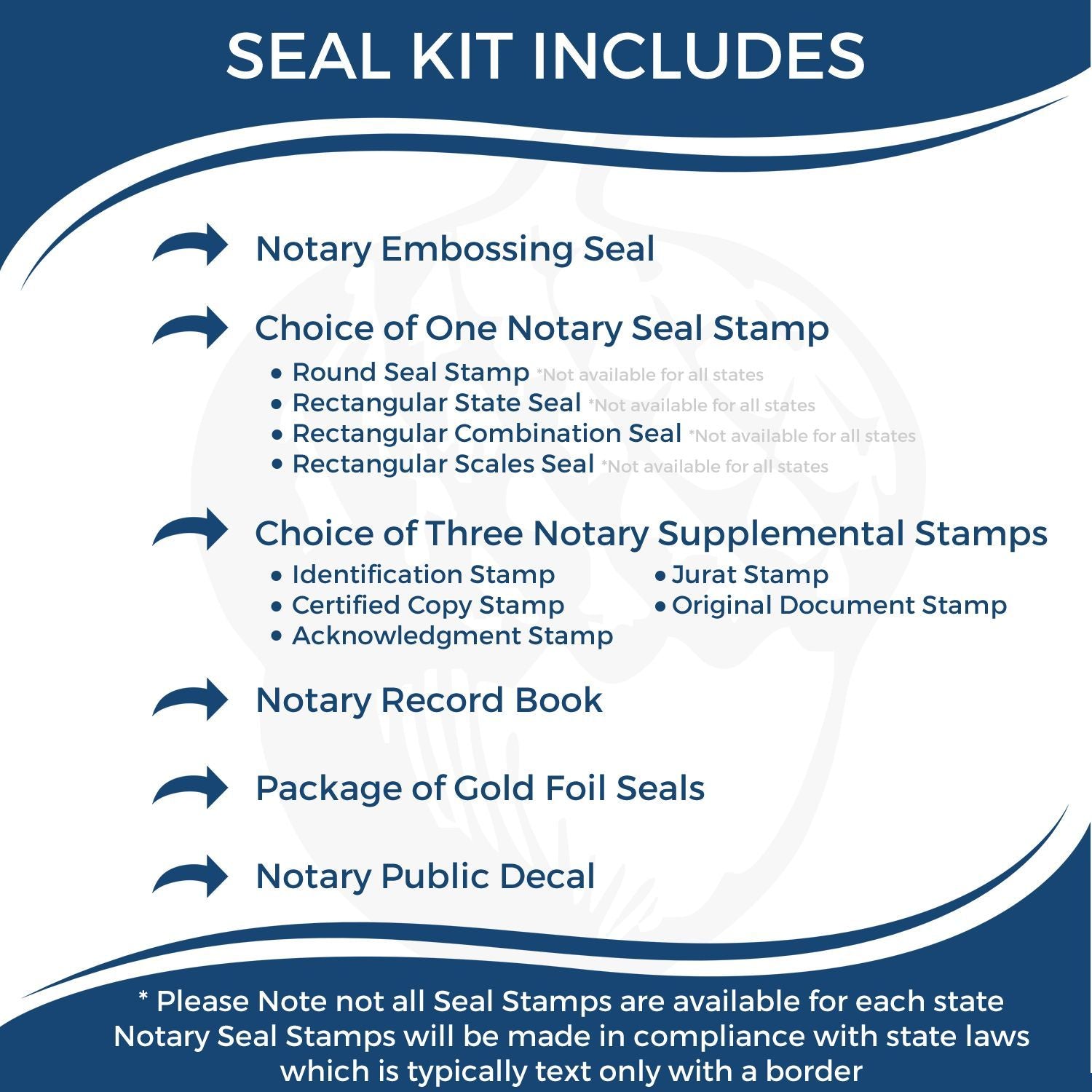
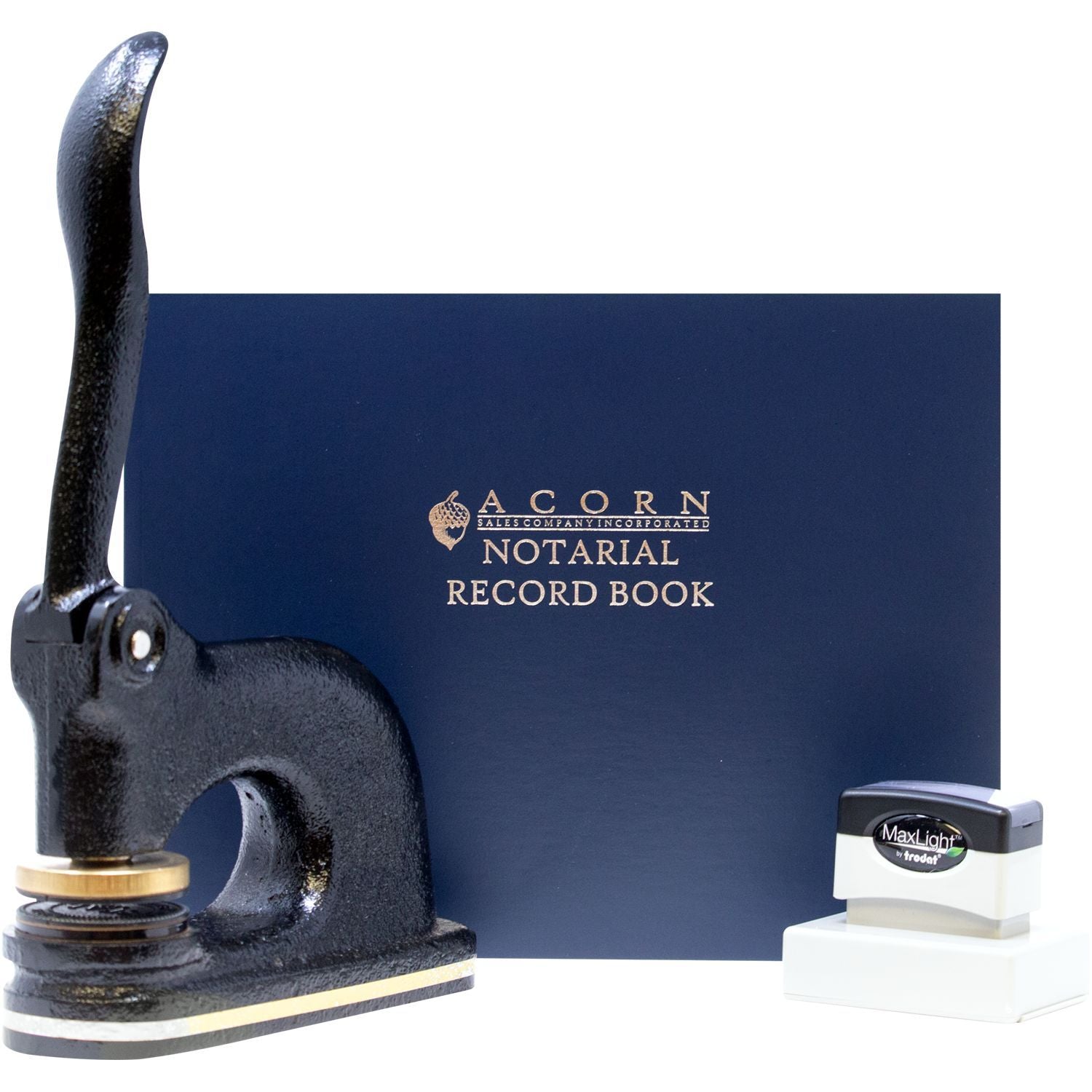
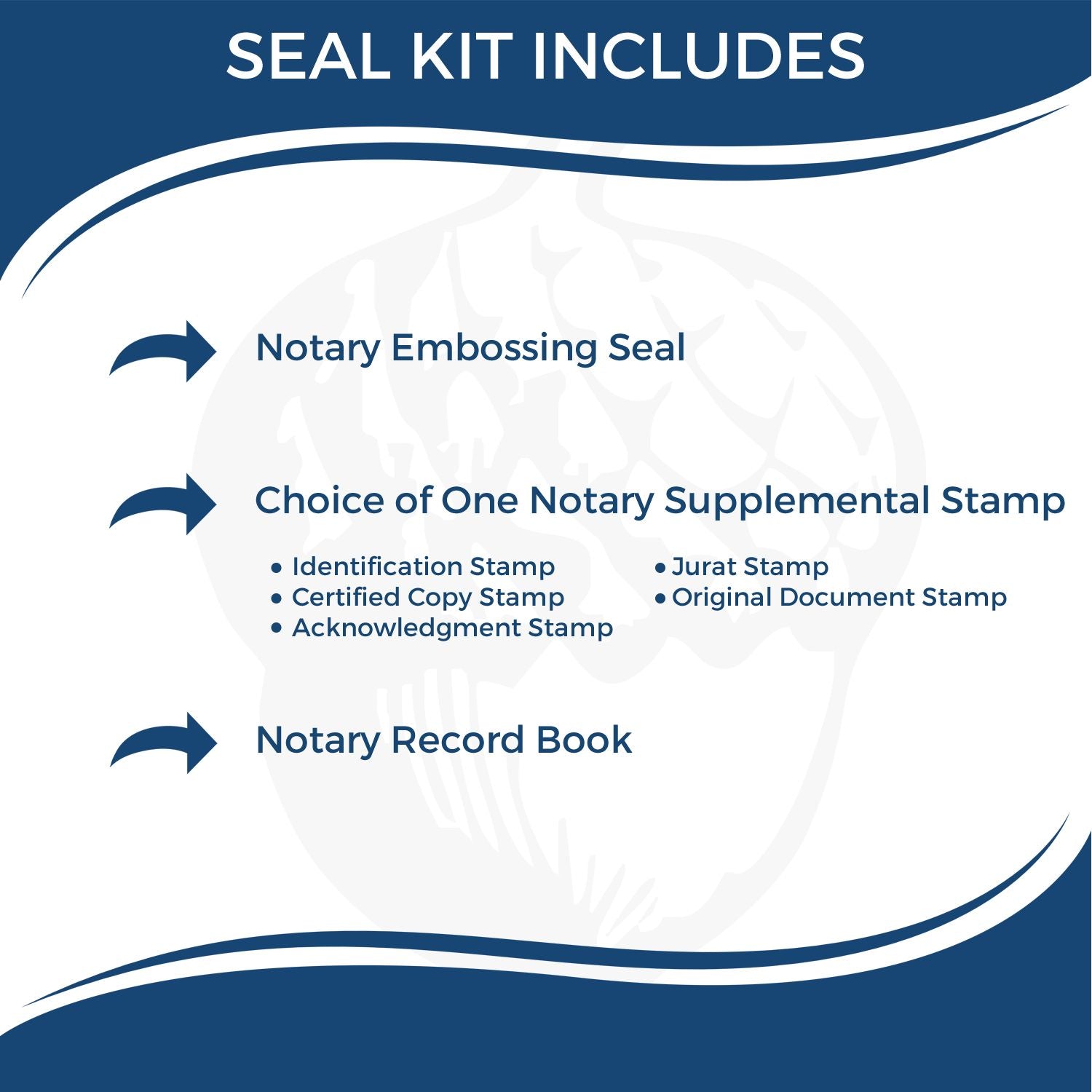
Notary public stamps are made to these conventions, and we check your lines against the statutory wording before we make the stamp.
What ink color is required for a North Carolina notary stamp?
No color is specified, and North Carolina sets no photographic-reproduction standard either. The real requirement lives outside the seal section, in the attestation rules: a notarial act must be attested by “the clear and legible appearance of the notary’s stamp or seal” and by “the legible appearance of the notary’s name exactly as shown on the notary’s commission”. Be aware that the Secretary of State’s own posted PDF of Chapter 10B is an outdated pre-2023 version showing a “photographically reproducible” phrase that is no longer in the statute.
More on the trade-off in stamp ink color rules.
Is a notary embosser required or optional in North Carolina?
Not settled either way. The statute refers to the seal “as embossed or stamped” and says a reference to a seal includes a stamp and vice versa, but no provision says an embosser alone may replace an inked stamp.
Notary embossing seal kits and inked stamp kits cover both formats. See also notary stamp vs. embosser.
A defective North Carolina seal does not void the notarization
This is unusual and worth knowing. “The failure of a notarial seal to comply with the requirements of this section shall not affect the sufficiency, validity, or enforceability of the notarial certificate, but shall constitute a violation of the notary's duties” (G.S. 10B-37(f)).
So a non-compliant seal will not unwind the document, but it is still a violation you answer for. Get the seal right and the question never arises.
Do I need a new stamp when my commission is renewed or my name changes?
A notary recommissioned within three months need not surrender the old seal, and no new seal is required if the seal data still matches. A notary who moves to another North Carolina county keeps the same seal until the commission expires, then gets one showing the new county.
Notify the Secretary within 45 days. You may keep using the former name until you obtain a new seal bearing the new name exactly as confirmed, and re-qualify before the register of deeds within 45 days.

What do I do if my North Carolina notary stamp is lost or stolen?
Within 10 days of discovering the seal is lost or stolen: tell law enforcement if it was theft or vandalism, and notify the register of deeds and the Secretary in writing, signed in your commissioned name. Same 10 days for an electronic seal or signature.
How do I dispose of an expired North Carolina notary stamp?
North Carolina is the outlier: you do not destroy the seal, you surrender it. Deliver it to the Secretary of State within 45 days of expiry, revocation or resignation, and the Secretary destroys it. Not required if you are recommissioned within three months.
More on retiring an old device in how to dispose of an expired notary stamp.
Can I notarize electronically or remotely in North Carolina?
Electronic notarization is authorized under the Electronic Notary Act. A printed electronic seal must replicate an inked seal, use the size and shape in G.S. 10B-37(c), carry a Department-assigned identifier in the border in no less than 8-point type, and show the county and the commission expiration date. Remote electronic notarization is law but not yet operating: emergency video notarization runs until 1 July 2027 or the first RON license, whichever comes first.
If you need your seal as an image file for electronic work, see electronic notary seal images.
Who is allowed to sell you a North Carolina notary seal?
North Carolina restricts who may sell you a seal: a vendor cannot supply one unless you present a commission issued by the Secretary, plus identification or confirmation of active status (G.S. 10B-36(e)).
Related North Carolina guides
Next step
Have your commission details in front of you before you order, because they go on the stamp and a wrong line means a reorder. Then browse notary public stamps, or contact us and we will check your wording against the statute before we make it.
Frequently asked questions about North Carolina notary seals
Is a notary seal required in North Carolina?
Yes. A notary must keep an official seal that is the exclusive property of the notary, and must place its image or impression near the notary's signature on every paper record notarized (G.S. 10B-36).
What has to appear on a North Carolina notary seal?
Four things: your name exactly as commissioned, the words “Notary Public”, the county of commissioning including the word “County” or the abbreviation “Co.”, and “North Carolina”, “N.C.” or “NC”. The commission expiration date is optional and may be imprinted, handwritten or typed.
What size must a North Carolina notary seal be?
A circular seal must be at least 1.5 inches and no more than 2 inches in diameter. A rectangular seal must be no more than 1 inch high by 2.5 inches long. The circular range applies to commissions and recommissions issued on or after 1 October 2006, and every seal must have a border that is visible when impressed.
What ink color is required for a North Carolina notary seal?
None. North Carolina specifies no color and, despite what you may read elsewhere, no photographic-reproduction standard. The requirement that does apply is the “clear and legible appearance” of your stamp under the attestation rules, so pick a color that stays readable on a copy.
What do I do with my North Carolina notary seal when my commission ends?
You surrender it rather than destroy it. Deliver the seal to the Secretary of State within 45 days of expiration, resignation or revocation, and the Secretary destroys it. You do not have to deliver it if you are recommissioned within three months.
What if my North Carolina notary seal is lost or stolen?
You have 10 days to notify the Secretary of State and the register of deeds in writing, and to notify law enforcement if it was stolen or vandalized.
Does a defective seal invalidate a North Carolina notarization?
No. A seal that fails to comply does not affect the sufficiency, validity or enforceability of the notarial certificate. It does, however, count as a violation of the notary's duties, so it is not something to be relaxed about.
Can anyone sell me a North Carolina notary seal?
No. A vendor may not supply a North Carolina notary seal unless you present your commission along with identification or confirmation that your commission is active.








