
Written by Acorn Sales Company, manufacturing stamps and seals since 1964 · Reviewed by Holly R, VP of Sales and Marketing at Acorn Sales, against Washington State Department of Agriculture on 22 September 2026 · Updated 22 September 2026
A Washington weighmaster impression seal is made and issued by the state, and the state owns it. RCW 15.80.520(2)(b) says the seal “may be procured from the director upon the payment of a fee of sixty dollars or the current cost of the seal to the department, whichever is less”, that it “must be used only at the scale to which it is assigned”, and that it “remains the property of the state and shall be returned to the director upon the termination, suspension, or revocation of the weighmaster’s license”. WAC 16-674-030 gives that a deadline of ten days. There is nothing here for a stamp manufacturer to sell, and this page does not try to sell you one.
There is a second point that matters just as much, and it is the one most summaries get wrong. The seal is optional. RCW 15.80.520(1) says certification of weights must be in accordance with subsection (2)(a) or (b), and route (2)(a) uses a printed certification on the ticket with no seal device at all. Many Washington weighmasters never hold an impression seal. Below is what each route requires, and a warning about the one Washington term that is routinely mistaken for a weighmaster seal.
Washington public weighmaster seal requirements at a glance
| Requirement | Washington rule | Source |
|---|---|---|
| Seal required | No. Certification is required; the seal is one of two ways to do it. “Certification of weights must be in accordance with subsection (2)(a) or (b) of this section.” Route (a) needs no seal device. Where you elect route (b), certification “must be made by means of an impression seal”. | RCW 15.80.520(1), (2)(a), (2)(b) |
| Required elements | Not addressed. No wording, legend or element is prescribed for the impression seal anywhere in RCW ch. 15.80 or WAC ch. 16-674, which follows from the department making the seal and assigning it. The prescribed content lives in the certified weight ticket instead. | RCW 15.80.520(2)(b); RCW 15.80.530 |
| Size and shape | Not addressed. No size, diameter or shape is published in RCW ch. 15.80 or WAC ch. 16-674. Since the seal is procured only from the director, there is no engraving specification for a licensee to work to. | RCW ch. 15.80; WAC ch. 16-674 |
| Device allowed | Under route (b), an impression seal, that is an embosser, whose impress is placed by the weighmaster or weigher making the weight determination upon the weights shown on the tickets. Under route (a), no device at all: a printed certification plus names and the assigned scale seal number. | RCW 15.80.520(2)(b); RCW 15.80.520(2)(a) |
| Signature and date | Every certified weight ticket carries the date of issuance and “The complete signature of the weighmaster or weigher” who weighed, measured or counted the commodity. Certificates so made and properly certified or sealed are prima facie evidence of the accuracy of the weights shown. | RCW 15.80.530 |
| What must be sealed | Where route (b) is used, the impress is placed “upon the weights shown on the weight tickets”, by the weighmaster or weigher who actually made the determination. Under route (a) the certification appears “in an appropriate and conspicuous place on each certificate and copies thereof”. | RCW 15.80.520(2)(b); RCW 15.80.520(2)(a) |
| Electronic seal | Not addressed. There is no electronic or digital seal provision and no third party certificate requirement in RCW ch. 15.80 or WAC ch. 16-674. RCW 15.80.550 deals with automatic weighing devices, which is a different subject. | RCW ch. 15.80; WAC ch. 16-674 |
| Renewal and lapse | Weighmaster licenses expire June 30 following issuance, at an annual fee of eighty dollars for each scale from which certified weights will be issued. A renewal not filed by July 1 draws a penalty of fifty percent of the renewal fee. The impression seal is surrendered to the director within 10 days of non renewal, suspension or revocation. | WAC 16-674-030; RCW 15.80.450, 15.80.470 |
| Firm requirements | The license attaches to a business and to named scales. The application gives each partner or officer, the principal business address, agents for service, the location of each scale under the applicant’s control, and the unified business identifier for the scale operator. A current bond is required, devices are registered, and proof of a scale test within the last 12 months is filed. Employees who issue tickets hold their own weigher licenses. | RCW 15.80.450; WAC 16-674-030; RCW 15.80.490 |
| Regulator | Washington State Department of Agriculture, acting through its director or the director’s duly appointed representative. The director enforces the chapter and adopts rules under it. | RCW 15.80.300; RCW 15.80.410 |

Who supplies a Washington weighmaster impression seal?
The director of the Washington State Department of Agriculture, and nobody else. RCW 15.80.520(2)(b) is worth setting out as it stands: “The impression seal may be procured from the director upon the payment of a fee of sixty dollars or the current cost of the seal to the department, whichever is less, and such fee shall accompany the applicant’s application for a weighmaster’s license. Any replacement seal needed may be procured from the director upon payment to the department of the current cost to the department for such replacement. An impression seal must be used only at the scale to which it is assigned, and remains the property of the state and shall be returned to the director upon the termination, suspension, or revocation of the weighmaster’s license.”
Every commercially relevant fact is in that one subsection. The source is the director. The price is sixty dollars or the department’s current cost, whichever is less. The fee rides along with the license application. Replacements come from the same place. The seal is tied to one scale. The state owns it. It goes back at the end. A supplier who offers to make you a Washington weighmaster seal is offering something the statute does not allow you to use.
The seal is optional, and that is the part people miss
RCW 15.80.520(1) reads: “Certification of weights must be in accordance with subsection (2)(a) or (b) of this section.” Two routes, joined by or. The mandatory thing is certification. The impression seal is how you certify if you choose route (b), and route (a) needs no seal device whatever.
That structure is why a flat answer to “does Washington require a weighmaster seal” is wrong in both directions. No, a seal is not required, because (2)(a) exists. Yes, where you have elected (2)(b), the impress shall be placed on the tickets, and the only lawful source for the device is the director. Both sentences are true at once, and which one governs your yard is a choice made at application time, since the sixty dollar fee accompanies the license application.
Route (a): certify in print, with no seal at all
RCW 15.80.520(2)(a) sets out the seal free method: “The certification must appear in an appropriate and conspicuous place on each certificate and copies thereof. In addition the weight ticket must bear the name of the weighmaster, the full name of the weigher issuing the ticket, and a seal number assigned to the scale by the department. The seal number must be used only at the scale to which it is assigned.”
So the ticket carries three added pieces of identification on top of the ordinary ticket content: the weighmaster’s name, the full name of the weigher who issued the ticket, and the department’s assigned seal number for that scale. Nothing is embossed and nothing is stamped. For an operation that prints tickets off a scale indicator, this is the route that fits the equipment, which is a large part of why it is common.
Note the two names. Route (a) wants the weighmaster and the weigher identified separately, and it asks for the weigher’s full name rather than an initial or a badge number. In a yard where the license holder rarely runs the scale himself, that is the pairing the rule is after: the business’s licensed weighmaster on one line and the licensed person who actually issued this ticket on another. Build the ticket template so both lines exist, because a template with one name field is the usual way this requirement gets missed.
The scale seal number is not a weighmaster seal
This is the trap in the Washington chapter and it is worth a section of its own. The phrase “a seal number assigned to the scale by the department” in route (a) describes a device identifier. It belongs to the scale, the department assigns it, and 15.80.520(2)(a) says it must be used only at the scale to which it is assigned. It is a number printed on a ticket, not a mark made by an instrument, and it has nothing to do with the impression seal in route (b).
The same confusion appears elsewhere in this trade whenever a weights and measures official tests a scale and seals the device. That sealing is an act by an inspector on a piece of equipment, certifying the equipment. A weighmaster seal, where it exists, is a mark the licensee puts on a document. If you are reading Washington material and the word seal appears, check which of the three things it means before acting on it.
Route (b): the impression seal, and where the impress goes
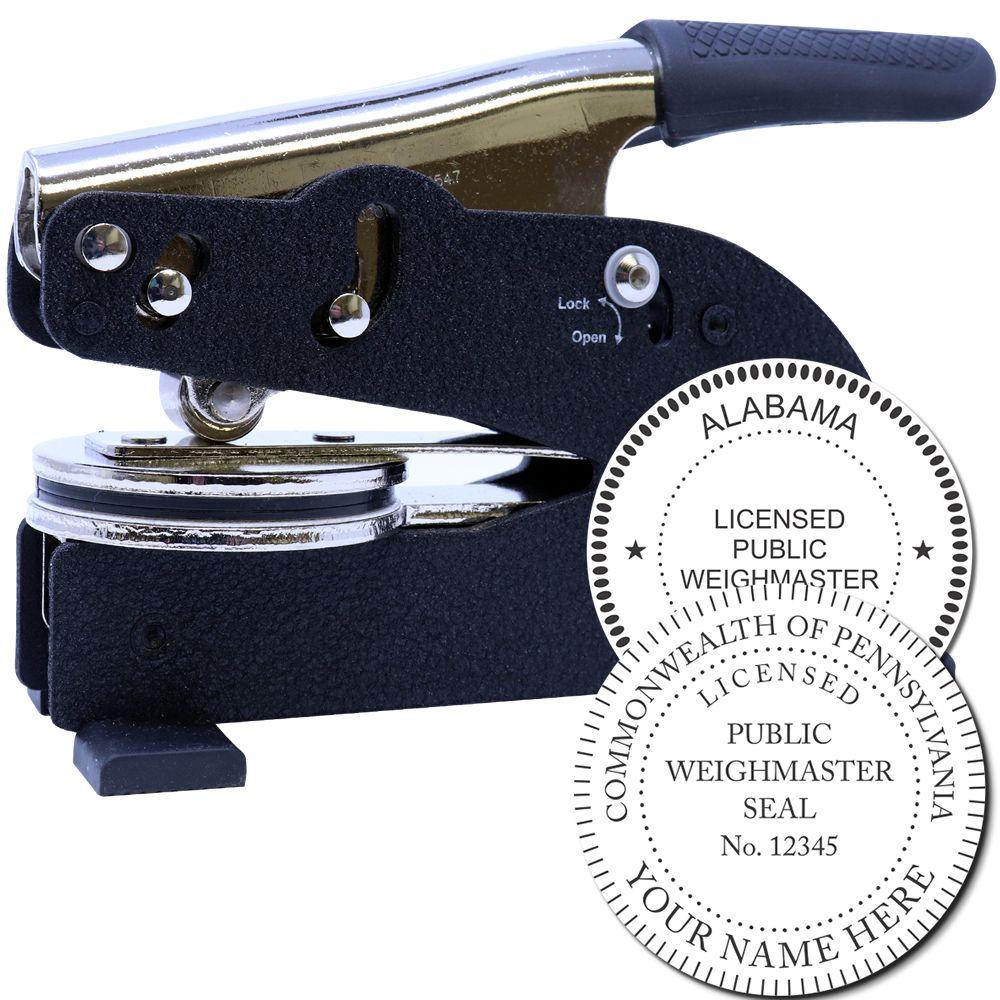
RCW 15.80.520(2)(b) opens: “Certification must be made by means of an impression seal, the impress of which shall be placed by the weighmaster or weigher making the weight determination upon the weights shown on the weight tickets.”
Two details in that sentence do work. First, the impress is placed by the person making the weight determination, not by an office clerk afterwards. Washington licenses weighers separately for exactly this reason: under RCW 15.80.300 a weigher is an agent or employee of a weighmaster, licensed under the chapter and authorized by the weighmaster to issue certified statements. Second, the impress goes upon the weights shown, so it lands on the figures rather than in a corner of the page. An embosser with enough reach to land where the numbers are is part of why the department controls the device.
There is no engraving specification to work to
Neither RCW ch. 15.80 nor WAC ch. 16-674 prescribes any wording, legend, element, size, diameter or shape for the impression seal. That is not a gap in our reading. It is the natural consequence of the department making the seal itself and assigning it to a scale: there is no licensee facing specification because no licensee is meant to have one made.
If you need to know what the device looks like or how large the impression is, ask the department before you design certificate stock around it, since a ticket layout that leaves no clear space over the weight figures will fight the rule that the impress goes upon the weights shown.
What the certified weight ticket must contain
This is the content Washington actually prescribes, and it applies on either route. RCW 15.80.530 requires the certified weight ticket to be of a form approved by the director and to contain: the date of issuance; the kind of commodity weighed, measured or counted; the name of the owner, agent or consignee of the commodity weighed; the name of the seller, agent or consignor; the accurate weight, measure or count, including gross, tare and net weight where applicable; the identifying numerals or symbols, if any, of each container separately weighed and the license plate number of each vehicle separately weighed; the means by which the commodity was being transported at the time it was weighed; the name of the city or town where the commodity was weighed; the complete signature of the weighmaster or weigher who weighed, measured or counted the commodity; and such other available information as may be necessary to distinguish or identify the commodity.
Note “complete signature”. Initials are not what the statute asks for. The section ends by giving the document its standing: such weight certificates when so made and properly certified or sealed shall be prima facie evidence of the accuracy of the weights, measures or count shown. Certified or sealed, which is the two route structure showing up again.
One seal, one scale
Both routes carry the same restriction in the same words. The impression seal “must be used only at the scale to which it is assigned”, and under route (a) “The seal number must be used only at the scale to which it is assigned.” The licensing structure lines up with it: RCW 15.80.450(2) sets the annual license fee at eighty dollars for each scale from which certified weights will be issued, and the application under 15.80.450(1) lists the location of each scale subject to the applicant’s control.
Practically, a weighmaster running three scales is paying three license fees and, on route (b), holding three assigned seals that do not travel between locations. Moving a seal to a busier scale for an afternoon is a misuse of it, not a shortcut.


License, bond, devices and the June 30 expiry
WAC 16-674-030 provides that weighmaster licenses issued under RCW 15.80.460 expire on June 30 following the date of issuance. A renewal application not filed by July 1 draws a penalty of fifty percent of the renewal fee, although RCW 15.80.470 waives that penalty where the applicant furnishes a declaration that he or she has not acted as a weighmaster or weigher after the prior license expired.
Three other conditions sit in the same rule. Businesses or individuals applying to renew or applying initially must have a current bond in the amount specified in RCW 15.80.480, in force for not less than the entire licensing period. Devices are registered. Proof of a scale test within the last 12 months is submitted with the application. Add the duties in RCW 15.80.510, which require the weighmaster to keep his scales in conformity with the standards of weights and measures, to weigh and certify carefully and correctly, and to weigh without charge anything brought to the scale by the director or a peace officer.
Surrendering the seal, in ten days
WAC 16-674-030 puts a clock on the statute: “Upon expiration, suspension or revocation of the license, the weighmaster must surrender their impression seal to the director or the director’s representative within 10 days if they do not renew their license, if their license is suspended or if their license is revoked. The seal may be surrendered by sending the seal to the department or by surrendering the seal to the director or the director’s duly appointed representative.”
Ten days from expiration, not ten days from when you get round to it, and letting a license lapse over the summer counts. Mailing it in satisfies the rule. Replacements, if a seal is damaged or lost while you are licensed, come from the same single source: RCW 15.80.520(2)(b) provides that any replacement seal needed may be procured from the director upon payment of the department’s current cost for the replacement.
Acting without a license, and what Acorn can supply here
RCW 15.80.620 makes it unlawful for any person not licensed under the chapter to hold himself or herself out, in any manner, as a weighmaster or weigher, or to issue any ticket as a certified weight ticket. Falsification is penalized separately under RCW 15.80.630 and 15.80.640, and licenses may be denied, suspended or revoked after hearing under RCW 15.80.590.
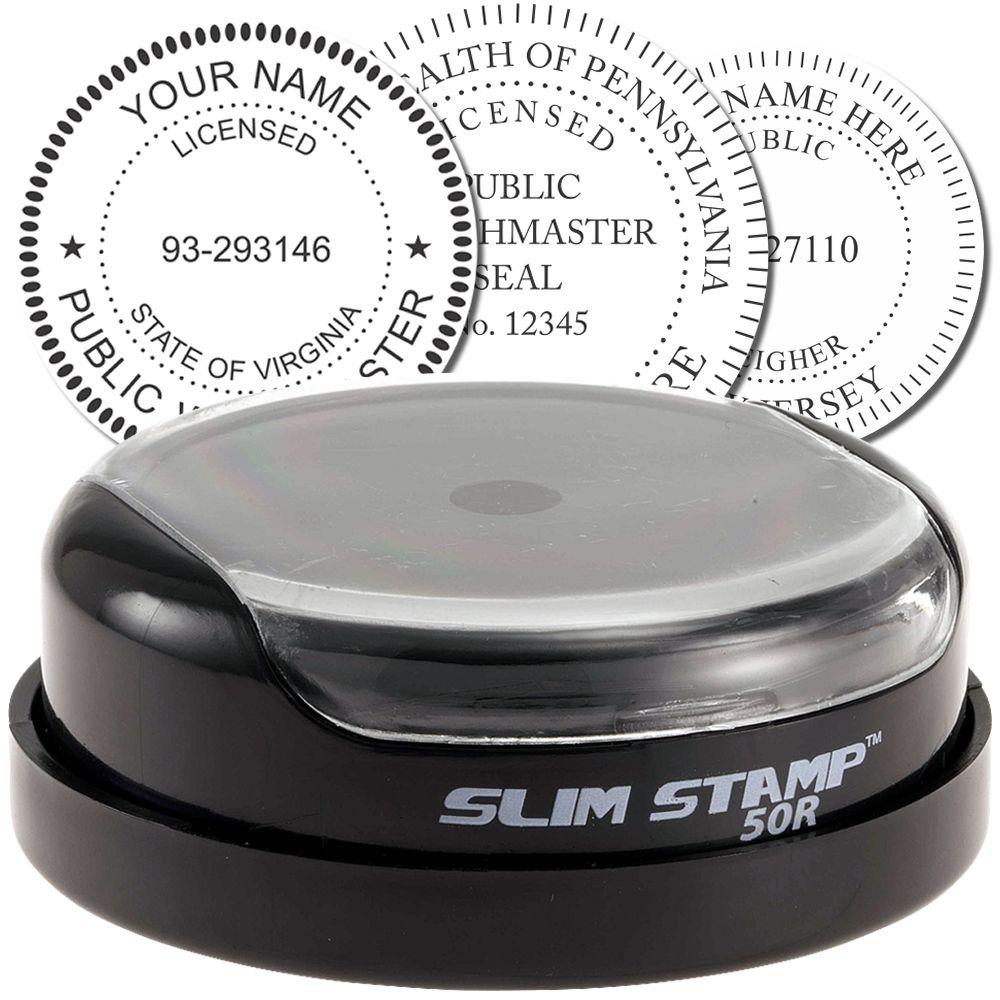
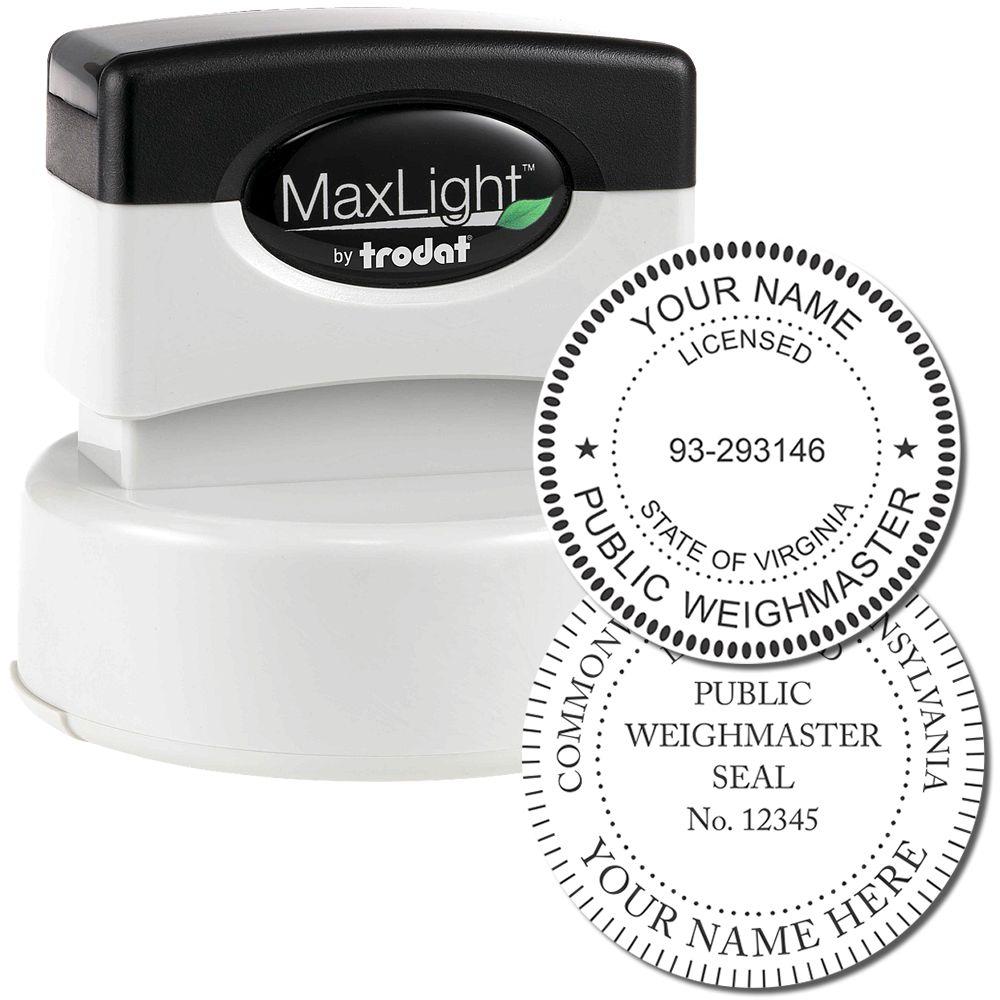
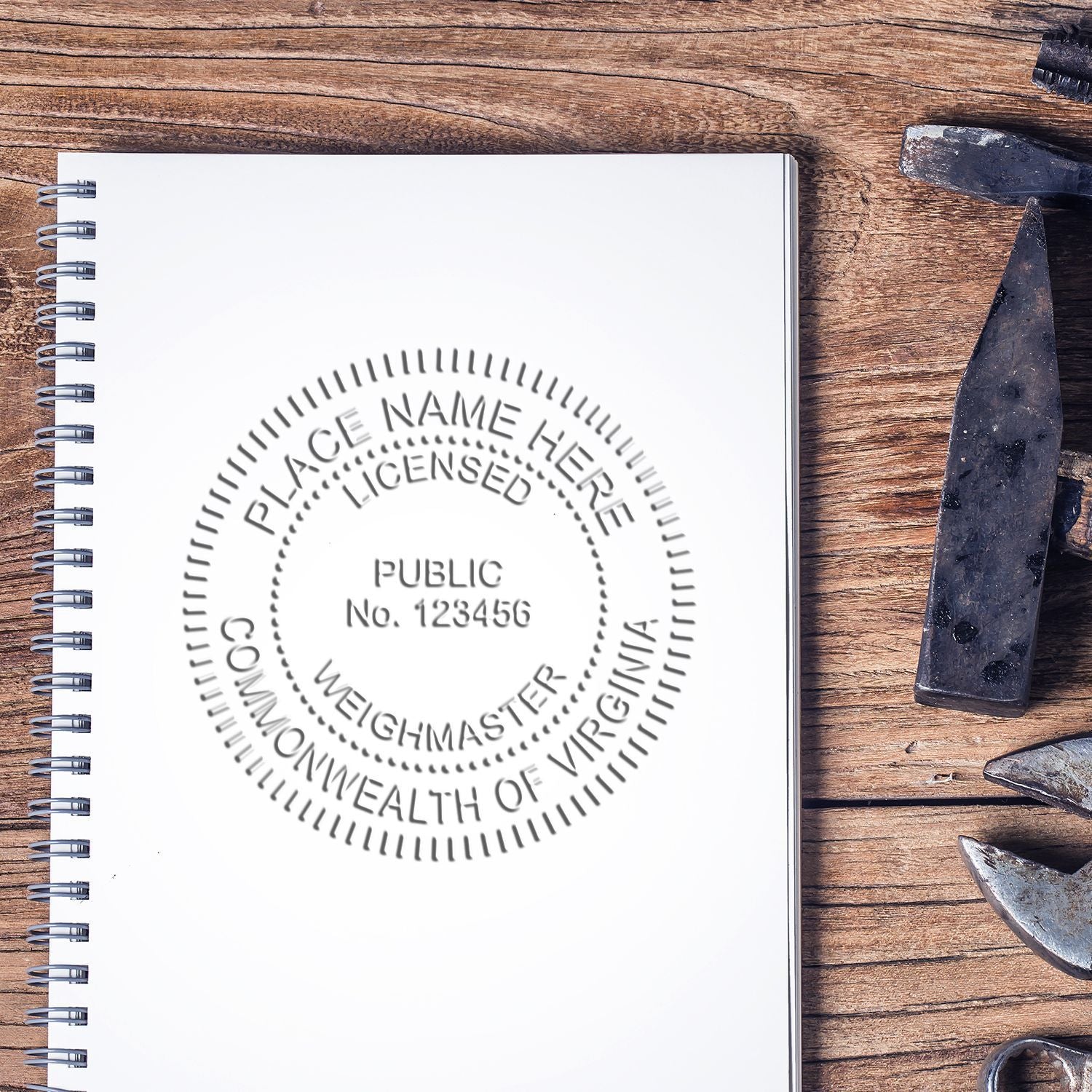
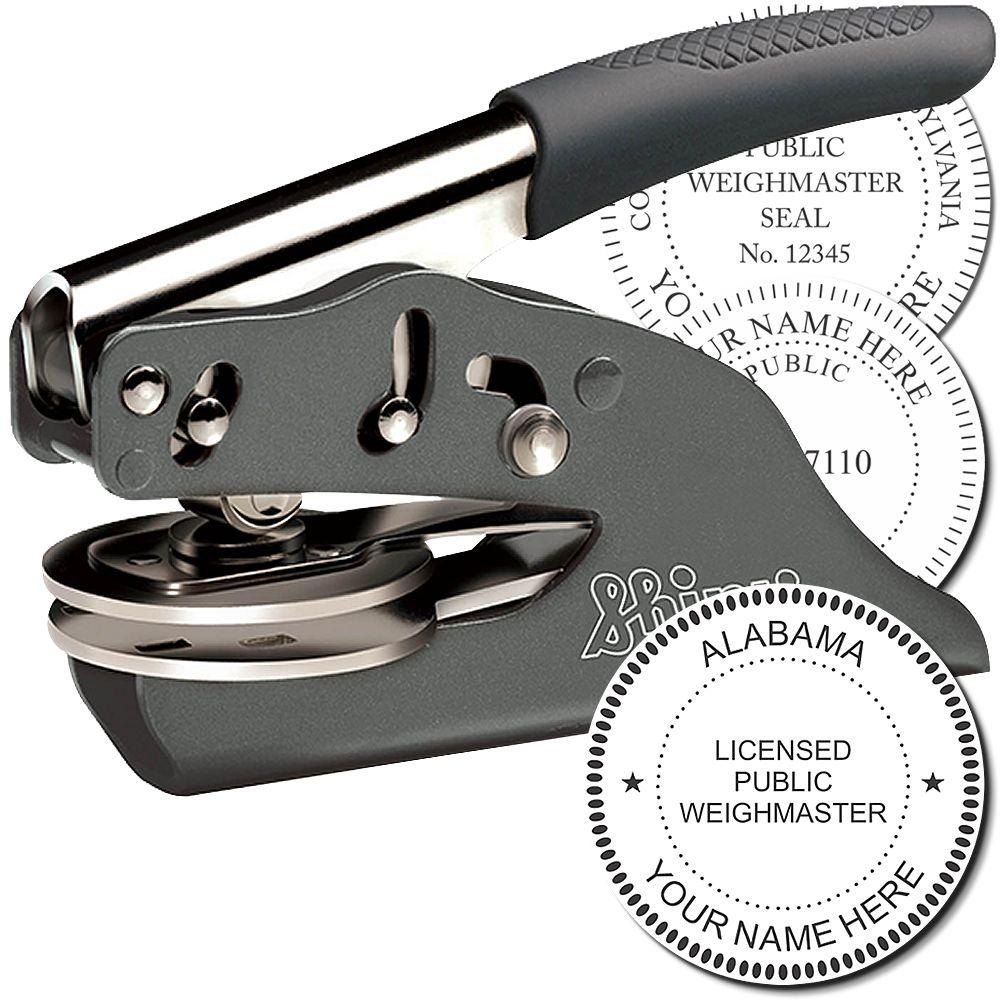
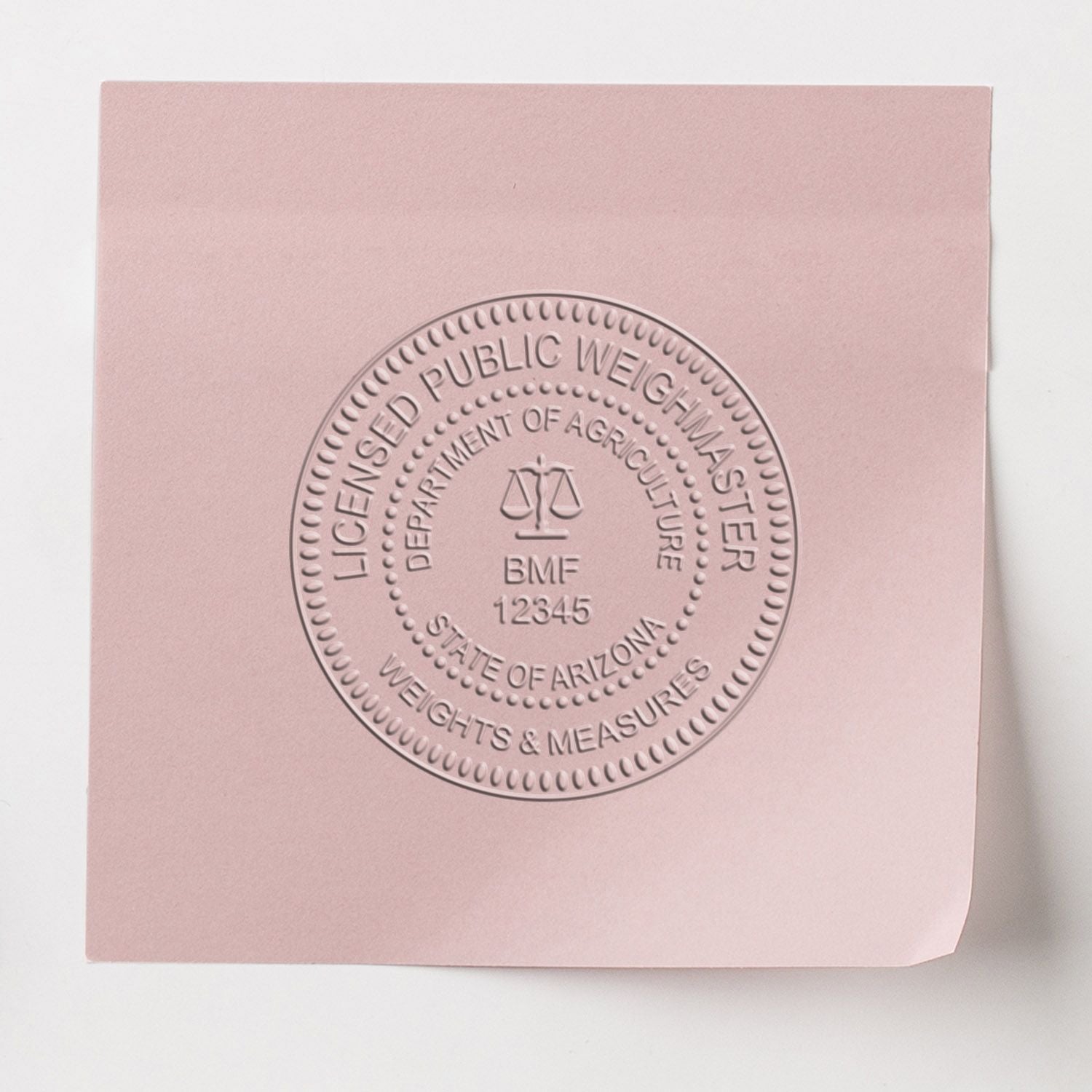
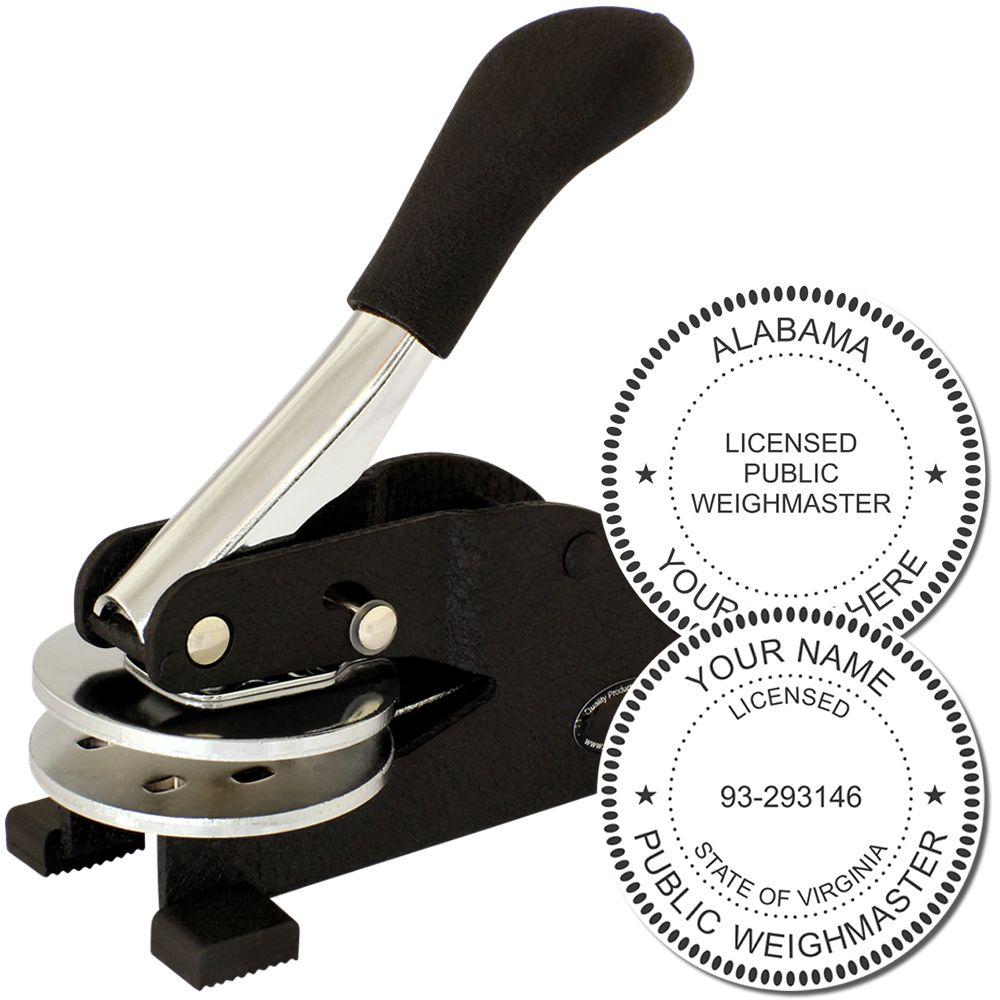
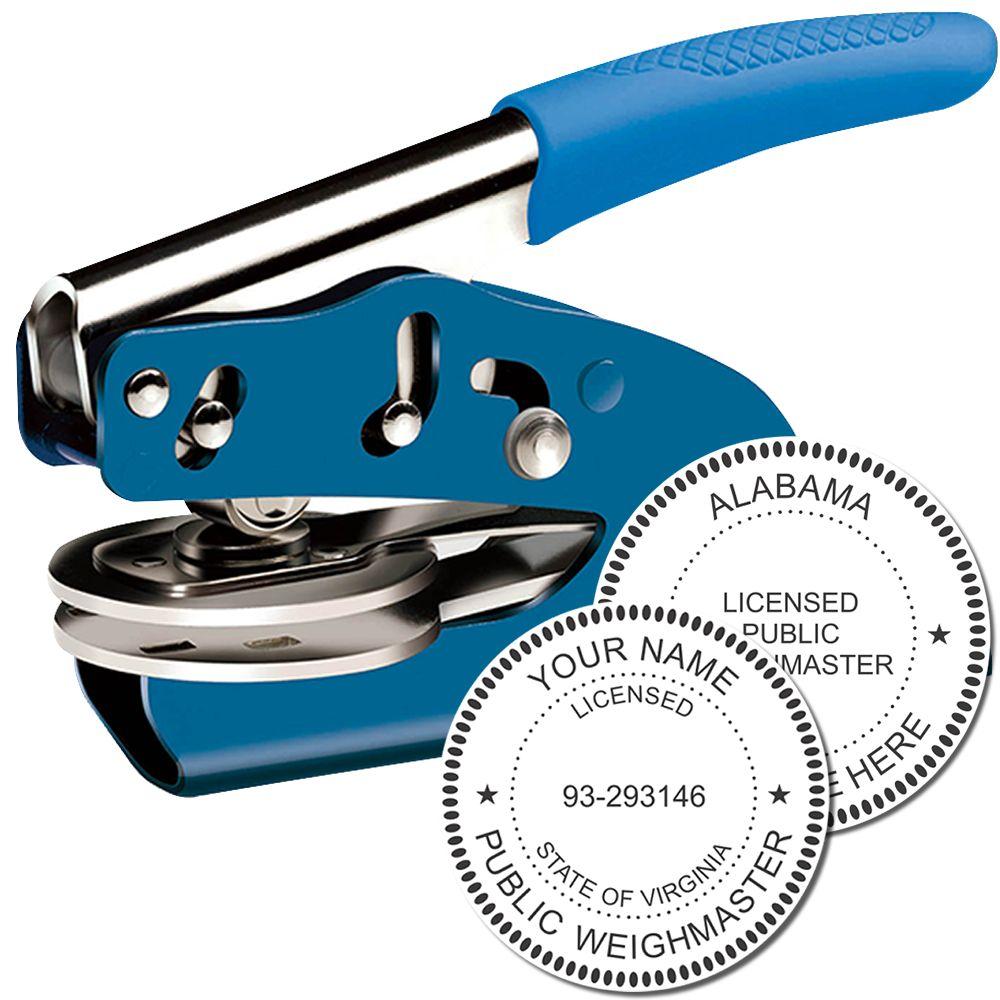
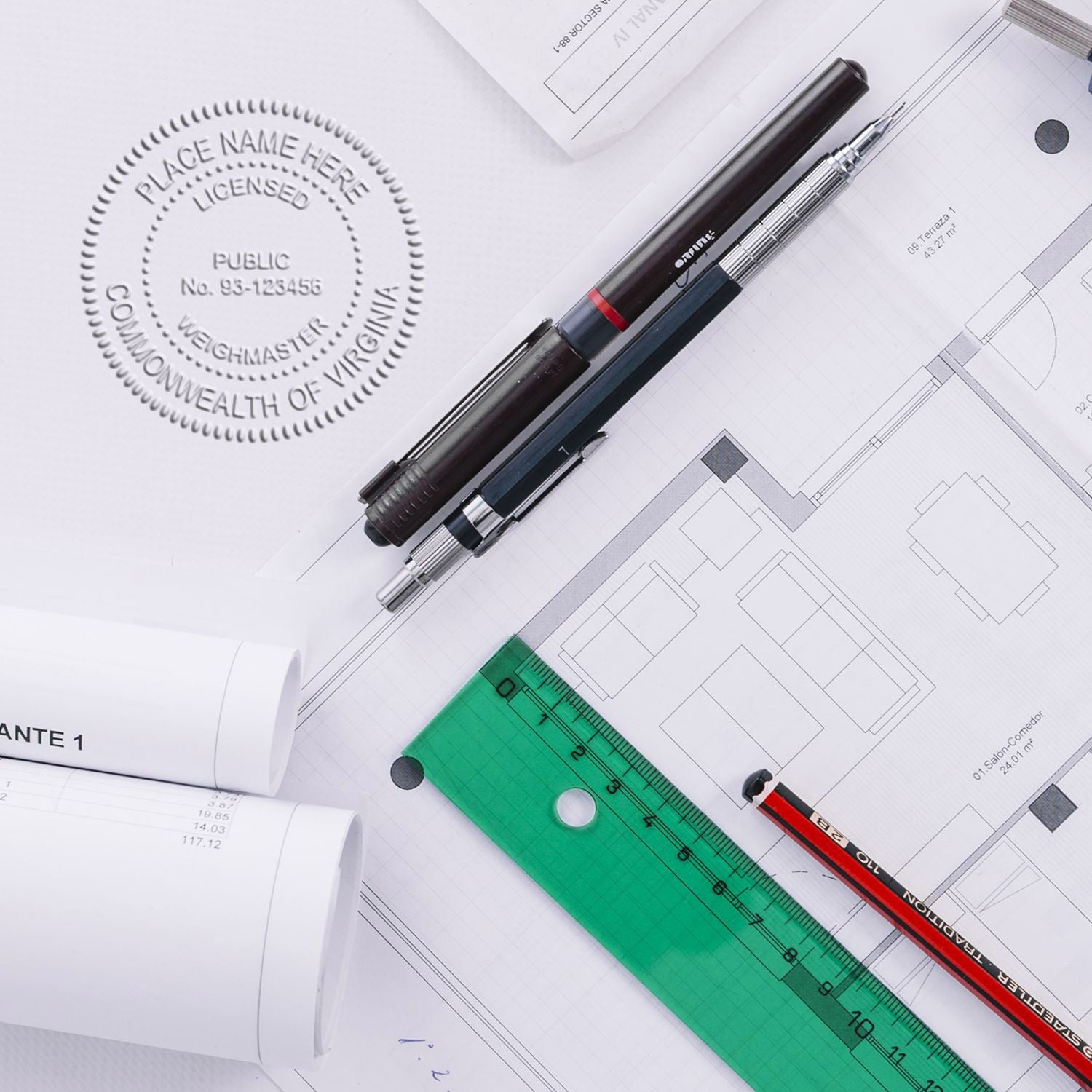
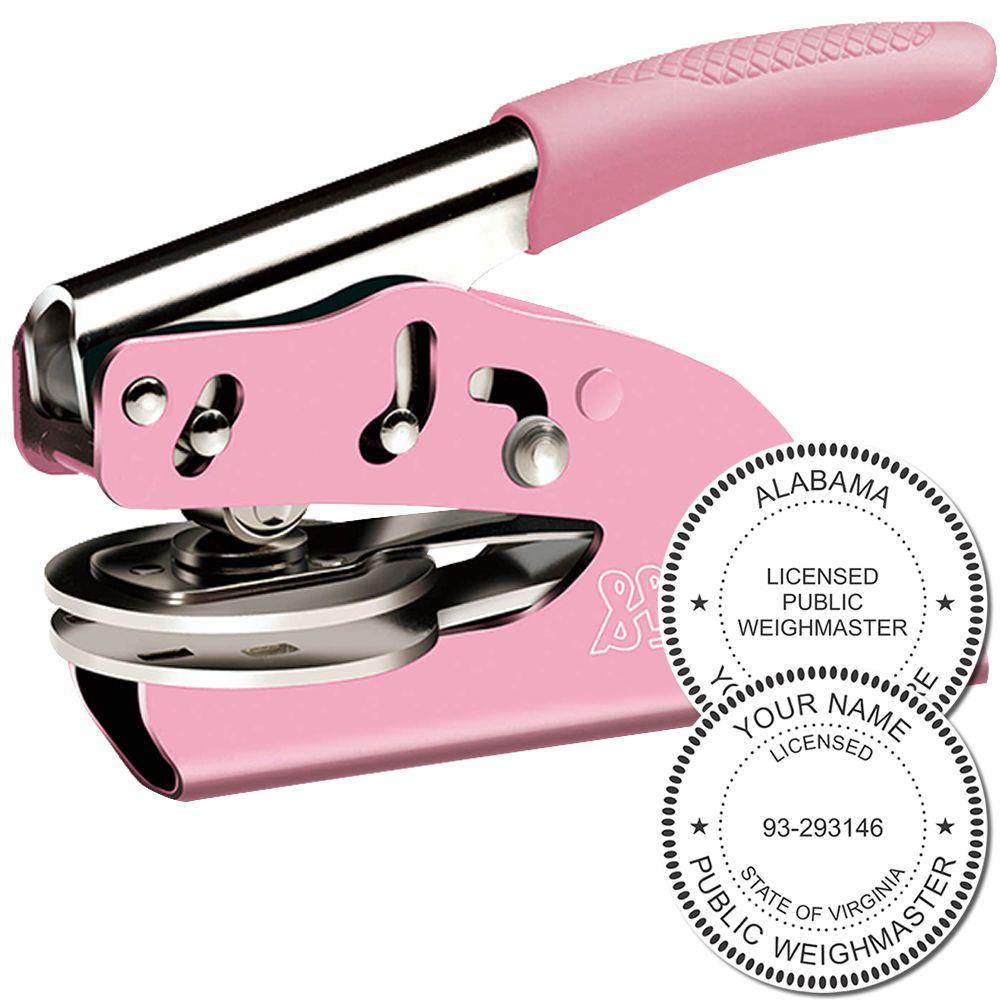
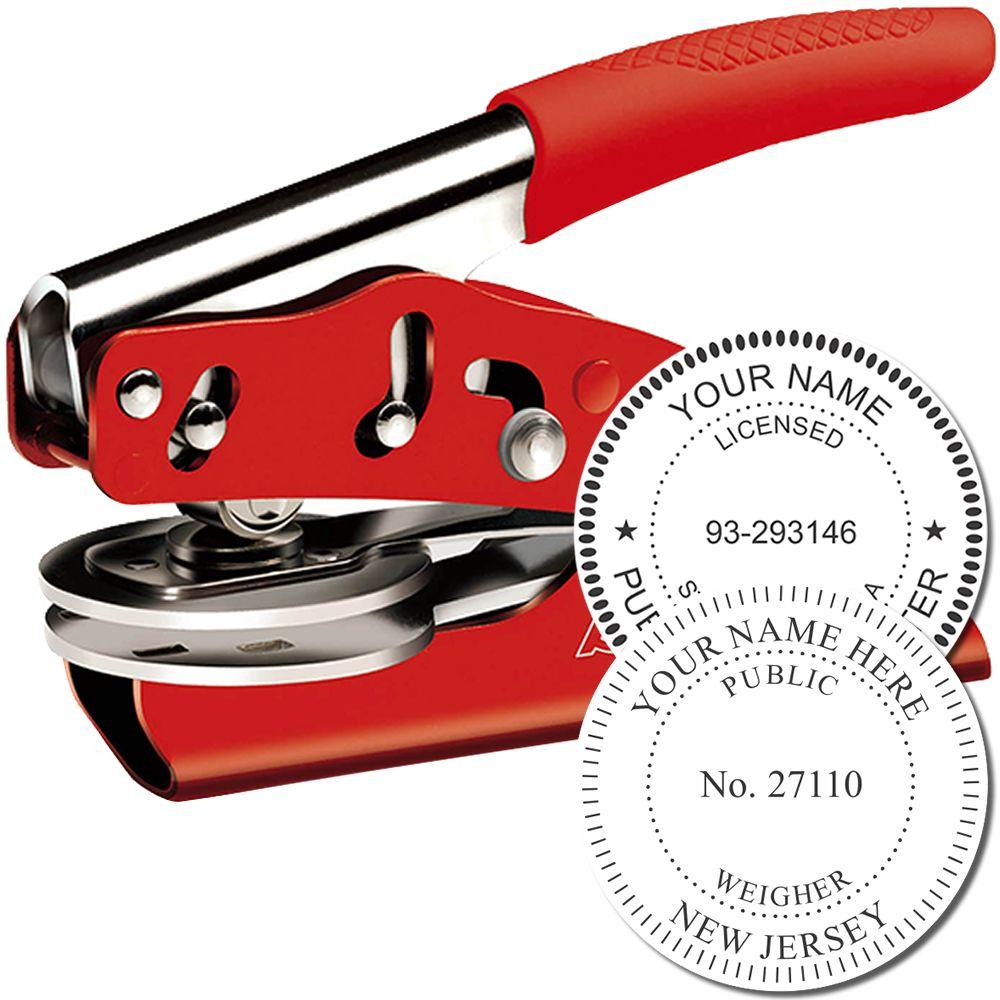
As for us: the Washington impression seal is not a product any manufacturer can supply, and we will not pretend otherwise. We do make public weighmaster seals for states that leave the device to the licensee and put the cost on him, Virginia being the clearest example, and we make ordinary office and yard stamps that have nothing to do with certification. If that is what you need you can contact us. If you are a Washington weighmaster wanting an impression seal, apply for it with your license and the department will make it. This page is a research summary and not legal advice.
- Public Weighmaster Stamps and Seals
- North Carolina Weighmaster Seal: the State Issues It
- Virginia Weighmaster Seal: Embosser, at Your Expense
Frequently asked questions
Does Washington require a weighmaster to have a seal?
No. RCW 15.80.520(1) requires certification of weights in accordance with subsection (2)(a) or (b). Route (2)(a) uses a printed certification plus the weighmaster’s name, the weigher’s full name and the department assigned scale seal number, with no seal device at all. Route (2)(b) certifies by impression seal.
Where do I get a Washington weighmaster impression seal?
From the director, and only from the director. RCW 15.80.520(2)(b) says the seal may be procured from the director on payment of sixty dollars or the department’s current cost, whichever is less, with the fee accompanying the license application. No stamp company can supply it.
Do I own the seal once I have paid for it?
No. The statute says the impression seal remains the property of the state and shall be returned to the director upon the termination, suspension or revocation of the license. WAC 16-674-030 requires surrender within 10 days, which may be done by sending the seal to the department.
What has to be engraved on the seal?
Nothing is specified. Neither RCW ch. 15.80 nor WAC ch. 16-674 prescribes any wording, legend, element, size or shape for the impression seal, because the department makes it and assigns it rather than telling a licensee what to have made.
Is the seal number on my tickets the same as a weighmaster seal?
No, and this is the most common Washington mix up. The seal number in RCW 15.80.520(2)(a) is a number the department assigns to a scale, printed on the ticket as identification. It is a device identifier, not a weighmaster seal, and it must be used only at the scale to which it is assigned.
Can I move my impression seal to a different scale?
No. The statute says an impression seal must be used only at the scale to which it is assigned, and licensing follows the same pattern, with an annual fee of eighty dollars for each scale from which certified weights will be issued.
Does Washington allow an electronic weighmaster seal?
The chapter does not address one. There is no electronic or digital seal provision and no third party certificate requirement in RCW ch. 15.80 or WAC ch. 16-674. RCW 15.80.550 covers automatic weighing devices, which is a different subject.
When does a Washington weighmaster license expire?
June 30 following the date of issuance, per WAC 16-674-030. A renewal application not filed by July 1 draws a penalty of fifty percent of the renewal fee, waived under RCW 15.80.470 where the applicant declares he or she has not acted as a weighmaster or weigher since the prior license expired.








