
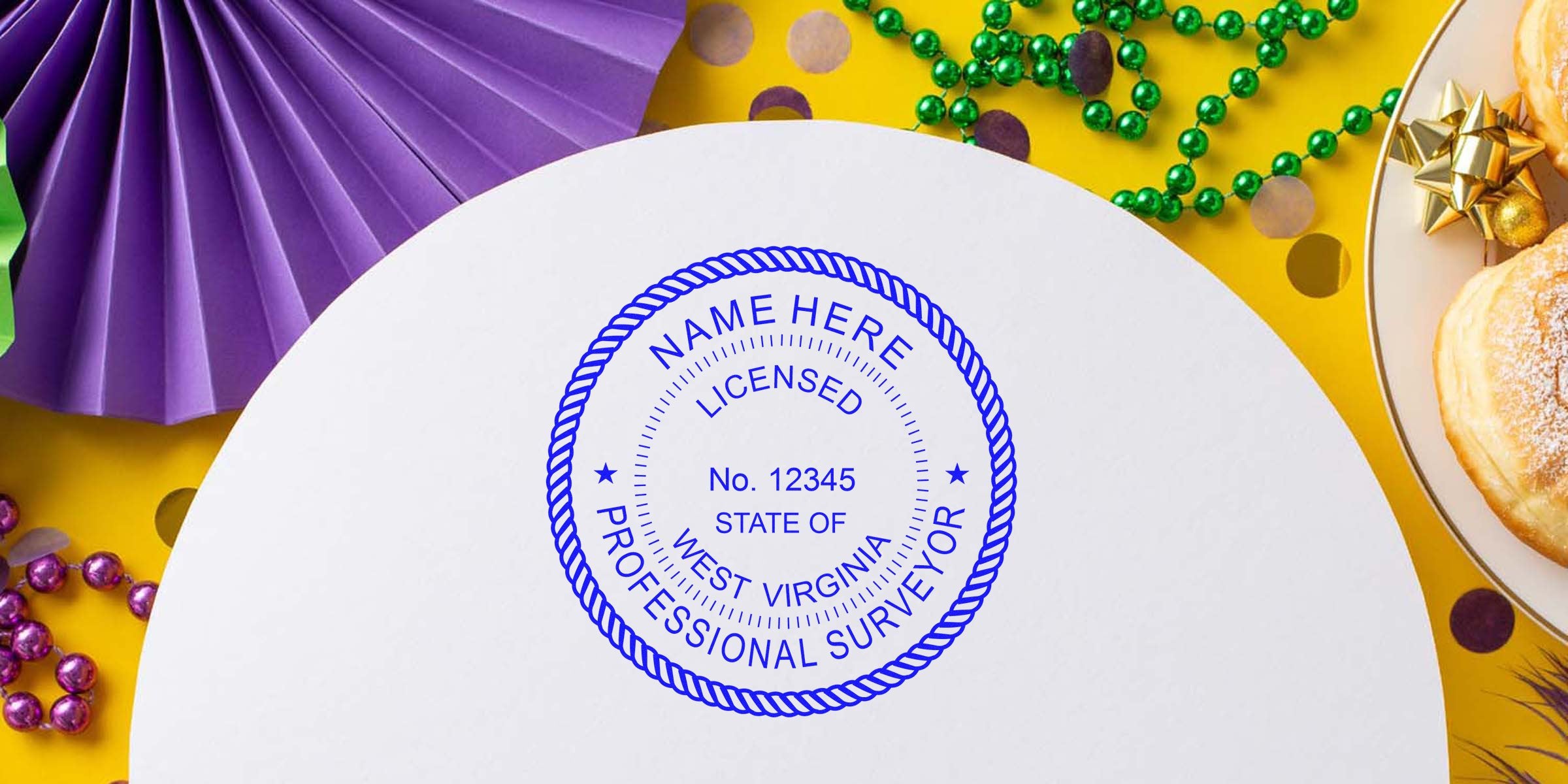
If you’re a professional land surveyor in West Virginia, you’ve likely heard that the right West Virginia Land Surveyor Stamp size can make or break your official documents. It might sound like a small detail, but using the incorrect dimensions could lead to rejected filings or worse, confusion about your license credentials. So, let’s clear up the confusion and help you avoid missteps. Below, you’ll find a friendly guide that walks you through everything from verifying official guidelines to maintaining your stamp for long-term use. Let’s dig in!
Natural light might make your home feel bigger, but in the world of surveying, clarity comes from getting the right impressions on your documents.
Understand The Official Guidelines
Before you even think about ordering a seal, it’s essential to know what your state’s board expects. In West Virginia, land surveyors must adhere to specific standards for professional identification. These standards protect consumers and ensure that all survey-related documents meet precise criteria. You’re not just stamping a piece of paper; you’re certifying that your measurements, plots, and data are accurate and trustworthy.
But where do these guidelines come from? Generally, the West Virginia Board of Professional Surveyors sets the tone. They outline the necessary elements—your name, license number, and designation—so that clients, organizations, and regulatory bodies can verify you at a glance. The board might also specify which shapes and elements to include. If you skip one detail, you risk an invalid stamp.
You might wonder, “Is it really that strict?” The short answer: yes. Put yourself in the shoes of a county official checking piles of land surveys each day. They need a fast and reliable way to confirm each sheet is authentic. By sticking to the standard guidelines—especially around the size of your seal—you’ll keep everything above board.
Confirm The Correct Dimensions
Now, let’s spotlight the question that brought you here: how do you confirm the correct West Virginia Land Surveyor Stamp size? Believe it or not, the diameter or the width of your seal isn’t just a random measurement. It’s typically determined by official regulations. These measurements can vary by state, but you’ll often see standard sizes ranging from 1 ⅝ inches to 2 inches for many professional certifications. That range ensures you have enough room for your name, license details, and state-related text without making the impression look cramped.
Why does a fraction of an inch matter? If your stamp is too small, the lettering might become illegible. That could raise questions about the authenticity of your work or whether your license is valid. If you go too large, you might overshadow other critical notes on the plans or create a jumbled look that confuses the person reviewing your documents.
Think of it this way: a stamp that’s just right acts like a signature in ink. It’s big enough to show all the important details and small enough to fit neatly into any margin. When in doubt, always check your local board’s documentation. They’ll provide a recommended size or exact dimension. If you can’t find a direct reference, you can contact them via email or phone to confirm.
Tips For Verifying Dimensions
- Ask the Board: Don’t hesitate to reach out to the West Virginia Board of Professional Surveyors. They’re there to help you meet the standards.
- Consider Legibility: Look at samples before finalizing your decision. If a test imprint looks too cluttered, scale up slightly.
- Check Past Surveys: Examine older documents from your own files or your colleagues’. If they’ve been accepted without issue, that size is likely compliant.
- Align With Industry Norms: Many states share similar sizing guidelines. If you also stamp documents in neighboring states, aim for a size that meets all requirements so you don’t juggle multiple seals.
It might feel tedious, but double-checking right from the start saves you from revising dozens of documents further down the line. Mistakes aren’t just costly; they can tarnish your professional reputation if an official review reveals an incorrectly sized stamp.
Choose The Proper Stamp Or Seal
Once you know the right size, the next question is: which type of seal should you get? The actual method of application—whether through an inked stamp or an embosser—also matters. In West Virginia, you’ll likely be using an inked stamp, but some professionals prefer an embosser if their board allows it. Each tool has its perks, so let’s sift through the options.
Inked Stamp vs. Embosser
- Inked Stamp: This is a quick-apply option that’s perfect for a range of documents. It leaves a sharp, clear imprint, especially if you’ve picked the correct size. You can choose self-inking or pre-inked models. Self-inking stamps have an internal ink pad that re-inks the die after each press, while pre-inked stamps contain ink in the rubber die itself. Both solutions provide clear, consistent prints with minimal smudging.
- Embosser: An embosser creates a raised impression without using ink. It’s visually distinctive, giving documents an old-school, professional vibe. However, embosser guidelines vary, and not every jurisdiction in West Virginia will accept embossed seals alone. If you plan to combine an embosser with an inked seal, be sure you’re meeting the official rules.
No matter which route you choose, you want consistent clarity. You don’t want the top arc of your seal to vanish or your license number to blur. The right size, the correct pressure, and premium materials all ensure you’re leaving behind a readable mark.
Working With Acorn Sales
You might be thinking, “Who do I trust with my official seal?” Acorn Sales has been in the stamp-making business for over 60 years, so you can count on expertise. We’re dedicated to making sure every West Virginia Land Surveyor Stamp meets the necessary guidelines, including dimension requirements. We also offer a free digital seal, which can be a lifesaver when you need to attach your credentials to digital reports or PDFs. Since digital documentation is on the rise, that extra tool saves you time and headache.
Acorn Sales carries a variety of stamp types. Whether you prefer something sleek and compact or you like the heft of a traditional wood-handle stamp, you can find it here. By opting for a reputable supplier, you’re less likely to run into issues like ink pooling, unreadable text, or breakage after just a few uses.
Maintain Your Stamp Properly
After selecting the correct stamp, your next priority is upkeep. Even the best die or embosser can deteriorate if you don’t store it well and clean it periodically. Maintenance isn’t complicated, but it’s definitely worth discussing.
Basic Storage And Cleaning
- Store It Upright: Keep your self-inking or pre-inked stamp upright to prevent ink from pooling on one side. A small plastic container can protect it from dust.
- Clean With Care: If you notice ink build-up or debris, use a mild cleaning solution (or even a gentle swipe with a damp cloth). You want to remove any gunk without damaging the text or the rubber die.
- Avoid Direct Sunlight: Prolonged UV exposure can dry out or crack the rubber. A dedicated drawer or shelf is best.
- Refill Or Re-Ink On Schedule: Self-inking stamps need a fresh ink pad or re-inking after a certain number of impressions. Pre-inked models might require a refill. Inspect them before they run completely dry.
Ensuring Crisp Impressions
Sometimes, even a well-made stamp can produce fuzzy edges. That often happens if you press too lightly or too firmly. You might also see patchy areas if your ink is running low. A firm, straight press, followed by a quick release, works best for most stamps. If you notice consistent errors, perform a test imprint on scrap paper first.
Over time, the rubber surface can show signs of wear. If the letters or lines begin to fade, it’s probably time for a replacement. A well-maintained stamp should last years, but heavy usage might accelerate its life cycle. Since your professional seal is a big deal, don’t wait until it’s unreadable to replace it.
Meet Stamp Requirements In West Virginia
Beyond size, be sure you’re also aware of general West Virginia land surveyor stamp requirements. That might include specification on wording, border style, or the exact arrangement of text. These details confirm to a reviewing official that you’re abiding by West Virginia’s licensing rules.
Placement On Documents
Where you place the seal can be just as important as its size. Most surveyors put their imprints on each sheet of a multi-page document, typically near the title block or in a consistent corner. This consistency helps anyone reviewing your paperwork to spot that all pages have been validated. If a page is missing your seal, it may be considered incomplete—even if the rest of the document is flawless.
Digital Use
More and more states are allowing the use of digital seals for electronically transmitted documents. The free digital seal you get from Acorn Sales can be a perfect companion for these tasks, as it’s designed to mirror the information in your physical stamp. Even if your board doesn’t require digital stamps, it never hurts to have one ready. Regulations might shift in the future, so staying ahead of the curve can save you significant time.
Double-Check The Details
Even with the best equipment and intentions, oversights happen. Did you spell your name exactly as it appears on your license? Is your license number correct? Did you remember to include all required language like “Professional Surveyor” or “Licensed Surveyor” (depending on your exact title)? A quick once-over takes only a minute but can save you from a drawn-out correction process.
Key Takeaways And Next Steps
By now, you see how vital it is to get the West Virginia Land Surveyor Stamp size right. A stamp that’s too small raises legibility concerns, while an oversize seal can clutter your materials. The real sweet spot is the dimension your state board approves—often between 1 ⅝ inches and 2 inches.
You also want to consider the type of seal (inked stamp or embosser) and its maintenance. A worn-out stamp can leave an unclear impression, undermining the professionalism you’ve worked hard to establish. Meanwhile, correct placement on each document ensures seamless reviews by officials, clients, and colleagues.
If you’re looking for a reliable source, check out Acorn Sales. With 60+ years of experience and a free digital seal included, we’re a trusted partner for surveyors who want to stay compliant. After all, if you’re going to put your name and license number on a document, you want it to look great and meet every standard.
Feel confident as you move forward with your West Virginia surveying projects. Verify the official guidelines, confirm that your stamp meets the proper dimensions, and work with a trusted supplier. It’s all about preserving the integrity of your work, so every piece of data you provide is beyond question. By nailing that stamp size and design from day one, you’ll spend less time fielding questions and more time doing what you love—surveying the land!
Frequently Asked Questions
Why Does The Size Matter?
Size matters because it directly affects readability. If the seal is too small, text can blend together. If it’s too large, it can overpower other critical notes on your survey. Consistency with the standards set by the West Virginia Board ensures your stamp is easy to validate.
Is A Digital Seal Valid For Official Documents?
Many boards, including West Virginia’s, are moving toward recognizing digital seals. However, it’s best to confirm with the board before relying solely on a digital version. Acorn Sales provides a free digital seal with every purchase so you can cover all your bases.
Does The Board Have Official Guidelines For Print Placement?
Yes, the West Virginia Board of Professional Surveyors often outlines where and how stamps should be placed. Typically, you need to stamp each page that contains critical surveying information, so officials know that every sheet is legitimate. Always check the latest guidance to confirm specifics.
Where Can I Get A Reliable Stamp Or Seal?
Acorn Sales is a trusted maker of professional stamps and seals, serving surveyors for over six decades. We offer different stamp types, free digital seals, and knowledgeable support to ensure you meet every requirement. If you’re curious about other rules, see West Virginia land surveyor stamp requirements.








