
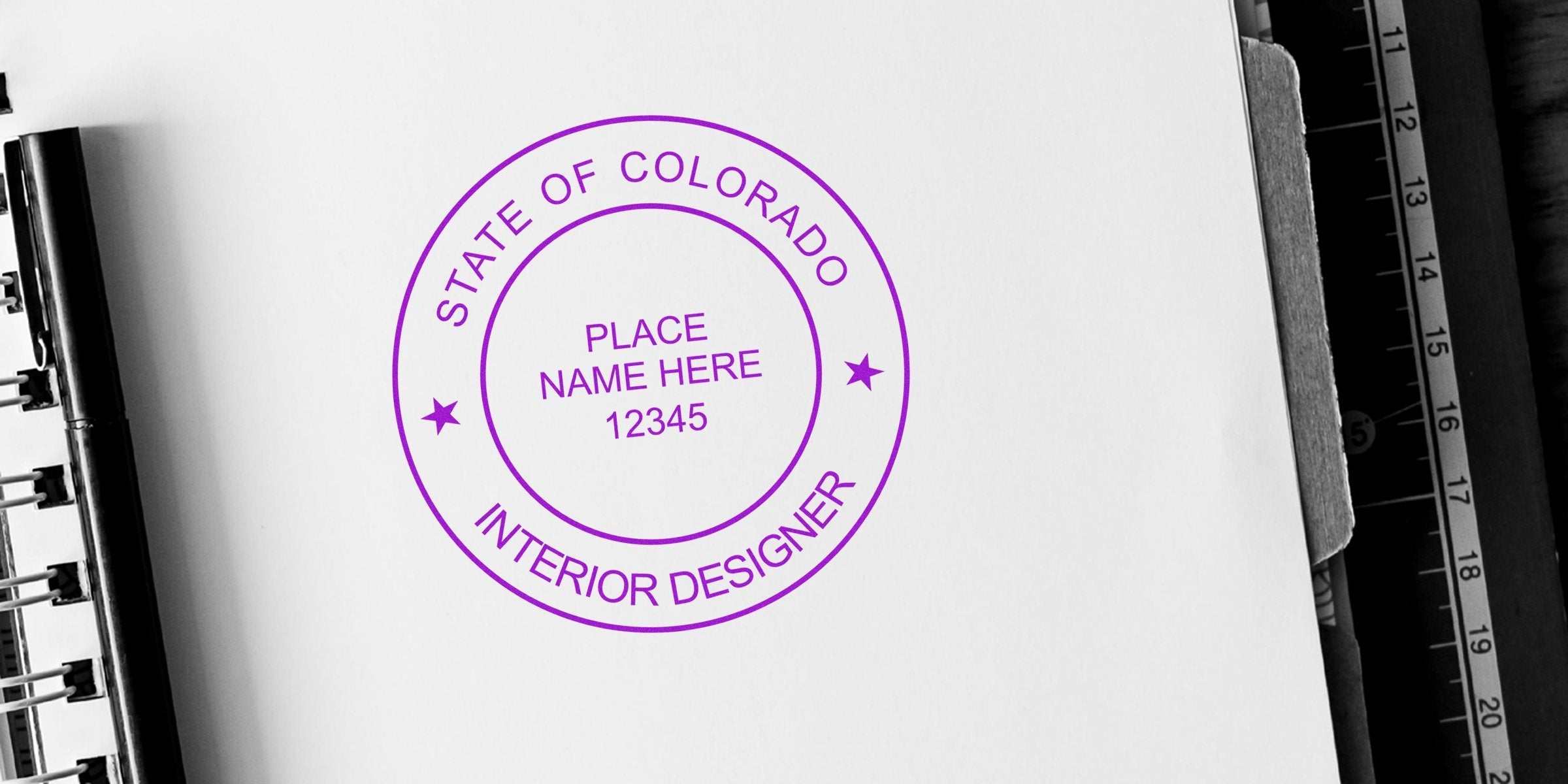
If you’re working as an interior designer in Colorado, chances are you’ve noticed a growing buzz around official stamps and seals. Finding reliable Colorado interior designer stamp information can be a challenge, but having a stamp that meets state guidelines is crucial for professional credibility. In many cases, adding an authorized stamp to your design documents or blueprints signals that you’re maintaining standards while protecting both clients and your own work. Let’s take a closer look at how you can ensure your stamp meets regulatory expectations, why these seals matter, and how to avoid a few common pitfalls along the way.
Understand The Role Of A Stamp
When it comes to official documentation, a specialized stamp or seal is more than just a decorative element. In Colorado, an interior designer stamp often represents your legal approval, your professional standing, and your commitment to state standards. By stamping your architectural drawings or design plans, you’re essentially saying, “I stand behind these documents, and I certify they meet the relevant guidelines.”
If you’re wondering whether you really need one, consider this: a properly executed seal can lend serious weight to your projects. Clients, contractors, and municipal authorities may look for that stamp to confirm your credentials. It’s also a great way to differentiate yourself from less-prepared competitors who are unaware of formal requirements. Some designers operate for years without understanding the importance of stamping their plans, only to find out later they’ve been missing a key piece of compliance.
Why It’s Important
- Demonstrates your professional validity under Colorado regulations.
- Shows clients that you follow best practices.
- Helps protect you in legal or dispute situations.
- Makes your documents look official and polished.
While the concept might sound straightforward, there are specific elements that go into a Colorado interior designer stamp. Let’s dig into some of those details so you’re better prepared to meet all the right criteria.
Recognize Colorado Stamp Basics
Colorado’s regulations around design professionals can be strict, and interior designers may have different requirements from architects or engineers. Stamps vary in wording and format, but as a rule, the following components are essential:
- Your legal name or business name, matching how you’re registered.
- The term “Interior Designer” or equivalent professional designation.
- Any required license or certification number.
- The phrase “State of Colorado” or a similar indicator of jurisdiction.
You may also need a specific border or graphic, so verify you’re using an approved layout that meets official size guidelines. Because local regulations sometimes shift, it’s wise to keep up with new announcements or changes. If you’re not sure where to start, explore the information listed in the official Colorado interior designer stamp requirements for the most up-to-date outline.
A Quick Snapshot Of Stamp Elements
- Text referencing your name exactly as licensed.
- Clear mention of your professional designation.
- State-specific wording, such as “Colorado” or “CO.”
- Graphics or borders that meet official size rules (often a circular or rectangular shape).
Whether you’re stamping large-scale plans or smaller design sketches, you’ll want a stamp that’s both practical and visually clear. That might mean using a self-inking stamp that gives you crisp prints every time, or opting for a pre-inked model without the need for a separate ink pad.
Follow Colorado Standards And Rules
Any design professional working in Colorado should keep an eye on the relevant regulations. The exact rules might come from the Colorado Department of Regulatory Agencies (DORA) or other governing bodies that oversee licensed professionals. For instance, you may find that certain counties or municipalities also require specific stamp placements on design sets, from the front cover page to each sheet.
Beyond the physical appearance of the stamp, remember that using it correctly matters just as much. For instance, you typically need to sign your name above or near the seal to authenticate it. Some standards require a date near your signature as well. While these steps might feel trivial, breaking any of these rules could lead to rejected permits, client confusion, or even potential fines.
The Potential Consequences Of Non-Compliance
- Delayed project approvals by local authorities.
- Questionable liability in case of disputes or legal claims.
- Big hits to your reputation if a client learns you’re missing required credentials.
On the flip side, meeting all of Colorado’s rules can speed up approvals, instill client trust, and streamline your workflow. If you’re not familiar with every detail, a small gap in knowledge could mean major headaches, so it’s worth brushing up on the specifics.
Pick The Right Stamp Format
Not all stamps look alike, and the right choice often depends on your personal preference, budget, and the environment in which you work. For instance, if you spend your days visiting construction sites, lugging around an oversized stamp might be impractical. Let’s look at some popular types of interior designer stamps:
-
Self-Inking Stamps:
These come with a built-in ink pad. They’re often small, portable, and can generally deliver thousands of impressions before needing new ink. -
Pre-Inked Stamps:
The ink is embedded within the stamp itself. These models can be more expensive but produce very clean, sharp impressions. They usually don’t require as much force during stamping. -
Traditional Hand Stamps:
These require a separate ink pad. While they can be slightly more cumbersome, they do offer a degree of flexibility with ink color options and are often more affordable.
Key Points For Selection
- Think about how frequently you’ll be stamping.
- Check whether you need multiple colors for different types of documents.
- Pick a size that remains legible but still fits on your drawings.
- Ensure your chosen format meets Colorado’s mandated requirements.
Because you’ll likely stamp important design documents, think quality. A clear imprint can be the difference between a plan that’s accepted immediately and one that needs rework.
Avoid Common Mistakes
It’s easy to assume that all stamps and seals are basically the same, so you might be tempted to cut corners. But relying on generic stamps that ignore Colorado’s specifics can come back to haunt you. Here are a few frequent missteps to watch out for:
- Forgetting To Update: Did your information change, like your legal name or license status? Update your stamp ASAP. A mismatch can cause confusion or, worse, appear fraudulent.
- Using A Wrong Size: Overly large or tiny impressions can violate local guidelines, so confirm the correct dimensions.
- Skipping The Signature Line: Placing your seal without a signature and date might violate certain rules.
- Overusing Or Misusing The Stamp: Only seal documents for which you are professionally responsible. If you’re stamping someone else’s design without verifying it, you could face liability.
Following all these rules can seem like a hassle. Still, taking a few extra steps up front usually saves time (and money) in the long run, not to mention upholding your reputation.
Trust A Reliable Supplier
After double-checking your compliance steps and reviewing stamp requirements, you’ll need a supplier you can count on for Colorado-approved stamps and seals. That’s where Acorn Sales comes in. We’ve been serving design professionals since 1964, and we take pride in offering complete peace of mind. Whether you need a self-inking or pre-inked version, we’ll make sure it meets official specifications.
When you buy from Acorn Sales, you also get a free electronic stamp included with every order. That’s right, no extra cost for the digital file you might need for electronic submissions. These days, many clients prefer digital documentation, so having an e-stamp handy is a serious bonus.
Why Choose Acorn Sales
- Long-standing experience (in business since 1964).
- Stamps and seals tailor-made for Colorado interior designers.
- Free electronic stamp with every order.
- Quality customer support to help you through the selection process.
Going the reputable route can spare you from a whole lot of frustration if a city official or regulatory agency ever questions your stamp. Plus, you’ll have a backup if you need a replacement model later.
Stamping your interior design plans is about more than just meeting a bureaucratic checkbox. It’s a statement of your professional commitment, your promise to uphold certain standards, and a way you can stand out in a competitive market.
Whether you’re just starting out or looking to upgrade your current stamp, make sure to follow Colorado’s rules, pick a format that aligns with your workflow, and work with a supplier you trust. By taking these steps, you’ll be ready to confidently seal your next design proposal and show your clients you mean business. And if you still have any lingering concerns, you now have somewhere to turn for quick answers and friendly support.
Frequently Asked Questions
Do I Really Need A Stamp For Every Page?
Often, local rules will clarify exactly where your stamp should appear. In some places, you need to seal the cover page and each internal sheet. Elsewhere, you might need only the first page. Consult local code or check official guidelines to be sure you’re stamping everything correctly.
What If I Change My Name Or Address?
The stamp must match your currently licensed name. If any information changes, order a new stamp right away. Using an outdated seal can lead to permit denials or confusion when officials compare your stamp to your license.
Does Colorado Recognize Digital Stamping?
Colorado may allow electronically applied seals for certain documents, but it depends on the specific project and your local jurisdiction. Always confirm with the relevant authorities and ask whether they accept digital signatures and seals. That’s one reason why having a free electronic stamp from Acorn Sales can be helpful.
Is There A Specific Ink Color I Should Use?
While black ink is the most commonly accepted color, some departments allow other colors like blue or red. Make sure your local authority doesn’t have a preference. Regardless of color, the imprint must remain crisp and legible.
How Do I Verify The Correct Size For My Stamp?
Colorado guidelines may specify a minimum diameter or rectangular dimension. Typically, around 1-5/8 to 2 inches in diameter is acceptable, but double-check for any recent changes. If you order from Acorn Sales, we customize the stamp to meet the required size.








