
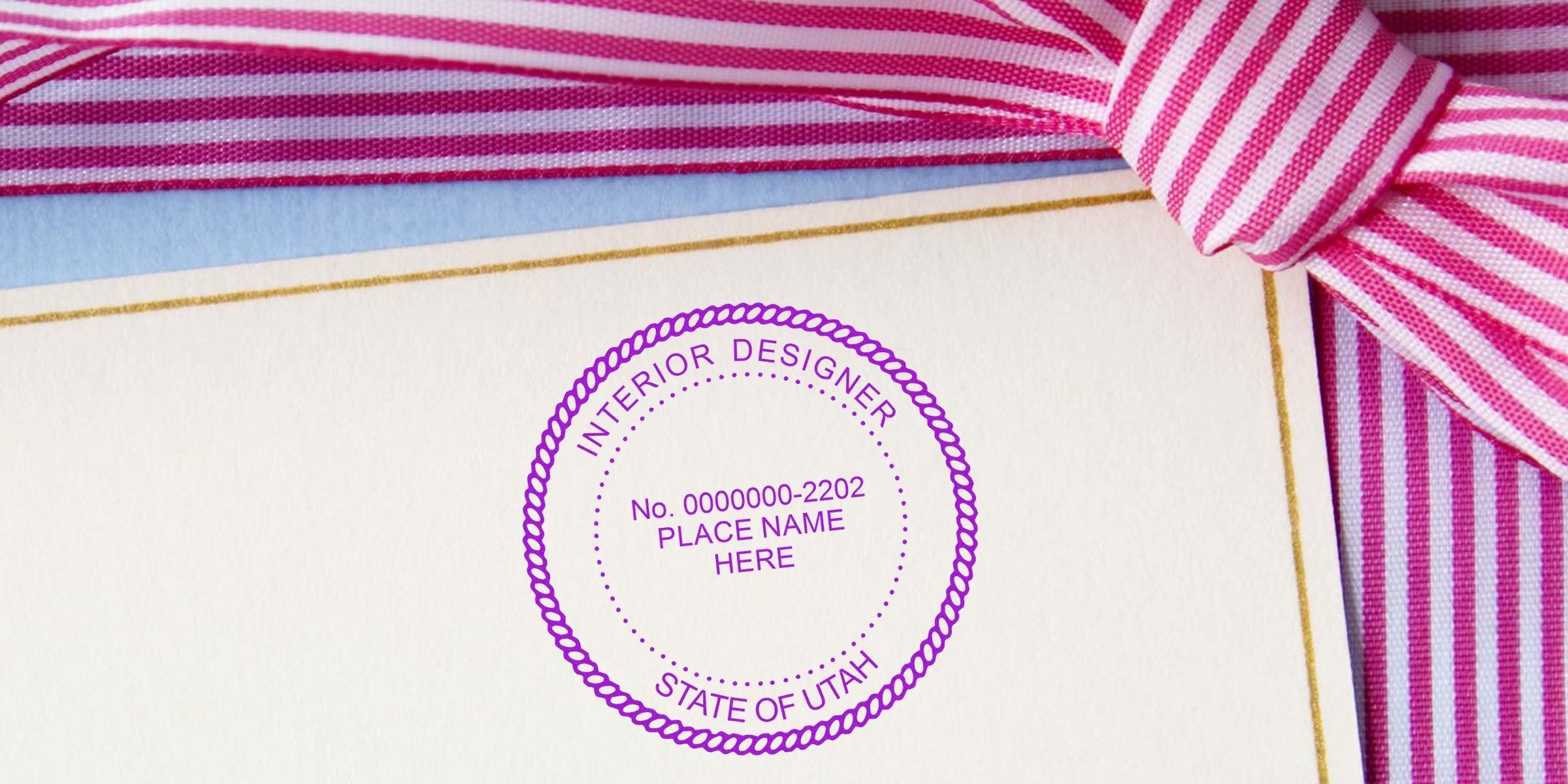
Discover The Utah Interior Designer Seal
Picture this: you’ve just landed an exciting interior design project in Utah, and everything is moving full-steam ahead. But before you dive into selecting paint swatches and drawing up layouts, you might be wondering about Utah interior designer seal verification. Why does it matter, and where do you even start? Let’s explore the essentials of verifying your official seal and how it can help you stay compliant, establish trust, and set yourself up for smooth project approvals.
In this guide, you’ll learn what the seal represents, how to verify it properly, and how it ties into broader stamp requirements in the state. By the end, you’ll have a clear idea of the next steps you ought to take to protect your reputation and serve your clients.
Recognize The Value Of Verification
You might ask, “Is verifying my seal really that important?” In short, yes. An interior designer seal is more than just a fancy mark on your documents. It plays a key role in showing that your designs meet Utah’s professional standards. If you’re focusing on building a strong name for yourself, you want to ensure everything you produce looks credible and transparent.
- Builds Client Confidence: When homeowners, contractors, or other stakeholders see a properly verified Utah interior designer seal, they know you’re following the right procedures and regulations. It’s like a handshake that says, “I’m legit, and I take my work seriously.”
- Aligns With State Rules: Utah enforcement agencies frequently check for authenticity in design plans and other legal papers. A properly verified seal can help you avoid pitfalls, like license uncertainties or compliance delays.
- Avoids Rework: If your seal isn’t verified and meets official standards, you could spend lots of time re-submitting documents. That gets frustrating and can delay projects.
Staying current with official seals can feel a bit overwhelming at first, especially if you’re unfamiliar with the specifics. Hang in there. The right resources, coupled with a trusted supplier, simplify things dramatically.
Understand The Process
Even though it might sound intimidating to ensure your Utah interior designer seal is up to par, the process can be surprisingly straightforward once you break it down. It boils down to having the correct stamp, verifying its authenticity, and maintaining compliance if anything changes in your license status.
Know The Stamp Requirements
Before you even get to verification, you’ll need the right seal. Each state has unique rules about font size, outer ring dimensions, and even the kind of ink you should use. If you’re unsure about how things work in Utah, you can check out the utah interior designer stamp requirements.
- Sizing: Utah guidelines often specify diameter ranges and outer ring details.
- Layout: You might need certain phrases or symbols that identify you as an interior designer licensed in Utah.
- Ink Choice: Some states allow multiple colors, while others prefer a simple black-ink design.
Secure A Trusted Supplier
Once you understand the rules, you’ll naturally need a place to get your seal made. This is where a reputable provider, like Acorn Sales, comes into play. Since 1964, Acorn Sales has specialized in delivering stamps and seals that meet state regulations. They not only provide physical stamps, but they can also supply a free electronic seal option, which is a huge plus if you handle digital documents.
It’s crucial to choose a vendor who has a rock-solid track record confirming they know local regulations. Otherwise, you risk unnecessary compliance hiccups, and nobody wants to deal with that in the middle of a project.
Follow The Verification Steps
After owning an official seal, you should verify that it’s legitimate and recognized by the relevant authorities in Utah. Generally, this involves:
- Confirming Accuracy: Double-check your personal information, license number, and any mandatory design elements on the seal. Typos or missing details can render the seal invalid.
- Reviewing State Guidelines: Make sure your seal aligns with the official guidelines. This might involve verifying shape, size, and text placement.
- Testing Impressions: Stamp on a sheet of plain paper. Examine clarity and readability. If the impression is blurred or incomplete, consider adjusting the stamp’s usability or reordering if necessary.
- Keeping Documentation: If your local board offers an online tool to register or verify your seal, make sure you make use of that. Some states request that you confirm your seal in conjunction with your license.
Verifying your Utah interior designer seal doesn’t have to be complicated. Just treat it like any essential licensing step, and you’ll be on the path to compliance in no time.
Maintain Compliance Over Time
Obtaining and verifying your stamp is a solid first step, but your responsibilities don’t stop there. Regulations can shift, your license might need renewal, or the state board may update rules on stamp usage. Being proactive helps you avoid last-minute scrambling.
- Stay In The Loop: Keep an eye on any policy updates from the Utah licensing board. Changes in legislation or best practices might affect your seal’s design.
- Monitor License Renewals: If your license is near expiration, plan to update your seal promptly. A lapsed license automatically invalidates your stamp until you renew.
- Refresh Your Seal: If you move from a provisional license to a full one or earn additional certifications, you may need a redesigned seal. Watch out for changes in your credentials.
Making sure you maintain compliance isn’t just about meeting bureaucratic hurdles. It’s also a way to signal reliability to clients, contractors, and even potential collaborators.
Safeguard Your Professional Reputation
You want your work to stand out, right? Part of that shine comes from your reputation as a credible professional. A well-verified seal can help you foster trust with new and returning clients alike. Without it, you face the possibility of losing bids, missing out on projects, and sparking legal complications.
Let’s be honest, the interior design industry is competitive. People often prefer designers who display transparency and follow best practices diligently. So if you’re aiming to differentiate yourself, an official seal that holds up to verification can make you look spot-on to clients who demand excellence.
Why Trust Matters
- Smooth Permits: If your design projects need municipal approval, having verified seals ensures fewer setbacks.
- Competitive Edge: Clients want to hire designers who meet all local requirements and don’t cut corners.
- Word-Of-Mouth Marketing: Happy clients spread the word. If they know you follow verified standards, they’re more inclined to recommend your services to neighbors and friends.
Use The Seal In Everyday Practice
Now that you know the importance of verifying your seal, let’s talk about where it fits in your day-to-day work. An interior designer seal typically goes on official drawings, final project plans, and any paperwork submitted to local authorities.
- Drafts and Sketches: While not every rough sketch requires a seal, final documentation often does.
- Client Presentations: Impress clients by showing them you’re operating with official credentials.
- Digital Submissions: Thanks to modern technology, electronic seals are widely accepted. Many design professionals store a digital seal file and apply it to PDF-based plan sets.
Consistency is key here. Use your verified seal wherever it’s required, and make sure it’s clear and legible every time. You’re essentially letting the world know you stand behind your work and license.
Save Time And Energy
Picture you’re juggling multiple projects and half a dozen design revisions at once. The thought of dealing with administrative details like seal verification might make you groan. But think of it this way: going through a quick verification process saves you from bigger headaches down the line.
By knocking out your verification process upfront, you:
- Avoid Rejections: Official offices can reject improperly sealed drawings, forcing you to re-do them.
- Prevent Confusion: Clients want everything laid out neatly. Having the right seal in place ensures clarity and professionalism from the start.
- Keep Projects On Schedule: No unexpected permit hold-ups mean smoother deadlines, which can lead to happier clients.
Being proactive lifts a huge weight off your shoulders. You can focus on the fun part—your creative designs—rather than getting bogged down in red tape.
Partner With Acorn Sales
When it comes to securing your stamp or seal, you want a partner who understands the ins and outs of Utah’s rules. Acorn Sales, in business since 1964, has built its reputation by offering quality stamps and seals for designers like you. One particular benefit is the free electronic seal, a must-have if you’re frequently sharing digital documentation.
Thinking about the actual ordering process? Acorn Sales walks you through the precise guidelines, helps confirm you’re getting the correct layout, and ensures you receive a reliable finished product. There’s no guesswork or hidden surprises—just a quick, straightforward route to seal compliance.
Key Takeaways
- A properly verified Utah interior designer seal proves you meet local regulations and boosts client confidence.
- Familiarize yourself with state guidelines for design, wording, and size to avoid compliance issues.
- Verification ensures your seal is authentic and recognized, which simplifies your document approvals.
- Stay proactive with ongoing compliance checks, especially when renewing or upgrading your license.
- Consider a trusted partner like Acorn Sales to fulfill your stamp and seal needs, both in physical and electronic form.
Ultimately, taking the time to verify your seal will save you headaches, build trust with clients, and keep your projects running smoothly. Don’t let a simple oversight derail your creative flow. With a little attention to detail now, you’ll have the seal of confidence you need to thrive in your Utah interior design career.
Frequently Asked Questions
Is A Utah Interior Designer Seal Required For Every Project?
Generally, yes, if your project involves official documents or permit submissions. However, some smaller, non-structural projects might not require stamping. It’s best to confirm with your local municipality before submitting plans.
How Often Should I Verify My Seal?
You only need to do the main verification step when you first obtain or update your seal. If your license changes or the state updates requirements, double-check that your seal remains valid.
Does My Electronic Seal Need Separate Authentication?
If you use a digital seal, ensure it matches the physical version and meets Utah guidelines. In most cases, your electronic seal is accepted once it reflects the same design and information as your registered stamp. When in doubt, contact the Utah licensing board for clarity.
How Do I Replace A Damaged Seal?
If your official stamp wears out or becomes unreadable, it’s best to reorder from a qualified supplier like Acorn Sales. You’ll want to test the new impression and confirm that all details are spot-on before using it in official documents.
What Happens If My Seal Is Outdated?
Using an outdated seal can lead to permit refusals or professional penalties. Whenever your license number changes or you achieve a new classification, you should get an updated stamp and verify it again with the authorities.








