
Understand Why Seal Size Matters
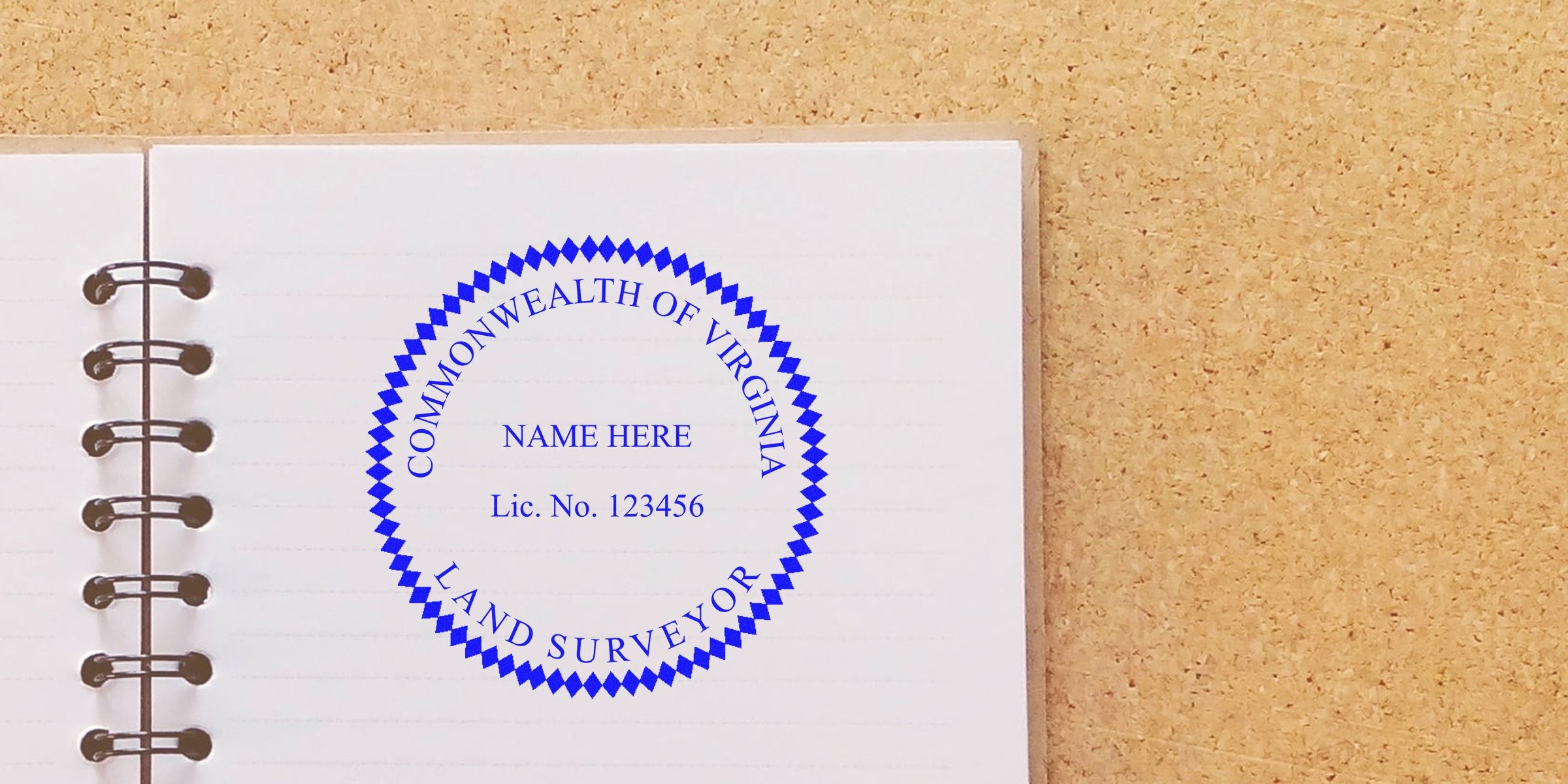
If you’re a land surveyor in Virginia, you already know that a proper seal or stamp is crucial for your professional documentation. But have you ever considered how much the size of that seal can affect your compliance and credibility? Virginia land surveyor seal size isn’t just about how your stamp looks on paper. It directly impacts legibility, your standing in front of regulatory boards, and even the perception of your work’s accuracy. In short, the seal’s dimensions play a bigger role than most people suspect.
You might be thinking, “Alright, but does an extra quarter inch here or there really matter?” In many cases, yes. The clarity of your official mark helps clients, contractors, and government agencies verify your credentials at a glance. A well-sized seal ensures that every letter and design element is easy to read and meets the standards set by Virginia’s licensing authorities. Let’s walk through the key reasons why this detail deserves your attention and how you can select the right dimensions for your stamps and seals.
Know the Legal Requirements
When it comes to land surveying, Virginia has specific guidelines on how your stamp or seal should look, including the minimum diameter requirements. These rules exist so that officials and clients can instantly identify your credentials, ensuring you’re qualified to handle precise boundary and land measurement work. The Virginia Board for Architects, Professional Engineers, Land Surveyors, Certified Interior Designers, and Landscape Architects (commonly shortened to the APELSCIDLA Board) outlines basic principles for design, wording, and overall readability.
- The seal must clearly display your name and license number.
- The wording should indicate your profession (e.g., “Professional Land Surveyor”).
- The image or text should remain legible even when reproduced or scanned.
Several surveyors try to shrink their seal for convenient placement on various documents, sometimes to save space. But if the official guidelines say a minimum diameter is required, it’s wise to comply. If you need more details on Virginia’s official expectations or tips on designing a compliant seal, you might want to explore the Virginia Land Surveyor Stamp Requirements for a deeper rundown.
Why Compliance Matters
Imagine that a county clerk or a zoning officer receives your submitted document. They notice the seal is too small to read, or it doesn’t show all the required information. Suddenly, your carefully prepared survey might raise doubts about its authenticity or fail to meet official standards. That could set you back days or even weeks, especially if you need approvals for tight project deadlines. Ultimately, it’s easier to maintain the correct seal size from the start than to deal with rejected submissions or added paperwork later.
Match Your Seal to Your Work
Virginia land surveyors often handle a range of tasks: boundary delineations, topographical measurements, wetland maps, and more. Each task may require official documents that someone else—like a construction manager or property developer—will rely on. If your seal is too small or unclear, it can cause confusion about the file’s validity. If it’s too large, it might obscure other essential text or design details. Striking the right balance is key.
Align Size With Document Format
Here’s a simple approach: think about the plan sheets or documents you create most often. Do you typically prepare standard letter-size (8.5 x 11) reports, large-scale site plans, or specialized plat maps? The size of your seal should remain consistent across these formats so it doesn’t overshadow or fade into the background. If you often work with large site plans, a slightly bigger seal might stand out better without overwhelming the page. But if you mostly handle letter-size documents, a more modest-sized seal could fit neatly near the signature area.
Factor in Reproduction Quality
Once you stamp or emboss your seal, that document could be photocopied, scanned, or even photographed multiple times. Maintaining an appropriate seal size makes these reproductions cleaner. When a copy of a copy loses clarity, you don’t want your vital details to blur out. A properly sized stamp helps your text survive the reproduce-and-share cycle without any crucial lettering falling into unreadable smudges.
Choose the Right Type of Seal
Before zeroing in on the exact dimensions, it helps to decide whether you prefer an ink stamp or an embossing seal. Each has its own pros, and each interacts with “size” a little differently.
Ink Stamp Seals
An ink-based stamp is easy to use—you just press down, and the design transfers onto the paper. You can pick from various ink colors, though black and blue remain the most standard. With an ink seal, the dimensions are usually locked in by the die plate. Here, “bigger” often means easier to read. If you shrink the plate too much, small lettering can turn into blobs of ink. On the plus side, you can step down the size a bit while still producing a crisp impression if the lettering is carefully laid out.
- Pros: Quick, clean impressions, easy replacements, portable.
- Cons: Over-saturation of ink can cause smudging in smaller stamps.
Embossing Seals
Embossing seals create a raised impression on the paper. They’re classic, professional, and stand out visually (even without ink). You apply pressure, and the text or design becomes a raised pattern. The typical embossing seal is circular or sometimes rectangular, and if it’s too small, some details can vanish in the ridges. Expanding to a slightly larger diameter helps ensure your name, license number, and the required wording appear crisp and legible.
- Pros: Permanently marks documents, elegant appearance, tamper-resistant.
- Cons: Heavier to carry around, can flatten out if the design is cramped.
Balance Professional Image and Practical Use
Think about the environment where you often stamp or emboss your documents. Do you handle site visits, working out of your truck or in an office? A compact seal might be easier to slip into a bag. But remember that if the seal is too small, your professional image may suffer. People like to see clear, well-defined details that prove you take your credentials seriously.
Consistency Across Documentation
Try to keep your stamp or seal dimensions consistent among all your official records. If you have multiple tools—a main seal, a backup seal in your field kit, possibly a digital seal—aim for similar sizing to avoid confusion. When firms or government agencies compare multiple documents from you, they’ll expect a uniform look. Consistency helps confirm authenticity and fosters trust.
Showcasing Professionalism
Using the right size also shows you respect state requirements and care about craftsmanship. A well-designed seal in the correct dimensions feels official, which reflects on your approach to work. Clients notice, even if they can’t put their finger on why the document impresses them. Crisp, nicely proportioned seals suggest you pay attention to detail, which speaks volumes in land surveying.
Explore Digital Alternatives
With remote work and electronic submissions on the rise, digital seals are another option. Some government offices now accept or even require digital versions of professional seals. These digital files mimic the physical impression of your stamp or emboss. They also must follow guidelines for Virginia land surveyor seal size to ensure the same clarity standards for electronically filed documents. Make sure your digital seal:
- Maintains legibility, even if viewed on smaller monitors.
- Meets official file format requirements, such as PDF or PNG.
- Contains all mandatory text (e.g., “Professional Land Surveyor,” license number).
Benefits of Digital Seals
A digital seal can save you time and shipping costs. Instead of mailing documents for approval, you can upload a stamped PDF to a portal or email it. Digital seals also often come with security features, like encryption or e-signatures, that confirm the seal’s authenticity. They’re a huge plus when working on tight deadlines.
Maintaining Consistent Dimensions
Even in digital form, the overall dimension still counts. You want the seal to be easily readable when scaled to a typical viewer window. If you make it too small, the letters might be fuzzy. If it’s too big, it will hog screen space or overshadow diagrams on the same page. Before finalizing, test how it looks on multiple devices, from laptops to tablets and even mobile phones. That consistency ensures you maintain a polished standard across all viewing experiences.
Team Up With a Trusted Supplier
Selecting a stamp or seal that meets the state’s requirements doesn’t have to be complicated. At Acorn Sales, we’ve specialized in producing high-quality stamps and seals for professionals since 1964. Over the decades, we’ve learned exactly what Virginia land surveyors need in terms of clarity, durability, and compliance. Whether you want a traditional hand stamp, a sleek embossing device, or a digital seal, we can guide you through the process.
What Acorn Sales Offers
- A wide range of ergonomically friendly stamp handles and embossers.
- Free digital seal included with your order for streamlined e-signatures and electronic filings.
- Potential customization, so your name, license number, and profession title are all crystal clear.
- Detailed guidance to ensure your seal meets Virginia’s size requirements.
We believe in taking the guesswork out of compliance, so you can focus on serving your clients and finalizing those boundary surveys. From day one, our philosophy has been to combine top-tier product quality with personal attention. If you have questions about your layout, required wording, or dimension guidelines, our team is ready to help.
The Value in Longevity
With more than half a century in business, we’ve seen regulatory changes come and go. Our experience means we can keep up with evolving standards, ensuring you get a stamp or seal that continues to fit new policies down the road. We also keep track of any major announcements from the boards so you’re never caught off guard. If new rules come into effect, we’ll let you know how they might affect your design.
Maintain Your Seal for Lasting Use
You aren’t done once you pick your seal. Regular upkeep helps you preserve a crisp impression over time. Ink pads can dry out or become oversaturated, and embossing plates may wear down if used on very thick paper. A seal that’s battered or misaligned loses its readability, defeating all those efforts to maintain correct sizing in the first place.
Tips for Long-Term Care
- Store your stamp or embosser in a protective case or pouch, especially during transport.
- Check ink pads every few weeks if you use them daily. Keep spare pads on hand for busy periods.
- Clean the die plate or embossing plate with a damp cloth to remove debris and residue.
- Periodically test your seal on scrap paper to confirm the impression remains sharp.
Taking these small steps will help you maintain consistent, legible marks in line with Virginia’s guidelines.
Bring It All Together
When choosing or updating your Virginia land surveyor seal, size isn’t just an afterthought—it anchors your credibility. A too-small design may be unreadable or offside with state rules, while an oversized seal could clutter documents. In either case, you risk confusion or worse, rejection by regulatory authorities. Balancing the necessity of clarity with the official standards ensures you make a professional impression every time you stamp or emboss your documents.
A well-proportioned seal speaks volumes about your expertise. It signals you care about every detail, from meeting legal obligations to making sure your clients and collaborators trust your work. With the right dimension decisions and a reliable supplier like Acorn Sales, you’ll have peace of mind knowing your seal meets every requirement. Plus, you get a free digital seal to handle modern, electronic demands. Now that you see why Virginia land surveyor seal size matters so much, you can move forward with confidence in your choice of tools.
If you have any remaining questions about Virginia land surveyor seal size or you’re ready to upgrade your stamp or embosser, reach out to Acorn Sales. We’ll help you find the perfect seal so you can stay compliant, look professional, and keep your workflow smooth every day.
Frequently Asked Questions
Why Do I Need To Follow A Specific Seal Size?
You must follow legal guidelines to ensure the seal is fully legible and includes mandatory information, such as your name and license number. This clarity helps you avoid rejections or questions about authenticity.
How Do I Know My Seal Is The Right Size?
Check the Virginia Board’s guidelines for land surveyor seals. If you’re still unsure, a reputable supplier like Acorn Sales can verify it for you and suggest the correct dimensions.
Can I Use One Seal For Both Paper And Digital Documents?
You can use a digital version of your seal that matches your physical seal’s design. Just make sure the size is clear enough for electronic submissions, so people can see all the details when they open the file.
Do Embossing Seals Have Different Size Requirements Than Ink Stamps?
Embossing and ink stamps generally follow the same minimum diameter rules. However, because embossing relies on raised impressions, you may need slightly more space to keep the text from getting squished.
Can I Resize My Existing Seal?
If your seal is adjustable (some digital seals can be scaled), keep the text legible. For physical seals, you’d usually need a new device if the size doesn’t meet standards. It’s best to confirm your requirements before ordering.








