
Written by Acorn Sales Company, manufacturing stamps and seals since 1964 · Reviewed by Holly R, VP of Sales and Marketing at Acorn Sales, against Connecticut Real Estate Appraisal Commission, within the Department of Consumer Protection on 22 September 2026 · Updated 25 September 2026
Connecticut does not ask a real estate appraiser for a seal, and it is one of the few states that asks for the expiration date of your license on the face of the report. Neither the word “seal” nor the word “stamp” appears anywhere in chapter 400g of the General Statutes, the chapter that creates the credential, and neither appears anywhere in the appraiser regulations at R.C.S.A. Secs. 20-504-1 through 20-504-12. What does appear is R.C.S.A. Sec. 20-504-2(3), an identification rule: each appraisal and each appraisal review shall include, for each appraiser signing it, the appraiser’s name either printed or typed, the category of licensure held, the license number, the state of issuance and the expiration date of the license.
That is five pieces of text next to every signature you put on a report, and four of them never change. The fifth does. An appraiser who orders a device here is buying a way to stop retyping the block, not a way to satisfy a sealing rule, and the expiration date is the part that decides how the device should be laid out. Read the sizing section below before you settle on artwork, because the honest answer for Connecticut is that the date line wants to be separable from the rest.
Connecticut real estate appraiser seal requirements at a glance
| Requirement | Connecticut rule | Source |
|---|---|---|
| Seal required | No. Neither “seal” nor “stamp” appears in Conn. Gen. Stat. ch. 400g or anywhere in the appraiser regulations. | Conn. Gen. Stat. ch. 400g, Secs. 20-500 to 20-539; R.C.S.A. Secs. 20-504-1 to 20-504-12 |
| Required elements | Name printed or typed, category of licensure held, license number, state of issuance and the expiration date of the license, for each appraiser signing the report. | R.C.S.A. Sec. 20-504-2(3) |
| Size and shape | Not prescribed. Connecticut fixes no diameter, border or shape, because it prescribes no device at all. | R.C.S.A. Secs. 20-504-1 to 20-504-12 |
| Device allowed | Not prescribed, and therefore not restricted. The rule calls for the information printed or typed, so a rubber stamp, a typed signature block or an embosser all carry it, provided the text is present and readable. | R.C.S.A. Sec. 20-504-2(3) |
| Signature and date | The block attaches to each appraiser signing the report, so a two-appraiser report carries two blocks. The rule prescribes no separate effective or report date of its own. | R.C.S.A. Sec. 20-504-2(3) |
| What must be sealed | Nothing is sealed in Connecticut. The duty runs to each appraisal and each appraisal review, and it is an identification duty rather than a sealing one. | R.C.S.A. Sec. 20-504-2(3) |
| Electronic seal | Not addressed. The words seal, stamp, electronic signature and digital signature appear nowhere in Secs. 20-504-1 through 20-504-12. Sec. 20-504-2(1) adopts USPAP in effect at the time the services are performed, so electronic signature treatment comes from USPAP rather than from Connecticut rule. | R.C.S.A. Sec. 20-504-2(1); R.C.S.A. Secs. 20-504-1 to 20-504-12 (searched) |
| Renewal and lapse | The expiration date of the license is part of the required block, so text that carries the date goes out of date at each renewal and needs remaking. | R.C.S.A. Sec. 20-504-2(3) |
| Firm requirements | None in the appraiser regulations. The second appraiser series, Secs. 20-512-1 through 20-512-11, is entirely about appraisal schools and courses and carries no report-face rule. | R.C.S.A. Secs. 20-512-1 to 20-512-11 |
| Regulator | Connecticut Real Estate Appraisal Commission, within the Department of Consumer Protection | Conn. Gen. Stat. ch. 400g, Secs. 20-500 to 20-539 |

Is a seal required in Connecticut?
No. The check runs in two places and both come back empty. Chapter 400g of the General Statutes, Secs. 20-500 to 20-539, is the chapter that creates the appraiser credential, the Commission and the disciplinary scheme; it was read in full and word-searched on the General Assembly’s own server, and it contains zero occurrences of “seal” and zero of “stamp”. The regulations at R.C.S.A. Secs. 20-504-1 through 20-504-12 were then enumerated and the operative ones read, with the same result. There is no Connecticut provision that calls for an appraiser’s seal, prescribes its contents, fixes its size or says which documents carry it. Connecticut also presents no board-seal false positive: unlike Florida and Georgia, the Commission has no authenticating seal of its own written into the appraiser chapter.
What the rule actually says
The whole of Connecticut’s report-face duty is one sentence in R.C.S.A. Sec. 20-504-2(3): “Each appraisal or appraisal review shall include for each appraiser signing such report: the appraiser’s name either printed or typed, the category of licensure held, and license number, the state of issuance and the expiration date of the license.” Read it closely, because every phrase does work. “Each appraisal or appraisal review” brings review work inside the rule. “For each appraiser signing” means the block multiplies with the signatures, not with the reports. “Either printed or typed” tells you the state cares about legibility rather than instrument. And “the state of issuance” is there because an appraiser signing in Connecticut may hold the credential elsewhere.
What to engrave, line by line
A Connecticut block that satisfies Sec. 20-504-2(3) has five pieces of information and can be laid out in four lines. Your name as it appears on the license, printed or typed. The category of licensure you actually hold, spelled the way the Commission spells it, rather than a private abbreviation. The license number. The state of issuance, which for a Connecticut credential is Connecticut and should say so rather than leaving it to be inferred. The expiration date. Add your signature by hand above or beside the block. Nothing else is called for, and anything else you add is yours to defend: a firm name is fine, a designation from a trade body is fine if you hold it, and a circular border reading something like “State of Connecticut” around the whole thing is a bad idea, because it dresses an identification block up as a credential the state does not issue in that form.
The expiration date is the catch
Connecticut is one of two jurisdictions in this series that put a license expiration date on the face of the report, and it changes the buying advice. A single fixed die carrying the date is accurate for one renewal cycle and wrong the day after. There are three sensible ways around it. Order the fixed information on one device and keep the date off it, writing or typing the date with the signature. Order the whole block including the date and accept that you replace the die each cycle, which at rubber stamp prices is a small annual cost. Or use the Real Estate Appraiser eSeal Electronic Image Stamp of Seal at $20.00 for the digital file, where reissuing an updated image at each renewal costs you a new order rather than a new tool. What you should not do is leave a stale date on a live report because the die was convenient.




Where the block goes on the report
Sec. 20-504-2(3) fixes the content and not the position: it says each appraisal or appraisal review shall include the information, and stops there. In practice the block sits with the certification, beside or beneath each signature, which is where a reader looks for it and where USPAP’s signed certification already lives. Sec. 20-504-2(1) adopts USPAP in effect at the time the services are performed, so the certification requirements you are already meeting come from that direction, and the Connecticut block rides alongside them. If your report software generates the identification fields already, you may need no device at all; many appraisers buy one for the exhibits, addenda and transmittal letters that the form software does not touch.
Traps worth knowing about
Three things get mistaken for a Connecticut appraiser seal rule. The first is the second appraiser regulation series. R.C.S.A. Secs. 20-512-1 through 20-512-11 sit in the same title, carry appraiser subject matter and are easy to assume into the picture, but every section in that series is about appraisal schools and courses: definitions, school registration, prerequisite and continuing education course approval and content, course notification, advertising, records and hearings on denial of approval. No report-face rule can live there. The second is Conn. Gen. Stat. Sec. 20-529a(d), which bars an appraisal management company from prohibiting an appraiser from referencing the fee, the company’s name or the client’s or lender’s identity in a report. It governs what may appear, not what must. The third is Sec. 20-504 itself, which requires conformity to USPAP but prescribes nothing about the face of the report. The duty lives entirely in the regulation.
Do not borrow another profession’s rule
Connecticut does prescribe seals for other credentials under other chapters, and appraisers see those rules quoted in vendor listings. An architect, an engineer, a land surveyor or a landscape architect in Connecticut works under a separate statutory chapter with its own seal provision, and those provisions reach those credentials only. None of them reaches a real estate appraiser, and none of them supplies a diameter, a border legend or a required instrument for appraisal work. If a listing offers you a Connecticut appraiser seal with a prescribed size, ask which provision it is quoting, because chapter 400g and the 20-504 series do not contain one.
Embosser, ink stamp or the eSeal image
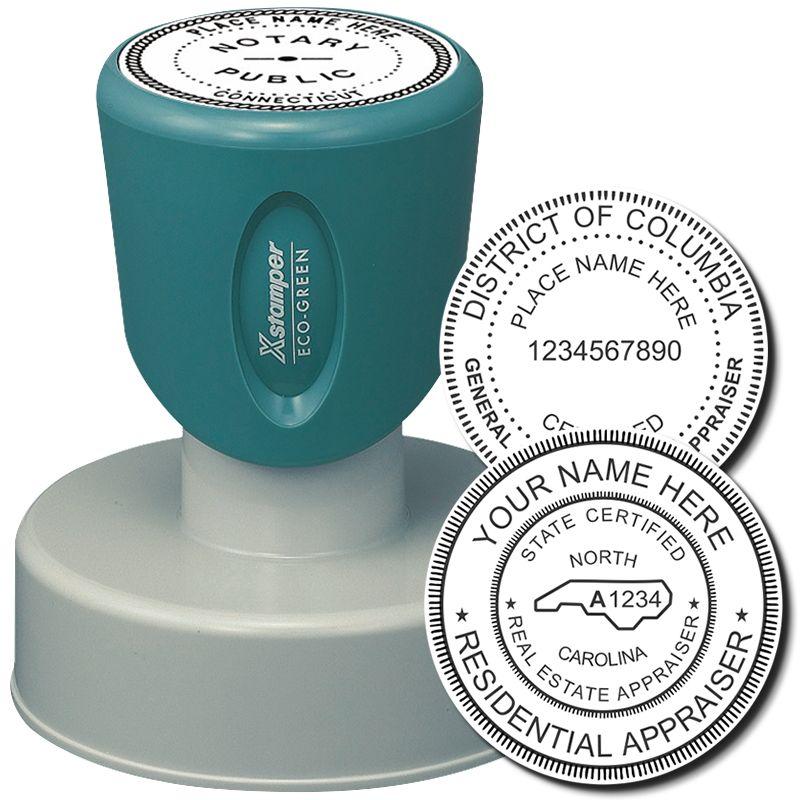
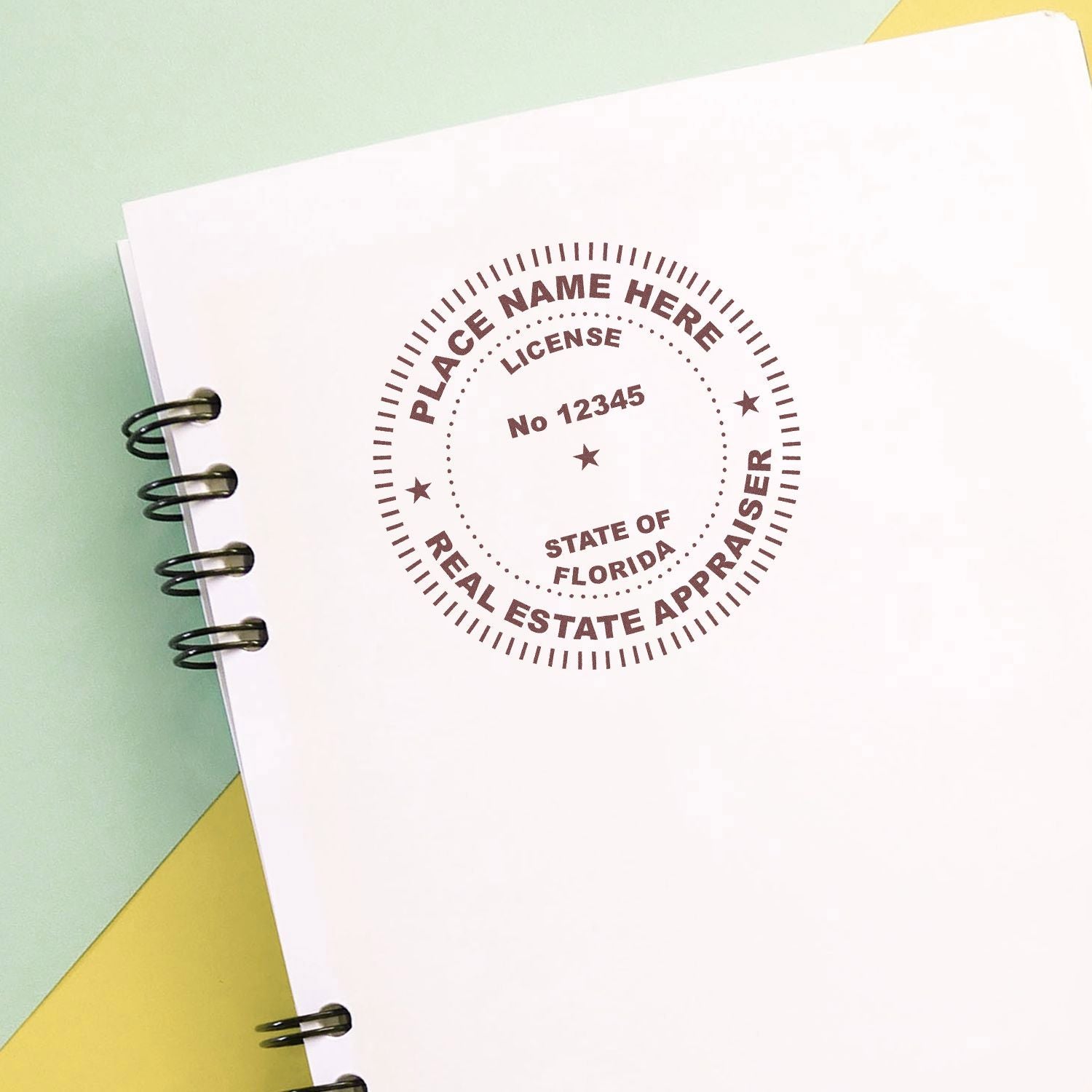
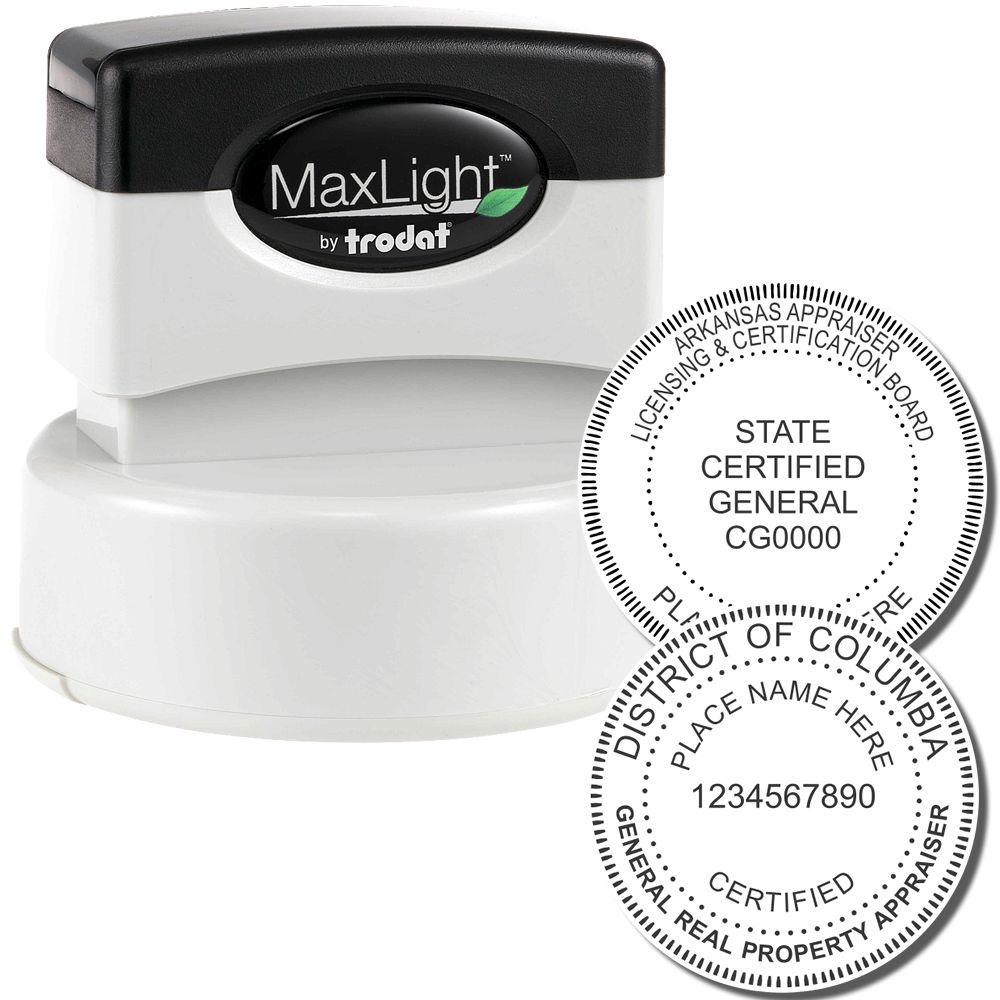
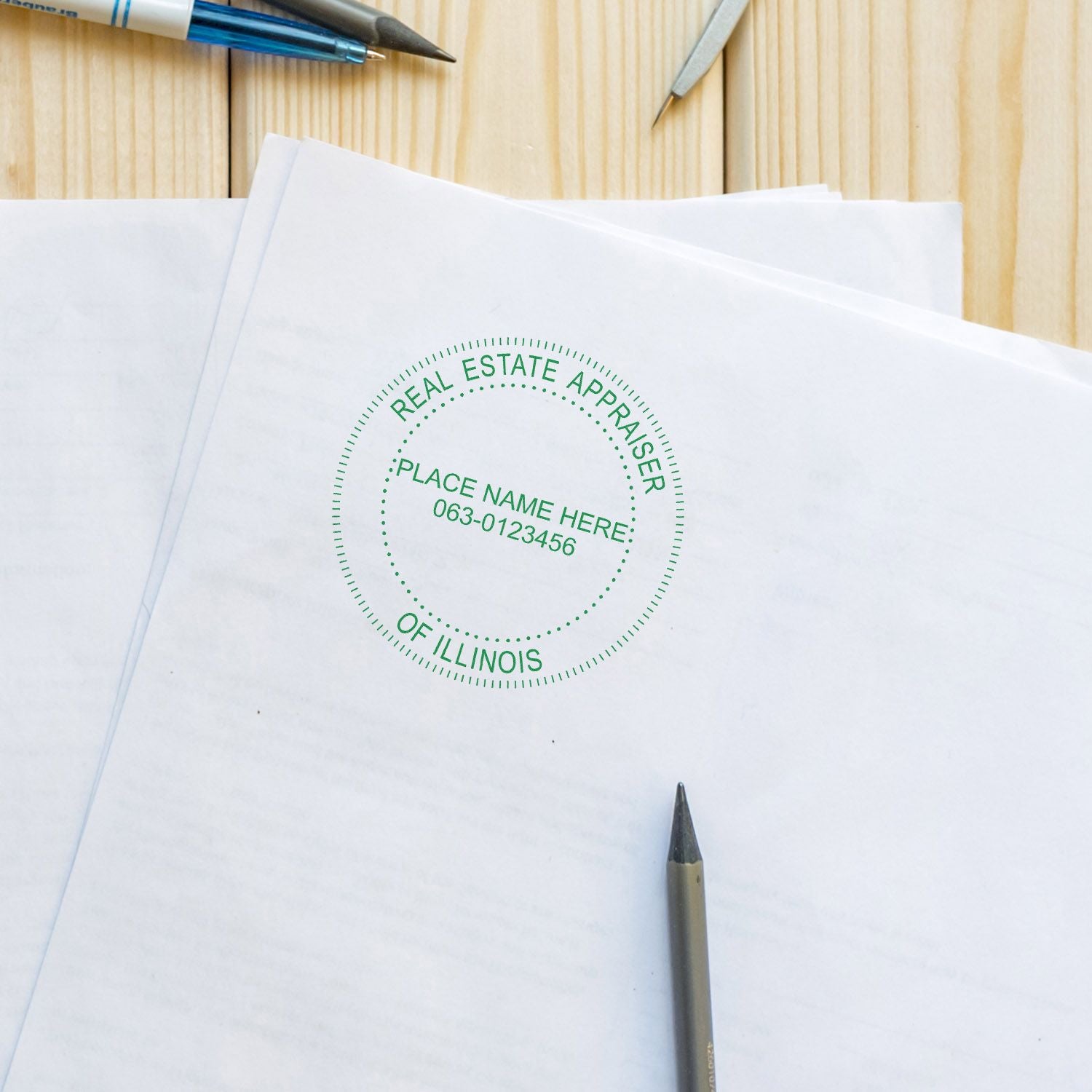
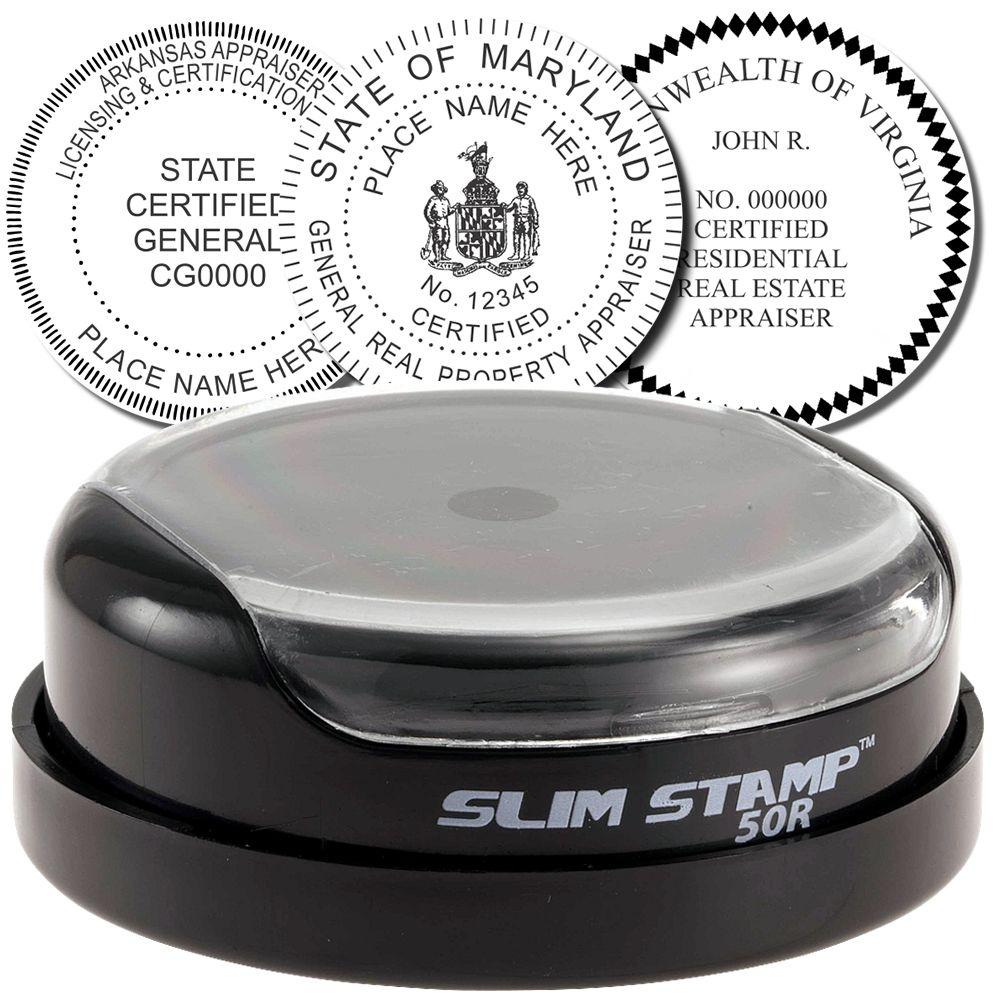
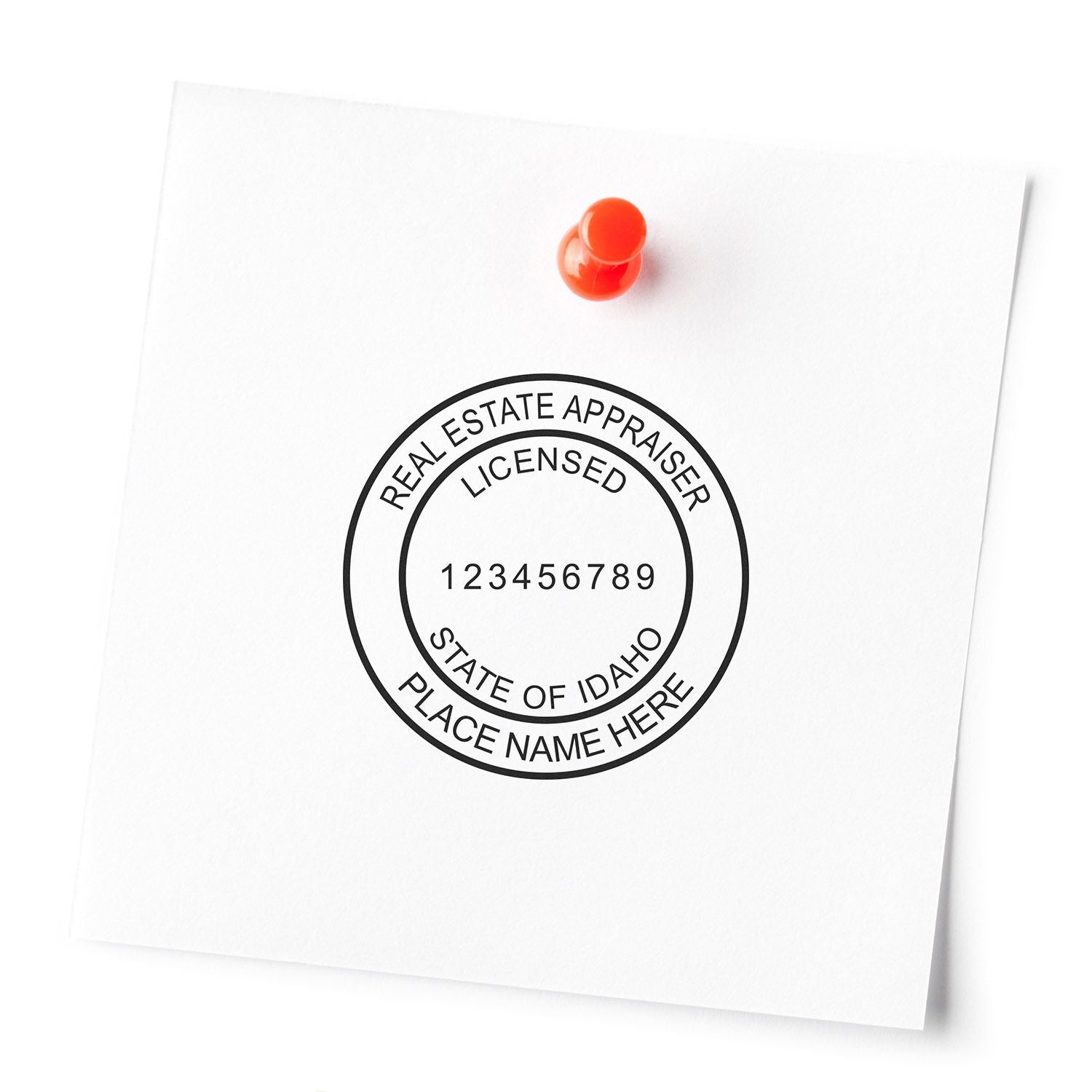
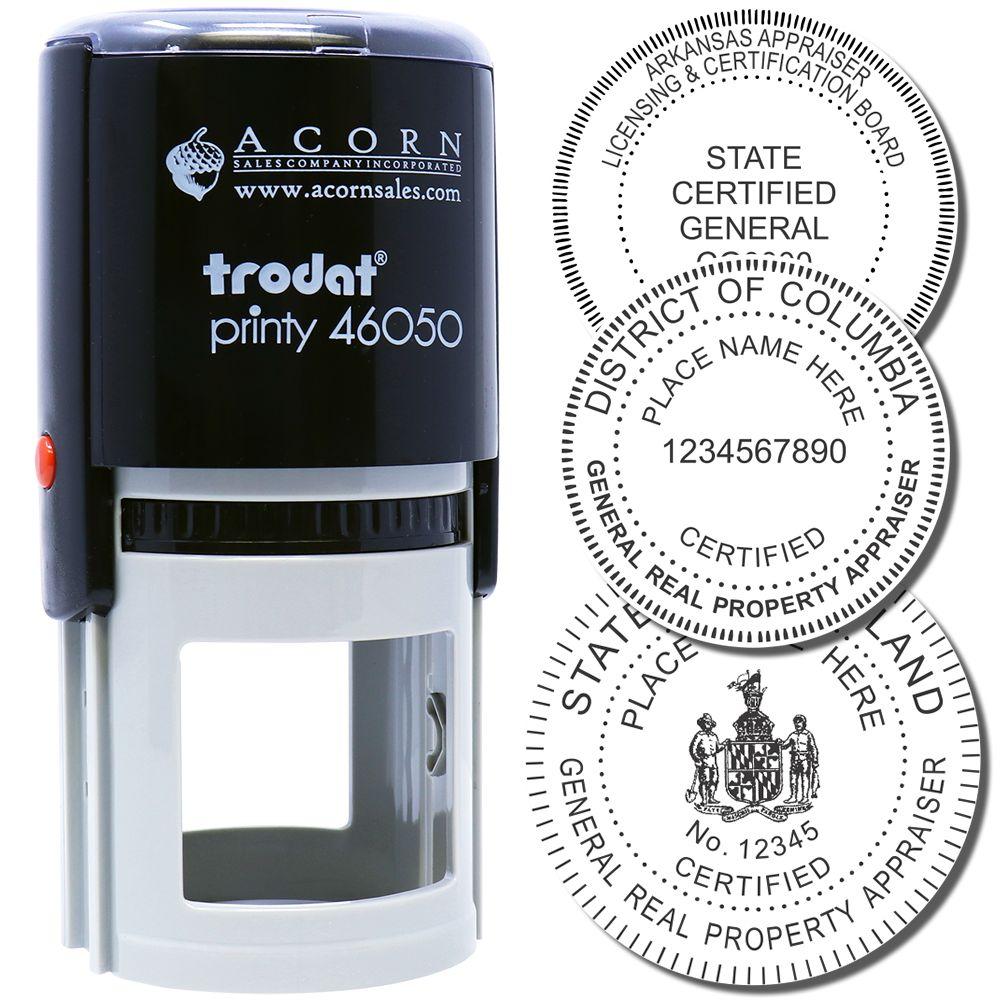
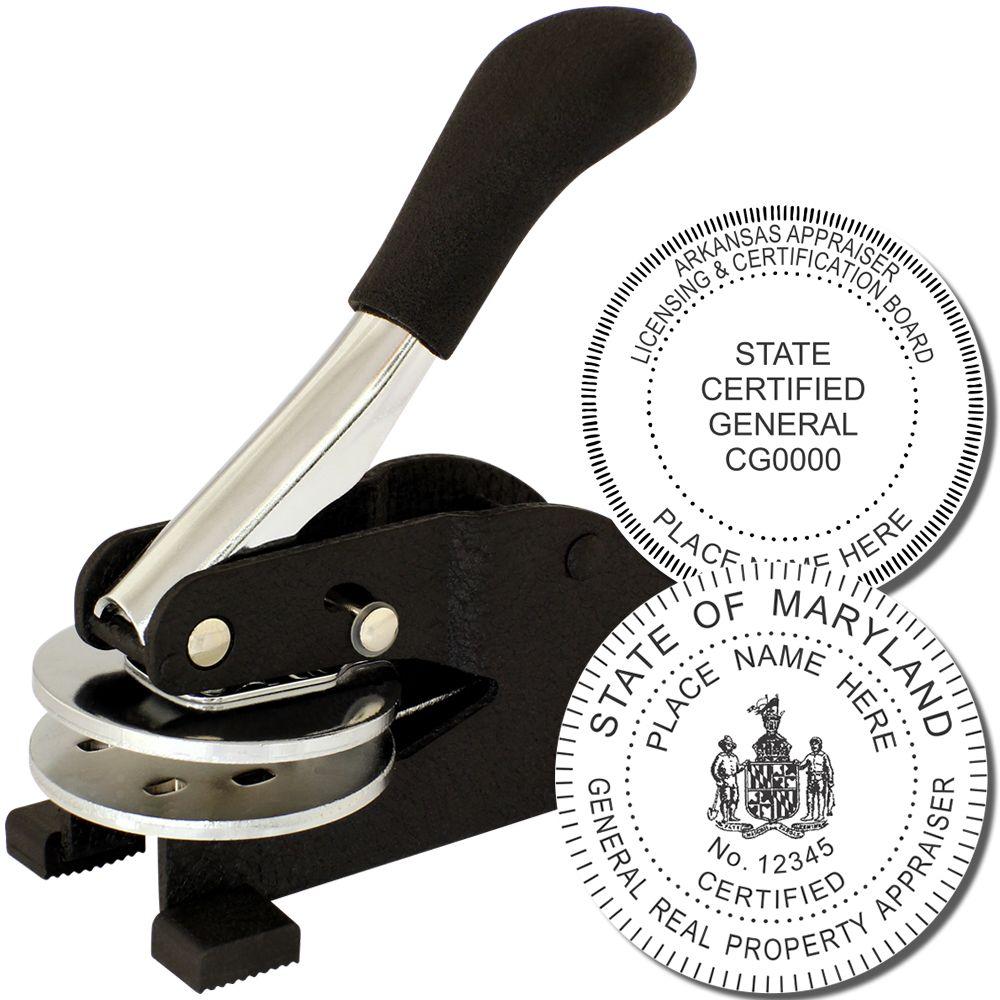
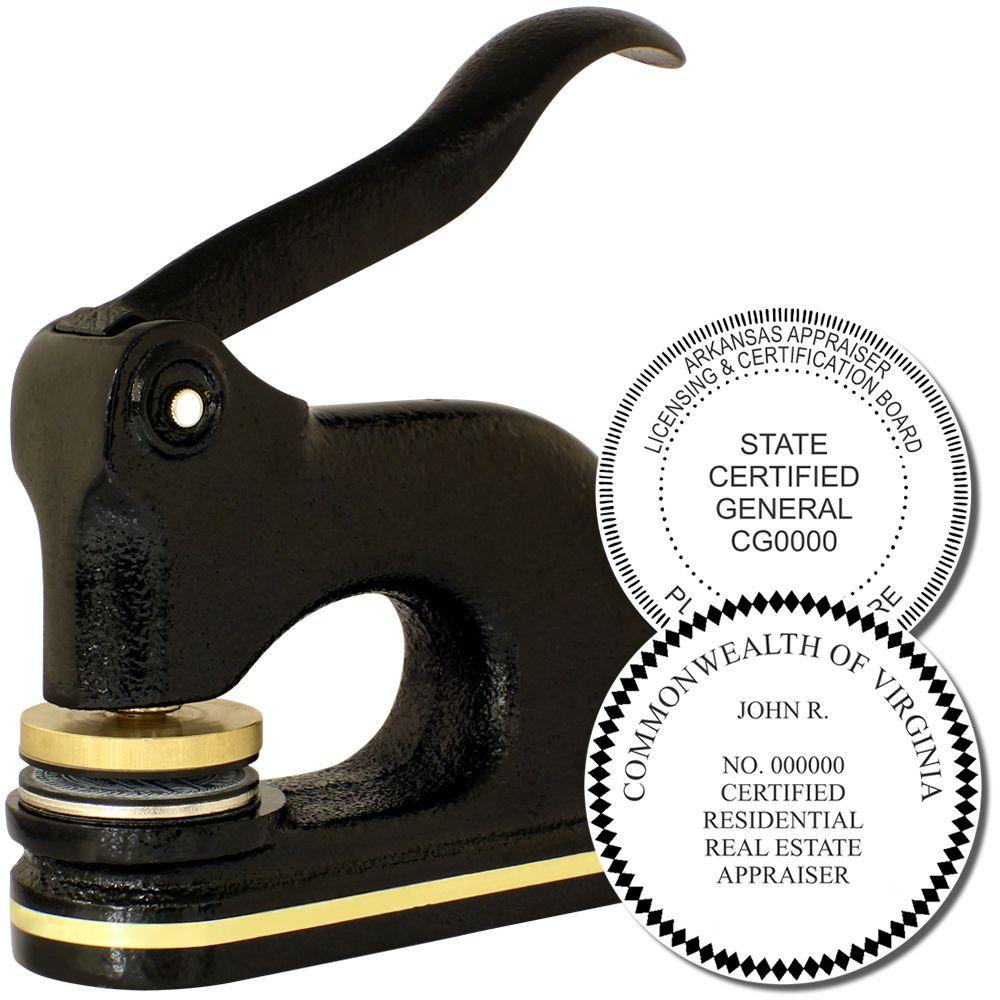
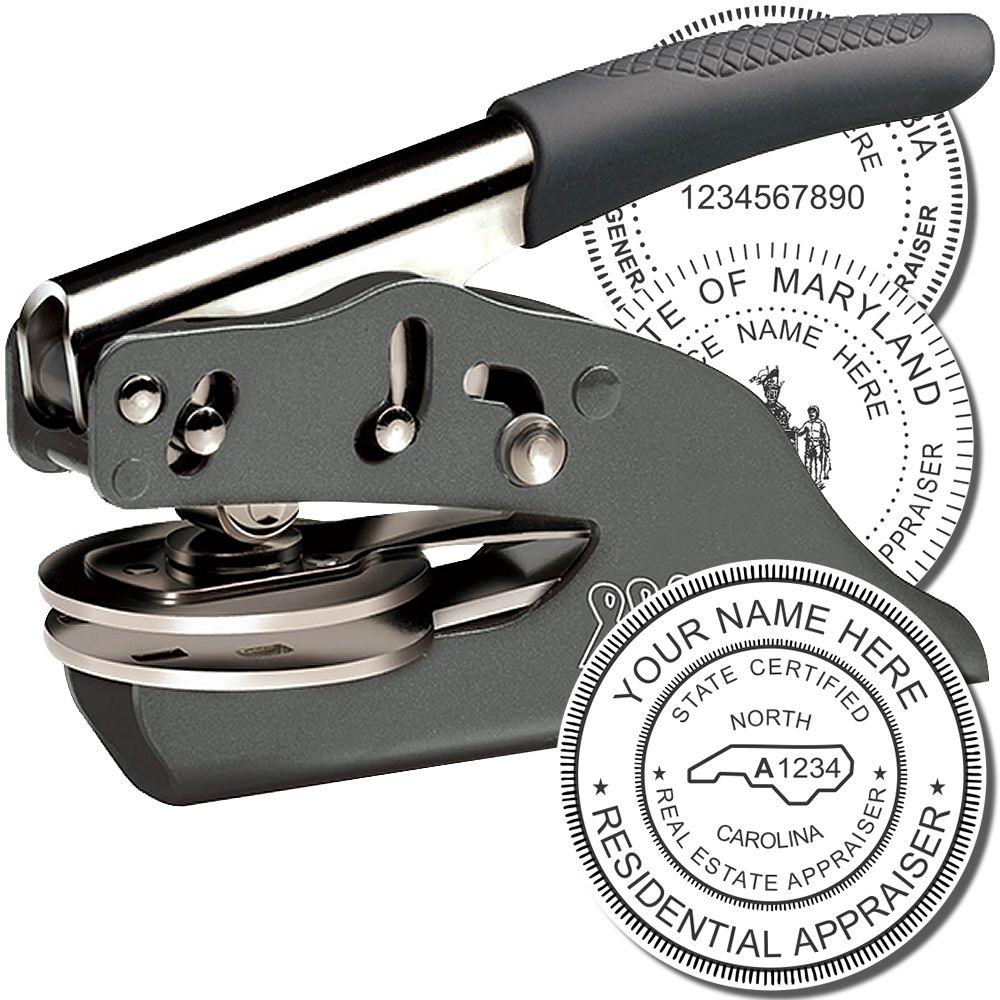
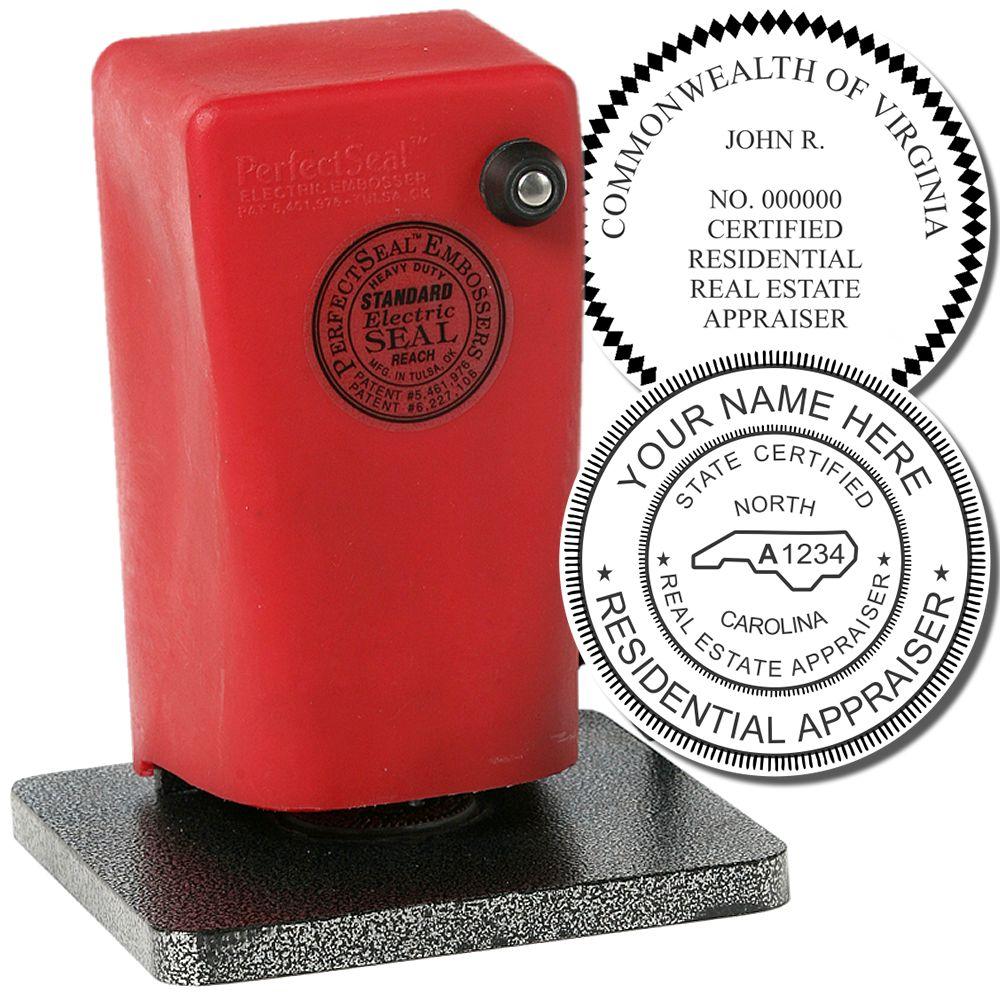
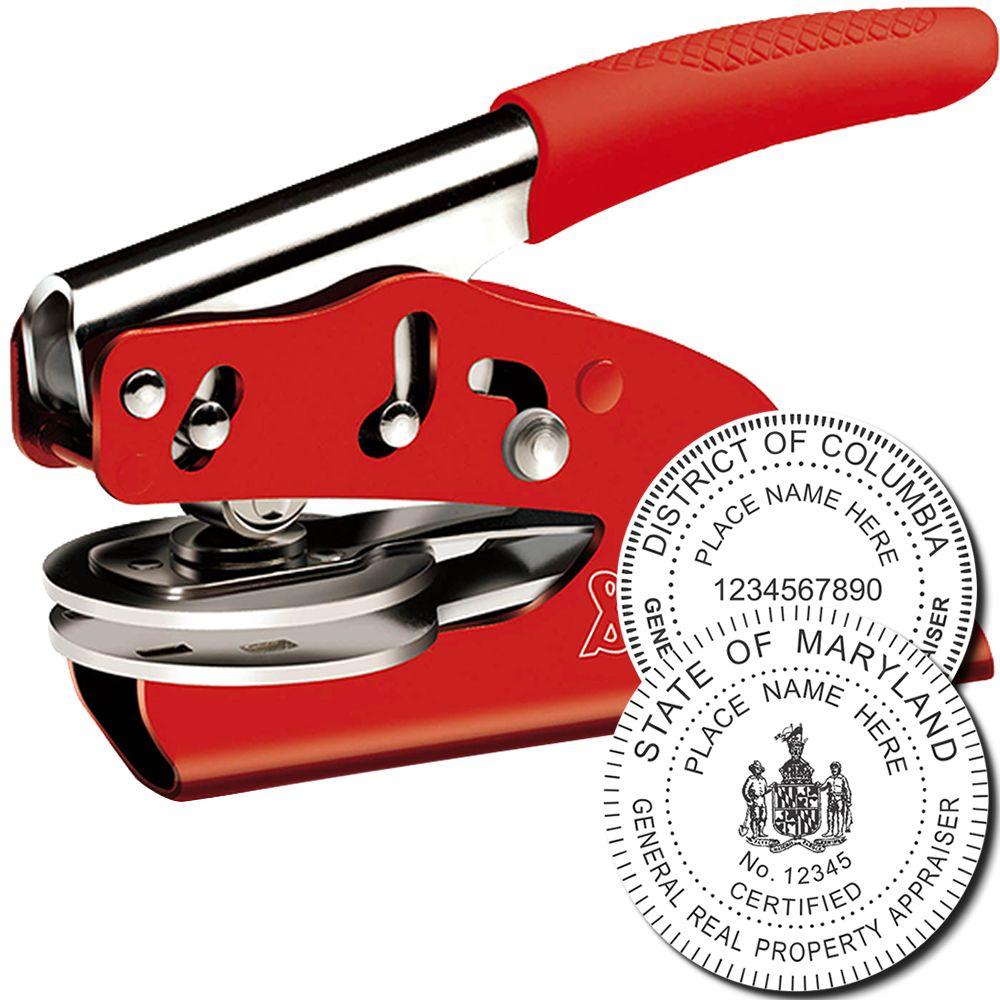
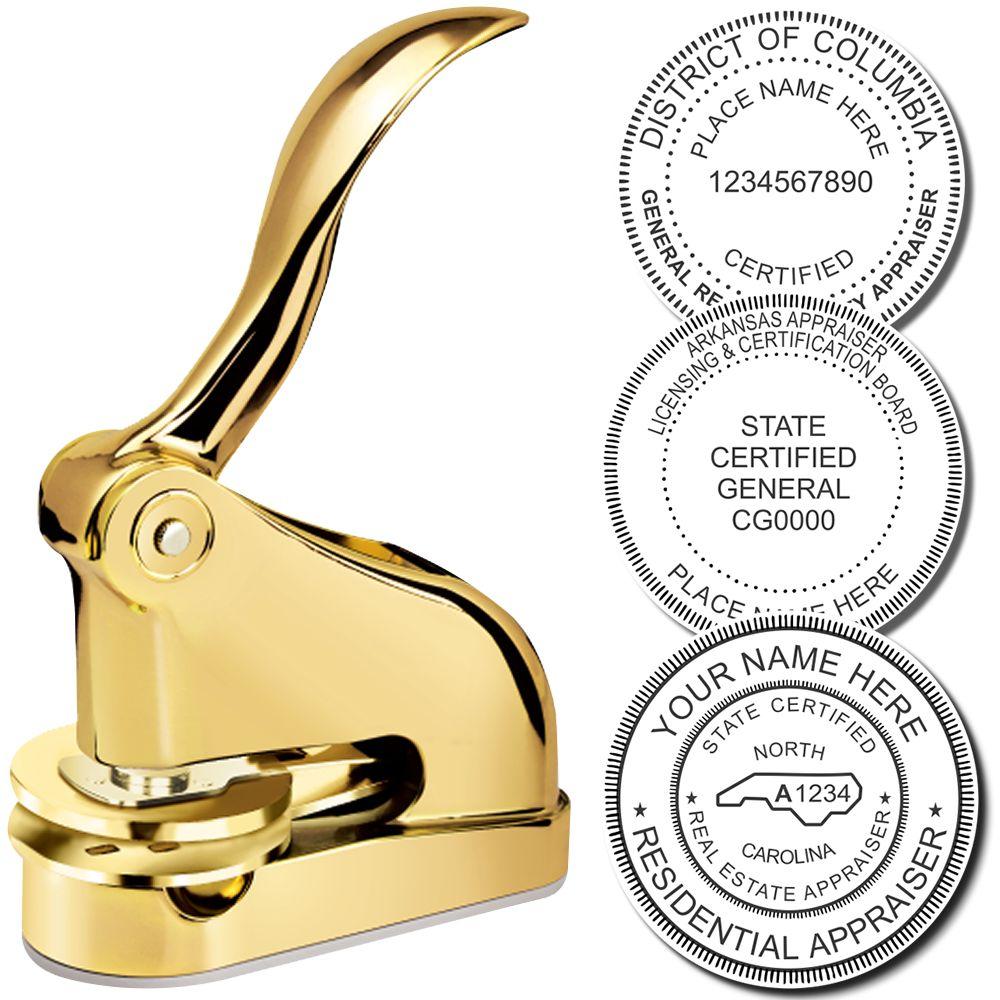
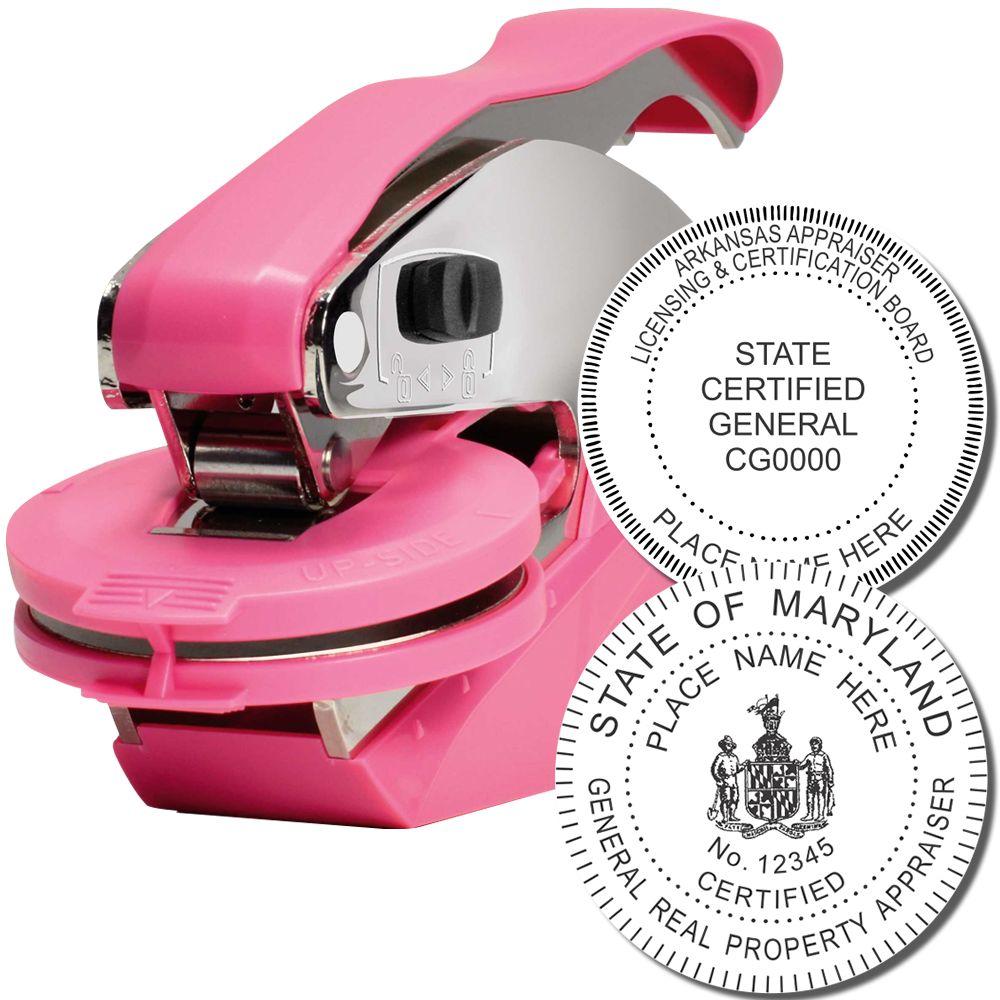
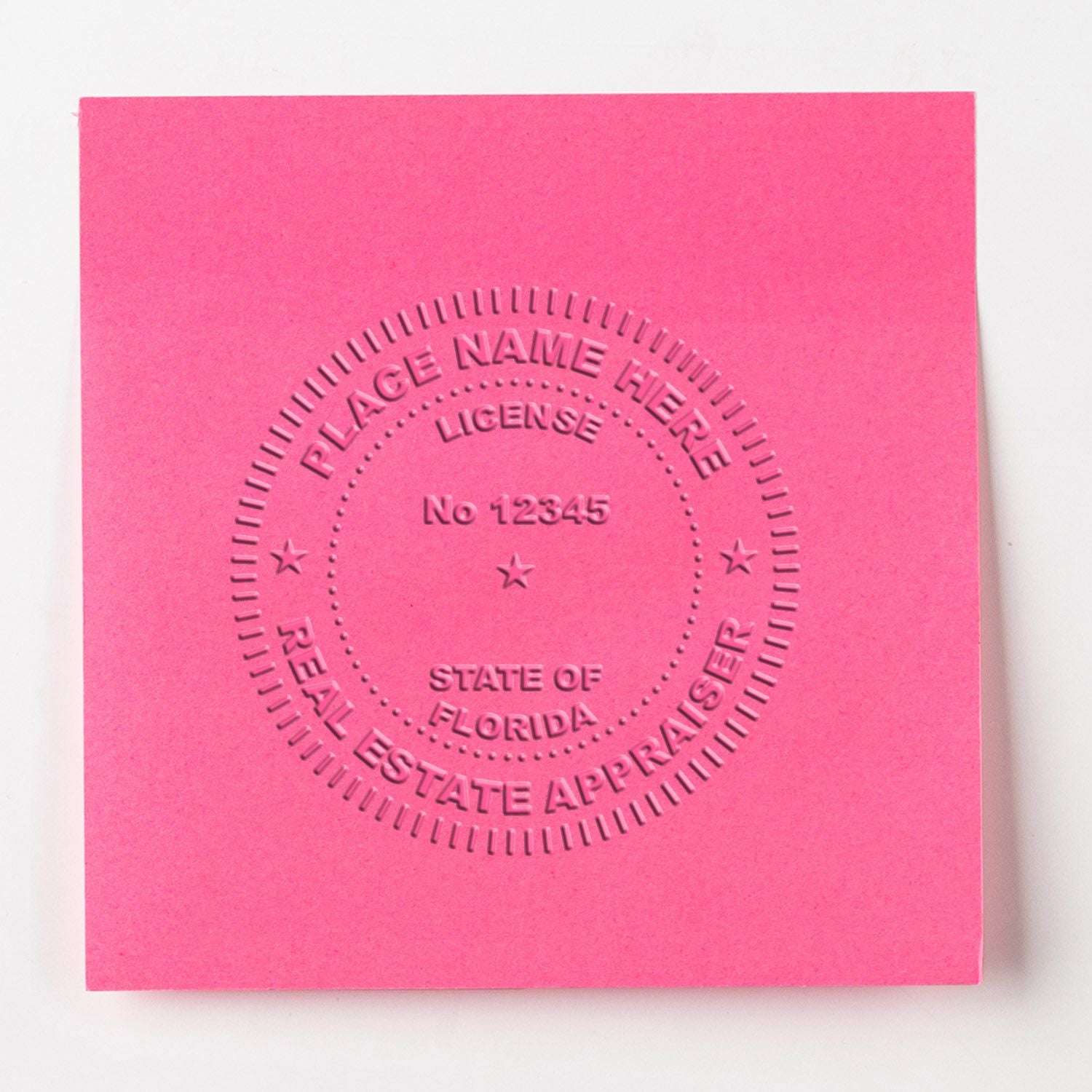
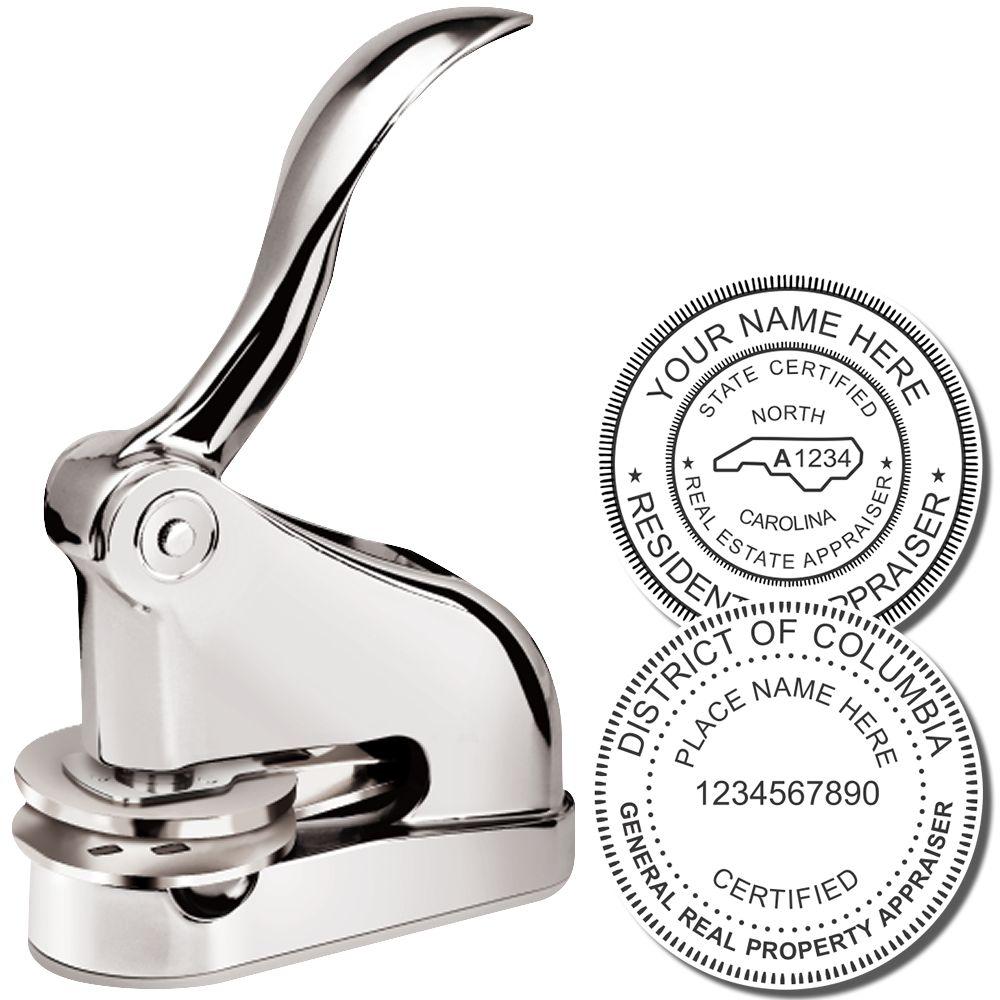
The rule asks for information printed or typed, which is a legibility standard, so the choice is practical rather than legal. An embosser leaves a raised impression and photographs and scans badly, which matters when reports are delivered as PDFs. It is a good ceremonial device for a wet-signed original and a poor primary one for appraisal work. An ink stamp reproduces cleanly in a scan and is the usual choice here. A digital image drops into a PDF next to a digital signature. Acorn stocks all three for appraisers: the Real Estate Appraiser Self Inking Rubber Stamp of Seal at $39.95, the Real Estate Appraiser Handheld Seal Embosser at $46.95, and the eSeal image file at $20.00. Many Connecticut appraisers end up with the stamp for working copies and the image for delivery.



Sizing and layout
Connecticut fixes no dimension, so the constraint is the text. Five pieces of information, one of them a date and one of them a full category name such as Certified Residential Real Property Appraiser, is a lot of characters for a small die. A rectangular impression carries this far better than a circle: a circular die forces the long category name into an arc, which is where legibility is lost first. If you want a round device anyway, drop the category to the shortest form the Commission itself uses and keep the number and date in the clear center. Leave the lines in the order a reader scans them: name, category, number and state, then expiration date. Send us your exact license text and we will set the artwork to fit rather than trimming words to make a size work.
Ordering, and what we need from you
Send the five items exactly as they read on your license, including the category wording and the expiration date, and say whether you want the date on the die or left off. Tell us whether the device is for wet-signed originals, for scanned delivery or for both, because that decides between an embosser and an ink stamp. If two appraisers sign your reports, order two devices rather than one shared one, because Sec. 20-504-2(3) attaches the block to each signer. A proof goes back to you before anything is cut. Browse the real estate appraiser stamps and seals collection, or contact us with your block and we will set it up.
Care, and when to reorder
A self-inking stamp gives thousands of clean impressions. Store an embosser flat so the jaws stay aligned. The reorder trigger in Connecticut is not wear, though: it is your renewal. If the expiration date is on the die, put a note in the same place you keep your renewal reminder, because the rule wants the current date on the report and a stale die quietly puts an old one there. This page is a research summary and not legal advice; confirm the current text of Sec. 20-504-2 with the Commission before you rely on it.
- Real Estate Appraiser Stamps and Seals
- Real estate appraiser stamps and seals
- Electronic Seals and eSeal Image Files: What You Get and What You Do Not
Frequently asked questions
Does Connecticut require a real estate appraiser to have a seal?
No. Chapter 400g of the General Statutes and the appraiser regulations at R.C.S.A. Secs. 20-504-1 through 20-504-12 were read and word-searched, and neither “seal” nor “stamp” appears in either. What Connecticut asks for instead is an identification block beside each signature under Sec. 20-504-2(3).
What exactly has to appear beside my signature?
Five things, per R.C.S.A. Sec. 20-504-2(3): your name printed or typed, the category of licensure you hold, your license number, the state of issuance, and the expiration date of the license. The rule applies to each appraiser signing an appraisal or an appraisal review.
Why does the expiration date matter for a stamp?
Because it changes at every renewal. A die carrying the date is accurate for one cycle. Either keep the date off the die and add it when you sign, replace the die each cycle, or use a digital image file that you reissue with the new date.
Does the rule cover appraisal reviews as well as appraisals?
Yes. Sec. 20-504-2(3) opens with “Each appraisal or appraisal review”, so a review report carries the same identification block as an appraisal.
Is an embosser acceptable in Connecticut?
Nothing forbids one, because nothing prescribes any device. The rule asks for information printed or typed. An embossed impression is hard to read in a scan or a PDF, so it works better as a ceremonial device on a wet-signed original than as your everyday tool.
Does Connecticut say anything about electronic seals or digital signatures?
No. The words do not appear in Secs. 20-504-1 through 20-504-12. Sec. 20-504-2(1) adopts USPAP in effect when the services are performed, so any electronic signature treatment reaches you through USPAP rather than through Connecticut rule.
Two of us sign the report. Do we need two blocks?
Yes. The rule attaches the block to each appraiser signing, so a report signed by two appraisers carries two complete blocks, each with its own category, number and expiration date.
I hold a license from another state and sign in Connecticut. What changes?
The state of issuance element is what changes. Sec. 20-504-2(3) asks for the state of issuance by name, which is why the element exists at all, so set the artwork to name the state that granted the credential rather than defaulting to Connecticut.