
Written by Acorn Sales Company, manufacturing stamps and seals since 1964 · Reviewed by Holly R, VP of Sales and Marketing at Acorn Sales, against Iowa Real Estate Appraiser Examining Board, Department of Inspections, Appeals, and Licensing on 22 September 2026 · Updated 22 September 2026
Iowa asks less of an appraisal report than almost any state in the country: a signature, and that is the whole of it. Iowa Code 543D.18(6) requires a certified real estate appraiser making a significant contribution to the valuation or analysis to sign the final written report, or to acknowledge the contribution in a verbal report. No Iowa provision requires credential wording on a report, no Iowa provision requires the certificate number on one, and the words seal and stamp do not appear anywhere in the statute or in the board’s current rules.
Two practical points follow. A stamp here is entirely a convenience, so the wording on it is yours to set and nothing has to be approved or filed. And the citation you may have seen on older pages is out of date: the board’s rules left IAC agency 193F and were renumbered into 481 IAC chapters 2031 to 2043, effective 10 June 2026. The substance did not change in the move, but anything citing 193F is citing a number that no longer carries the rules.
Iowa real estate appraiser seal requirements at a glance
| Requirement | Iowa rule | Source |
|---|---|---|
| Seal required | No. The words “seal” and “stamp” appear nowhere in the appraiser statute and nowhere in the board’s current chapters | Iowa Code ch. 543D; 481 IAC chs. 2031 to 2043 |
| Required elements | A signature on the final written report, and nothing more from Iowa law. No credential wording and no certificate number is prescribed for a report; report content is otherwise governed by USPAP | Iowa Code 543D.18(6); 481 IAC ch. 2036 |
| Size and shape | None prescribed. No size, diameter or shape language appears in the statute or in the board’s chapters | Iowa Code ch. 543D; 481 IAC chs. 2031 to 2043 |
| Device allowed | Nothing prescribed and nothing prohibited. Any device you use is a convenience that reproduces text you would otherwise type, and it carries no Iowa authority because Iowa confers none | Iowa Code ch. 543D; 481 IAC chs. 2031 to 2043 |
| Signature and date | The statute puts the duty on the signature: an appraiser making a significant contribution shall sign the final written report or acknowledge the contribution in a verbal report. No date is prescribed by Iowa law | Iowa Code 543D.18(6) |
| What must be sealed | Nothing. No Iowa document asks an appraiser to seal or stamp anything. The disciplinary chapter was checked, since that is where a failure-to-seal violation would appear, and it carries no such language | 481 IAC ch. 2036 |
| Electronic seal | No electronic seal or digital signature rule for reports. The only electronic signature reference in the board’s rules concerns applications submitted to the board, not appraisal reports | 481 IAC ch. 2035 |
| Renewal and lapse | Nothing ties a device to a renewal cycle. No number and no expiration date is prescribed on a report, so a die stays accurate until your own details change | Iowa Code ch. 543D; 481 IAC chs. 2031 to 2043 |
| Firm requirements | No firm seal and no firm mark was found in the statute or in the chapters read for this page | Iowa Code ch. 543D; 481 IAC chs. 2031, 2032, 2034, 2035 and 2036 |
| Regulator | Iowa Real Estate Appraiser Examining Board, within the Department of Inspections, Appeals, and Licensing | Iowa Code 543D.4 |



Does Iowa require an appraiser’s seal?
No. Iowa Code chapter 543D, the appraiser statute, was read in full and contains no occurrence of the words seal or stamp. On the rules side, the chapters that could plausibly carry such a provision were opened individually: 481 IAC chapter 2031, organization and administration; 2032, definitions; 2034, associate real estate appraiser; 2035, certified real estate appraiser; and 2036, disciplinary actions against certified and associate appraisers. None of them contains the word seal or the word stamp. Chapter 2031 was checked specifically for a board authenticating seal, the usual distractor, and the Iowa appraiser board does not have one written into its chapter. Chapter 2036 was checked because a state that required sealing would list a failure to seal among the acts it disciplines, and Iowa does not.
The one duty Iowa puts on a report
Iowa Code 543D.18(6), inside the standards of practice section, is the whole of it: a certified real estate appraiser making a significant contribution to the valuation or analysis process in completing an appraisal assignment shall sign the final written report or acknowledge the appraiser’s contribution in a verbal report. Notice what that provision is doing. It is not telling you how to identify yourself; it is making sure that everyone who materially worked on a valuation is named on the result. There is no element list attached to it, no position on the page, no wording and no number. Everything else about the content of an Iowa report comes from USPAP, which the board adopts by rule in 481 IAC chapter 2036, requiring associate appraisers and certified appraisers to comply with the USPAP edition applicable to each assignment.
Your certificate number goes on the certificate, not the report
This is the detail that surprises people, because most states work the other way. Iowa Code 543D.14 puts the certificate number on the certificate itself, the document the board issues to you. No Iowa provision carries that number across onto a report. So if your Iowa signature block shows your certificate number, and most do, it is there because USPAP’s certification and your clients expect it, not because an Iowa rule places it there. That is worth knowing before you order, because it means nothing in Iowa law dictates where on the block the number sits, how it is formatted, or whether it appears at all.
Title use is restricted, not required
Iowa Code 543D.15(1)(b) restricts use of the certified real estate appraiser title to people who hold the credential. As in most states, that is a bar on claiming something you are not, rather than an instruction to print what you are. The distinction matters when you are choosing wording for a die. You may put your credential on the block and it is accurate to do so; you are not obliged to, and no particular phrasing is prescribed. Use the credential name the board uses on your certificate and the block will be both accurate and recognizable.




The citation changed in June 2026, and 193F is gone
Anything written about Iowa appraiser rules before mid 2026 cites IAC agency 193F, and that numbering no longer carries the rules. The board’s chapters were transferred into 481 IAC effective 10 June 2026, chapter for chapter: former chapter 1 became 481 IAC chapter 2031, chapter 2 became 2032, and so on through chapter 13, which became 2043. The 193F compilation is now a transfer stub that carries the redirection notes and nothing else. Former 193F chapters 14 through 29 were rescinded at various points in 2009 and 2024. No seal rule was added in the transfer and none was repealed by it; the answer on this page is the same before and after the renumbering. If you are checking the rules yourself, look for 481 IAC chapters 2031 to 2043 and ignore any result numbered 193F.
What USPAP does here that Iowa does not
It is worth being clear about which body is asking for what, because the two get blurred in product copy. Iowa asks for a signature. USPAP asks for a signed certification with specified statements in it, and that is where the identifying content of your block really comes from. The board adopts USPAP by rule, so compliance with it is an Iowa duty, but the element list is not an Iowa list and it is not fixed by an Iowa rule that you can cite when you design a die. This means a vendor cannot honestly tell you that Iowa requires particular wording on a stamp. Nobody in Iowa has written that wording down.
What to engrave
Since nothing is prescribed, build the block around what a client and a reviewer look for: your name as you sign it, your Iowa credential, and your certificate number. Add the firm name if it is useful. Keep off anything that suggests state issuance of the device, such as a ring of text reading Official Seal or a state outline design, because Iowa issues no appraiser device and a die imitating one claims an authority that does not exist. Your name, credential and number claim only what your certificate already says. If you hold credentials in other states, give each its own device rather than combining them on one.
Embosser, ink stamp, or the eSeal image
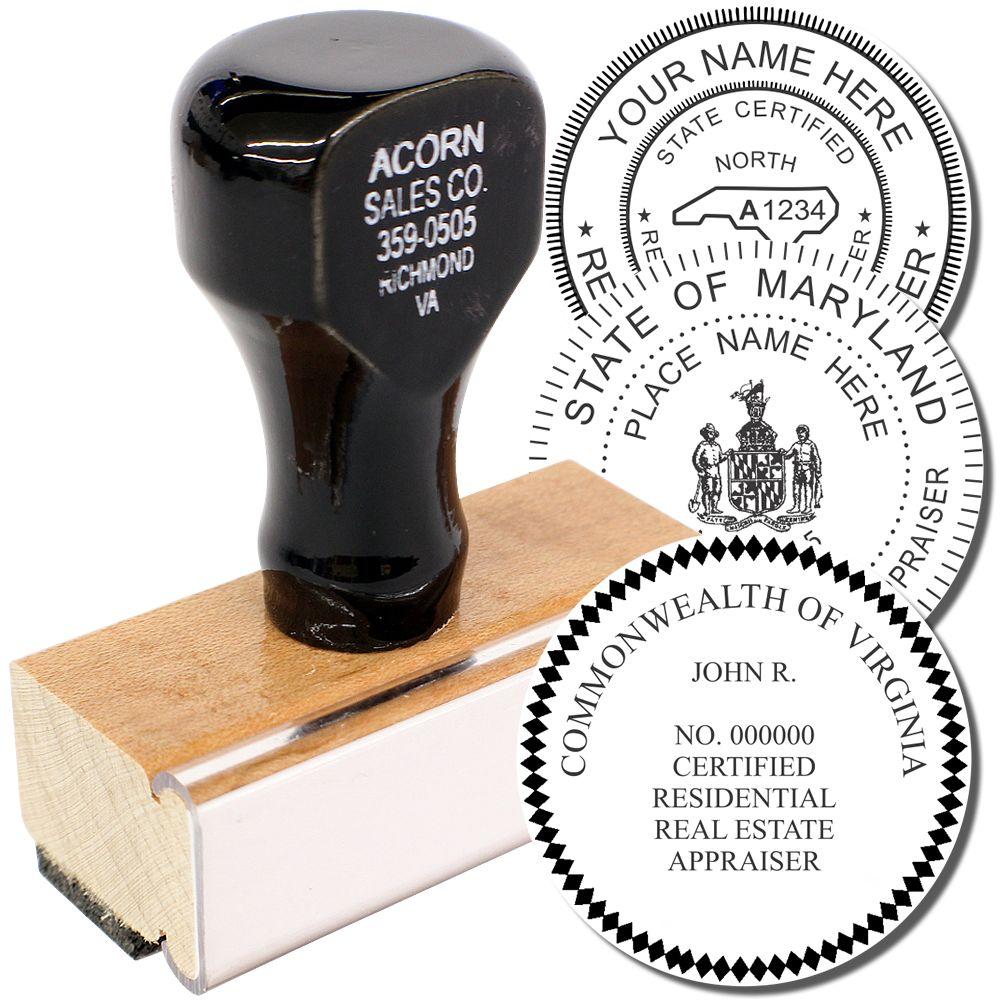
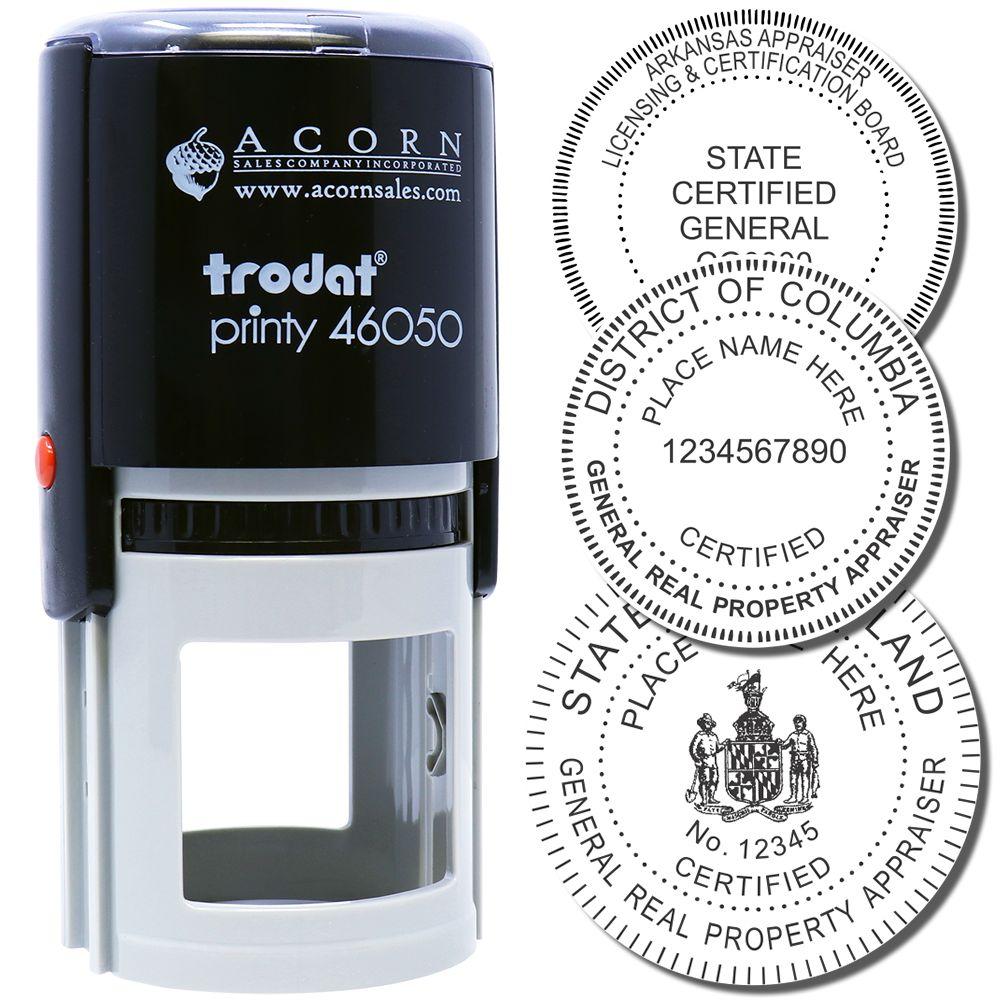
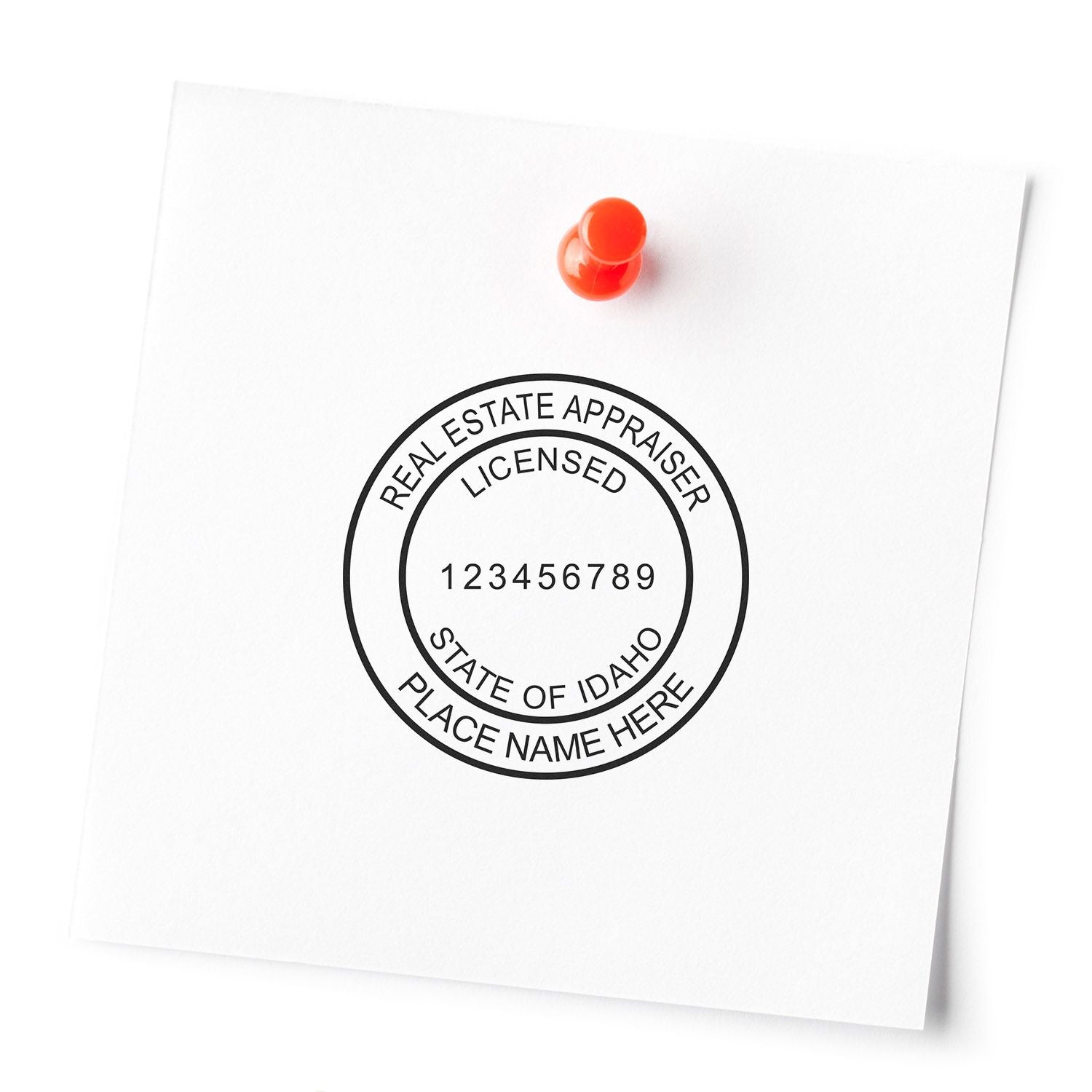
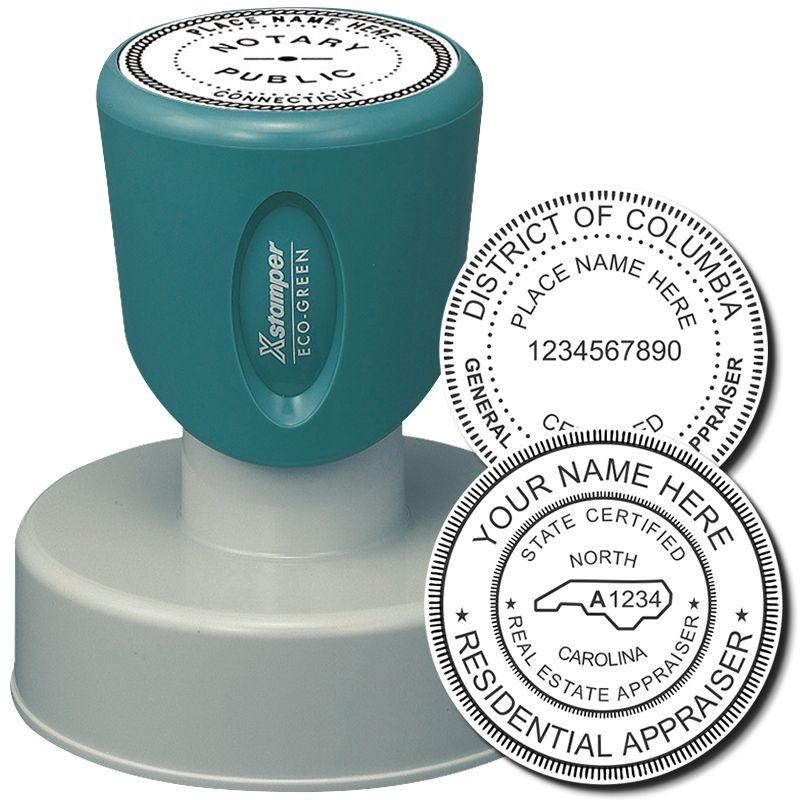
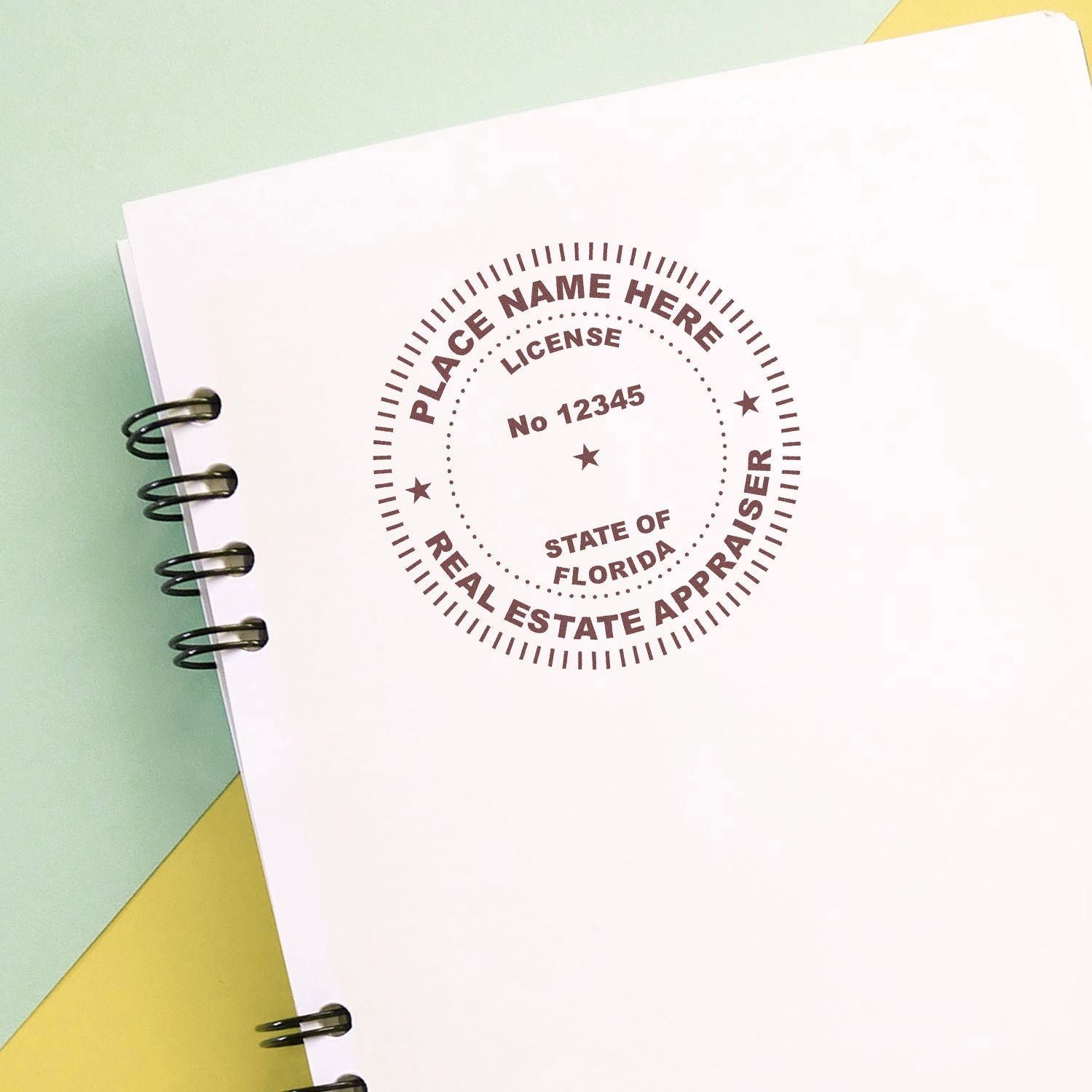
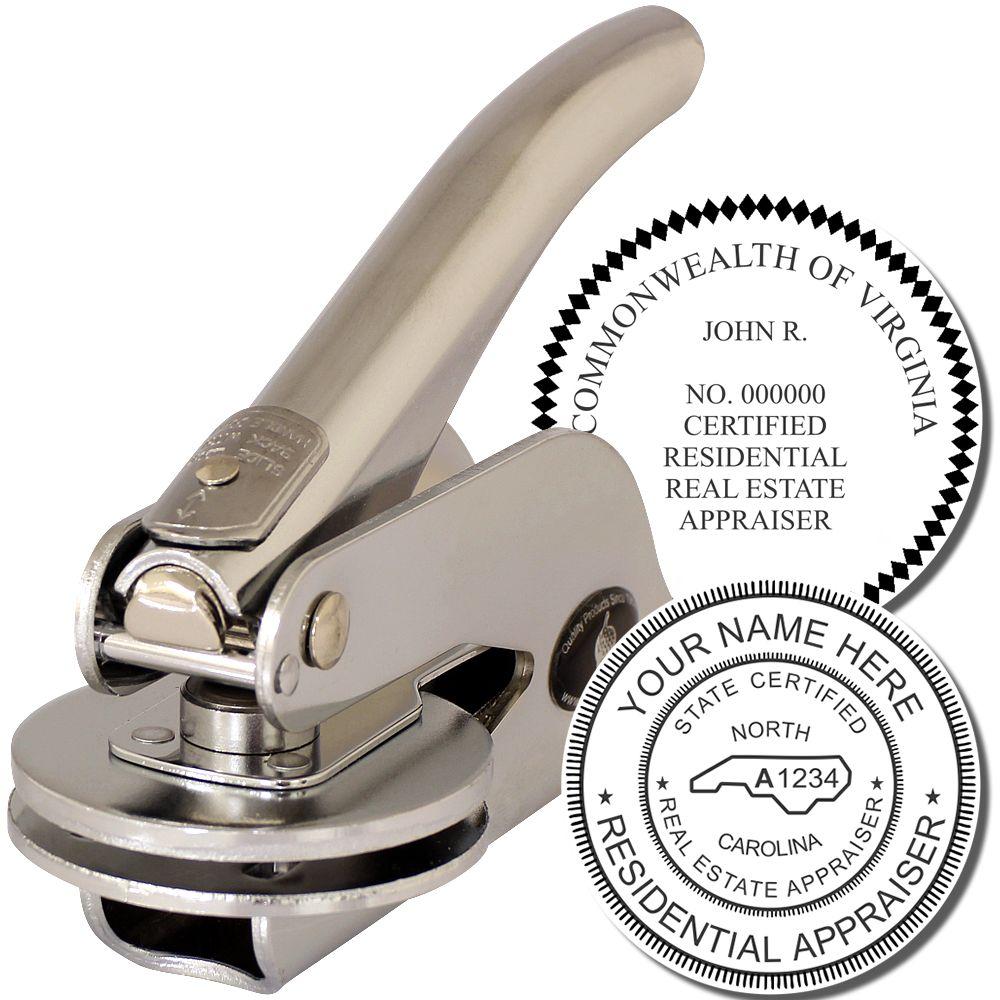
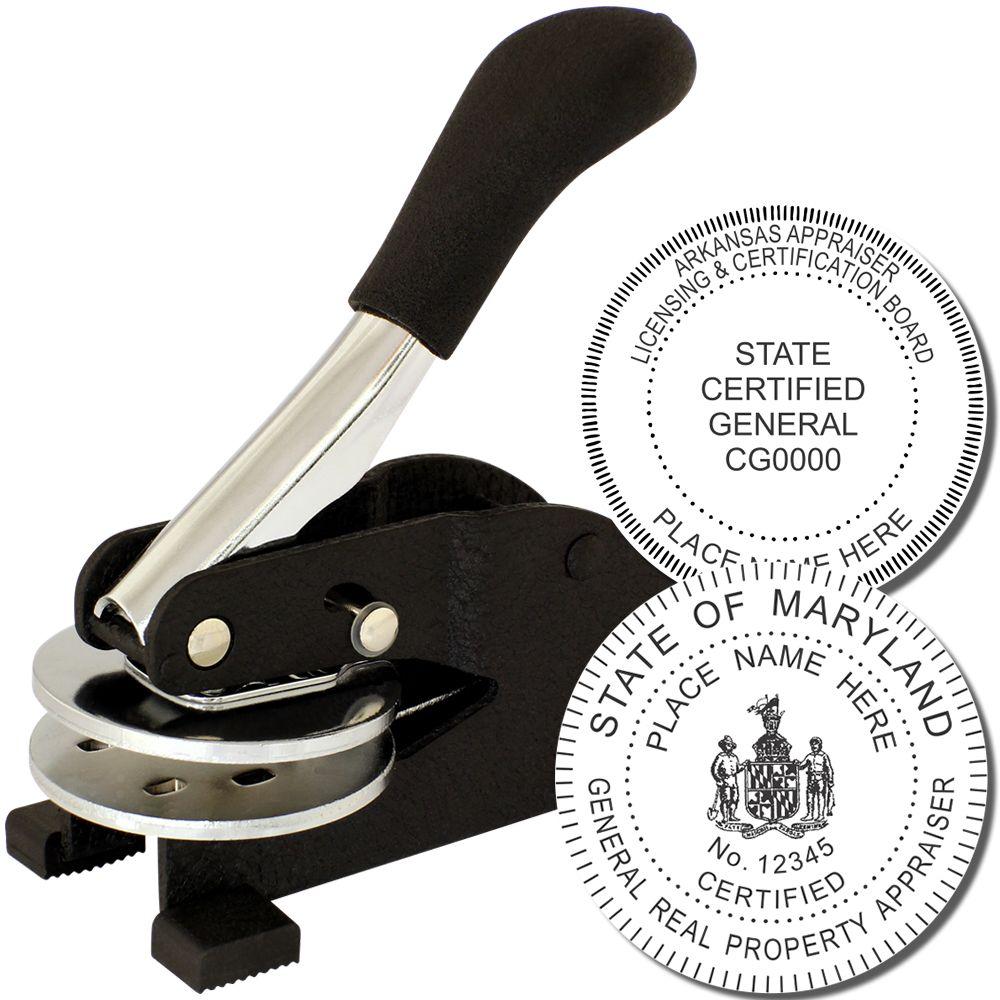
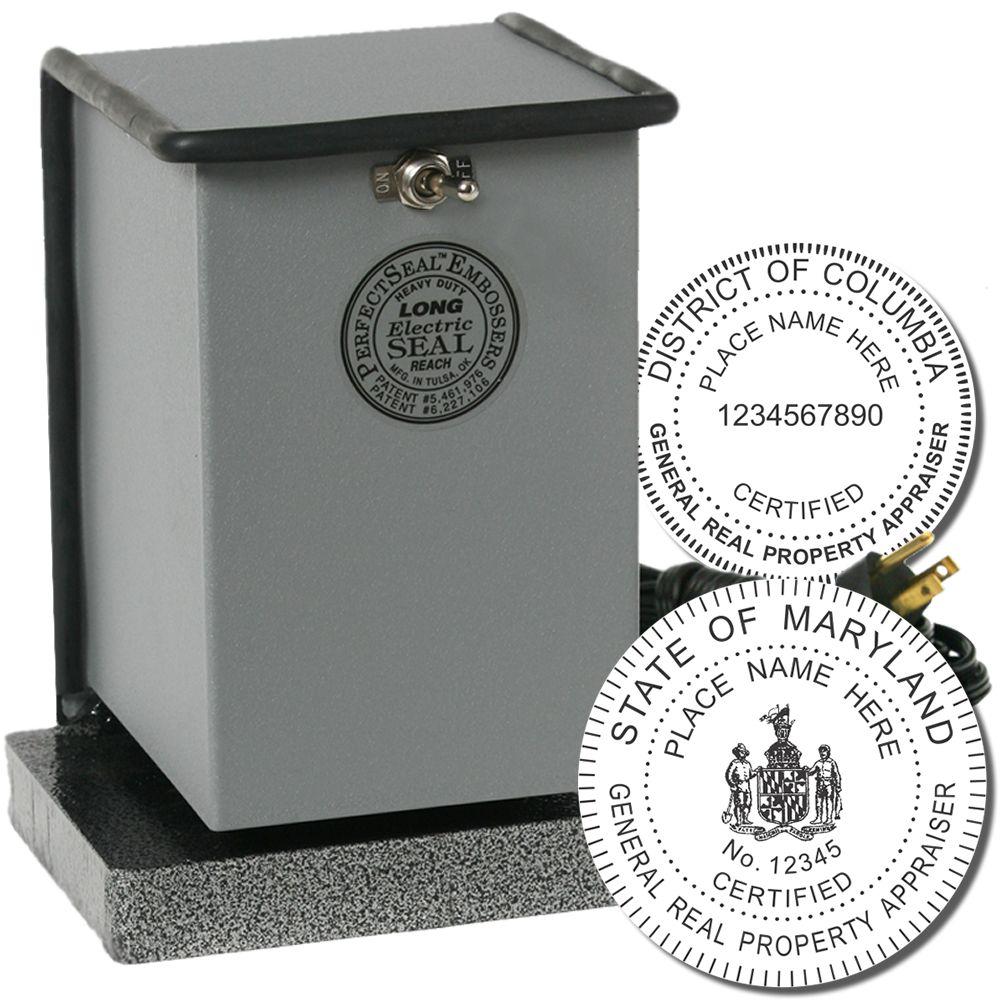
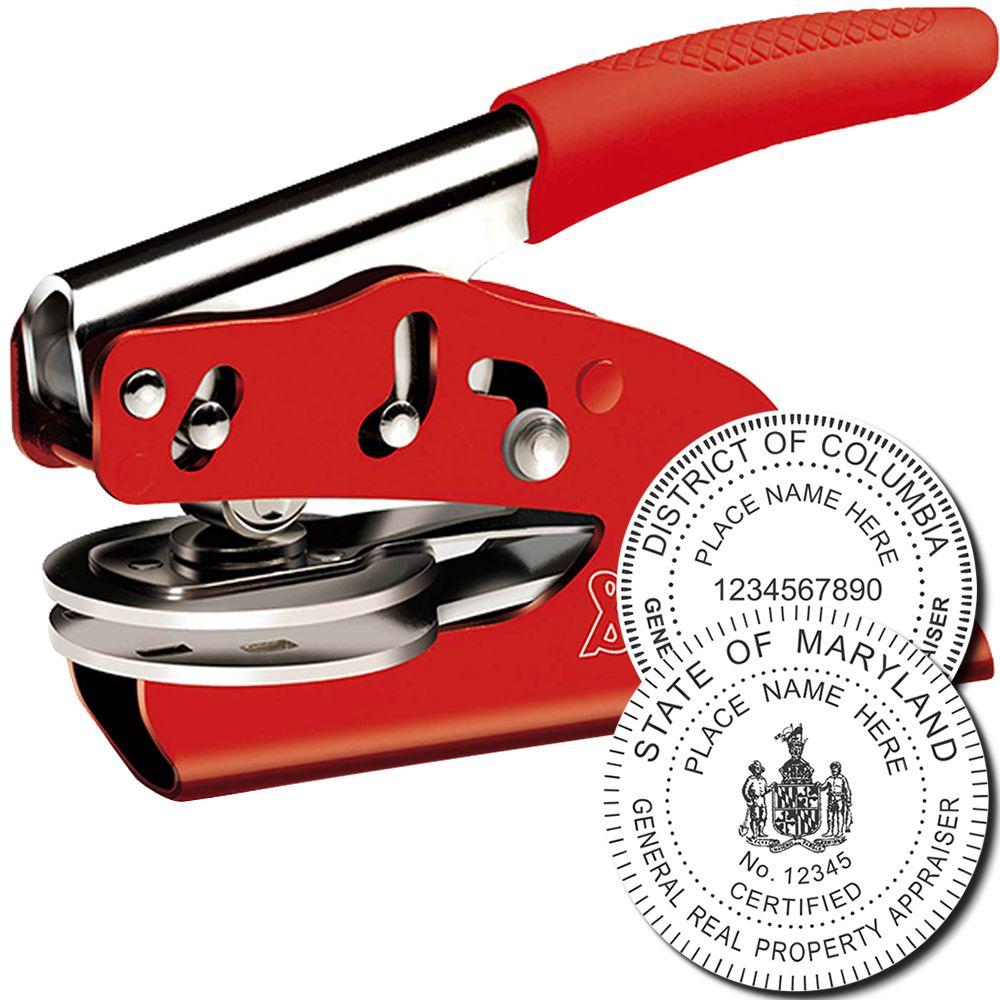
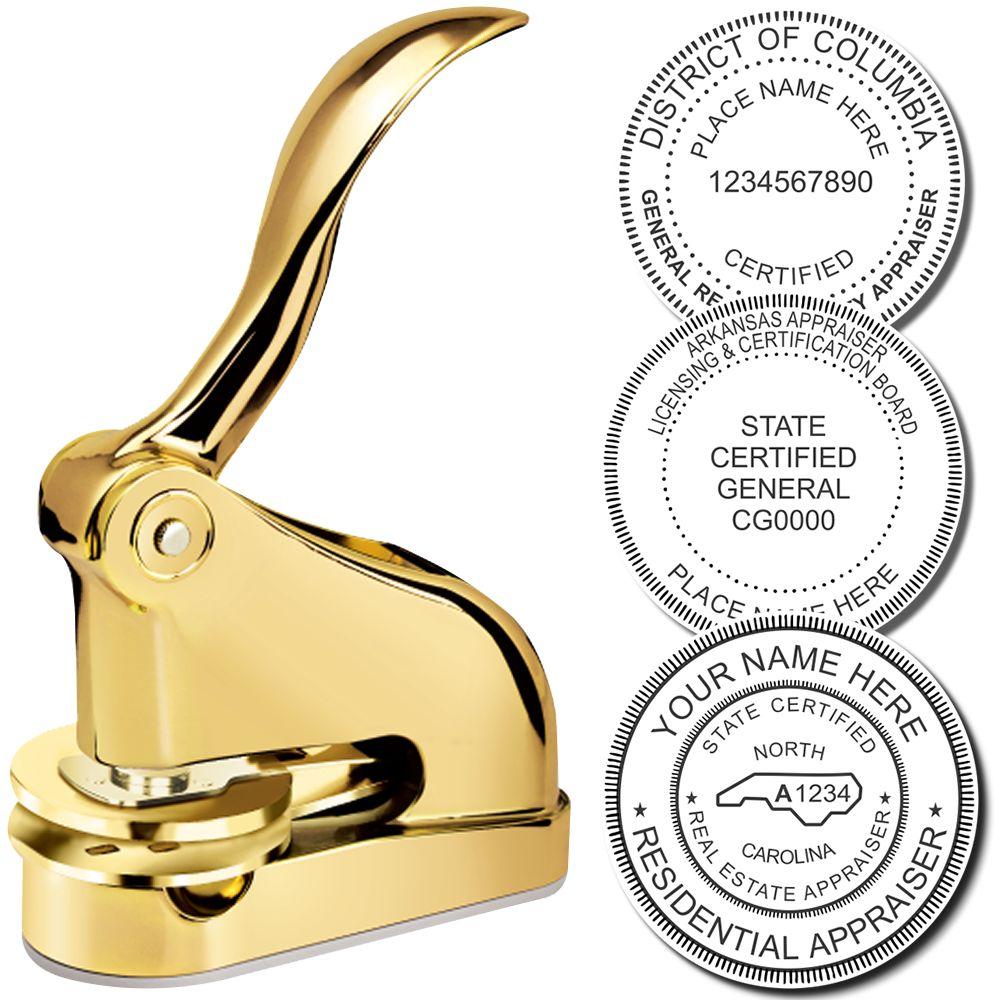
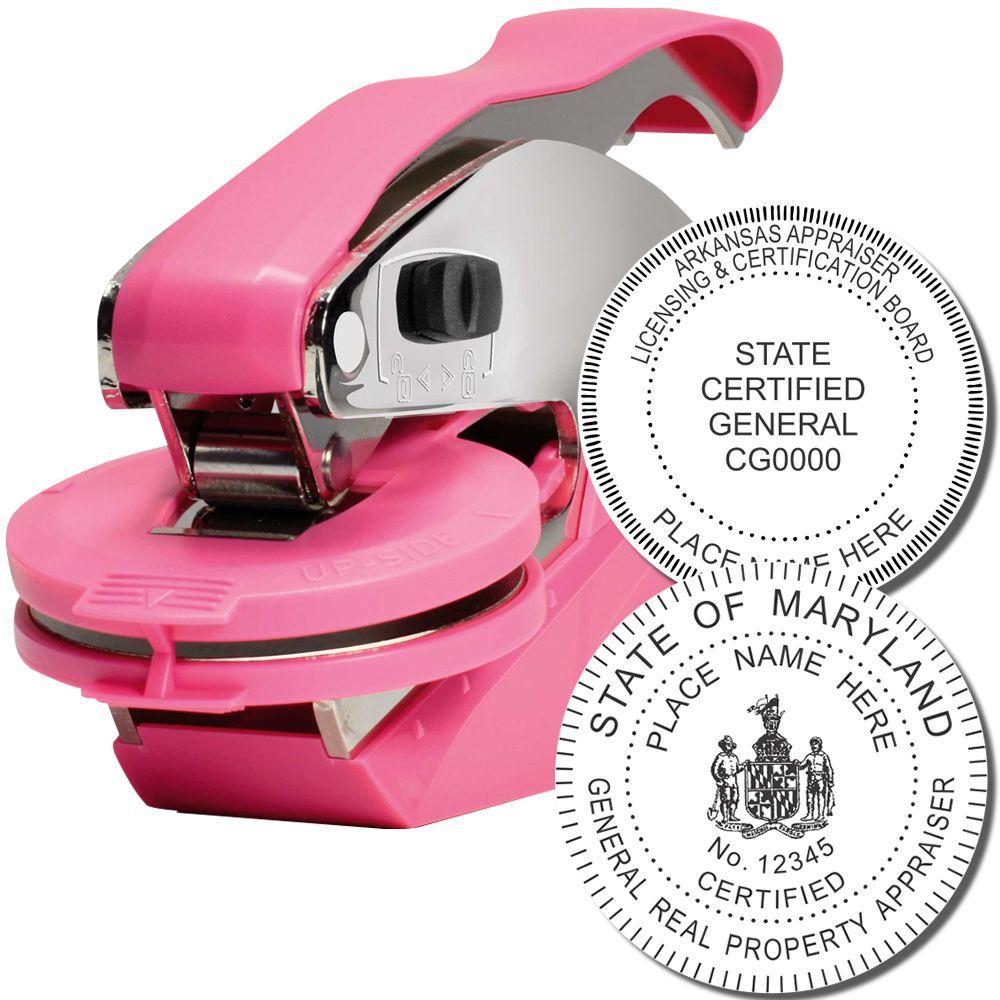
Nothing is prescribed, so choose on how your reports travel. If they leave as PDFs, which most do, a raised impression will not read in the scan and ink is the practical answer: the Regular Rubber Stamp of Seal at $34.95 takes a separate pad, the Self Inking Rubber Stamp of Seal at $39.95 carries its own, and the Slim Pre Inked Rubber Stamp of Seal at $46.95 is the compact pre inked version. If you still issue printed originals and want a raised block, the Handheld Seal Embosser is $46.95 and the Desk Seal Embosser is $44.95. The eSeal Electronic Image Stamp of Seal at $20.00 is an image file for dropping into a PDF, not a physical tool.


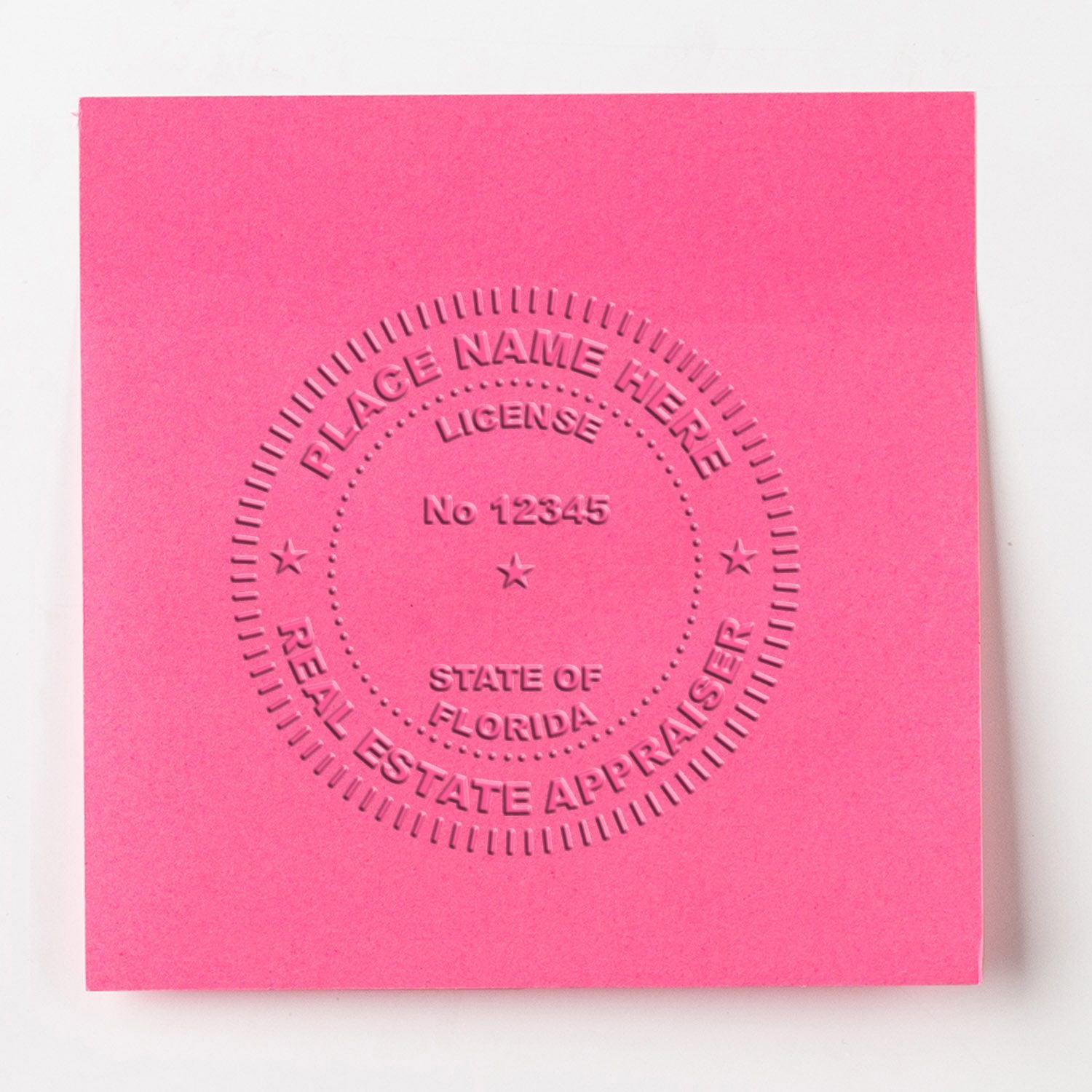
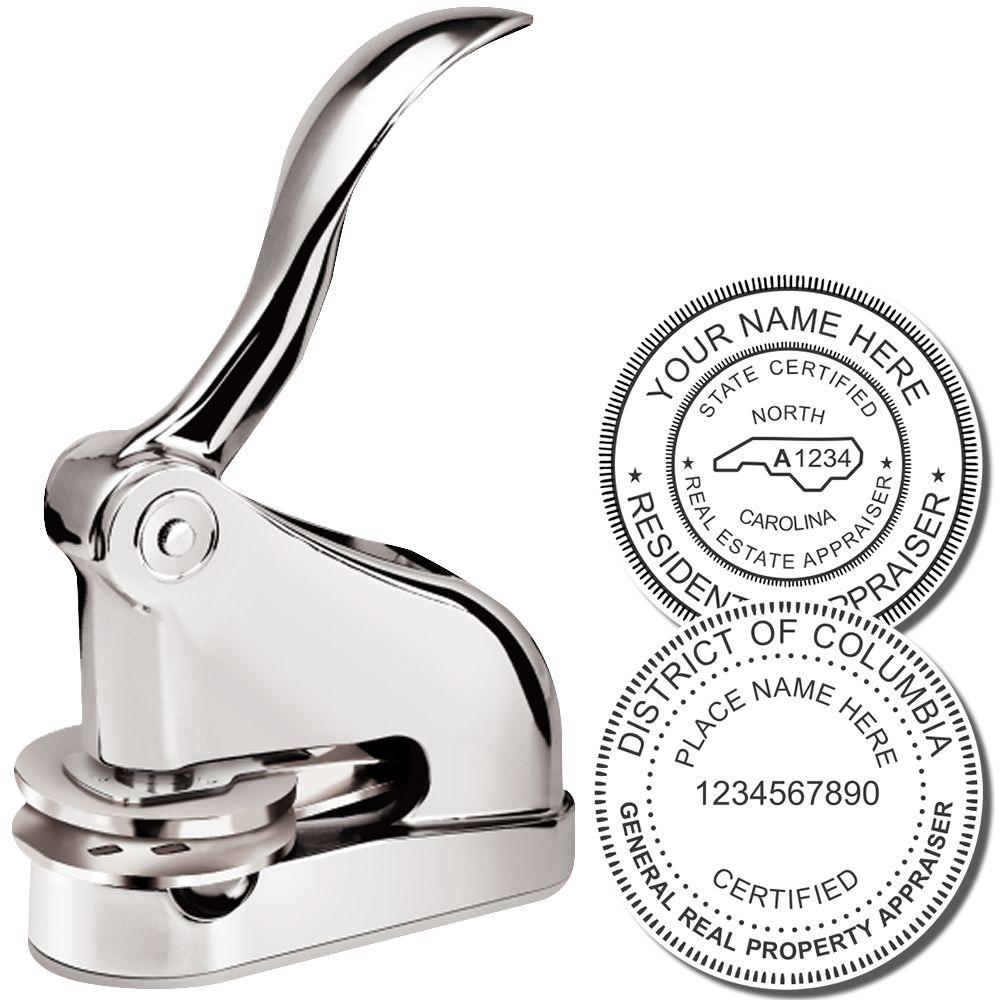

Sizing and layout
No rule sets a size, so the block sizes itself around the longest line, which is almost always the credential. Give that line its own row and keep the number beneath it rather than beside it. Three lines of name, credential and number sit comfortably in most signature areas; a fourth for the firm is fine where there is room. If your report software has a fixed signature panel, print a page and measure the strip the block has to occupy before you decide anything, and send the measurement with the order so the type is set to the space you actually have rather than to a guess.
Ordering
Send the exact text line by line in reading order, and say which line is your name. Tell us whether the impression lands on a printed original, a scanned page or both, because that decides ink against raised more than anything else. If you want the certificate number on the die, check it against your certificate rather than from memory, since Iowa puts that number on the certificate and nowhere else, and a transposed digit on a die is a nuisance to live with. For anything the order form does not cover, contact us.
Care, and one caveat on the record
An ink stamp lasts as long as its pad stays damp and its die face stays clean; an embosser wants dry storage and an occasional check that the plates still meet square. Re-cut the die when your credential level changes, because at that point the wording no longer describes you. One honest note on the research behind this page: 481 IAC chapters 2033 and 2037 through 2043, covering examinations, investigations and disciplinary procedure, renewal, reciprocity, continuing education, fees, enforcement against nonlicensees and licensure of people credentialed elsewhere, were not opened individually. All are procedural chapters and none is a plausible home for a report-marking rule, but that is an inference rather than a read. This page is a research summary and not legal advice.
Frequently asked questions
Does Iowa require a real estate appraiser to seal a report?
No. Iowa Code chapter 543D was read in full and the words seal and stamp do not appear in it, and they do not appear in the board’s current chapters either. The only report duty Iowa imposes is a signature.
What does Iowa actually require on a report?
A signature. Iowa Code 543D.18(6) requires a certified real estate appraiser making a significant contribution to the valuation or analysis to sign the final written report, or to acknowledge the contribution in a verbal report. No credential wording and no certificate number is prescribed for a report by Iowa law.
Does my certificate number have to be on the report?
Not by Iowa law. Iowa Code 543D.14 places the certificate number on the certificate the board issues to you. Appraisers commonly put the number in the signature block because USPAP’s certification identifies the signer and clients expect it, not because an Iowa rule places it there.
Why do older pages cite 193F?
Because that was the board’s rule agency number until 10 June 2026, when the chapters were transferred into 481 IAC and renumbered 2031 to 2043. The 193F compilation is now a transfer stub. The substance is unchanged, but the current citation is 481 IAC.
Is there an Iowa electronic seal rule?
No. There is no electronic seal or digital signature rule for appraisal reports. The only electronic signature reference in the board’s rules concerns submissions made to the board, where an application may display an electronic signature if it is submitted electronically.
If nothing is required, is a stamp worth buying?
It is a time question. If you sign reports weekly, a die carrying your name, credential and number removes a block of retyping and keeps the wording identical from report to report. If you sign a handful a year, a typed block does the same work.
Does the Iowa board have a seal of its own?
No. Chapter 2031, organization and administration, was checked for one and carries no seal language, so Iowa does not even have the board authenticating seal that is so often mistaken for an appraiser requirement.








