
Written by Acorn Sales Company, manufacturing stamps and seals since 1964 · Reviewed by Holly R, VP of Sales and Marketing at Acorn Sales, against Utah Division of Real Estate, Utah Department of Commerce, with the Real Estate Appraiser Licensing and Certification Board on 22 September 2026 · Updated 25 September 2026
Utah is the one state where the first thing to say about an appraiser stamp is what you may not do with it. Utah Admin. Code R162-2g-502b(1)(c) provides that an individual registered, licensed, or certified by the division may not affix a signature to an appraisal report using a signature stamp, and R162-2g-502b(4) provides that a state-licensed appraiser may not place a seal on an appraisal report or use a seal in any other manner likely to create the impression that the appraiser is a state-certified appraiser. Nothing in the Utah rules requires an appraiser seal. Two things in them limit one.
What Utah does require is short. Under R162-2g-502a(1)(i), immediately following the signature on the report in an appraisal report prepared and signed by a state-licensed or certified appraiser, the appraiser states either the credential type, meaning State-Licensed Appraiser, State-Certified Residential Appraiser or State-Certified General Appraiser, or the license or certification number assigned by the division. Either one satisfies the rule. That credential line is a different object from a signature, and the distinction between the two is what this page is really about, because it decides what you can order.
Utah real estate appraiser seal requirements at a glance
| Requirement | Utah rule | Source |
|---|---|---|
| Seal required | No, and two prohibitions apply. Utah prescribes no appraiser seal. It bars a stamped signature on an appraisal report, and bars a state-licensed appraiser from using a seal in a way likely to imply state certification. | Utah Admin. Code R162-2g-502b(1)(c); Utah Admin. Code R162-2g-502b(4) |
| Required elements | Immediately following the signature, either the credential type of State-Licensed Appraiser, State-Certified Residential Appraiser or State-Certified General Appraiser, or the license or certification number assigned by the division. For a trainee: the word Trainee and the registration number assigned by the division, immediately following the trainee’s signature. | Utah Admin. Code R162-2g-502a(1)(i) |
| Size and shape | None prescribed. R162-2g-502a describes text placed immediately after a signature, not a device of any dimension, so no diameter or shape is fixed. | Utah Admin. Code R162-2g-502a(1)(i) |
| Device allowed | Not a signature stamp. An individual registered, licensed, or certified by the division may not affix a signature to an appraisal report using a signature stamp. The rule prescribes no instrument for the credential line that follows the signature. | Utah Admin. Code R162-2g-502b(1)(c) |
| Signature and date | The report is signed, and a digital signature may replace a handwritten one where the software that generates it has a security feature and no one other than the appraiser has control of the signature. No date line is prescribed by the rule. | Utah Admin. Code R162-2g-502a(1)(d) |
| What must be sealed | Nothing. No Utah document calls for an appraiser’s seal, and a state-licensed appraiser may not place a seal on an appraisal report or use a seal in any other manner likely to create the impression of being state-certified. | Utah Admin. Code R162-2g-502b(4) |
| Electronic seal | No electronic seal standard exists, because no seal exists. Digital signatures are addressed and permitted, subject to the security feature and sole control conditions. | Utah Admin. Code R162-2g-502a(1)(d) |
| Renewal and lapse | No report marking is tied to renewal. What does change is the credential itself: a die lettered State-Licensed Appraiser, or a trainee block, stops being true the day the credential moves. | Utah Admin. Code R162-2g-502a(1)(i) |
| Firm requirements | No firm seal or firm marking duty was found. Utah Code Sec. 61-2g-402 requires conspicuous display of the license at the principal place of business, which is a display duty and not a report marking. | Utah Code Sec. 61-2g-402 |
| Regulator | Utah Division of Real Estate, Department of Commerce, which administers appraiser licensing with the Real Estate Appraiser Licensing and Certification Board. | Utah Code Title 61, ch. 2g, Real Estate Appraiser Licensing and Certification Act; Utah Admin. Code R162-2g |


What Utah prohibits, and why it comes first
Most state pages on this subject start with what the state requires. Utah earns a different order, because the two sentences that matter most are prohibitions and because both of them bear directly on what a vendor may sell you.
R162-2g-502b(1)(c) sits in a list introduced by the words an individual registered, licensed, or certified by the division may not, and the item reads: affix a signature to an appraisal report using a signature stamp. R162-2g-502b(4) reads: a state-licensed appraiser may not place a seal on an appraisal report or use a seal in any other manner likely to create the impression that the appraiser is a state-certified appraiser. Neither creates a duty to own anything. Together they mark out the two devices a Utah appraiser should not be sold: a die that reproduces a signature for use on a report, and a seal used by a state-licensed appraiser in a way that reads as certification.
What Utah actually requires after your signature
R162-2g-502a(1)(i) is the requirement, and it is unusually forgiving. Immediately following the signature on the report in an appraisal report prepared and signed by a state-licensed or certified appraiser, the appraiser states either the credential type of State-Licensed Appraiser, State-Certified Residential Appraiser, or State-Certified General Appraiser, or the license or certification number assigned by the division.
Read the word either. One of the two satisfies the rule. An appraiser who writes State-Certified General Appraiser and no number has complied. An appraiser who writes the division number and no credential words has also complied. Most Utah appraisers put both on the page, because clients and reviewers expect both, and that is a sensible practice rather than a rule. The one part that is not optional is position: immediately following the signature.
A signature stamp and a credential stamp are different objects
This is the distinction the rule turns on, and it is worth being precise about rather than vague. A signature stamp is a die cut to reproduce your handwritten signature, so that pressing it produces the signature itself. That is what R162-2g-502b(1)(c) reaches: affixing a signature to an appraisal report using a signature stamp. The object and the act are both named.
A credential stamp is a die carrying your name in type, your credential type and your division number. Pressing it produces a block of identifying text, not a signature. That block is what R162-2g-502a(1)(i) asks to appear immediately after the signature, and the rule says to state it without saying how it gets onto the page. The two objects look similar in a catalog and do entirely different things on a report. Where an appraiser gets into difficulty is ordering one die that does both, because using it on a Utah appraisal report affixes the signature with a stamp.
So the practical rule for ordering in Utah: sign by hand, or use a digital signature that meets the conditions below, and let a die carry only the text that follows. We will not cut a die reproducing your signature for use on Utah appraisal reports, and 502b(1)(c) is the reason.
The seal prohibition, read exactly
R162-2g-502b(4) is one sentence with two halves joined by or: a state-licensed appraiser may not place a seal on an appraisal report, or use a seal in any other manner likely to create the impression that the appraiser is a state-certified appraiser. The phrase in any other manner invites a narrow reading, in which both halves are aimed at the impression of certification. The words place a seal on an appraisal report, standing alone, support a broader one.
You do not have to resolve that, because of what Utah does not require. There is no Utah appraiser seal. A state-licensed appraiser who puts a seal on a report gains nothing the rules ask for and takes on the one construction of 502b(4) that would be against them. The sensible conclusion is the plain one: if you hold a state-licensed credential in Utah, do not order a seal device for appraisal reports.
By its terms the subsection names state-licensed appraisers, so a state-certified appraiser is not its target. That is not an invitation. Utah requires nothing of a certified appraiser’s device either.

Digital signatures are permitted, on two conditions
Utah addresses this where many states do not. Under R162-2g-502a(1)(d), an appraiser using a digital signature in place of a handwritten signature ensures that the software program that generates the digital signature has a security feature, and that no one other than the appraiser has control of the signature.
Those two conditions are why an image file is not a substitute. A graphic of a signature dropped into a PDF has no security feature and no control mechanism, and it is the closest digital cousin of the stamp 502b(1)(c) prohibits. A credential-line image is a different matter, since it carries no signature.
When someone else signs for you
The same rule governs an authorised signer, and it is specific. The signer signs the appraiser’s name, followed by the word by, and then followed by the signer’s own name. The authority has to be granted in writing, has to be limited to a specific property address, and the arrangement has to be disclosed within the report.
Nothing in that arrangement is a stamp, and it should not become one. A die built to produce the name, by, and signer sequence would be a signature stamp applied to an appraisal report, which is what 502b(1)(c) bars. The authorised signer signs, and the credential line follows the signature in the usual way.
Trainees
The trainee block is prescribed in the same rule and it is the one Utah block with fixed words. The appraiser trainee states, immediately following the trainee’s signature in the report, Trainee, and includes the registration number assigned to the appraiser trainee by the division.
That is a good candidate for a small die, with the same limit as everyone else: it carries the word and the number, never the signature. Treat it as a tool with an end date. The word Trainee stops being accurate the day the credential changes, and a block that overstates or understates a credential is worse in Utah than in a state with no credential line at all.
What to engrave, and what not to order
Engrave your name in type, the credential type exactly as the rule words it, and your division number. The rule’s spellings are State-Licensed Appraiser, State-Certified Residential Appraiser and State-Certified General Appraiser, and they are worth copying character for character rather than paraphrasing into Certified General Appraiser or Utah Certified Appraiser.
Do not order a facsimile signature die for reports. Do not order a device announcing a credential above the one you hold. If you are state-licensed rather than state-certified, do not order anything shaped like an official seal for use on appraisal reports. Those three sentences cover every ordering question Utah’s rules actually decide.


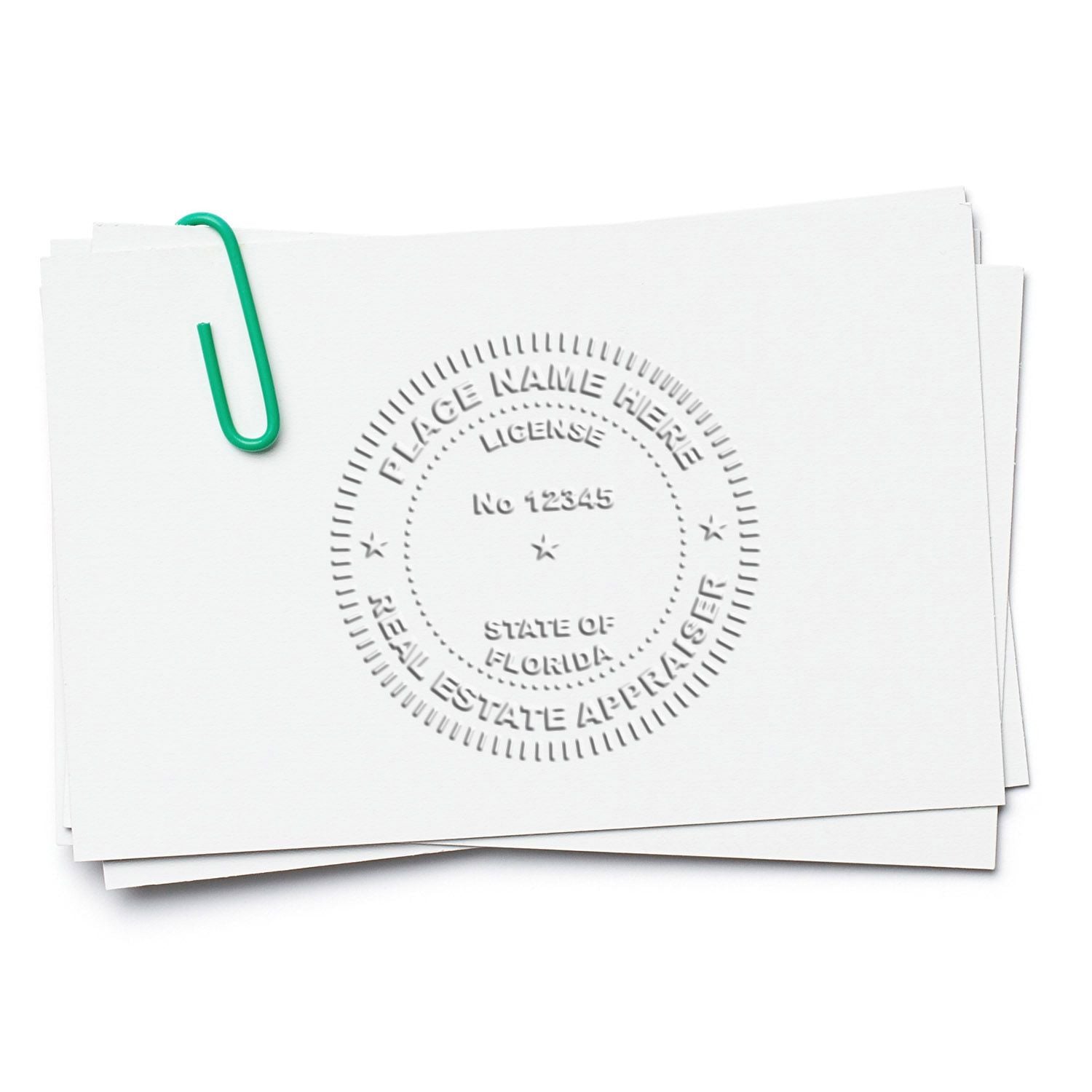

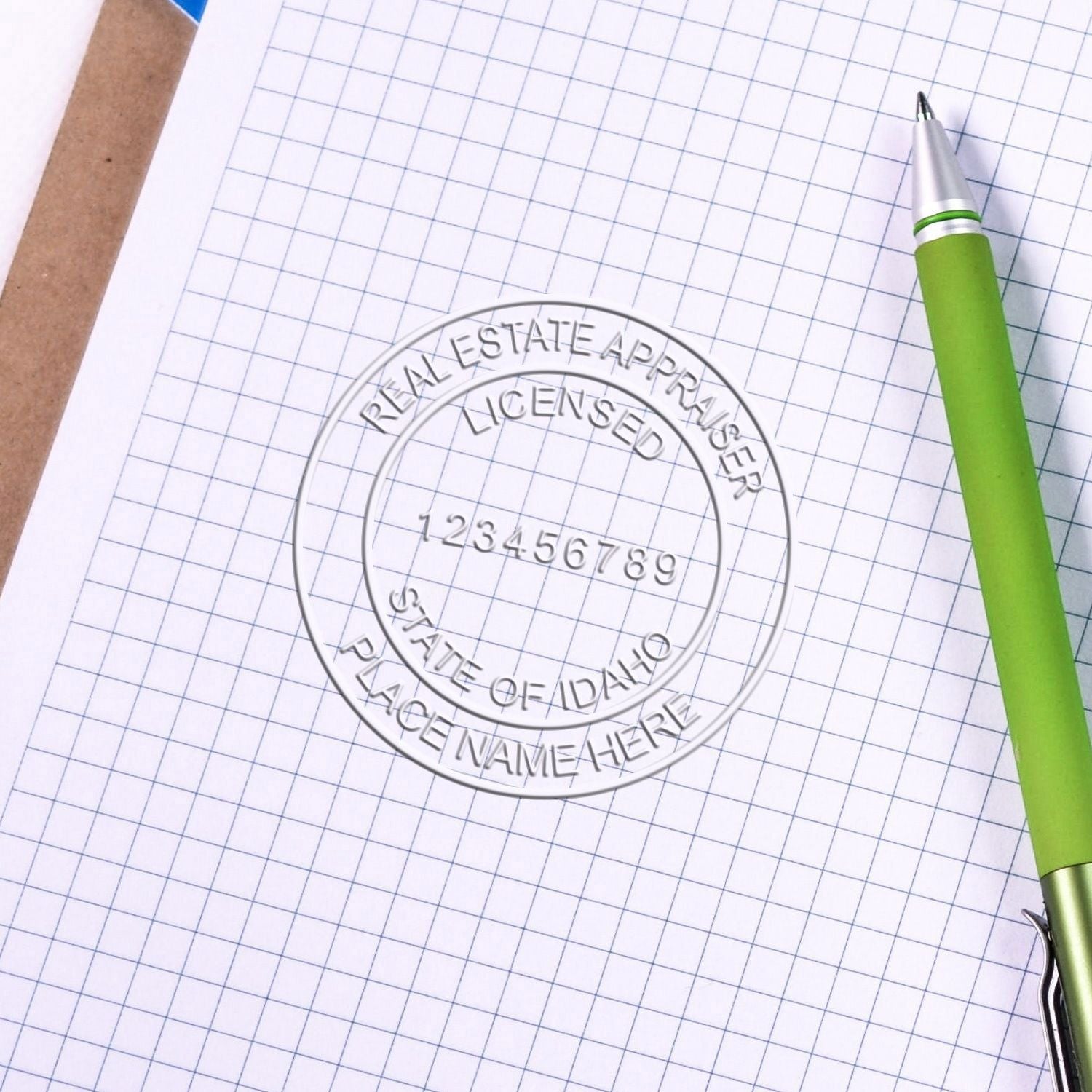
Device choice, sizing and layout
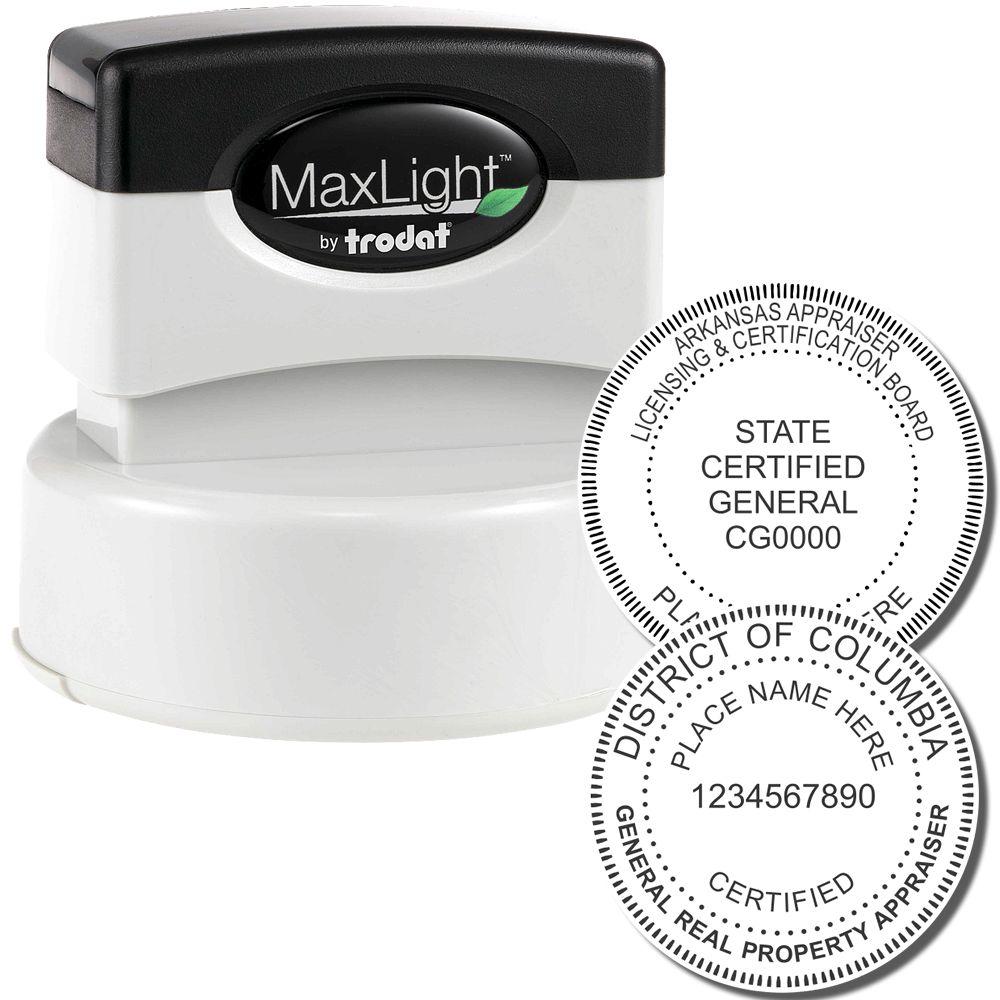
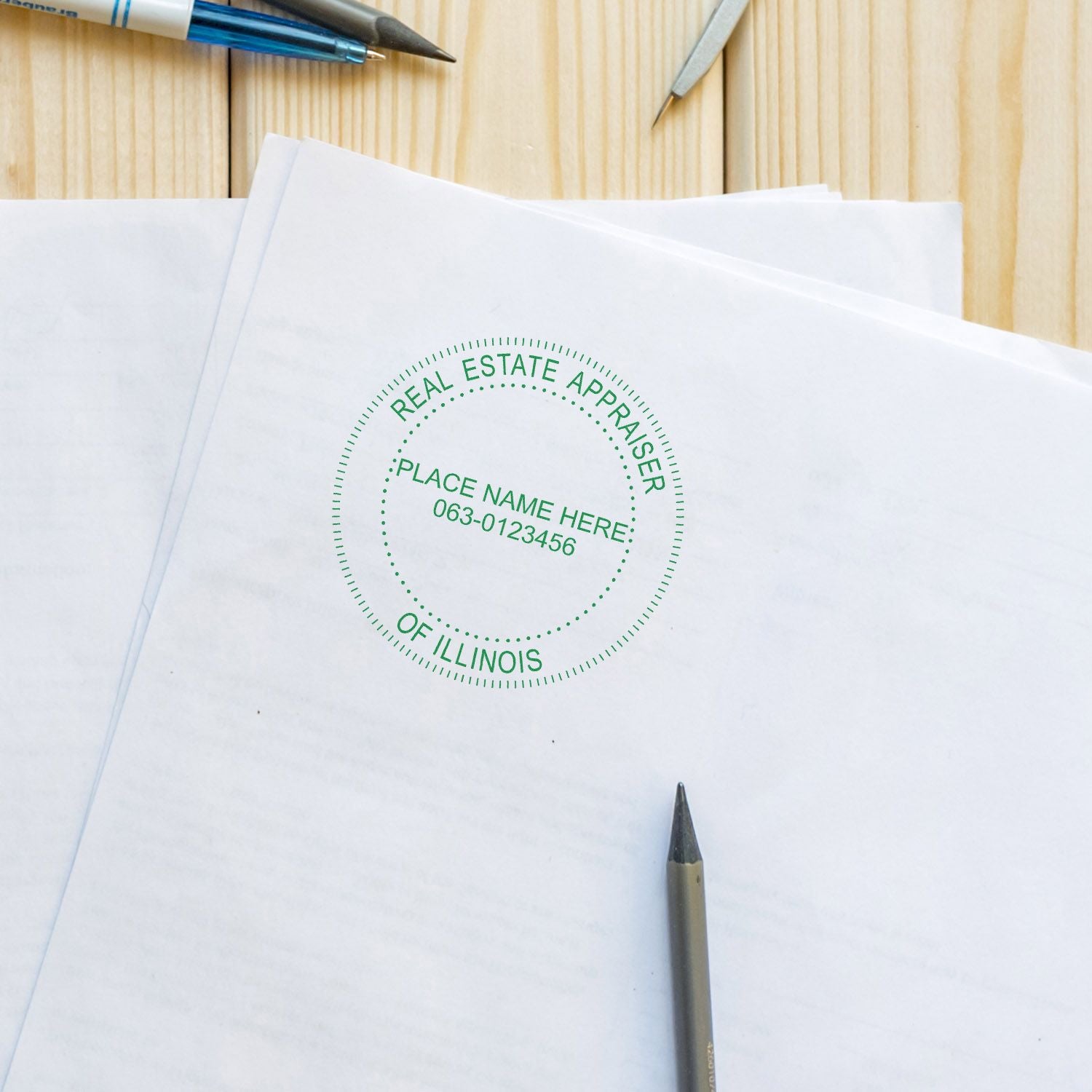
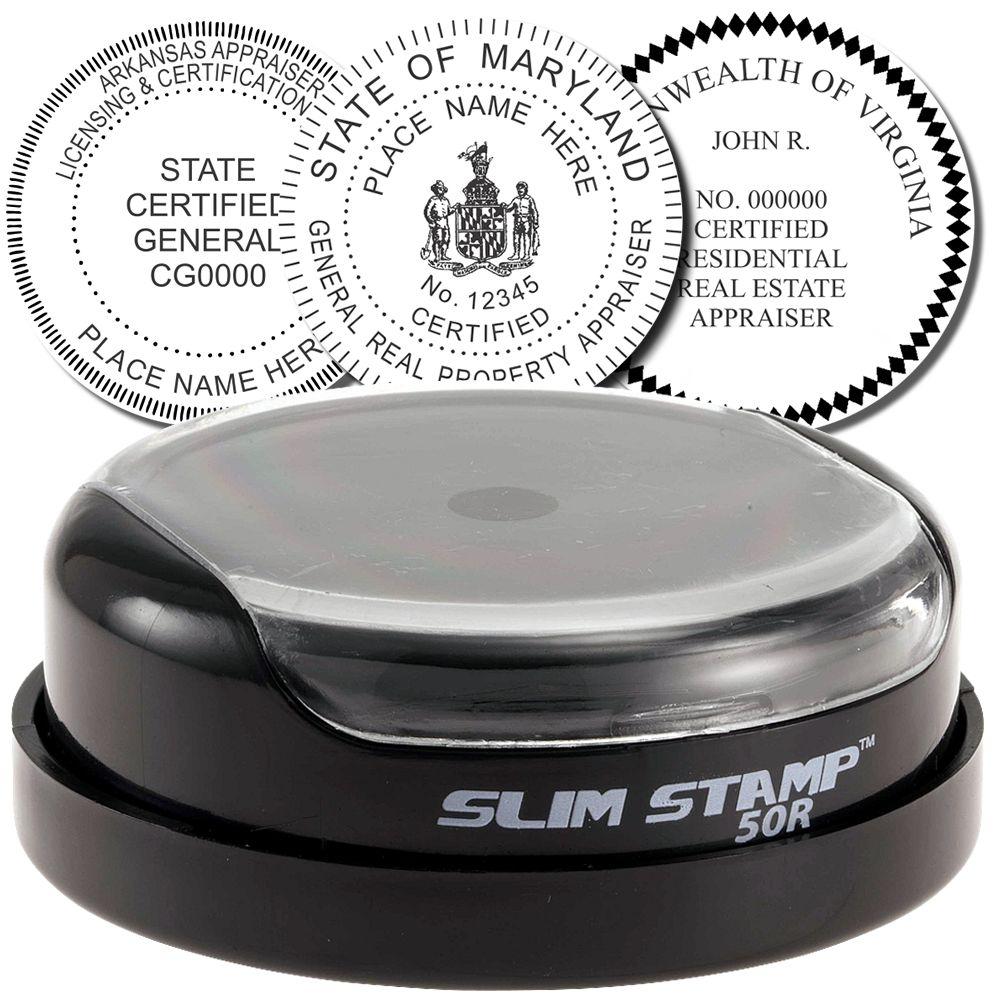
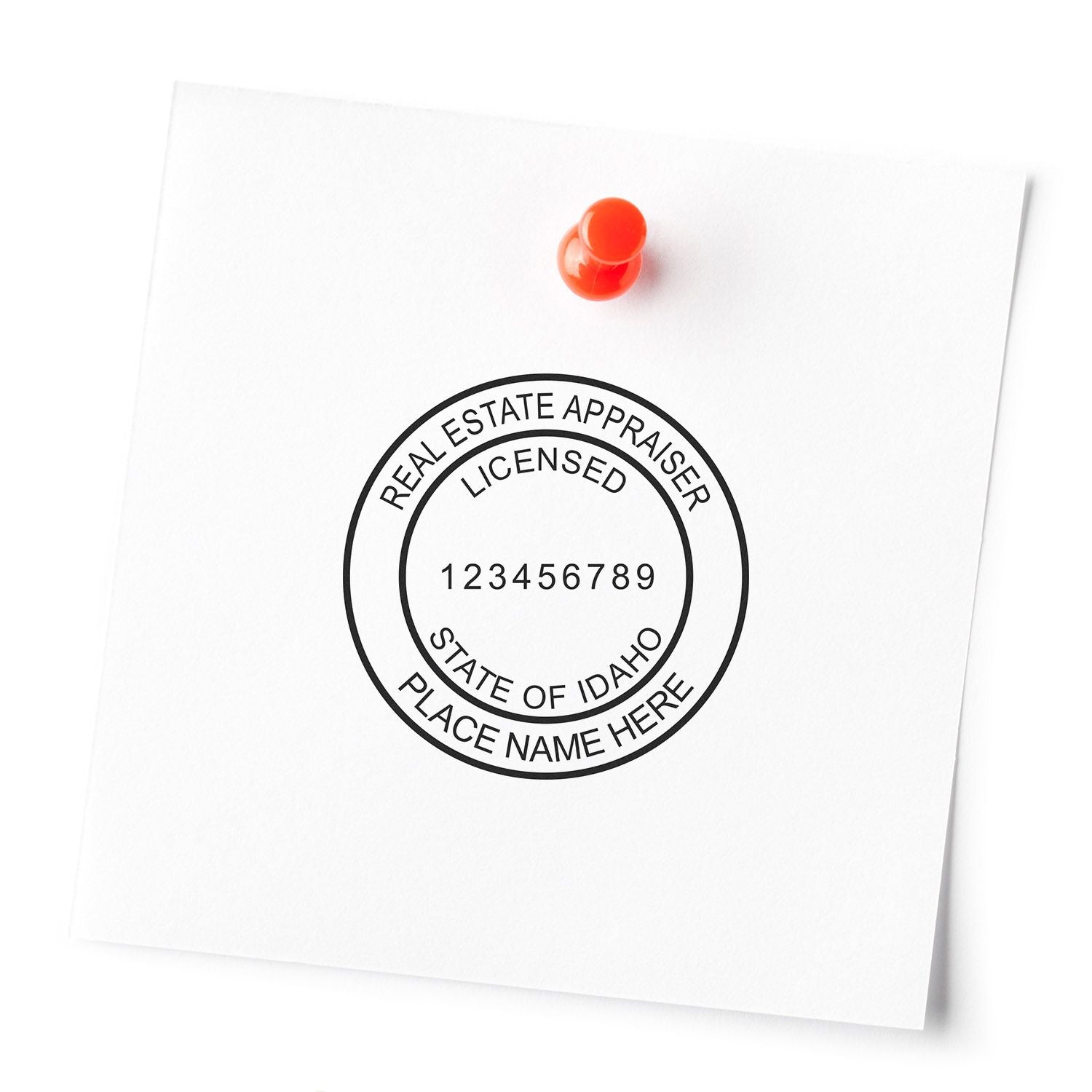
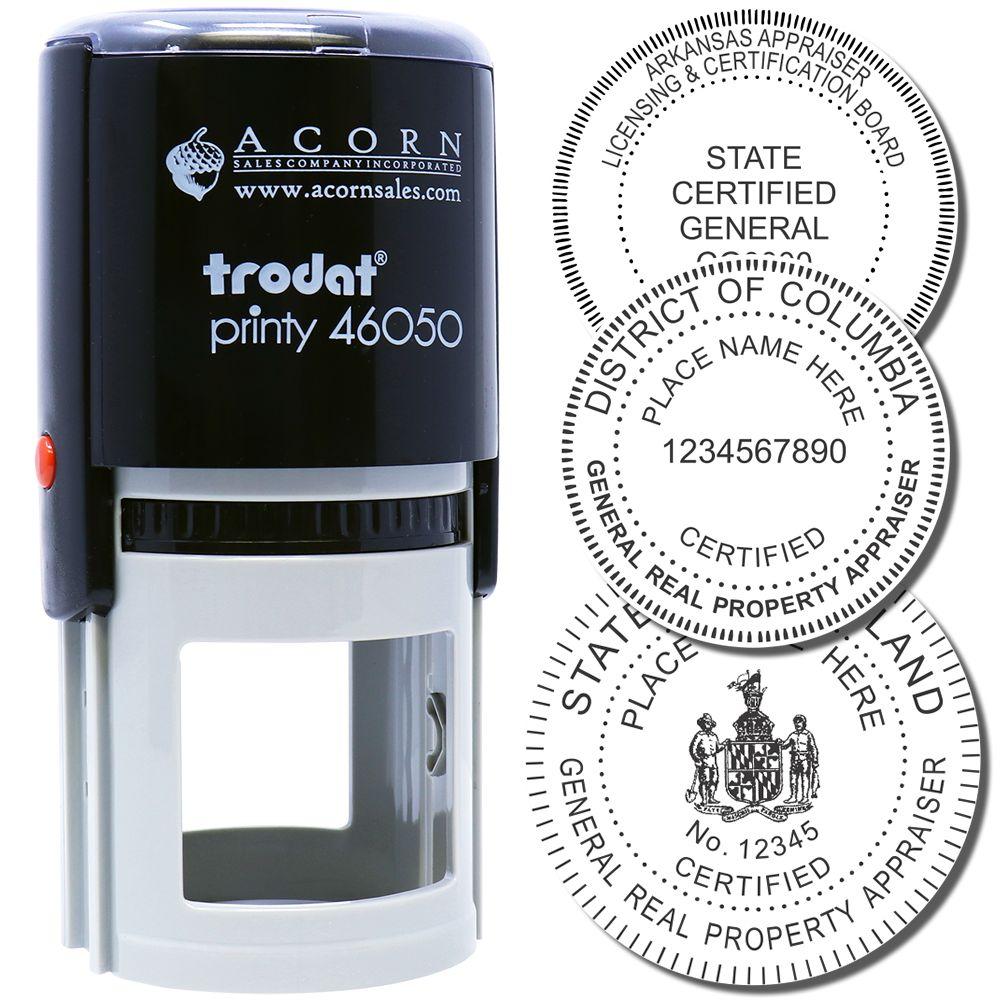
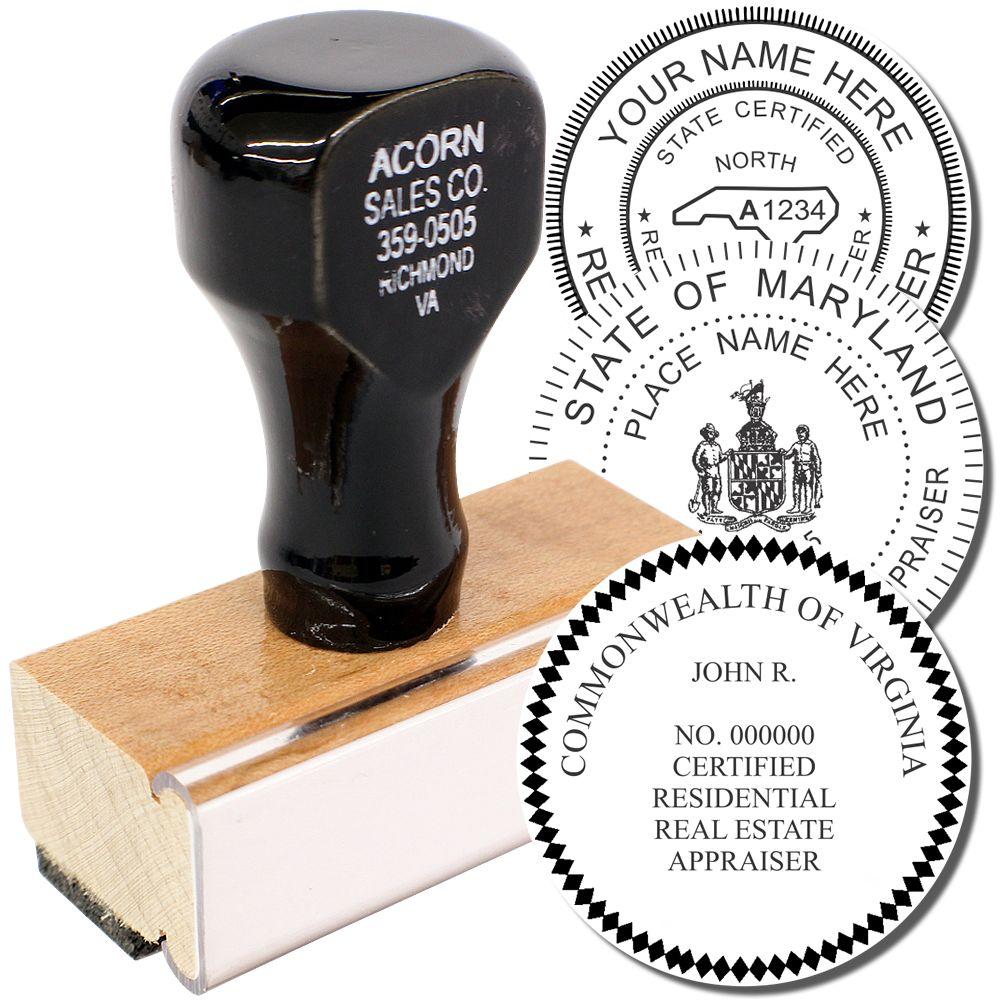
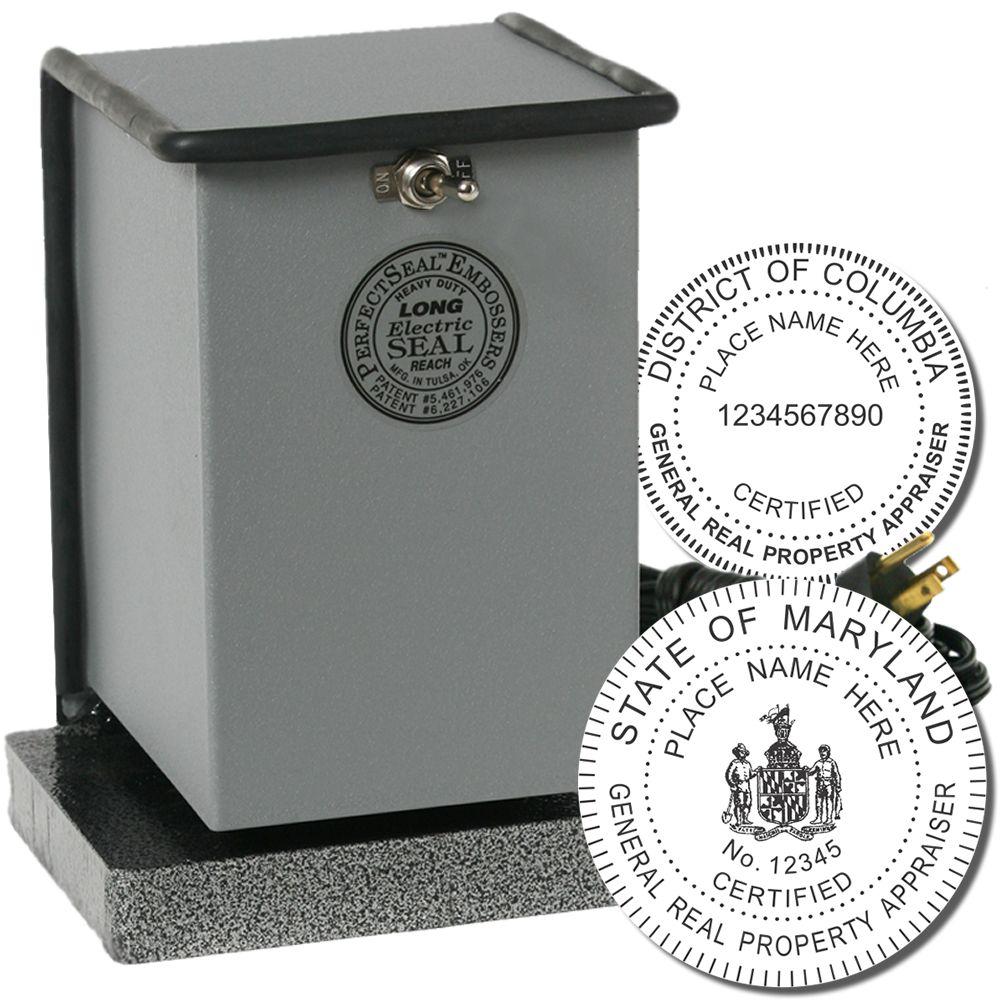
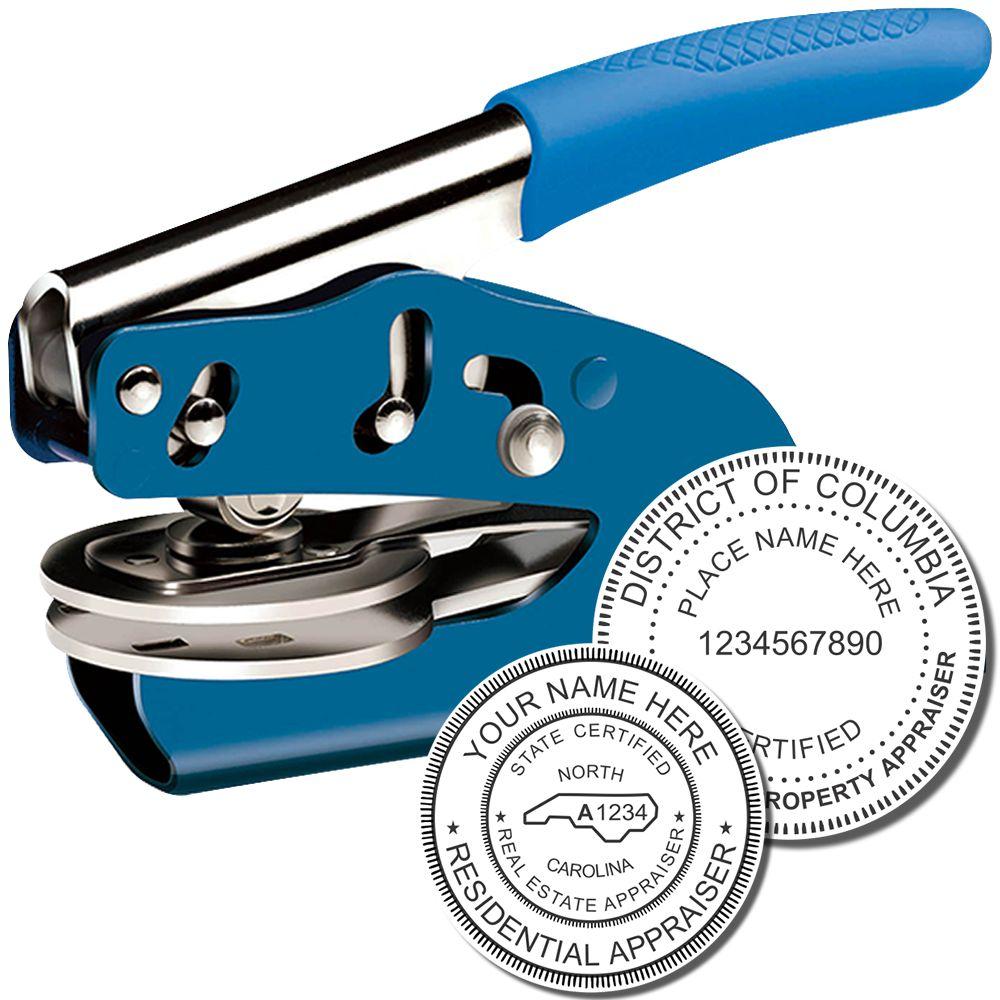
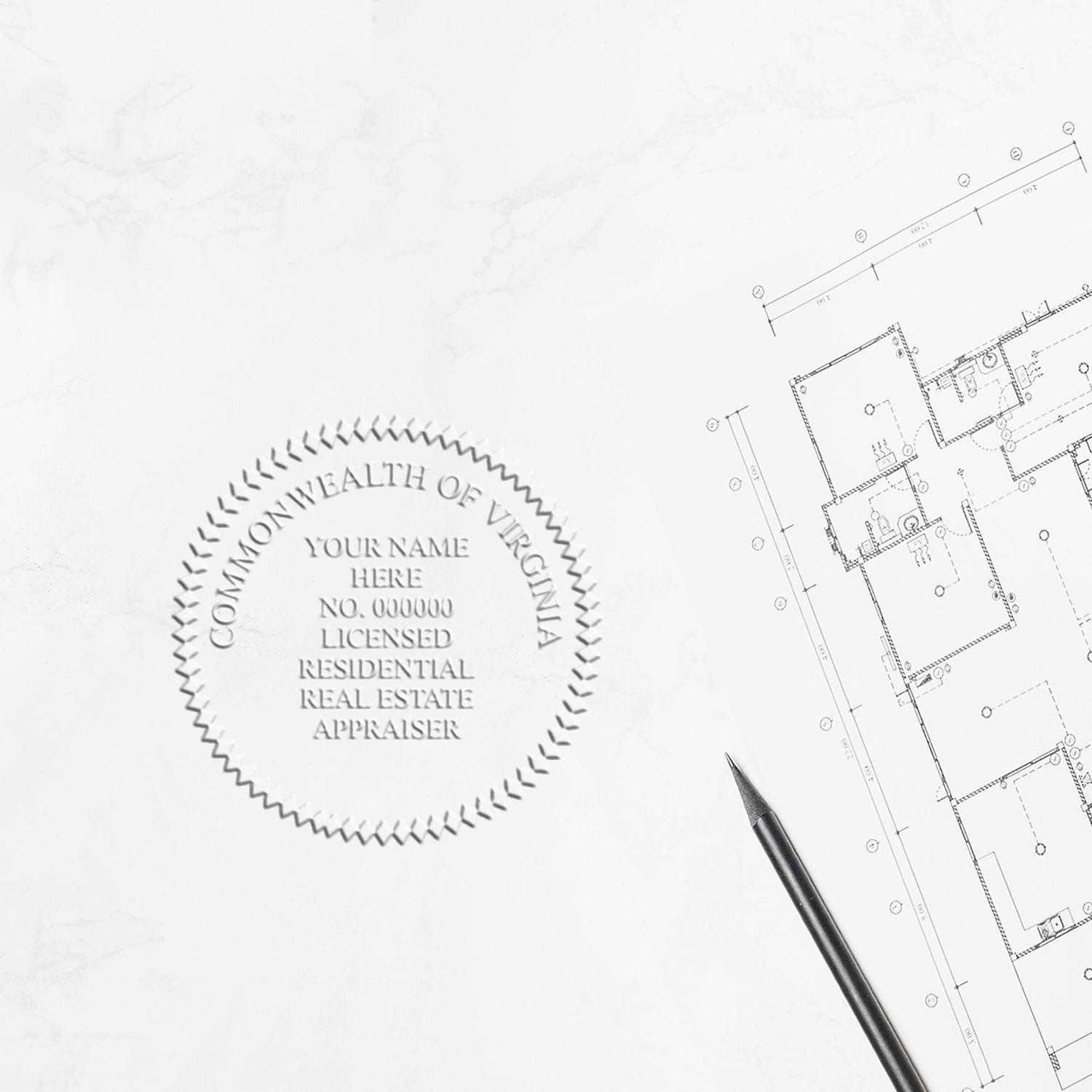
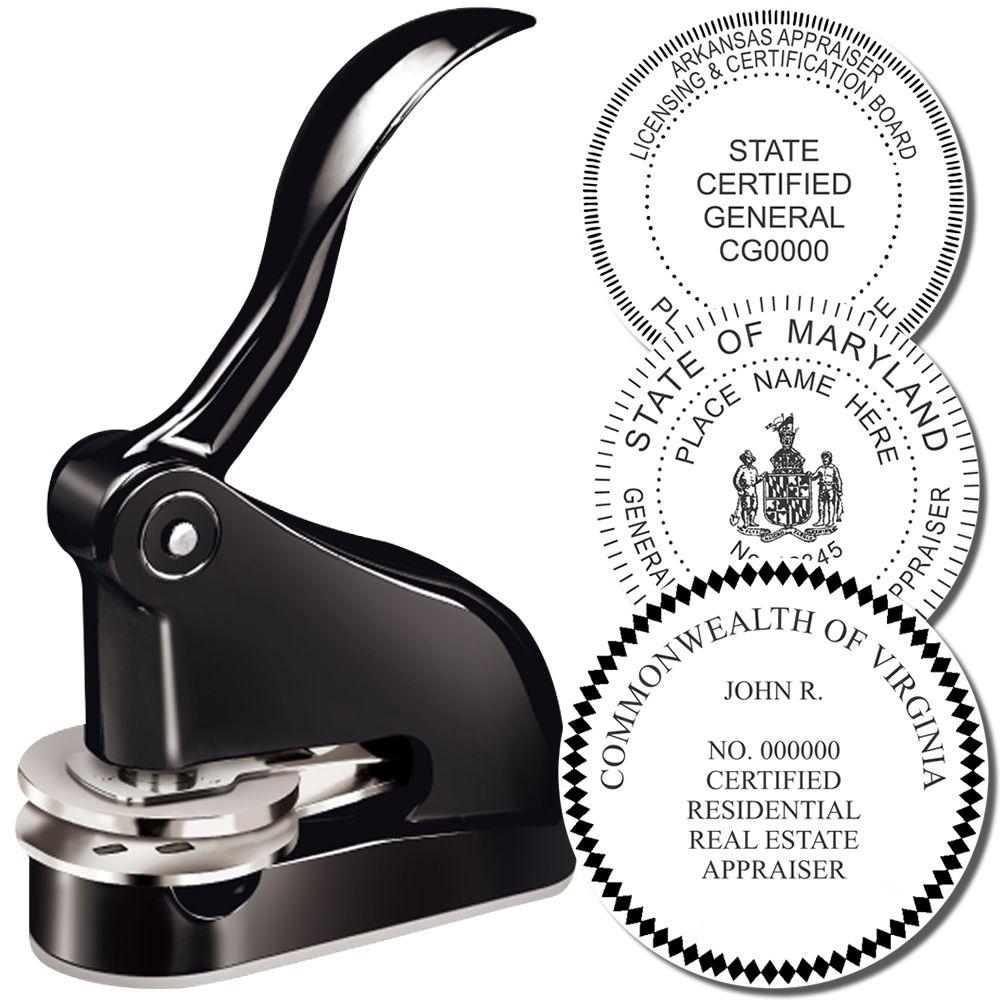
With the signature settled, the credential line is ordinary work. Reports delivered as PDFs want ink, because an inked block survives a scan. The Self Inking Rubber Stamp of Seal at $39.95 and the Slim Pre Inked Rubber Stamp of Seal at $46.95 both set three lines of type cleanly. For a file-only workflow the eSeal Electronic Image Stamp of Seal at $20.00 places the block into the document, and because it is an image rather than a signing credential it is not the digital signature R162-2g-502a(1)(d) describes.
Size is a legibility judgment, since no dimension is prescribed. State-Certified Residential Appraiser is a long line and the one most often shrunk until it stops reading; give it the width it needs. Set the block so it sits immediately after the signature rather than under a divider or off in a margin, because position is the part R162-2g-502a(1)(i) actually fixes. A rectangle holds a text block better than a circle, and in Utah a round device also looks more like the seal that 502b(4) is written about, which is a second reason to keep the shape plain.
How current this cite is
Two limits on the record, stated plainly. The substance of R162-2g-502a was read from text published by the Utah Division of Real Estate itself, as amended effective 30 June 2020, and the requirement quoted above is that text. The two prohibitions at R162-2g-502b were read from a code republisher, because the Utah administrative rules viewer could not be opened when this page was checked: the older rules.utah.gov path now serves only a redirect notice and the adminrules.utah.gov rule and search addresses returned 404.
The prohibitions themselves are not in doubt, and the whole of R162-2g was inventoried with no section titled for a seal or a stamp. It is the subsection lettering that should be re-checked against the current official code before anyone quotes it in a document that matters.
Ordering and care
Send your name as the Division records it, your credential type spelled the way the rule spells it, and your division number, and tell us the block is for the line immediately after a signature. We proof before cutting, the die matches the order, and a move from licensed to certified means a new die.
Care is the usual: keep a pre inked stamp capped and a separate pad closed. In Utah the thing that retires a die is a change of credential type, and the wrong credential type on a report is the error the rules are most pointed about. This page is a research summary and not legal advice; for artwork questions you can contact us.
- Real Estate Appraiser Stamps and Seals
- Real estate appraiser stamps and seals
- Utah Interior Designer Seal: A Number, Not a Stamp
- Colorado Appraiser Seal: Rule 12.10 Allows an Impression
Frequently asked questions
Does Utah require a real estate appraiser to have a seal?
No. Utah prescribes no appraiser seal, and it goes further than silence: R162-2g-502b(4) bars a state-licensed appraiser from placing a seal on an appraisal report or using a seal in any other manner likely to create the impression of being state-certified.
Can I use a signature stamp on a Utah appraisal report?
No. R162-2g-502b(1)(c) lists affixing a signature to an appraisal report using a signature stamp among the things an individual registered, licensed or certified by the division may not do. Sign by hand, or use a digital signature that meets the conditions in R162-2g-502a(1)(d).
Is a name and credential stamp the same thing as a signature stamp?
No. A signature stamp reproduces your signature, and pressing it performs the act the rule bars. A credential die carries your name in type, your credential type and your division number, and pressing it produces the text that R162-2g-502a(1)(i) asks to appear immediately after the signature. Keep the two on separate dies, or rather, do not own the first one for this use.
What has to appear immediately after my signature?
Either the credential type, meaning State-Licensed Appraiser, State-Certified Residential Appraiser or State-Certified General Appraiser, or the license or certification number assigned by the division. Either satisfies R162-2g-502a(1)(i). Most appraisers show both because clients expect it.
Does Utah allow a digital signature?
Yes, on two conditions. R162-2g-502a(1)(d) requires that the software program generating the digital signature has a security feature and that no one other than the appraiser has control of the signature. An image of a signature pasted into a PDF meets neither and is the nearest digital cousin of the prohibited signature stamp.
What does a Utah appraiser trainee put on the report?
The word Trainee and the registration number assigned by the division, immediately following the trainee’s signature. That block can go on a die. The signature cannot.
Can somebody else sign a report for me?
Only under the rule’s conditions: the signer signs your name, followed by the word by, followed by the signer’s own name, with authority granted in writing, limited to a specific property address, and disclosed within the report. A die producing that sequence would be a signature stamp on an appraisal report, so it is signed rather than stamped.








