
Written by Acorn Sales Company, manufacturing stamps and seals since 1964 · Reviewed by Holly R, VP of Sales and Marketing at Acorn Sales, against Director of the Office of Professional Regulation, Vermont Secretary of State, advised by six appraiser advisors appointed by the Secretary on 22 September 2026 · Updated 25 September 2026
Vermont requires no appraiser seal, and the rules that could have created one contain neither the word seal nor the word stamp anywhere in the document. What 26 V.S.A. Sec. 3322(a)(1) requires instead is a number in a place: each licensee or registrant is assigned a license or registration number that shall be used in a report, a contract, engagement letter, or other instrument used in connection with activities under the chapter, and the license number shall be placed adjacent to or immediately below the title the licensee is entitled to use.
Then Vermont adds something almost no other state does. Sec. 3322(b) requires each licensed appraiser to include, within the body of the appraisal report, the amount of the appraiser’s fee for appraisal services. That is a disclosure that changes with every assignment, so it belongs in the report text and never on a die. The die carries the part that does not move: your title and your number, together, in the relationship the statute describes.
Vermont real estate appraiser seal requirements at a glance
| Requirement | Vermont rule | Source |
|---|---|---|
| Seal required | No. The chapter and the Board’s administrative rules were both read in full. The rules contain zero occurrences of seal or stamp, and the chapter’s only occurrence is a prohibition aimed at appraisal management companies. | 26 V.S.A. ch. 69 and the Vermont Real Estate Appraiser Administrative Rules, both read in full: no seal or stamp requirement |
| Required elements | The license or registration number, used in a report, a contract, engagement letter or other instrument, and placed adjacent to or immediately below the title the licensee is entitled to use. | 26 V.S.A. Sec. 3322(a)(1) |
| Size and shape | None prescribed. Neither the chapter nor the rules gives a diameter, dimension or shape; the statute fixes the position of a number relative to a title, not a device. | 26 V.S.A. ch. 69 and the Vermont Real Estate Appraiser Administrative Rules, both read in full: no seal or stamp requirement |
| Device allowed | Any. The statute says the number shall be used and shall be placed, and names no instrument, so type, an ink stamp, an embosser or an electronic image all produce the same result. | 26 V.S.A. Sec. 3322(a)(1) |
| Signature and date | No state signature or date formula is prescribed for the credential line. Signing obligations come from the standards the profession works to, not from a Vermont marking rule. | 26 V.S.A. ch. 69 and the Vermont Real Estate Appraiser Administrative Rules, both read in full: no seal or stamp requirement |
| What must be sealed | Nothing. What travels is the title and number pairing, wherever the title is used, plus the fee for appraisal services disclosed within the body of the report. | 26 V.S.A. Sec. 3322(a)(1); 26 V.S.A. Sec. 3322(b) |
| Electronic seal | No electronic seal standard exists. The chapter’s only mention of a digital signature or seal makes it unprofessional conduct to use or possess an independent licensed real estate appraiser’s digital signature, seal, or other similar stamp of endorsement, which binds appraisal management companies and creates no duty to own one. | 26 V.S.A. Sec. 3323(b)(5) |
| Renewal and lapse | No report marking is tied to renewal. The die carries a title and a number, and those change only when your credential does. | 26 V.S.A. ch. 69 and the Vermont Real Estate Appraiser Administrative Rules, both read in full: no seal or stamp requirement |
| Firm requirements | Where an appraisal management company is involved, the company’s registration number and the appraiser’s fee go adjacent to or immediately below the company’s registered name. That is a number, not a device, and it is the company’s. | 26 V.S.A. Sec. 3322(a)(2) |
| Regulator | The Director of the Office of Professional Regulation, Vermont Secretary of State, advised by six appraiser advisors appointed by the Secretary. The rules are still published as the Administrative Rules of the Board of Real Estate Appraisers. | 26 V.S.A. ch. 69; administration vested in the Director by 26 V.S.A. Sec. 3313(a)(1); CVR 04-030-300 |




What Vermont requires, in one subsection
26 V.S.A. Sec. 3322(a)(1) does the whole job. Each licensee or registrant is assigned a license or registration number that shall be used in a report, a contract, engagement letter, or other instrument used by the licensee or registrant in connection with the licensee’s or registrant’s activities under the chapter. The license number shall be placed adjacent to or immediately below the title the licensee is entitled to use under the chapter.
Two things follow from that wording. The duty is triggered by using the title, so it reaches engagement letters and contracts as well as reports, and an appraiser who signs few reports still needs the pairing to be right on everything else. And the statute is specific about geometry: adjacent to, or immediately below. Not in the letterhead, not on the cover, not at the foot of the page. Next to the title you are entitled to use, such as Certified General Real Property Appraiser.
The fee disclosure, which catches people out
Sec. 3322(b) reads: each licensed appraiser shall include within the body of the appraisal report the amount of the appraiser’s fee for appraisal services. Vermont is one of very few states that puts the appraiser’s own fee inside the report as a matter of statute, and appraisers coming from neighbouring states tend to miss it because nothing about it looks like a marking rule.
It is worth mentioning on a page about devices for the obvious reason: a fee is not something to engrave. It changes with every assignment. Keep it in the report template as a field, keep the die to the title and number, and do not let a vendor talk you into a block that has a blank space for a figure to be written in by hand.
When an appraisal management company is involved
Sec. 3322(a)(2) extends the same pattern to the company. Where an appraisal management company is in the transaction, the company’s registration number and the appraiser’s fee go adjacent to or immediately below the company’s registered name. Vermont likes this adjacency construction and uses it consistently: an identifier sits beside the name it belongs to.
None of that belongs on your die either. The company changes from assignment to assignment and its number is not a fact about you. Engrave only what is fixed, which is your own title and your own number.
The one seal sentence in the chapter, and who it binds
26 V.S.A. Sec. 3323(b)(5) is the only place the words seal or stamp appear in the whole of chapter 69. It makes it unprofessional conduct to engage in using or possessing an independent licensed real estate appraiser’s digital signature, seal, or other similar stamp of endorsement. Subsection (b) governs appraisal management companies, so the sentence bars a company from holding or using an appraiser’s device.
Read it for what it is. It presupposes that some appraisers hold seals and digital signatures, which is true across the country, and it protects those devices from being used by somebody else. It does not require an appraiser to own one, and a page or a vendor that quotes it as evidence of a Vermont seal requirement has turned a prohibition on misuse into a duty that the statute never states.




Who actually regulates you here
Vermont is unusual in its structure, and it matters when you go looking for the rules. Administration of chapter 69 is vested in the Director of the Office of Professional Regulation at the Secretary of State by 26 V.S.A. Sec. 3313(a)(1), advised by six appraiser advisors appointed by the Secretary. There is no sitting board in the ordinary sense.
The rules, however, are still published as the Administrative Rules of the Board of Real Estate Appraisers, carried in the compiled rules as CVR 04-030-300 with an effective date of 1 March 2014. That is the document to read, and it was read in full for this page as the PDF the Secretary of State publishes. Zero occurrences of seal. Zero of stamp. Appraisers sometimes assume a board document exists somewhere that the statute does not mention; this is that document, and it does not create a device either.
Trainees
The administrative rules do add one identification duty, at rule Sec. 3.7(d): a trainee signing a report is to be clearly identified as a trainee wherever the trainee’s name appears. Note the scope, which is broader than a single block. Wherever the name appears, the identification goes with it.
That is a sensible use for a small die, carrying the name, the word trainee and the registration number the statute assigns. Like every trainee tool it has a short life by design, so buy accordingly and replace it when the credential changes rather than trying to alter it.
What to engrave and where it goes
Two elements are prescribed and one is worth adding. The title you are entitled to use, spelled as Vermont spells it, such as Certified General Real Property Appraiser. Your license or registration number, directly beneath the title or beside it. And your name, which the statute does not pair with the number but which makes the block usable.
Layout is the part with a rule attached. Set the number on the line immediately under the title, hard against it, so adjacency is visible in the impression. Do not curve the number around a border away from the title, and do not float it at the top of the block. If you hold credentials in more than one state, one die per state, so a New Hampshire or New York number never lands under a Vermont title.
Traps: Vermont seals that belong to other credentials
Vermont does prescribe seals for other professions, and some of those specifications are distinctive enough to be copied by mistake. Vermont architects are sent a seal design by the office, Vermont engineers have a discipline line on theirs, and Vermont land surveyors carry a certification alongside the device. None of that reaches a real estate appraiser. Those rules belong to different credentials with different statutes, and a die built from one of them would letter a license you do not hold.
Inside chapter 69 itself the only near miss is Sec. 3323(b)(5), covered above, and it binds management companies rather than appraisers. Sec. 3322 was read in full with no occurrence of seal or stamp, and the section inventory of the chapter, Secs. 3311 through 3325, contains no section titled for either word.




Embosser, ink stamp or electronic image
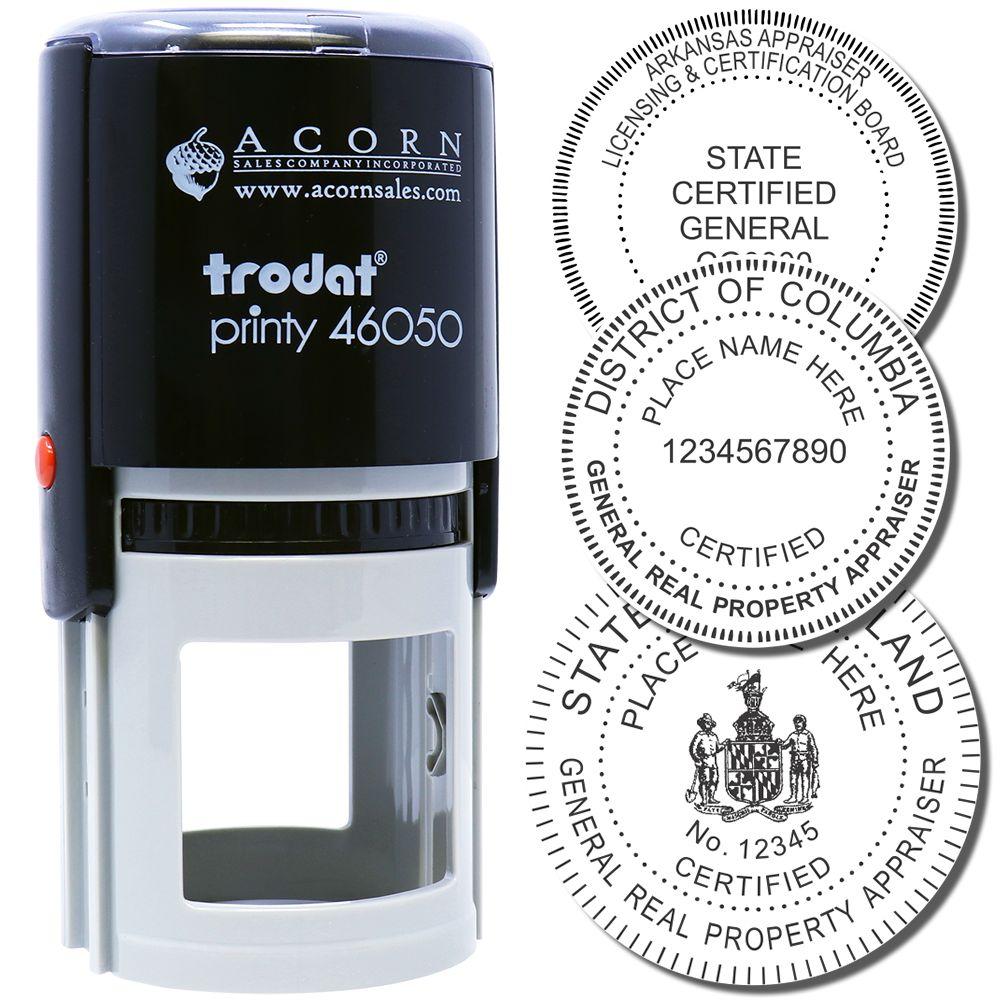
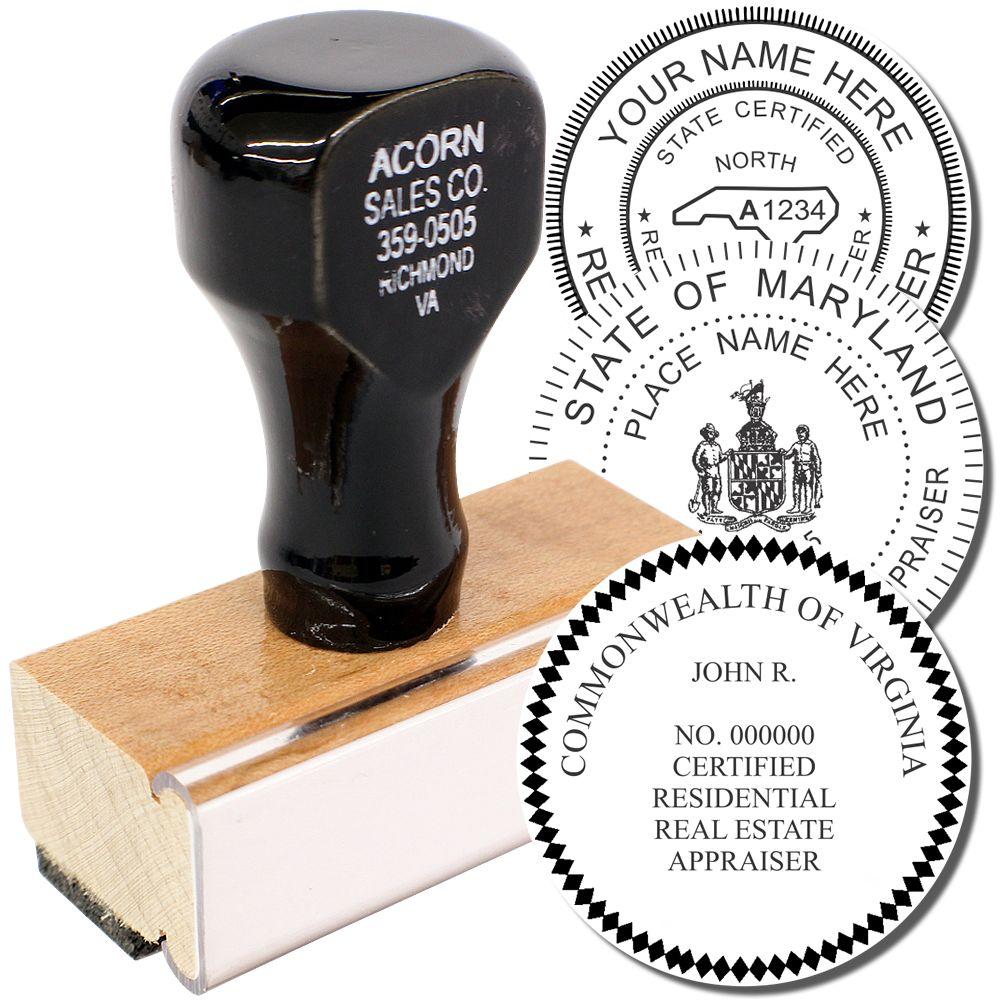
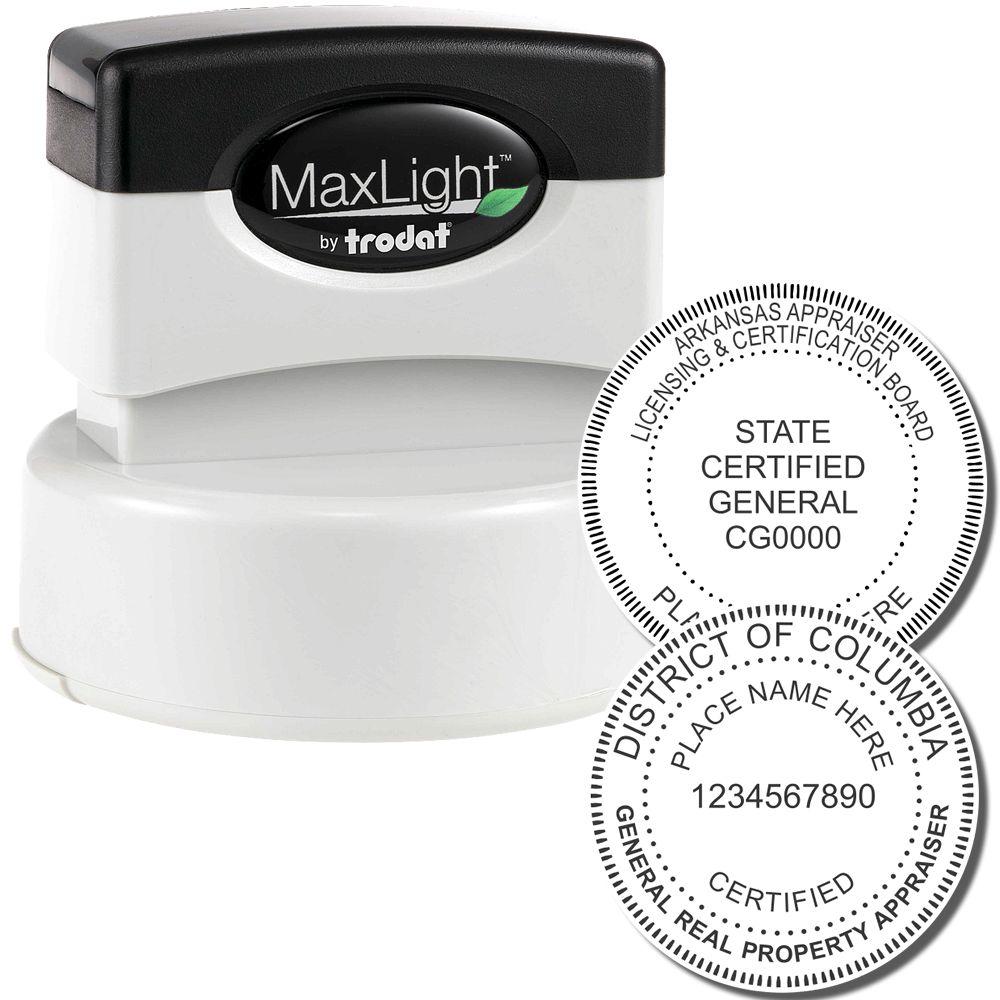
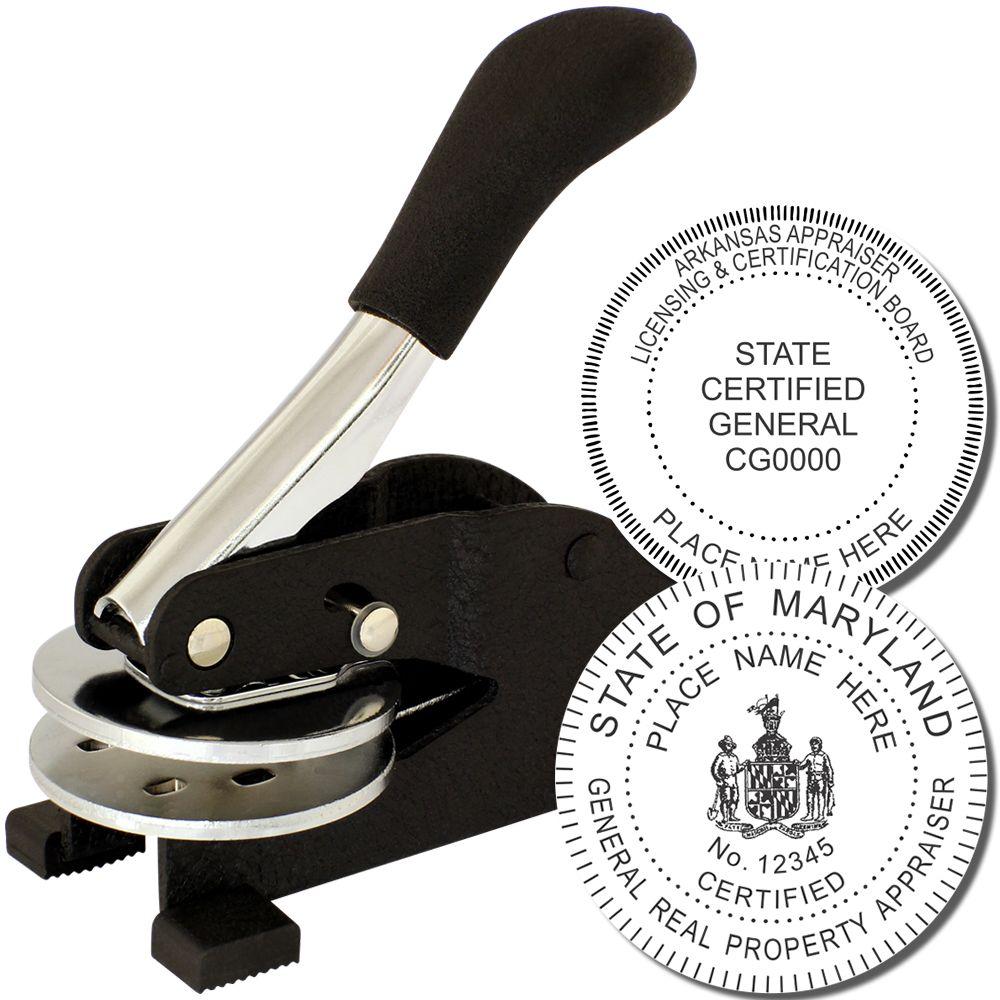
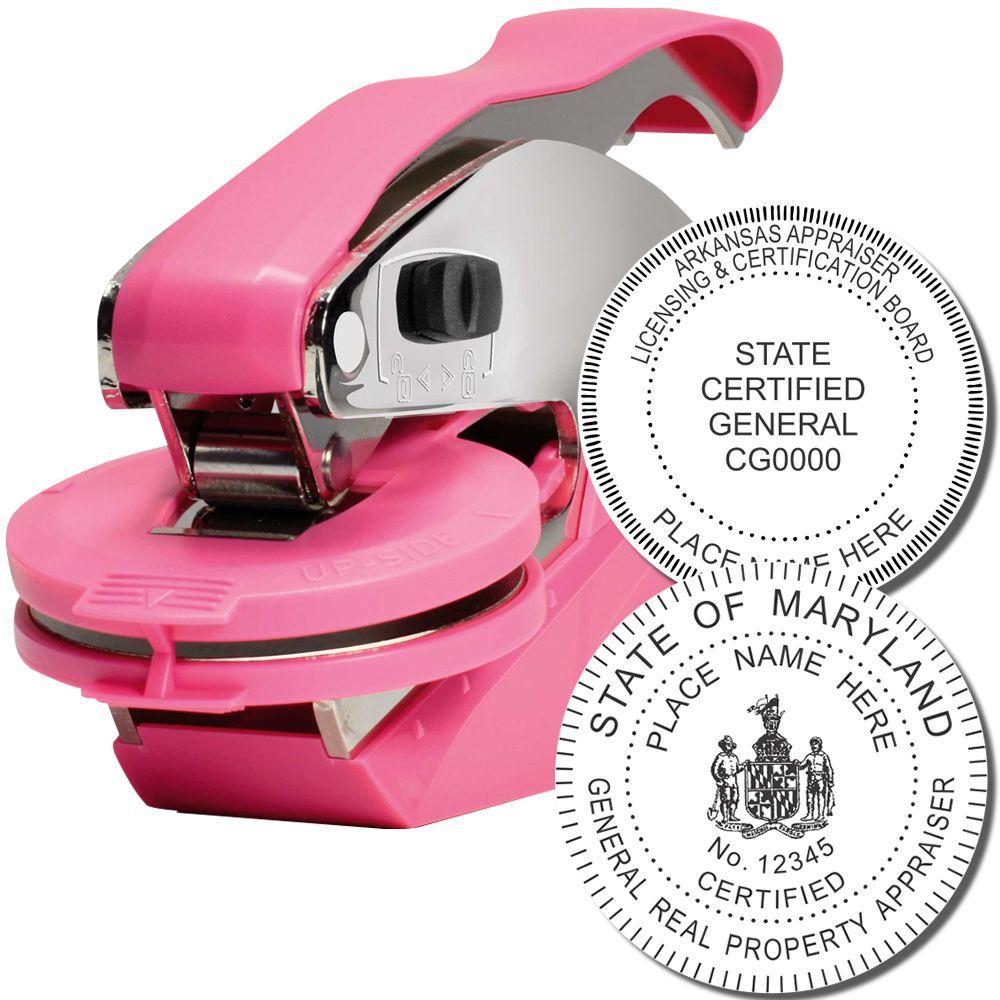
Nothing is prescribed, so choose on how the report is delivered. Vermont reports mostly travel as files, and an inked impression scans while a raised one does not. The Self Inking Rubber Stamp of Seal at $39.95 is the everyday tool, and the Regular Rubber Stamp of Seal at $34.95 is the same die on a wooden handle with a separate pad.
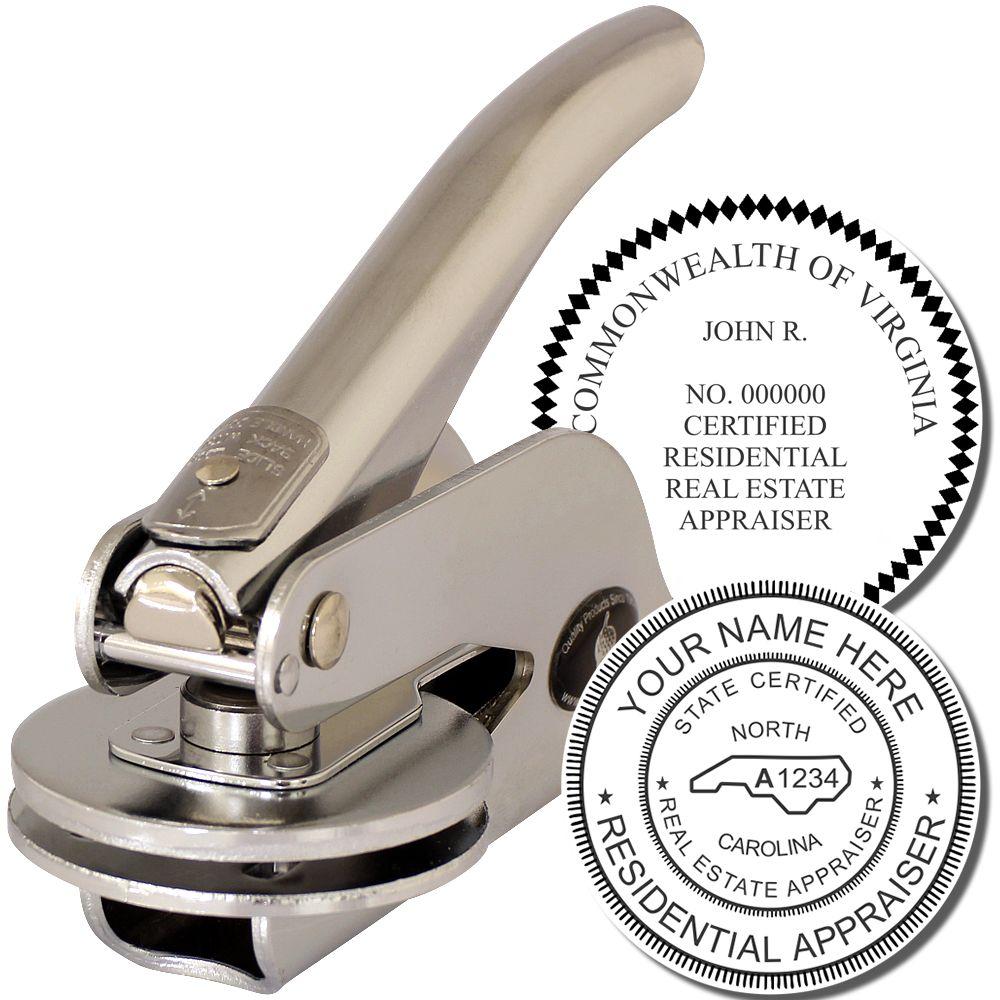
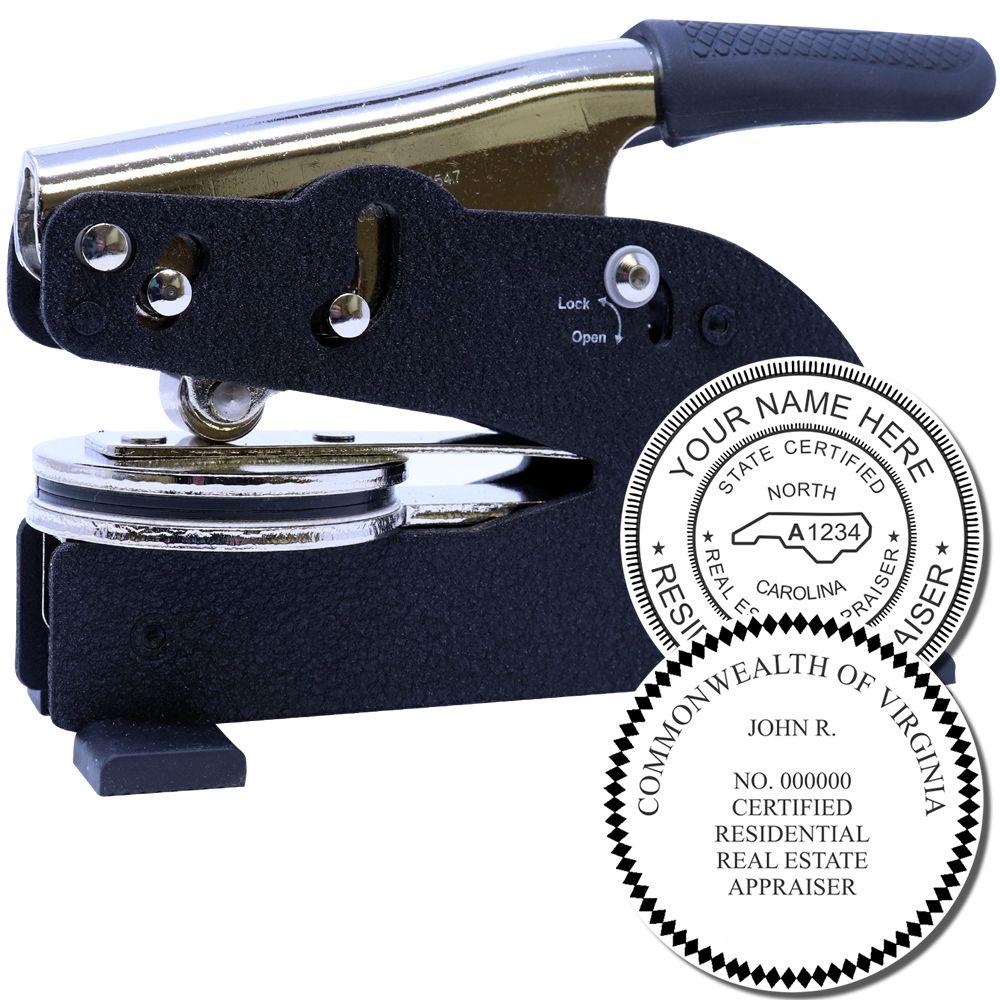
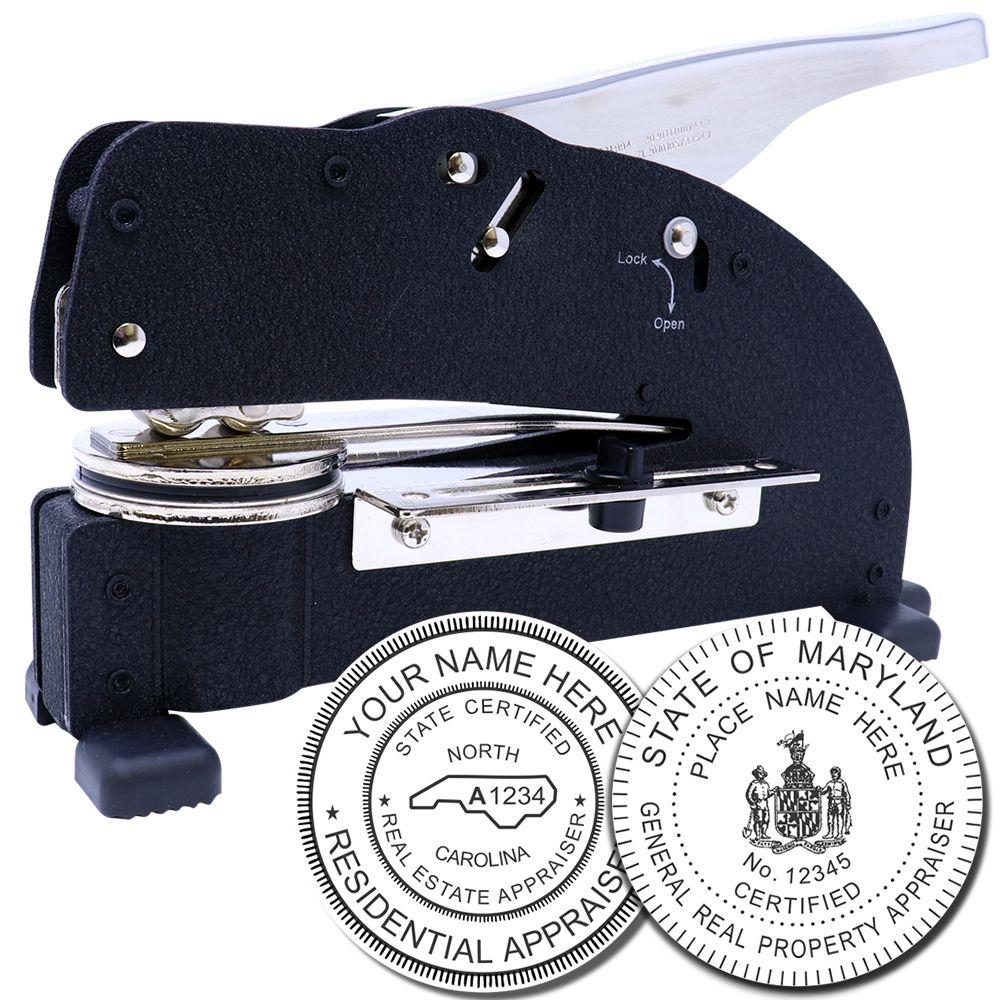
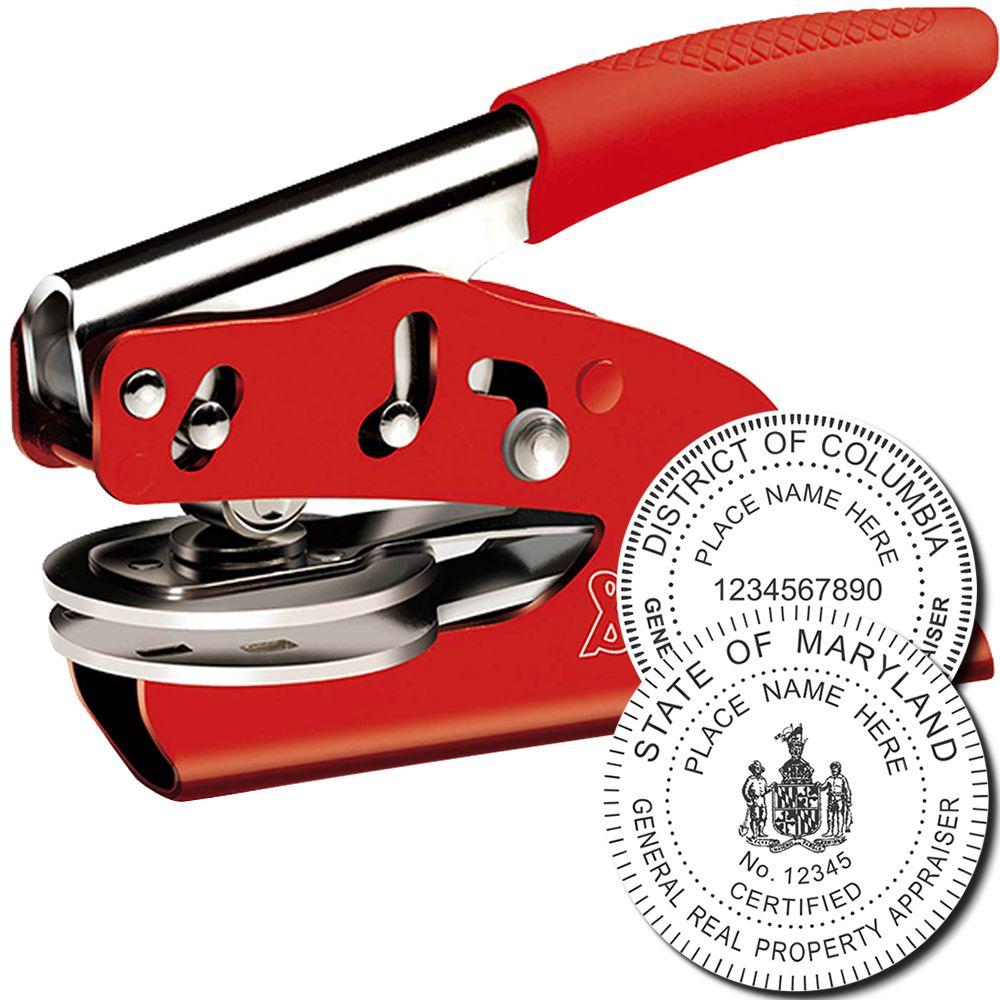
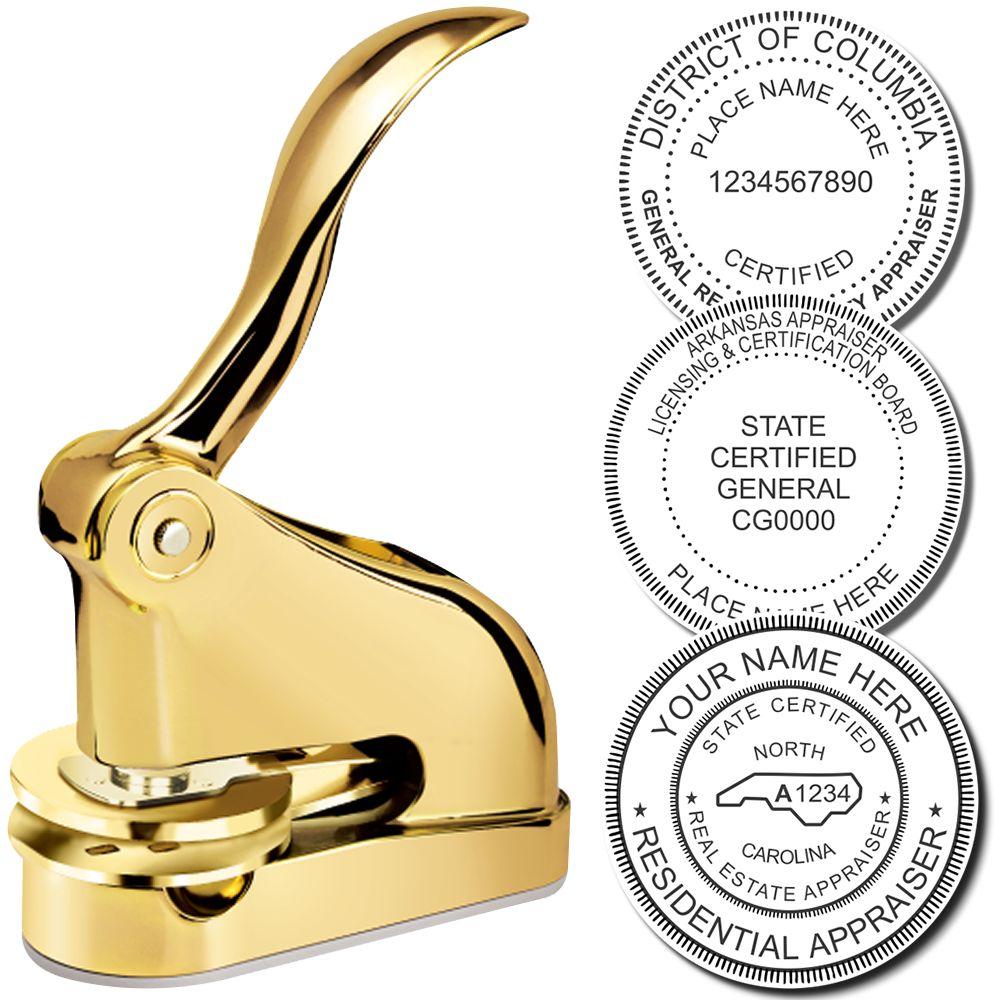
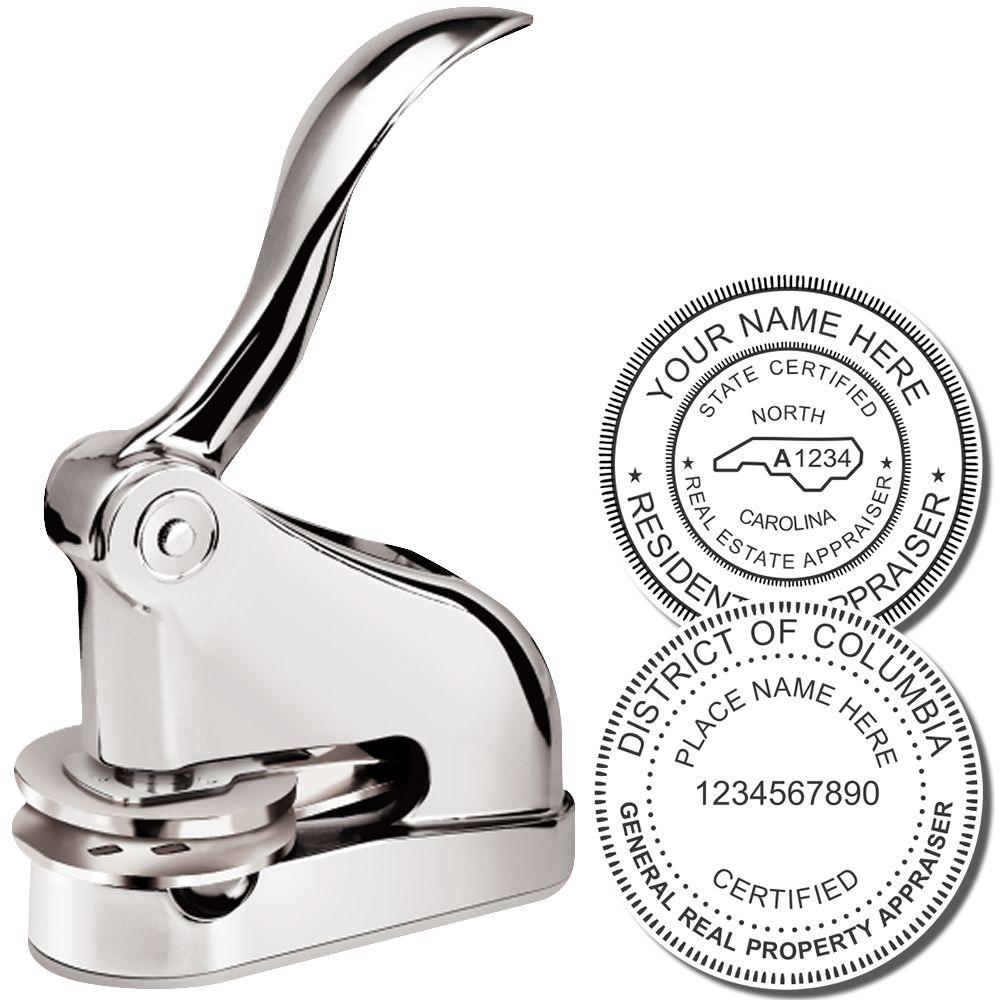
For a fully electronic workflow the eSeal Electronic Image Stamp of Seal at $20.00 places the title and number block into the document, and it is an image rather than a signing credential. Embossers such as the Handheld Seal Embosser at $46.95 and the Desk Seal Embosser at $44.95 belong to paper originals and to presentation. Vermont asks for neither.
Sizing and layout
With no prescribed dimension, size to the longest line, which in Vermont is nearly always the title. Certified General Real Property Appraiser is a mouthful and it is the line people shrink until the number under it looks bigger than the credential above it. Give the title the width it needs and let the number follow at a comfortable size.
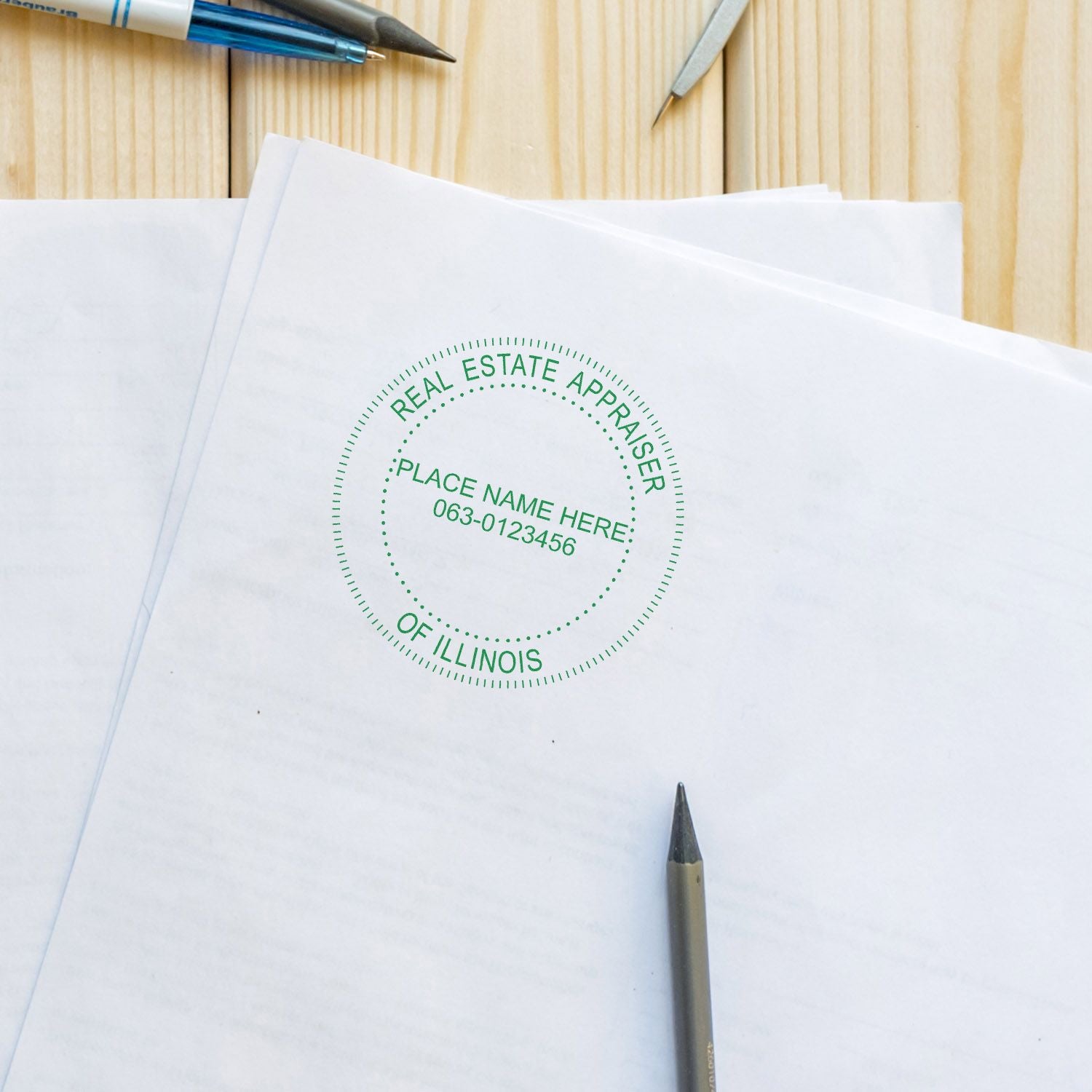
A rectangle suits this better than a circle, because the statute is describing a two line relationship rather than a ring. Round devices are available and permitted, since nothing is prescribed; just keep the number under the title inside the circle rather than set into the border. If the block has to fit a fixed space on a form, measure it before ordering.
Ordering and care
Send the exact title from your credential, your license or registration number, and your name as the Office of Professional Regulation records it. Tell us whether the impression is for paper or for a file. We proof before cutting, the die is cut to the order, and a credential change means a new die.
Care is ordinary. Keep a pre inked stamp capped and a separate pad closed, and give an embosser its lock and a stable shelf. The thing that ends a Vermont die early is a change of title, because the title and number have to keep matching. This page is a research summary and not legal advice; for artwork questions you can contact us.
- Real Estate Appraiser Stamps and Seals
- Real estate appraiser stamps and seals
- Vermont Surveyor Seal: A Certification Goes With It
- New Hampshire Appraiser Seal: Number by Signature
Frequently asked questions
Does Vermont require a real estate appraiser to have a seal?
No. 26 V.S.A. chapter 69 was read in full on the General Assembly’s own site and the Board’s administrative rules were read in full as the published PDF, which contains zero occurrences of seal or stamp. Vermont requires a number next to a title, not a device.
Where does my license number have to go?
Adjacent to or immediately below the title you are entitled to use, under 26 V.S.A. Sec. 3322(a)(1). The same subsection says the number is to be used in a report, a contract, engagement letter or other instrument connected with your activities under the chapter, so the pairing has to hold on those documents too, not only on reports.
Do I really have to put my fee in the report?
Yes. 26 V.S.A. Sec. 3322(b) says each licensed appraiser shall include within the body of the appraisal report the amount of the appraiser’s fee for appraisal services. It changes with every assignment, so keep it as a field in the report and off any die.
Sec. 3323(b)(5) mentions a seal. Does that mean I need one?
No. That provision makes it unprofessional conduct to use or possess an independent licensed real estate appraiser’s digital signature, seal, or other similar stamp of endorsement, and subsection (b) governs appraisal management companies. It protects a device from misuse rather than requiring anyone to own one.
Is there still a Board of Real Estate Appraisers in Vermont?
Administration is vested in the Director of the Office of Professional Regulation at the Secretary of State by 26 V.S.A. Sec. 3313(a)(1), advised by six appraiser advisors. The rules are nonetheless still published as the Administrative Rules of the Board of Real Estate Appraisers, CVR 04-030-300, effective 1 March 2014.
What does a Vermont trainee put on a report?
Rule Sec. 3.7(d) requires a trainee signing a report to be clearly identified as a trainee wherever the trainee’s name appears. That is broader than one block, so make sure the identification travels with the name throughout the document.
What size should a Vermont appraiser stamp be?
No diameter, dimension or shape is prescribed anywhere in the chapter or the rules. Size it so the title and the number both read after a scan, and keep the number directly under the title so the adjacency the statute describes is visible.








