
Written by Acorn Sales Company, manufacturing stamps and seals since 1964 · Reviewed by Holly R, VP of Sales and Marketing at Acorn Sales, against South Carolina Real Estate Appraisers Board, within the South Carolina Department of Labor, Licensing and Regulation on 22 September 2026 · Updated 25 September 2026
South Carolina has no appraiser seal. The two chapters that could create one, Title 40 chapter 60 of the Code of Laws and chapter 137 of the Board’s regulations, were read end to end and neither one contains the word seal or the word stamp. What South Carolina does prescribe is a block of identifying text. S.C. Code Ann. Sec. 40-60-34(A) says the Board issues a license and certificate carrying an identification number “that the appraiser shall use when signing appraisal reports”, and that when an appraiser advertises or executes contracts or other instruments, the appraiser’s name, appraiser classification and Board-assigned number “must be printed or typed adjacent to the appraiser’s signature”.
Read the verb. The statute says printed or typed, which is the language of a text block rather than an impression, and that is exactly why an appraiser stamp is useful here and never obligatory. Nobody in Columbia is checking for a raised circle. They are looking for three facts next to your name, and a die that carries those three facts saves you typing them on every report, engagement letter and contract you sign. Order one because the repetition is tedious, not because the state asked.
South Carolina real estate appraiser seal requirements at a glance
| Requirement | South Carolina rule | Source |
|---|---|---|
| Seal required | No. No seal and no stamp is prescribed anywhere in the appraiser statute or the Board’s regulations. | S.C. Code Ann. Title 40, ch. 60 and S.C. Code Ann. Regs. ch. 137, read in full: no seal or stamp provision in either |
| Required elements | The appraiser’s name, the appraiser classification and the number assigned by the Board, printed or typed adjacent to the signature. The identification number on the license or certificate is the number to use when signing appraisal reports. | S.C. Code Ann. Sec. 40-60-34(A) |
| Size and shape | None prescribed. The statute describes information placed next to a signature, not a device of any dimension, so no diameter, border or shape is fixed. | S.C. Code Ann. Title 40, ch. 60 and S.C. Code Ann. Regs. ch. 137, read in full: no seal or stamp provision in either |
| Device allowed | Any. The statute’s words are printed or typed, so an ink stamp, an embosser, an electronic image or a typed line all produce the same permitted result. | S.C. Code Ann. Sec. 40-60-34(A) |
| Signature and date | The statute ties the identification number to signing appraisal reports and places the name, classification and number adjacent to the signature. Neither chapter prescribes a date beside the signature. | S.C. Code Ann. Sec. 40-60-34(A) |
| What must be sealed | Nothing. The identification block, not a seal, attaches to appraisal reports you sign and to advertising, contracts and other instruments. | S.C. Code Ann. Sec. 40-60-34(A) |
| Electronic seal | Not addressed. Neither Title 40 chapter 60 nor Regs. ch. 137 contains any provision on an electronic seal or a digital signature on a transmitted report. | S.C. Code Ann. Title 40, ch. 60 and S.C. Code Ann. Regs. ch. 137, read in full: no seal or stamp provision in either |
| Renewal and lapse | No report marking is tied to renewal in either chapter. The block is your name, your classification and your Board number, so it stays accurate for as long as those three do. | S.C. Code Ann. Title 40, ch. 60 and S.C. Code Ann. Regs. ch. 137, read in full: no seal or stamp provision in either |
| Firm requirements | Article 3 of the chapter registers appraisal management companies at Secs. 40-60-310 to 40-60-460 and imposes no marking duty on an appraiser’s device. Sec. 40-60-460 requires the appraiser’s consent before a report is modified, which is a report integrity rule and not a marking rule. | S.C. Code Ann. Secs. 40-60-310 to 40-60-460 |
| Regulator | South Carolina Real Estate Appraisers Board, within the Department of Labor, Licensing and Regulation. | S.C. Code Ann. Title 40, ch. 60; board regulations at S.C. Code Ann. Regs. ch. 137 |


What the statute actually says
S.C. Code Ann. Sec. 40-60-34(A) is the whole of South Carolina’s report identification law. It does two things in two sentences. First, it tells the Board to prescribe a form of license and certificate containing an identification number “that the appraiser shall use when signing appraisal reports”. Second, it says that when an appraiser advertises or executes contracts or other instruments, the “appraiser’s name, appraiser classification, and number assigned by the board must be printed or typed adjacent to the appraiser’s signature”. That is the entire marking regime. There is no third sentence about a device, because South Carolina never wrote one.
The scan behind that is not a spot check. Article 1 of the chapter, Secs. 40-60-5 through 40-60-230, and Article 3, the Appraisal Management Company Registration Act at Secs. 40-60-310 through 40-60-460, were read in full on the Statehouse site: zero occurrences of seal, zero of stamp. Chapter 137 of the Board’s own regulations, every section from 137-100 through 137-900.09, returns the same two zeros.
Printed or typed, and why that phrase matters
Most states that decline to require a seal simply say nothing about how the credential line gets onto the page. South Carolina went further and named the methods it had in mind. “Printed or typed” describes text produced mechanically, which is a good deal broader than it sounds: a stamped impression prints, an electronic image prints, a line of type prints. Nothing in the sentence limits you to a keyboard, and nothing in it asks for an impression either.
The practical effect is that the choice of device is yours and carries no compliance risk in either direction. An appraiser who types the block into a report template is complying. An appraiser who inks it from a die next to a wet signature is complying. An appraiser who orders a heavy embosser and raises a circle on every page is also complying, and has bought a tool the state never asked for. That last one is worth saying plainly, because appraiser seals are sold in South Carolina as though the Board had specified them.
What the repeal of Reg. 137-800.06 changed
Regulation 137-800.06 used to carry the title “Disclosure of Appraiser Classification and Number”. It has been repealed. It was a disclosure rule and never a seal rule, so its removal takes a requirement away rather than adding one, and the answer on this page is the same either way. What changes is the cite. The report identification duty in South Carolina now rests on the statute alone, S.C. Code Ann. Sec. 40-60-34(A), and a page or a vendor still quoting 137-800.06 at you is quoting a rule that is no longer there.
It is not the only one. A long list of chapter 137 regulations has been repealed or deleted, including 137-100.01, 137-100.06, 137-400.01, 137-600.02, 137-700.01 through 137-700.03, 137-800.01, 137-800.03, 137-900.02 through 137-900.04, 137-900.06 and 137-900.07. None of them was a seal rule, so none of those repeals opened a gap where a seal used to sit.
What to engrave and where it goes
Three elements, because the statute names three: your name as the Board holds it, your appraiser classification, and your Board-assigned number. Classification is the credential level you actually hold, spelled the way South Carolina spells it, such as state-certified general, state-certified residential or licensed. Put the number on its own line under the classification so the eye finds it without hunting.
Placement is the one thing the statute is fussy about: adjacent to the signature. Not on the cover page, not in the addenda, not in the letterhead. Beside the name you signed. Leave room on the signature page for a block roughly the width of your signature and two or three lines deep. If you also hold a credential in another state, keep it off this die. One die, one jurisdiction, is the habit that stops an out-of-state number turning up beside a South Carolina signature.



Traps: seal rules that belong to other credentials
The Department of Labor, Licensing and Regulation houses a great many boards, and several of them do prescribe seals in detail. South Carolina architects, engineers, land surveyors and landscape architects all work under design professional seal rules with prescribed content, and a land surveyor’s device even carries the surveyor’s tier. None of that reaches a real estate appraiser. Those rules live in different chapters, under different boards, for different credentials, and an appraiser who copies a surveyor’s seal layout ends up with a device describing a credential they do not hold.
Two more things inside the appraiser chapter itself look like marking rules and are not. Sec. 40-60-460 requires an appraiser’s consent before someone modifies the report; that protects the content of the report, not the look of a signature block. And the appraisal management company provisions in Article 3 register companies, not devices. A site search of the Board’s own pages at llr.sc.gov turned up no form, FAQ or handbook mentioning an appraiser seal at all.
Embosser, ink stamp or electronic image
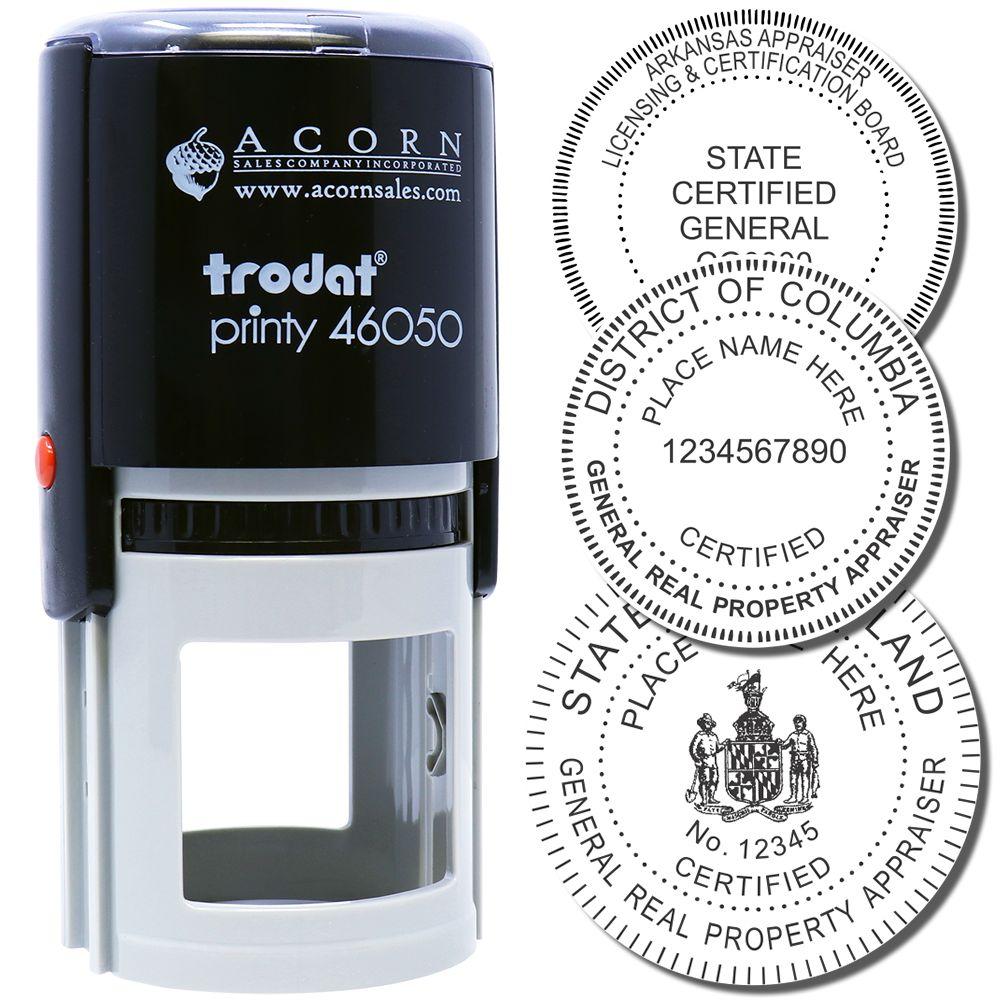
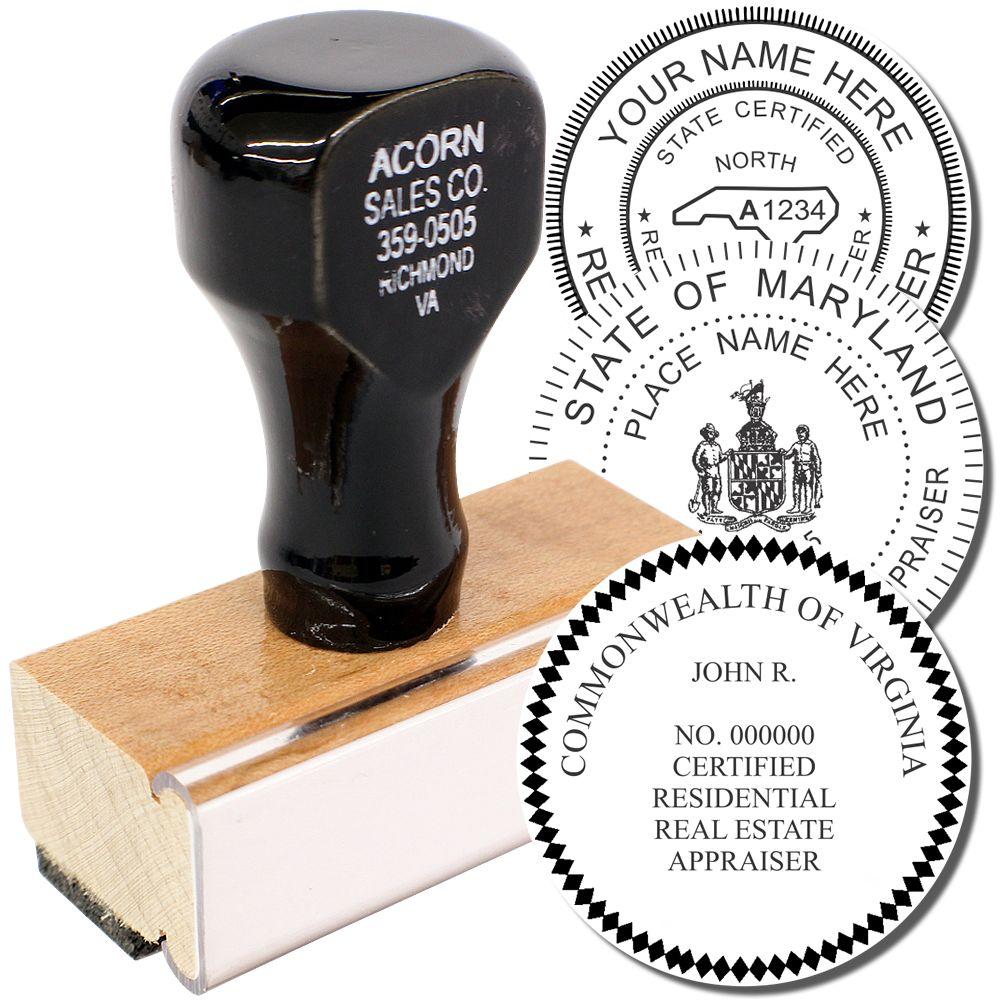
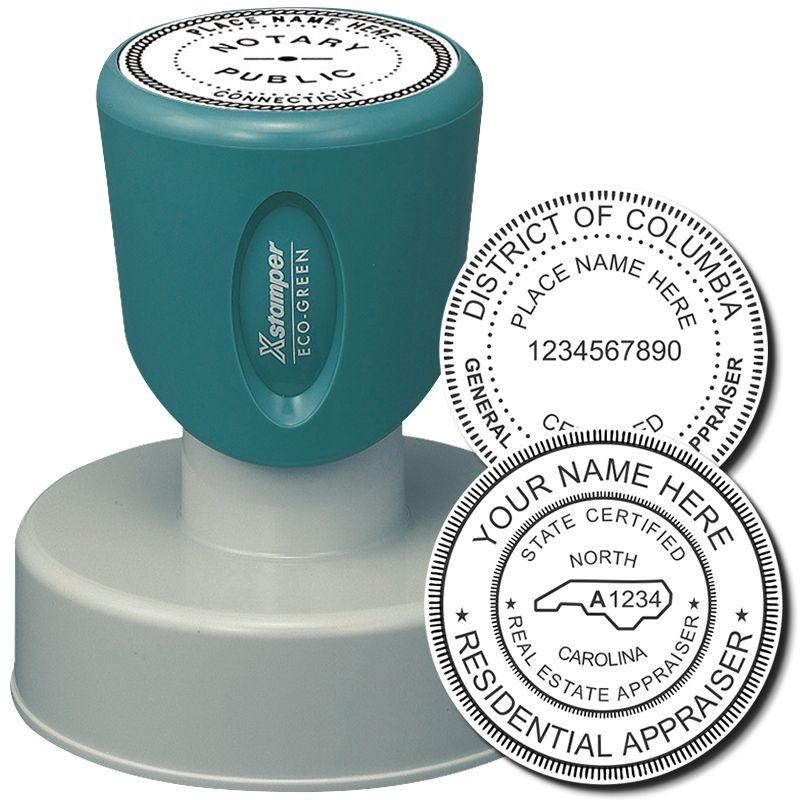
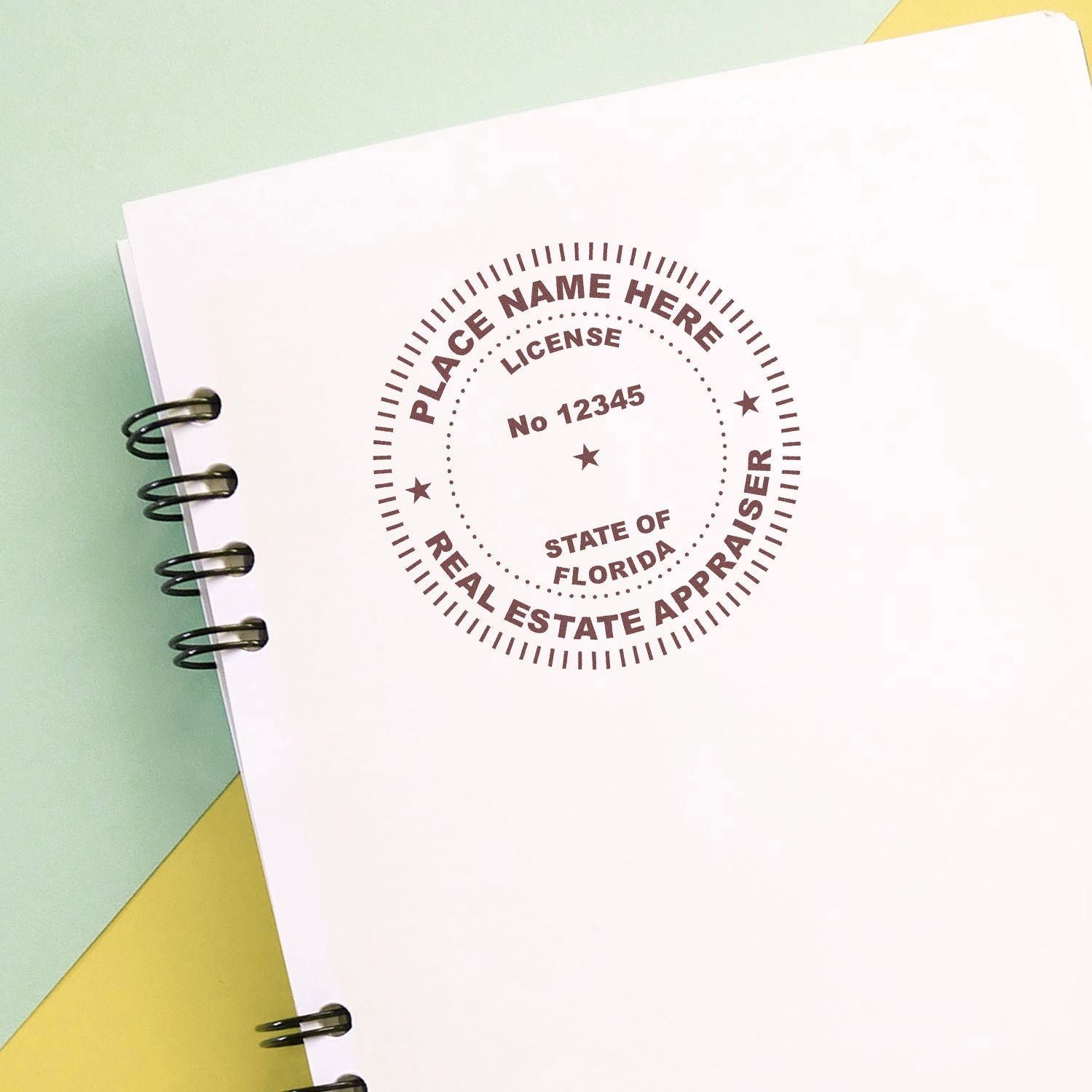
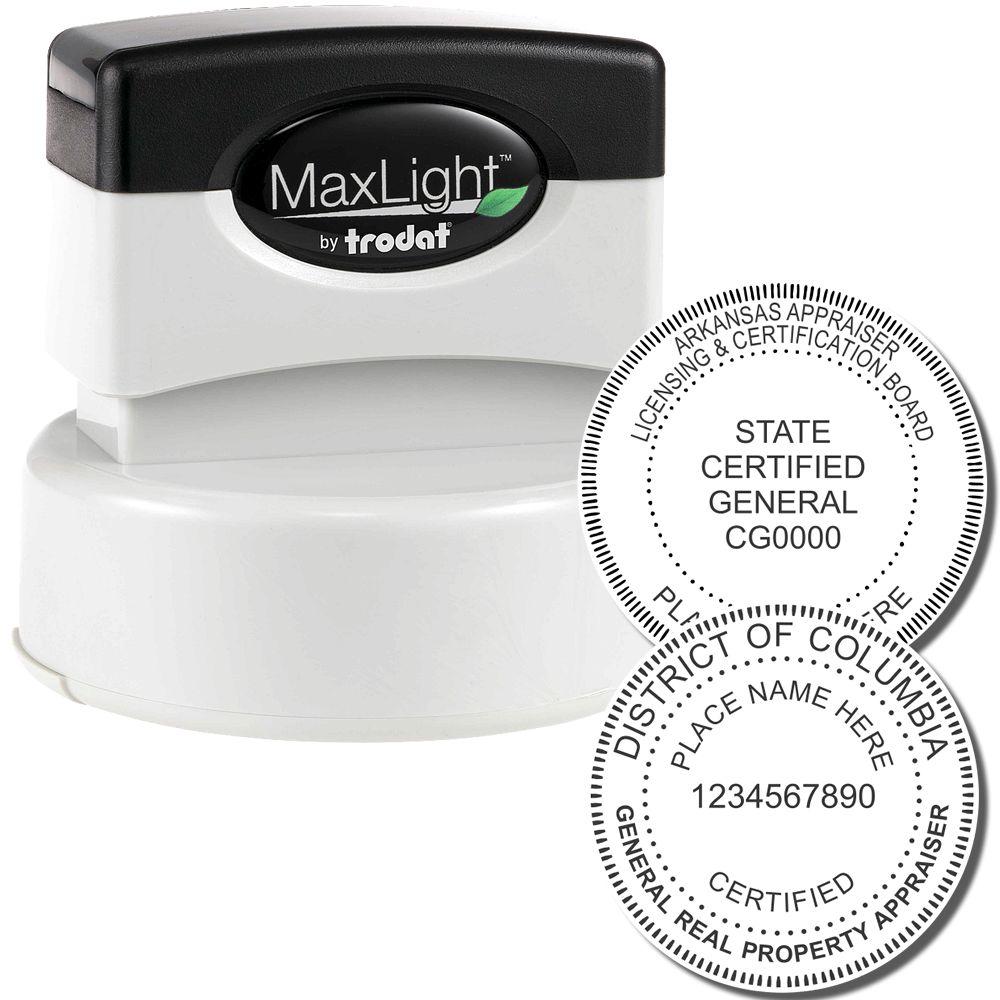
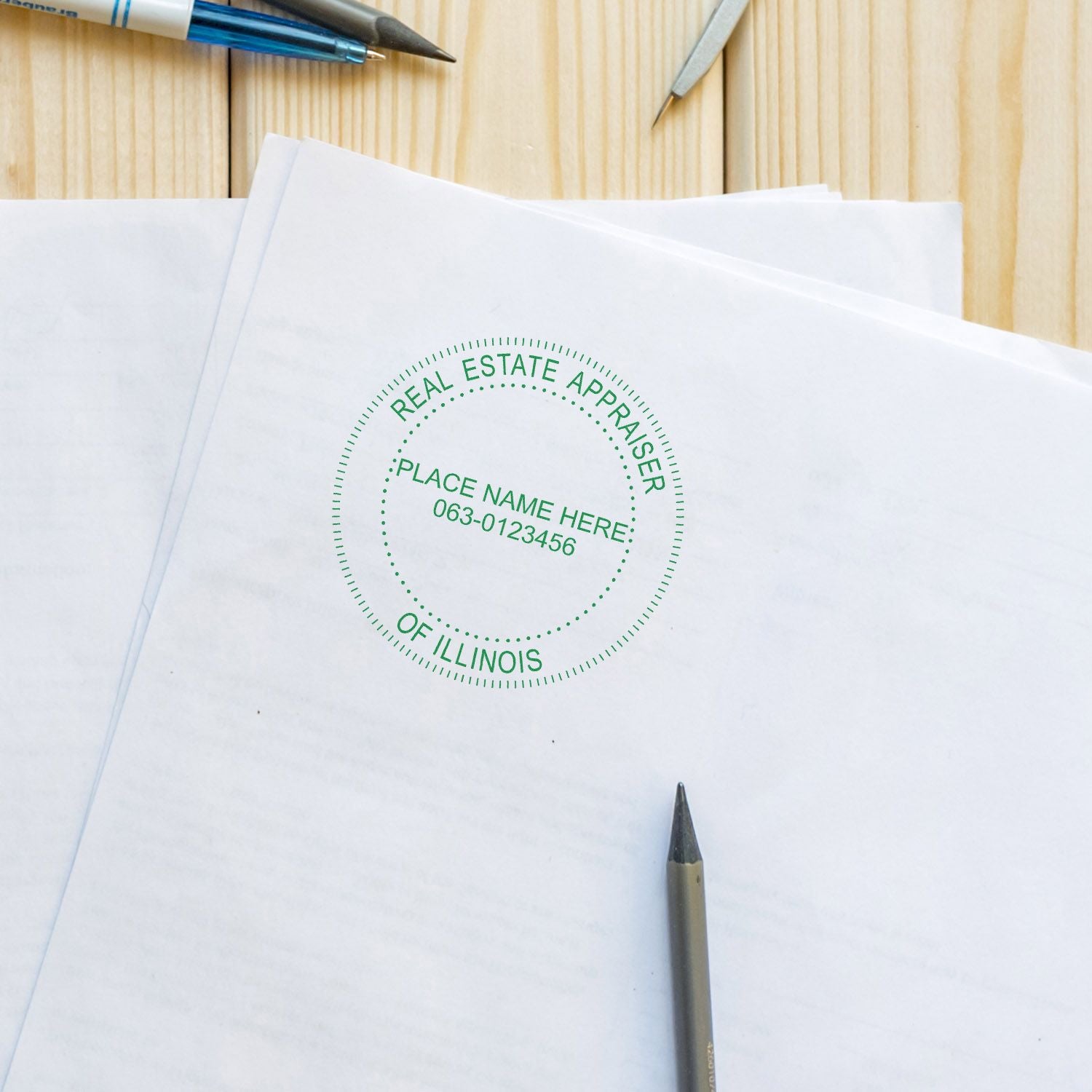
Since nothing is prescribed, pick on how your reports travel. If they go out as PDFs, and most do, an inked impression photographs and scans cleanly while a raised impression mostly disappears. The Self Inking Rubber Stamp of Seal at $39.95 is the everyday answer, and the Regular Rubber Stamp of Seal at $34.95 is the same die on a wooden handle with a separate pad.
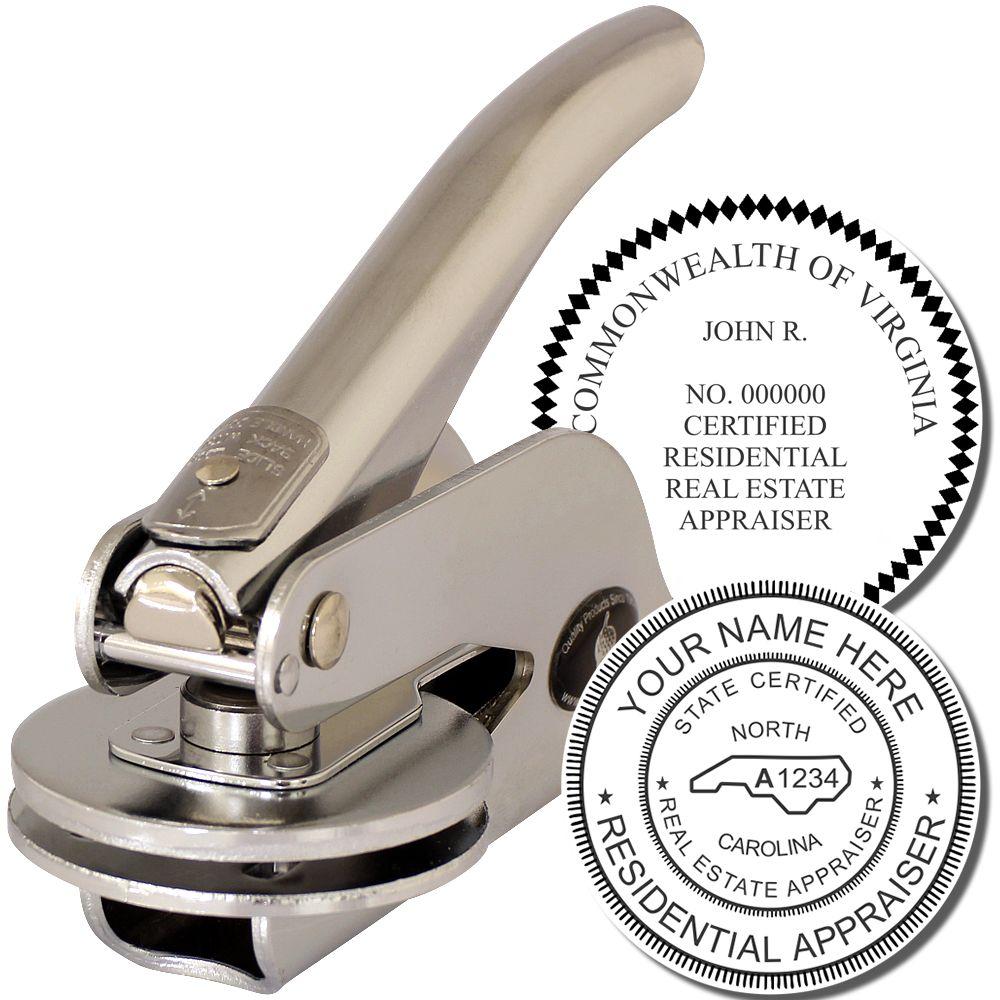
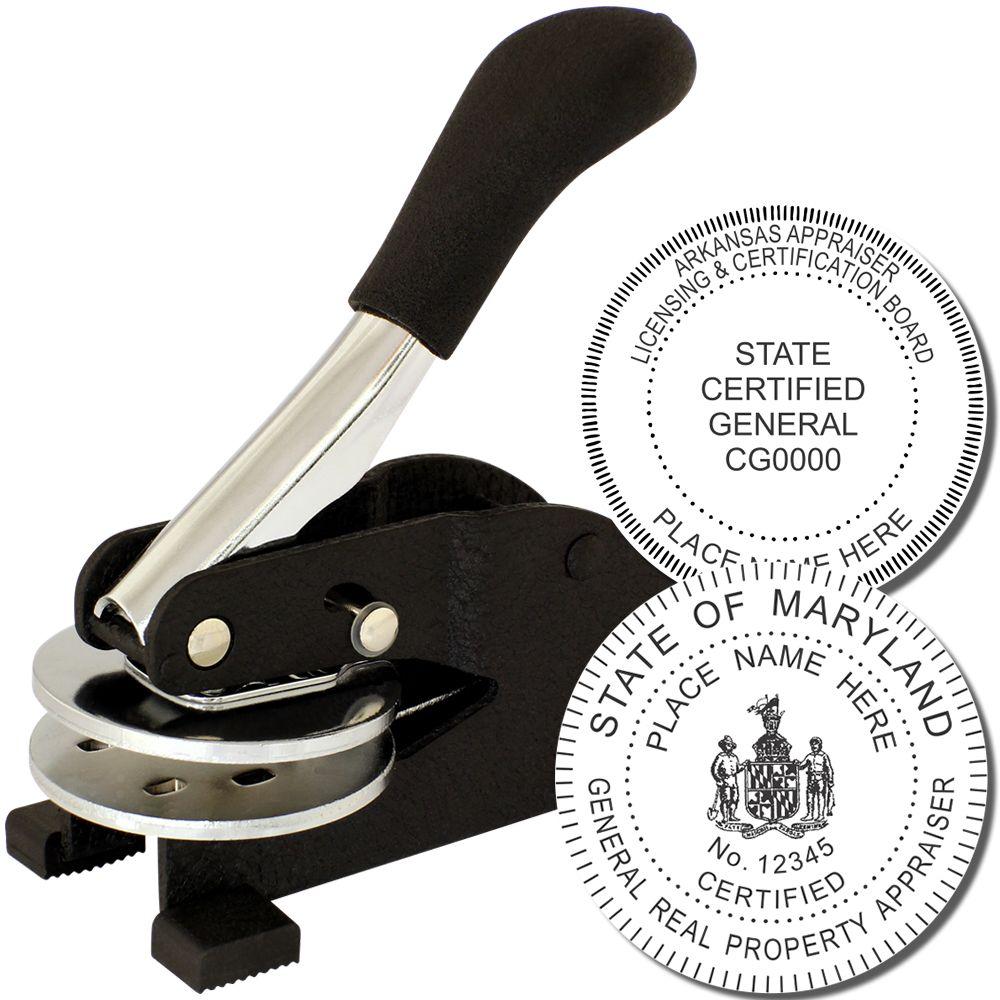
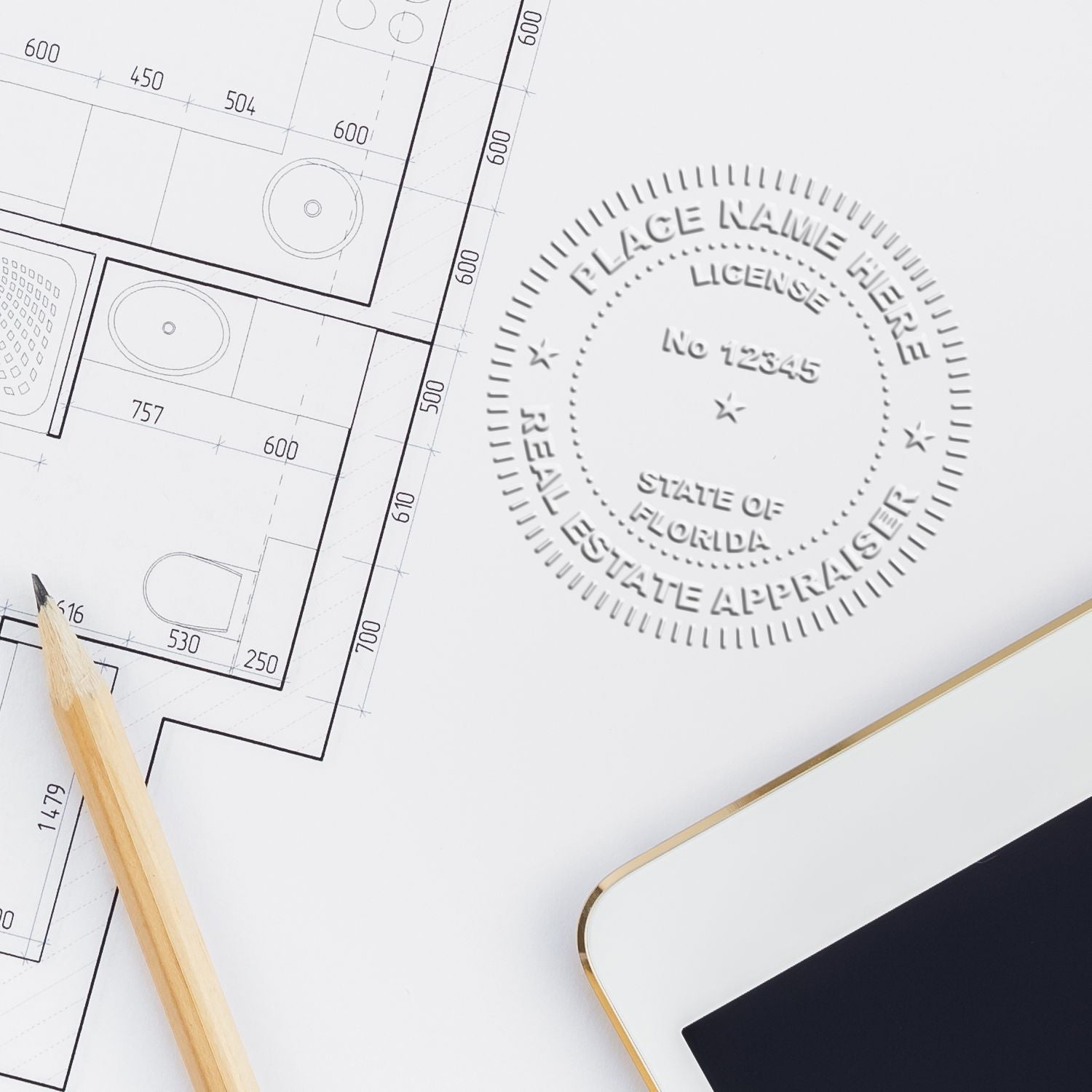
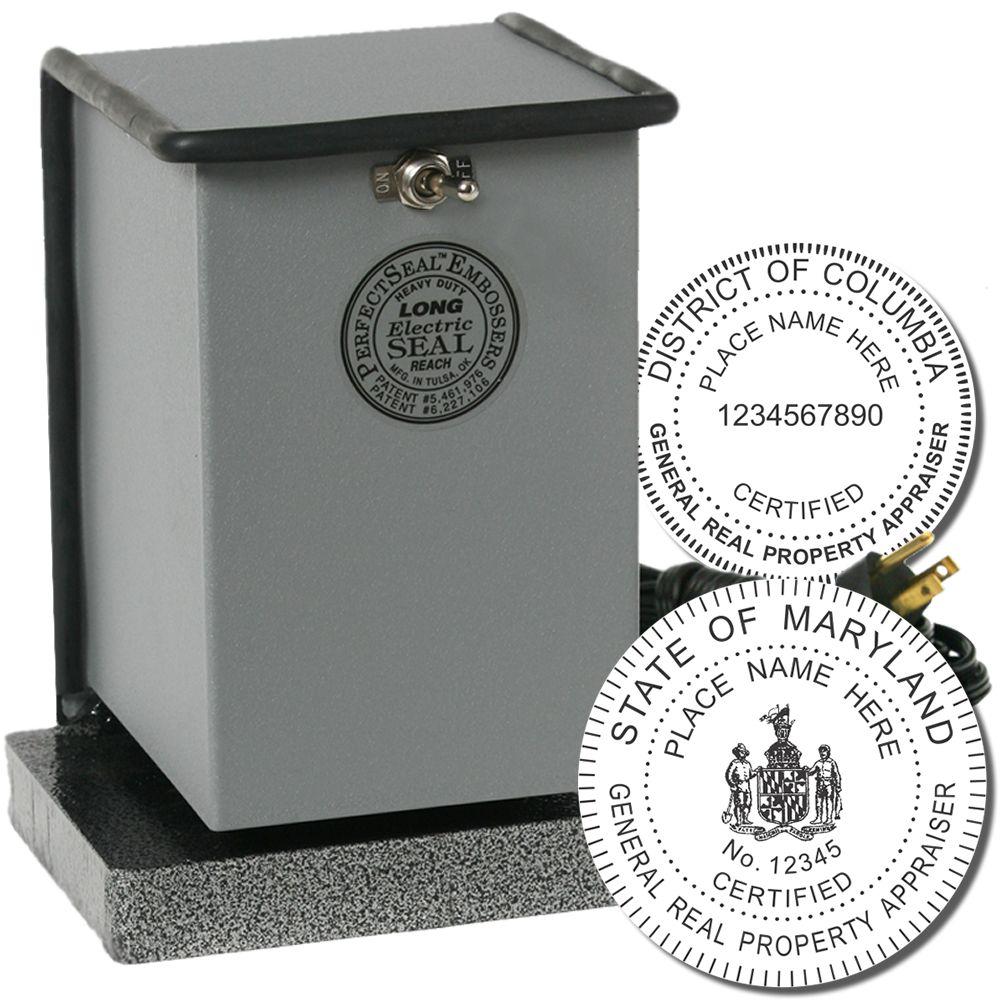
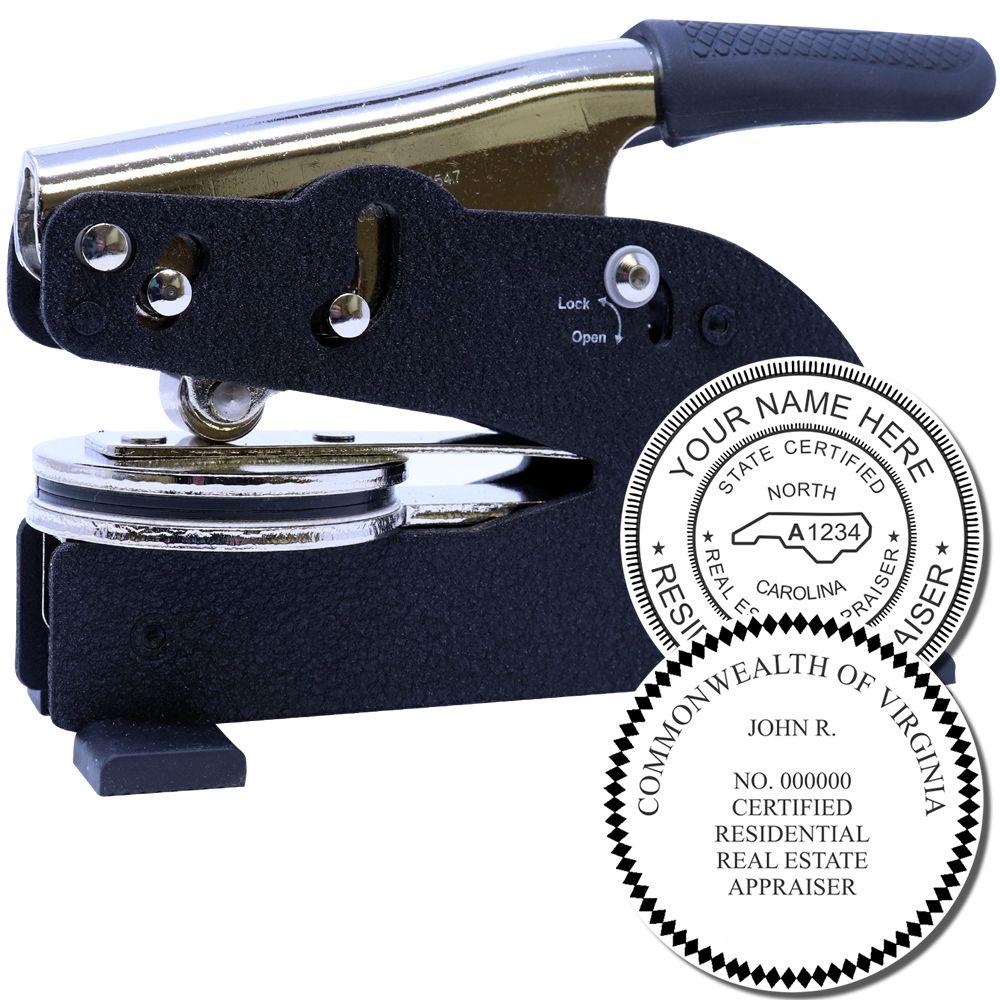
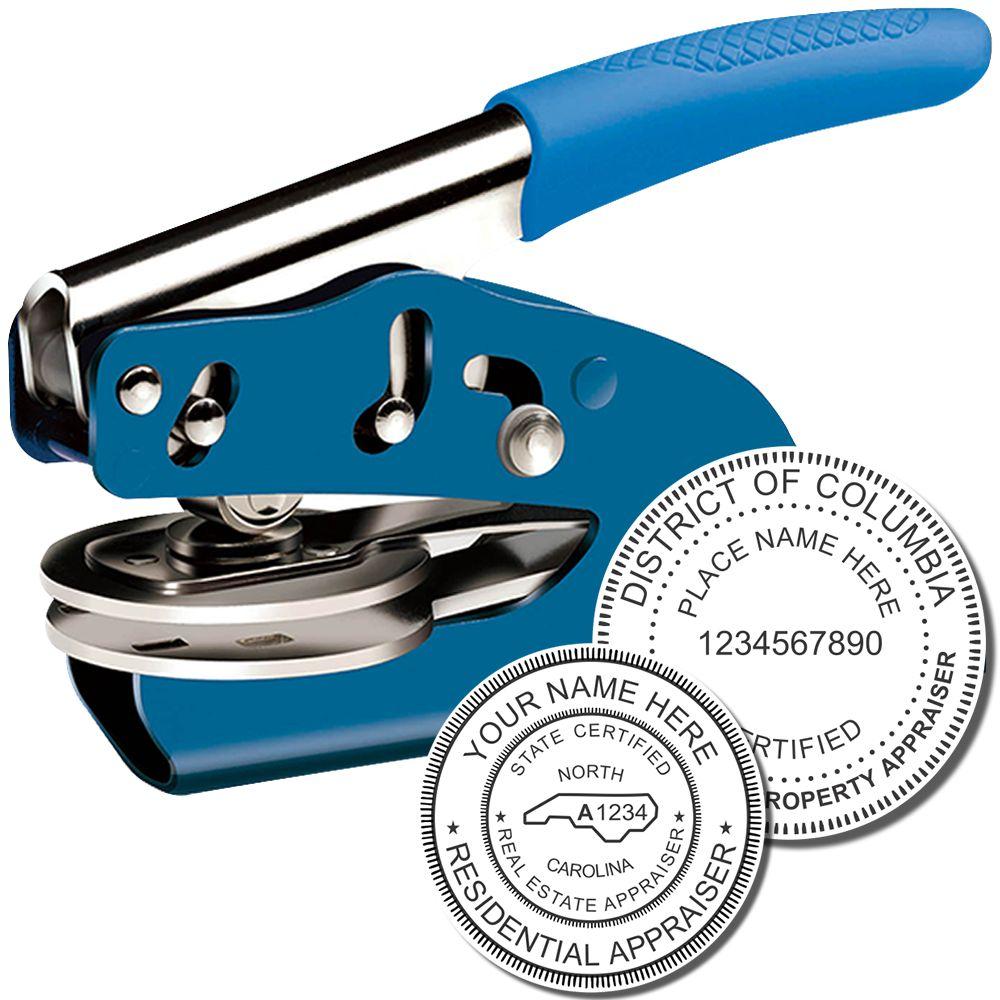
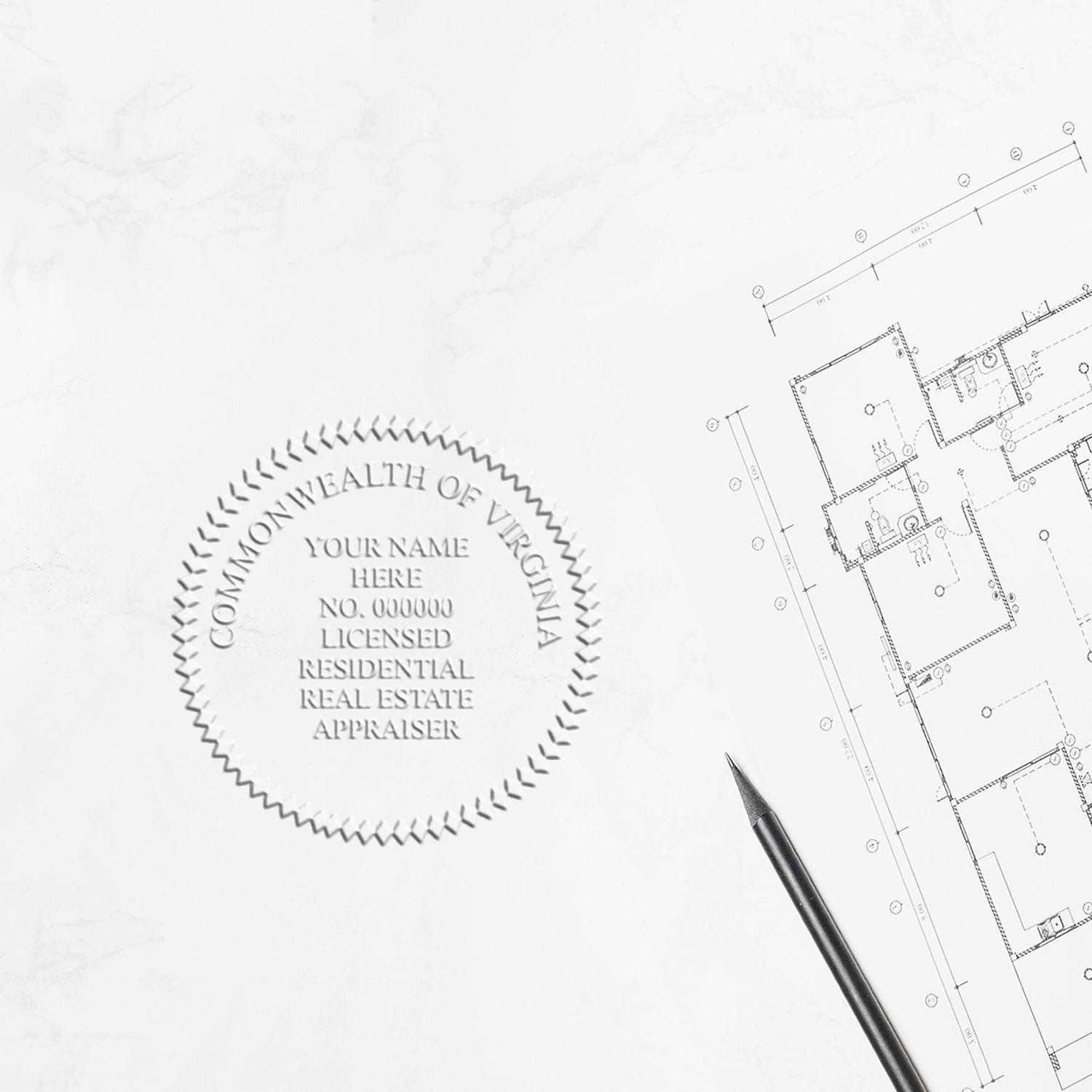
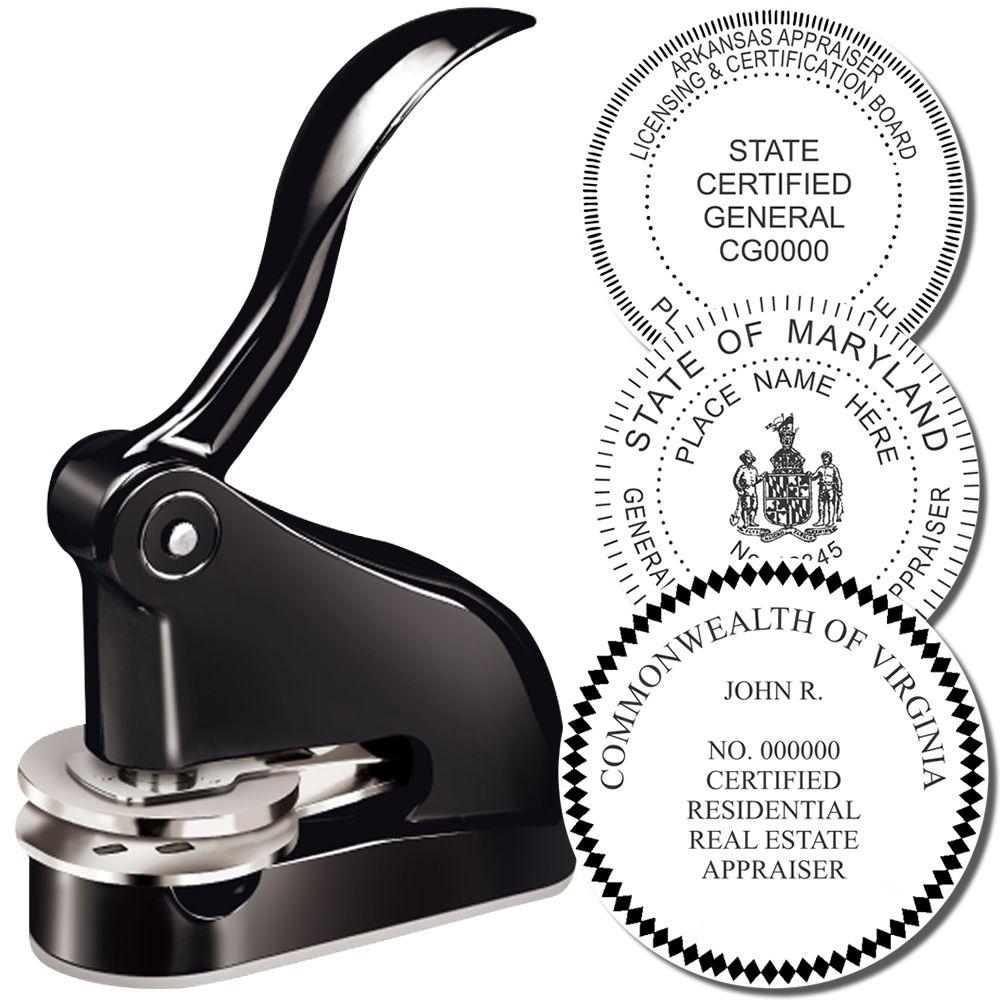
If the report is signed once and delivered as a file, the eSeal Electronic Image Stamp of Seal at $20.00 is the cheapest way to get the block onto a page, and it is an image rather than a signing credential. Embossers are the option to think hardest about here. The Handheld Seal Embosser at $46.95 and the Desk Seal Embosser at $44.95 make a handsome impression on a paper original, which is a presentation choice in a state that prescribes nothing.
Sizing and layout
With no prescribed diameter, size is a legibility decision. Three lines of text, a name, a classification and a number, need enough room that the classification does not have to be shrunk to fit. A classification such as state-certified general real estate appraiser is long, and it is the element people most often squeeze until it is unreadable. If your classification is one of the long ones, either give the die more room or set that line in two.
Rectangular dies suit a text block better than round ones, because the statute is describing text and a circle wastes its corners. Round is not wrong, it is simply harder to letter well with three unequal lines. Send us the exact spelling from your Board record rather than typing it from memory, since a die is cut from what the order says.




The appraisal management company article
Article 3, the Appraisal Management Company Registration Act at Secs. 40-60-310 through 40-60-460, is the longest recent addition to the chapter, and appraisers sometimes assume it brought marking duties with it. It did not. It registers companies, sets their obligations and creates the consent rule at Sec. 40-60-460. Nothing in it prescribes anything that goes on an appraiser’s device, and nothing in it mentions a seal or a stamp.
If a management company sends you a template that includes a box labelled for a seal, that box comes from the company, or from a form written for another state, and not from South Carolina law. You can put your identification block in it. You are not obliged to buy an impression device to fill it.
Ordering: what to send us
Send three things: your name as the Board records it, your appraiser classification spelled out in full, and your Board-assigned number. If you want a fourth line, South Carolina or SC is the usual one, and it is a design choice rather than a requirement. Tell us whether the die is going on paper, into a PDF or both, because that decides ink against raised more than anything else does.
Each die is cut for the wording on the order, so a die is cut for the wording on the order. If your classification changes, that is a new die. Browse the real estate appraiser stamps and seals, or contact us with your artwork and we will set the proof before anything is cut.
Care, and when to replace the die
A self inking stamp fades before it fails, and the first sign is a classification line that has gone gray while the name is still crisp. Keep a pre inked or self inking unit capped and out of direct sun, and keep a hand stamp’s pad closed so it does not dry.
An embosser needs nothing beyond the sliding lock and a place to sit where it will not be knocked. What ends a die early in this state is not wear but a change of fact: a new classification, a new number or a name change. When any of those three moves, the die is wrong, and a wrong classification is worse than no die at all. This page is a research summary and not legal advice.
- Real Estate Appraiser Stamps and Seals
- Real estate appraiser stamps and seals
- South Carolina Surveyor Seal: Your Tier Goes On It
- North Carolina Appraiser Seal: 1 Inch Minimum
Frequently asked questions
Does South Carolina require a real estate appraiser to have a seal?
No. Title 40 chapter 60 of the Code of Laws and chapter 137 of the Board’s regulations were both read in full and neither contains the word seal or the word stamp. What the state asks for is your name, your appraiser classification and your Board-assigned number next to your signature.
What exactly has to appear next to my signature?
Three things, under S.C. Code Ann. Sec. 40-60-34(A): the appraiser’s name, the appraiser classification and the number assigned by the Board, printed or typed adjacent to the signature. The same section also says the identification number on your license or certificate is the one to use when signing appraisal reports.
Can I use a stamp to produce that block?
Yes. The statute says the information must be printed or typed, and a stamped impression prints it. A stamp is a convenience for producing a block you would otherwise type on every report, contract and engagement letter, and the state neither requires it nor objects to it.
Is Reg. 137-800.06 still good authority?
No, it has been repealed. It was titled Disclosure of Appraiser Classification and Number and was a disclosure rule rather than a seal rule. The report identification duty now rests on the statute alone, so cite S.C. Code Ann. Sec. 40-60-34(A) and not the repealed regulation.
What size should a South Carolina appraiser stamp be?
Whatever keeps three lines readable. No diameter, dimension or shape is prescribed anywhere in the statute or the regulations, because the state is describing text beside a signature rather than a device. Give the classification line enough width that it does not need shrinking.
South Carolina surveyors and architects have detailed seal rules. Do those apply to me?
No. Those rules sit in different chapters, under different boards, for different credentials. The Department of Labor, Licensing and Regulation houses many boards, and a seal specification written for a design profession reaches only that profession. Copying one would put a credential you do not hold on your device.
Does the appraisal management company law add anything to my signature block?
No. Article 3, at Secs. 40-60-310 through 40-60-460, registers companies and sets their obligations. Sec. 40-60-460 requires your consent before a report is modified, which protects the report rather than prescribing a marking. Nothing in the article mentions a seal or a stamp.








