
Written by Acorn Sales Company, manufacturing stamps and seals since 1964 · Reviewed by Holly R, VP of Sales and Marketing at Acorn Sales, against Arizona Board of Appraisal on 22 September 2026 · Updated 25 September 2026
Arizona prescribes no appraiser seal, but it is one of the few states that writes the wording of your credential line into statute, in quotation marks. A.R.S. Sec. 32-3622(B) says each state-licensed or state-certified appraiser shall place the appraiser’s license or certificate number adjacent to or immediately below the title “state-licensed appraiser” or “state-certified appraiser”, and that the number shall be included in an appraisal report or in a contract or other instrument used in conducting appraisal activities. The words seal and stamp appear nowhere in A.R.S. Title 32, Chapter 36, and nowhere in Arizona Administrative Code Title 4, Chapter 46.
For the device that is good news and a narrow constraint at the same time. Nothing about the instrument is regulated, so an embosser, an ink stamp, a typed line or a PDF graphic all satisfy the statute equally. But the text is not yours to phrase. The statute quotes two titles and offers no third, so the die should carry the one that matches the credential you hold, spelled as the statute spells it, with your number adjacent to it or directly underneath. Get that relationship right in the artwork and every report you stamp is right by construction.
Arizona real estate appraiser seal requirements at a glance
| Requirement | Arizona rule | Source |
|---|---|---|
| Seal required | No. Seal and stamp do not occur in A.R.S. Title 32, Chapter 36 or anywhere in A.A.C. Title 4, Chapter 46, which was read in full from the Secretary of State’s official copy. | A.R.S. Title 32, ch. 36; A.A.C. Title 4, ch. 46 (no seal or stamp provision) |
| Required elements | License or certificate number adjacent to or immediately below the title “state-licensed appraiser” or “state-certified appraiser”. The number is to be included in an appraisal report or in a contract or other instrument used in conducting appraisal activities. | A.R.S. Sec. 32-3622(B) |
| Size and shape | Nothing prescribed. No size, diameter or shape appears in the statute or the rules, because no device is described. | A.R.S. Title 32, ch. 36; A.A.C. Title 4, ch. 46 (no seal or stamp provision) |
| Device allowed | Not addressed, which leaves every method open. Chapter 46 carries no report-content rule at all, so typed text, handwriting, a rubber stamp, a pre-inked stamp or an embosser each satisfy the statute as long as the words and the number land in the right relationship. | A.R.S. Title 32, ch. 36; A.A.C. Title 4, ch. 46 (no seal or stamp provision) |
| Signature and date | No Arizona provision prescribes a report signature block or a date on the face. A.R.S. Sec. 32-3623(B) expressly allows an appraiser to sign a report on behalf of a firm, and Sec. 32-3635 sets the standards of practice without mentioning a seal. | A.R.S. Secs. 32-3623(B), 32-3635 |
| What must be sealed | Nothing. No Arizona document calls for an appraiser’s seal. The marking duty reaches an appraisal report and a contract or other instrument used in conducting appraisal activities. | A.R.S. Sec. 32-3622(B) |
| Electronic seal | Not addressed. Neither A.R.S. Title 32, Chapter 36 nor A.A.C. Title 4, Chapter 46 covers an electronic seal or a digital signature on a transmitted report. | A.R.S. Title 32, ch. 36; A.A.C. Title 4, ch. 46 (no seal or stamp provision) |
| Renewal and lapse | Not addressed as to any device. The statute names a title and a number and says nothing about an expiry date, so a die built to it carries no date that can go stale. Moving from a license to a certificate does change the title and so changes the artwork. | A.R.S. Sec. 32-3622(B) |
| Firm requirements | Arizona does not license appraisal firms. Sec. 32-3623(B) allows an appraiser to sign a report on behalf of a firm while barring firm-level licensure. Appraisal management companies are regulated separately in Article 4 of Chapter 46. | A.R.S. Sec. 32-3623(B); A.A.C. Title 4, ch. 46, art. 4 |
| Regulator | Arizona Board of Appraisal, administered within the Arizona Department of Insurance and Financial Institutions | A.R.S. Title 32, Chapter 36 (Sec. 32-3601 et seq.); Arizona Administrative Code Title 4, Chapter 46 |



What Arizona actually asks for
One subsection carries the whole duty. A.R.S. Sec. 32-3622(B) reads: “Each state-licensed or state-certified appraiser shall place the appraiser’s license or certificate number adjacent to or immediately below the title ‘state-licensed appraiser’ or ‘state-certified appraiser’, and the number shall be included in an appraisal report or in a contract or other instrument used by the license or certificate holder in conducting appraisal activities.” Nothing else in Arizona law governs the face of an appraisal report. The administrative rules add nothing, and the standards of practice at Sec. 32-3635 point to professional standards rather than to page furniture.
The title is fixed words, not a description
This is what makes Arizona different from its neighbors. Alabama tells an appraiser to use “the title of his or her classification”, which sends you to your license to find out what to write. Arizona does not delegate. It puts two titles in quotation marks inside the statute, “state-licensed appraiser” and “state-certified appraiser”, and offers no third and no abbreviation. So the wording on an Arizona die is decided before you start designing: the one of those two that matches whether you hold a license or a certificate. If you hold a certificate, the statutory title is state-certified appraiser. Longer marketing descriptions can sit elsewhere on your letterhead, but the statutory title is the one the number has to attach to.
Adjacent, or immediately below
The statute allows two placements and describes no others: the number adjacent to the title, or immediately below it. That is a positional rule, which is exactly the kind of thing a stamp handles better than typing. A two-line die with the title on the first line and the number directly beneath it satisfies the second option every time it lands. A one-line die running the title then the number satisfies the first. What the statute does not describe is a number floating in a footer or a header away from the title, so keep the pair together in the artwork and stop thinking about it. The same applies to a contract or other instrument used in conducting appraisal activities, which the statute names alongside the appraisal report. Engagement letters and fee agreements are caught by the same sentence, and they are the documents an appraiser is most likely to send out without the credential line on them. A single block applied to both kinds of paper keeps the two in step.
Where the rest of the rulebook is silent
Arizona Administrative Code Title 4, Chapter 46 is the Board of Appraisal’s own chapter, and it was read end to end from the Secretary of State’s official PDF. It contains zero occurrences of seal and zero of stamp across Article 1 on general provisions, Article 2 on registration, licensure and certification, Article 3 on complaint investigations, the repealed Article 3.1, Article 4 on appraisal management companies, Article 5 on course approval, Article 6 on property tax agents and the repealed Article 7. More than that, the chapter contains no report-content rule at all. The chapter has been amended heavily over the years, with rules R4-46-103 through R4-46-107, R4-46-302 through R4-46-306, all of Article 3.1, parts of Article 2 and all of Article 7 repealed, and none of the repealed material was a seal rule. Arizona has never had one to lose.



The subsection that is not about you
Sec. 32-3622 has two subsections and appraisers regularly read the wrong one. Subsection (A) concerns the license document the state issues, and the signature it describes belongs to the deputy director, not to you. Subsection (B) is the appraiser-facing half quoted above. There is no subsection (C), so there is no third place in the section where a seal rule could be sitting unread. That matters, because the most common way these state pages go wrong is a rule hiding in a subsection nobody scrolled to.
Signing for a firm
Arizona does not license appraisal firms, and Sec. 32-3623(B) settles what that means in practice: an appraiser may sign a report on behalf of a firm, while the firm itself holds no Arizona appraiser credential. The consequence for the device is that the identifying block stays personal. Your name, the statutory title and your number are what identify the person taking responsibility for the report; the firm name belongs on the letterhead. A die that leads with a company name and buries the statutory title underneath inverts the thing the statute is actually about.
What to engrave
Start with the two statutory elements, since they are not optional: the title as the statute words it and your license or certificate number, the number adjacent to or immediately below the title. Most Arizona appraisers then add their own name above the title, because a report is signed by a person and the name is the next line they would otherwise type. Adding the word Arizona is common for appraisers who work across state lines and is harmless. What to leave off: an expiry date, which the statute never asks for and which would give the die a shelf life; the Board’s name, since the Board issues no device; and anything reading Official Seal or Board Approved, which claims an endorsement Arizona has never offered anyone.
Embosser, ink stamp or eSeal image
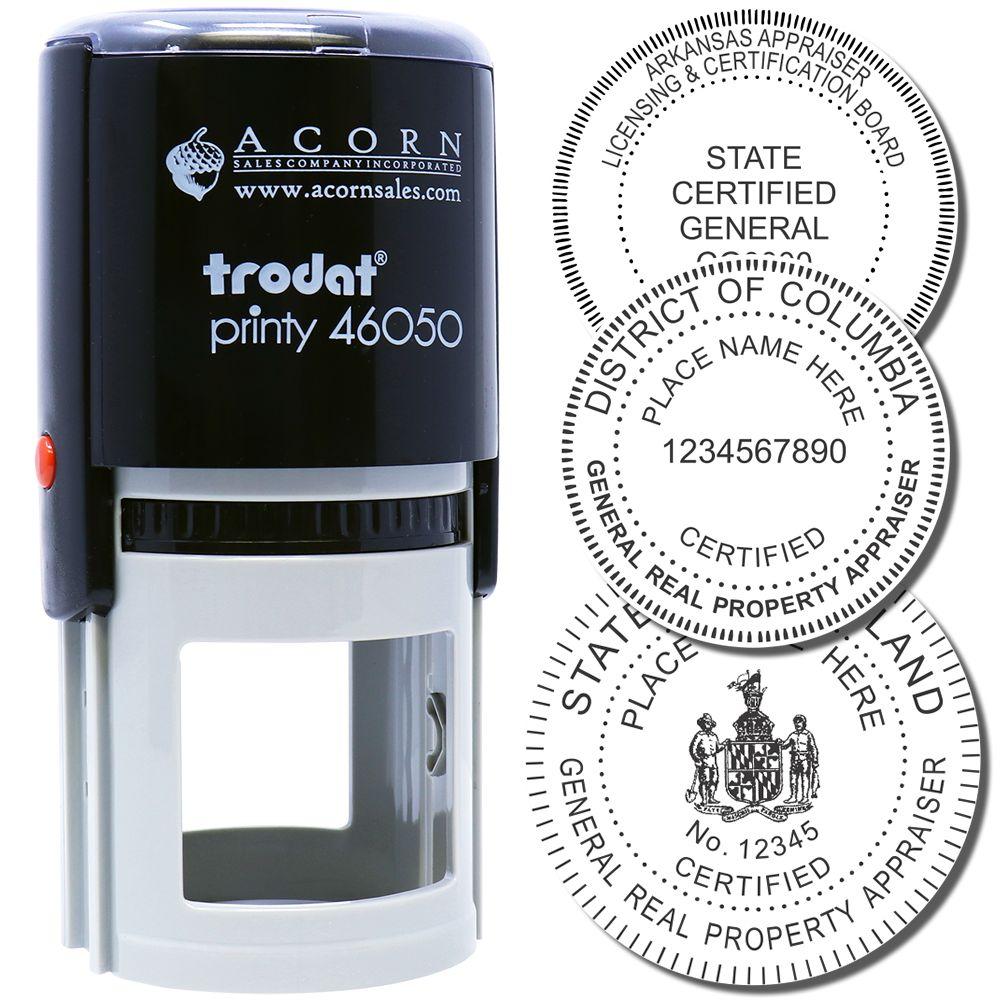
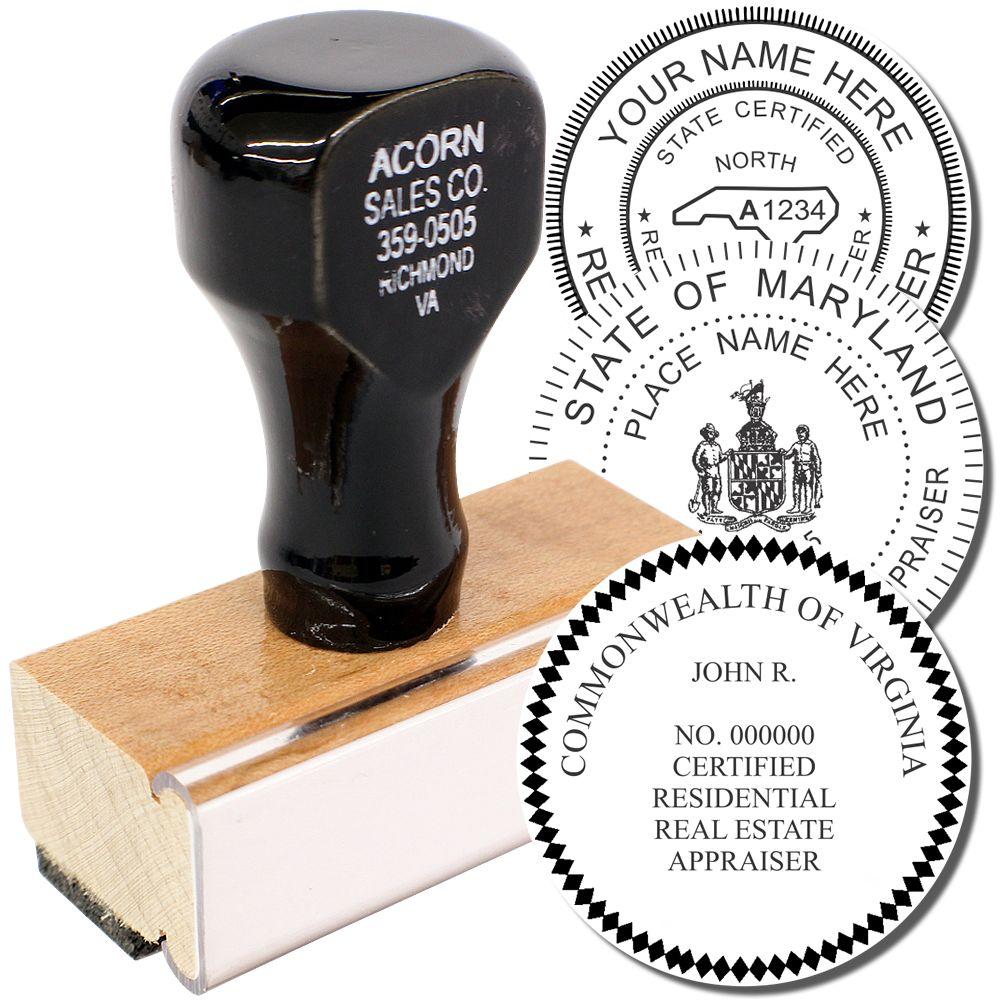
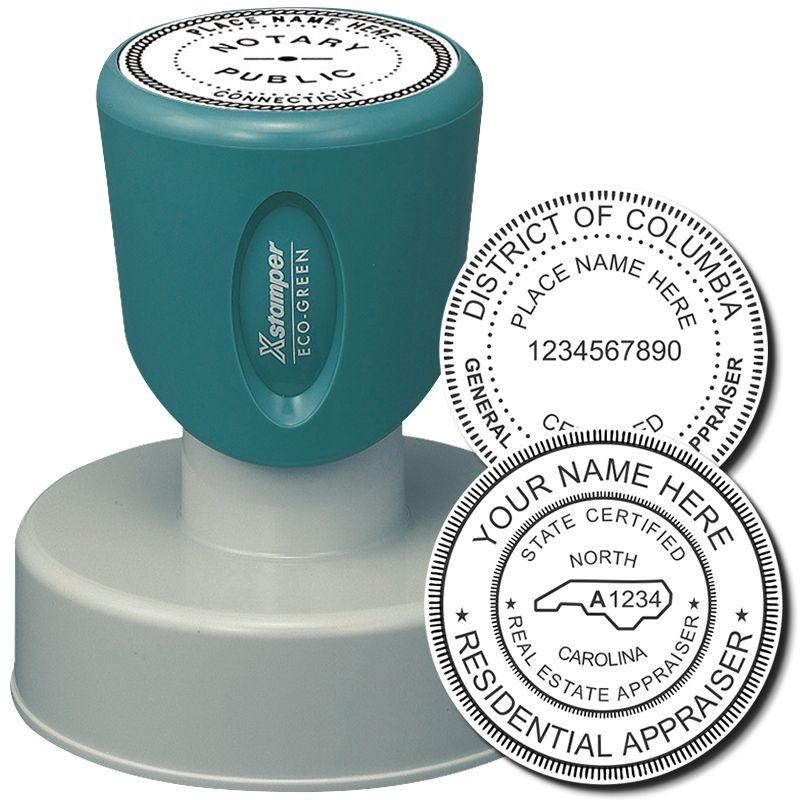
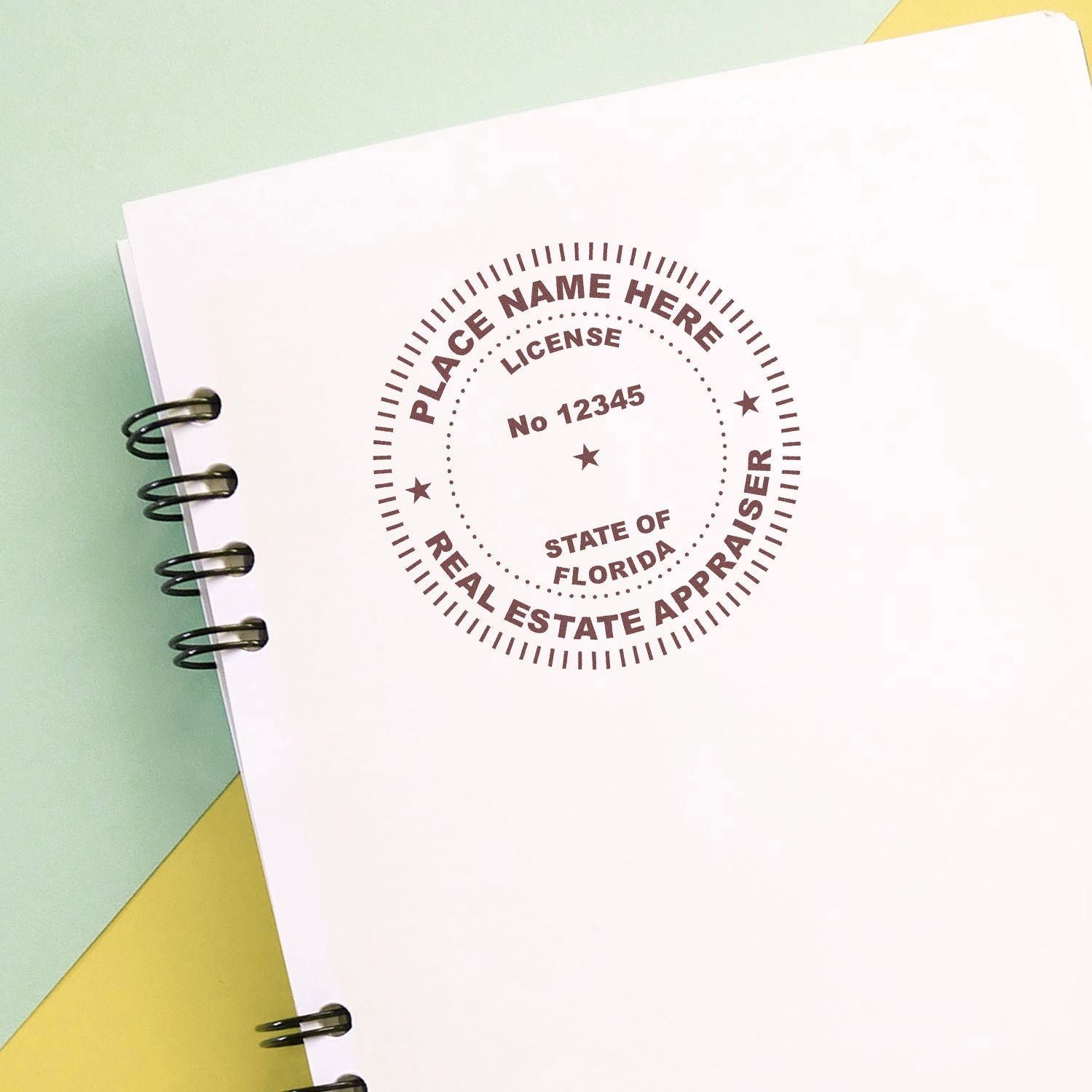
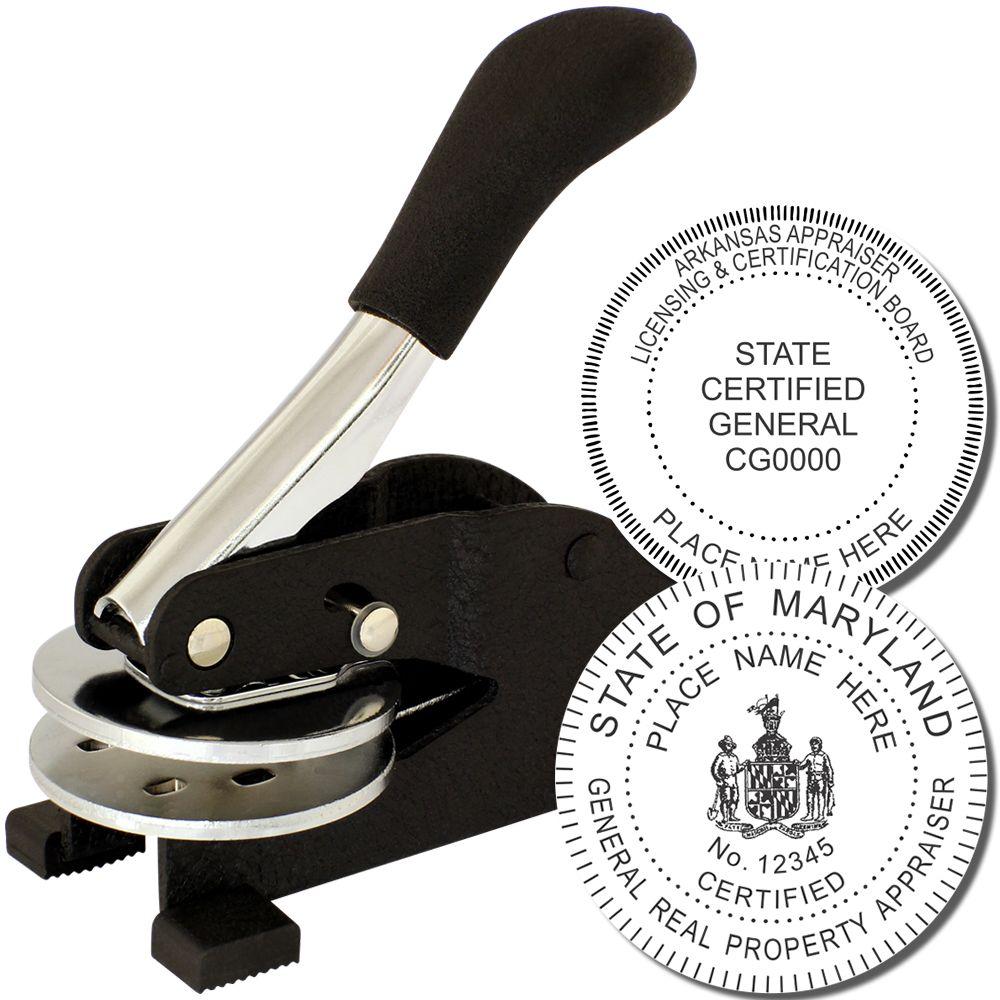
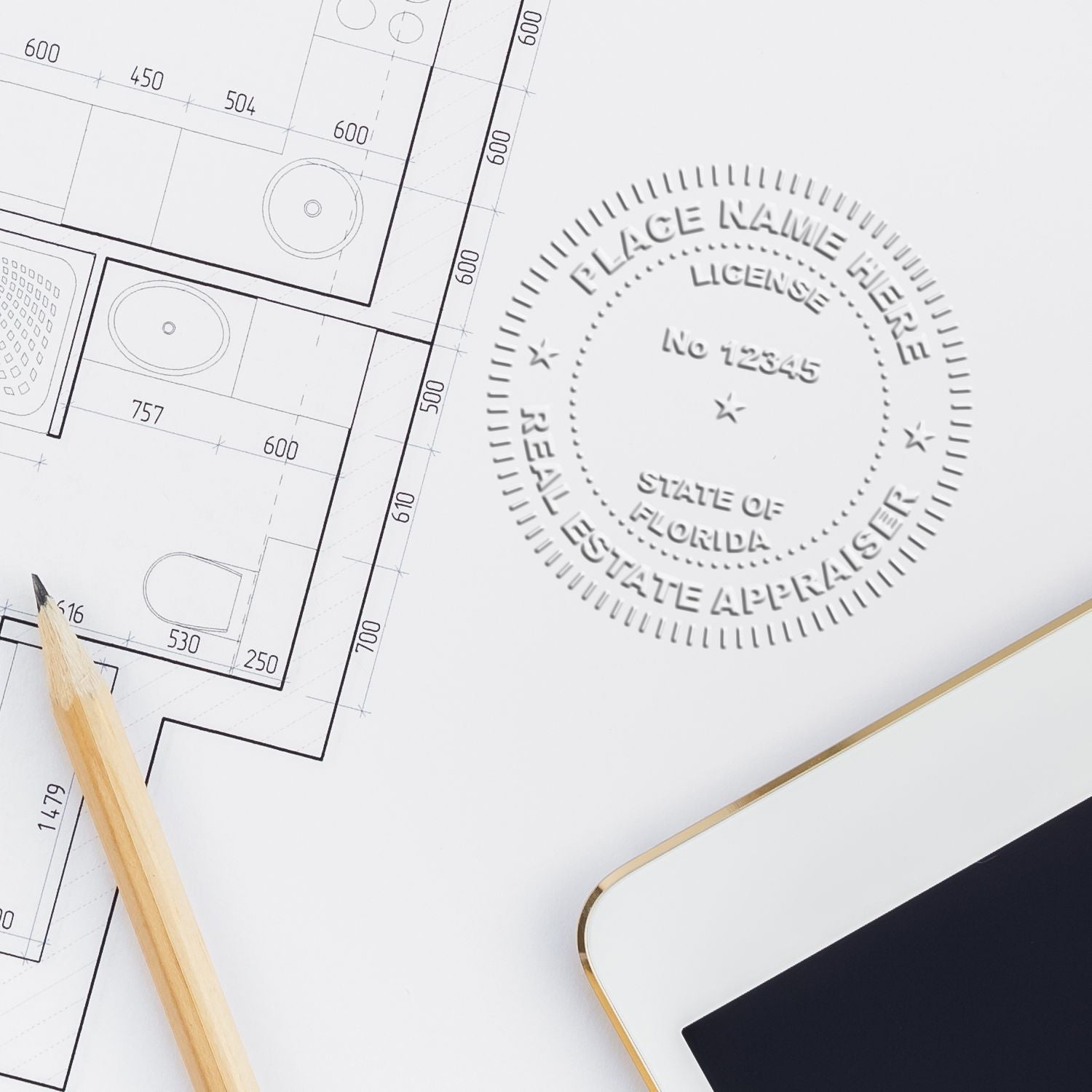
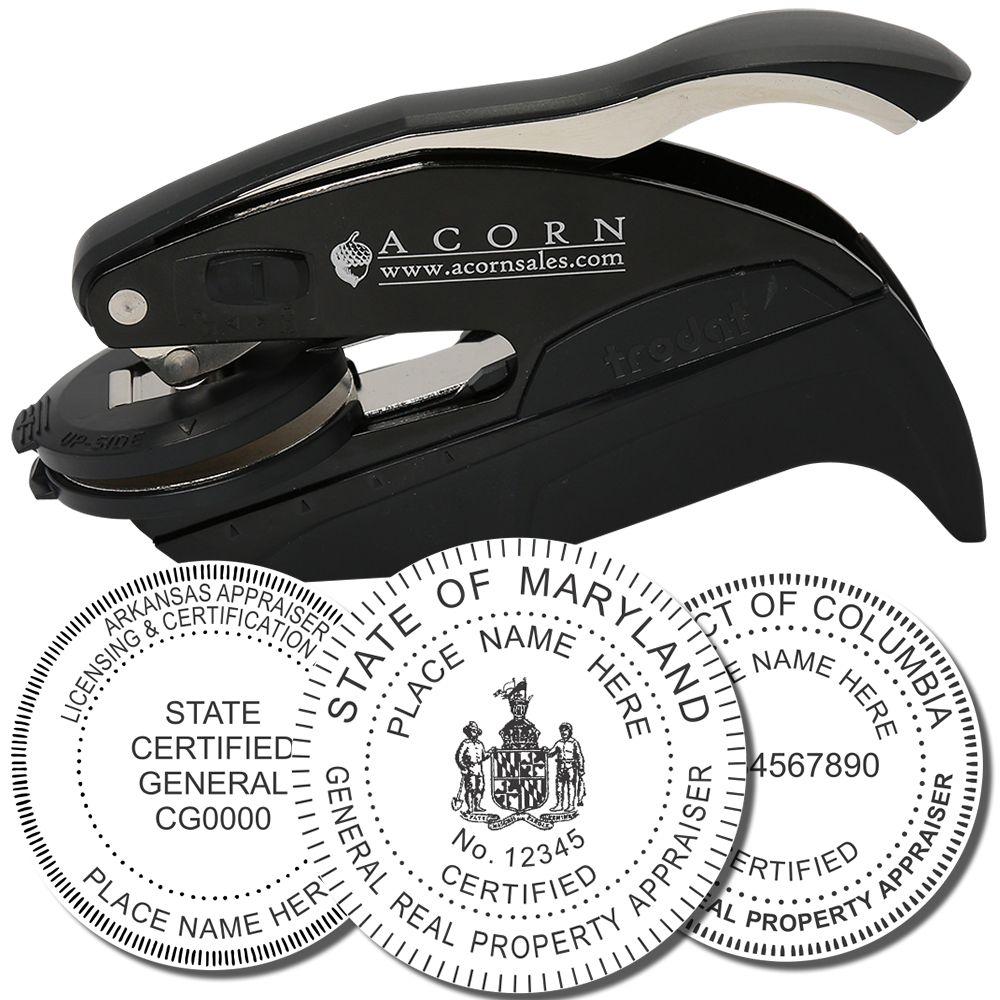
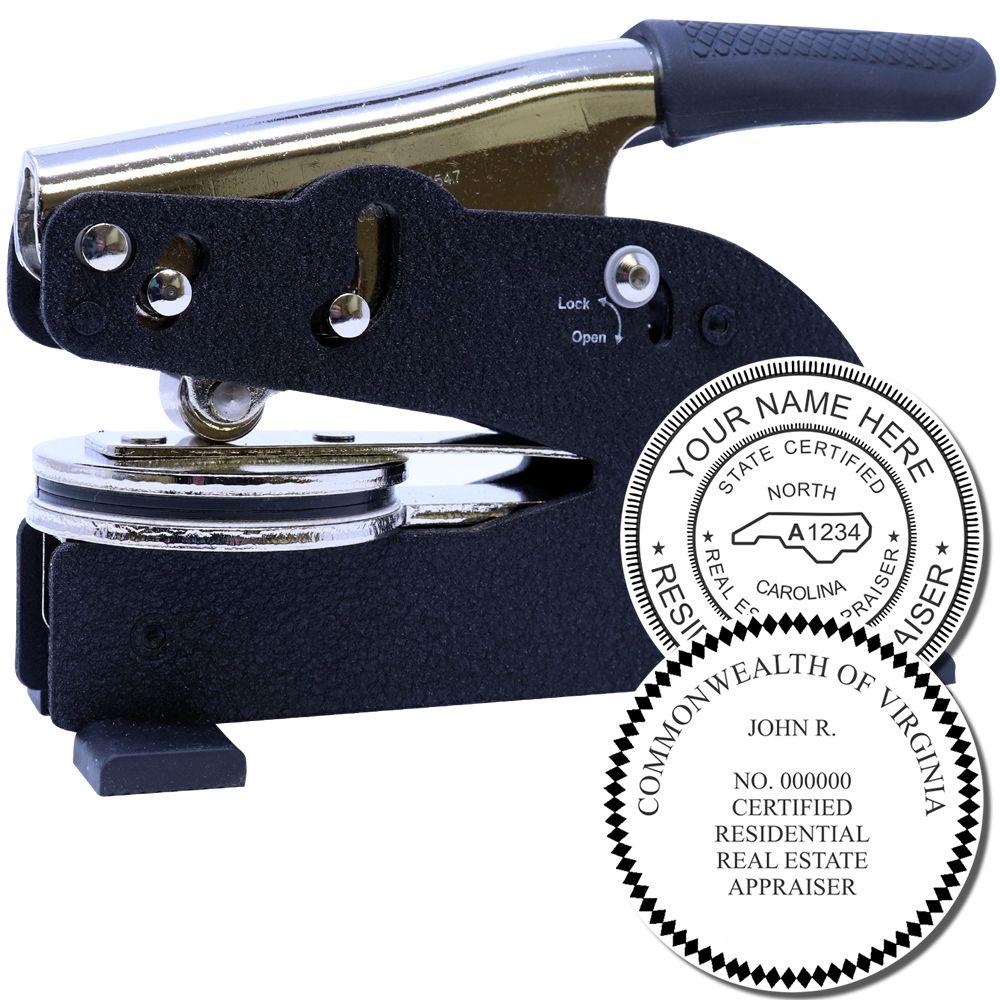
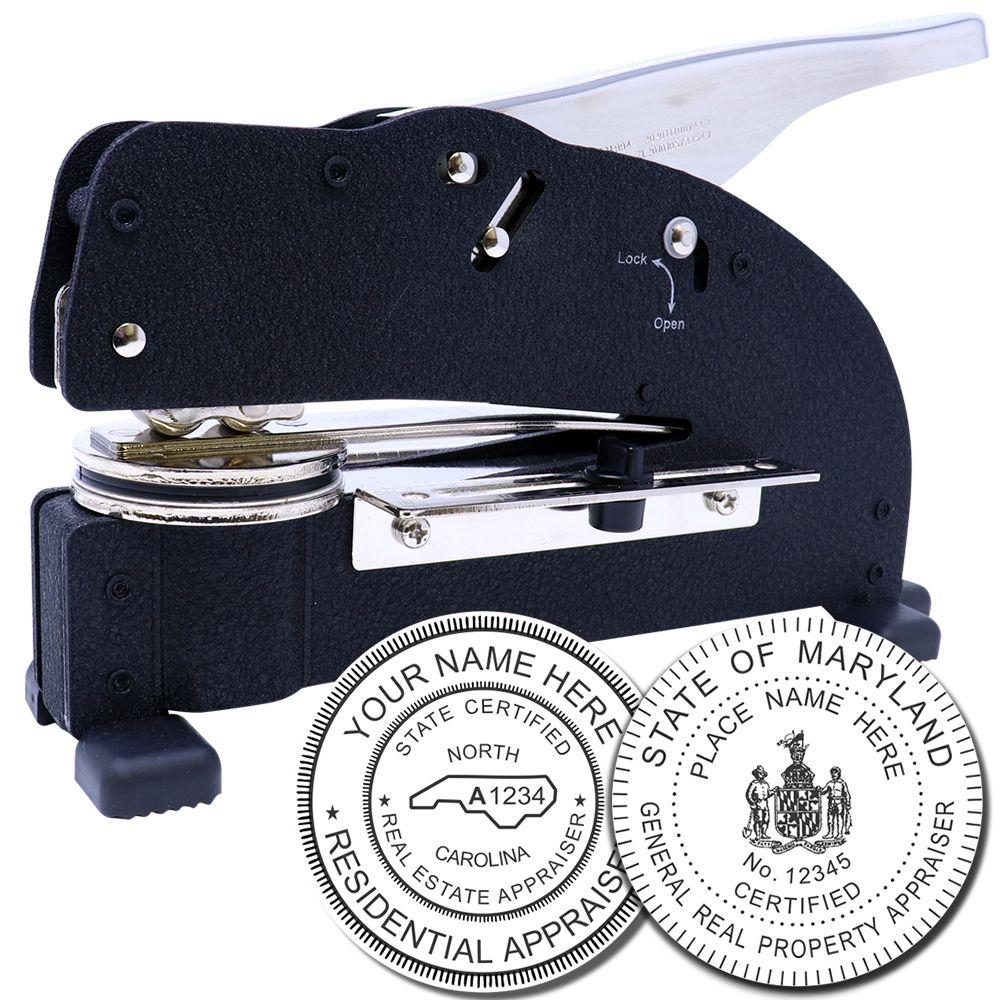
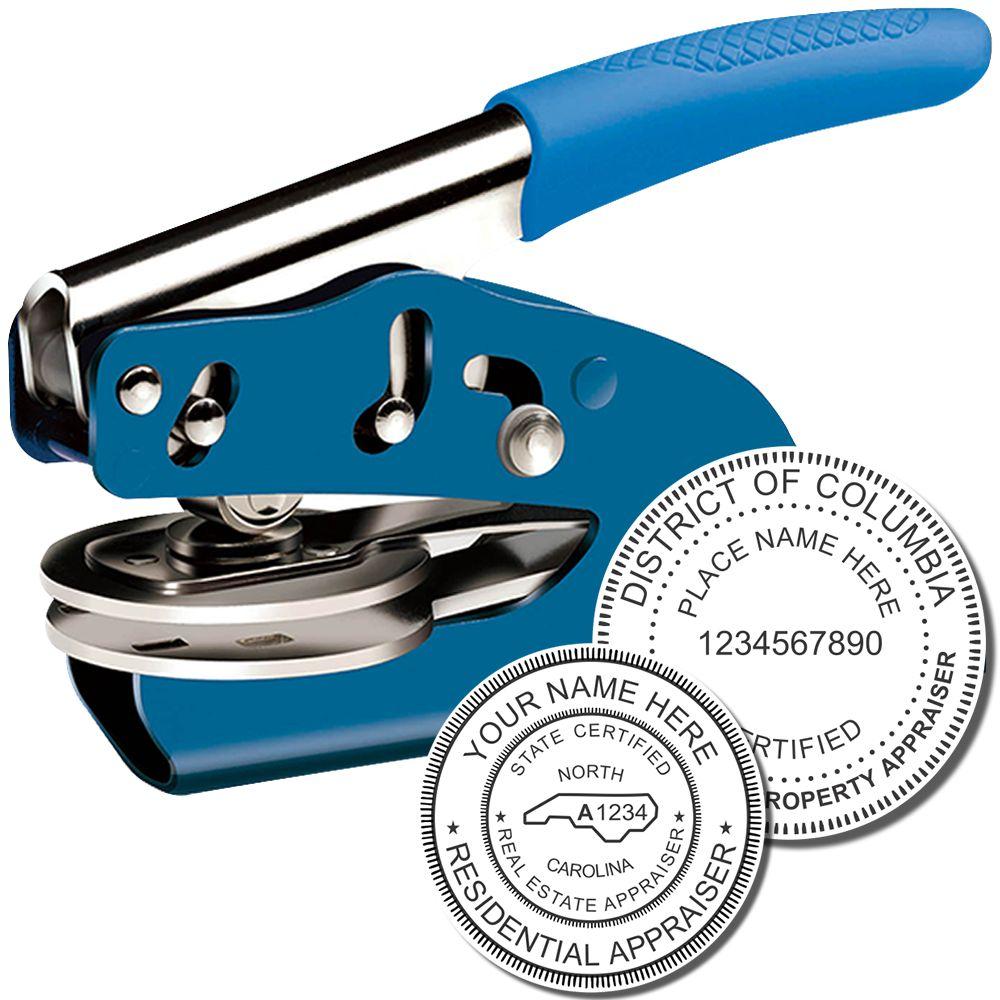
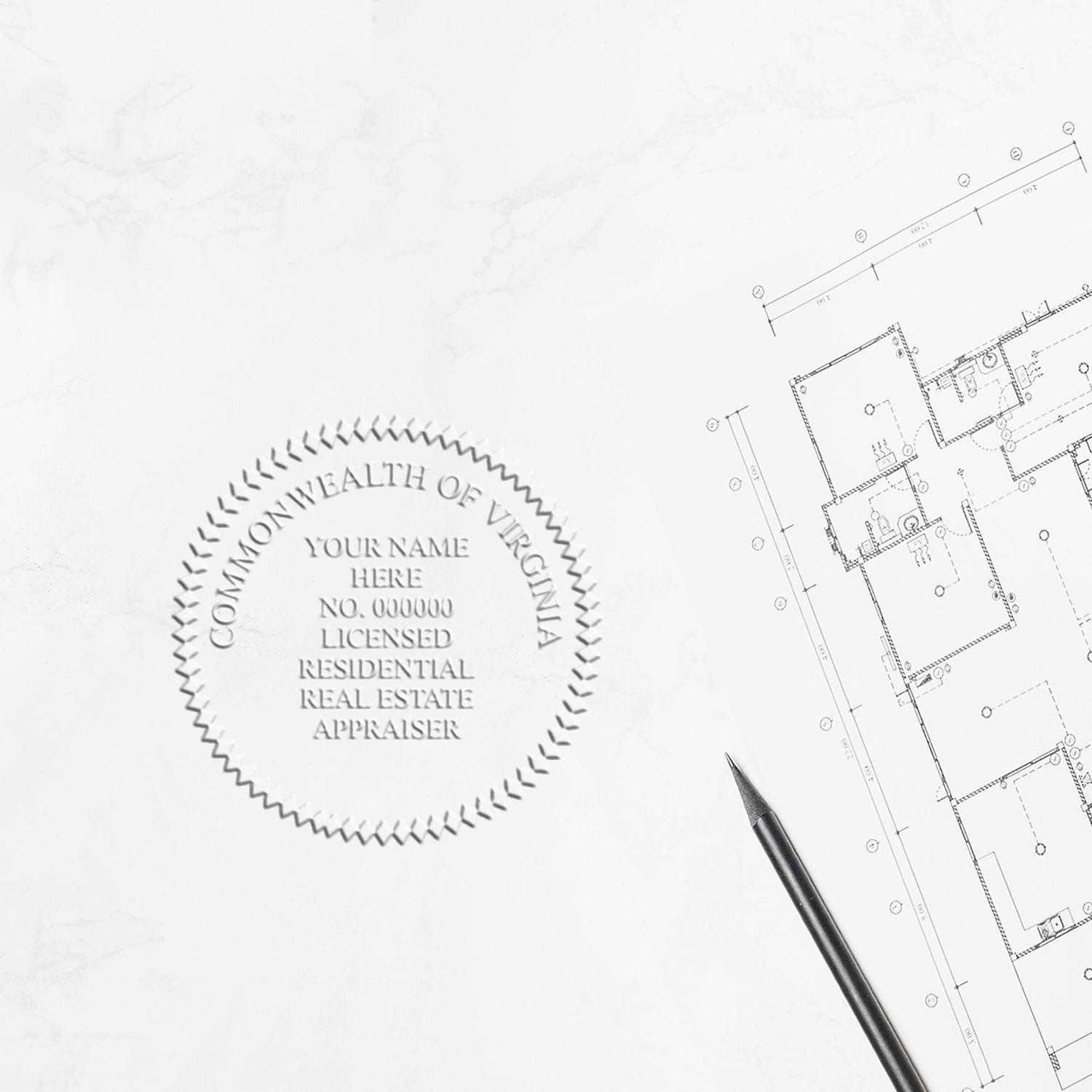
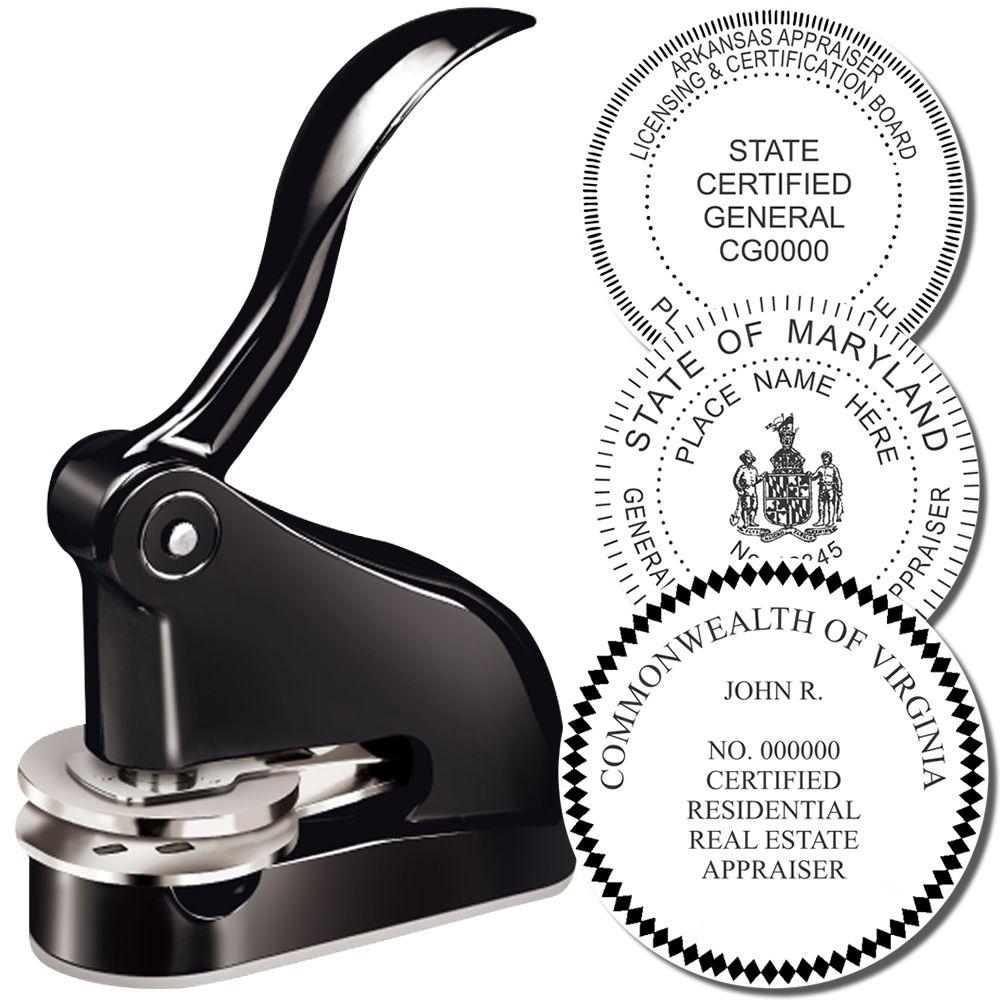
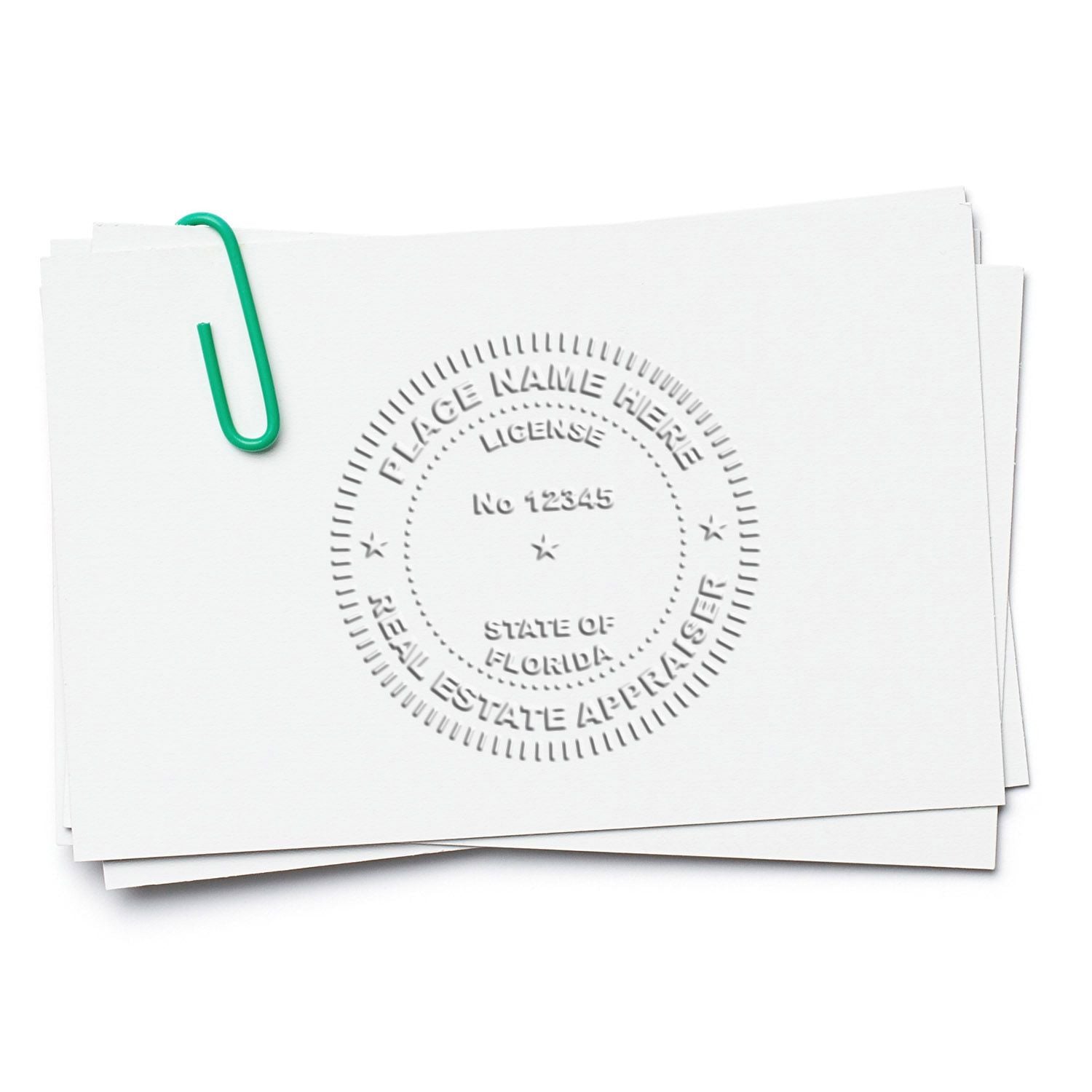
Because no instrument is named, pick by how your reports travel. An embosser presses a raised impression into paper and carries real weight on a signed original; the Real Estate Appraiser Desk Seal Embosser is $44.95 and the Hybrid Seal Embosser is $42.95. The catch is that a raised impression scans poorly, and Arizona’s whole rule is about a number being present and readable. Ink is the safer instrument for work that gets copied: the Self Inking Rubber Stamp of Seal at $39.95 gives thousands of clean impressions between inkings. For reports delivered as PDFs, the eSeal Electronic Image Stamp of Seal at $20.00 is the same artwork as a placeable graphic.




Sizing and layout
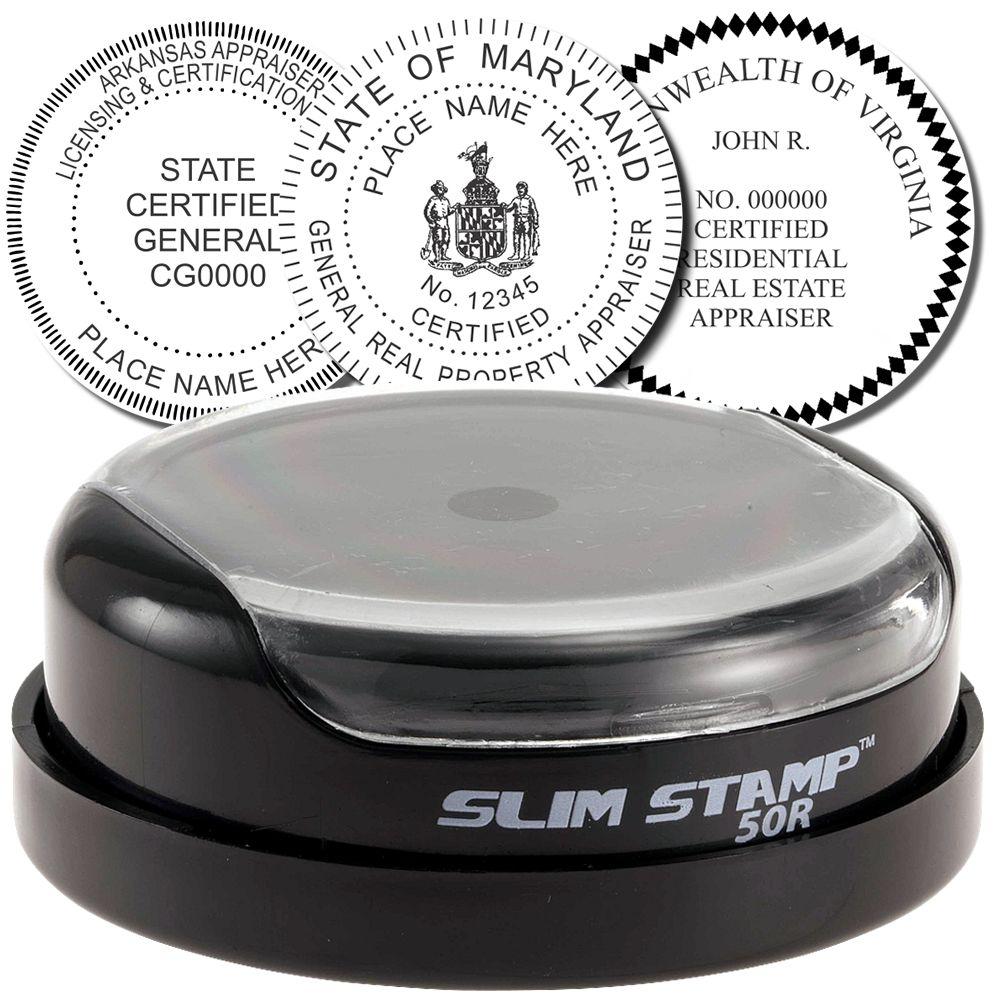
No dimension is set, so the words decide the size. State-certified appraiser plus a number is a short block by professional-stamp standards, which means an Arizona die can stay small and still read well. Two lines suits it: the statutory title on one, the number on the next, in matching type, with your name above if you want it. Keep the number at least the size of the title so it survives a photocopy, since the number is the element the statute is actually about. A round embosser forces curved text and tends to squeeze a hyphenated title such as state-certified appraiser; a rectangular ink stamp sets it straight and is the easier fit. The Slim Pre Inked Rubber Stamp of Seal at $46.95 is a good match for a compact two-line block.
Ordering
Tell us which statutory title applies to you, state-licensed appraiser or state-certified appraiser, and send your number exactly as it reads on the credential. Say whether you want the number beside the title or under it, add your name if you want it on the die, and tell us if the same block should be cut to an ink stamp, an embosser and an eSeal image so all three agree. Proof the number against your own credential rather than against the proof sheet, because it is the element nobody rereads. Browse the real estate appraiser stamps and seals collection, or contact us with your wording and we will set a proof.
Care, and when to reorder
An embosser needs little more than dust kept off the plates and one sheet at a time between them. The events that retire an Arizona die are a move between the two statutory titles, which changes the words, and a new license or certificate number, which changes the digits. Renewal on its own changes neither, because Arizona puts no date on the report. This page is a research summary and not legal advice.
- Arizona Architect Seal Requirements: Size and Filing
- Arizona Geologist Seal: 1-1/2 Inch Ink Seal Rules
- Arizona Interior Designer Seal: Five Legends Only
- Arizona Surveyor Seal: 1-1/2 Inch Plus L.S. Markers
- Arizona Weighmaster Seals: How to Get Yours
- Real Estate Appraiser Stamps and Seals
- Real estate appraiser stamps and seals
Frequently asked questions
Does Arizona require a real estate appraiser to have a seal?
No. The words seal and stamp do not appear in A.R.S. Title 32, Chapter 36 or anywhere in A.A.C. Title 4, Chapter 46. What Arizona asks for is your license or certificate number adjacent to or immediately below the title “state-licensed appraiser” or “state-certified appraiser”, under A.R.S. Sec. 32-3622(B).
What exactly do I put above the number?
One of the two titles the statute puts in quotation marks: state-licensed appraiser, or state-certified appraiser, whichever matches the credential you hold. The statute names no third title and permits no abbreviation, so the safe die carries the words as the statute writes them.
Can the number go in the footer instead?
The statute describes only two placements, adjacent to the title or immediately below it, so a number detached from the title in a footer is not one of the arrangements Sec. 32-3622(B) contemplates. Keeping the pair together in a single stamped block avoids the question entirely.
Is there an Arizona appraiser seal I can buy from the Board?
No. The Board issues no device and its rules describe none. Chapter 46 was read in full from the Secretary of State’s official copy and contains no seal provision and no report-content rule at all, so any product described as an official or board approved Arizona appraiser seal is describing something Arizona law does not create.
Can I sign an appraisal report for my firm?
Yes. A.R.S. Sec. 32-3623(B) expressly allows an appraiser to sign a report on behalf of a firm, while the firm itself is not licensed as an appraiser. Your stamp should still identify you, with the statutory title and your number.
Does Arizona have rules for electronic seals or digital signatures?
No. Neither the statute nor the administrative rules address an electronic seal or a digital signature on a transmitted report. An image of your title and number block placed in a PDF is governed by your own practice and the standards of practice at Sec. 32-3635.
Will my stamp need replacing at renewal?
Not from renewal alone, since the statute asks for a title and a number and never a date. New artwork is needed if you move between the state-licensed and state-certified titles, or if your license or certificate number changes.








