
Written by Acorn Sales Company, manufacturing stamps and seals since 1964 · Reviewed by Holly R, VP of Sales and Marketing at Acorn Sales, against Bureau of Real Estate Appraisers, California Department of Consumer Affairs on 22 September 2026 · Updated 25 September 2026
California asks for a signature and a license number, and then asks for the number again beside every other signature in the document. That repetition is what sets the state apart. Cal. Code Regs. tit. 10, Sec. 3705(a) provides that every appraisal report subject to USPAP shall, upon final completion, bear the signature and license number of the appraiser and of the supervising appraiser, if appropriate. Subsection (c) then adds that the license number of the appraiser, and of the review appraiser if the report is a review, shall appear with each signature throughout the appraisal or review document. No seal is mentioned, in that section or anywhere else in the Bureau’s rules of professional conduct.
A rule about something appearing next to every signature is a rule about repetition, and repetition is what a stamp is for. On a report with a transmittal letter, a certification page and an addendum, an appraiser types or writes the same number three or four times, and a single die ends that. Nothing about the instrument is regulated in California, so the stamp carries no state authority. It carries your number, in the place the rule puts it, every time.
California real estate appraiser seal requirements at a glance
| Requirement | California rule | Source |
|---|---|---|
| Seal required | No. Sec. 3705 carries no seal, and neither does any other section of Article 11, the only article of tit. 10, ch. 6.5 that governs professional conduct on reports. | Cal. Code Regs. tit. 10, Sec. 3705 |
| Required elements | Signature and license number of the appraiser, and of the supervising appraiser if appropriate, on every appraisal report subject to USPAP upon final completion, with the license number appearing with each signature throughout the document. | Cal. Code Regs. tit. 10, Sec. 3705(a), (c) |
| Size and shape | Nothing prescribed. No seal means no diameter, no dimension and no shape rule. | Cal. Code Regs. tit. 10, Sec. 3705 |
| Device allowed | Not addressed, which leaves every method open. No California provision names an instrument. Bus. & Prof. Code Sec. 11345.6(b) acknowledges that an appraiser may voluntarily provide a digital signature or seal, which presupposes the device is optional. | Cal. Bus. & Prof. Code Sec. 11345.6(b) |
| Signature and date | Signature is the operative act, on every appraisal report and every appraisal review report upon final completion. No date provision appears in Sec. 3705. Only a licensee may sign an appraisal in a federally related transaction, and USPAP is the minimum standard of conduct. | Cal. Code Regs. tit. 10, Sec. 3705(a), (b); Cal. Bus. & Prof. Code Secs. 11321(b), 11319 |
| What must be sealed | Nothing. Sec. 3705 reaches every appraisal report subject to USPAP and every appraisal review report, and asks each to bear a signature and a license number rather than a seal. | Cal. Code Regs. tit. 10, Sec. 3705(a), (b) |
| Electronic seal | No rule requires or describes one. The only seal provision in the Practice Act runs the other way: no appraisal management company may require an appraiser to provide it with the appraiser’s digital signature or seal, though an appraiser may provide one voluntarily to the extent USPAP permits. | Cal. Bus. & Prof. Code Sec. 11345.6(b) |
| Renewal and lapse | Not addressed as to any device. Sec. 3705 names a signature and a license number and never a date, so a die built to it carries nothing that expires. A new license number does mean new artwork. | Cal. Code Regs. tit. 10, Sec. 3705 |
| Firm requirements | No firm device and no firm inscription. Bus. & Prof. Code Sec. 11321(b) provides that no person other than a licensee may sign an appraisal in a federally related transaction. Appraisal management companies are regulated separately. | Cal. Bus. & Prof. Code Secs. 11321(b), 11345.6 |
| Regulator | Bureau of Real Estate Appraisers (BREA), California Department of Consumer Affairs | Cal. Bus. & Prof. Code Sec. 11300 et seq., Real Estate Appraisers’ Licensing and Certification Law; Cal. Code Regs. tit. 10, ch. 6.5 (Sec. 3500 et seq.) |


What California actually asks for
Cal. Code Regs. tit. 10, Sec. 3705 is titled Responsibility for Appraisal Reports, Signatures, and it has three subsections that between them govern the whole question. Subsection (a): every appraisal report subject to the Uniform Standards of Professional Appraisal Practice shall, upon final completion, bear the signature and license number of the appraiser and of the supervising appraiser, if appropriate. Subsection (b): every appraisal review report upon final completion shall bear the signature and license number of the reviewer. Subsection (c): the license number of the appraiser, and of the review appraiser if the report is a review, shall appear with each signature throughout the appraisal or review document. The section was filed and became operative on 1 November 1996, and it was read to the end. There is no fourth subsection in which a seal could be waiting.
With each signature, throughout the document
Subsection (c) is the sentence that matters for anyone buying a device. Most states that skip the seal ask for a number once, in one named position. California asks for it wherever a signature goes, across the whole document. On a residential report that can mean the letter of transmittal, the certification page and an addendum or two; on a review it means wherever the reviewer signs. Every one of those places wants the number alongside. Typed into a form template the number is easy to drop from one page and hard to notice missing. A stamp applied next to each signature makes the omission almost impossible, which is the practical reason California appraisers buy one even though the state has never asked them to.
Review reports get their own sentence
Appraisal review is treated separately rather than being folded into the general rule, and the terminology was tightened recently. BREA’s 2026 rulemaking package, Align Appraisal Review Requirements with USPAP, amended subsection (b) so that it speaks of an appraisal review report rather than a review appraisal report. The substance did not change: a review carries the signature and license number of the reviewer, and under subsection (c) the review appraiser’s number goes with each signature throughout. Subsections (a) and (c) were not touched by that package. If you do review work, a block reading as your own name, credential and number serves both roles, since the rule identifies the reviewer by the same two elements it uses for the appraiser.
The only seal in California appraiser law is a shield
The word seal does appear once in this corner of California law, and it works in your favor rather than against you. Bus. & Prof. Code Sec. 11345.6(b) provides that no appraisal management company may require an appraiser to provide it with the appraiser’s digital signature or seal, and adds that nothing in that subdivision prohibits an appraiser from voluntarily providing a digital signature or seal to another person, to the extent permissible under USPAP. Read it carefully and two things follow. First, a California appraiser’s seal exists only if the appraiser chooses to have one; the statute assumes it is voluntary. Second, an AMC asking you to hand over your digital signature or seal file so it can apply it to documents is asking for something this section says it may not demand. That is worth knowing before you email anyone an image file.

Only a licensee may sign
Bus. & Prof. Code Sec. 11321(b) states that no person other than a licensee may sign an appraisal in a federally related transaction, and Sec. 11319 makes USPAP the minimum standard of conduct. Neither creates a device, but together they explain what the number beside the signature is doing: it links a signature to a specific licensee, and the licensee is the only person entitled to put it there. The corollary for a stamp is that it is a personal instrument. Do not leave it with an assistant to apply to finished reports, and do not build a die for an office to share.
What to engrave
The two elements Sec. 3705 names are a signature and a license number, and the signature is yours to write rather than to stamp. So the die is built around the number. A California block usually reads as the appraiser’s name as licensed, the credential as BREA words it on the license, and the license number. Adding the word California is common for appraisers licensed in more than one state and is harmless. Keep the number the most legible thing on the die, because the rule is about the number and because it has to read in the margin next to a signature, sometimes in a small space. Leave off an expiry or renewal date: nothing in Sec. 3705 asks for one, and a date printed on the die is a reason to reorder that California never gave you.
What to keep off it
Avoid the Bureau’s name, because BREA neither issues nor approves an appraiser device and naming it implies otherwise. Avoid Official Seal, State Seal and Board Approved for the same reason. Keep a credential from another state off a California die; that credential belongs on a device built to its own state’s specification, and mixing the two produces a block that misdescribes both. And keep the die to the facts: the name as licensed, the credential as licensed, and the number as issued.
Embosser, ink stamp or eSeal image
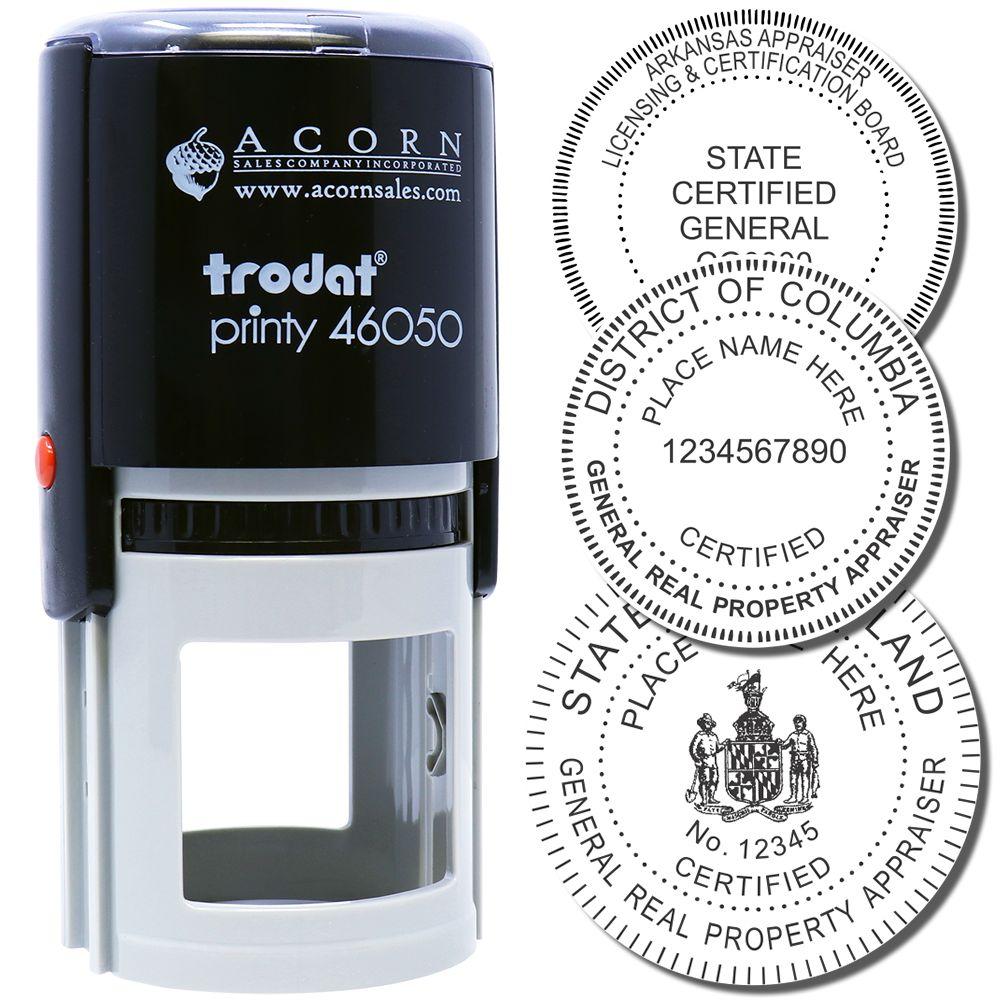
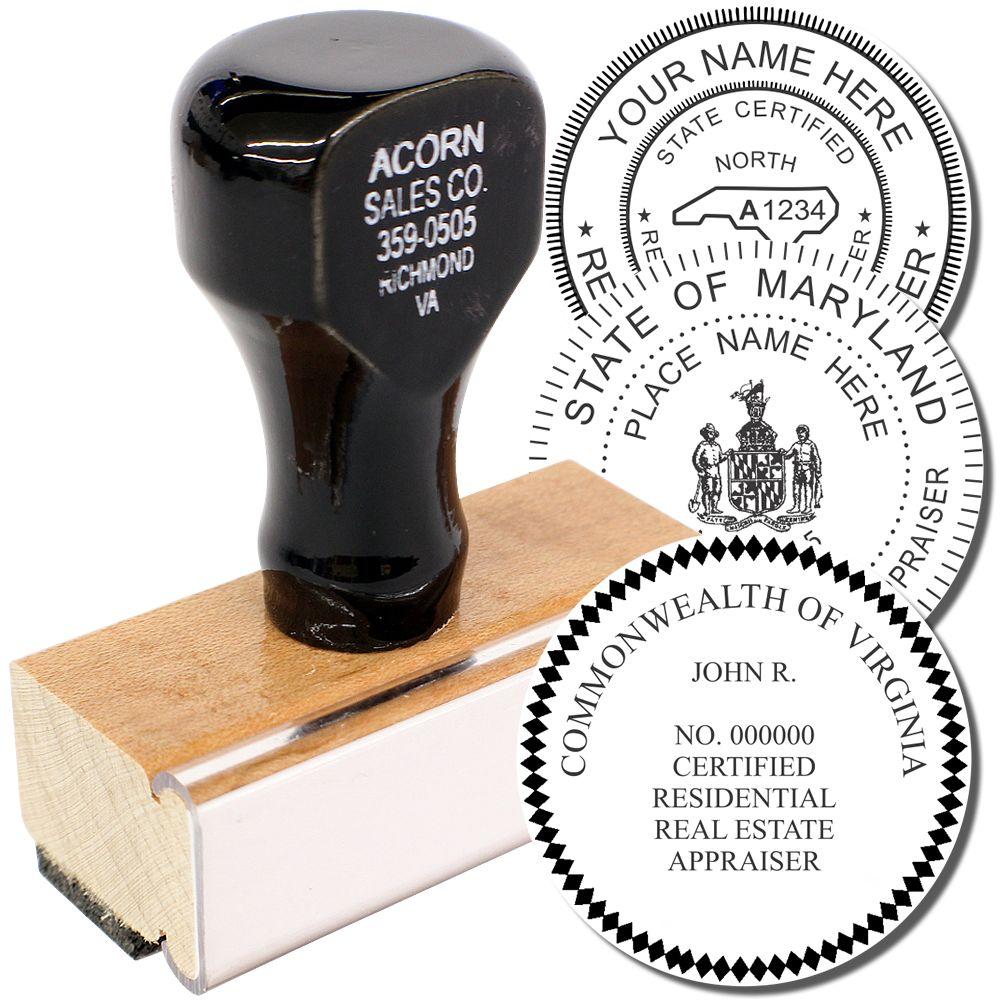
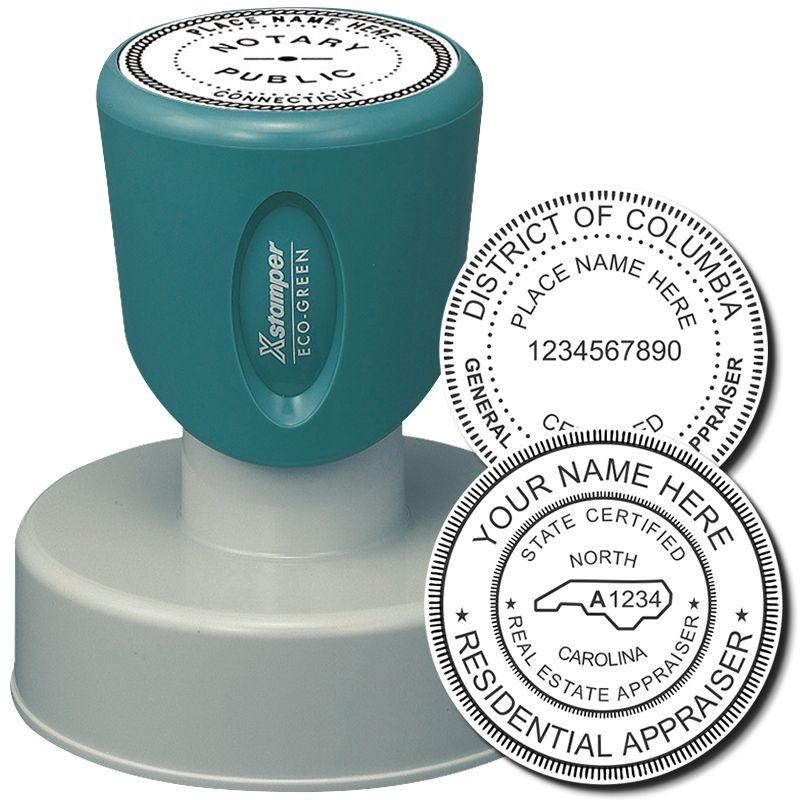
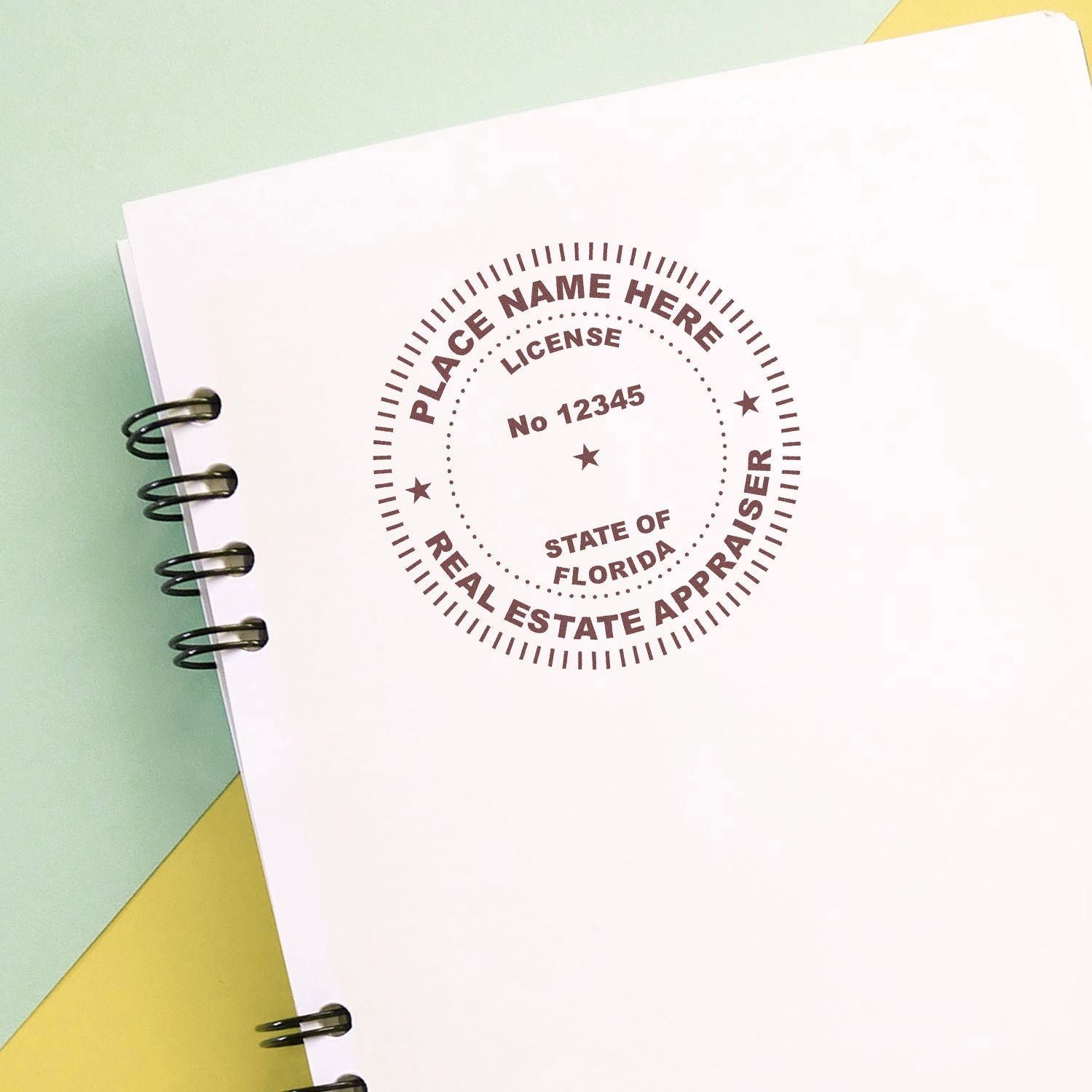
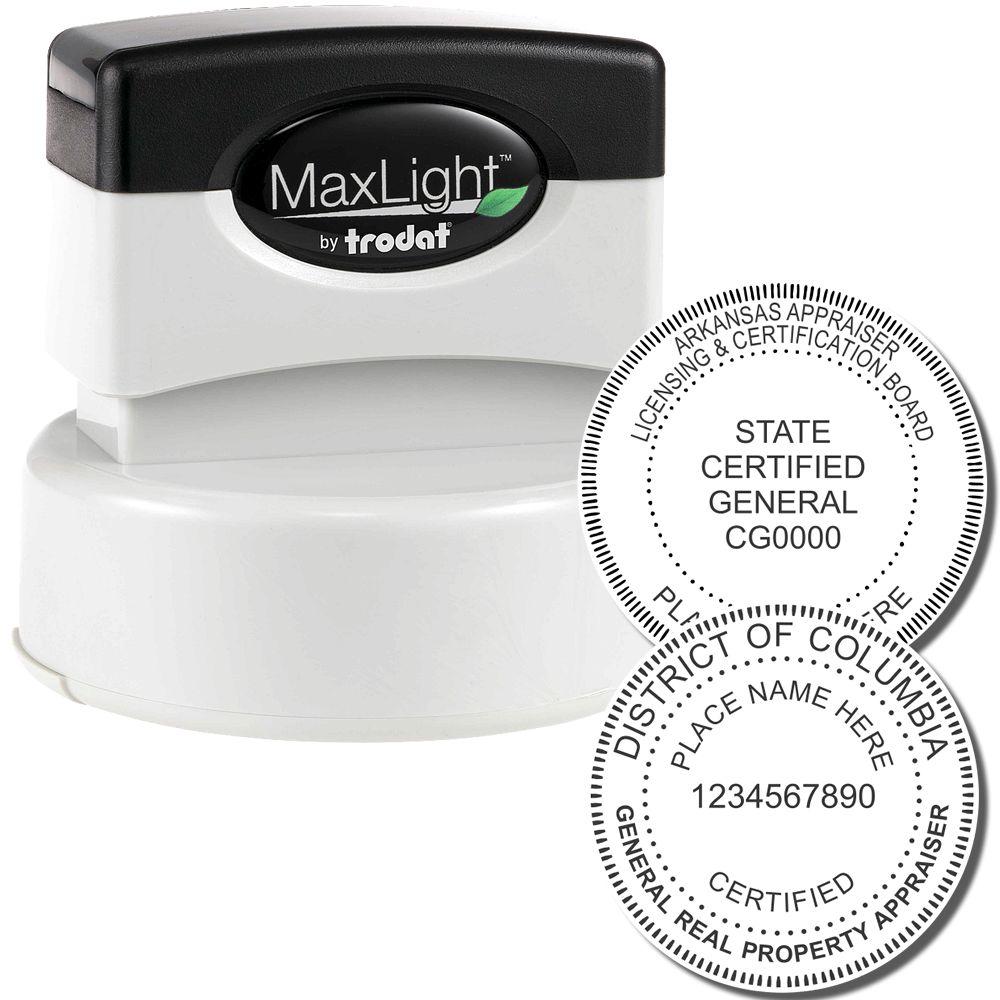
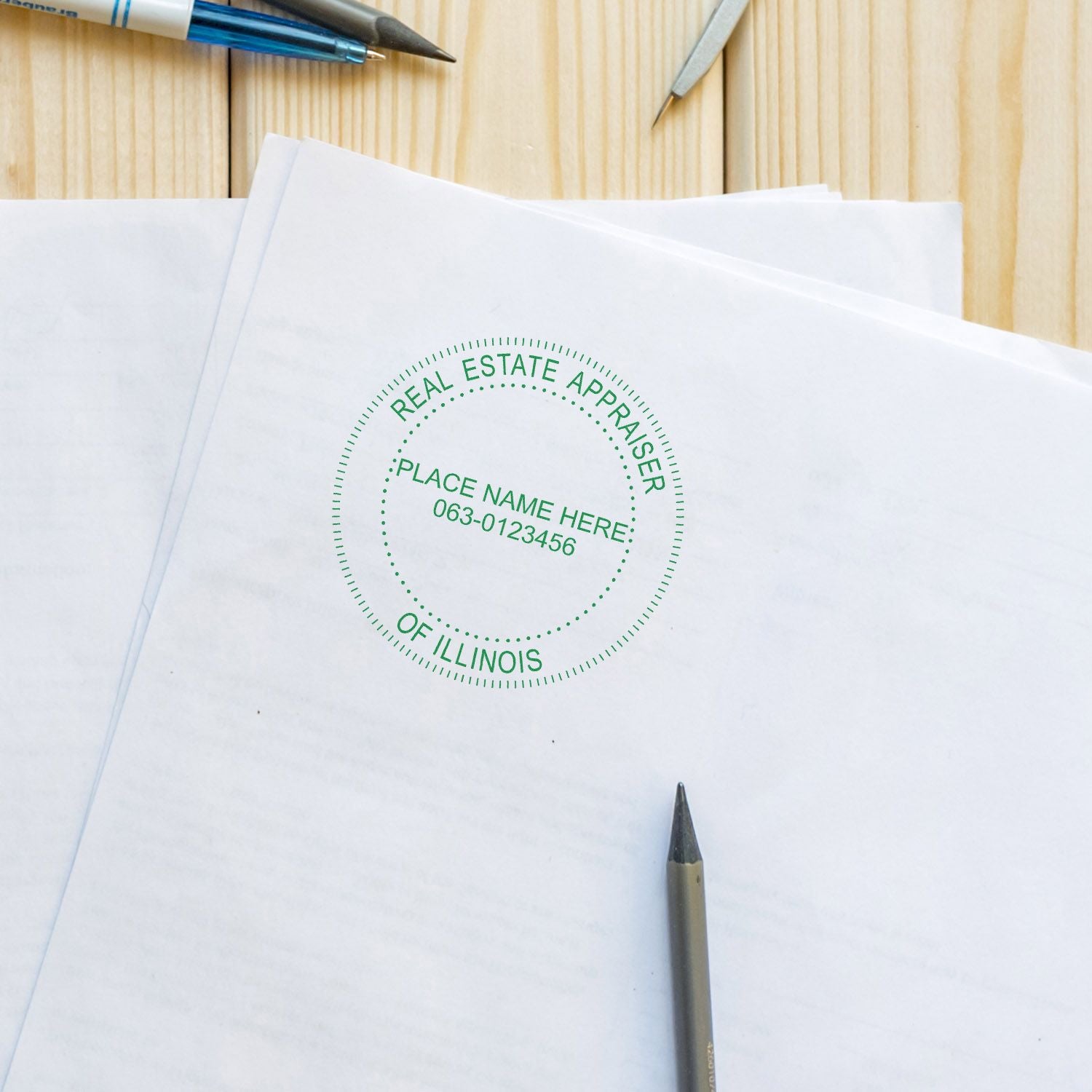
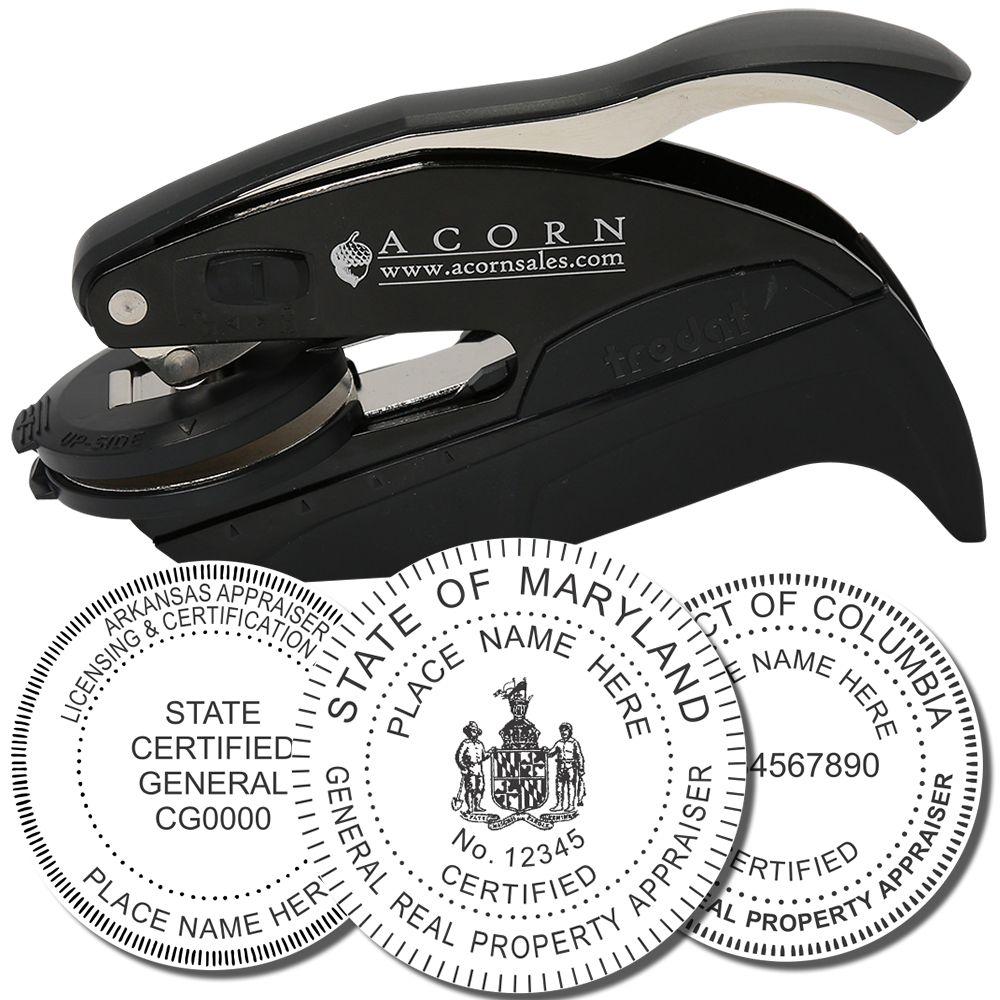
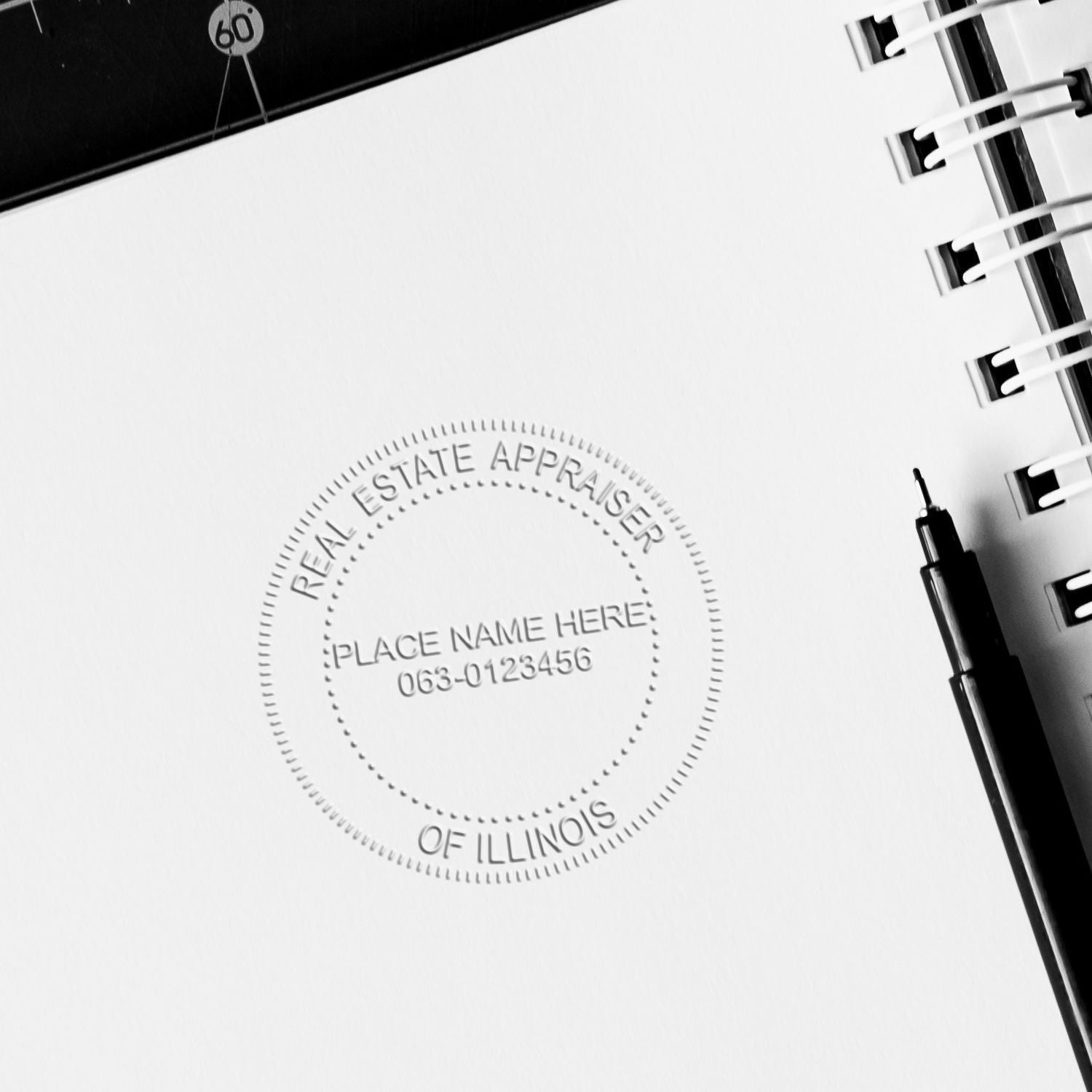
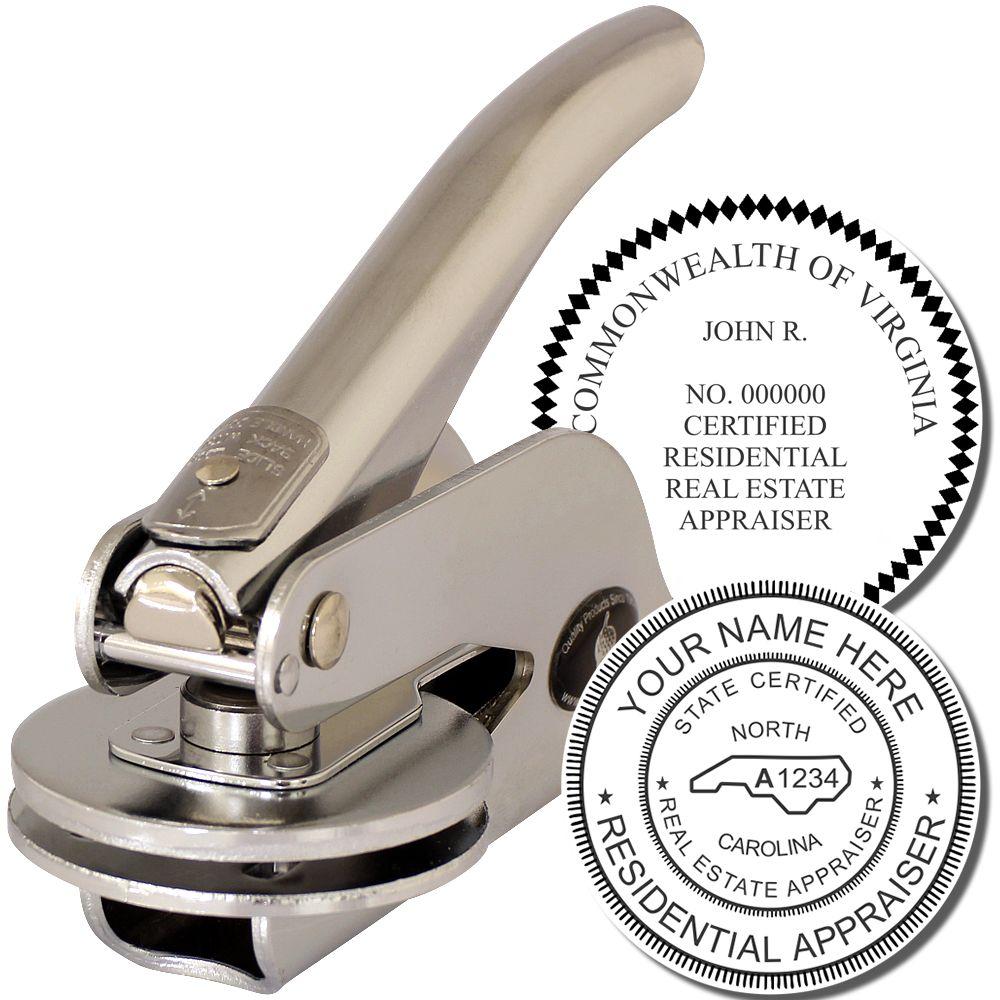
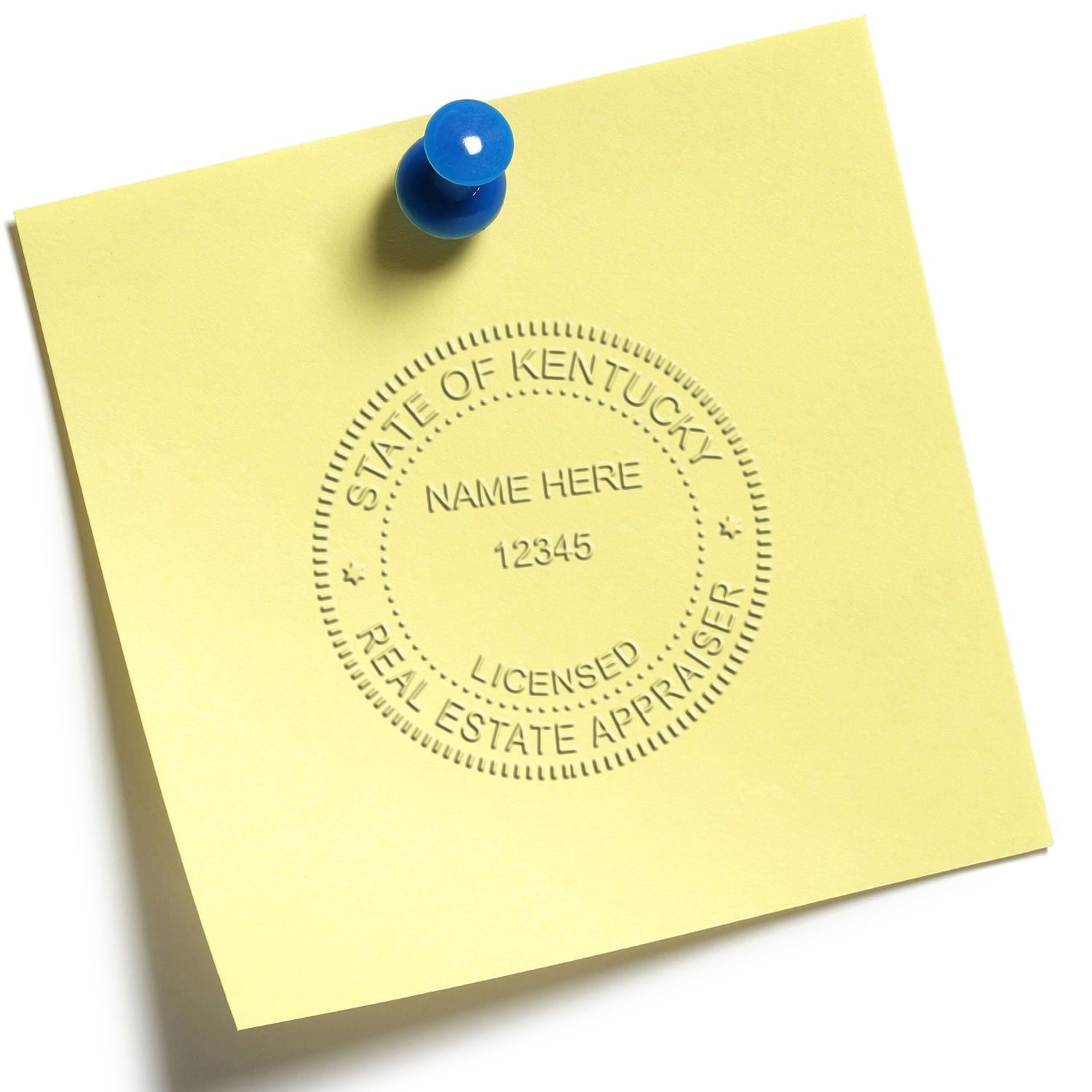
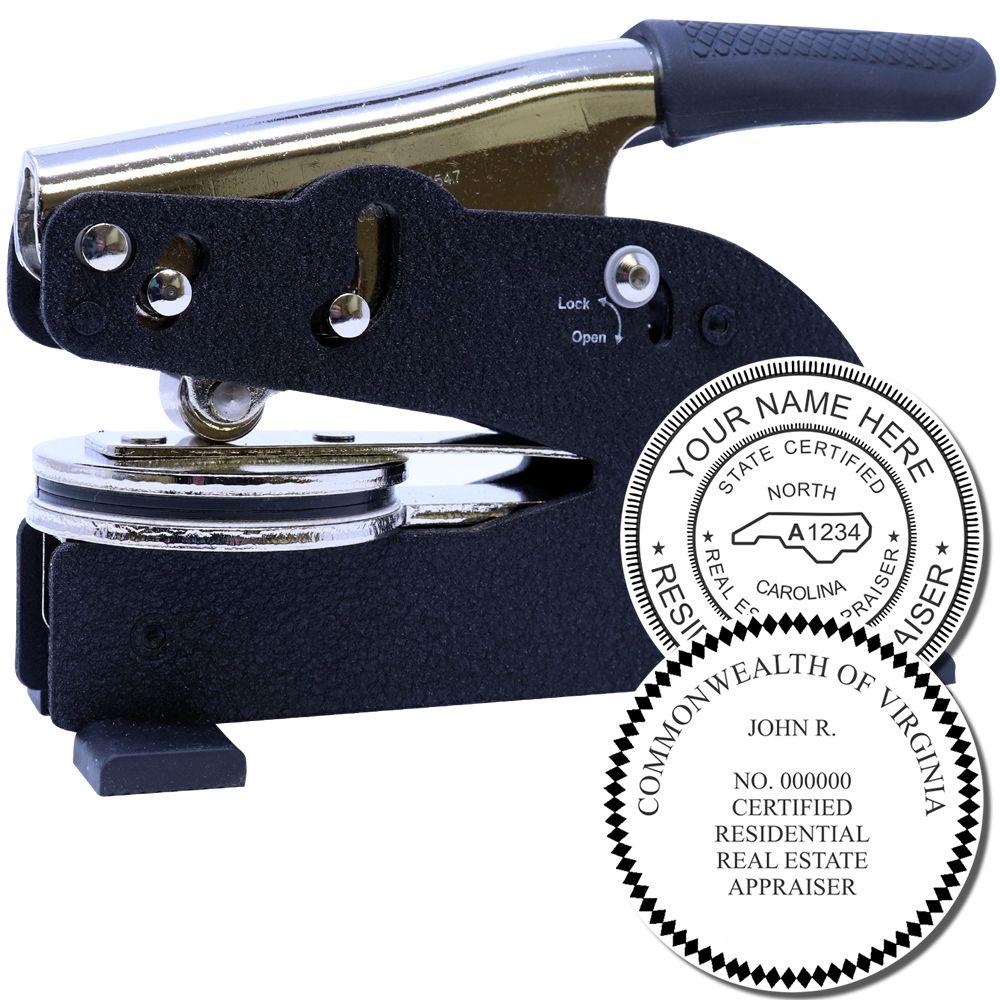
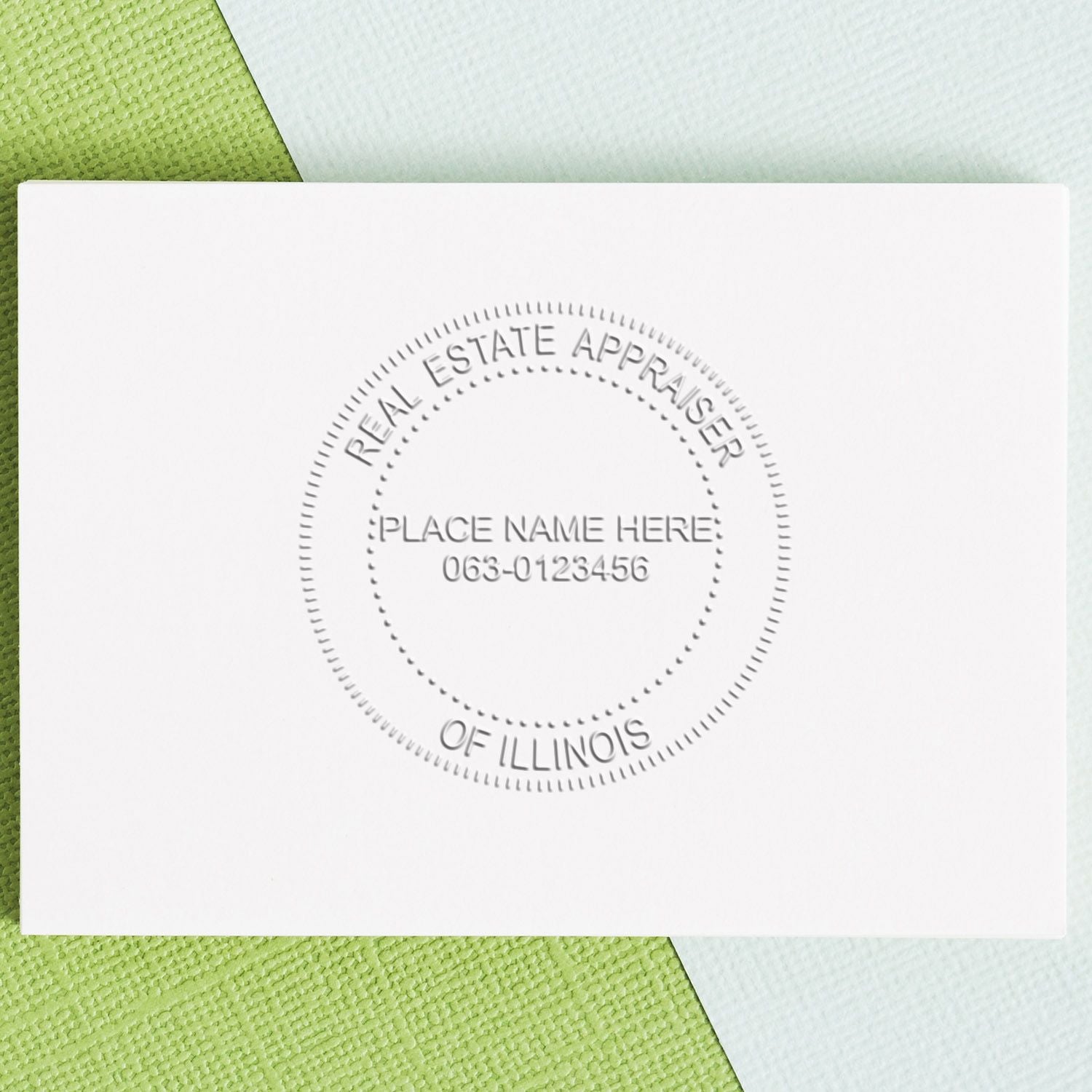
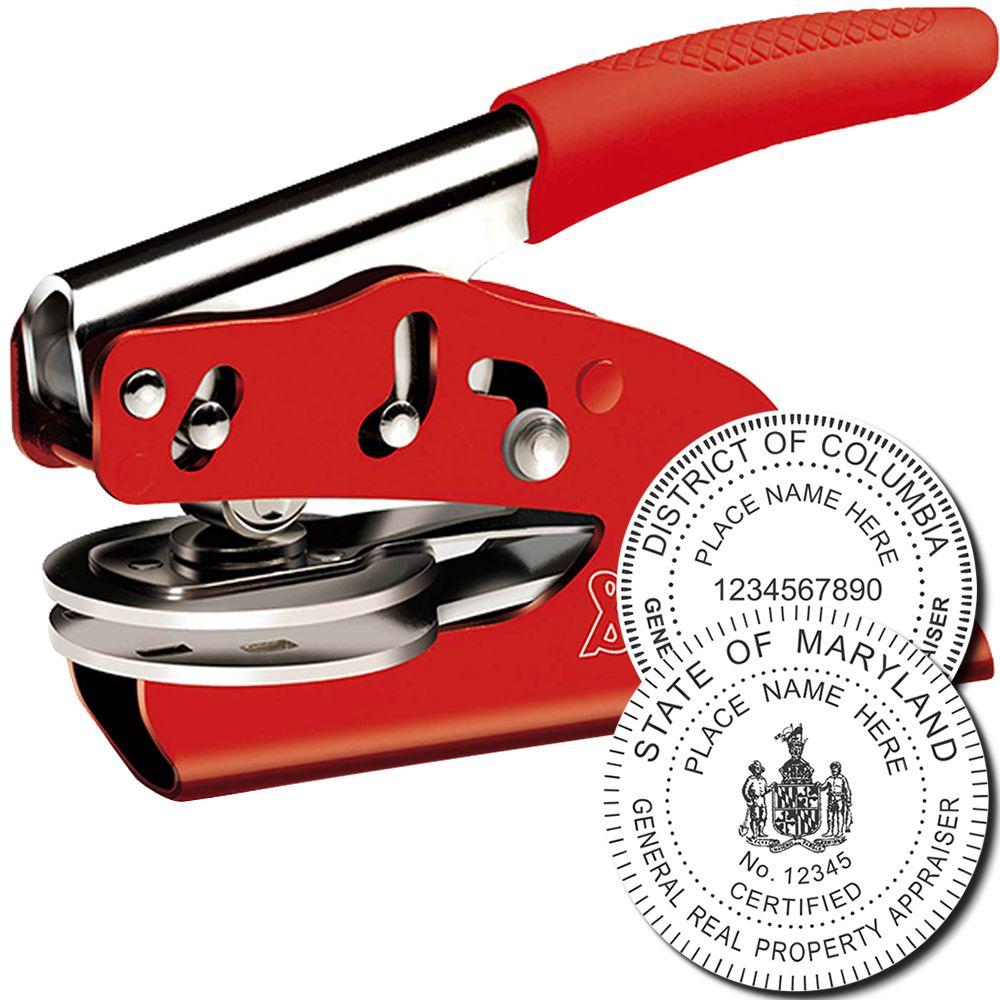
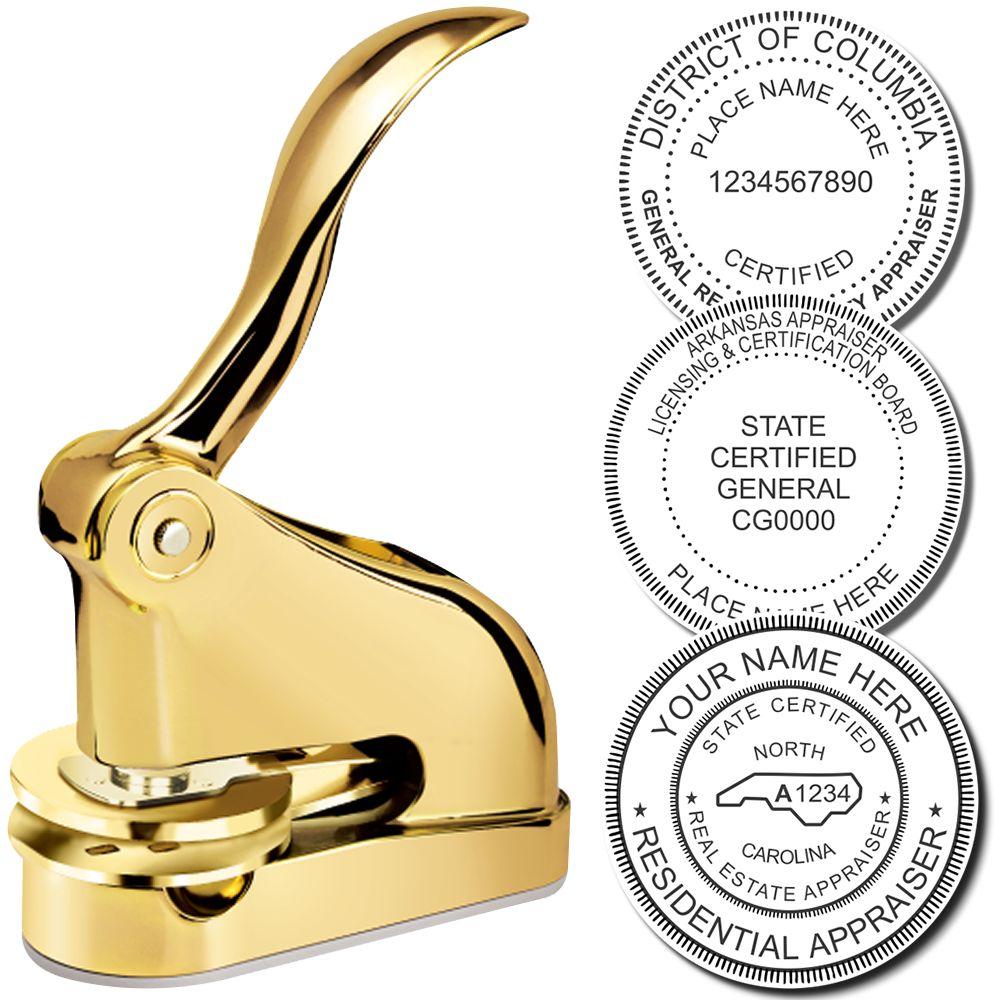
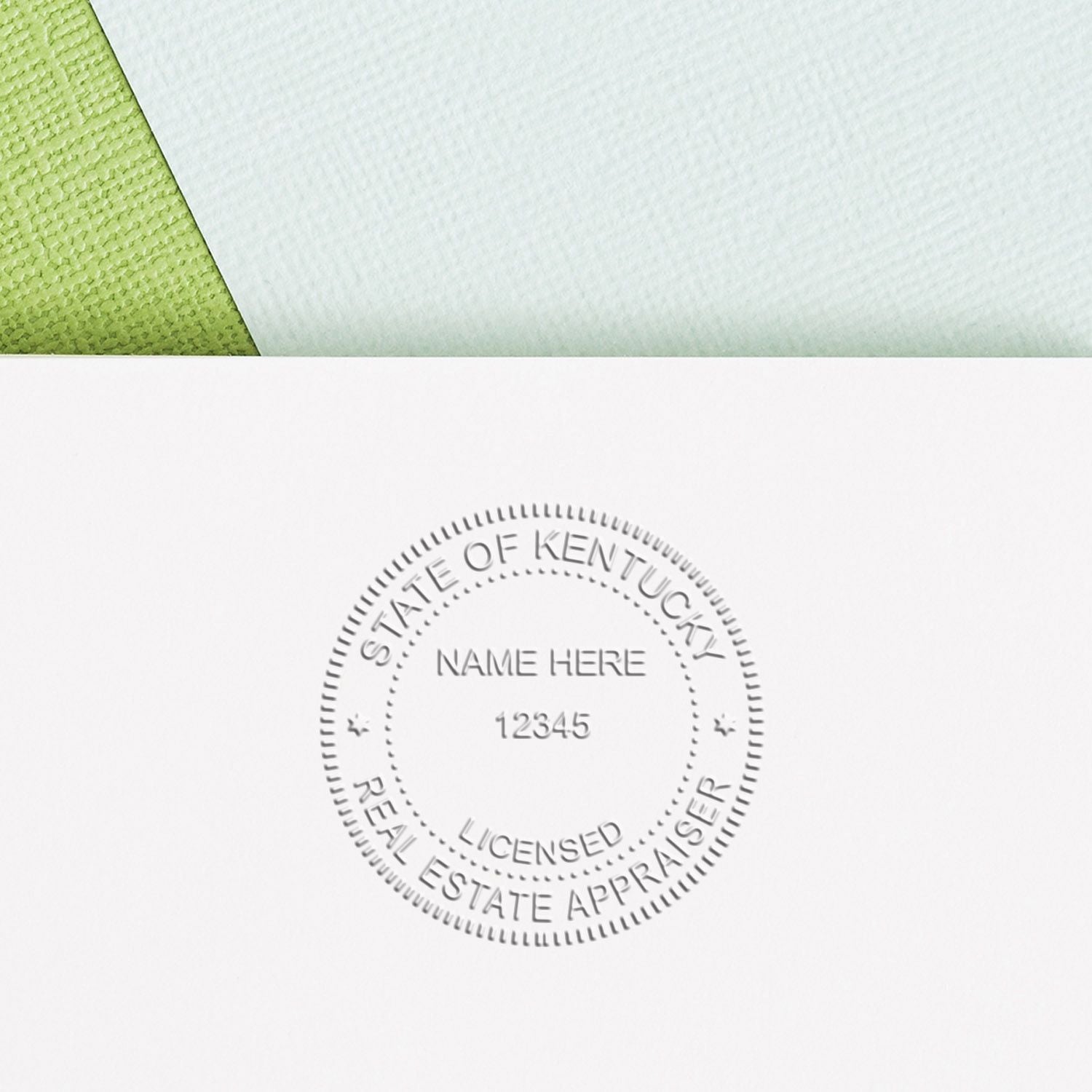
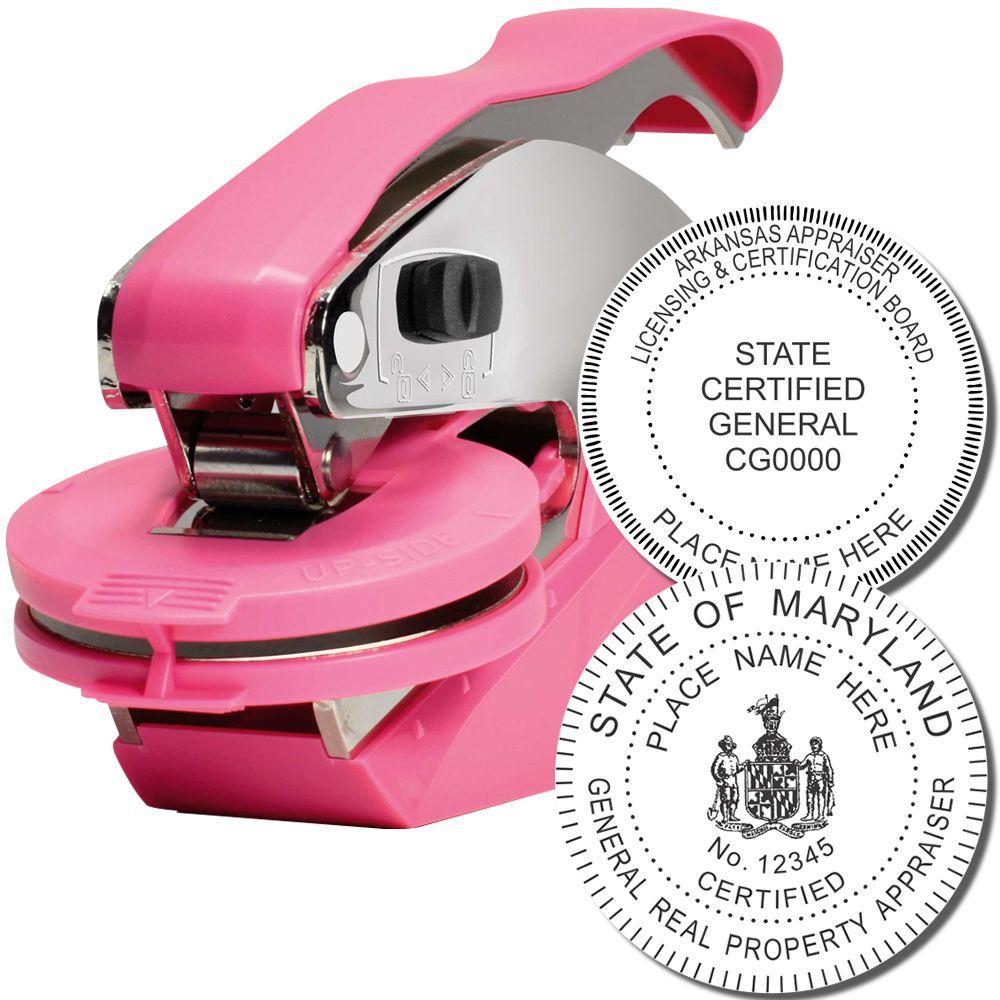
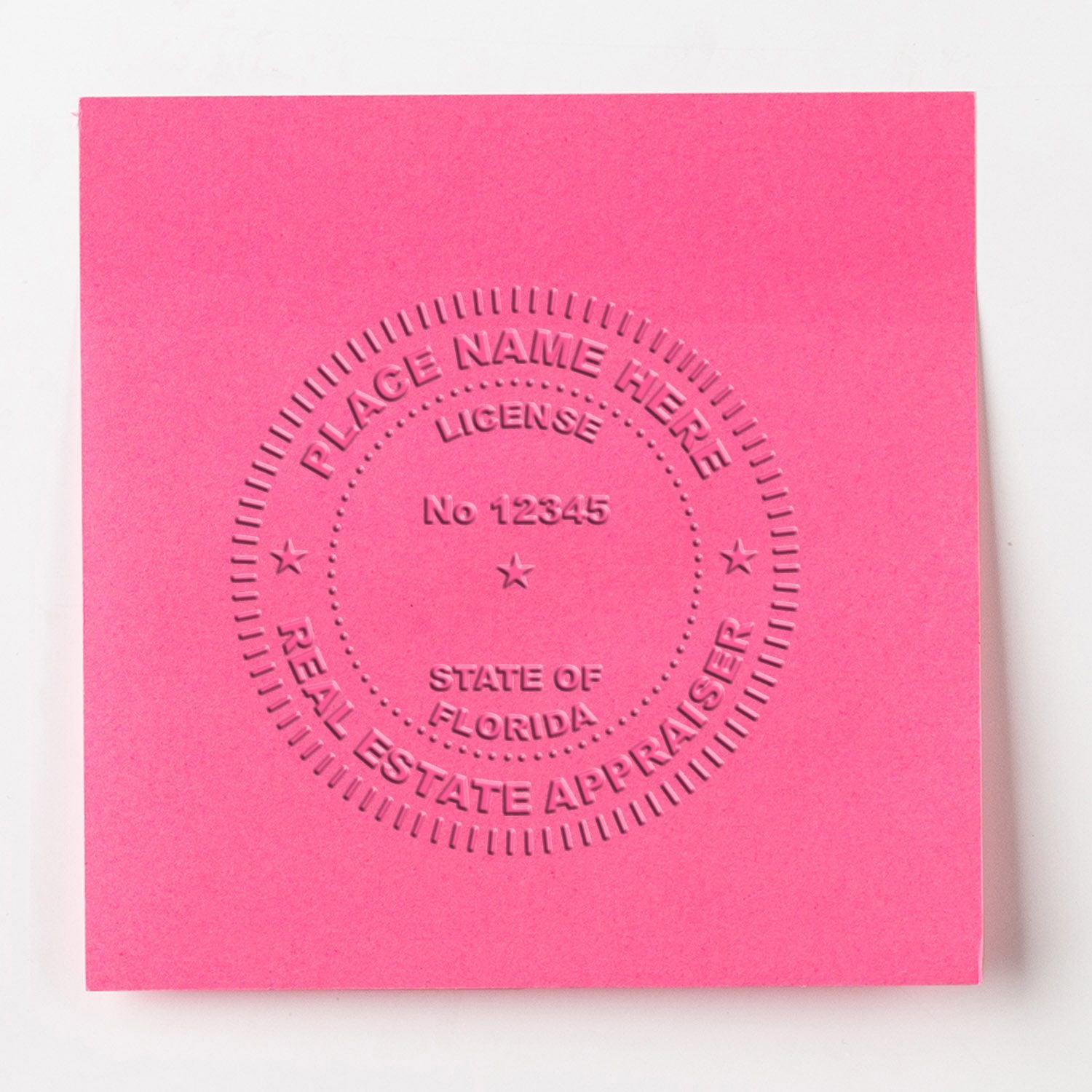
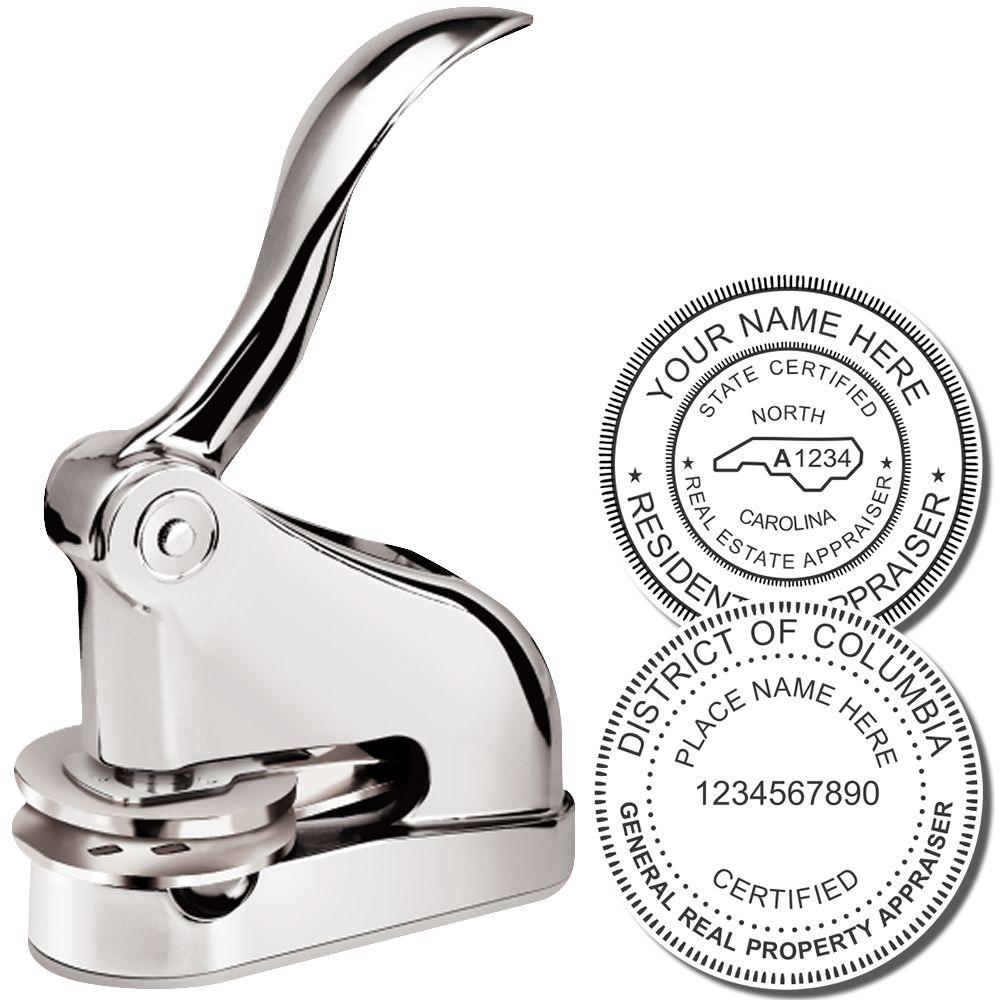
The instrument is unregulated, so pick by how the mark has to behave. California’s rule is about a number being visible next to each signature, which argues strongly for ink over embossing: a raised impression frequently disappears in a scan, and California reports are overwhelmingly delivered as PDFs. The Real Estate Appraiser Self Inking Rubber Stamp of Seal at $39.95 is the workhorse here, and the MaxLight Pre Inked Rubber Stamp of Seal at $46.95 lays down a denser impression when the block is set small. For fully digital delivery the eSeal Electronic Image Stamp of Seal at $20.00 is the same artwork as a placeable graphic, which suits a rule that wants the number in several places in one file. If you want a physical impression on signed originals as well, the Hybrid Seal Embosser is $42.95.


Sizing and layout
With no prescribed dimension, size follows the job. Because subsection (c) puts the number next to signatures rather than in a dedicated panel, a California die benefits from being compact: wide enough to read, narrow enough to sit in the space beside a signature line without crowding it. Two or three straight lines on a rectangular stamp does this better than a round die, which forces the credential text into a curve and eats space. Set the number on its own line and give it the largest type in the block. If you also want a larger presentation device for the certification page, order the two as one artwork family so the wording matches.
Ordering
Send your name as it appears on the license, your credential as BREA words it, and your license number. Say whether you want a compact block for signature margins, a larger one for the certification page, or both, and tell us if the same artwork should be cut to an ink stamp, an embosser and an eSeal image so the three agree. Proof the number against your own license rather than against the proof sheet, because the number is the element nobody rereads and the one element Sec. 3705 is actually about. Browse the real estate appraiser stamps and seals collection, or contact us with your wording and we will set a proof.
Care, and when to reorder
A self-inking stamp used several times per report works harder than most professional stamps. Keep the die face clean, since a number clogged with dried ink is exactly the failure that makes subsection (c) awkward. Reorder when a fact on the die changes: a new license number, a change of credential level, or a legal name change. Renewal alone changes nothing, because California puts no date on the report. This page is a research summary and not legal advice.
- California CEG Stamps: Why You Need Two Devices
- California RPF Seals: Optional, and What Size
- California Geologist Seal: Size, Wording and Limits
- California Interior Designer Stamp: Issued, Not Sold
- California Surveyor Seal: Two Legends, No Sign Stamp
- Real Estate Appraiser Stamps and Seals
- Real estate appraiser stamps and seals
Frequently asked questions
Does California require a real estate appraiser to have a seal?
No. Cal. Code Regs. tit. 10, Sec. 3705 asks for a signature and a license number, not a seal, and no other section of Article 11 carries one. The only mention of a seal in California appraiser law is Bus. & Prof. Code Sec. 11345.6(b), which treats a seal as something an appraiser may provide voluntarily.
Where does my license number have to appear?
With each signature throughout the appraisal or review document, under Sec. 3705(c), in addition to the signature and license number that subsection (a) puts on every USPAP appraisal report upon final completion. If you sign in three places, the number goes in three places.
Does the rule cover appraisal review work?
Yes, in its own subsection. Sec. 3705(b) has every appraisal review report bear the signature and license number of the reviewer upon final completion, and subsection (c) adds the review appraiser’s number with each signature throughout. BREA’s 2026 amendment changed only the terminology in subsection (b).
Can an AMC ask me for my digital signature or seal file?
Bus. & Prof. Code Sec. 11345.6(b) says no appraisal management company may require an appraiser to provide it with the appraiser’s digital signature or seal. The same subdivision leaves you free to provide one voluntarily, to the extent USPAP permits.
Can my assistant apply the stamp for me?
Treat it as a personal instrument. Bus. & Prof. Code Sec. 11321(b) provides that no person other than a licensee may sign an appraisal in a federally related transaction, and the number beside a signature exists to identify the licensee who signed it.
What should be on a California appraiser stamp?
Nothing is prescribed, so build it around the element the rule names. Most California appraisers use their name as licensed, the credential as BREA words it, and the license number, with the number set largest. Leave off an expiry date, the Bureau’s name and any claim of official status.
Will my stamp expire when my license renews?
Not from renewal alone. Sec. 3705 asks for a signature and a number and never a date, so there is nothing on a correctly built die to go stale. New artwork is needed if your license number changes, your credential level changes or your name changes.








