
Written by Acorn Sales Company, manufacturing stamps and seals since 1964 · Reviewed by Holly R, VP of Sales and Marketing at Acorn Sales, against Board for Professional Engineers, Land Surveyors, and Geologists (BPELSG) on 22 September 2026 · Updated 25 September 2026
California requires a certified engineering geologist to obtain a seal, and it is not the same seal a professional geologist carries. B&P Code section 7852 issues two separate commands in two separate paragraphs. One tells each licensed geologist to obtain a seal bearing the legend “professional geologist”. The next tells each certified specialty geologist to obtain a seal bearing “the legend of the appropriate specialty in geology in which he or she is certified”. 16 CCR 3008 then prescribes the two devices in two separate subsections, (a) for the professional geologist seal and (b) for the specialty seal, and nowhere authorizes a single device carrying both legends.
The good news for anyone about to order is in the first line of the rule. 16 CCR 3008(a) says the seal authorized by section 7852 “may be purchased by the licensee from any convenient source”. The Board authorizes a design; it does not issue, sell, register or own the device, and nothing in the Act makes it state property or requires its return. You buy it, and the only thing that matters is that the die reads the way the rule says it must.
California engineering geologist seal requirements at a glance
| Requirement | California rule | Source |
|---|---|---|
| Seal required | Yes. Each specialty geologist certified under the chapter “shall, upon certification, obtain a seal of the design authorized by the board bearing the licensee’s name, number of his or her certificate, and the legend of the appropriate specialty in geology in which he or she is certified”. The verb is shall. | Cal. Bus. & Prof. Code section 7852 |
| Required elements | Within the top border, “Certified Engineering Geologist”. Within the bottom border, “State of California”. In the center, the licensee’s name as it appears on the certificate issued by the Board, and the number of certification or authority. The seal “shall bear at a minimum those elements specified above”. | 16 CCR 3008(b)(1) through (3) |
| Size and shape | Not less than one and one-half (1 1/2) inches in diameter. The rule describes a round device with a top border, a bottom border and a center, and says the seal “shall be of a design similar to that shown below”. No maximum size is prescribed. | 16 CCR 3008(b) |
| Device allowed | Any device that performs. The seal “shall be capable of leaving a permanent ink representation, a permanent impression, or an electronically-generated representation on the documents”. An ink stamp, an embosser and an electronic seal image all qualify. Preprinting blank forms with the seal, and decals of the seal, are prohibited. | 16 CCR 3008(f), (g) |
| Signature and date | The signature may be applied electronically, but a rubber stamp of the signature is prohibited. Each licensee “shall include the date of signing and sealing immediately below or next to the signature and seal”. The surname listed with the Board must appear on the seal and in the signature. No expiration date is required on the device. | 16 CCR 3008(e), (f), (g), (i) |
| What must be sealed | All geologic plans, specifications, reports or documents prepared by the licensee or by a subordinate employee under his or her direction, signed and sealed “in a manner such that all work can be clearly attributed to the licensee(s) in responsible charge”. One express exclusion: the seal shall not be used on a Real Estate Transfer Disclosure Statement. | Cal. Bus. & Prof. Code section 7835; 16 CCR 3008(d), (h)(1) |
| Electronic seal | Permitted, with no third-party certificate named. The rule accepts an “electronically-generated representation” and allows the signature to be applied electronically. The Act sets no cryptographic certificate, no named certification authority and no tamper-evidence standard for geologists. | 16 CCR 3008(f) |
| Renewal and lapse | It is unlawful to stamp or seal documents “after the certificate … has expired or has been suspended or revoked”. A certificate expires at 12 a.m. on the last day of the holder’s birth month in the second year of a two-year term. Renewal is available within five years of expiration; after five years the certificate cannot be renewed, restored, reinstated or reissued. | Cal. Bus. & Prof. Code sections 7831, 7880, 7881, 7884 |
| Firm requirements | No firm seal and no firm registration. The device is personal to the licensee. Geologists may practice through a sole proprietorship, partnership or corporation, and in a partnership or corporation whose primary activity is geological services “at least one partner or officer shall be a professional geologist”. | Cal. Bus. & Prof. Code sections 7833, 7834 |
| Regulator | Board for Professional Engineers, Land Surveyors, and Geologists (BPELSG), California Department of Consumer Affairs. The Board licenses professional geologists and issues specialty certification in engineering geology. | Cal. Bus. & Prof. Code sections 7822, 7842, 7850.5; rules at 16 CCR div. 29 |
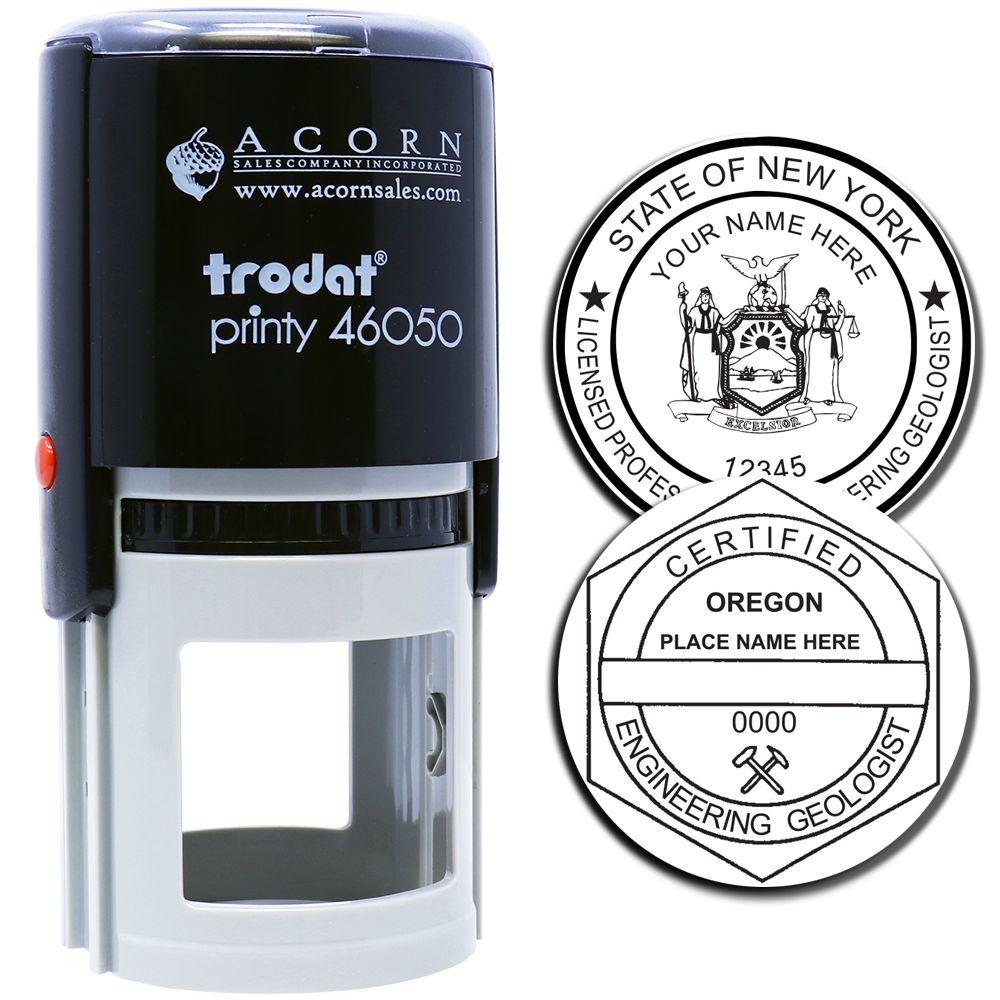
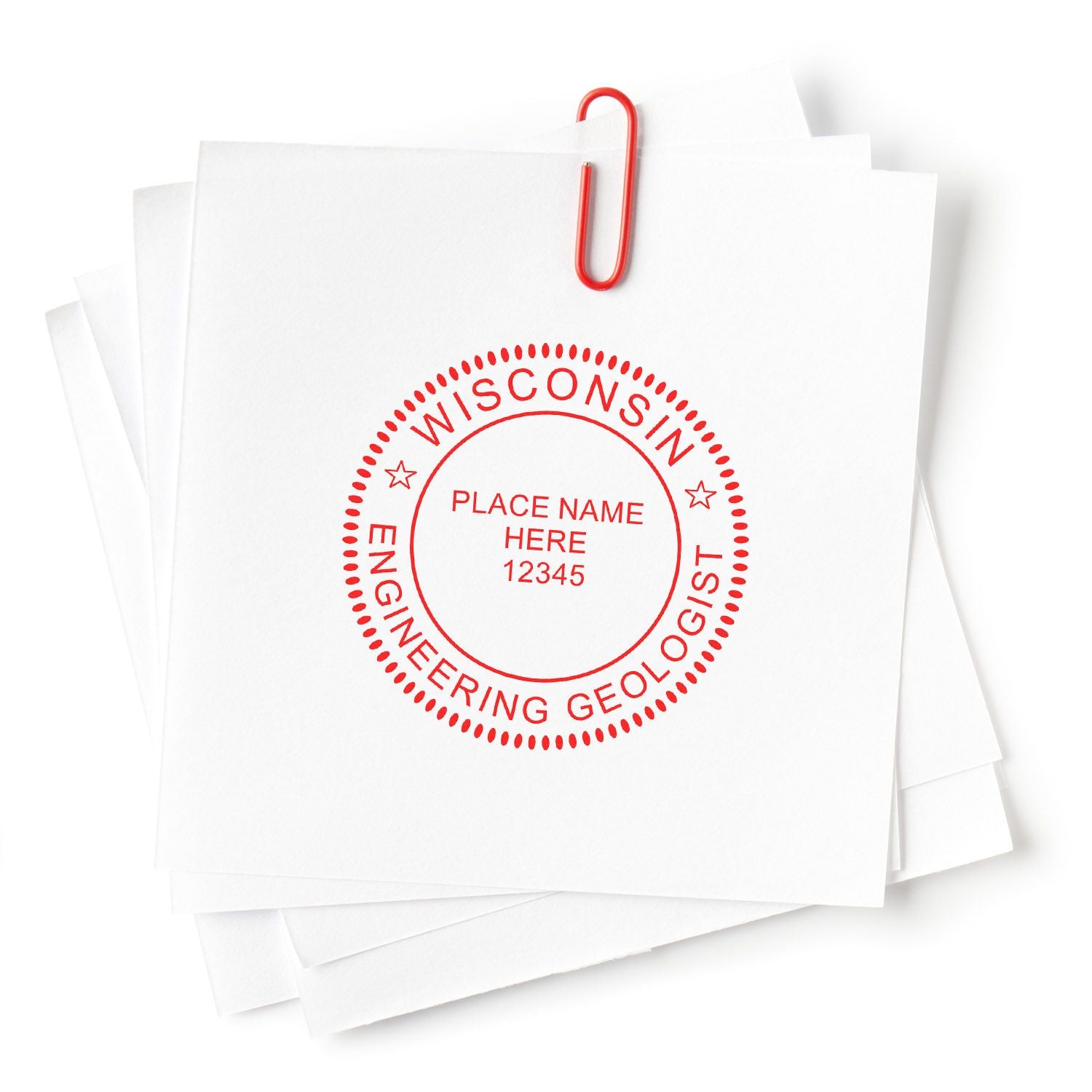
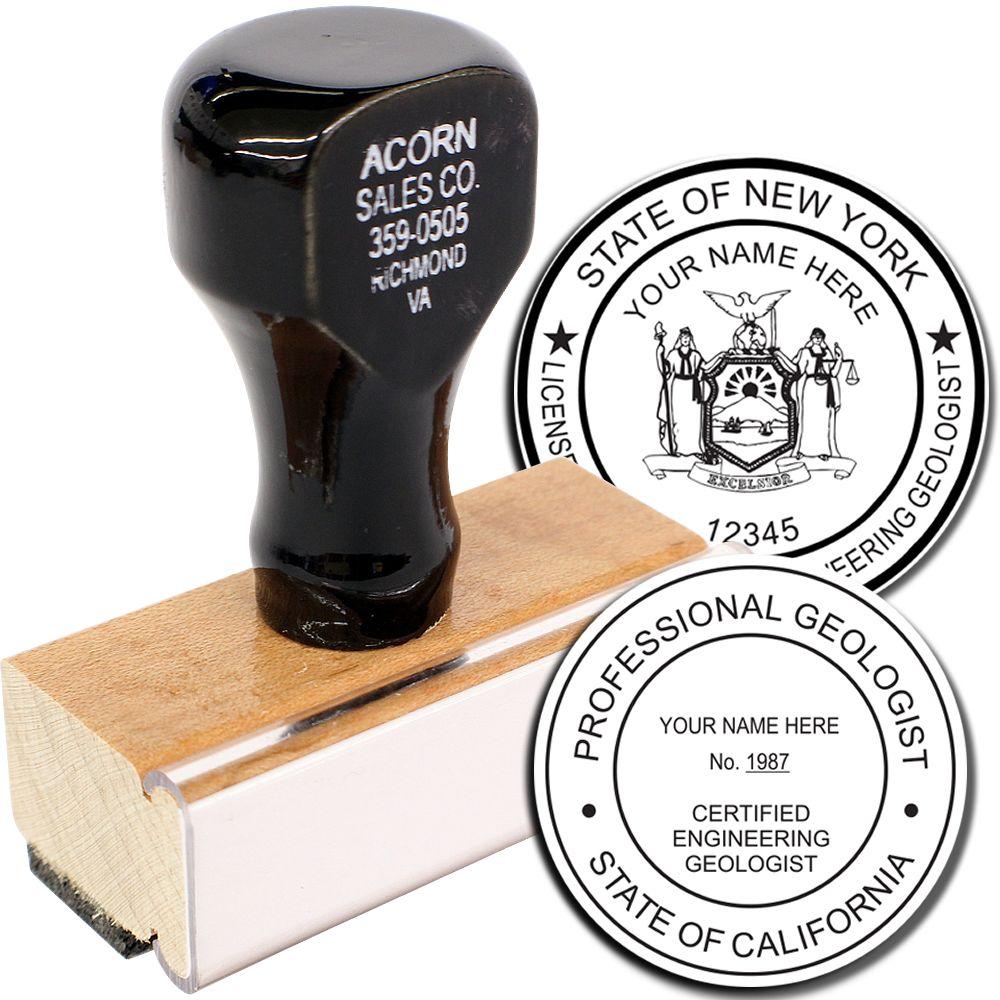



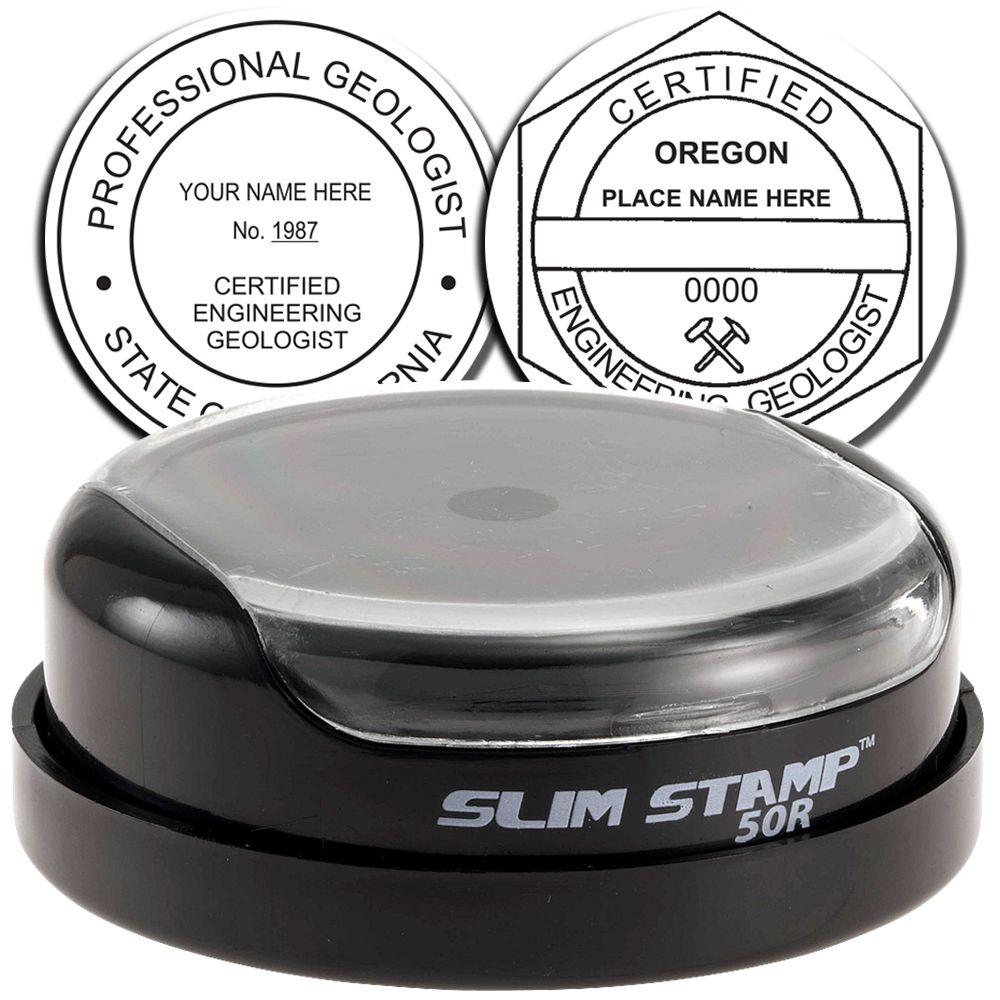
Does California require a certified engineering geologist to have a seal?
Yes. The command is in the second paragraph of B&P Code section 7852: “Each specialty geologist certified under this chapter shall, upon certification, obtain a seal of the design authorized by the board bearing the licensee’s name, number of his or her certificate, and the legend of the appropriate specialty in geology in which he or she is certified under this chapter.” The duty attaches on certification, not on first use, and the verb is shall.
The document side is just as plain. B&P Code section 7835 provides that all geologic plans, specifications, reports or documents shall be prepared by a professional geologist or licensed certified specialty geologist, or by a subordinate employee under his or her direction, and that they shall be signed and stamped with his or her seal. 16 CCR 3008(h)(1) repeats the duty in the regulation and adds the attribution test: documents shall be signed and sealed “in a manner such that all work can be clearly attributed to the licensee(s) in responsible charge of the work”.
The rule says you buy it yourself
16 CCR 3008(a) opens with a sentence that answers the question most licensees ask first: “The seal authorized by Section 7852 of the Code may be purchased by the licensee from any convenient source.” Section 7852 is the section that authorizes both the professional geologist seal and the certified specialty geologist seal, so that permission reaches the CEG device as well as the PG device.
We should be exact about where the sentence sits, because the exactness is the point. The phrase appears literally in 3008(a) and again in 3008(c), the geophysicist subsection, and is not repeated inside 3008(b). What 3008(a) attaches it to is the seal authorized by section 7852, which is the statutory hook for the specialty seal too. Nothing anywhere in the Act or the regulations makes the seal state property, requires the Board to supply it, or requires its return on lapse or revocation. The Board authorizes a design. The licensee gets the device made.
What the CEG seal has to say, in the rule’s own words
16 CCR 3008(b) lists the content by position on a round face. Within the top border of the seal: either “Certified Engineering Geologist” or “Certified Hydrogeologist”, depending on the certification of the license. Within the bottom border of the seal: “State of California”. In the center of the seal: the licensee’s name as it appears on the certificate issued by the Board, and the number of certification or authority.
Two details in that list do real work at the engraving bench. The name is the name on the certificate, not a working name or a firm name, and 3008(e) allows only a narrow variation: the seal may carry an abbreviated form of the given name or a combination of initials representing the given name, provided the surname listed with the Board appears both on the seal and in the signature. The number is the number of your certification, which for a CEG is the specialty certificate number and not the professional geologist license number. The rule closes by saying the seal shall be of a design similar to the facsimile it reproduces, and shall bear at a minimum those elements specified. The listed elements are the controlling part.
Two seals, not one: the part most people get wrong
A CEG in California always holds two credentials. B&P Code section 7842 requires an applicant for specialty certification to be a geologist licensed under the chapter, and section 7850.5 issues the specialty certificate on top of that license. So the same person is subject to both paragraphs of section 7852 at once: obtain a seal with the legend “professional geologist”, and obtain a seal with the legend of the specialty.
The regulation is built the same way. 3008(a) prescribes the professional geologist seal, with “Professional Geologist” in the top border and the number of license or authority in the center. 3008(b) prescribes the specialty seal, with “Certified Engineering Geologist” in the top border and the number of certification or authority in the center. They are different legends and different numbers, set out as two devices in two subsections, and no subsection anywhere in 3008 authorizes a combined or dual-legend face.
Here is the honest limit on that. We found no Board FAQ or guidance document that says in plain words that a PG plus CEG holder must own two physical devices. The two-device reading rests on the structure of the statute and the rule, two parallel “shall obtain” commands and two separately prescribed faces, which is strong but is an inference rather than an express Board statement. If you want that in writing before you spend money on a second die, ask the Board. What we would not do is order one die with both legends crowded onto it, because that face is not among the designs the rule prescribes.
The 1-1/2 inch minimum, and what the rule assumes about shape
16 CCR 3008(b) begins with the dimension: the certified specialty geologist seal “shall be not less than one and one-half (1 1/2) inches in diameter”. That is a floor with no ceiling. A larger die is compliant; a smaller one is not, however legible it looks.
Shape is prescribed by implication rather than by a word. The rule speaks of a top border, a bottom border and a center, which describes a circular device with a bordered ring, and it reproduces a facsimile image at that point. We could not inspect that image, so any purely graphic detail in the Board’s artwork, the weight of the border rule for instance, is not confirmed here. The text itself resolves the question for an engraver: the design shall be similar to the facsimile and shall bear at a minimum the listed elements, so the listed elements are what has to be right.
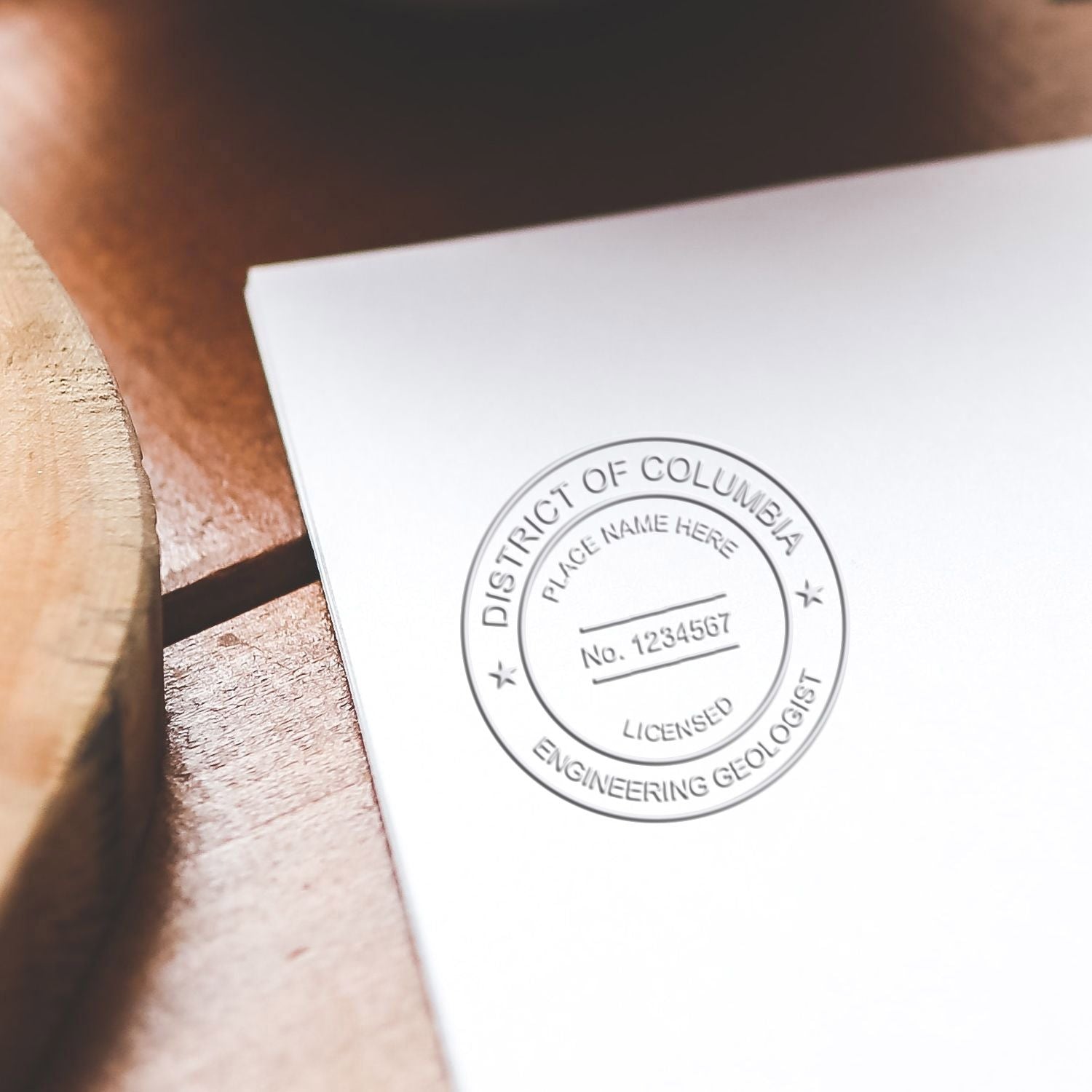
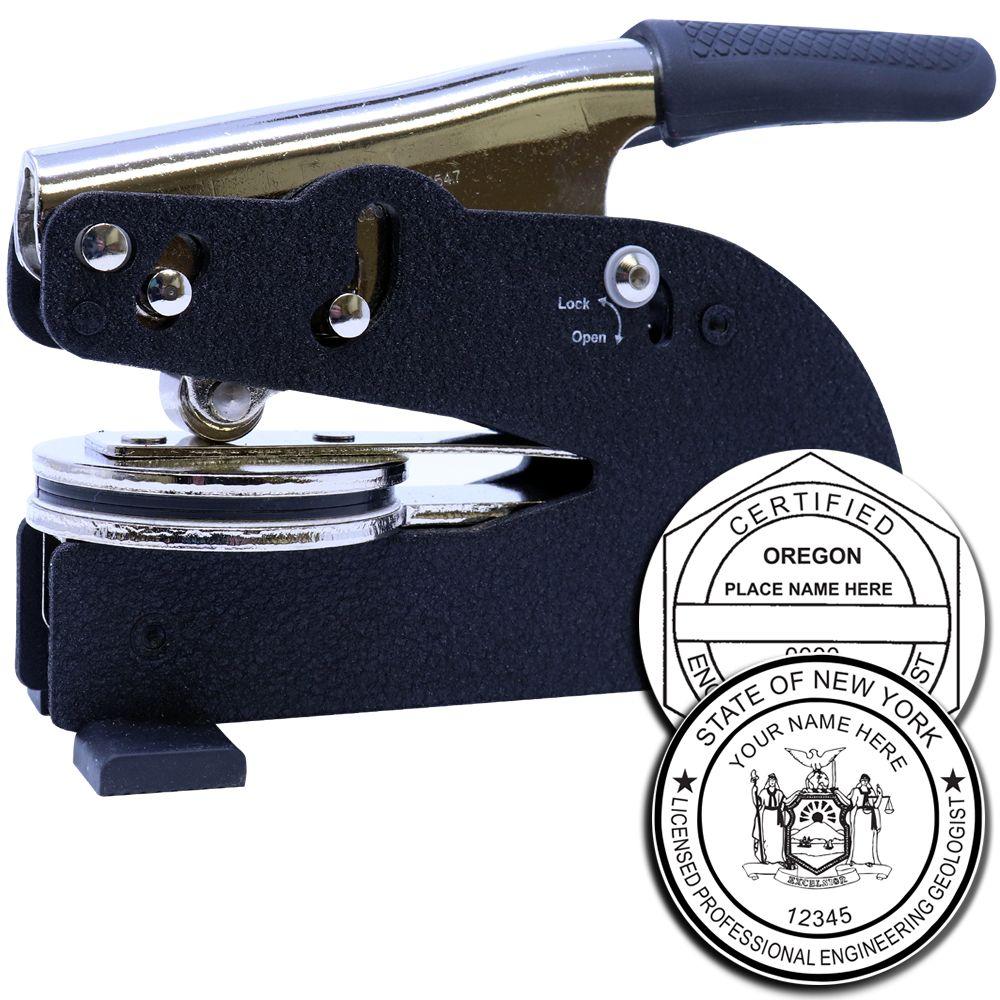
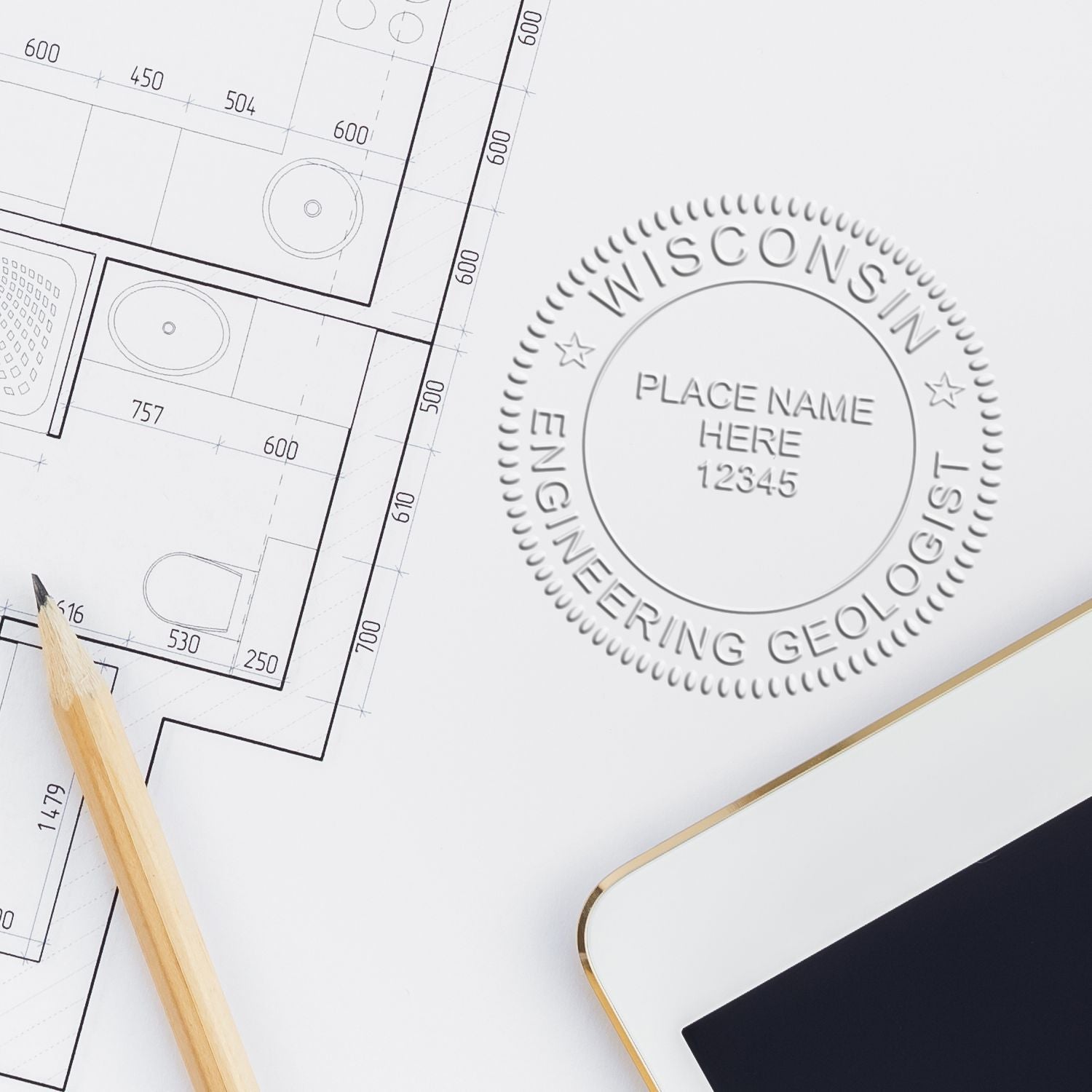
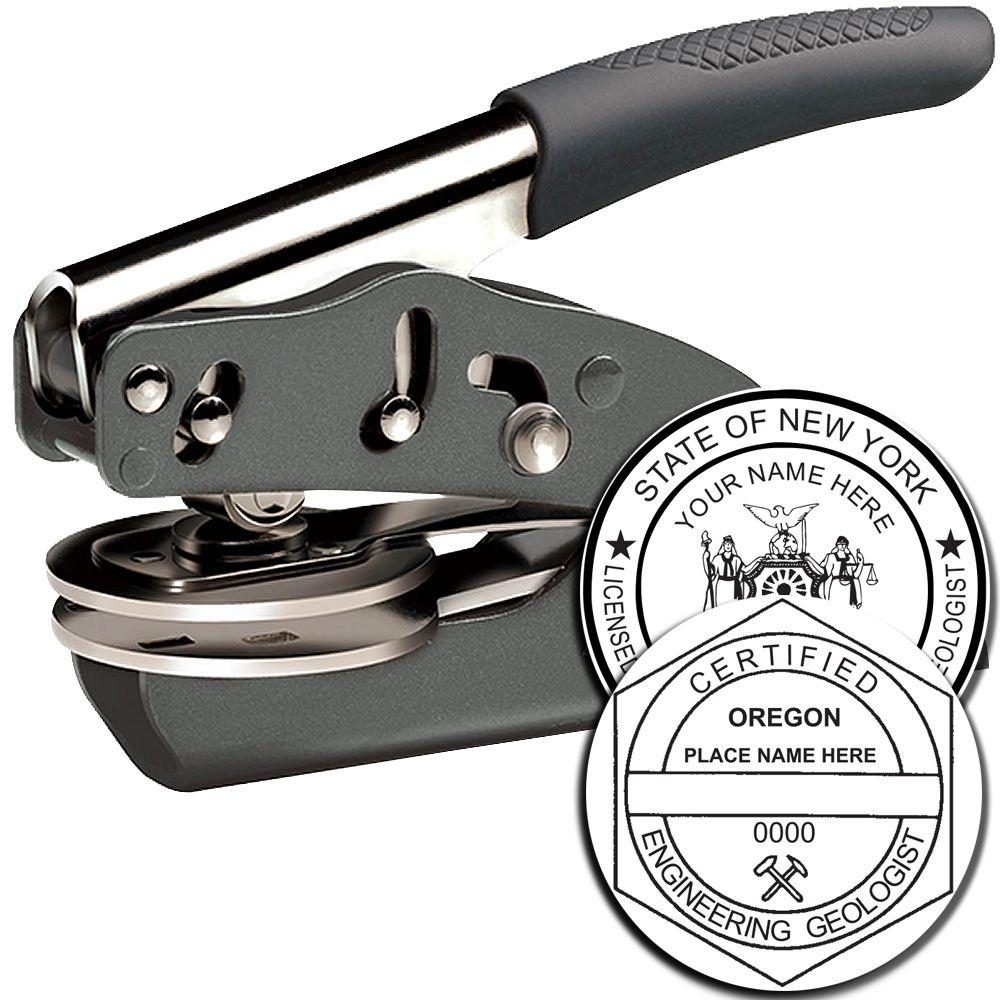
As a manufacturing note kept separate from the rule, Acorn cuts every engineering geologist die round, with an impression area of 1-5/8 inches to 2 inches in diameter depending on the state specification. That is our own production range, not a legal requirement, and it happens to sit above the California floor rather than at it.
Ink, impression or electronic, and the three things that are banned
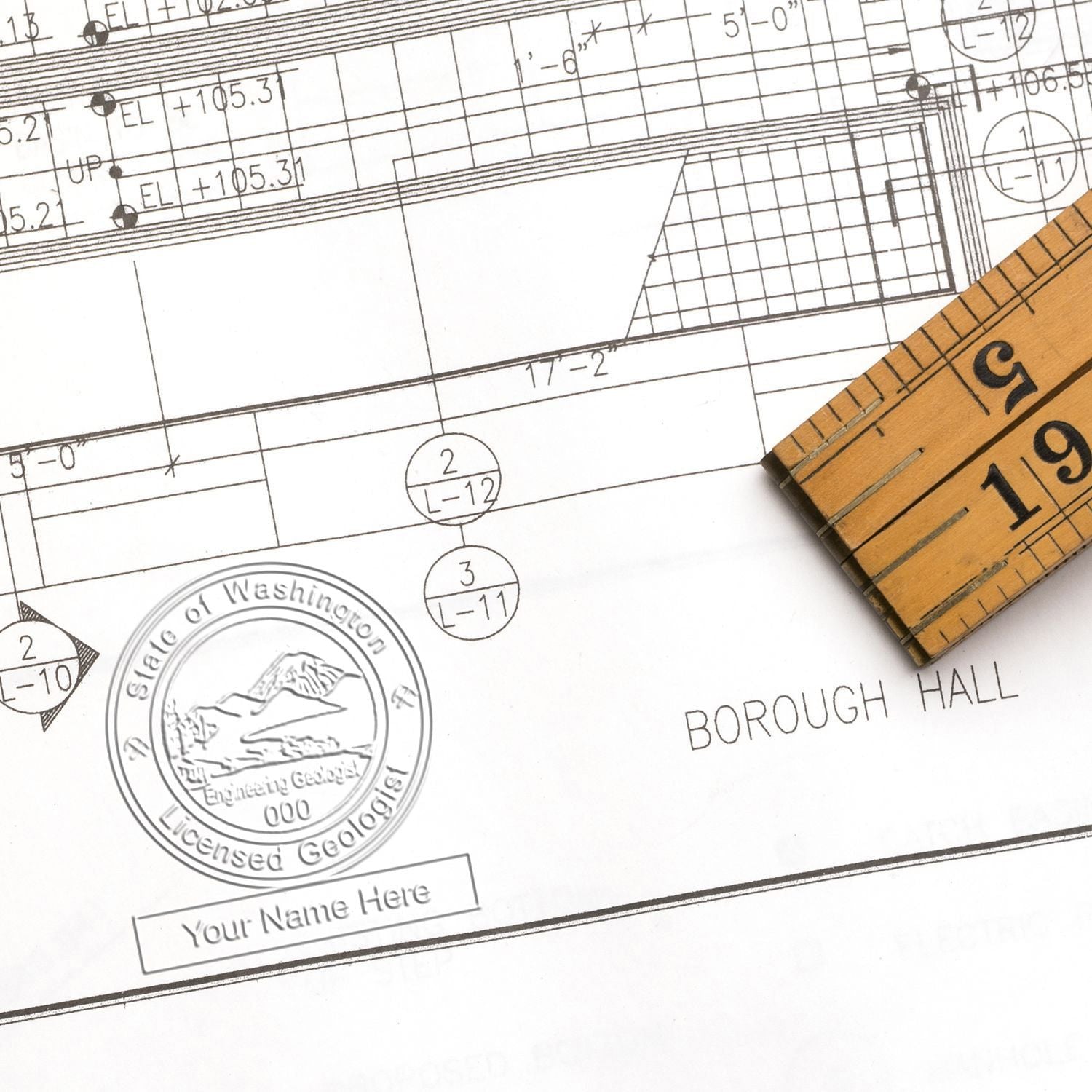
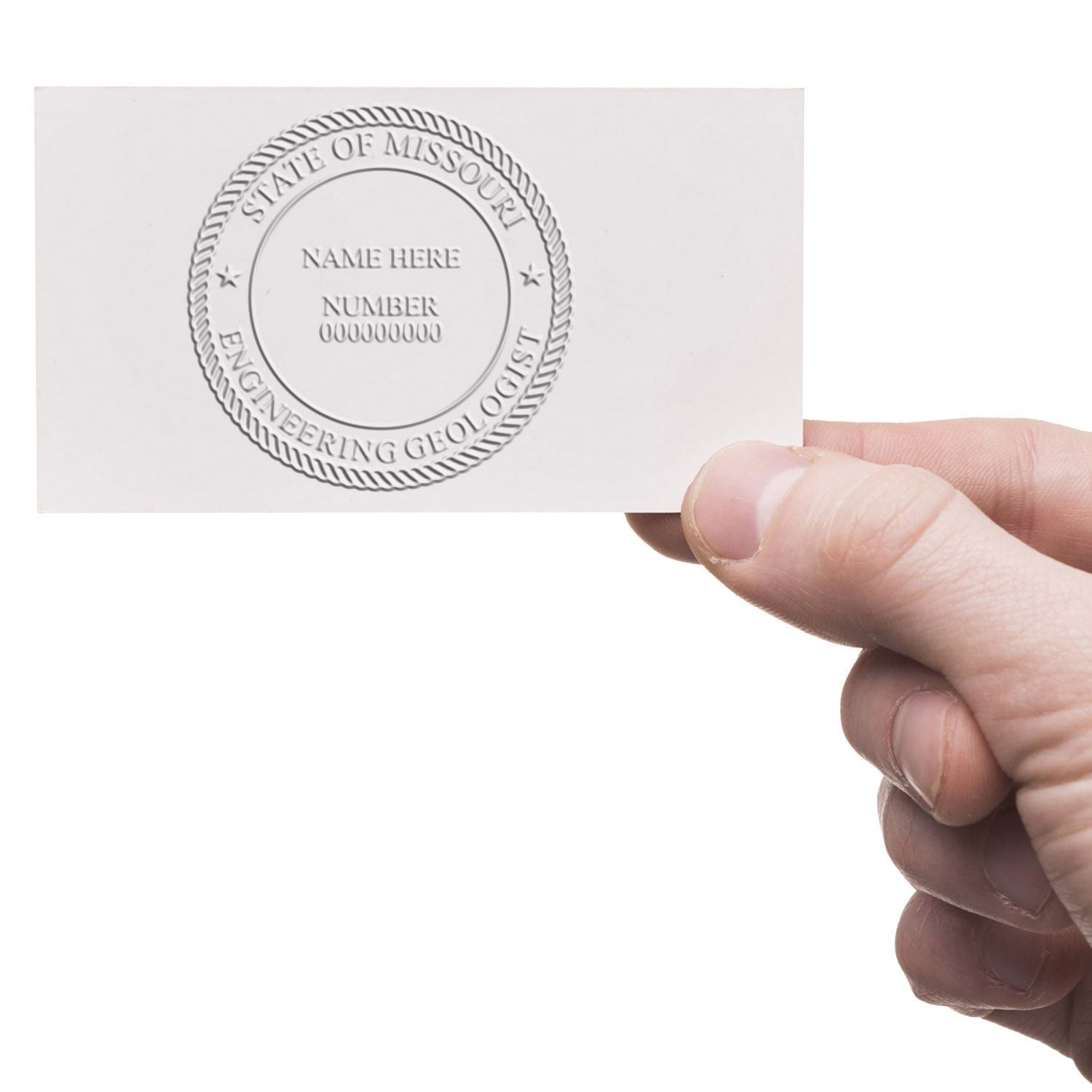
California is device-neutral and performance-specified. 16 CCR 3008(f): “The seal shall be capable of leaving a permanent ink representation, a permanent impression, or an electronically-generated representation on the documents. The signature may be applied to the documents electronically.” A rubber or self-inking stamp leaves a permanent ink representation. An embosser leaves a permanent impression, which the rule names in terms, so California does not impose the kind of photocopy-reproducibility test that quietly rules an embosser out elsewhere. A seal graphic dropped into a PDF is the third option and is equally named.
16 CCR 3008(g) then bans three things: “Preprinting of blank forms with the seal or signature, the use of decals of the seal or signature, or the use of a rubber stamp of the signature is prohibited.” Read that last clause carefully, because it is misquoted often. The rubber stamp ban is on a rubber stamp of the signature. A rubber stamp of the seal is fine and is the ordinary way California CEGs apply theirs. What you may not do is have a die cut with your signature on it, keep a sheet of seal decals, or run report covers with the seal already printed on them.
Signature, date, and sealing work that is not all yours
16 CCR 3008(i) sets the date rule: “Each licensee shall include the date of signing and sealing immediately below or next to the signature and seal.” That is a date written at signing, not a date engraved into the die, and it is a separate mark from the seal itself. Nothing in 3008 requires an expiration date on or near the seal, and nothing requires the signature to be placed across the seal the way some states do.
3008(h) governs attribution. Subsection (h)(1) requires signing and sealing in a manner such that all work can be clearly attributed to the licensee or licensees in responsible charge. Subsection (h)(3) handles the multi-author case: “When signing and sealing documents containing work done by or under the responsible charge of two or more licensees, the signature and seal of each licensee in responsible charge shall be placed on the documents with a notation describing the work done under each licensee’s responsible charge.” On a joint geotechnical report that means two seals and two notations, not one seal over the whole document.
The Real Estate Transfer Disclosure Statement carve-out
There is one place the seal must not go, and it is specific enough that most licensees never meet it and the ones who do meet it repeatedly. 16 CCR 3008(d) provides that the seals shall not be used on a Real Estate Transfer Disclosure Statement required by section 1102.6 of the Civil Code.
The same subsection then says the opposite about the attachment: the seals authorized by sections 7852 and 7852.1 “shall be used on any geologic or geophysical report or opinion, dealing with matters within the scope of the professional’s license and expertise, if said report or opinion is attached separately as a substituted disclosure pursuant to a Real Estate Transfer Disclosure Statement”. So the disclosure form goes unsealed and your separately attached report goes sealed. Both halves of that sentence are mandatory.
When the die goes dead
B&P Code section 7831 is short and criminal in tone: it is unlawful for anyone to stamp or seal any plans, specifications, plats, reports or other documents with the seal after the certificate has expired or has been suspended or revoked. The device does not expire; the authority to use it does.
The timing runs off your birth month. B&P Code section 7880 provides that a certificate expires at 12 a.m. on the last day of the birth month of the certificate holder during the second year of a two-year term if it is not renewed. Section 7881 allows renewal within five years of expiration on payment of accrued fees plus a delinquency fee if more than 30 days late. Section 7884 closes the door after that: certificates not renewed within five years shall not be renewed, restored, reinstated or reissued. Section 7883 adds that a revoked certificate is subject to expiration but may not be renewed.
Name changes sit in a gap worth knowing about. 3008(b)(3)(A) requires the licensee’s name as it appears on the certificate issued by the Board, so a legal name change recorded with the Board means the old die no longer matches the certificate. No rule says that in so many words, and no rule requires you to surrender the old device, but the matching requirement makes a re-cut die the safe reading.


Firms, employees and the limits of the seal
There is no firm seal in California geology and no certificate of authorization to go with it. B&P Code section 7833 permits one or more geologists or geophysicists to practice through a sole proprietorship, partnership or corporation, and requires that in a partnership or corporation whose primary activity consists of geological services, at least one partner or officer shall be a professional geologist. Section 7834 permits a firm whose principal business is something other than geology to employ a geologist. Neither creates an entity device.
That leaves the seal entirely personal, which is why the misuse provisions read the way they do. B&P Code section 7830 makes it unlawful for anyone other than a licensed geologist to stamp or seal documents with the seal or stamp of a professional geologist, and section 7872(i) reaches anyone who uses the title of a licensed certified specialty geologist, or an abbreviation of a title that might lead to the belief that the person is so certified, without holding the certification. Keep the device where you keep your signature.
Ordering a California certified engineering geologist seal
Send four things and the die is correct the first time: your name exactly as it appears on the certificate the Board issued, your CEG certification number, the legend “Certified Engineering Geologist”, and “State of California” for the bottom border. Tell us the diameter you want at or above the 1-1/2 inch floor. If you are also ordering a professional geologist seal, say so, because that is a second die with a different legend and a different number and the two are made separately.
On ink devices, the Engineering Geologist Self Inking Rubber Stamp of Seal at $39.95 is the everyday choice and carries its own pad. The Regular Rubber Stamp of Seal at $34.95 is the same impression on a hand stamp used with a separate pad, and is the one we point at for Mylar. The MaxLight Pre Inked Rubber Stamp of Seal at $46.95 and the Slim Pre-Inked Rubber Stamp of Seal at $46.95 give the sharpest edges, which is worth having when a long legend and a certification number share a 1-1/2 inch face.
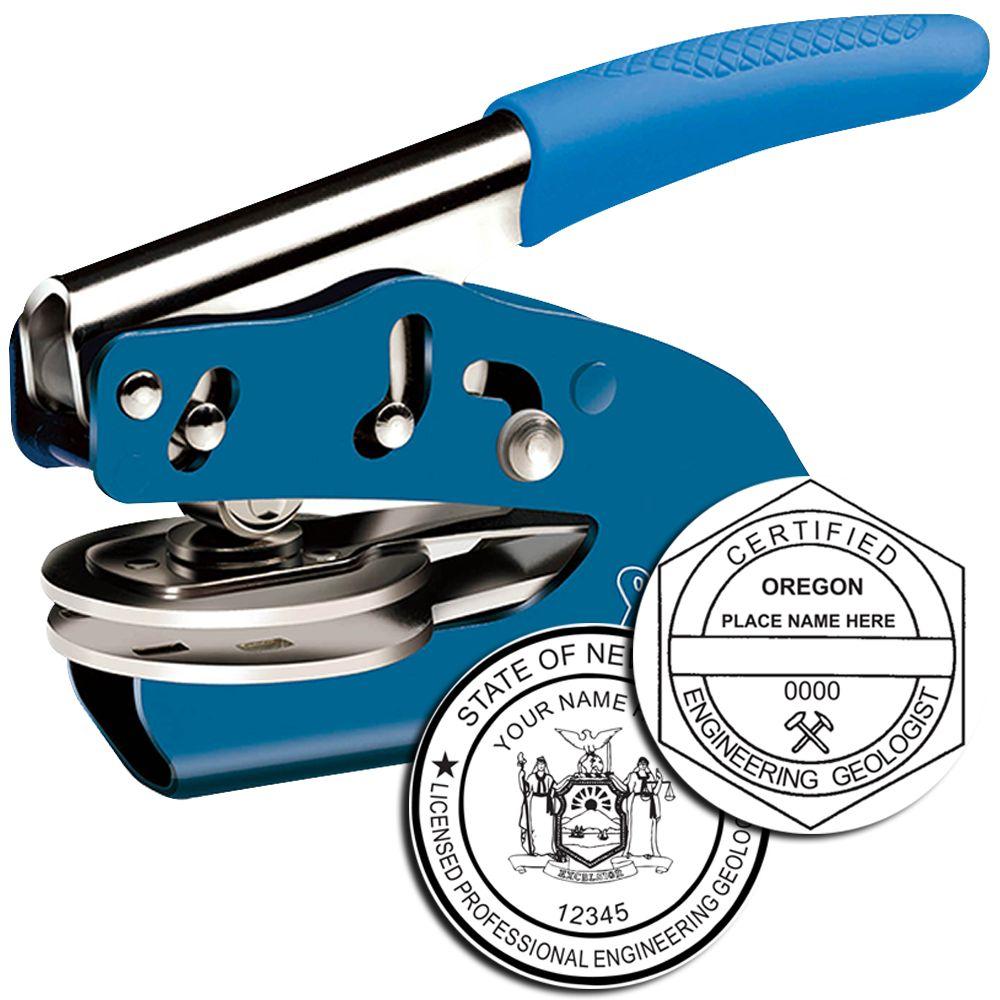
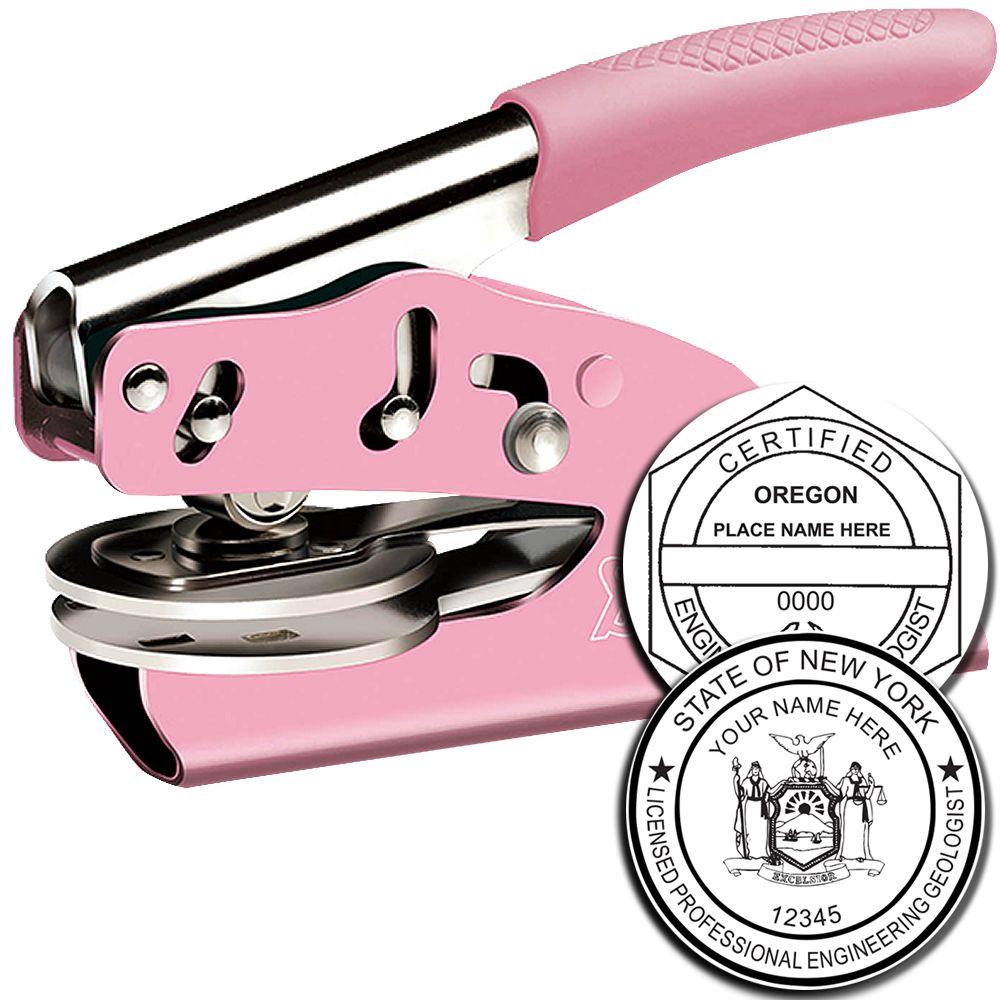
For the permanent impression the rule names, the Handheld Seal Embosser is $46.95, the Desk Seal Embosser is $44.95, and the Long Reach Desk Seal Embosser at $129.95 reaches about 2-1/2 inches into a sheet for bound reports. For the electronically-generated representation, the eSeal Electronic Image Stamp of Seal is $20.00. The full range is in the engineering geologist stamps and seals collection, and the second device lives in the professional geologist stamps and seals collection. Send artwork or wording through contact us and we proof it before cutting.
Looking after it, and the yearly check
A seal is read by a plan checker and scanned into a file, and a faint one is the failure mode that costs you a resubmittal. Keep a pre-inked stamp capped and out of a sunny window. Embossers want nothing but grit kept out of the die faces.
The annual check takes a minute. Does the name on the die still match the name on the certificate the Board issued. Does the number on the specialty die still match your CEG certification number, and the number on the other die your PG license number. Is your certificate current, since section 7831 turns a lapse into a sealing offense rather than a paperwork problem. And if you have started signing PDFs, is your seal image drawn from the same artwork as the physical die so the two read alike. This page is a research summary and not legal advice.
- California RPF Seals: Optional, and What Size
- California Geologist Seal: Size, Wording and Limits
- California Interior Designer Stamp: Issued, Not Sold
- California Surveyor Seal: Two Legends, No Sign Stamp
- California Weighmaster: What Your Certificate Needs
- Engineering Geologist Stamps and Seals
- Engineering geologist stamps and seals
- Oregon CEG Stamp: E Number, No Published Size
- Washington CEG Stamp: Its Own Authorized Design
Frequently asked questions
Does California require a certified engineering geologist to have a seal?
Yes. B&P Code section 7852 provides that each specialty geologist certified under the chapter shall, upon certification, obtain a seal of the design authorized by the board bearing the licensee’s name, certificate number and the legend of the specialty. Documents are then signed and sealed under section 7835 and 16 CCR 3008(h)(1).
Do I need two seals if I hold both a PG license and a CEG certification?
The text points that way. Section 7852 issues two separate “shall obtain” commands, and 16 CCR 3008 prescribes the professional geologist seal in subsection (a) and the specialty seal in subsection (b), with different legends and different numbers. Nothing in the rule authorizes one die carrying both legends. We found no Board statement saying so in plain words, so if you want confirmation before buying the second device, ask the Board.
What exactly goes on a California CEG seal?
“Certified Engineering Geologist” within the top border, “State of California” within the bottom border, and in the center the licensee’s name as it appears on the certificate issued by the Board together with the number of certification or authority. 16 CCR 3008(e) allows the given name to be abbreviated or reduced to initials, but the surname listed with the Board has to appear on the seal and in the signature.
How big does the seal have to be?
Not less than one and one-half (1 1/2) inches in diameter, under 16 CCR 3008(b). That is a minimum with no stated maximum, and the rule describes a round face with a top border, a bottom border and a center.
Can I use an embosser, or does it have to be an ink stamp?
Either. 16 CCR 3008(f) requires the seal to be capable of leaving a permanent ink representation, a permanent impression, or an electronically-generated representation. The permanent impression wording covers an embosser. What 3008(g) prohibits is preprinting forms with the seal, decals of the seal, and a rubber stamp of your signature.
Where do I buy a California CEG seal?
Anywhere you like. 16 CCR 3008(a) says the seal authorized by section 7852 may be purchased by the licensee from any convenient source. The Board authorizes the design and does not issue, sell or own the device.
Does the seal have to carry an expiration date?
No. California requires the date of signing and sealing to be written immediately below or next to the signature and seal under 16 CCR 3008(i), which is a date applied at signing rather than engraved. No rule puts an expiration date on the device.
Can I seal a Real Estate Transfer Disclosure Statement?
No. 16 CCR 3008(d) says the seals shall not be used on a Real Estate Transfer Disclosure Statement required by Civil Code section 1102.6. The same subsection requires the seal on a geologic report or opinion within your expertise that is attached separately as a substituted disclosure to that statement.








