
Written by Acorn Sales Company, manufacturing stamps and seals since 1964 · Checked against the Acorn Sales notary seal, stamp and kit listings on 19 October 2026 · Updated 19 October 2026
A notary seal physically lasts indefinitely with proper care. A notary embossing seal has no ink to run out and carries a two year warranty, and what usually ends any notary seal's working life is a change to your commission, such as its expiration date, not wear.
This page sits under our guide to notary supplies, stamps, seals and kits. It covers how long each type of notary seal physically lasts, how to care for it, and when you need a new one.
How long does a notary seal typically last?
With proper care, a notary seal physically lasts indefinitely, though you can use it only while its details match your current commission. The embosser, the wood handle stamp and the stamp bodies are built to outlive a commission, and the parts that wear are the ink in a self-inking or pre-inked stamp and, slowly, a stamp's rubber die.
| Notary seal type | What wears | Ink capacity | Warranty |
|---|---|---|---|
| Embossing seal (handheld, soft, hybrid or desk) | Nothing consumable; no ink | None needed | Two years |
| Wood handle notary stamp, such as the $22.95 Regular State Seal Notary Stamp | Only the rubber die, slowly; ink comes from a separate pad | No limit on the stamp | Six months |
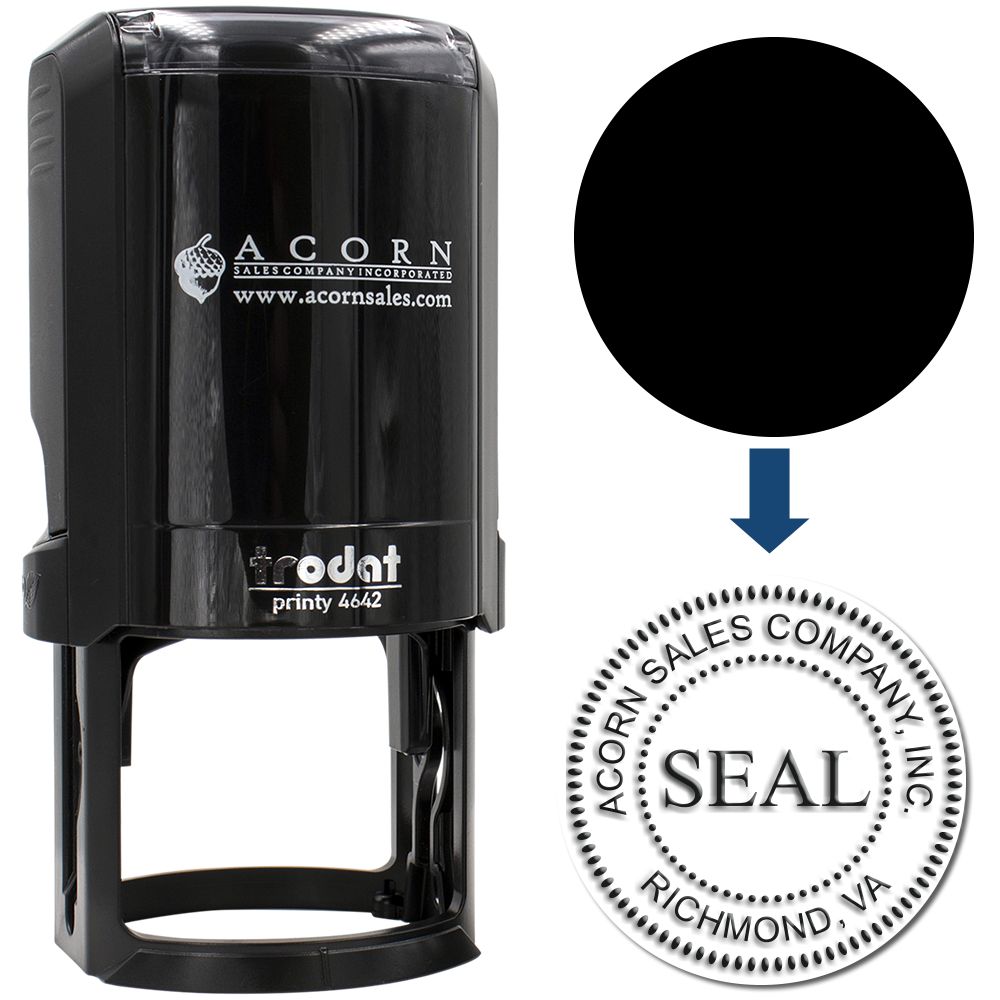
| Self-inking notary stamp | The built-in ink | About 10,000 impressions | Six months |
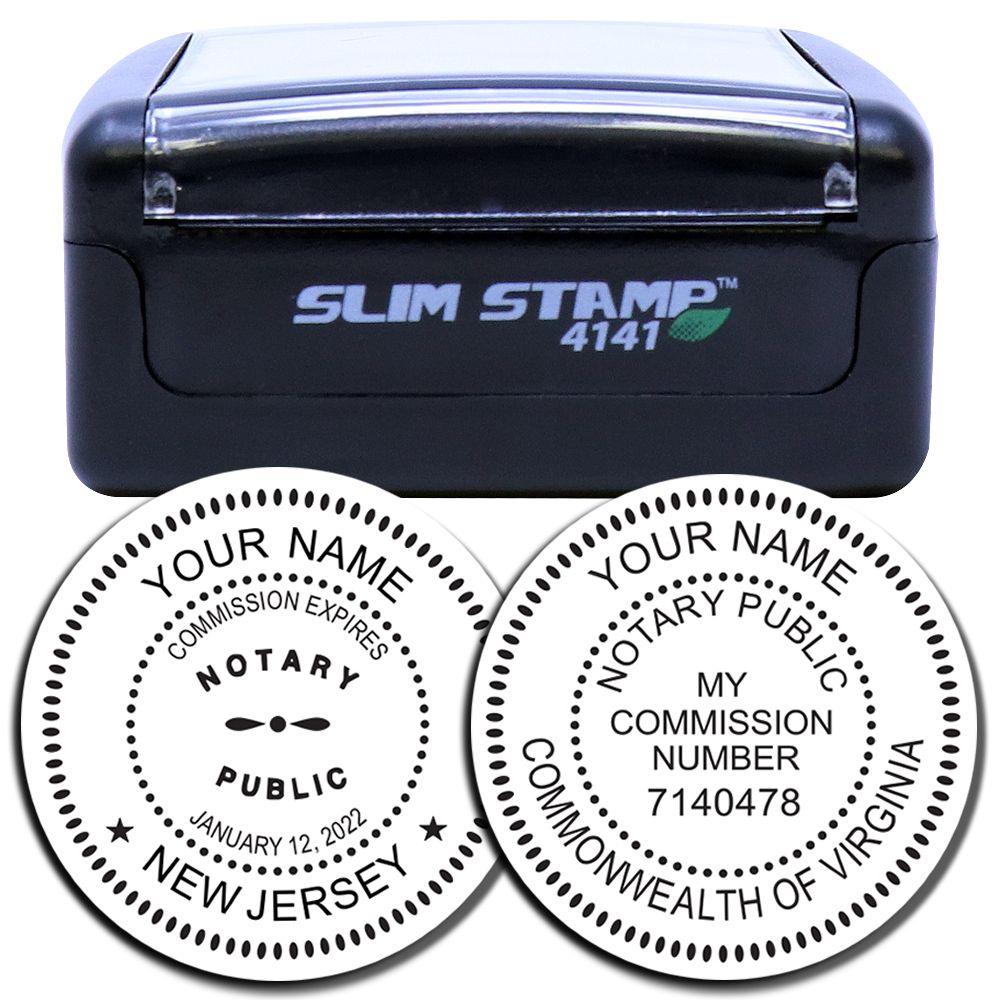
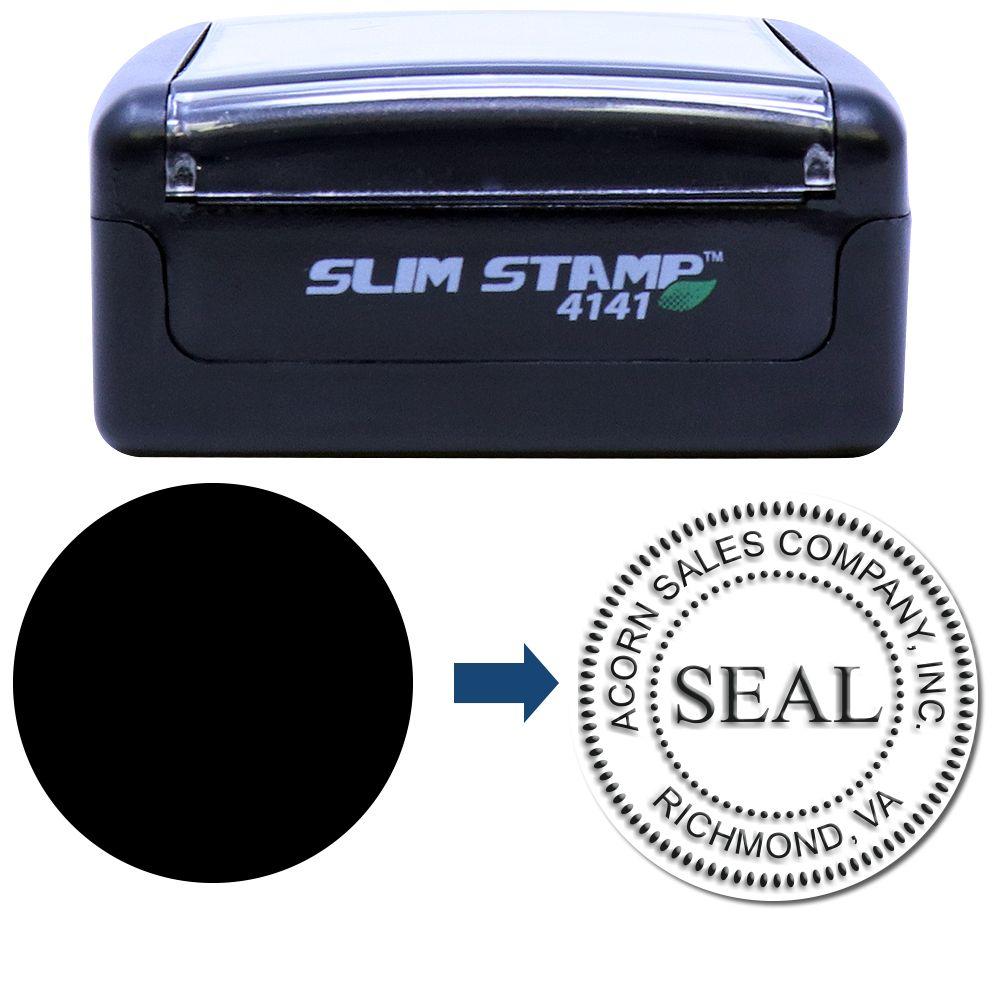
| Pre-inked notary stamp (Slim, PSI or MaxLight) | The ink held in the die | Up to 25,000 impressions | Six months |
A notary stamp's ink usually outlasts its commission details. At 10 acts a week, about 520 a year, a self-inking notary stamp rated for about 10,000 impressions would take more than 19 years to use up.







Does a notary embosser wear out?
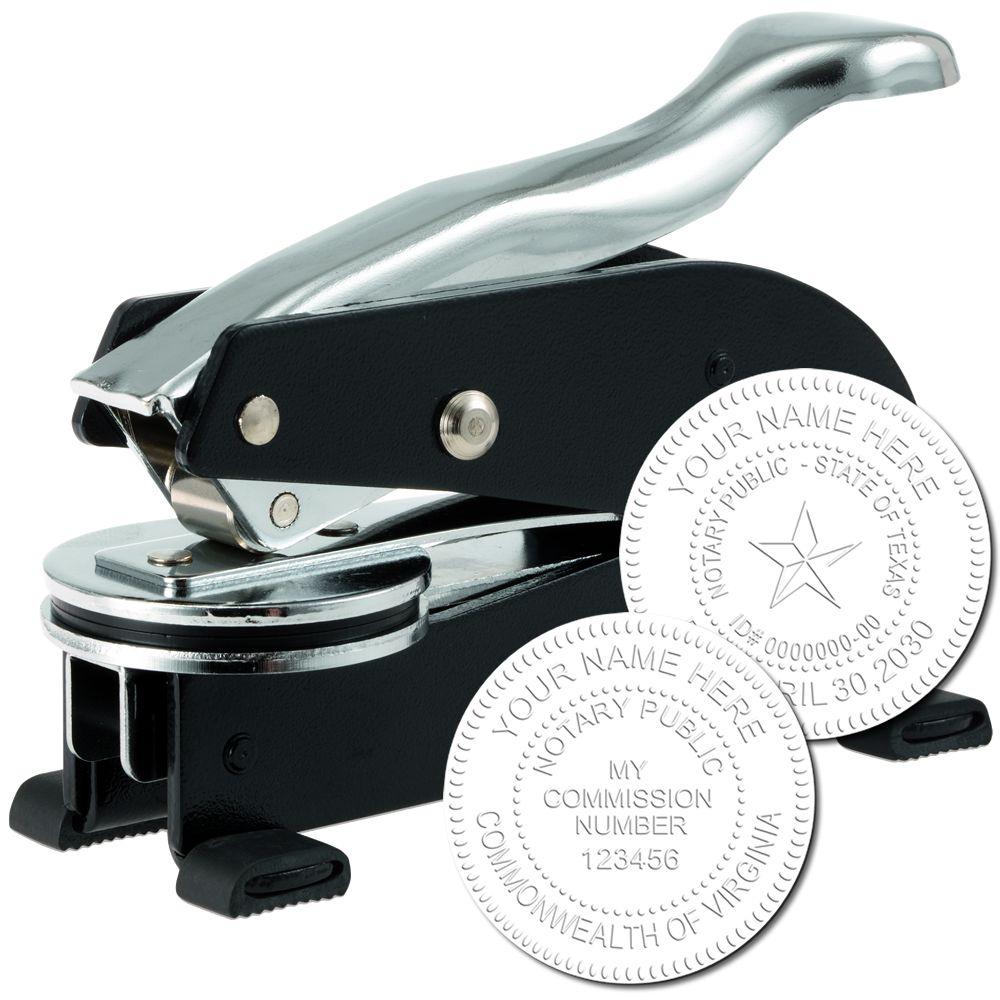
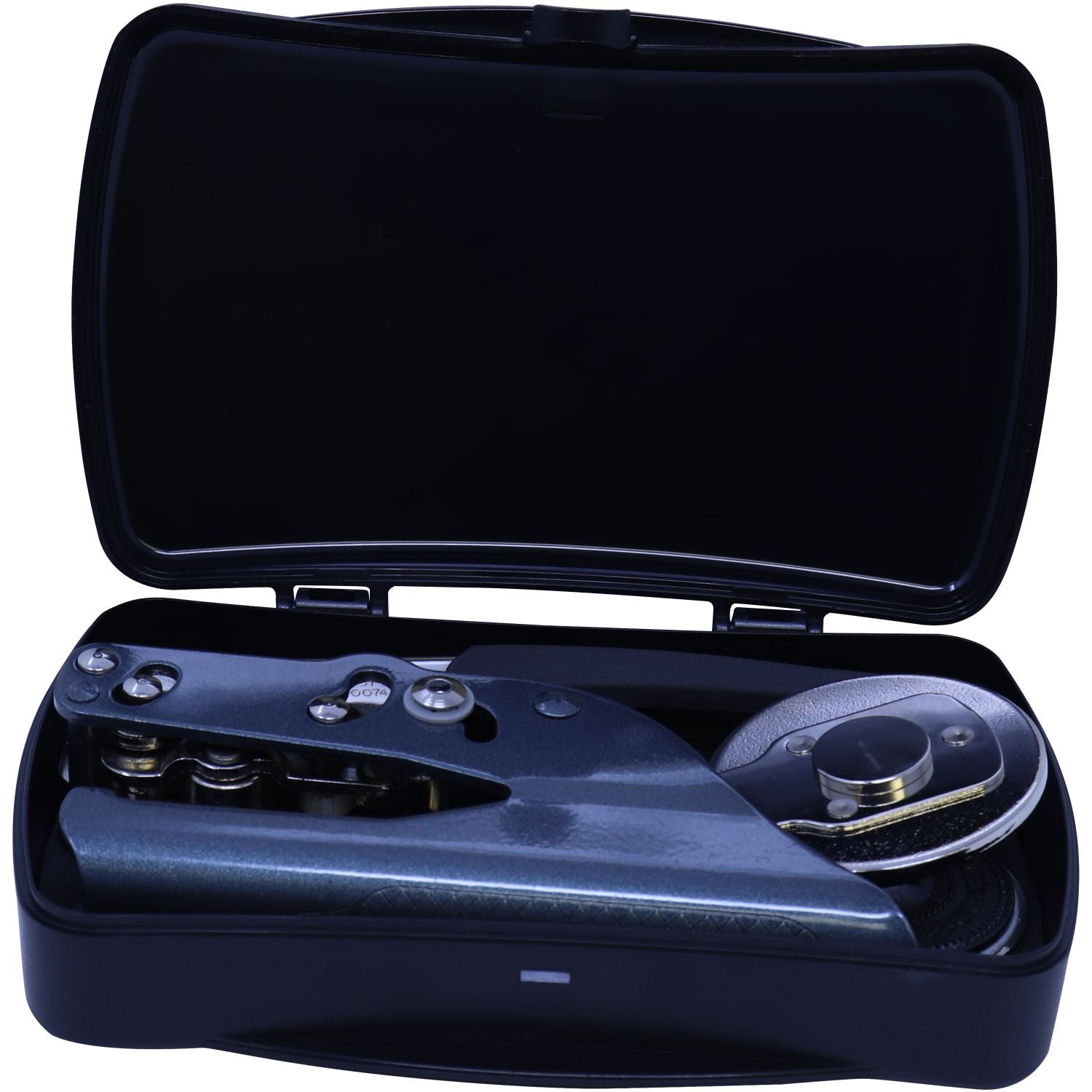
No, a notary embosser does not wear out in normal use. It has no ink or other consumable part, so a handheld, soft, hybrid or desk embosser keeps pressing a clear raised seal, and Acorn warrants its notary embossing seals for two years.
An embosser is retired by a bent frame, a damaged die or a change to the commission details on its die, not by age.



What makes a notary seal stop being usable?
A change to your commission, not wear, is what usually makes a notary seal unusable. A seal that shows your expiration date can be used only until that date, and a renewal with a new number or date, or a name change, means a new seal with the new details.
- Expiration date passes. A notary seal showing an expired date cannot be used for new acts, even if it still prints perfectly.
- Renewal or new commission number. Order a new notary seal once the new commission is issued so every detail matches.
- Name change. The name on a notary seal must match the name on your commission.
- Physical damage. A cracked die, a bent embosser frame or a stamp dropped hard enough to misalign the die prints unevenly and should be replaced.
- Ink exhausted. When a self-inking or pre-inked stamp prints faint after its rated life, order a new stamp.
What a state requires you to do with an old seal varies, so check your state in our notary stamp requirements by state guide, and see how to dispose of an expired notary stamp.
How do you make a notary seal last?
To make a notary seal last, keep the die clean, store it closed and away from heat, and press once firmly rather than rocking or pounding it. An embosser needs no ink and almost no upkeep beyond its storage lock.
- Lock the embosser for storage. Engage a handheld notary embosser's sliding lock for storage, and keep a handheld or soft frame in the $4.95 Notary Pocket Seal Storage Box. The box does not take a desk model.
- Cap or close inked stamps. A self-inking stamp should be stored locked down, and a pre-inked stamp with its cover on, so the ink does not dry at the surface.
- Keep stamps out of heat and sun. Store them in a drawer, not on a car dashboard or in a sunny window.
- Clean the die face. Acorn stamp dies are laser engraved, so grit or dried ink left on the face blurs fine lettering; wipe it gently with a lint-free cloth.
- Press once. Acorn's self-inking and pre-inked stamp listings describe a single press as the intended action, and repeated pressing smears the image rather than darkening it.
- Keep it secure. Store a notary seal where only you can reach it, since it carries your name and commission details.
Where can I buy a replacement notary seal?
Acorn Sales (acornsales.com), which has made stamps and seals since 1964, and its sister store Engineer Seal Stamps (engineersealstamps.com) both make state-compliant notary seals, stamps and embossers. Acorn processes orders in about one business day and offers a PDF proof on most listings, requested at the time of ordering.
- Laid out to your state. Each Acorn notary stamp and seal is built to the state's layout from the details you enter.
- Exact commission details. When ordering a replacement notary seal, enter your name, commission number and expiration date exactly as they appear on your commission.
- Warranty by type. Acorn notary embossing seals carry a two year warranty and Acorn notary rubber stamps six months.
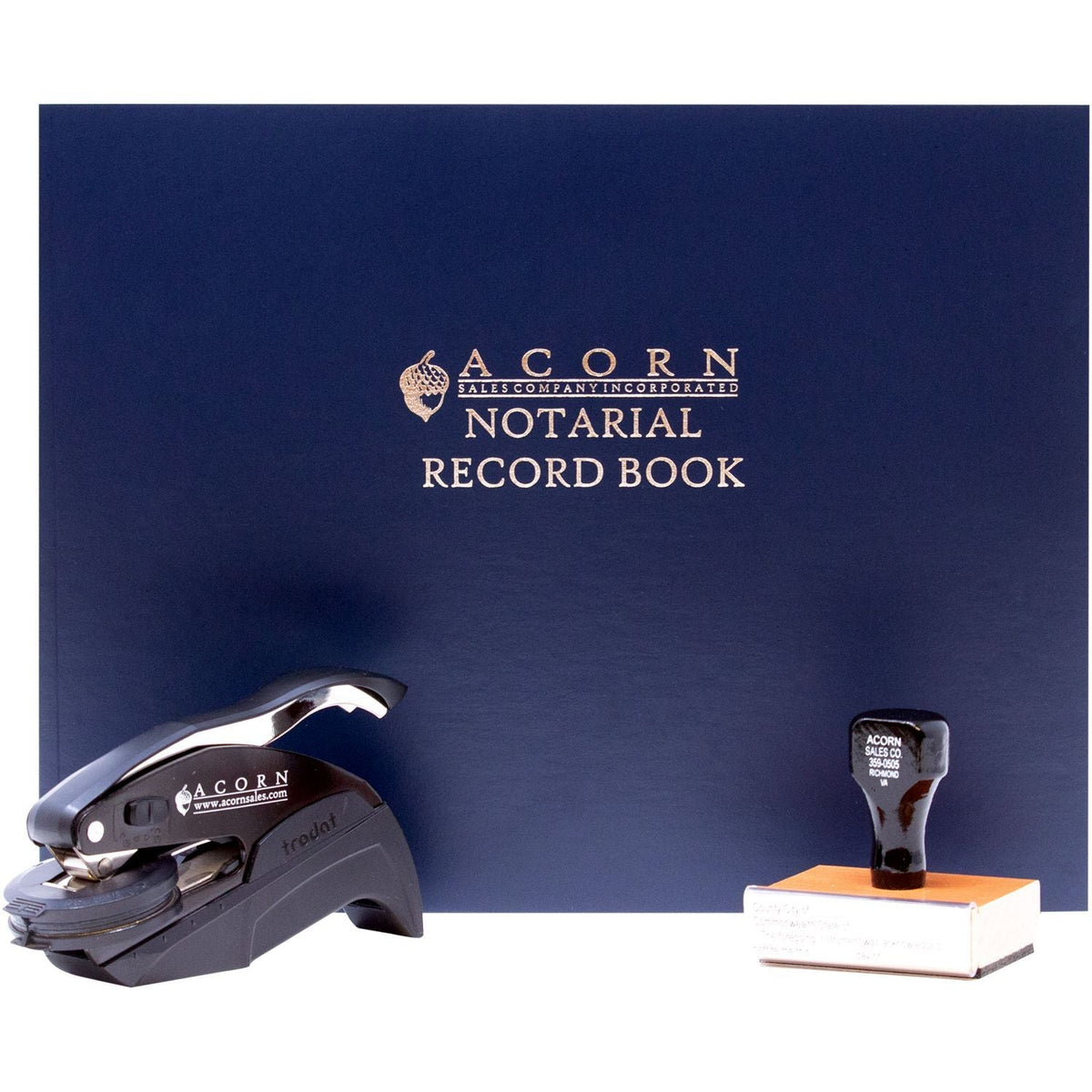
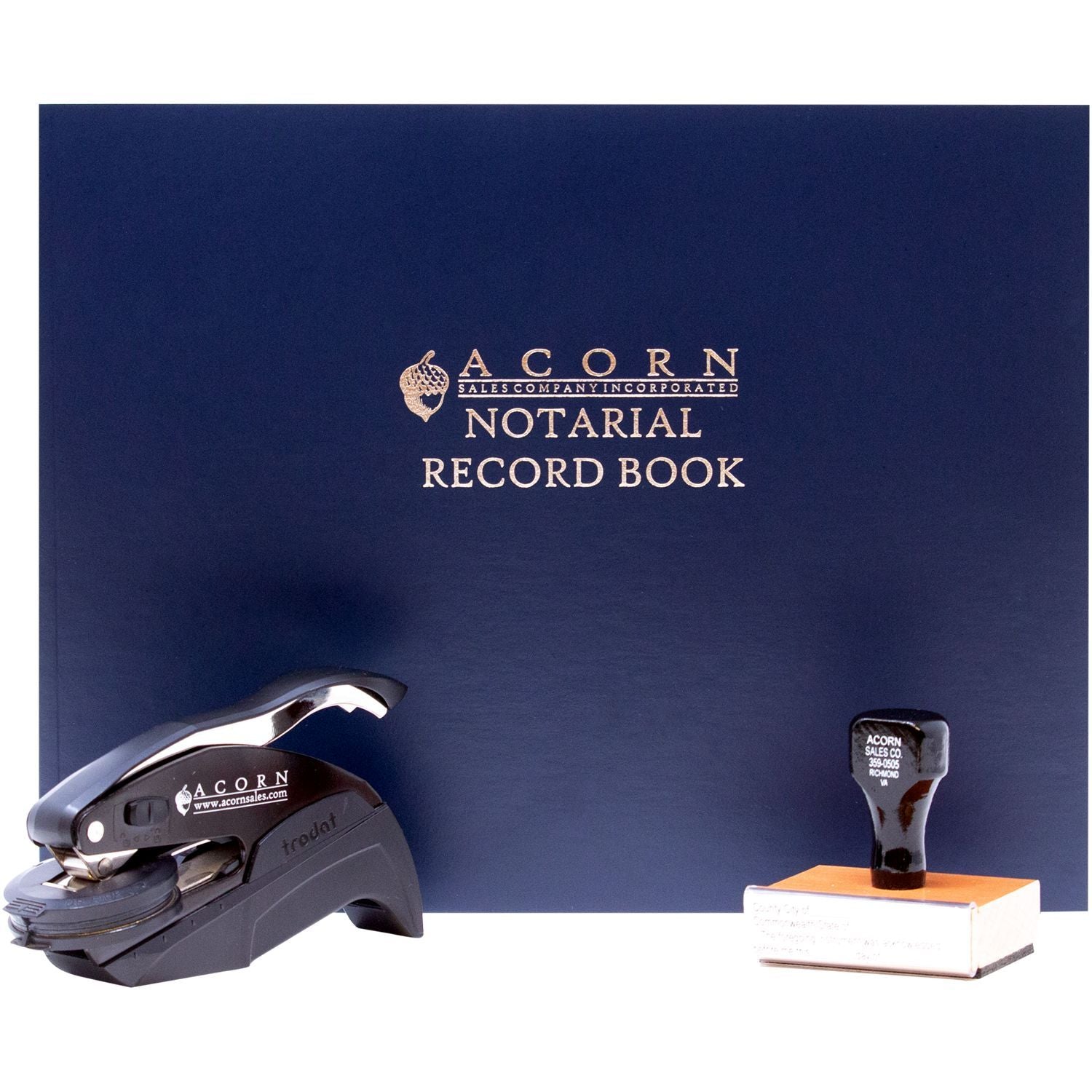
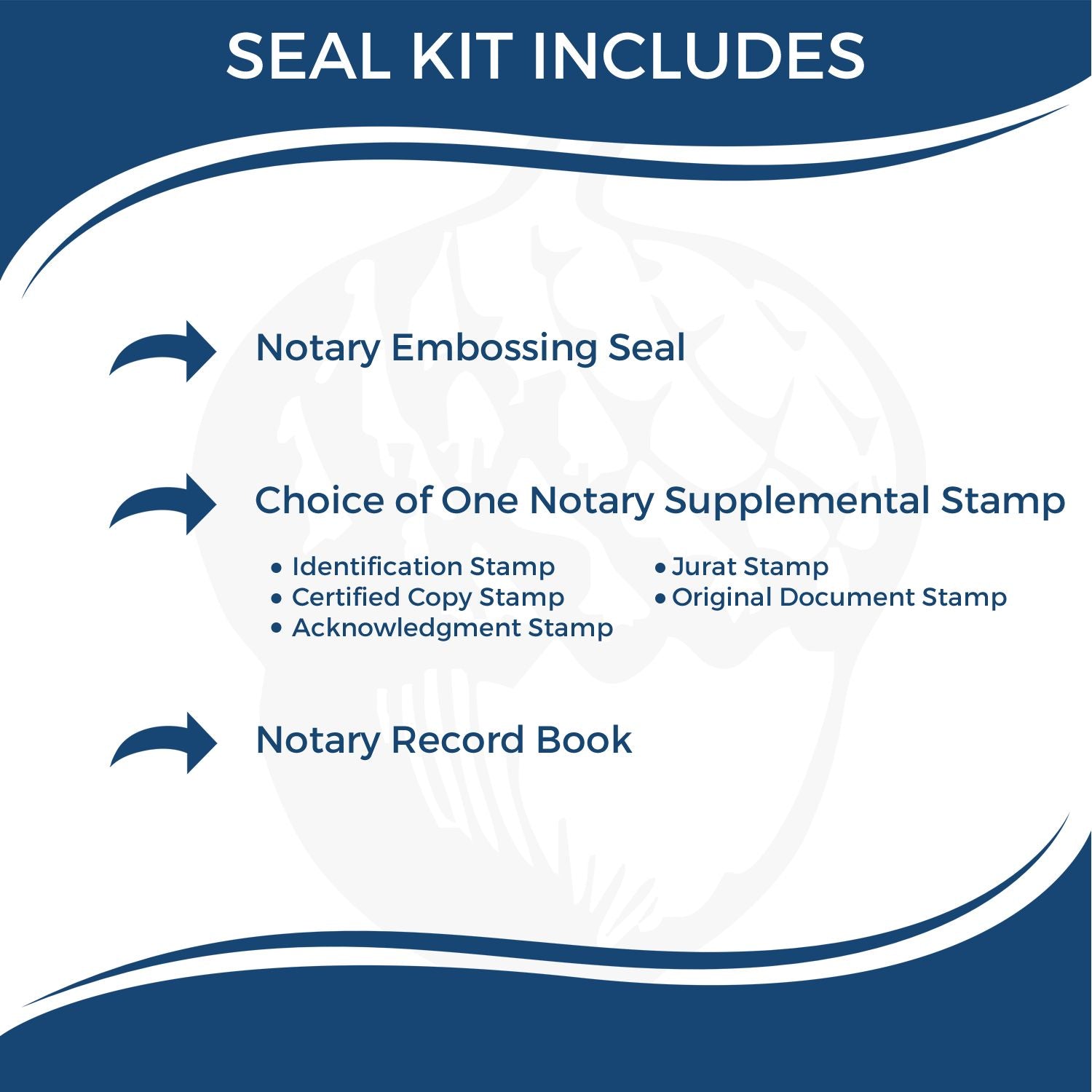
- Kits for a new commission. The least expensive complete Acorn set, the $54.95 Deluxe Black Hybrid Seal Package with Hand Stamps, includes a custom engraved notary embossing seal, an Acorn notary public record book and one supplemental stamp. Supreme packages start at $104.95 and include three supplemental stamps.
- California listed manufacturer. Acorn is on California's authorized notary seal manufacturer list as manufacturer code ASC3; California permits only listed manufacturers to make a notary seal.
- Free electronic seal. Every Acorn notary stamp or seal comes with a free electronic seal image; an eSeal on its own is $20.00.
Shop notary public stamps and seals or notary embossing seal kits. Orders ship from Richmond, Virginia, within the U.S. only, with free Economy shipping on orders over $99. If you are working to a date, contact us before ordering.


Related guides
- Notary Supplies: Stamps, Seals, Journals and Kits
- Notary Stamp or Notary Embosser: Which You Need
- Replacing a Seal After Renewal or a Name Change
- How to Dispose of an Expired Notary Stamp
Frequently asked questions
How long does a notary seal last?
As a physical tool, a notary seal that is cared for has no set end date. An embosser has nothing to use up and a stamp's die and body outlast a typical commission, so the practical limits are the ink inside a self-inking or pre-inked stamp and the commission details engraved on the seal.
Does a notary embosser wear out?
Not from normal use. Nothing in a notary embossing seal is used up, so its raised impression stays crisp; it needs replacing only if the frame is bent, the die is damaged or your commission details change. Acorn embossers carry a two year warranty.
How many impressions does a notary stamp make?
A self-inking notary stamp makes about 10,000 impressions and a Slim, PSI or MaxLight pre-inked notary stamp up to 25,000. A wood handle notary stamp has no limit because it takes ink from a separate pad.
Do I need a new notary seal when I renew my commission?
Usually yes, if your notary seal shows a commission number or expiration date that changes at renewal. The $22.95 Regular Rubber Stamp of Notary Public Seal is offered in a name only layout that carries neither, so a renewal leaves its text current; whether your state still expects a fresh seal each term is a question for your commissioning authority.
Where can I buy a replacement notary seal?
Two related stores make them: Acorn Sales (acornsales.com) and its sister store Engineer Seal Stamps (engineersealstamps.com), which both sell notary stamps, seals and embossers made to state requirements. Have your new commission in hand, copy its name, number and expiration date into the order, and choose an embosser, an inked stamp or a kit that adds a record book.
Can I keep using my notary stamp after my commission expires?
Not for new notarial acts once the commission has ended. A notary stamp or seal carrying a past expiration date is out of service however cleanly it prints, and any exception comes only from your own state's rules.